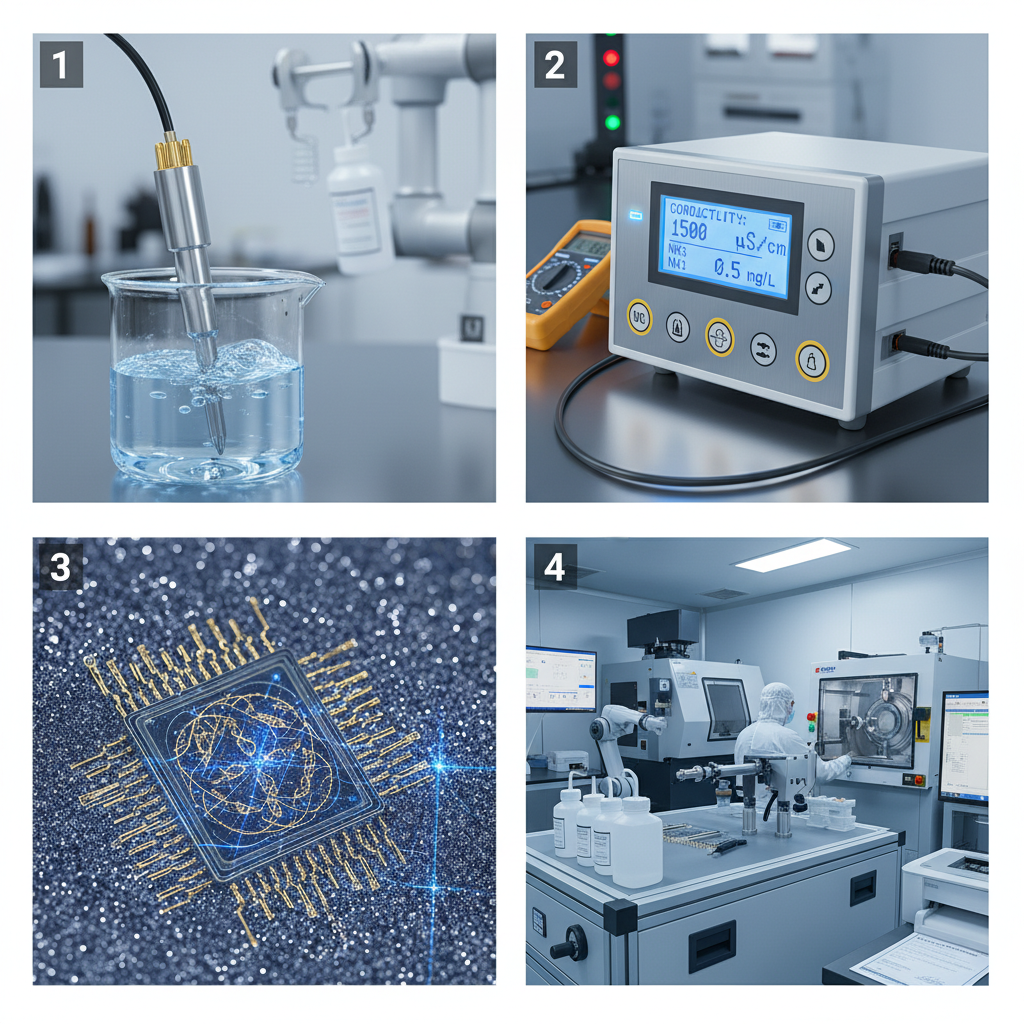


Selecting the right instrumentation for water quality monitoring often leads procurement managers to a critical question: what exactly drives the dissolved oxygen sensor price in today's industrial market? Understanding the cost structure is not merely about finding the lowest number, but about aligning technical specifications with the actual requirements of the monitoring environment.
The price of these sensors varies significantly based on the sensing technology—ranging from traditional galvanic and polarographic probes to modern optical (luminescent) sensors. Each technology carries different implications for initial capital expenditure and long-term operational costs, particularly regarding calibration frequency and membrane replacement.
For enterprises operating in environmental protection, pharmaceuticals, or water supply industries, the decision involves a trade-off between immediate budget constraints and the Total Cost of Ownership (TCO). This guide analyzes the variables that influence pricing and how to evaluate the return on investment for different sensor grades.

Analyzing the Core Components of DO Sensor Pricing

The pricing of a dissolved oxygen (DO) sensor is rarely a flat fee; it is a composite of material quality, sensing mechanism, and integrated electronics. At the base level, the cost is determined by the probe's construction materials, such as the use of high-grade stainless steel or specialized polymers that resist corrosion in harsh chemical environments.
Beyond materials, the precision of the internal circuitry and the stability of the reference electrode play a major role. Higher-priced units typically feature better temperature compensation and superior electromagnetic compatibility (EMC), ensuring that the data remains accurate even in industrial settings where electrical noise is prevalent.
Additionally, the integration of digital communication protocols, such as Modbus RS485, adds to the value. While an analog 4-20mA output is cost-effective, digital integration allows for remote diagnostics and easier system scaling, which justifies a higher initial investment for larger-scale municipal or industrial projects.
Technological Divergence: Optical vs. Electrochemical Costs
When comparing the dissolved oxygen sensor price, the most stark contrast is found between electrochemical probes and optical sensors. Electrochemical sensors (Galvanic and Polarographic) are generally more affordable upfront but require more frequent maintenance, including electrolyte replacement and membrane changes.
Optical sensors, utilizing luminescence quenching, command a premium price due to the complexity of the light-emitting and detecting components. However, they eliminate the need for electrolyte refills and are significantly less sensitive to "poisoning" by sulfide or other contaminants common in wastewater.
From a procurement perspective, the choice depends on the measurement frequency. For occasional spot checks, electrochemical sensors are budget-friendly. For continuous, autonomous online monitoring, the higher price of optical technology is offset by the reduction in labor costs and increased data reliability.
Critical Application Scenarios and Their Budgetary Impact
Application environments dictate the necessary sensor grade, which in turn determines the price. In a science laboratory, a standard DO meter provides sufficient accuracy. However, in industrial wastewater treatment, the sensor must withstand biofilm accumulation and abrasive particulates, necessitating ruggedized housings and automatic cleaning systems.
In pharmaceutical and food and beverage industries, the requirement for sterilization (SIP/CIP) means sensors must be capable of withstanding high temperatures and pressures. These specialized "sanitary" sensors are priced higher because they require medical-grade materials and specialized sealing techniques to prevent contamination.
Environmental monitoring for water pollution prevention requires long-term stability in remote locations. In these cases, the price is driven by the need for low-drift electronics and high-durability membranes that can operate for months without manual intervention, reducing the cost of site visits.
Operational Efficiency and Long-term Value Metrics
Evaluating a sensor based solely on the purchase price ignores the operational efficiency. A high-quality sensor reduces the "Total Cost of Ownership" by extending the time between calibrations and decreasing the rate of probe failure.
When we analyze the performance metrics, we look at response time, drift stability, and the cost of consumables over a three-year window. The following data represents the relative efficiency gains when moving from entry-level electrochemical sensors to industrial-grade optical solutions.
DO Sensor Technology Efficiency Comparison
The chart indicates that while the initial cost of advanced sensors is higher, their stability (lower drift) and reduced maintenance requirements provide a significant advantage in continuous monitoring systems, effectively lowering the cost per data point.
Procurement Strategies for Industrial Water Quality Sensors
Successful procurement requires shifting the focus from "Price per Unit" to "Price per Measurement." When drafting a tender or evaluating a quote, procurement officers should demand data on the expected lifespan of the sensing element and the cost of the required consumables.
It is also essential to consider the compatibility of the sensor with existing controllers. For instance, sensors that integrate seamlessly with PH ORP or Conductivity controllers can reduce the need for multiple separate power supplies and signal converters, lowering the overall system installation cost.
Finally, verify the after-sales support. A sensor that is slightly cheaper but lacks local calibration support or rapid replacement parts can lead to costly system downtime, which far outweighs any initial savings on the dissolved oxygen sensor price.
Future Shifts in Sensor Manufacturing and Market Pricing
The market for water quality sensors is likely to see a further decline in the cost of optical sensing elements as manufacturing processes for luminescent dyes and LED components scale up. This trend may eventually make optical sensors the baseline for even low-budget applications.
Integration with AI-driven predictive maintenance is another emerging factor. Future sensors may include self-diagnostic capabilities that alert operators exactly when a membrane is failing, rather than relying on a fixed calendar schedule. This shift could redefine how we calculate the ROI of high-end sensors.
We also expect to see more "modular" sensor designs where the sensing cap can be replaced without removing the entire probe assembly from the process line. This innovation would significantly reduce labor costs and minimize process interruptions in critical industrial flows.
Decision Framework for Selecting the Optimal DO Sensor
To choose the right sensor, you must match the technology to your specific operating conditions. The table below provides a comparison of different solution types based on common industrial needs, helping you navigate the dissolved oxygen sensor price spectrum.
Consider the frequency of measurement and the presence of contaminating agents (like H2S) to determine whether the premium for optical technology is a necessity or an unnecessary luxury for your specific project.
| Solution Type | Initial Cost | Maintenance Need | Best Use Case |
|---|---|---|---|
| Galvanic Probe | Low | High (Frequent) | Lab Spot Checks |
| Polarographic Probe | Low to Mid | High (Electrolyte) | Basic Wastewater |
| Standard Optical | Mid to High | Low (Annual) | Aquaculture / Environmental |
| Industrial Optical | High | Very Low | Municipal Treatment |
| Sanitary DO Sensor | High | Moderate (SIP/CIP) | Pharma / Food Grade |
| Digital Smart Sensor | Premium | Low (Auto-Diag) | Remote Monitoring |
Ultimately, the best selection is the one that balances the technical requirements of the water quality index with the long-term budgetary capabilities of the facility. For those evaluating these options, detailed product specifications can be found at www.watequipments.com.
Frequently Asked Questions
Conclusion
Evaluating the dissolved oxygen sensor price requires a transition from a procurement mindset focused on capital expenditure to one focused on operational sustainability. While the entry price for electrochemical sensors is attractive, the long-term reliability and low maintenance of optical technology often provide a superior return on investment for industrial and environmental applications.
By aligning the sensor's technical specifications—such as material durability, communication protocols, and sensing mechanism—with the actual demands of the water environment, enterprises can avoid the pitfalls of under-specification. For comprehensive water quality solutions and detailed equipment catalogs, interested parties are encouraged to visit www.watequipments.com.