

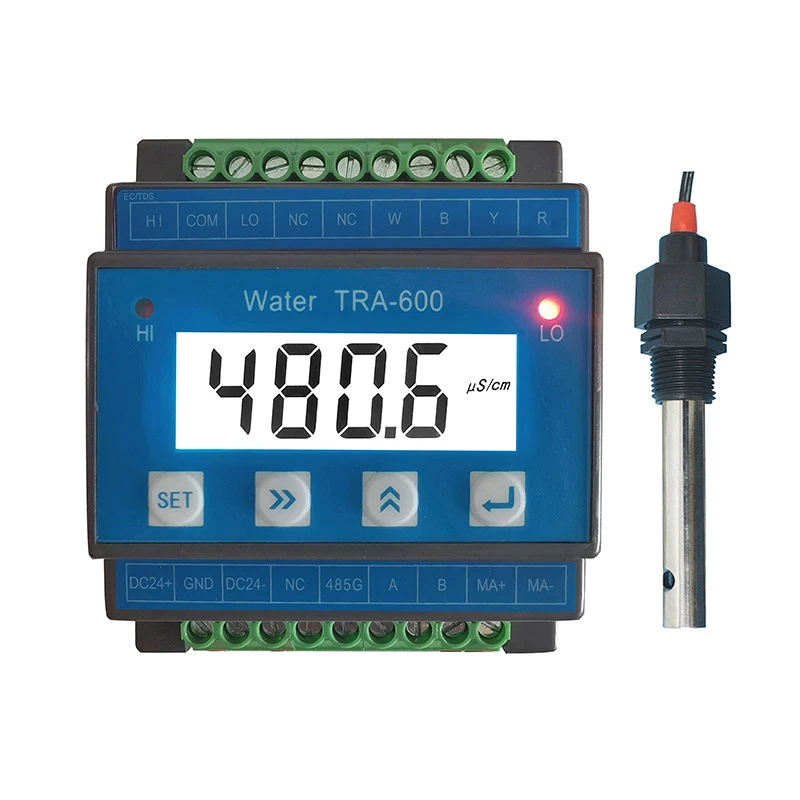
Peru's water management is characterized by extreme geographical diversity, where mining operations in the Andes and aquaculture in the Pacific coast create vastly different pollution profiles. The demand for a reliable total suspended solids meter has surged as the government tightens regulations on tailings dams and river sedimentation to protect local ecosystems.
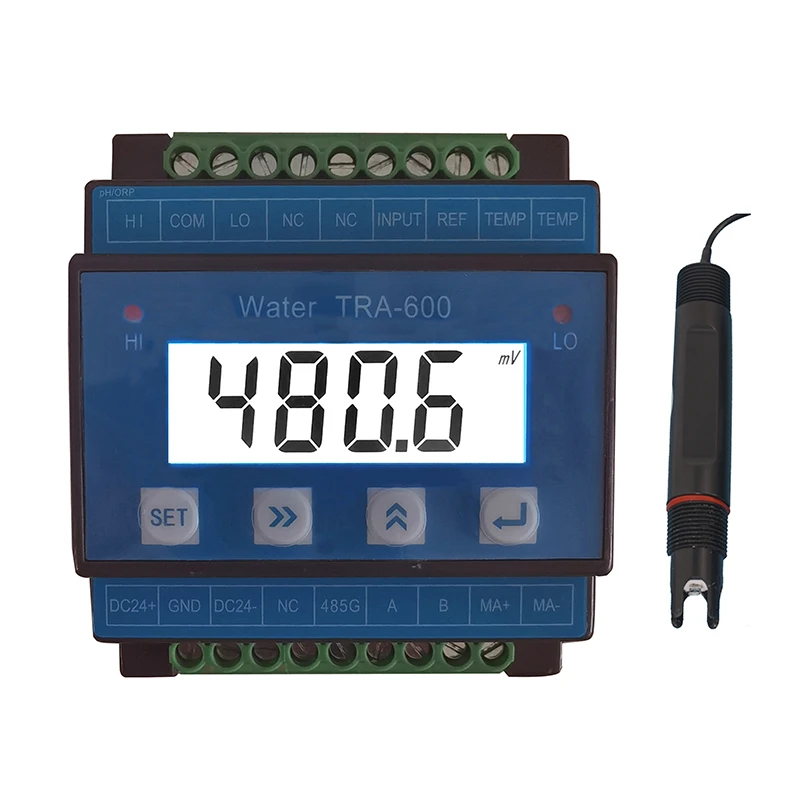
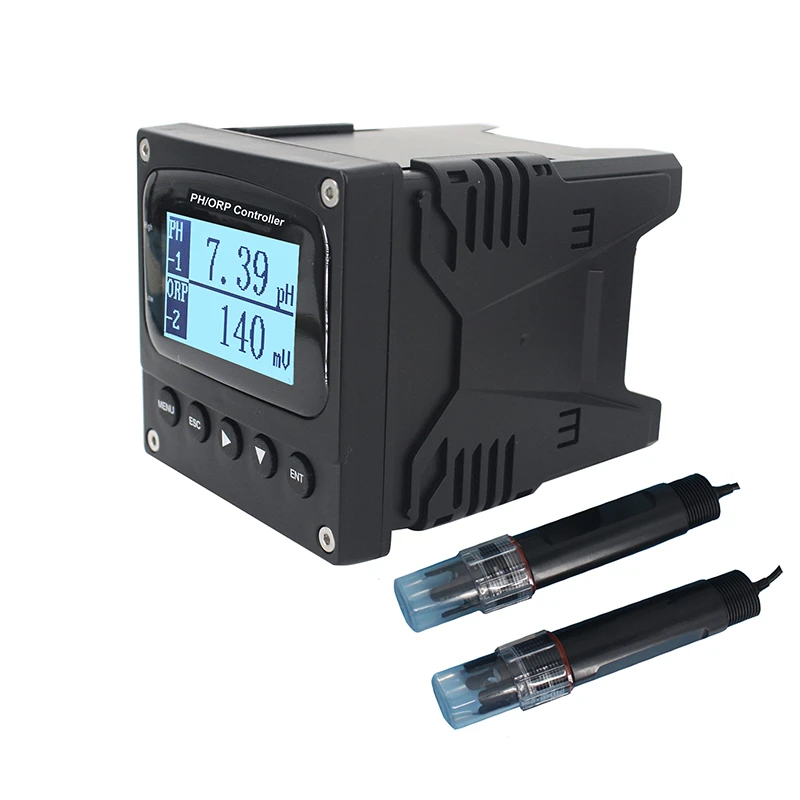
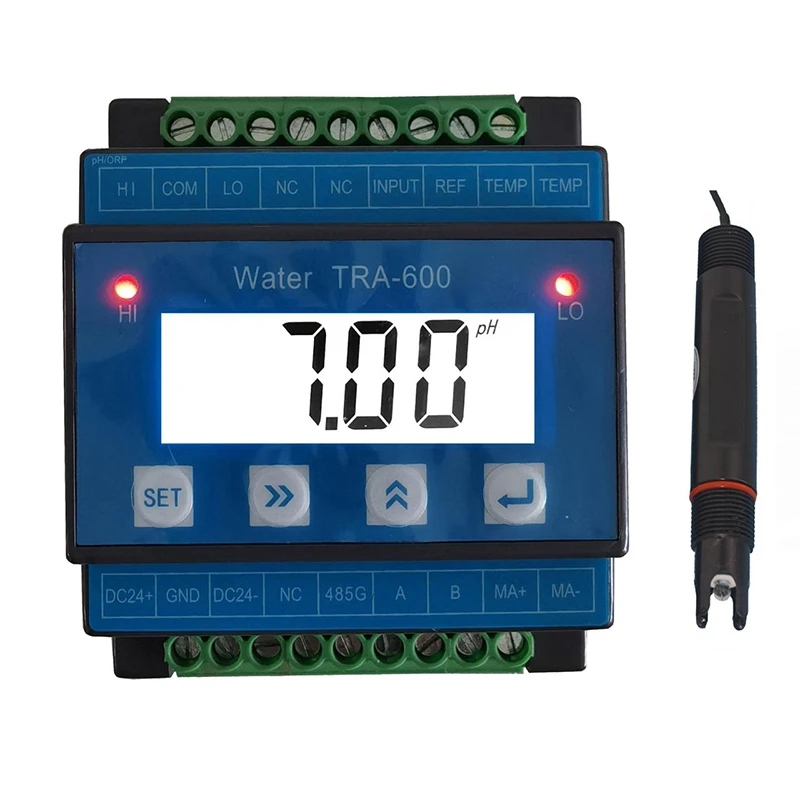
In urban centers like Lima, the challenge lies in the aging infrastructure of wastewater treatment plants. The integration of a ph orp controller has become essential for neutralizing industrial effluents before they reach municipal sewers, preventing corrosion and ensuring chemical stability in treatment processes.
Furthermore, the Peruvian aquaculture sector, particularly in the north, relies heavily on precise aeration and oxygenation. Implementing a high-performance residual chlorine sensor is critical for disinfecting water sources without harming sensitive aquatic species, balancing hygiene with biological safety.

 English