

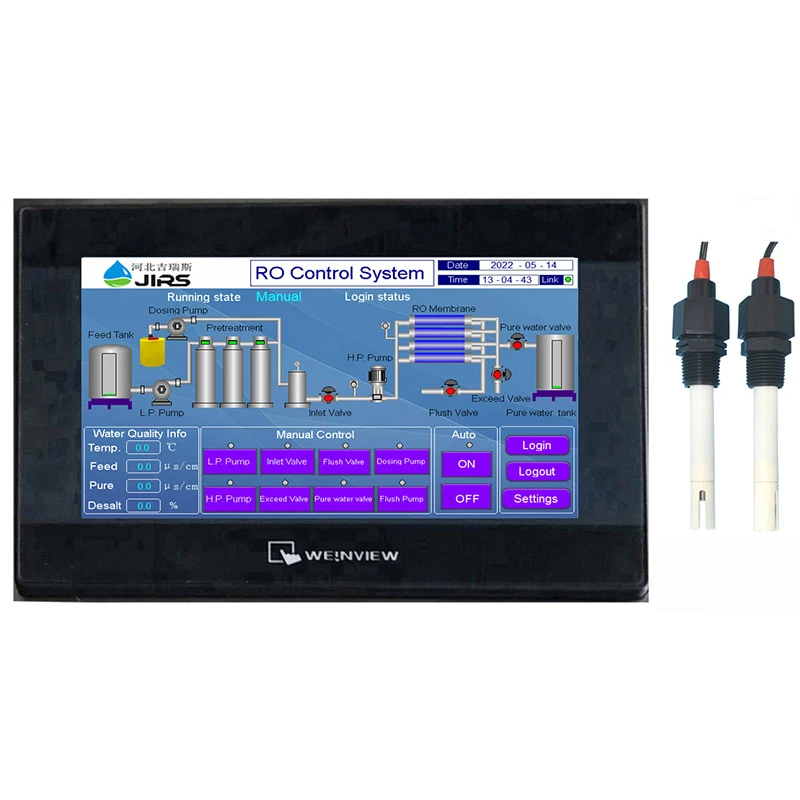
Uruguay's water management is currently characterized by a critical balance between its vast livestock industry and the growing industrial hubs around Montevideo. The prevalence of nitrates and phosphates from agricultural runoff has increased the demand for a reliable total suspended solids meter to monitor river sedimentation and pollution levels effectively.
In the municipal sector, the focus has shifted toward upgrading treatment plants to prevent algae blooms, a recurring challenge in the region. This has led to a surge in the deployment of dissolved oxygen meter for water systems to ensure the health of aquatic ecosystems and the efficiency of aerobic digestion in wastewater plants.
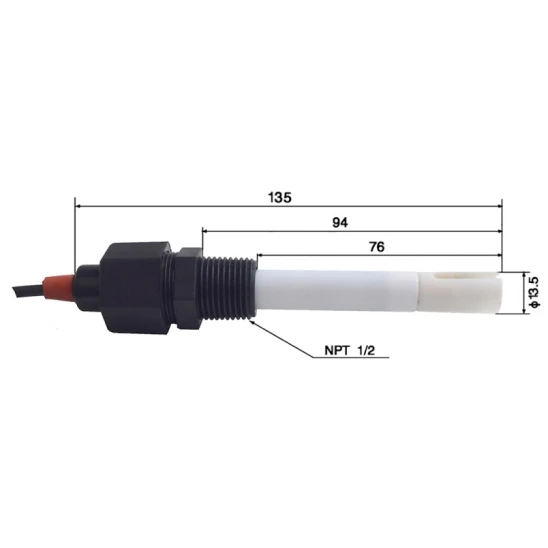
Moreover, the local pharmaceutical and food processing industries are transitioning from manual sampling to automated systems. The integration of a residual chlorine sensor has become standard for ensuring sterilization safety and regulatory compliance with national health standards.

 English