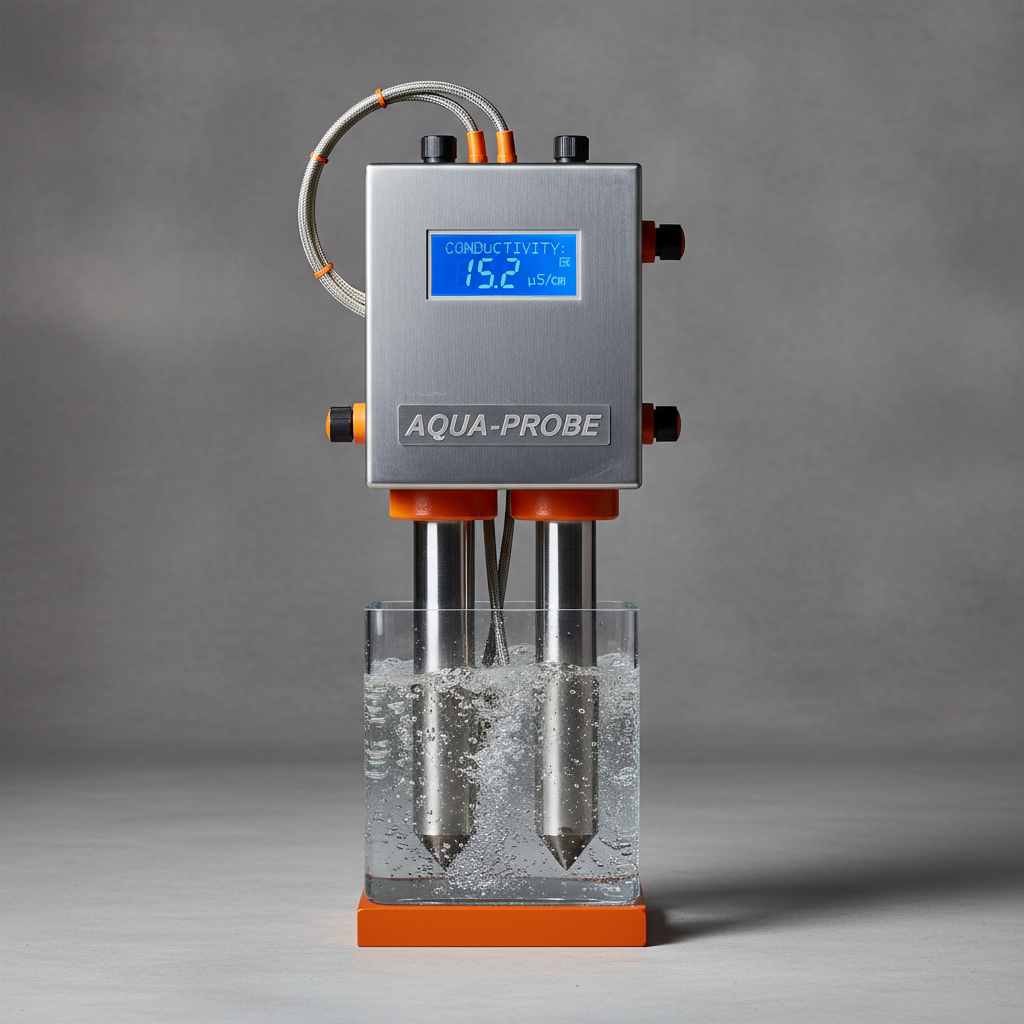
Ensuring access to safe drinking water is a global imperative, and monitoring its quality is paramount. Total Dissolved Solids (TDS) is a crucial parameter in assessing water potability, reflecting the concentration of minerals, salts, metals, cations, and anions dissolved in a volume of water. High TDS levels can affect the taste, odor, and aesthetic qualities of water, and potentially pose health risks. Accurate and reliable measurement of TDS using a tds meter for drinking water is therefore vital for public health, environmental monitoring, and industrial processes.
The increasing strain on freshwater resources globally due to population growth, industrialization, and climate change necessitates robust water quality monitoring solutions. A tds meter for drinking water plays a central role in achieving this, allowing for quick, on-site assessment of water quality and enabling informed decisions regarding treatment and distribution. This is particularly critical in developing nations and regions facing water scarcity.
From municipal water treatment plants to individual households and remote field testing, the demand for efficient and accurate tds meter for drinking water is continually rising. Understanding the principles behind TDS measurement, the various types of meters available, and their specific applications is essential for professionals in water quality management and anyone concerned with safe drinking water.
The Significance of TDS in Water Quality
TDS is a fundamental indicator of water quality, influencing not only its taste and aesthetic appeal but also its potential to support aquatic life and human health. Elevated TDS levels, often stemming from agricultural runoff, industrial discharge, or natural mineral deposits, can signal contamination and necessitate water treatment. Regular monitoring with a tds meter for drinking water provides essential data for assessing the effectiveness of purification processes and ensuring compliance with drinking water standards.
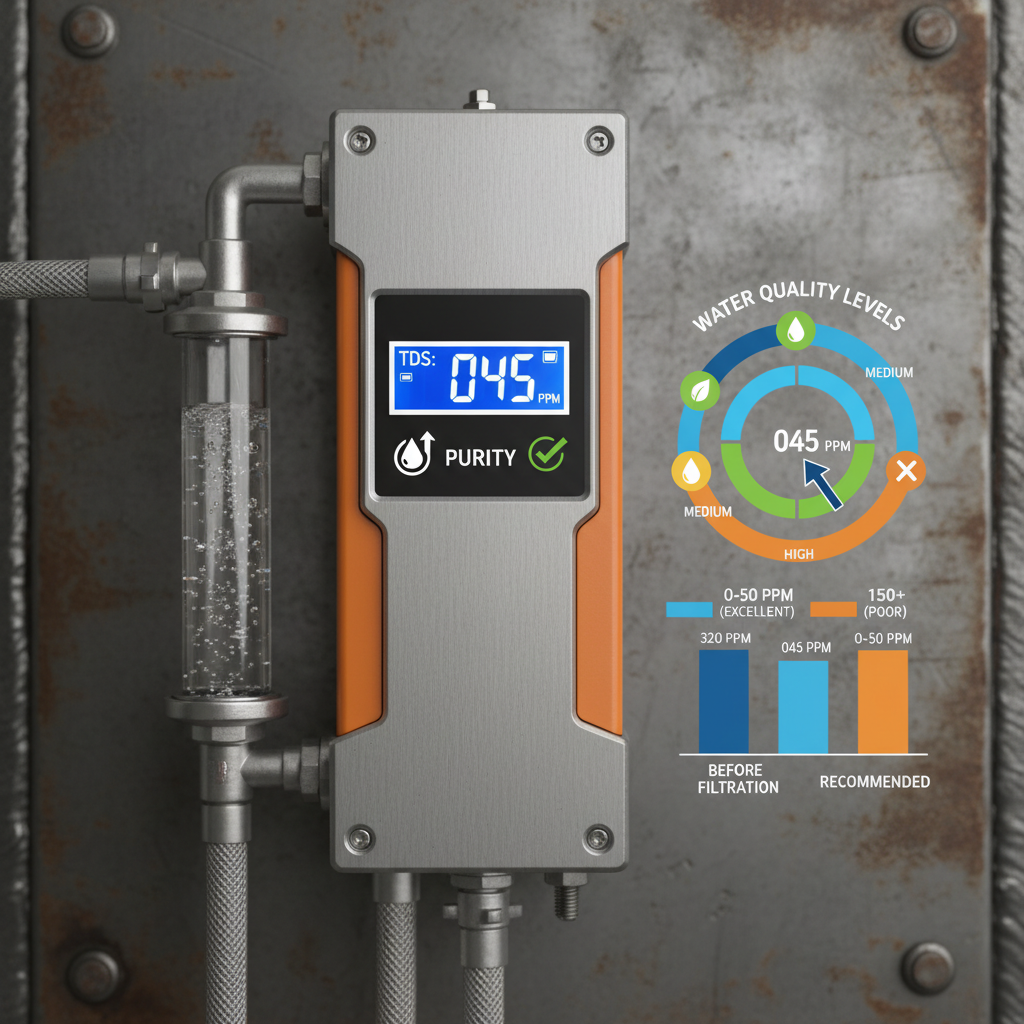
The World Health Organization (WHO) guidelines suggest TDS levels below 300 mg/L are considered excellent, while levels exceeding 1000 mg/L are generally considered unacceptable. This highlights the importance of precise measurement using a reliable tds meter for drinking water to identify and address potential water quality issues.
Understanding TDS Meters for Drinking Water
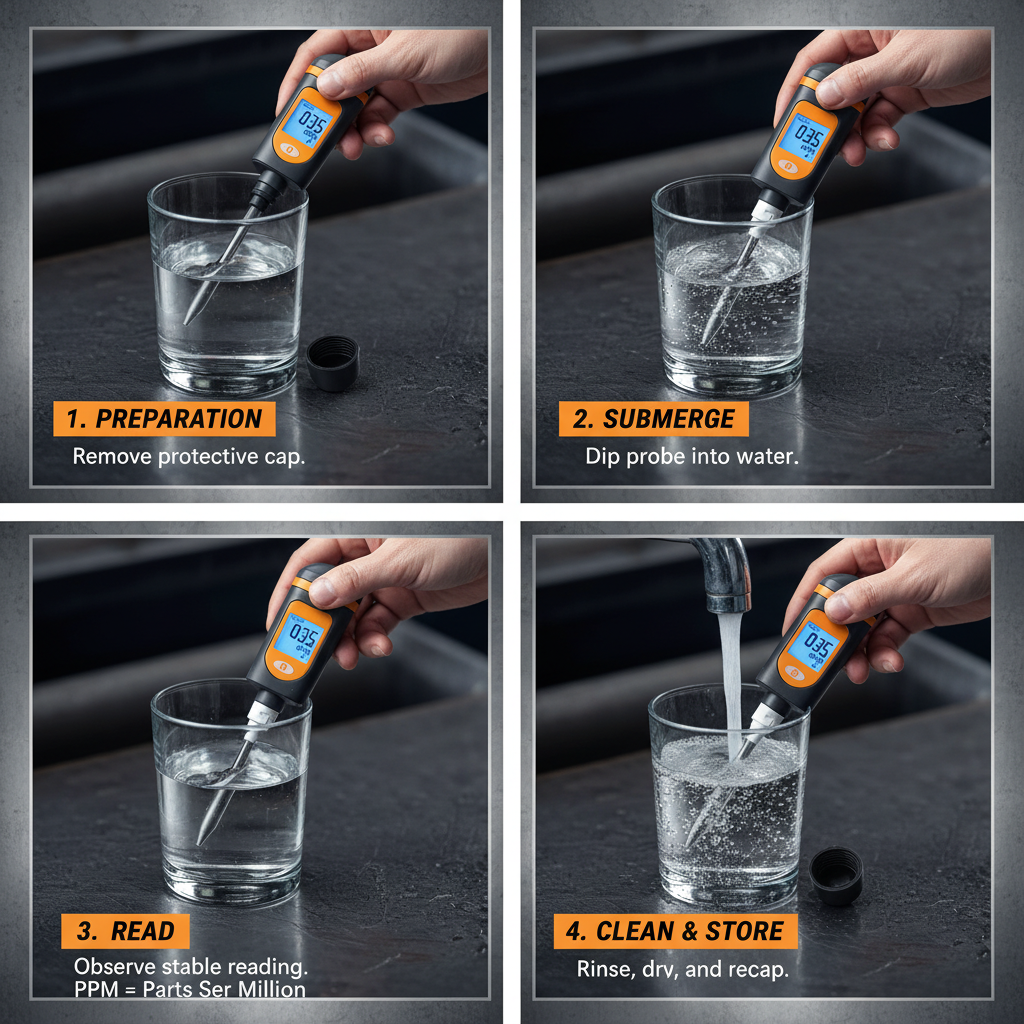
A tds meter for drinking water is an electronic device used to measure the total amount of dissolved substances in water. These meters typically work by measuring the electrical conductivity of the water, as the presence of dissolved ions increases its ability to conduct electricity. The meter then converts this conductivity reading into a TDS concentration, expressed in parts per million (ppm) or milligrams per liter (mg/L).
Different types of TDS meters are available, including pen-style meters for portable field testing, benchtop meters for laboratory analysis, and inline meters for continuous monitoring in industrial processes. The choice of meter depends on the specific application and required level of accuracy.
Modern tds meter for drinking water often include features such as temperature compensation to ensure accurate readings, automatic calibration for ease of use, and data logging capabilities for long-term monitoring and analysis.
Key Factors in Selecting a TDS Meter
Selecting the right tds meter for drinking water requires careful consideration of several factors. Accuracy is paramount, and meters with a higher resolution and calibration capabilities are preferred. The range of measurement should also be appropriate for the expected TDS levels in the water being tested.
Portability is another important consideration, especially for field applications. Pen-style TDS meters are lightweight and easy to carry, while benchtop meters are more suitable for laboratory settings. Durability and water resistance are also crucial for ensuring the meter can withstand harsh environmental conditions.
Finally, the ease of use and maintenance should be taken into account. Meters with simple interfaces, automatic calibration features, and readily available replacement parts are more convenient to operate and maintain.
Global Applications of TDS Meters
tds meter for drinking water finds extensive application across diverse sectors globally. In municipal water treatment facilities, they ensure water meets regulatory standards before distribution to consumers. In agriculture, TDS monitoring helps assess irrigation water quality, preventing soil salinization and maximizing crop yields.
In post-disaster relief operations, portable TDS meters are invaluable for rapidly assessing the potability of water sources, safeguarding public health in emergency situations. Industrial applications include monitoring wastewater discharge, optimizing cooling tower efficiency, and ensuring product quality in food and beverage production.
TDS Meter Application Breakdown
Advantages and Long-Term Value
Utilizing a tds meter for drinking water offers numerous tangible benefits. Reduced healthcare costs stemming from waterborne illnesses, increased agricultural productivity through optimized irrigation, and minimized environmental impact through effective wastewater management are all direct outcomes.
From a sustainability perspective, accurate TDS monitoring supports responsible water resource management, conserving this vital resource for future generations. The long-term value lies in protecting public health, promoting environmental stewardship, and ensuring economic stability.
Future Trends in TDS Measurement
The future of TDS measurement is geared towards miniaturization, increased automation, and real-time data analytics. Development of low-cost, portable sensors integrated with IoT platforms will enable continuous, remote monitoring of water quality.
Advancements in sensor technology are leading to more accurate and reliable TDS measurements, even in challenging environments. The integration of artificial intelligence (AI) and machine learning (ML) algorithms will enable predictive modeling and early detection of water quality issues.
Furthermore, the development of eco-friendly and sustainable sensor materials will minimize the environmental footprint of TDS monitoring equipment.
Challenges and Solutions in TDS Monitoring
Despite advancements in TDS measurement technology, challenges remain. Sensor fouling, interference from other ions, and the need for regular calibration can affect accuracy and reliability. Developing robust sensors resistant to fouling and employing advanced signal processing techniques can mitigate these issues.
Ensuring data security and privacy is also crucial, particularly in networked monitoring systems. Implementing robust cybersecurity measures and adhering to data protection regulations are essential.
Furthermore, expanding access to affordable TDS monitoring solutions in developing countries is critical for addressing global water quality challenges. Innovative financing models and technology transfer initiatives can help bridge this gap.
Summary of TDS Monitoring Challenges and Solutions
| Challenge |
Impact on TDS Accuracy |
Proposed Solution |
Implementation Cost (1-10) |
| Sensor Fouling |
Reduced sensitivity, inaccurate readings |
Self-cleaning sensors, regular maintenance |
4 |
| Ion Interference |
False TDS values |
Advanced signal processing, selective sensors |
6 |
| Calibration Drift |
Gradual loss of accuracy |
Automatic calibration, regular standardization |
3 |
| Data Security |
Compromised data integrity |
Encryption, secure data transmission |
7 |
| Accessibility in Developing Regions |
Limited monitoring capabilities |
Low-cost sensors, financing initiatives |
5 |
| Lack of Trained Personnel |
Incorrect operation & interpretation |
Comprehensive training programs |
4 |
FAQS
While both TDS and EC relate to dissolved substances in water, they are not the same. EC measures the ability of water to conduct electricity, while TDS measures the total weight of dissolved solids. EC is often used to estimate TDS, but the conversion factor can vary depending on the composition of the water. A tds meter for drinking water provides a more direct measurement of TDS.
Calibration frequency depends on the meter's usage and the water quality being tested. Generally, it's recommended to calibrate a tds meter for drinking water at least once a month, or more frequently if it's used heavily or exposed to extreme conditions. Always use a calibration standard specifically designed for TDS meters.
The EPA recommends a maximum TDS level of 500 mg/L for drinking water. However, the WHO guidelines suggest levels below 300 mg/L are considered excellent. While TDS itself isn’t typically a health hazard, high levels can indicate the presence of other contaminants and may affect taste and odor. Regular testing with a tds meter for drinking water is crucial.
No, a tds meter for drinking water measures the total dissolved solids, but it doesn't identify specific contaminants. It provides an overall indication of water quality. To identify specific contaminants, you'll need to perform additional water tests using specialized equipment.
For field testing, a pen-style TDS meter is generally the best option. These meters are compact, lightweight, and portable, making them easy to carry and use in remote locations. Look for a model with automatic calibration and a durable waterproof casing. Using a high quality tds meter for drinking water ensures accurate readings.
Temperature can affect TDS readings because the conductivity of water changes with temperature. Most modern tds meter for drinking water have automatic temperature compensation (ATC) to adjust the reading accordingly. If your meter doesn't have ATC, you'll need to manually correct the reading based on the water temperature.
Conclusion
In conclusion, a tds meter for drinking water is an indispensable tool for ensuring access to safe, clean drinking water worldwide. From monitoring municipal water supplies to assessing water quality in remote locations, these meters provide critical data for protecting public health and the environment. Understanding the principles of TDS measurement, selecting the right meter, and interpreting the results are essential for effective water quality management.
As technology continues to evolve, we can expect even more sophisticated and accessible TDS monitoring solutions to emerge, further empowering individuals and organizations to safeguard our most precious resource. Investing in reliable TDS monitoring technology and promoting responsible water management practices are vital steps towards a sustainable future. Visit our website at www.watequipments.com to explore our range of TDS meters and learn more about water quality solutions.