Understanding normal tds of water is crucial for maintaining healthy aquatic ecosystems, ensuring safe drinking water supplies, and optimizing industrial processes. Globally, water quality is increasingly threatened by pollution from agricultural runoff, industrial discharge, and urban wastewater. Monitoring and maintaining appropriate total dissolved solids (TDS) levels is a key indicator of water safety and usability.
In industries like power generation, semiconductor manufacturing, and food & beverage production, precise control of normal tds of water is essential for preventing equipment corrosion, scaling, and product contamination. The ability to accurately measure and regulate TDS directly impacts operational efficiency, product quality, and regulatory compliance.
Therefore, investing in reliable water quality monitoring equipment, including TDS meters and controllers, is a proactive step towards environmental protection, public health, and sustainable industrial practices. Accurate assessment of normal tds of water enables informed decision-making and effective management of water resources.
Understanding Normal TDS of Water
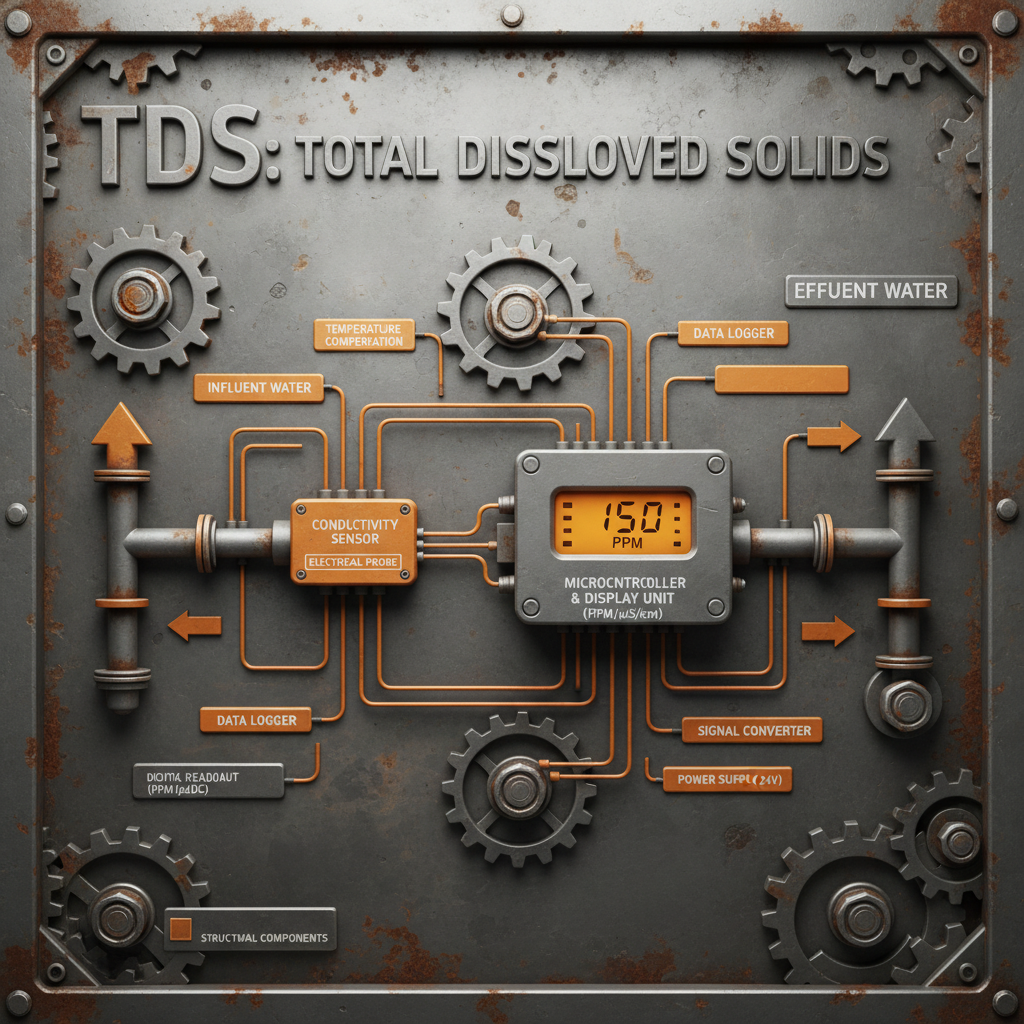
Total Dissolved Solids (TDS) refers to the total amount of minerals, salts, metals, cations or anions dissolved in a volume of water, expressed in parts per million (ppm). Normal tds of water is a critical parameter for assessing water quality, influencing its taste, odor, and suitability for various uses.
Understanding the acceptable range of normal tds of water is essential for safeguarding human health, protecting aquatic life, and optimizing industrial processes. Variations in TDS levels can signal contamination, mineral imbalances, or potential equipment damage.
The Significance of Normal TDS Levels
The significance of maintaining normal tds of water stems from its direct impact on both environmental health and human well-being. Elevated TDS levels can render water undrinkable, damage aquatic ecosystems, and contribute to infrastructure corrosion.
Conversely, extremely low TDS levels can indicate a lack of essential minerals and may result in aggressive water that leaches metals from plumbing systems. Monitoring normal tds of water allows for proactive interventions to mitigate these risks.
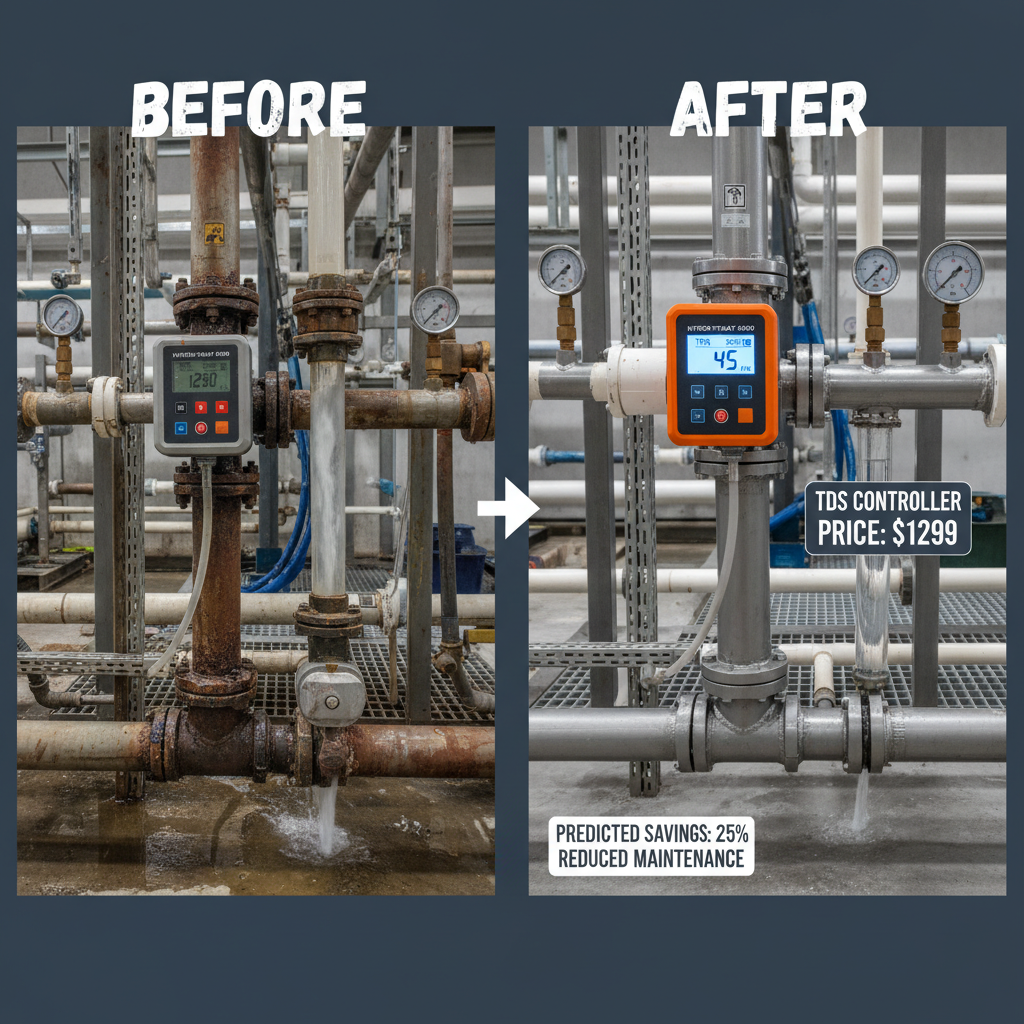
Furthermore, in industrial settings, accurate TDS control is crucial for preventing scaling, fouling, and corrosion in boilers, cooling towers, and other critical equipment, ultimately reducing maintenance costs and extending equipment lifespan.
Defining Normal TDS of Water
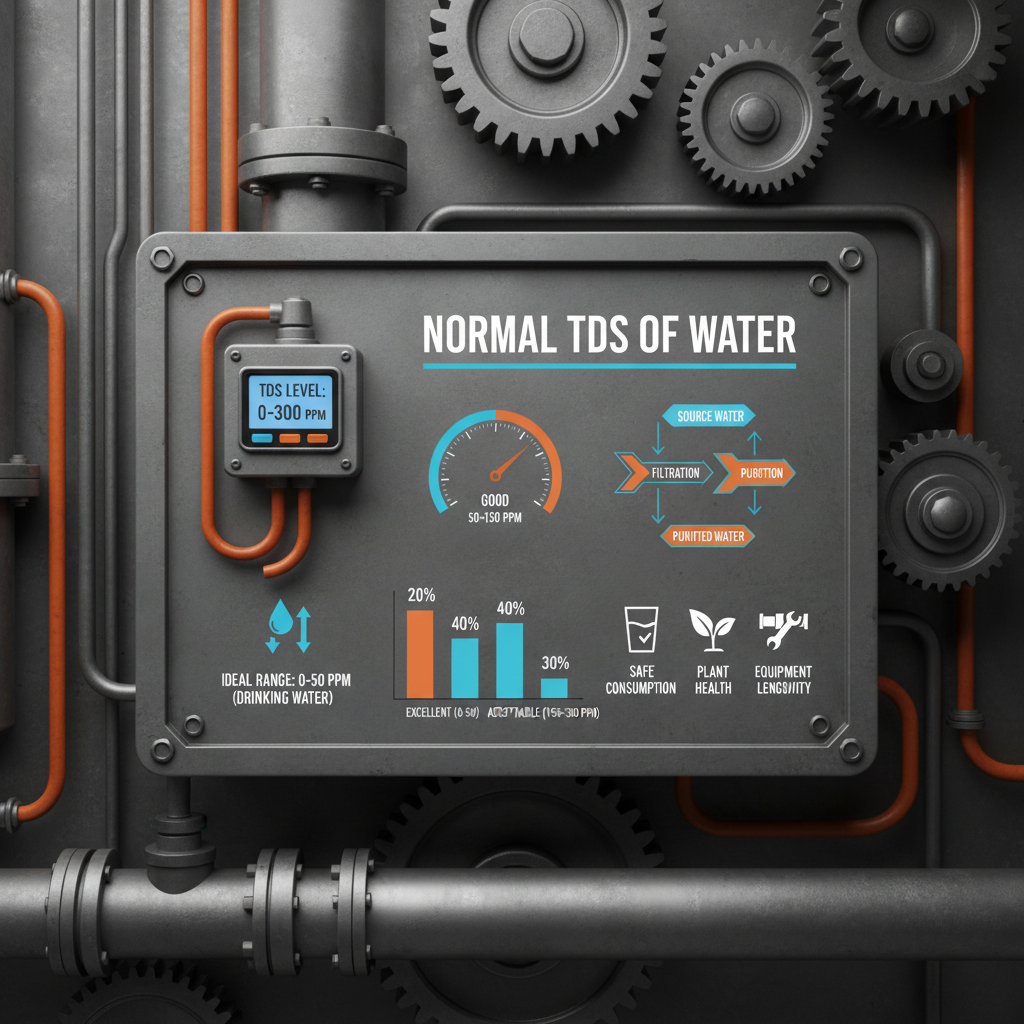
Defining normal tds of water isn't a fixed number, as acceptable levels vary based on intended use and regional regulations. However, the US Environmental Protection Agency (EPA) provides guidelines. Generally, TDS levels below 300 ppm are considered excellent, 300-600 ppm is good, 600-900 ppm is fair, and above 1000 ppm is considered poor.
This definition connects directly to modern industry, particularly in processes requiring ultra-pure water, such as semiconductor manufacturing. These industries often demand TDS levels below 10 ppm, necessitating advanced water purification technologies. Maintaining normal tds of water within these stringent limits is critical for product quality and process reliability.
For humanitarian needs, ensuring normal tds of water within the EPA’s 'good' to 'fair' range is paramount for providing safe drinking water in emergency situations or communities with limited access to water treatment facilities.
Factors Influencing TDS Measurements
Several factors can influence TDS measurements, including the geological composition of the water source, agricultural runoff, industrial discharges, and saltwater intrusion. Natural sources like mineral springs and saline aquifers naturally have higher TDS levels.
Human activities, such as fertilizer application and wastewater treatment processes, can significantly alter TDS concentrations in surface and groundwater. Understanding these influences is crucial for interpreting TDS data and implementing effective water management strategies.
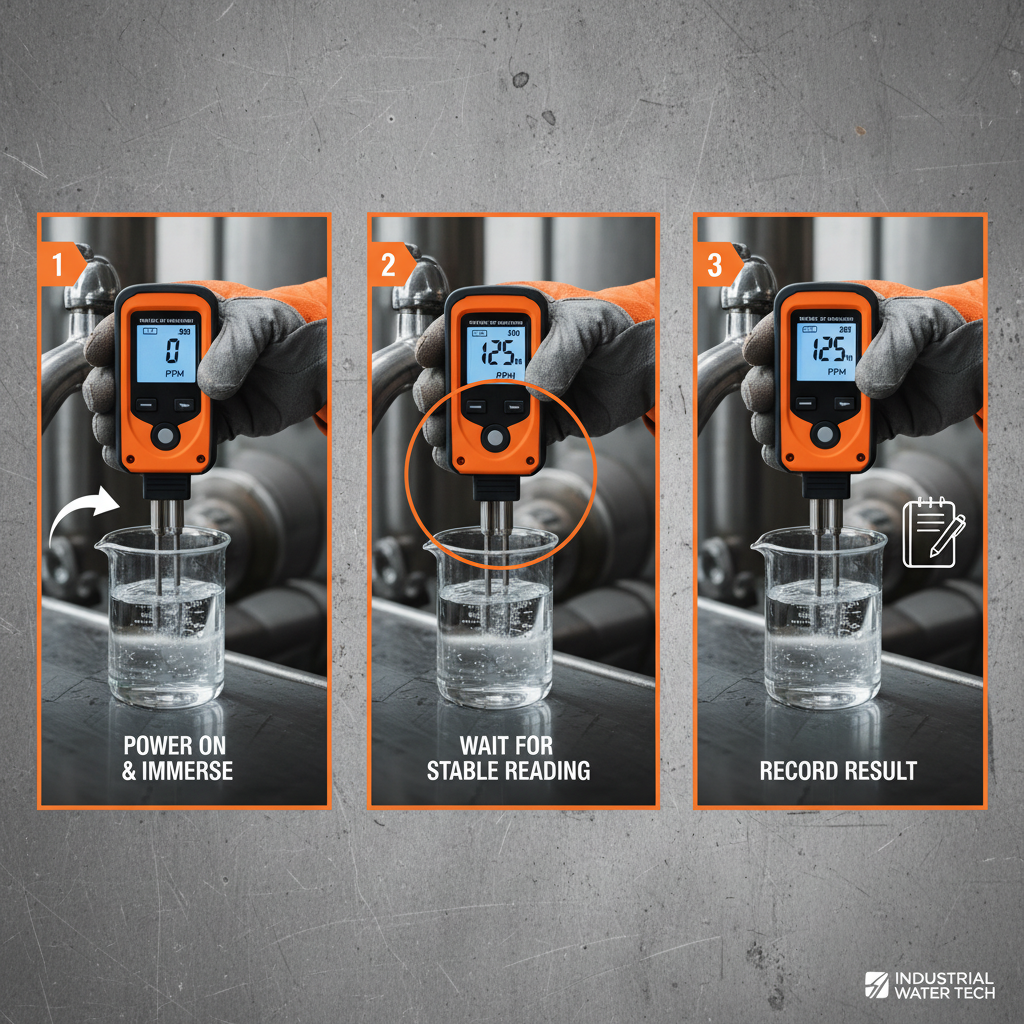
TDS Level Assessment Methods
Applications of Normal TDS Monitoring
Normal tds of water monitoring finds application in a diverse range of fields. In aquaculture, maintaining appropriate TDS levels is vital for the health and growth of fish and other aquatic organisms. In irrigation, monitoring TDS helps prevent soil salinization and optimize crop yields.
In post-disaster relief operations, rapid TDS assessment is crucial for identifying potable water sources and ensuring the safety of emergency water supplies. Similarly, in remote industrial zones, continuous TDS monitoring safeguards critical processes and minimizes operational disruptions.
Advantages of Accurate TDS Control
Accurate TDS control offers tangible benefits across multiple dimensions. Cost savings are realized through reduced maintenance, minimized equipment downtime, and optimized chemical usage. Sustainability is enhanced by conserving water resources and minimizing environmental impact.
Social impact is improved by ensuring access to safe drinking water and protecting public health. Reliability is strengthened by preventing process failures and ensuring consistent product quality.
Future Trends in TDS Measurement
Future trends in TDS measurement are focused on developing more accurate, reliable, and cost-effective sensors, integrating with IoT platforms for real-time data monitoring and analysis, and leveraging artificial intelligence (AI) to predict TDS fluctuations and optimize water treatment processes.
The emergence of nanotechnology-based sensors promises even greater sensitivity and precision in TDS detection. Digital transformation is enabling remote monitoring and control of TDS levels, streamlining water management operations.
Moreover, advancements in sustainable water treatment technologies, such as membrane filtration and electrodialysis reversal, are driving down the cost of producing high-purity water with low TDS levels.
Summary of TDS Measurement Challenges and Solutions
| Challenge |
Impact on Normal TDS of Water |
Potential Solution |
Implementation Cost (1-10) |
| Sensor Drift |
Inaccurate TDS Readings |
Regular Calibration & Sensor Replacement |
4 |
| Fouling of Sensors |
Reduced Sensor Sensitivity |
Automated Sensor Cleaning Systems |
6 |
| Temperature Effects |
Inconsistent TDS Values |
Temperature Compensation Algorithms |
3 |
| Complex Water Matrix |
Interference with TDS Measurement |
Advanced Signal Processing Techniques |
7 |
| Data Transmission Issues |
Loss of Real-Time Monitoring |
Robust Wireless Communication Protocols |
5 |
| Limited Power Availability |
Challenges in Remote Monitoring |
Low-Power Sensor Designs & Energy Harvesting |
8 |
FAQS
Generally, a TDS level below 300 ppm is considered excellent for drinking water. The EPA recommends levels below 500 ppm as acceptable. However, taste can become noticeable above 300 ppm. High TDS doesn't necessarily indicate a health hazard, but it can affect the aesthetic qualities of the water.
High TDS can lead to scaling, corrosion, and fouling in industrial equipment like boilers and cooling towers, reducing efficiency and increasing maintenance costs. Specific industries have strict TDS limits for process water to ensure product quality and prevent equipment damage.
TDS measures all dissolved solids, while water hardness specifically refers to the concentration of calcium and magnesium ions. Hardness is a component of TDS, but TDS includes other dissolved substances like salts, metals, and minerals.
TDS meters should be calibrated regularly, typically every 6-12 months, or more frequently if used in harsh environments or with highly contaminated water. Calibration ensures accurate readings and reliable performance. Proper calibration procedures should always be followed.
Common methods for reducing TDS include reverse osmosis (RO), distillation, ion exchange, and electrodialysis reversal (EDR). The choice of method depends on the source water quality, desired TDS level, and cost considerations.
While high TDS doesn't automatically mean water is contaminated, it can be an indicator of potential pollution sources. Increased TDS levels may suggest the presence of harmful substances like salts, heavy metals, or agricultural runoff. Further testing is needed to identify specific contaminants.
Conclusion
In conclusion, understanding and monitoring normal tds of water is paramount for safeguarding environmental health, protecting public health, and optimizing industrial processes. Accurate TDS measurements provide critical insights into water quality, enabling informed decision-making and proactive management of water resources.
Looking ahead, continuous innovation in TDS measurement technologies, coupled with the integration of digital solutions, will further enhance our ability to monitor, control, and sustainably manage this vital resource. Visit our website at normal tds of water to explore our range of water quality monitoring equipment.