0%

Table of Contents

The ability to accurately measure water quality is paramount in a world increasingly concerned with environmental health and sustainable resource management. Central to this is the accurate assessment of Total Suspended Solids (TSS), and the technology underpinning the total suspended solids meter plays a crucial role. These meters provide critical data for a diverse range of applications, from ensuring the safety of drinking water to monitoring industrial effluent and assessing the health of aquatic ecosystems. Reliable TSS measurements are no longer just a scientific nicety; they are often a legal requirement and a cornerstone of responsible environmental stewardship.

Globally, water scarcity and pollution are pressing challenges, impacting billions of people. The United Nations Sustainable Development Goal 6—Clean Water and Sanitation—highlights the urgent need for improved water quality monitoring. Accurate data provided by a total suspended solids meter allows for informed decision-making in water treatment processes, helping to meet this goal. The cost of inaction—contaminated water sources, ecosystem degradation, and public health crises—far outweighs the investment in robust monitoring solutions.

Advancements in total suspended solids meter technology have made monitoring more accessible, efficient, and accurate than ever before. From portable, field-deployable units to sophisticated laboratory instruments, a variety of solutions are now available to suit diverse needs and budgets. These tools empower stakeholders—from researchers and regulators to industrial operators and communities—to protect and manage our vital water resources effectively.
Essential Guide to Total Suspended Solids Meter Technology and Applications

Introduction to total suspended solids meter

Essential Guide to Total Suspended Solids Meter Technology and Applications

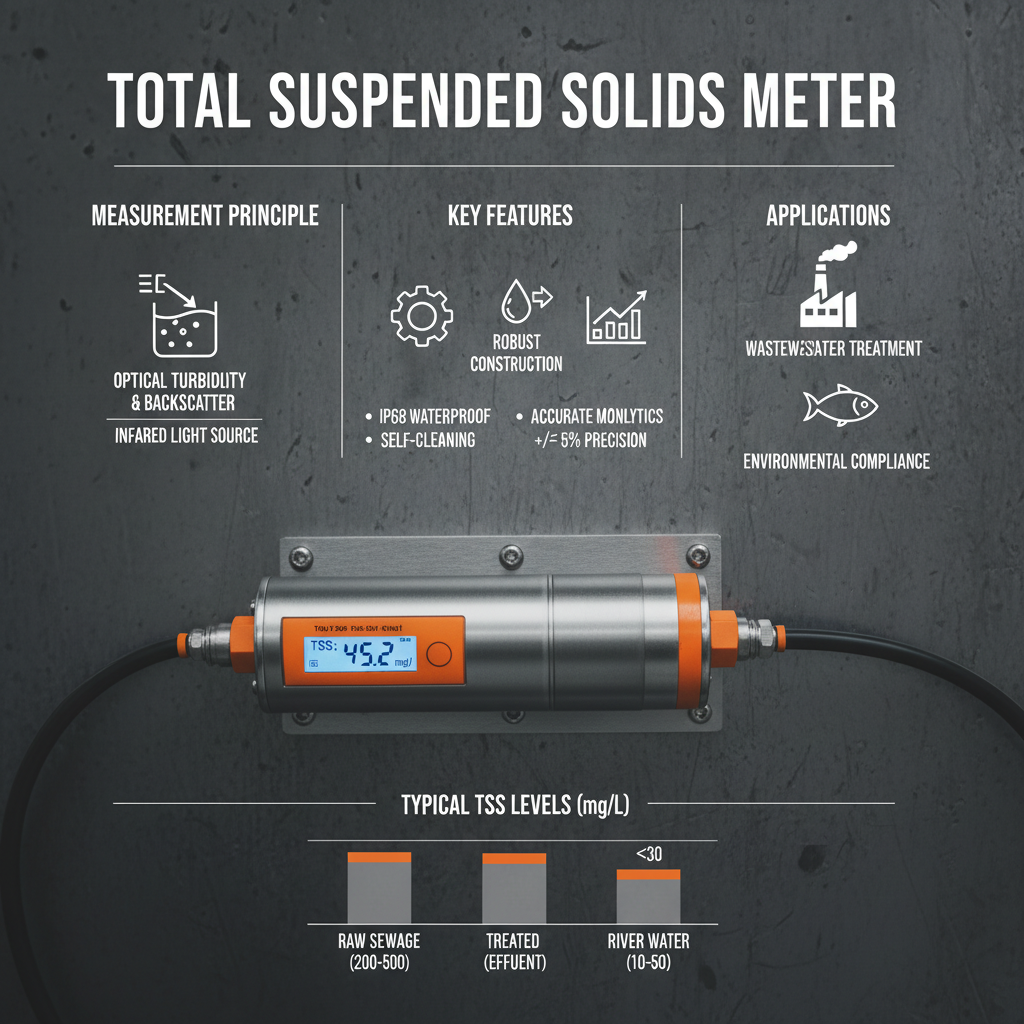
A total suspended solids meter is an essential instrument used to quantify the amount of solid particles suspended in a water sample. These particles, ranging in size from silt and clay to organic matter, can significantly impact water quality. Understanding TSS levels is vital for diverse applications, including wastewater treatment plant optimization, environmental monitoring programs, and industrial process control.

The importance of accurate TSS measurement extends beyond regulatory compliance. High TSS levels can reduce light penetration, hindering photosynthetic activity in aquatic ecosystems. They can also clog filtration systems, increase turbidity, and harbor harmful pollutants. Therefore, utilizing a precise total suspended solids meter is critical for maintaining ecological health and ensuring efficient water treatment.

Defining Total Suspended Solids Meter

Simply put, a total suspended solids meter is a device used to determine the concentration of solid materials that are not dissolved in a water sample. These “suspended solids” encompass a wide range of particles, including sediment, algae, bacteria, and other organic or inorganic matter. The measurement is typically expressed in milligrams per liter (mg/L) or parts per million (ppm).

The connection between TSS measurement and modern industry is multifaceted. Industries such as pulp and paper, food and beverage, and power generation rely on accurate TSS data to optimize their processes, reduce waste, and comply with environmental regulations. Furthermore, municipalities use total suspended solids meter readings to assess the effectiveness of their water and wastewater treatment facilities.

On a humanitarian level, access to safe drinking water is a fundamental human right. TSS measurements are crucial in assessing the potability of water sources, particularly in developing countries or after natural disasters. A reliable total suspended solids meter enables rapid assessment and informs appropriate treatment strategies.

Core Components of a total suspended solids meter

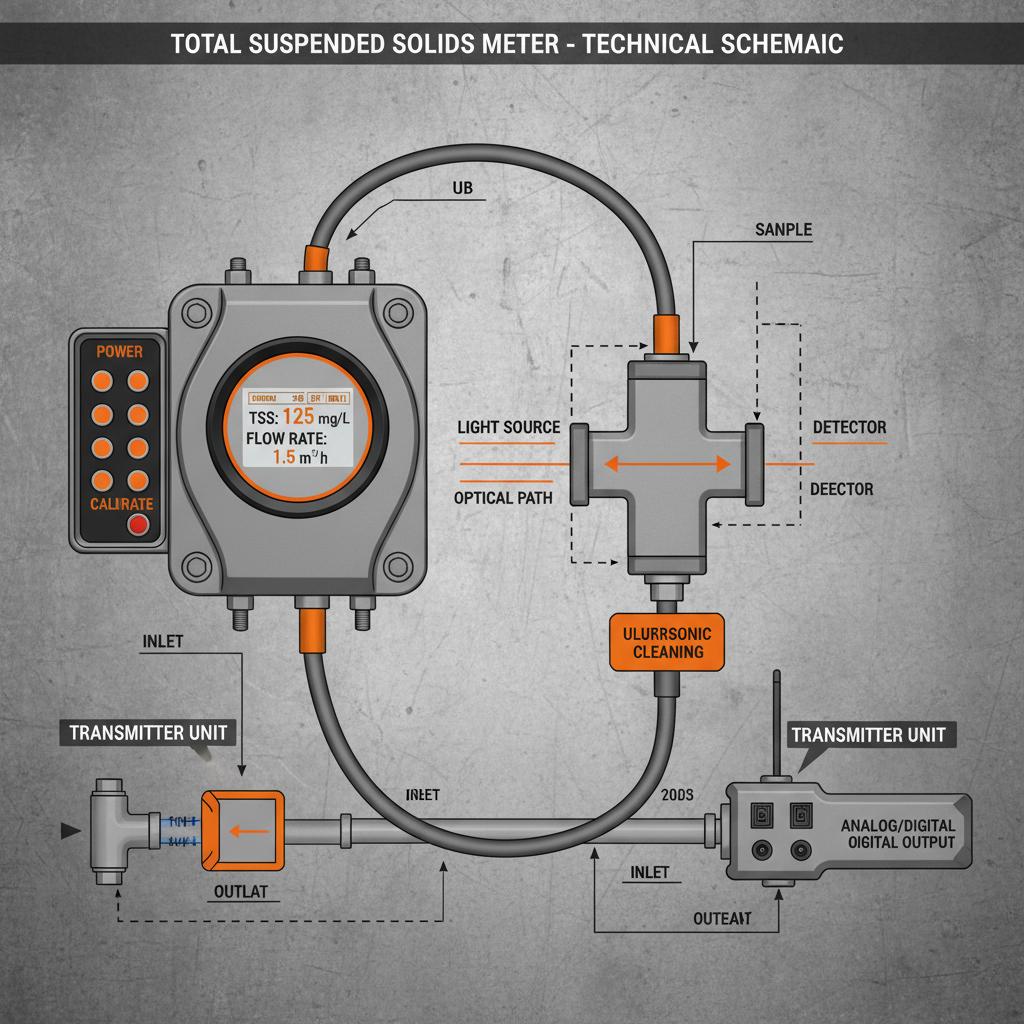
Accuracy & Precision: The core function of any total suspended solids meter is to provide reliable and repeatable measurements. Modern instruments utilize advanced sensor technologies to minimize error and ensure precise quantification of TSS levels, conforming to stringent quality control standards like ISO.

Ease of Use & Portability: The practicality of a total suspended solids meter is significantly enhanced by its user-friendliness. Intuitive interfaces, automated calibration routines, and lightweight, portable designs make these instruments accessible to a wide range of users, even in remote or challenging field conditions.

Durability & Reliability: Water testing often occurs in harsh environments. A robust and durable total suspended solids meter, constructed from corrosion-resistant materials, is essential for long-term performance and minimizing downtime. Regular maintenance schedules and readily available replacement parts further contribute to reliability.

Practical Applications of total suspended solids meter

The most common application of a total suspended solids meter lies within wastewater treatment plants. Monitoring TSS levels is crucial for optimizing the efficiency of sedimentation, filtration, and disinfection processes, ensuring compliance with discharge permits and safeguarding receiving water bodies.

In the environmental monitoring sector, these meters are vital for assessing the health of rivers, lakes, and oceans. Tracking TSS levels can indicate pollution sources, monitor the impact of agricultural runoff, and evaluate the effectiveness of restoration efforts. Furthermore, total suspended solids meter readings are often used in sediment transport studies.

TSS Meter Comparison by Method


Global Impact and Use Cases

In post-disaster relief operations, a total suspended solids meter is invaluable for quickly assessing the safety of available water sources. Following floods or earthquakes, contamination is a major concern, and rapid TSS measurements can guide emergency water treatment strategies.

In remote industrial zones, particularly in mining or manufacturing, total suspended solids meter are used to monitor wastewater discharge and ensure compliance with local environmental regulations. These meters often need to be rugged and capable of operating in harsh conditions.

Organizations like the World Health Organization (WHO) and UNICEF utilize TSS data, obtained with reliable meters, to develop water quality guidelines and provide assistance to countries struggling with water scarcity and contamination.

Advantages and Long-Term Value

Investing in a high-quality total suspended solids meter offers substantial cost savings in the long run. By optimizing water treatment processes and preventing equipment damage caused by high TSS levels, operational expenses can be significantly reduced. This also translates into more sustainable resource utilization.

Beyond the economic benefits, utilizing accurate TSS measurements fosters environmental sustainability. Protecting water resources and ecosystems is crucial for future generations, and a reliable total suspended solids meter is an essential tool in this endeavor. It supports ethical and responsible business practices.

Future Trends in total suspended solids meter Technology

The integration of digital technologies, such as IoT (Internet of Things) sensors and cloud-based data analytics, is revolutionizing the field of water quality monitoring. Future total suspended solids meter will likely feature real-time data transmission, remote control capabilities, and predictive analytics for proactive maintenance.

Advancements in sensor technology are also leading to the development of more sensitive and selective total suspended solids meter, capable of detecting even trace amounts of pollutants. Miniaturization of sensors and the use of nanotechnology are further driving innovation in this area.

Summary of Total Suspended Solids Meter Evaluation Criteria

Methodology Accuracy (1-10) Portability (1-10) Cost (Low/Medium/High)
Gravimetric Analysis 9 2 Low
Nephelometry 8 7 Medium
Turbidimetry 7 8 Medium
Formazin Turbidity Standard 6 6 Low
Optical Backscatter Sensor 8 9 High
Laser Diffraction 9 5 High

FAQS

What is the difference between TSS and Total Dissolved Solids (TDS)?

Total Suspended Solids (TSS) refers to the particulate matter not dissolved in a water sample, while Total Dissolved Solids (TDS) represents the concentration of minerals, salts, metals, cations and anions dissolved in the water. A total suspended solids meter specifically measures TSS, while other instruments are used for TDS. They are both important indicators of water quality, but they measure different characteristics. Understanding both is crucial for a complete water quality assessment.

How often should I calibrate my total suspended solids meter?

Calibration frequency depends on the manufacturer's recommendations, usage intensity, and the specific total suspended solids meter model. However, as a general guideline, calibration should be performed before each use, after maintenance, or whenever accuracy is questionable. Regular calibration ensures reliable and accurate measurements.

What factors can affect the accuracy of TSS measurements?

Several factors can impact TSS measurement accuracy, including sample collection methods, interference from colored substances, particle size distribution, and instrument calibration. Proper sample handling, use of appropriate calibration standards, and following the manufacturer's guidelines are essential for obtaining reliable results.

Can I use a total suspended solids meter for saltwater samples?

Many total suspended solids meter are designed for freshwater applications. However, some models are specifically designed or can be calibrated for saltwater samples. It is crucial to check the manufacturer's specifications to ensure the instrument is suitable for the salinity of the water being tested. Using the incorrect instrument can lead to inaccurate results.

What is the ideal range for TSS in drinking water?

The ideal TSS level in drinking water is generally considered to be less than 10 mg/L, although regulatory limits can vary depending on the region. Higher TSS levels can affect water clarity, taste, and odor, and may indicate the presence of harmful contaminants. Regular monitoring with a total suspended solids meter is essential to ensure compliance with drinking water standards.

How do I properly store my total suspended solids meter?

Proper storage is essential to prolong the lifespan of your total suspended solids meter. Always clean the instrument thoroughly after each use, following the manufacturer's instructions. Store the meter in a dry, dust-free environment, away from direct sunlight and extreme temperatures. Remove batteries if the instrument will not be used for an extended period.

Conclusion

In conclusion, the total suspended solids meter is an indispensable tool for anyone involved in water quality monitoring, environmental management, or industrial process control. From ensuring the safety of drinking water to protecting aquatic ecosystems and optimizing wastewater treatment, these meters provide crucial data for informed decision-making. Investing in accurate and reliable instrumentation is an investment in a sustainable future.

Looking ahead, the continued development of innovative technologies will further enhance the capabilities of total suspended solids meter. The integration of real-time data transmission, cloud-based analytics, and advanced sensor technologies will enable more proactive and efficient water resource management. Visit our website at www.watequipments.com to explore our range of total suspended solids meters and find the perfect solution for your needs.

Michael Rodriguez

Michael Rodriguez

Michael Rodriguez is the Sales Director for North America at Hebei JIRS. Michael has over 12 years of experience in the water treatment industry, consistently exceeding sales targets and building strong client relationships. He possesses an in-depth knowledge of our entire product range, from RO controllers to turbidity sensors. Michael’s
Previous Precision Water Analysis Solutions
Next Comprehensive Guide to Total Dissolved Solids Meter Applications and Technology