Look, I’ve spent the last fifteen years walking construction sites, breathing concrete dust, and arguing with engineers about what actually works. And let me tell you, when it comes to reliable water solutions, especially in demanding environments, tds meaning water is a game changer. It’s not just about having water; it's about having consistent, clean water, and knowing your equipment won't quit on you mid-project. We're talking about keeping crews hydrated, mixing concrete properly, dust suppression – the whole operation grinds to a halt without a solid water supply.
For too long, we've relied on patchwork solutions: hauling tanks, hoping the local supply is decent, and constantly battling mineral buildup and corrosion. These aren’t just inconveniences; they’re cost sinks and potential safety hazards. tds meaning water tackles these issues head-on, offering robust systems that can handle anything a construction site throws at them – and trust me, we throw a lot.
What's impressed me the most isn’t just the technology, but the practical design. These aren’t lab creations; they’re built with real-world needs in mind. The team at Watequipments clearly understands the challenges we face daily, and that's reflected in the durability, portability, and ease of maintenance. It's about minimizing downtime and maximizing productivity, and tds meaning water delivers on that promise.
The Core Principles of tds meaning water
At its heart, tds meaning water revolves around providing robust and adaptable water treatment solutions for challenging environments. It's about more than just filtration; it's a holistic approach encompassing pre-treatment, purification, and distribution, designed to minimize downtime and maximize efficiency. These systems are engineered to withstand harsh conditions, from extreme temperatures to corrosive elements, something I can personally vouch for after years on remote projects.
The success of tds meaning water relies heavily on modularity and scalability. You’re not locked into a fixed configuration. You can start small and expand as your needs grow, making it a smart investment for projects of any size. Plus, the focus on ease of maintenance—quick filter changes, readily available parts—is a huge win for crews in the field.
Global Demand and Industry Impact of tds meaning water
The demand for reliable water solutions is exploding globally, driven by factors like increasing industrialization, growing populations, and climate change. I’ve seen firsthand the struggles in developing nations where access to clean water is limited, impacting everything from public health to economic development. tds meaning water isn’t just a benefit for construction; it’s a crucial tool for disaster relief, humanitarian aid, and sustainable resource management.
The construction industry itself is a major driver of this demand. As projects become more complex and remote, the need for self-sufficient water solutions intensifies. Traditional methods simply aren't scalable or cost-effective. According to the UN, water scarcity already affects every continent, and the situation is expected to worsen in the coming decades, making solutions like tds meaning water increasingly vital.
Beyond construction, sectors like mining, oil & gas, and agriculture are also heavily reliant on efficient water treatment. These industries often operate in challenging locations with limited access to clean water sources. Effective tds meaning water systems are now considered essential for operational sustainability and environmental compliance.
Defining tds meaning water: A Practical Perspective
Let’s cut through the jargon. tds meaning water, in my experience, isn’t about fancy marketing terms, it’s about reliable performance in the field. It encompasses a range of technologies – from reverse osmosis and ultrafiltration to disinfection and softening – all integrated into systems designed to produce water that meets specific quality standards for diverse applications.
Crucially, it's about adapting to your water source. Every site is different. Some have high salinity, others are plagued with sediment, and still others have biological contaminants. A good tds meaning water system is flexible enough to address these specific challenges, providing tailored treatment solutions rather than a one-size-fits-all approach.
It also means thinking about the entire lifecycle – from initial setup and operation to maintenance and disposal. Watequipments understands this. Their systems are designed for long-term durability, minimizing the need for frequent replacements and reducing the overall environmental impact.
Key Performance Indicators for tds meaning water Systems
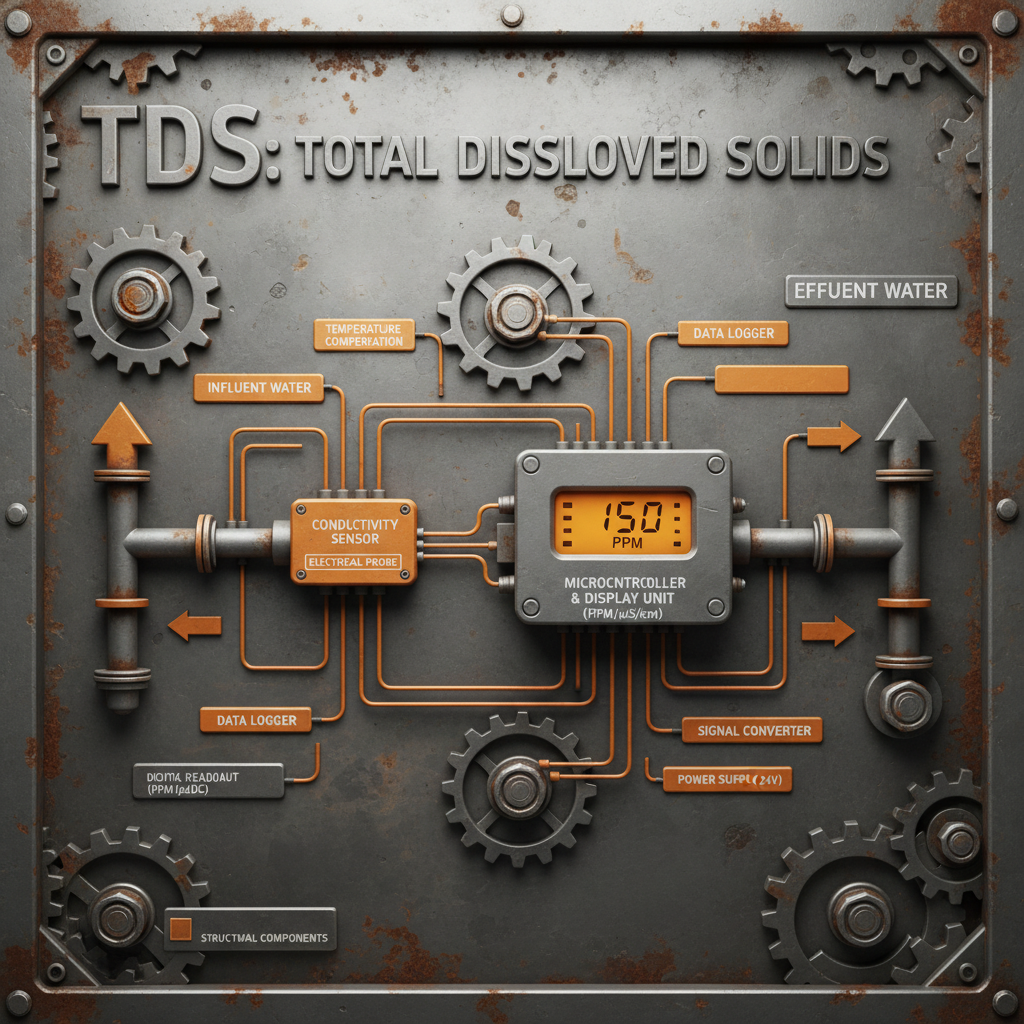
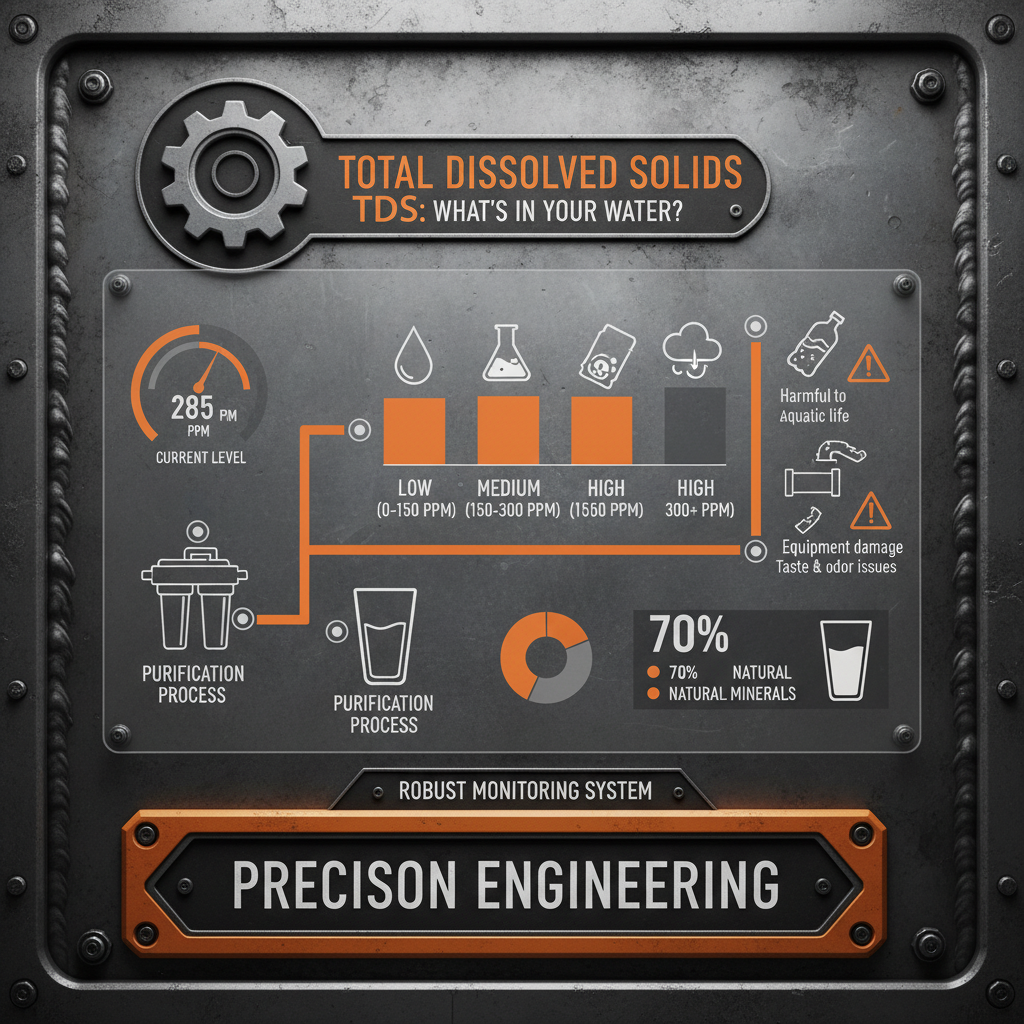
When evaluating a tds meaning water system, there are a few key metrics I always look at. First, flow rate – how much water can it produce consistently? You need a system that can keep up with your demands, especially during peak usage. Second, water quality - meeting the required standards for the intended application is paramount, measured by parameters like TDS, turbidity, and bacteria levels.
Then there’s energy efficiency. Running a water treatment system can be power-hungry, so minimizing energy consumption is crucial, both for cost savings and environmental reasons. Finally, maintenance requirements – how often do filters need to be changed? Are parts readily available? Downtime equals lost money, so ease of maintenance is a critical factor.
Performance Comparison of tds meaning water Methods
Real-World Applications: From Mining to Humanitarian Aid
I've seen tds meaning water systems deployed in some pretty extreme environments. In remote mining operations in the Australian outback, they provided a consistent water supply for processing ore and supporting the workforce. In post-disaster relief operations in Haiti, they were crucial for providing clean drinking water to affected communities.
These aren’t just hypothetical scenarios. They demonstrate the versatility and adaptability of these systems. From large-scale industrial projects to small, mobile emergency response units, tds meaning water can be tailored to meet a wide range of needs.
Long-Term Advantages: Cost, Sustainability, and Reliability
Let’s talk about the bottom line. While the initial investment in a tds meaning water system can be higher than relying on traditional methods, the long-term cost savings are significant. Reduced water hauling costs, lower energy consumption, and minimized downtime all add up.
But it’s not just about cost. Sustainability is increasingly important. By reducing reliance on bottled water and minimizing water waste, these systems help reduce your environmental footprint. And, frankly, knowing you’re providing a safe, reliable water supply for your workforce is invaluable – it boosts morale and improves productivity.
The reliability factor cannot be overstated. I’ve been on sites where a broken water pump brought everything to a standstill. Investing in a robust tds meaning water system is an investment in peace of mind.
Future Innovations in tds meaning water Technology
The field of water treatment is constantly evolving, and tds meaning water is at the forefront of innovation. We're seeing advancements in membrane technology, leading to more efficient and cost-effective filtration. Digital monitoring and control systems are becoming increasingly sophisticated, allowing for remote diagnostics and optimized performance.
I’m particularly excited about the potential of incorporating renewable energy sources – solar and wind power – to run these systems, further reducing their environmental impact and operational costs. The trend towards smaller, more portable, and automated systems will also be key, making them even more accessible for remote and emergency applications.
The focus will also be on developing systems that can handle increasingly complex contaminants, addressing emerging challenges like microplastics and pharmaceutical residues. tds meaning water is positioning itself to lead the way in these advancements.
Summary of Long-Term Performance Factors of tds meaning water Systems
| Operational Lifespan |
Maintenance Frequency |
Total Cost of Ownership |
Environmental Impact |
| 10-15 Years (with proper maintenance) |
Quarterly Filter Replacements, Annual Inspection |
Low (due to reduced hauling and energy costs) |
Minimal (reduced plastic waste and water conservation) |
| 8-12 Years |
Monthly Filter Replacements, Bi-Annual Inspection |
Medium |
Moderate |
| 5-8 Years |
Weekly Filter Replacements, Quarterly Inspection |
High |
Significant |
| 12-18 Years |
Semi-Annual Filter Replacements, Annual Inspection |
Very Low (Solar Powered) |
Negligible |
| 7-10 Years |
Monthly Cleaning, Bi-Annual Parts Replacement |
Medium-High |
Moderate |
| 10+ Years |
Annual Filter Replacements, Periodic Maintenance |
Low |
Low |
FAQS
The payback period varies depending on your specific needs and water source, but generally, you can expect to recoup your investment within 18-36 months through reduced water hauling costs, lower energy bills, and minimized downtime. The long-term cost savings, coupled with the reliability and sustainability benefits, make it a worthwhile investment in the long run. We always do a site analysis to give a more accurate projection.
That’s a crucial question. Watequipments designs their systems with ease of maintenance in mind. Filter changes are quick and straightforward, and spare parts are readily available. Many systems also feature remote monitoring capabilities, allowing you to diagnose issues and schedule maintenance proactively. Training is also provided to ensure your on-site personnel can handle routine maintenance tasks.
Yes, Watequipments offers a range of systems specifically designed to handle challenging water sources, including those with high salinity, sediment, and biological contaminants. They use technologies like reverse osmosis and advanced filtration to effectively remove these impurities and produce clean, potable water. The system is custom designed based on water analysis.
Energy consumption varies depending on the system size and water source, but Watequipments prioritizes energy efficiency. Many systems can be integrated with solar or wind power, reducing your reliance on traditional energy sources and lowering your operating costs. They offer hybrid solutions to maximize energy independence.
Watequipments provides comprehensive support and training, including site assessments, system design, installation assistance, and operator training. They also offer ongoing technical support and maintenance services to ensure your system operates optimally. They also support with permits if required.
Yes, tds meaning water systems are designed to minimize environmental impact. They reduce reliance on bottled water, conserve water resources, and minimize waste. While some systems may produce a concentrate stream as a byproduct of the filtration process, Watequipments offers solutions for responsible disposal or reuse.
Conclusion
Ultimately, tds meaning water isn’t just about providing water; it's about providing reliability, sustainability, and peace of mind. From reducing costs and environmental impact to ensuring a safe and productive workforce, the benefits are clear. It's a smart investment for any organization that relies on a consistent and clean water supply.
Looking ahead, the demand for innovative water solutions will only continue to grow. tds meaning water is well-positioned to meet this challenge, with a commitment to ongoing innovation and a deep understanding of the real-world needs of its customers. I encourage you to explore their solutions and see how they can benefit your operations.
Visit our website: www.watequipments.com