Total dissolved solids in drinking water – it’s a phrase you hear a lot, but it’s more than just jargon. It's about ensuring people have access to safe, palatable water, and that's crucial globally. From bustling cities to remote villages, understanding what’s in that water is fundamental to public health. We’re talking about everything from naturally occurring minerals to pollutants picked up along the way. Getting a handle on TDS levels isn't just a technical issue; it's a humanitarian one, impacting communities worldwide.
The scope of this issue is immense. According to the World Health Organization, billions lack access to safe drinking water, and TDS is a significant contributing factor. Increasing industrialization and agricultural runoff further complicate the picture, introducing new contaminants into water sources. Regulations like those set by the ISO are constantly evolving to address these challenges, demanding more sophisticated monitoring and treatment technologies. It’s a moving target, and staying ahead of it requires dedicated effort.
This isn't some lab-bound concept either. I've spent years on construction sites and in the field, seeing firsthand the impact of poor water quality. It slows down projects, impacts worker health, and creates logistical nightmares. Reliable, accurate TDS measurement is the first step toward addressing these issues, and it's a step we need to get right. That's where we come in. total dissolved solids in drinking water is at the heart of what we do.
Introduction: Global or Industry Context
The presence of total dissolved solids in drinking water isn't a new problem, but the scale and complexity are growing. We see it everywhere – from industrial wastewater contaminating groundwater to agricultural fertilizers leaching into rivers. The impact isn’t localized; it’s a global issue. Access to clean water is a fundamental human right, yet millions are forced to rely on sources with unsafe levels of TDS. This impacts not only health but also economic productivity and social stability.
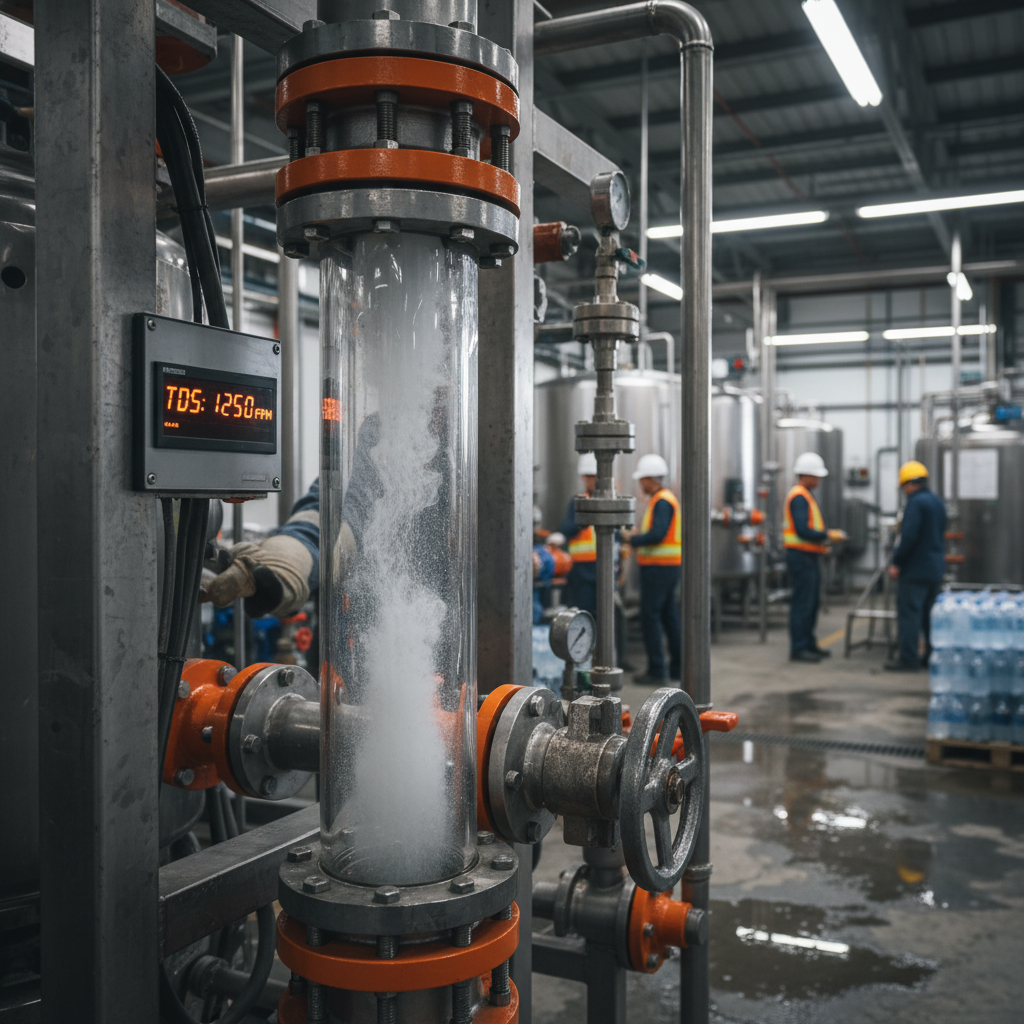
Consider large-scale construction projects. You need water for concrete mixing, dust suppression, and sanitation. If the local water source has high TDS, you’re looking at scaling issues in pipes, reduced concrete strength, and potentially compromised worker health. That translates to delays, increased costs, and reputational risks. It's a serious concern we address regularly with our clients.
We deal with situations constantly where a seemingly simple project gets bogged down because of water quality. A quick TDS test can save a lot of headache. I’ve seen firsthand how investing in reliable monitoring and treatment systems pays off, not just in terms of compliance, but in building trust with local communities and ensuring project success. Understanding total dissolved solids in drinking water is the foundational element of any water management strategy.
Definition & Meaning
Total dissolved solids, or TDS, simply refers to the total amount of minerals, salts, metals, cations, and anions dissolved in a volume of water. It's expressed in parts per million (ppm) or milligrams per liter (mg/L). It doesn't include suspended solids like dirt or bacteria, just what's dissolved at a molecular level. Think of it like dissolving sugar in water – the sugar is the TDS.
In the modern industry context, accurately measuring TDS is paramount for everything from power generation (boiler water treatment) to food and beverage production. Even humanitarian aid organizations rely on TDS measurements to assess the potability of water sources in disaster-stricken areas. It influences the choice of filtration systems, disinfection methods, and overall water management strategies.
The connection to humanitarian needs is critical. Imagine a relief worker arriving at a refugee camp. Before providing any water, they need to know what’s in it. A rapid TDS test can give them crucial information, allowing them to implement appropriate treatment measures and prevent waterborne diseases. It's a fast, reliable way to assess a critical resource.
Key Factors or Core Components
Several factors influence TDS levels. Naturally occurring minerals dissolved from rocks and soil are a major contributor. However, human activities play a significant role. Agricultural runoff introduces fertilizers and pesticides, while industrial discharge releases a cocktail of heavy metals and chemicals. Even road salt used in winter can elevate TDS in surface water.
The type of TDS matters just as much as the amount. High levels of chlorides can indicate saltwater intrusion, while sulfates can cause gastrointestinal issues. Heavy metals like lead and mercury pose serious health risks. A simple TDS reading doesn't tell the whole story; it's crucial to identify the specific components contributing to the overall TDS level.
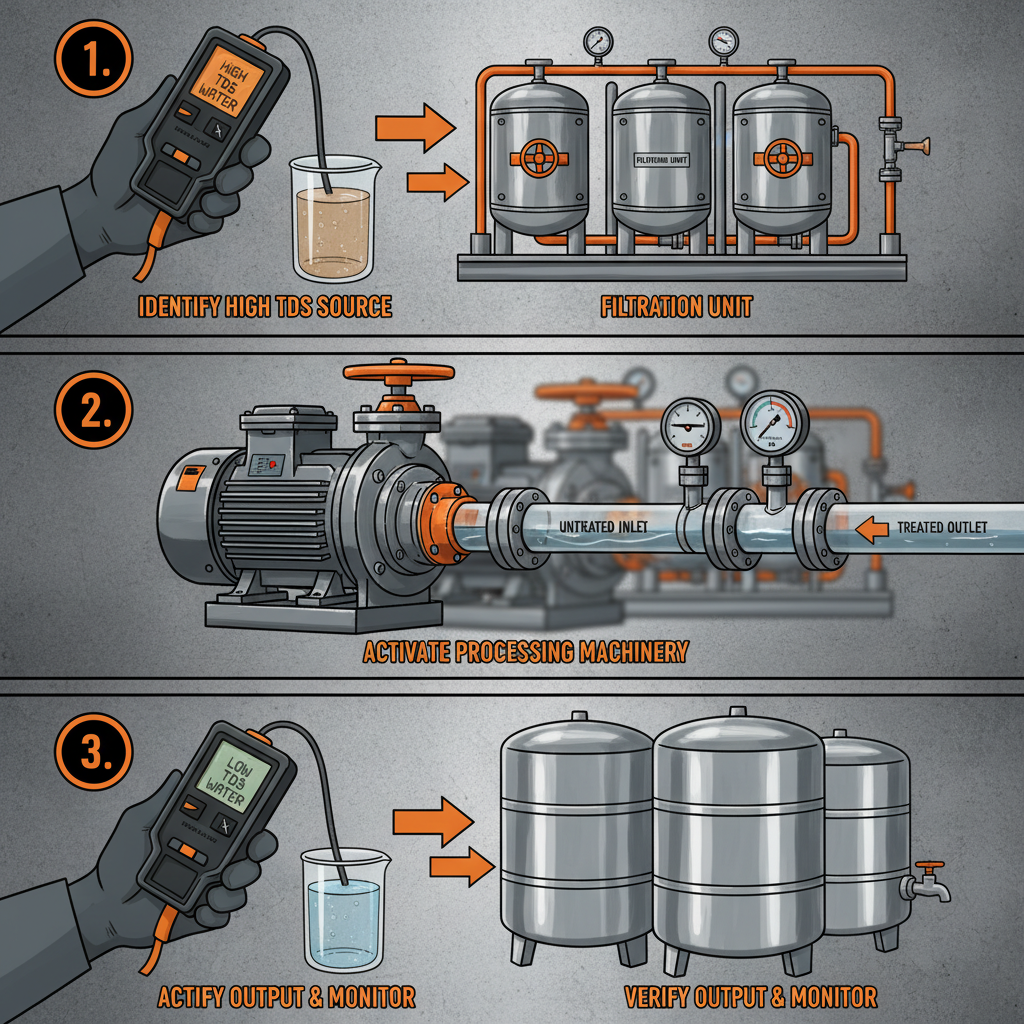
Understanding the source of the TDS is key to choosing the right treatment technology. Reverse osmosis, ion exchange, and distillation are all common methods, but each has its own strengths and weaknesses. Selecting the most effective and cost-efficient solution requires a thorough understanding of the water's chemical composition and the desired water quality.
Global Applications & Use Cases
The applications of TDS monitoring and control are incredibly diverse. In the oil and gas industry, high TDS can cause scaling in pipelines and equipment, reducing efficiency and increasing maintenance costs. In power plants, it impacts boiler performance and can lead to corrosion. Agricultural irrigation relies heavily on managing TDS to optimize crop yields.
We see significant demand in regions with limited freshwater resources, such as the Middle East and North Africa, where desalination plants are becoming increasingly common. These plants need to carefully monitor TDS levels in both the feed water and the treated water to ensure optimal performance and compliance with water quality standards. In post-disaster relief operations, rapid TDS assessment is critical for providing safe drinking water to affected populations.
Even in remote industrial zones like mining camps or logging operations, accurate TDS measurement is essential for protecting worker health and minimizing environmental impact. It's not always about massive infrastructure projects; sometimes, it's about ensuring the small things – like providing potable water for a construction crew – are done right.
TDS Measurement Method Ratings
Advantages & Long-Term Value
The benefits of effective TDS management extend far beyond simply meeting regulatory requirements. Reducing scaling and corrosion saves money on maintenance and repairs, extending the lifespan of critical infrastructure. Improved water quality translates to healthier workers and communities, reducing healthcare costs and boosting productivity.
From a sustainability perspective, optimizing water usage through TDS control minimizes water waste and reduces the energy required for treatment. This contributes to a smaller environmental footprint and a more responsible approach to resource management. And let's not forget the reputational benefits – demonstrating a commitment to environmental stewardship builds trust with stakeholders.
Future Trends & Innovations
We’re seeing exciting developments in TDS monitoring technology, like real-time sensors and remote data transmission. These advancements allow for continuous monitoring and proactive intervention, preventing problems before they escalate. Nanotechnology is also playing a role, with new filtration membranes capable of removing even the smallest contaminants.
Digital transformation is key. Integrating TDS data with other operational data – like flow rates, pressure readings, and chemical usage – provides a holistic view of water systems, enabling smarter decision-making and optimized performance. Automation and AI-powered analytics are poised to revolutionize water treatment processes, reducing costs and improving efficiency.
Challenges & Solutions
One of the biggest challenges is the complexity of water chemistry. TDS isn't a single entity; it's a mixture of various substances, each with its own unique behavior. Accurately identifying and quantifying these components requires sophisticated analytical techniques.
Another challenge is the cost of advanced treatment technologies. Reverse osmosis and other high-end systems can be expensive to install and operate. Finding cost-effective solutions that meet stringent water quality standards is a constant balancing act. We're focusing on developing modular, scalable systems that can be tailored to specific needs and budgets.
Finally, consistent data interpretation and skilled operation are vital. We provide comprehensive training programs to ensure our clients can effectively utilize our technology and make informed decisions about their water management strategies. That’s often the most overlooked, but crucial component.
Summary of TDS Management Challenges and Solutions
| Challenge |
Impact on total dissolved solids in drinking water Management |
Proposed Solution |
Implementation Complexity (1-5) |
| Complex Water Chemistry |
Difficult accurate TDS identification |
Advanced analytical testing |
4 |
| High Treatment Costs |
Limited access to effective TDS reduction |
Modular, scalable treatment systems |
3 |
| Lack of Skilled Personnel |
Ineffective system operation and maintenance |
Comprehensive training programs |
2 |
| Regulatory Compliance |
Constantly evolving standards for TDS levels |
Real-time monitoring and reporting |
3 |
| Remote Location Access |
Difficult to implement solutions in off-grid areas |
Mobile, self-contained TDS reduction units |
4 |
| Data Management & Integration |
Siloed data inhibits proactive decision-making |
Integrated data platforms and AI analytics |
5 |
FAQS
While both relate to mineral content in water, they measure different things. TDS measures all dissolved solids, whereas water hardness specifically refers to the concentration of calcium and magnesium ions. A high TDS doesn’t always mean hard water, and vice versa. Understanding both is critical for choosing the appropriate water treatment solution. For example, a high TDS reading could indicate the presence of harmful salts, while high hardness can cause scaling in pipes and appliances.
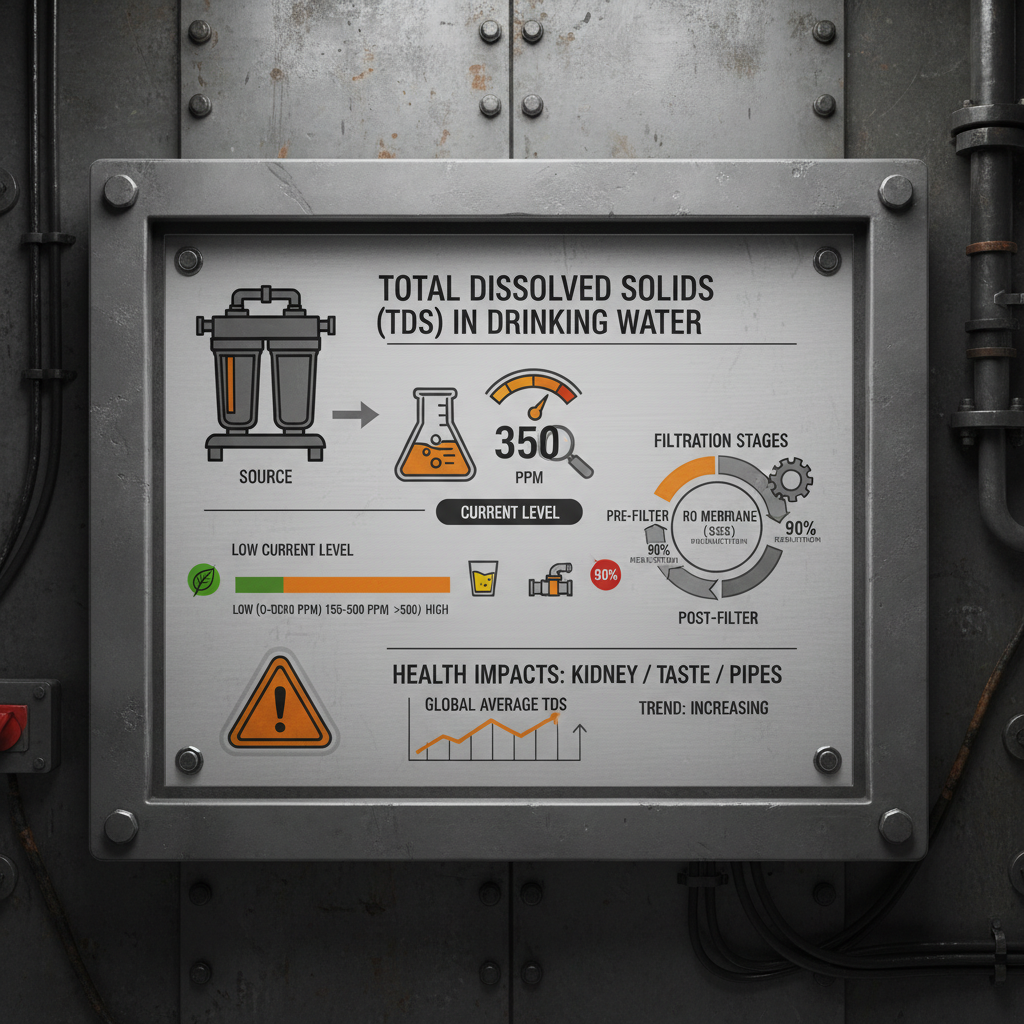
The EPA recommends a maximum TDS level of 500 ppm for drinking water, but it’s important to note that this is based on aesthetic considerations – taste, odor, and appearance – rather than health risks. Levels above 1000 ppm can be noticeable and unpleasant. While TDS itself isn't typically a health hazard, high levels can indicate the presence of harmful contaminants, so it’s crucial to investigate the source and composition of the TDS.
The frequency of TDS testing depends on your water source and usage. If you rely on a private well, it’s recommended to test at least annually, and more frequently if you notice changes in taste, odor, or appearance. For municipal water supplies, you can typically rely on the city’s regular testing reports, but it’s still a good idea to test periodically yourself for peace of mind.
Reverse osmosis (RO) is one of the most effective methods for removing TDS, as it can remove up to 99% of dissolved solids. Other options include ion exchange, distillation, and filtration. The best method depends on the specific contaminants present and the desired water quality. For example, RO is excellent for removing salts and heavy metals, while ion exchange is better for softening water.
Yes, TDS meters can be inaccurate if they’re not properly calibrated or maintained. It's essential to calibrate your meter regularly using a known standard solution. Also, be aware that temperature can affect TDS readings, so ensure your meter is temperature-compensated or measure the water temperature and adjust the reading accordingly. Choosing a reputable brand and following the manufacturer’s instructions are also important.
The cost of treating high TDS water varies widely depending on the treatment method, the scale of the operation, and the level of TDS reduction required. Simple filtration systems can be relatively inexpensive, while reverse osmosis systems can be significantly more costly. It's essential to consider both the upfront investment and the ongoing operating costs, such as energy consumption and membrane replacement.
Conclusion
Understanding total dissolved solids in drinking water is no longer a niche technical concern; it’s a fundamental aspect of public health, industrial efficiency, and environmental sustainability. From ensuring safe drinking water for vulnerable communities to optimizing industrial processes and protecting critical infrastructure, accurate TDS measurement and effective treatment are essential. The technologies and strategies discussed here represent a powerful toolkit for addressing this global challenge.
Looking ahead, the integration of advanced monitoring technologies, data analytics, and sustainable treatment solutions will be key to achieving long-term water security. Investing in research and development, promoting best practices, and fostering collaboration between industry, government, and communities are all critical steps. If you're facing challenges with water quality or exploring solutions for TDS management, we invite you to visit our website: www.watequipments.com.