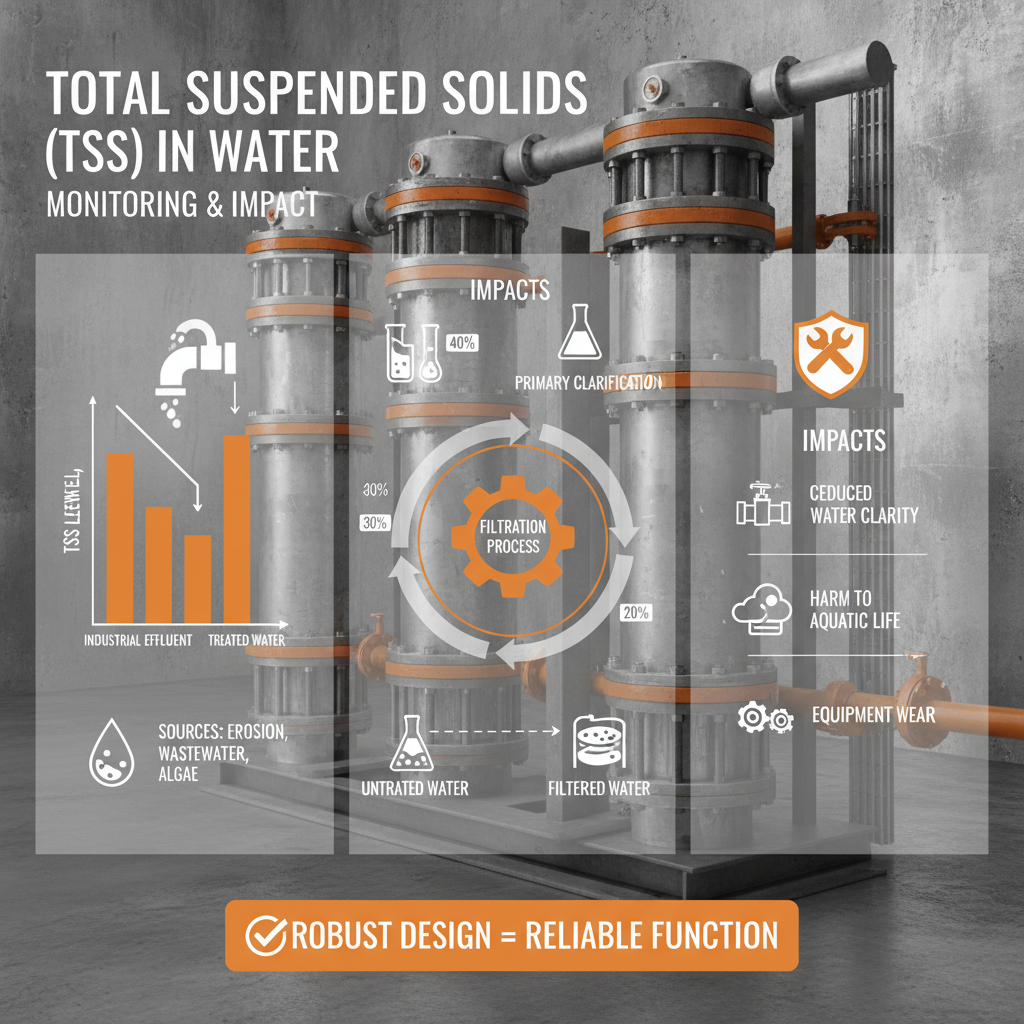
Total suspended solids in water – it’s a phrase you hear thrown around a lot in water treatment, environmental monitoring, and even some industrial processes. But it's more than just a number on a lab report. It directly impacts the health of our ecosystems, the efficiency of industrial operations, and the safety of our drinking water. Understanding total suspended solids (TSS) isn’t just for scientists; it's crucial for anyone involved in managing water resources, from wastewater treatment plant operators to construction managers dealing with runoff. We're talking about real-world impacts, from murky rivers to clogged filters and increased treatment costs.
The relevance of monitoring total suspended solids in water is global. According to the UN, billions lack access to safe water, and a significant portion of water pollution stems from suspended particles. The World Bank invests heavily in water infrastructure projects, with controlling TSS being a key performance indicator for success. ISO standards outline methods for quantifying TSS, underlining its importance in international quality control. But beyond these statistics, think about the practical challenges – a high TSS reading can indicate erosion, sewage contamination, or industrial discharge, all of which demand immediate attention and potentially costly remediation efforts.
Simply put, total suspended solids in water refers to the total amount of solid material that is not dissolved in a water sample. This includes everything from silt and clay to organic matter, algae, and even tiny pieces of plastic. It’s not about what's chemically dissolved, but about what you can physically filter out. In modern industry, precise TSS measurement is essential for optimizing water reuse systems, ensuring compliance with environmental regulations, and safeguarding sensitive equipment. And in humanitarian contexts, quick assessment of TSS levels can inform decisions about water purification needs in disaster zones or areas with limited infrastructure.
The Importance of total suspended solids in water
From my experience out on construction sites, dealing with erosion and sediment control, managing total suspended solids is all about protecting waterways and ensuring responsible land use. It's not an abstract concept. High TSS can smother aquatic life, reduce sunlight penetration, and make water unsuitable for drinking or recreation. We spend a significant amount of time and resources implementing best management practices – silt fences, sediment traps, vegetation buffers – all aimed at minimizing TSS runoff.
And it's not just construction. Agriculture, forestry, urban development, even natural events like wildfires, can all contribute to increased TSS levels. The challenge is that it’s a dynamic process. TSS levels fluctuate with rainfall, flow rates, and land disturbances. That’s why continuous monitoring and adaptive management are so critical. You can’t just test it once and assume you have a complete picture.
Understanding Total Suspended Solids: A Global Perspective
Looking at the bigger picture, the issue of total suspended solids in water is inextricably linked to global water security. Developing nations often lack the infrastructure to effectively treat wastewater, leading to high TSS levels in rivers and lakes. This impacts public health, agricultural productivity, and economic development. We see this especially in areas with rapid urbanization and limited access to sanitation facilities.
Industrial discharges are also a major contributor. Mining operations, manufacturing plants, and agricultural runoff all release significant amounts of suspended solids into waterways. Strict regulations and enforcement are essential to minimize these impacts, but even then, legacy pollution from past practices continues to pose a challenge. The cost of remediation can be substantial, which is where innovative technologies and sustainable solutions become so important.
The effects ripple outwards. Increased TSS affects the ecosystem by causing increased turbidity, hindering light penetration which impacts photosynthesis in aquatic plants, reduces oxygen levels and negatively impacts fish and other aquatic life. From a public health perspective, high TSS can harbor harmful pathogens and toxins, increasing the risk of waterborne diseases.
Defining Total Suspended Solids in Water
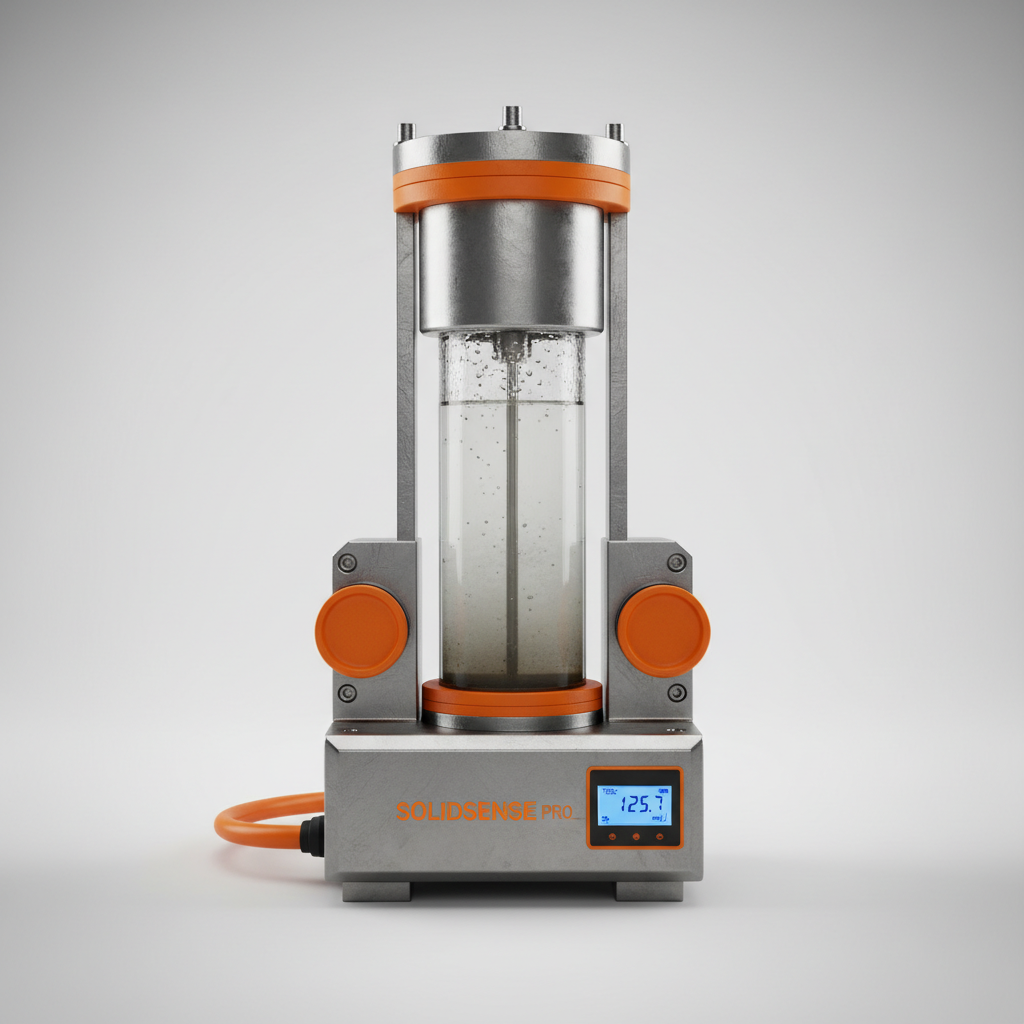
In practical terms, when we’re talking about total suspended solids in water, we're looking at anything that doesn’t dissolve when the water is filtered through a pre-weighed filter. The filter paper is then dried, re-weighed, and the difference in weight represents the total suspended solids. It’s a relatively simple concept, but accurate measurement requires careful technique and calibrated equipment.
The connection to modern industry is significant. In power plants, for example, controlling TSS in cooling water is crucial to prevent fouling of heat exchangers and maintain efficient operation. In the food and beverage industry, TSS levels directly affect product quality and safety. And in the oil and gas sector, monitoring TSS in produced water is essential for ensuring compliance with environmental regulations.
For humanitarian aid, a quick and reliable method to measure TSS can determine if water sources are immediately usable or require extensive treatment before consumption. It helps prioritize resource allocation and ensure that aid reaches those who need it most efficiently. Essentially, it provides crucial information in rapidly evolving, often chaotic, scenarios.
Key Factors Influencing Total Suspended Solids Levels
There are several core factors influencing TSS. First, erosion and runoff from agricultural land and construction sites are significant contributors, especially after heavy rainfall. Second, industrial discharges often contain high levels of suspended solids, requiring careful treatment before release.
Third, wastewater treatment processes themselves can generate TSS if not optimized correctly. Sludge and other byproducts from treatment need proper management to prevent re-contamination. Fourth, natural processes like algal blooms and sediment resuspension can temporarily increase TSS levels. And finally, urban stormwater runoff carries pollutants, including suspended solids, from streets and other impervious surfaces.
Total Suspended Solids in Water: Impact of Different Sources
Global Applications and Use Cases of TSS Monitoring
You see TSS monitoring in action everywhere, really. In post-disaster relief operations, assessing water source quality is paramount; a rapid TSS test can determine if purification is needed. In remote industrial zones, like mining camps in Australia or oil fields in the Arctic, continuous monitoring ensures compliance with environmental permits.
In large-scale agricultural regions, like the Central Valley of California, managing irrigation runoff and minimizing TSS pollution is crucial for protecting the Sacramento-San Joaquin Delta. And in densely populated urban areas, like Tokyo or New York, stormwater management systems rely on TSS data to optimize filter performance and prevent combined sewer overflows.
Advantages and Long-Term Value of TSS Management
Effectively managing total suspended solids in water delivers tangible benefits, starting with reduced treatment costs. Lower TSS levels mean less chemical usage and less frequent filter replacements. Sustainability is also a key advantage – protecting waterways and ecosystems preserves natural resources for future generations.
Beyond the economic and environmental aspects, there's a significant social impact. Providing access to clean water improves public health, reduces disease outbreaks, and enhances overall quality of life. And building trust with communities through responsible environmental stewardship is invaluable for long-term sustainability.
Future Trends and Innovations in TSS Analysis
We’re seeing exciting developments in TSS analysis. Real-time sensors and remote monitoring technologies are becoming increasingly affordable and accurate. These technologies enable continuous data collection and automated alerts when TSS levels exceed predefined thresholds.
There's a growing focus on integrating TSS monitoring with digital twins and predictive modeling. This allows water managers to anticipate potential problems and proactively adjust treatment strategies. And the development of more sustainable and cost-effective filtration materials, like biochar and engineered wetlands, is also gaining momentum.
The future of TSS management will be data-driven, automated, and focused on preventative measures. It's about moving beyond reactive treatment and towards a more holistic and proactive approach to water resource management.
Overview of Total Suspended Solids Analysis Techniques
| Method Name |
Accuracy Level (1-10) |
Cost of Implementation |
Application Suitability |
| Gravimetric Method (Standard Filtration) |
9 |
Low |
General water quality assessment, regulatory compliance |
| Turbidity Measurement (Nephelometry) |
7 |
Medium |
Real-time monitoring, process control |
| Formazin Turbidity Standard |
8 |
Medium |
Calibration of turbidimeters, reference method |
| Light Scattering Techniques |
6 |
High |
Particle size distribution analysis, advanced water quality monitoring |
| Remote Sensing (Satellite Imagery) |
5 |
Variable |
Large-scale water body assessment, monitoring coastal turbidity |
| Spectrophotometry |
7 |
Medium |
Analyzing colored suspended solids, identifying specific components |
FAQS
Generally, drinking water standards require TSS to be below 5 mg/L. However, acceptable levels can vary based on local regulations and the source of the water. Higher levels can cause aesthetic issues like turbidity and may harbor harmful contaminants. Consistent monitoring is vital to ensure water safety.
Turbidity is a measure of water clarity—how much light is scattered by suspended particles. TSS is the actual weight of those suspended solids. They’re related, but not the same. You can have high turbidity with low TSS (if the particles are very small), and vice-versa. Turbidity is typically measured with a nephelometer, while TSS requires filtration and weighing.
Common methods include sedimentation, filtration (sand, media, membrane), coagulation/flocculation, and biological treatment. Sedimentation allows heavier particles to settle out. Filtration physically removes solids. Coagulation/flocculation clumps particles together for easier removal. Biological treatment uses microorganisms to break down organic matter. The best approach depends on the specific wastewater characteristics.
You’ll need a laboratory filter, filter paper (typically glass fiber), a drying oven, a precision balance, and a desiccator. You may also need a stirring device to ensure the sample is well-mixed. For in-situ monitoring, turbidimeters and some advanced sensors can provide real-time TSS data, but these require regular calibration.
Agricultural activities disturb soil, making it vulnerable to erosion by wind and water. Rainfall washes away topsoil, sediment, and fertilizers into streams and rivers. Livestock grazing can also contribute by compacting soil and removing vegetation. Proper land management practices, like cover cropping and contour plowing, can significantly reduce runoff.
Regulatory limits vary significantly depending on the industry, location, and receiving water body. Most jurisdictions have established permit requirements that specify maximum TSS discharge levels. These limits are designed to protect aquatic ecosystems and ensure water quality standards are met. Non-compliance can result in fines and penalties.
Conclusion
In conclusion, understanding and effectively managing total suspended solids in water is vital for protecting our environment, ensuring public health, and supporting sustainable industrial practices. From the construction site to the wastewater treatment plant, and from agricultural fields to remote monitoring stations, the principles of TSS management are universally applicable. It’s not merely a technical challenge; it's a crucial component of responsible water stewardship.
Looking ahead, continued innovation in monitoring technologies, treatment processes, and preventative measures will be essential to address the growing challenges of water scarcity and pollution. By embracing data-driven solutions, promoting collaboration between stakeholders, and prioritizing sustainable practices, we can ensure access to clean and safe water for all. Learn more about water quality monitoring solutions at total suspended solids in water.