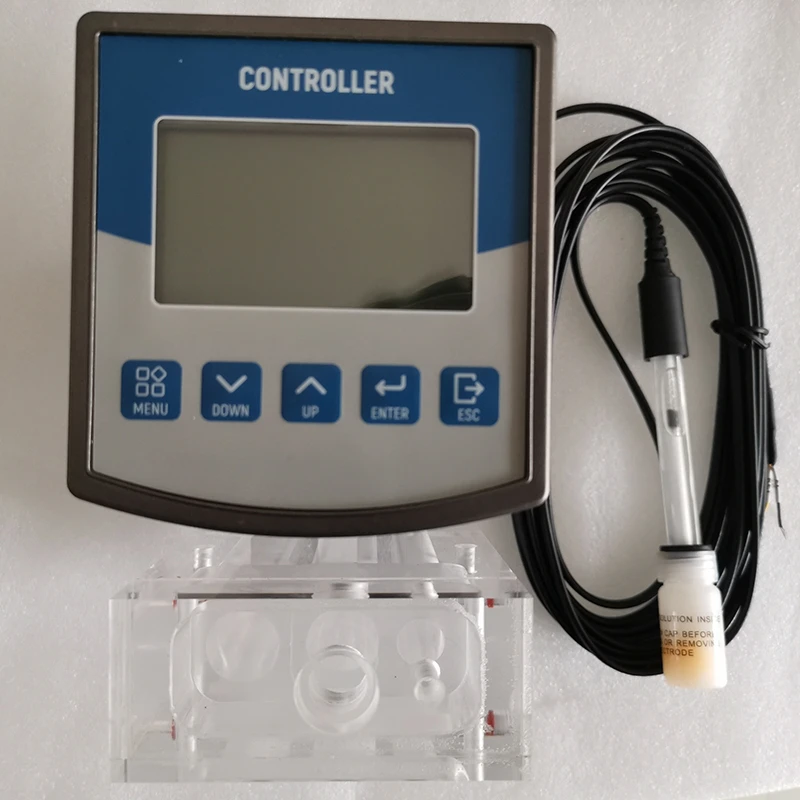
Advanced Water Monitoring Solutions with ph orp controller for Egypt

Optimizing industrial water quality and environmental safety across the Nile Delta and Egyptian industrial zones through precision instrumentation.

Advanced Water Monitoring Solutions with ph orp controller for Egypt

Providing the Egyptian manufacturing sector with high-precision tools to manage water purity, acidity, and oxidation-reduction potentials in harsh arid climates.

Current State of Water Quality Monitoring in Egypt

Analyzing the intersection of industrial growth and water scarcity in the North African region.

Egypt faces unique challenges due to its reliance on the Nile River and the increasing salinity of groundwater in coastal areas. The manufacturing sector is under immense pressure to implement a reliable ro system controller to manage desalination processes and ensure that industrial wastewater does not further contaminate limited freshwater resources.

In the industrial hubs of Cairo and Alexandria, high turbidity levels and chemical runoff necessitate the use of a total suspended solids meter. The harsh Egyptian climate, characterized by high temperatures and dust, often leads to rapid sensor fouling, requiring instrumentation that is specifically designed for rugged, high-salinity environments.

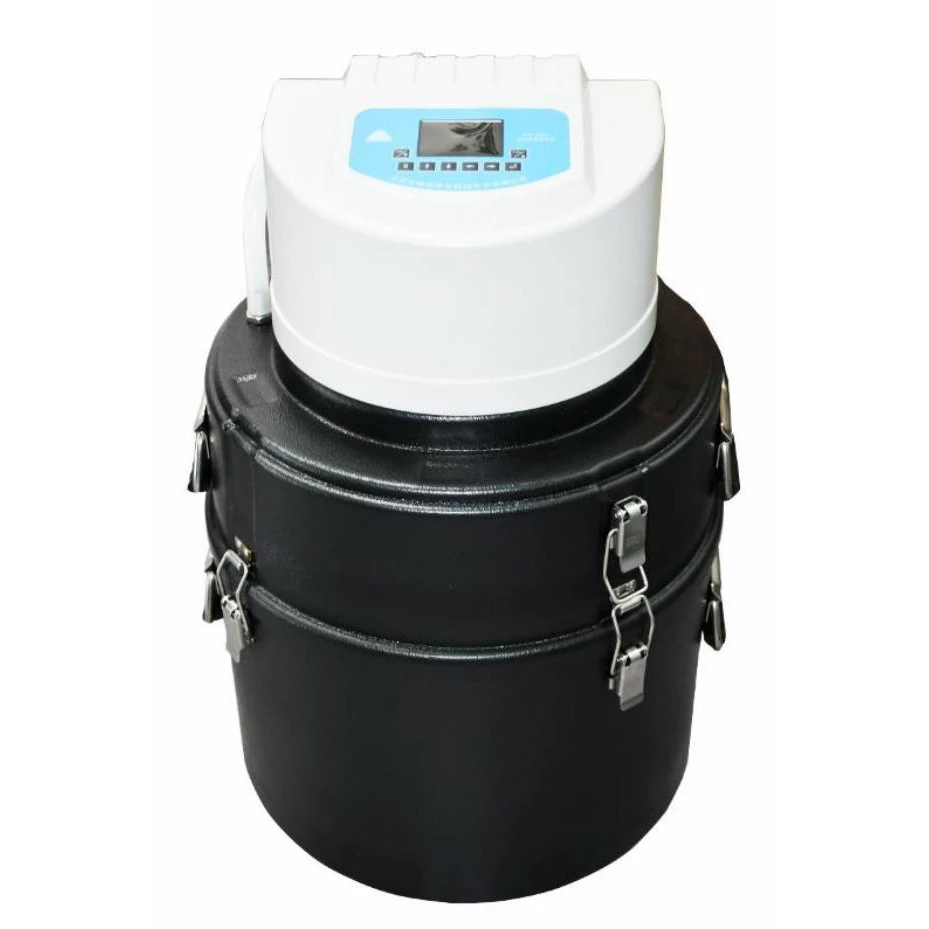
Furthermore, the pharmaceutical and food processing industries in Egypt are shifting toward automated monitoring. The integration of a dissolved oxygen meter for water has become critical for aquaculture and biological wastewater treatment plants to prevent anaerobic conditions in stagnant water bodies during summer peaks.
Evolution of Water Instrumentation in Egypt

From manual sampling to real-time digital precision in the Egyptian industrial landscape.

Market Development History

From 2000 to 2010, the Egyptian market relied heavily on manual titration and basic analog meters. Monitoring was reactive, with samples taken to central labs, leading to delayed responses in water treatment adjustments.

Between 2011 and 2020, there was a transition toward localized digital sensors. The introduction of the residual chlorine sensor allowed municipal plants to maintain safe disinfection levels in real-time, reducing the risk of waterborne diseases in densely populated urban areas.

Since 2021, the focus has shifted toward IoT integration. Modern facilities now utilize integrated controllers that sync data to the cloud, enabling remote management of water quality parameters across multiple factory sites.

Future Development Trends

AI-Driven Predictive Maintenance

Future systems will move beyond simple threshold alerts to predictive models that forecast sensor drift based on Nile silt patterns.

Energy-Neutral Monitoring

With Egypt's push toward solar energy, there is a rising trend in self-powered monitoring nodes for remote irrigation canals.

Ultra-Low Detection Limits

Increasing regulatory pressure from Egyptian environmental authorities is driving demand for sensors with ppb-level accuracy for trace pollutants.

Industry Trends and Future Outlook

Mapping the technological trajectory of water quality monitoring for the Egyptian market.

IoT Ecosystem Integration
Moving toward fully interconnected sensor networks that feed data directly into Egyptian SCADA systems.
Sustainable Desalination
Enhancing RO membrane life through smarter controllers to reduce waste in coastal Egyptian cities.
Real-time Compliance
Direct digital reporting to environmental agencies to ensure adherence to Egyptian water laws.
Modular Sensor Design
Quick-swap sensor modules to minimize downtime in high-production Egyptian textile mills.

Industry Outlook

The future of water instrumentation in Egypt is inextricably linked to the "Vision 2030" sustainability goals. We expect a surge in the adoption of automated, high-durability sensors that can withstand the extreme temperature fluctuations of the Sahara fringes while maintaining laboratory-grade accuracy.

Google search trends indicate a significant increase in queries for "smart water management Egypt," suggesting that manufacturers are shifting away from standalone devices toward integrated platforms that optimize chemical dosing and energy consumption.

Local Application Scenarios in Egypt

Practical deployments of water monitoring technology in diverse Egyptian sectors.

1. Nile Delta Agricultural Runoff Monitoring

Utilizing a total suspended solids meter to monitor pesticide and sediment levels in drainage canals to protect downstream aquaculture.

2. Alexandria Seawater Desalination Plants

Deploying a high-precision ro system controller to manage membrane pressure and permeate quality in coastal urban water supply projects.

3. Cairo Industrial Wastewater Treatment

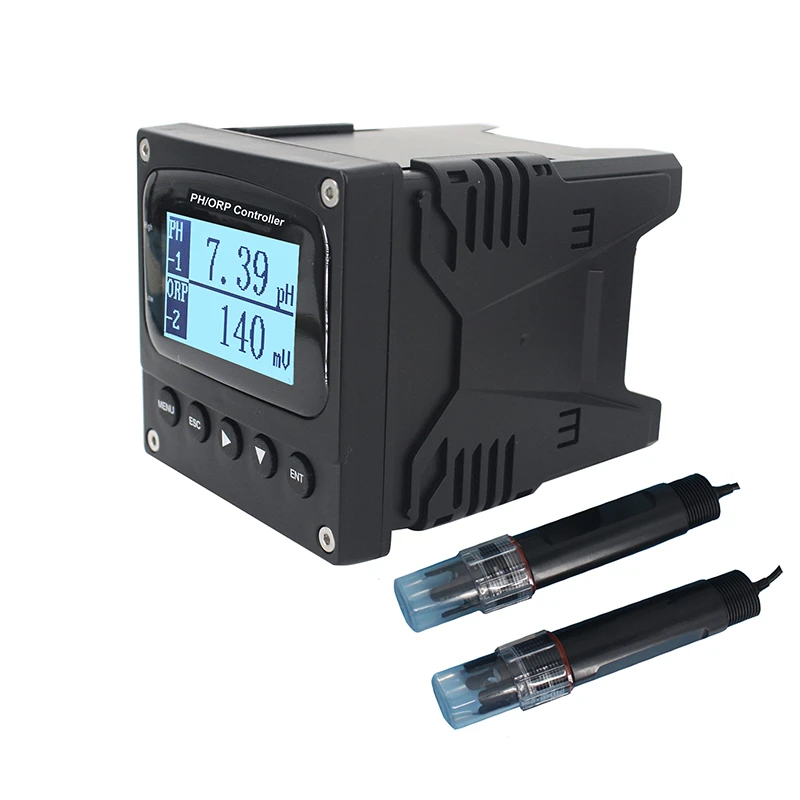
Implementing a ph orp controller to automate chemical neutralization and oxidation processes in textile dyeing factories.

4. Suez Canal Logistic Zone Water Safety

Using a residual chlorine sensor to ensure potable water safety for international shipping crews and port workers.

5. Red Sea Aquaculture Farms

Integrating a dissolved oxygen meter for water to optimize aeration levels for high-value fish species in saltwater ponds.

Brand Story

Global Development Journey of Hebei Jiruisi Import and Export Trade Co., Ltd.

Foundational Engineering Excellence

Started with a commitment to solve the core pain points of sensor instability in high-salinity environments.

Global Market Expansion

Expanded our footprint into North Africa, adapting our controllers to meet the rigorous demands of the Egyptian climate.

Technological Breakthroughs

Pioneered the integration of anti-fouling coatings on sensors, specifically for silt-heavy waters like the Nile.

Strategic Partnerships

Collaborated with Egyptian environmental engineers to create a localized suite of water monitoring tools.

Future Sustainability Mission

Dedicated to providing the tools that will enable "Zero Liquid Discharge" in Egypt's industrial parks.

Complete Water Monitoring Product Portfolio for Egypt

A comprehensive range of precision instruments designed for the Egyptian environment.

Frequently Asked Questions for the Egyptian Market

Expert answers to common challenges in Egyptian water quality monitoring.

How to maintain a residual chlorine sensor in high-temperature Egyptian summers?

We recommend installing temperature compensation modules and scheduling bi-weekly calibration to account for accelerated chemical decay in heat.

Can an RO system controller handle the high salinity of coastal groundwater in Alexandria?

Yes, our controllers are designed for high-TDS (Total Dissolved Solids) inputs and include advanced scaling prevention logic.

What is the best ph orp controller for Egyptian textile wastewater?

A controller with a robust, chemical-resistant probe and automated cleaning cycles is ideal for handling the dyes and salts found in textile effluent.

How does a dissolved oxygen meter for water perform in Nile silt conditions?

Our optical DO sensors are less susceptible to fouling than traditional membranes, making them perfect for the sediment-rich waters of the Nile.

Which total suspended solids meter is suitable for Egyptian irrigation canals?

We suggest a turbidity-based TSS meter with an automatic air-blast cleaning system to prevent Nile clay from coating the lens.

Are these controllers compatible with Egyptian industrial voltage standards?

Yes, all our instrumentation is available in multi-voltage configurations (110V/220V) and features surge protection against power fluctuations.

Get Expert Consultation for Your Water Project

Our engineers provide tailored water quality solutions specifically designed for the industrial requirements of Egypt.

Contact Us Now

If you are interested in our products, you can choose to leave your information here, and we will be in touch with you shortly.


en_USEnglish