Advanced Water Quality Monitoring Solutions with dissolved oxygen meter for water in Ecuador

Optimizing industrial wastewater treatment and drinking water purity across Ecuador with high-precision instrumentation and automated control systems.

Advanced Water Quality Monitoring Solutions with dissolved oxygen meter for water in Ecuador

Integrating state-of-the-art sensing technology to ensure environmental compliance and operational efficiency for Ecuadorian water treatment plants.

Current State of Water Monitoring in Ecuador

Addressing the unique challenges of Andean and Coastal water ecosystems.

Ecuador's diverse geography, from the Amazon rainforest to the Andean highlands and the Pacific coast, creates complex water chemistry challenges. Local industries are increasingly adopting the total suspended solids meter to manage high sediment loads common in mountain runoff and industrial discharge.

In the coastal regions, particularly in shrimp farming and aquaculture, the demand for an accurate dissolved oxygen meter for water has surged to prevent mass mortality events caused by hypoxia in ponds.

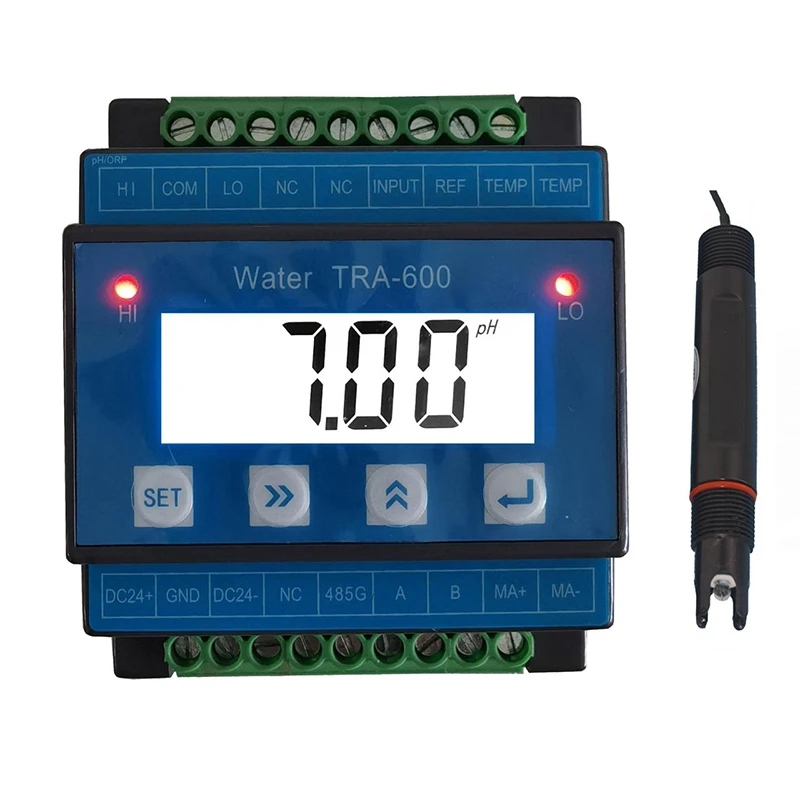
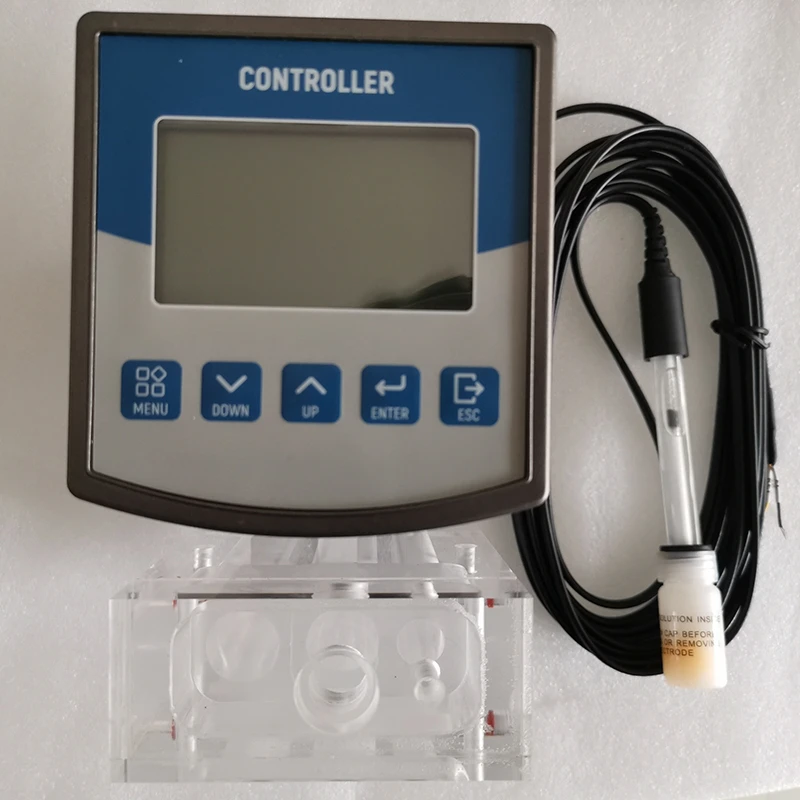
Furthermore, urban water utilities in Quito and Guayaquil are modernizing their chemical dosing processes using the ph orp controller to ensure safe drinking water and compliant wastewater effluent.
Technical Evolution and Development Trajectory

From manual sampling to autonomous, real-time analytical control.

Market Development History

Between 2000 and 2010, water monitoring in Ecuador relied heavily on manual titration and portable handheld devices. The focus was primarily on basic pH and turbidity measurements for regulatory reporting.

From 2011 to 2020, there was a shift toward online monitoring. The introduction of the residual chlorine sensor allowed for continuous disinfection monitoring, reducing the risk of waterborne diseases in municipal systems.

Since 2021, the market has transitioned to integrated automation. The widespread adoption of the ro system controller has enabled industrial plants to optimize membrane life and energy consumption through smart PID loops.

Future Development Trends

AI-Driven Predictive Maintenance

Integration of machine learning to predict sensor drift in TSS and DO meters, reducing manual calibration frequency in remote Ecuadorian sites.

IoT Cloud Connectivity

Transitioning from local displays to centralized cloud dashboards for real-time environmental monitoring across multiple provinces.

Ultra-Low Power Sensing

Development of solar-powered monitoring nodes for the Galápagos and Amazonian regions where electrical infrastructure is limited.

Industry Trends and Future Outlook

Strategic directions for environmental instrumentation in South America.

Digital Twin Integration
Creating virtual models of water networks to simulate the impact of ph orp controller adjustments in real-time.
Smart Membrane Management
Using a high-precision ro system controller to automate cleaning cycles based on flux decline.
Real-time Toxicity Screening
Combining a residual chlorine sensor with other parameters to detect hazardous industrial leaks.
Sustainable Wastewater Reuse
Implementing total suspended solids meter arrays to ensure recycled water meets agricultural standards.

Industry Outlook

Based on Google search trends in the region, there is a significant uptick in "smart water management" and "industrial automation" queries. Ecuadorian businesses are moving away from simple monitoring toward closed-loop control systems.

The focus will shift toward reducing operational expenditure (OPEX) by utilizing precision sensors to minimize chemical wastage and optimize energy use in desalination and purification plants.

Localized Application Scenarios in Ecuador

Tailored instrument deployment for the Ecuadorian landscape.

1. Shrimp Aquaculture in Guayas Province

Deployment of the dissolved oxygen meter for water to maintain optimal aeration levels, ensuring high survival rates for shrimp populations in high-salinity environments.

2. Mining Wastewater Treatment in the Andes

Using the total suspended solids meter to monitor tailings pond discharge and ensure heavy metal precipitates are fully removed before river release.

3. Municipal Drinking Water in Quito

Integration of a residual chlorine sensor and ph orp controller to automate the chlorination process, adapting to seasonal temperature changes in the highlands.

4. Banana Plantation Irrigation Systems

Installing a ro system controller to treat brackish groundwater, preventing soil salinization and optimizing nutrient delivery to crops.

5. Textile Industrial Effluent in Ambato

Utilizing a combined ph orp controller system to manage redox potential during the decolorization of fabric dyes in wastewater treatment plants.

Brand Story

Global Development Journey of Hebei Jiruis Import and Export Trade Co., Ltd.

Founding Vision

Established with a mission to bridge the gap between high-end analytical technology and practical industrial application in the water treatment sector.

Technical Breakthroughs

Developed advanced calibration algorithms that reduced the maintenance overhead for sensors operating in harsh, high-sediment environments.

Global Market Expansion

Successfully entered the South American market, tailoring products to meet the specific environmental regulations of Ecuador and neighboring countries.

Commitment to Sustainability

Focused on creating energy-efficient controllers that help industrial plants reduce their carbon footprint and water waste.

Future Horizon

Leading the shift toward "Water 4.0" by integrating AI and IoT into every sensor and controller we export globally.

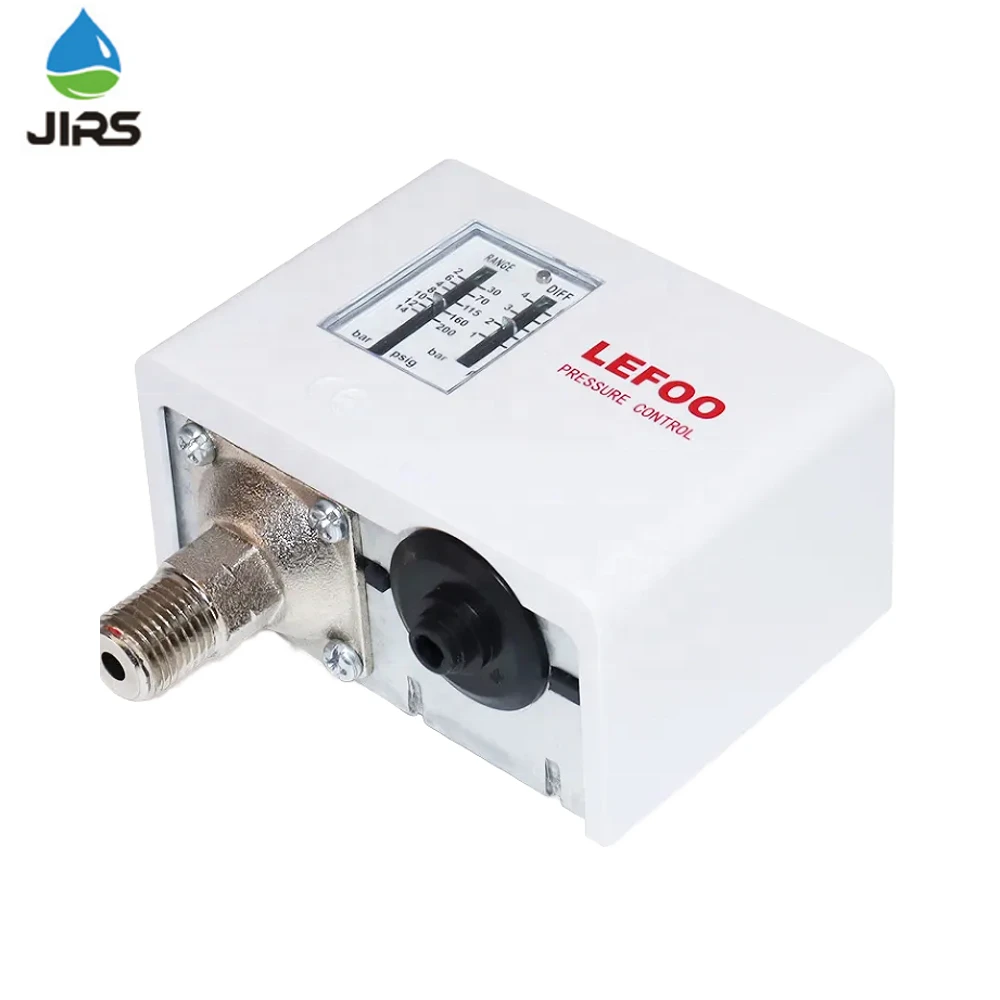
Complete Water Monitoring Product Portfolio for Ecuador

Integrated hardware solutions for industrial and municipal water quality control.

Common Questions in the Ecuadorian Water Industry

Expert answers to technical challenges in local water monitoring.

How to prevent biofouling in a dissolved oxygen meter for water in aquaculture ponds?

We recommend using optical DO sensors with automatic cleaning wipers and implementing a weekly calibration schedule to maintain accuracy in nutrient-rich ponds.

Can a total suspended solids meter handle high volcanic ash content in Andean water?

Yes, our TSS meters utilize high-intensity infrared light and robust sensor housings specifically designed to withstand abrasive particles common in volcanic regions.

What is the best way to integrate a ph orp controller into an existing PLC system?

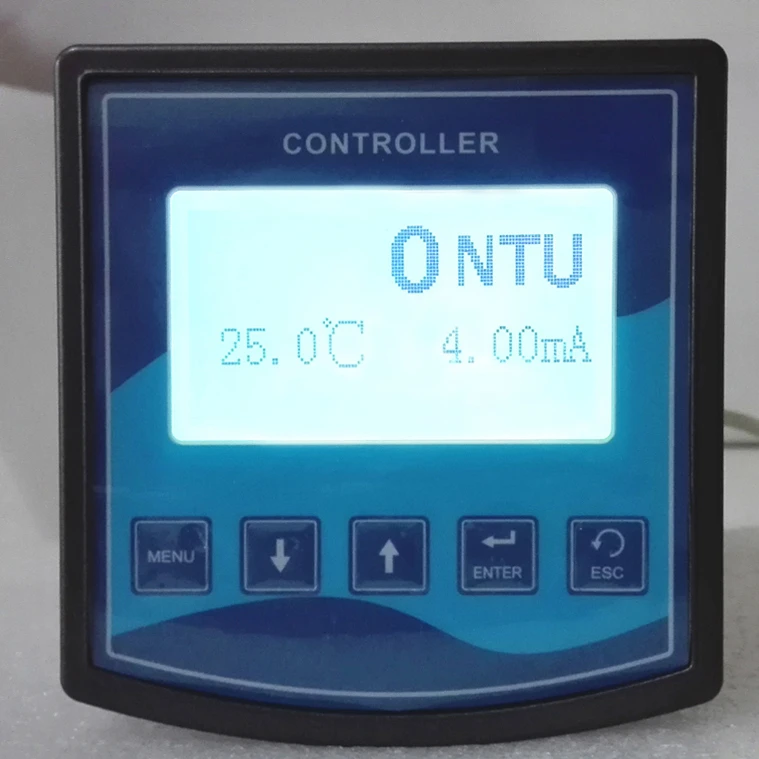
Our controllers offer standard 4-20mA analog outputs and Modbus RTU communication, allowing seamless integration with most industrial PLCs used in Ecuador.

How does a residual chlorine sensor improve municipal water safety?

It provides real-time data to ensure that chlorine levels remain high enough to kill pathogens but low enough to meet health standards, preventing under- or over-chlorination.

Does the ro system controller help in reducing membrane replacement costs?

Absolutely. By monitoring differential pressure and conductivity, the controller triggers precise cleaning cycles, preventing permanent scaling and extending membrane life.

What maintenance is required for sensors in high-humidity coastal areas of Ecuador?

We use IP68-rated enclosures to prevent moisture ingress. Regular inspection of cable seals and electrode cleaning is recommended to combat salt spray and humidity.

Request a Technical Consultation

Partner with us to implement world-class water monitoring technology in Ecuador. Our engineers are ready to optimize your system.

Contact Us Now

If you are interested in our products, you can choose to leave your information here, and we will be in touch with you shortly.


en_USEnglish