Advanced Water Quality Monitoring Solutions with ph orp controller for Bolivia

Precision instrumentation designed to tackle the unique hydrological challenges of the Bolivian highlands and lowlands, ensuring sustainable water safety and industrial compliance.

Advanced Water Quality Monitoring Solutions with ph orp controller for Bolivia

We provide high-precision water analysis tools including ro system controller and total suspended solids meter to optimize water treatment plants across the Bolivian territory.

Water Monitoring Landscape in Bolivia

Analyzing the challenges of water pollution control in diverse Bolivian terrains.

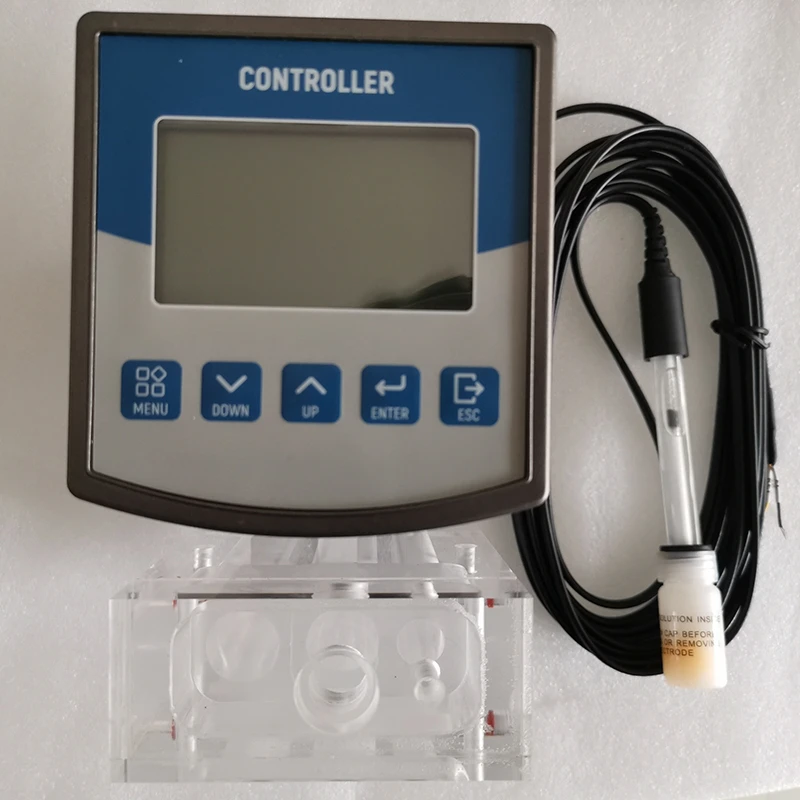
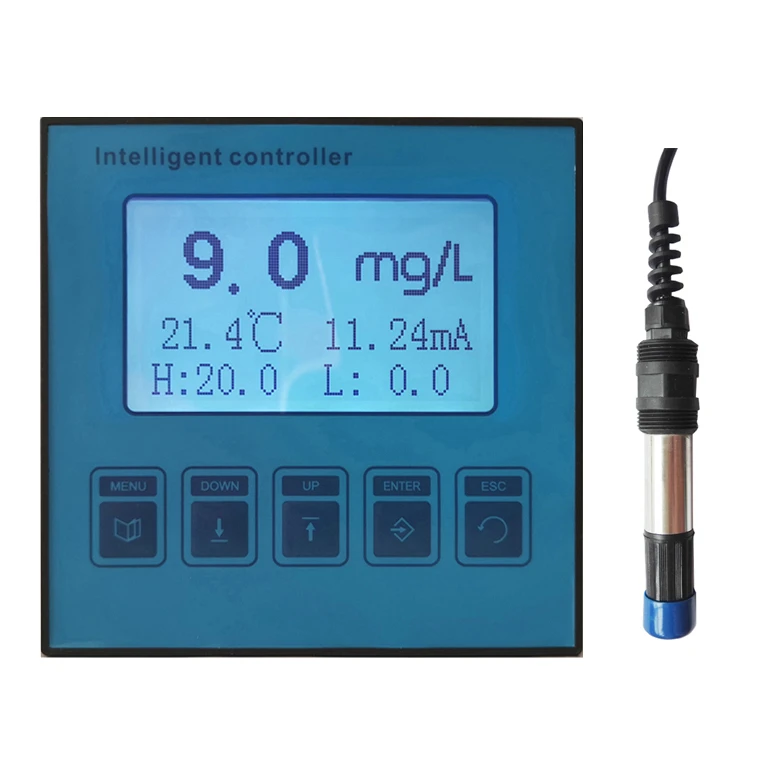
Bolivia's geography, ranging from the Altiplano to the Amazon basin, creates distinct water quality challenges. In mining regions like Potosí, the high concentration of heavy metals requires a robust ph orp controller to manage acid mine drainage and ensure neutralization processes are precise.

In urban centers like La Paz and Santa Cruz, the rapid expansion of industrial activity has increased the load of organic pollutants. This necessitates the deployment of a total suspended solids meter to monitor wastewater discharge and ensure compliance with national environmental standards.

Furthermore, the availability of potable water in rural areas depends heavily on desalination and filtration. The implementation of a reliable ro system controller is critical for maintaining membrane efficiency and preventing scaling in high-altitude environments.
Technical Evolution of Water Instrumentation in Bolivia

From manual sampling to automated real-time intelligence.

Market Development History

Before 2010, water monitoring in Bolivia relied heavily on manual titration and laboratory-based analysis. This led to significant delays in detecting contamination events in the Lake Titicaca basin, where response times were often too slow to prevent ecological damage.

Between 2010 and 2020, the market shifted toward digital handheld devices. The introduction of a more accessible dissolved oxygen meter for water allowed local technicians to perform on-site assessments of aquaculture and river health in the Oriente region.

From 2020 onwards, there has been a surge in integrated automation. Industries are now adopting smart residual chlorine sensor systems that provide continuous feedback loops, reducing chemical waste and improving the safety of municipal drinking water.

Future Development Trends

IoT Integration and Remote Telemetry

Future deployments will focus on cloud-based monitoring, allowing the Ministry of Environment and Water to track water quality in remote Andean villages in real-time via satellite link.

High-Sensitivity Mineral Detection

There is an increasing demand for sensors capable of detecting ultra-low concentrations of lithium and other minerals during the extraction process in the Salar de Uyuni.

Energy-Autonomous Sensing Nodes

Development is moving toward solar-powered monitoring stations that can operate independently for years, reducing the operational cost of maintenance in the Bolivian jungle.

Future Trends and Strategic Outlook

Pioneering the next generation of water quality technology for Bolivia.

AI-Driven Analytics
Predictive algorithms will analyze data from the ph orp controller to predict contamination spikes before they occur.
Edge Computing
Processing data locally on the ro system controller to reduce latency in critical industrial shut-off scenarios.
Green Sensors
Biodegradable sensor housings and low-power residual chlorine sensor components to minimize environmental footprint.
Multi-Parameter Integration
Combining a total suspended solids meter with turbidity and conductivity sensors in a single probe.

Industry Outlook

According to Google search trends, there is a rising interest in "industrial water recycling" in Bolivia. This indicates a shift toward circular economy practices where high-precision monitoring is the cornerstone of feasibility.

The integration of automated controllers will likely reduce operational costs for Bolivian municipalities by 20%, as manual calibration is replaced by self-diagnosing digital systems.

Localized Application Scenarios in Bolivia

Practical deployments of water monitoring technology in key Bolivian sectors.

01. Mining Tailings Management in Potosí

Implementing a ph orp controller to neutralize toxic runoff and monitor the oxidation-reduction potential of mine drainage to prevent river contamination.

02. Municipal Water Treatment in Santa Cruz

Utilizing a residual chlorine sensor to ensure consistent disinfection levels in the urban water network, preventing waterborne diseases.

03. Industrial Reverse Osmosis in Cochabamba

Deploying a ro system controller for beverage plants to maintain permeate quality and optimize energy consumption during filtration.

04. Aquaculture Monitoring in the Beni Lowlands

Using a dissolved oxygen meter for water to optimize fish farm aeration systems and prevent massive stock losses during seasonal temperature shifts.

05. Wastewater Discharge Control in El Alto

Installing a total suspended solids meter at industrial exit points to ensure that particulate matter complies with environmental regulations before entering the sewage system.

Brand Story

Global Development Journey of Hebei Jiruisi Import and Export Trade Co., Ltd.

Foundational Excellence

Established with a vision to bridge the gap between complex industrial needs and precise instrumentation, focusing on the core mechanics of water analysis.

Technological Breakthrough

Innovating in the realm of electrochemical sensing, we developed controllers that withstand the harshest industrial environments worldwide.

Global Expansion

Expanding our footprint into South America, bringing advanced water quality solutions to emerging markets with challenging hydrological conditions.

Sustainable Commitment

Integrating green manufacturing processes to ensure that our instruments contribute to a cleaner planet and safer water resources.

Future Vision

Striving to become the global leader in intelligent water monitoring, empowering industries with real-time data and automated control.

Comprehensive Water Monitoring Portfolio for Bolivia

A full suite of instruments tailored for Bolivian industrial and environmental standards.

Local FAQ for Water Monitoring in Bolivia

Expert answers to the most common technical questions in the region.

How to calibrate a ph orp controller in high-altitude regions like La Paz?

Calibration must account for atmospheric pressure changes. We recommend using temperature-compensated buffers and performing a two-point calibration at the actual installation altitude to ensure accuracy.

What is the maintenance interval for a total suspended solids meter in mining runoff?

Due to the abrasive nature of mine tailings, sensors should be cleaned weekly and calibrated monthly to prevent signal drift caused by electrode fouling.

Can an ro system controller handle high mineral content in the Altiplano?

Yes, our controllers feature advanced anti-scaling logic and integrated conductivity monitoring to adjust recovery rates dynamically based on feed water salinity.

Why is a dissolved oxygen meter for water essential for Bolivian aquaculture?

Oxygen solubility varies with temperature and altitude. Precise monitoring prevents hypoxic events that can lead to total crop loss in intensive fish farming.

How does a residual chlorine sensor improve municipal water safety?

It provides continuous monitoring of disinfectant levels, ensuring that water remains sterile throughout the distribution network without over-chlorinating.

Which sensors are best for monitoring Lake Titicaca's eutrophication?

A combination of a dissolved oxygen meter for water and a total suspended solids meter is recommended to track algal blooms and sediment load.

Request a Technical Consultation

Our engineers are ready to help you optimize your water quality infrastructure in Bolivia. Contact us for a customized solution today.

Contact Us Now

If you are interested in our products, you can choose to leave your information here, and we will be in touch with you shortly.


en_USEnglish