

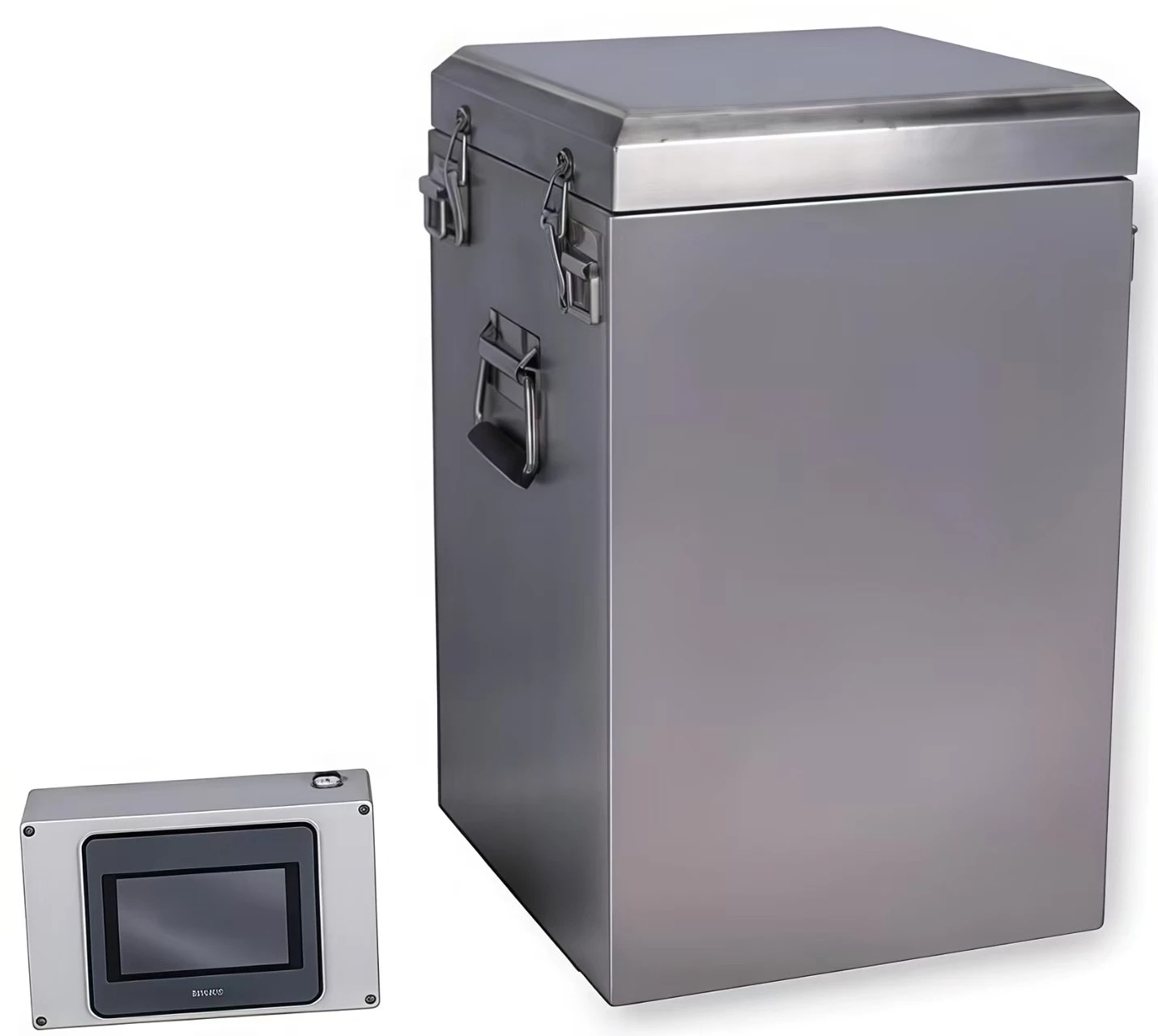
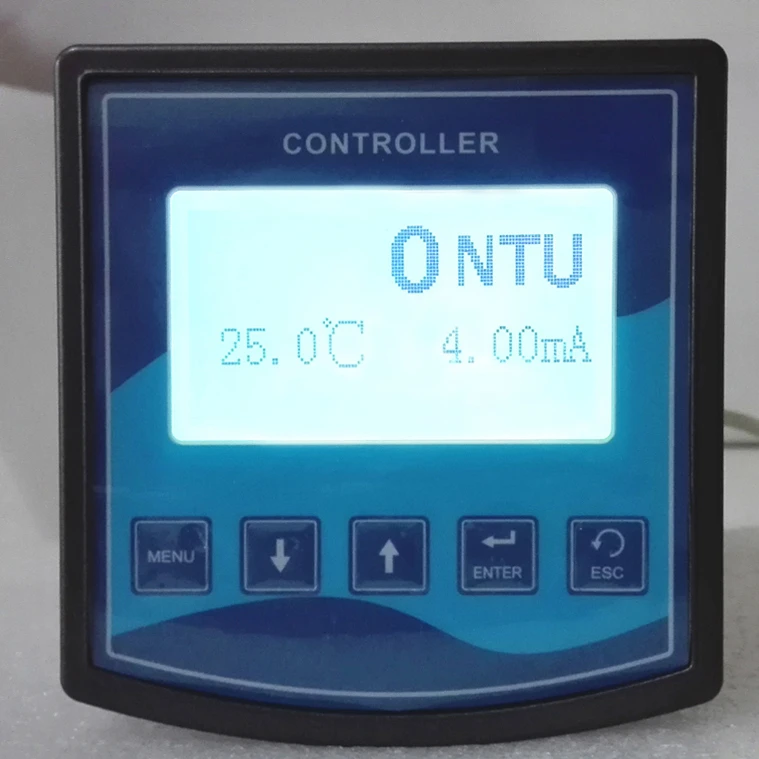
Colombia's water landscape is characterized by extreme diversity, ranging from high-altitude Andean streams to humid tropical lowlands. Currently, the industrial sector faces significant pressure to comply with stricter national environmental regulations aimed at preventing the contamination of the Magdalena and Cauca rivers. The adoption of a total suspended solids meter has become essential for mining and textile industries in regions like Antioquia to monitor effluent quality.
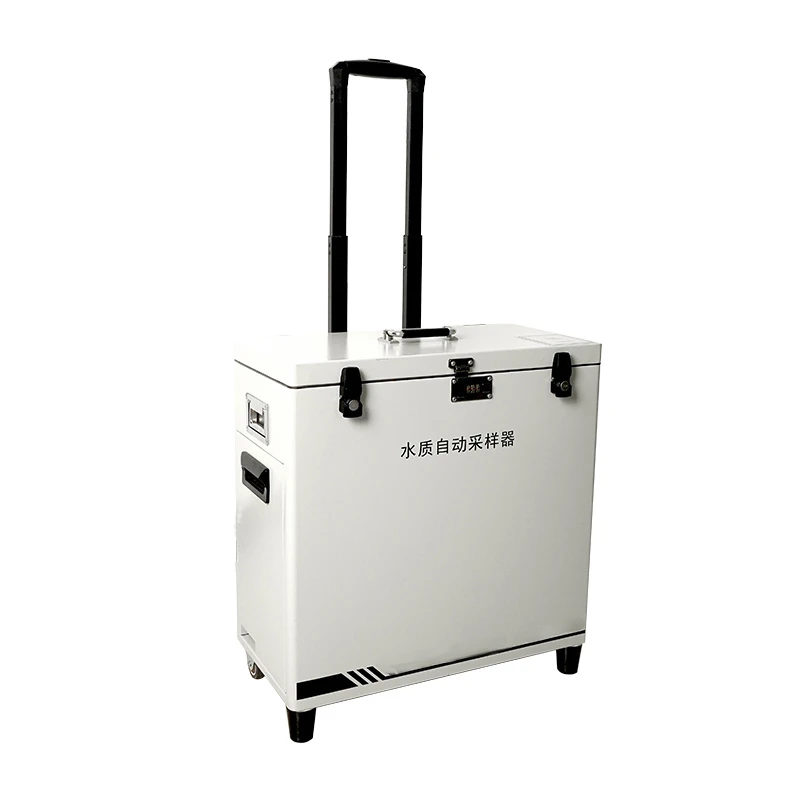
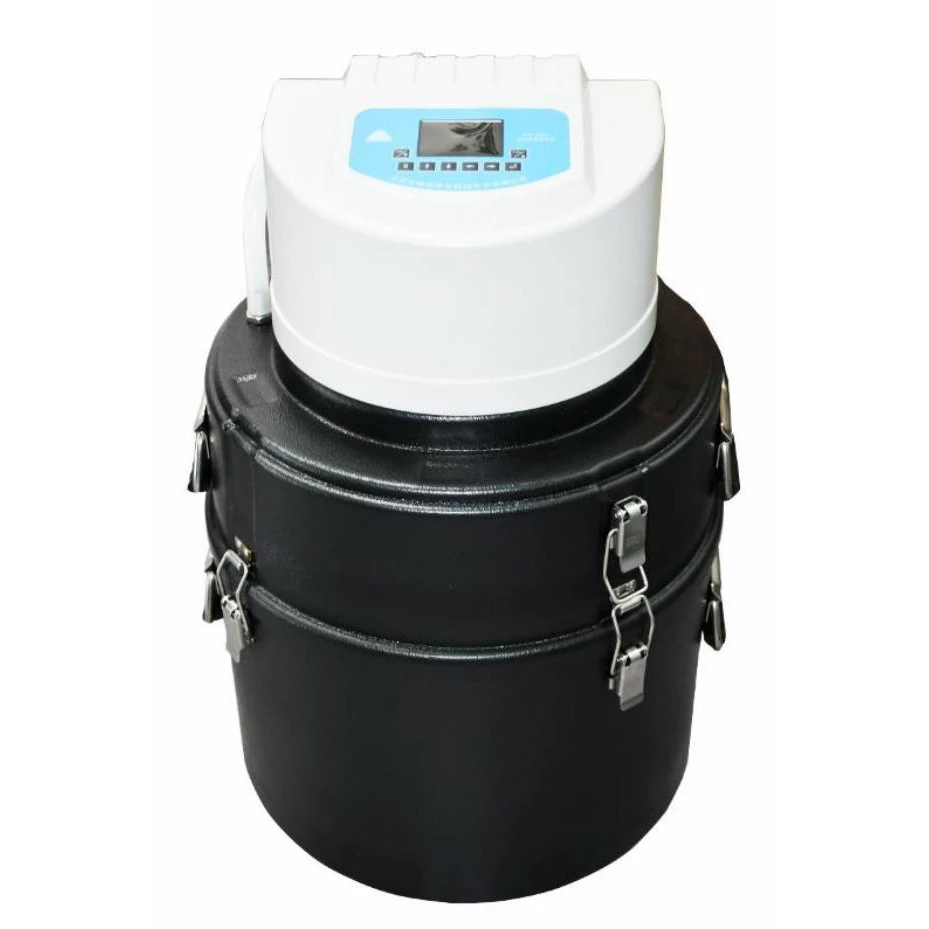
The economic push toward sustainable agriculture and aquaculture in the coastal regions has increased the demand for high-precision sensors. Many local facilities are transitioning from manual sampling to automated systems, integrating a dissolved oxygen meter for water to optimize oxygen levels in fish farms, ensuring productivity while minimizing environmental impact on surrounding mangroves.
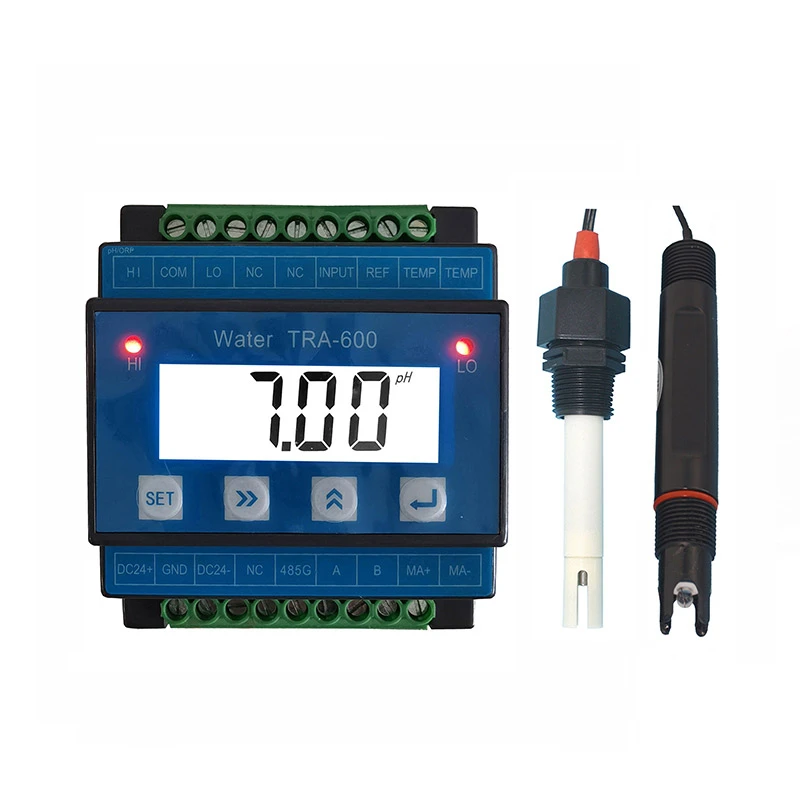
However, the challenge remains in the maintenance of equipment under fluctuating tropical temperatures and high humidity. There is a growing shift toward robust, industrial-grade hardware such as the residual chlorine sensor for municipal water treatment plants in Bogota and Medellin, ensuring safe drinking water and reducing chemical waste through tighter control loops.

 English