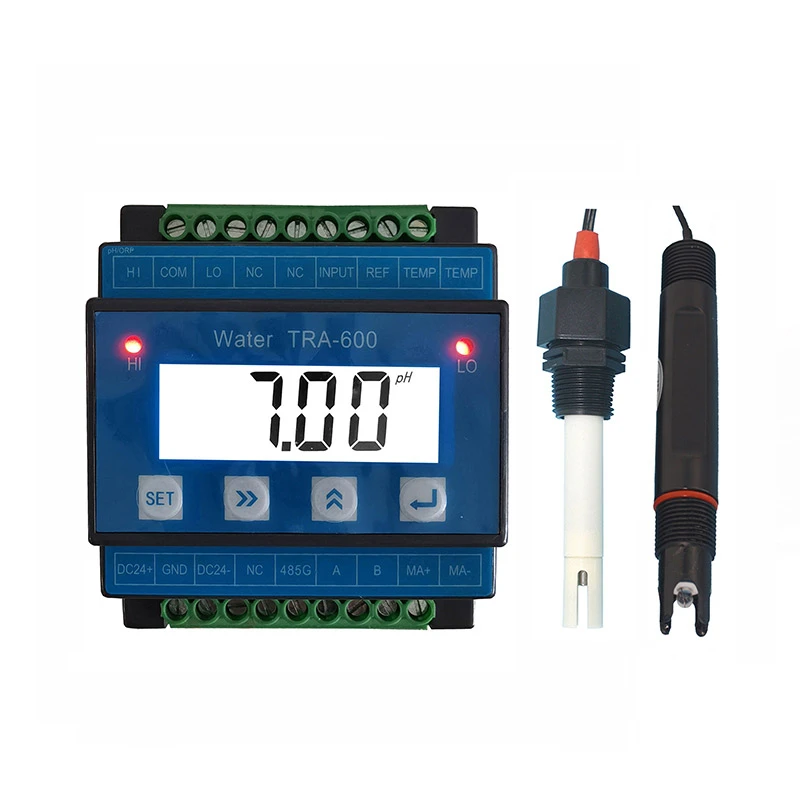
PH-TRA-600

PH-TRA-600 online PH transmitter is an accurate instrument used for industrial on-line PH measurement and PH controlling. The instrument is easy to install and use, operates safely, has a strong adaptability to the environment, and requires little maintenance. It widely used for the water treatment environmental protection, industrial waste water, chemical industry etc. The instrument has the following main characteristics: 1) Switch display PH and Temp. value. 2) Three-point calibration, automatic identification of solutions. 3) High and Low limit relay control output, 4) Isolated 4-20mA current signal output or RS485 output.

Product Details

Product Details

Contact Now

Contact Now

Product Details

Major Technical Specifications

Measurement range 0.000~14.00pH
Resolution ratio 0.02PH
Accuracy ±0.1pH
Displaying mode 3½ LCD
Calibrating mode Three-point calibration (automatic identification of solutions)   
Manual temperature compensation 0~120℃
Compression resistance of electrodes 0~0.5MPa
Measurement distance standard configuration 5m(≤40m)
Flow Velocity ≤3m/s,
Pressure ≤0.4Mpa
Output 4-20mA current or Modbus RS485 (optional)
Control output Maxi. and Mini. (constantly open) contact point
Capacity of contact points 3A/AC250V (with resistant loads)
Power supply DC-24V,0.5A □; (Standard) DC-12V,0.5A □; (Optional)
Environmental conditions Humidity: ≤85%/RH; Temp.: 0~50℃;
External dimensions 92*76*59mm (H x W x D)
Installation mode DIN Installation

Wire Connection Details

PH-TRA-600

Note: The standard version is a two-wire manual temp. compensation electrode

A Terminals:

No.

Terminal

Terminal Content

1

HI

Constantly open high limit relay alarm output

2

COM

Relay common terminal

3

LO

Constantly open low limit relay alarm output

4

NC

Empty

5

NC

Empty

6

INPUT

PH electrode signal input( Transparent wire)

7

REF

PH electrode signal ground wire( Black)

8

TEMP

Auto Temp. compensation measuring wire

9

TEMP

Auto Temp. compensation measuring wire

B Terminals:

No.

Terminal

Terminal Content

1

DC 24+

Power input +

2

GND

Equipment Ground wire

3

DC 24-

Power input -

4

NC

Empty

5

485G

RS 485 Signal Ground wire

6

A

RS485 Signal A

7

B

RS485 Signal B

8

MA+

4-20mA current signal output +

9

MA-

4-20mA current signal output -

Operation Of The Instrument

4.1 Soft key function

Soft key

Key function

Function description

PH-TRA-600

Menu Key

Under Measuring status, Enter or exit related parameter “setting Menu”

PH-TRA-600

Right shift key

Right Shift to select the digit of the parameter(Number flashes When selected); Up shift to browse Menu.

PH-TRA-600

Add shift key

Change the selected parameter digital value and parameter shift

PH-TRA-600

Confirm key

Confirm to select and enter into Menu and parameter save, check the temperature value.

4.2. Operation of the instrument

Under main interface,Press“ PH-TRA-600”key to Menu interface, the detailed description as follows:

No.

Menu

Menu Content

1

Un-T

Measuring Unit: pH/mV shift to display

2

T--C

Temp Compensate Interface: HT-- (Manual) 、PT--( PT1000)、  NTC-(NTC10K)

3

HC--

Relay high limit close value

4

HO--

Relay high limit open value

5

LC--

Relay low limit close value

6

LO--

Relay low limit open value

7

DE--

delay x second alarm

8

4--A

4mA corresponding PH value

9

20-A

20mA corresponding PH value

10

ADD-

RS-4854 Address, default value 002

11

BAUD

RS-4854 Baud speed, default value 9600 

12

CAL-

PH Calibration Menu (4.0/6.86/9.18)

13

FAC-

Factory setting Menu

Note: After having set an option, you must press the button to save the data.

Calibration Of Instruments

The calibration takes the form of three-point calibration. The automatic calibration protection function work in the process of calibration, illegal calibration is not executed.

Before the calibration starts, make sure that you have compounded three kinds of buffer solutions whose PH values are respectively 4.00, 6.86 and 9.18 according to relevant requirements. Before the calibration starts, the electrodes must be submerged and activated in clean water or the measured solution for 5 minutes.

The calibration methods are as follows: when it is the in the measuring state,

Press the button PH-TRA-600 until the instrument display “CAL”, and it enters the calibrating state.

Press the buttonPH-TRA-600, and the instrument will display “4.00”. Put the cleaned electrodes into the 4.00 compounded buffer solution, press the button PH-TRA-600, the controller display current buffer solution corresponding PH value, when PH value stable, and wait 3 to 5 minutes, press the button PH-TRA-600 to save.

The controller display “6.86”, after clean the PH electrodes by pure water, put the cleaned electrodes into the 6.86 compounded buffer solution, press the button PH-TRA-600, the controller display current buffer solution corresponding PH value ......, till 9.18 calibration finish and display OK .

During calibration, if the controller display “ ERR”, which indicate calibration failure, need to re-calibrate, if more times calibration failure, pls change the PH electrode, or contact with the supplier.

Installation Of Measuring Electrodes

The measuring electrodes are compound electrodes with plastic shells and 3/4"NPT threaded joints, Please install strictly according to the following diagrams:

PH-TRA-600 PH-TRA-600

3/4"NPT threaded joints.

Points for attention:

1) The electrodes shall be installed where the flow speed is steady and air bubs seldom gather or backwater which may lead to the inaccuracy.

2) The electrode shall be submerged deep into flowing water.

3)The cable collecting PH signals which is a form of weak potential signals shall be separately wired and shall not share a protective pipe with power supply wires and control wires, so as to avoid interference.

Measuring electrodes maintenance:

1) Avoid putting the electrodes in the dry air. When the electrodes are not in use, clean them with water and then put them back into the liquid- containing case with 1 mol KCL,or put the electrodes into a container with 1 mol KCL in it.

2) The electrodes shall be cleaned regularly. If the glass bulbs of the electrodes and Polytetrafluoroethylene (PTFE) are contacted and polluted, clean them with the following agents:

① use surface active agent to get rid of grease or greasy things.

② use 10% hydrochloric acid solution to get rid of calcium precipitates or metal hydroxides.

③ use 10% hydrochloric acid solution to get rid of sulphide precipitates. Use the mixture of 10% hydrochloric acid solution and pepsins to get rid of protein adhesives.

Maintenance Of Instrument

1) The measuring electrodes are accurate parts and shall not be taken out of the measuring room unless it is necessary to do so.The PH electrode sshall be cleaned Regularly.

2) Measuring cables are special cables which shall not be replaced by other types of cables. Unqualified cables may cause big errors.

3) If the measuring electrodes are damaged or losing efficacy, purchase and replace them with the same type of compound electrodes, and calibrate them {0><}0{>according to the fifth chapter of this manual.

4) The instrument is composed of accurate integrated circuits and electronic components and therefore shall be protected from humidity.

The Instrument As A Whole Set

PH transmitter 1pc
PH Sensor 1pc
Fixing clamp 1 pair
Operation manual 1 copy

Get in Touch

If you are interested in our products, you can choose to leave your information here, and we will be in touch with you shortly.

* Name

* E-mail

Phone

*Message

FAQS

Frequently Asked Questions (FAQ) About PH-TRA-600

What is PH-TRA-600 and what scenarios is it used in?

Down Down

It is an online pH transmitter, used to monitor pH value in industrial, environmental protection, agriculture and other scenarios.

How to install PH - TRA - 600 Online PH Transmitter?

Down Down

Select the location, soak the sensor, connect the wires and debug.

How to calibrate and maintain a PH-TRA-600 transmitter?

Down Down

Calibrate regularly with buffer, clean the sensor and check the wiring.

What are the reasons for inaccurate measurement of PH - TRA - 600?
Down Down

Sensor aging, improper calibration, environmental and wiring problems.
TRA-PH-600.webp                  


Related Products

right
right
WS-9300/9350

WS-9300/9350

WS-9200/9250

WS-9200/9250

WS-9200/9250

WS-9200/9250

JIRS-803C

JIRS-803C

JIRS-803C3

JIRS-803C3

JIRS-803C4

JIRS-803C4

JIRS-803C5

JIRS-803C5

Soil Sensor

Soil Sensor

Related News

right
right
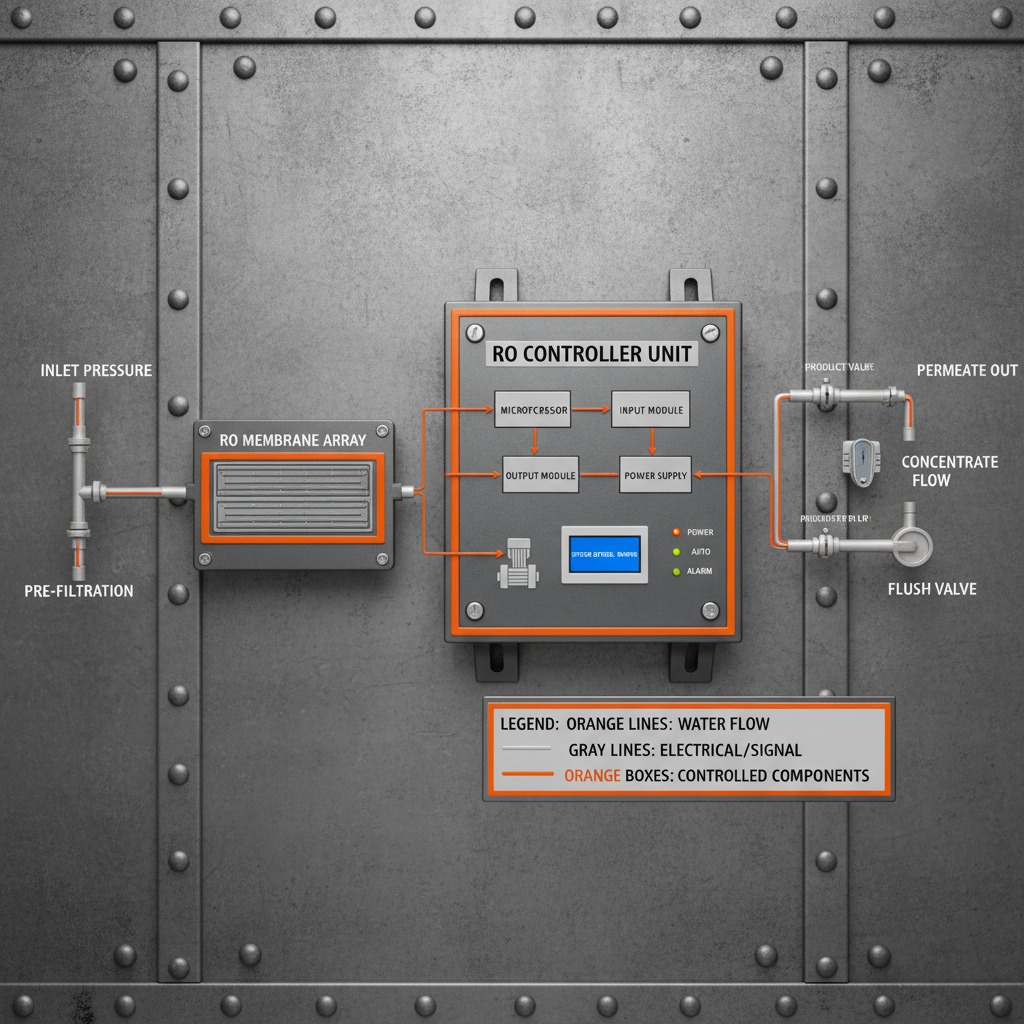
Guide to Choosing the Right RO Controller for Water Purification

Apr.16,2026

Guide to Choosing the Right RO Controller for Water Purification

Maintaining a high-performance reverse osmosis system requires more than just quality membranes; it demands precise regulation. An ro controller serves as the brain of the entire operation, monitoring critical parameters such as conductivity, temperature, and flow rates to ensure the output water meets stringent purity standards. Without an efficient controller, systems are prone to membrane fouling, inefficient energy use, and inconsistent water quality. In this comprehensive guide, we will explore how these devices optimize water treatment processes and how to select the best model for your specific industrial or commercial needs.
Guide to Water Purity Using RO with TDS Controller Systems

Apr.09,2026

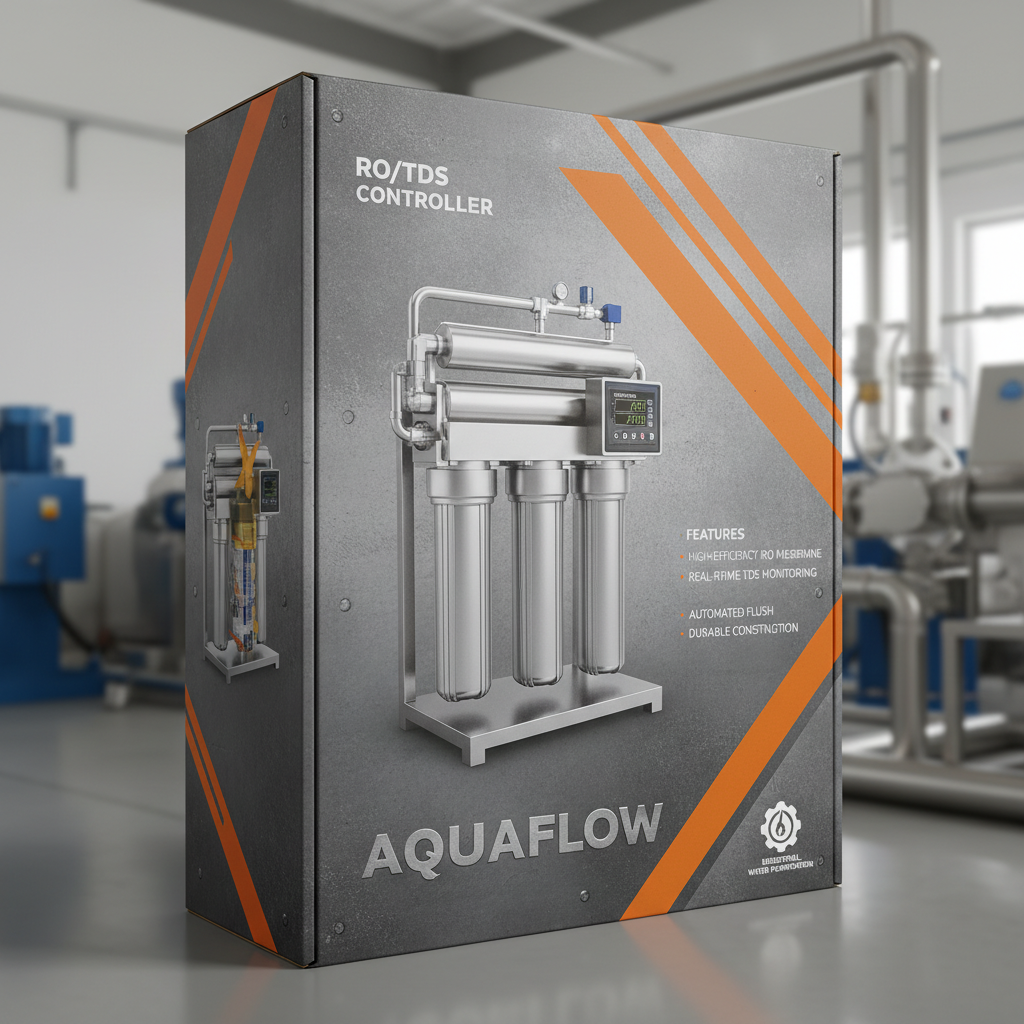
Guide to Water Purity Using RO with TDS Controller Systems

Achieving the perfect balance of mineral content and purity in drinking water is a challenge for many households and industrial facilities. A ro with tds controller offers a sophisticated solution by combining the rigorous filtration of Reverse Osmosis (RO) with the precision of a Total Dissolved Solids (TDS) adjustment system. While standard RO systems remove almost everything, including beneficial minerals, a TDS controller allows users to re-mineralize the water to a desired level. This ensures that the water is not only safe and pure but also tastes better and provides essential nutrients.
Understanding and Optimizing Reverse Osmosis Systems with a Controller

Apr.07,2026

Understanding and Optimizing Reverse Osmosis Systems with a Controller

In the world of water purification, reverse osmosis (RO) systems are a cornerstone for producing high-quality water for various applications, from drinking water to industrial processes. However, an RO system is only as effective as its control system. This is where the reverse osmosis controller comes into play. This critical component manages and optimizes the RO process, ensuring efficient operation, water quality, and system longevity.
Understanding the Vital Role of an RO System Controller for Optimal Performance

Apr.04,2026

Understanding the Vital Role of an RO System Controller for Optimal Performance

Reverse Osmosis (RO) systems are critical for purifying water across various industries, from residential applications to large-scale industrial processes. At the heart of a well-functioning RO system lies the RO system controller. This intelligent device monitors and regulates all key parameters of the RO process, ensuring optimal performance, efficiency, and water quality. This article delves into the functionalities, benefits, and selection criteria for choosing the right RO system controller, particularly focusing on those offered by Watequipments. Understanding its role is crucial for maximizing the lifespan and effectiveness of your RO investment.
Smart Water Treatment Solutions Using PH ORP Controller Systems

Mar.24,2026

Smart Water Treatment Solutions Using PH ORP Controller Systems

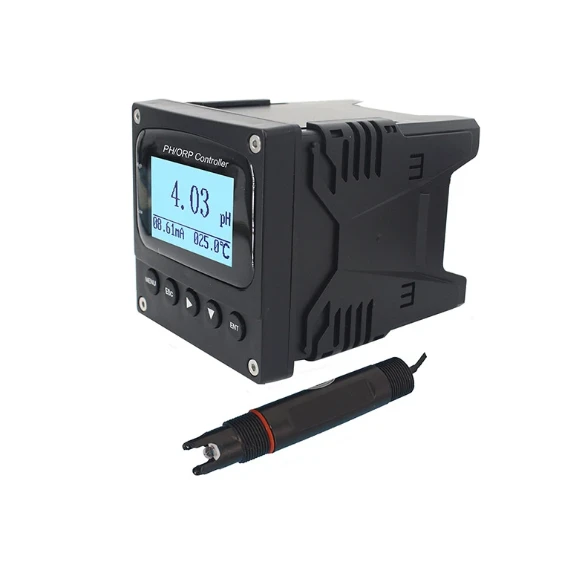
In modern water treatment and industrial fluid management, maintaining precise chemical balance is essential for safety, efficiency, and regulatory compliance.
Comprehensive Guide to Water Depth Samplers and Their Applications

Mar.04,2026

Comprehensive Guide to Water Depth Samplers and Their Applications

Accurate water quality monitoring is crucial in various fields, from environmental science and aquaculture to industrial wastewater management. A key tool for this is the water depth sampler. This article provides an in-depth look at water depth samplers, their applications, types, and essential considerations for choosing the right one for your needs. We'll explore the benefits of utilizing this equipment to collect reliable data for analysis and informed decision-making. Selecting the right sampler can significantly improve the precision and efficiency of your water monitoring program. A water depth sampler, also known as a depth-integrated sampler, is a device designed to collect water samples from specific depths within a body of water. Unlike simply dipping a container into the water, a depth sampler allows for collection of a representative sample across a defined depth range. This is critical because water properties (temperature, salinity, pollutants) often vary significantly with depth. The data gathered with a water depth sampler provides a more accurate assessment of water quality than surface samples alone.
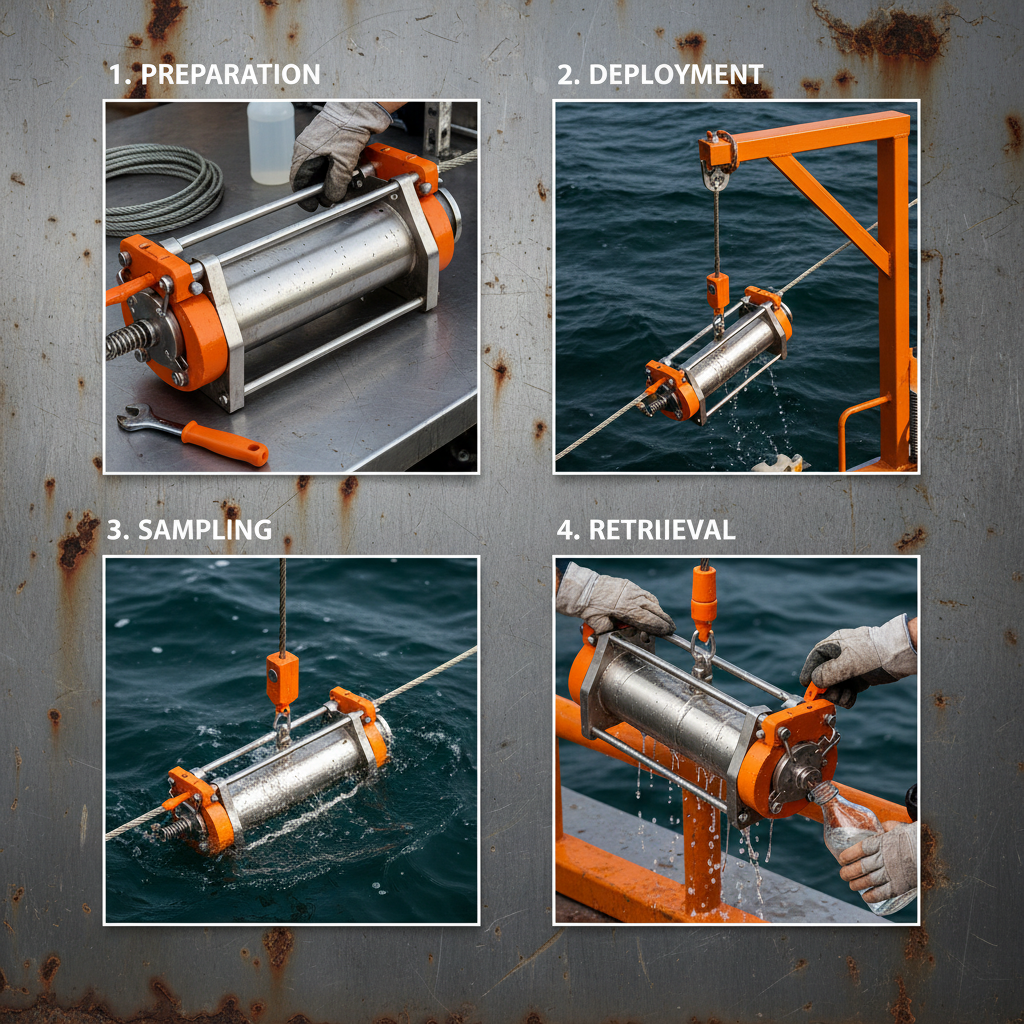
Comprehensive Guide to Horizontal Water Sampler Applications and Selection

Mar.03,2026

Comprehensive Guide to Horizontal Water Sampler Applications and Selection

Collecting water samples at varying depths is crucial for environmental monitoring, research, and quality control. The horizontal water sampler from Watequipment.com offers a precise and efficient solution for this task. This article provides an in-depth look at horizontal water samplers, their applications, benefits, and key considerations when choosing the right model. We will explore how these samplers contribute to accurate data collection and informed decision-making in various fields. A horizontal water sampler is a device designed to collect water samples from specific depths within a body of water – rivers, lakes, oceans, reservoirs, and even wastewater treatment plants. Unlike vertical samplers which primarily focus on depth, horizontal samplers prioritize collecting samples at a consistent depth while moving along a horizontal plane. This is essential for assessing water quality variations across a waterway or within a specific zone. They are used in applications ranging from environmental monitoring and scientific research to industrial process control and regulatory compliance.
Comprehensive Guide to Selecting the Right Surface Water Sampler for Your Needs

Feb.28,2026

Comprehensive Guide to Selecting the Right Surface Water Sampler for Your Needs

Monitoring the quality of surface water is critical for environmental protection, public health, and various industrial applications. A surface water sampler is an essential tool for collecting representative samples from rivers, lakes, ponds, and other surface water sources. This article provides a detailed overview of surface water samplers, their types, applications, and key considerations for selecting the right equipment. Accurate water quality data relies on proper sample collection, and choosing the correct sampler is the first step toward achieving reliable results. Surface water samplers come in various designs, each suited to specific sampling needs. Common types include grab samplers, depth-integrating samplers, peristaltic pumps, and automatic samplers. Surface water samplers are used across a broad spectrum of applications, including environmental monitoring, wastewater discharge monitoring, drinking water source monitoring, agricultural runoff analysis, and research studies.

If you are interested in our products, you can choose to leave your information here, and we will be in touch with you shortly.


en_USEnglish