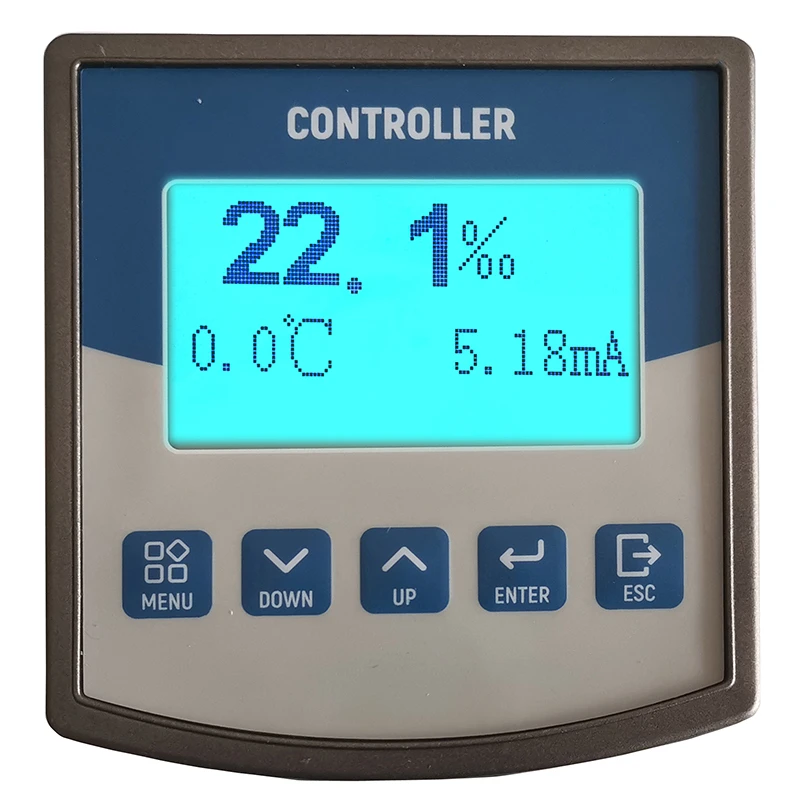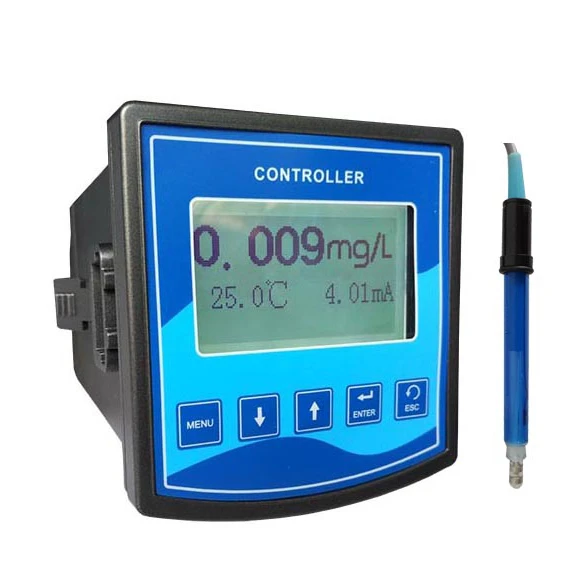
Advanced Water Quality Monitoring with ph orp controller for Chile Industrial Sector

Precision instrumentation engineered for the unique geological and environmental challenges of the Chilean mining and municipal water landscape.

Advanced Water Quality Monitoring with ph orp controller for Chile Industrial Sector

Integrating high-precision ph orp controller and sensory systems to ensure rigorous water pollution prevention and resource recovery across South America's most demanding environments.

Current State of Water Monitoring in Chile

Addressing the intersection of mineral extraction and water scarcity in the Atacama and Central Valley.

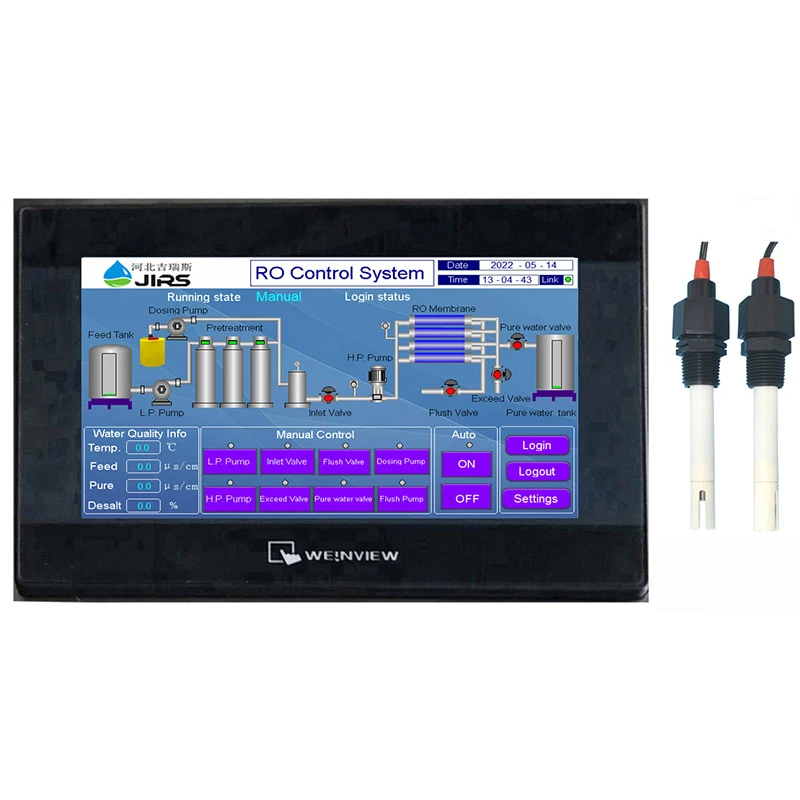
Chile's manufacturing and mining sectors face severe water stress, necessitating the deployment of sophisticated ro system controller units to maximize permeate recovery from brackish groundwater and seawater desalination plants.

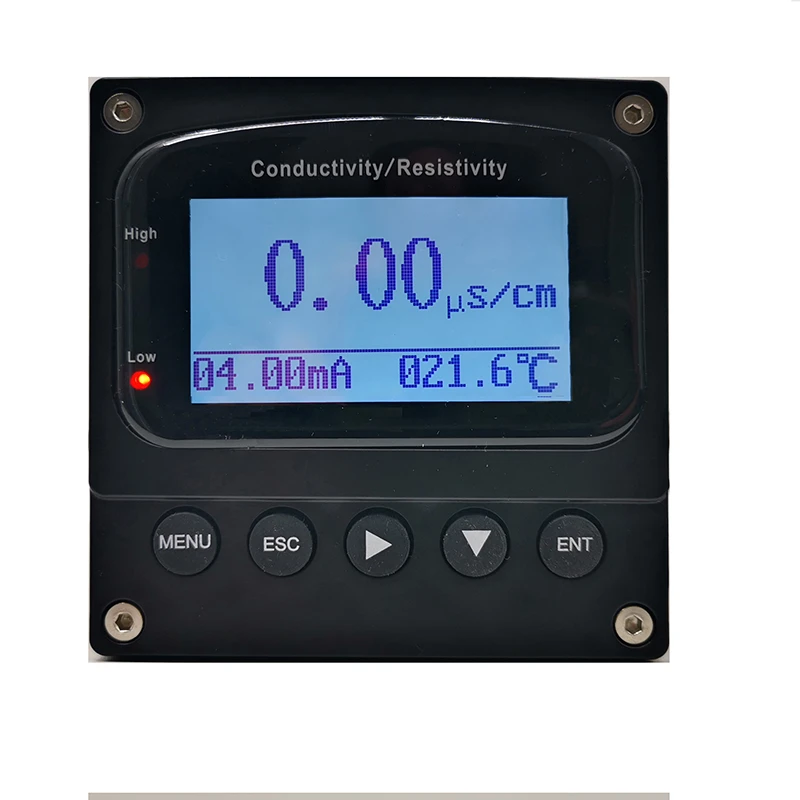
The prevalence of heavy metal leaching in northern regions requires continuous monitoring. The use of a total suspended solids meter has become critical for tailings dam management to prevent environmental catastrophes and meet strict government regulations.

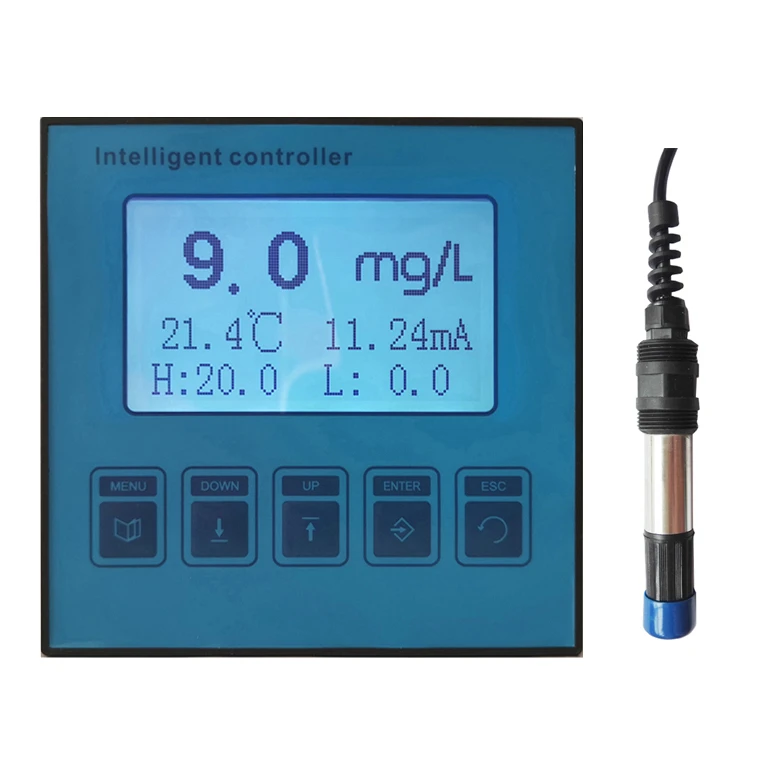
Moreover, the aquaculture industry in the south demands rigorous oxygenation control. Implementing a high-stability dissolved oxygen meter for water is now a standard for maintaining salmon farm viability amidst fluctuating Pacific coastal temperatures.
Evolution of Water Quality Instrumentation in Chile

From manual sampling to automated, real-time telemetry systems.

Market Development History

During the late 1990s and early 2000s, the Chilean market relied heavily on manual chemical titration and basic portable meters for water analysis, leading to significant lag times in pollution detection.

Between 2010 and 2020, there was a shift toward SCADA-integrated systems. The introduction of the residual chlorine sensor allowed municipal plants in Santiago to automate disinfection cycles, reducing human error in chemical dosing.

Currently, the industry has transitioned to IoT-enabled "Smart Water" frameworks, where sensors are no longer isolated tools but nodes in a nationwide environmental data network.

Future Development Trends

AI-Driven Predictive Maintenance

Integration of machine learning to predict membrane fouling in RO systems before it occurs, optimizing the lifecycle of the controller.

Hyper-Local GEO-Sensing

Deployment of distributed sensor arrays that adjust calibration parameters based on specific Chilean altitude and salinity gradients.

Zero-Liquid Discharge (ZLD) Integration

Technological convergence where TSS and conductivity meters drive complete water recycling loops in mining processes.

Industry Trends and Future Outlook

The roadmap toward sustainable water management in South America's leading economy.

Digital Twin Integration
Creating virtual replicas of water plants to simulate the impact of varied mineral loads on sensor accuracy.
Edge Computing Logic
Processing analytical data at the sensor level to reduce latency in critical shut-off valves for pollution control.
Energy-Neutral Sensing
Developing low-power instruments capable of operating on solar energy for remote Andean monitoring stations.
Modular Calibration
Hot-swappable sensor modules to minimize downtime during maintenance in large-scale industrial plants.

Industry Outlook

Google search trends indicate a rising demand in the Chilean market for "automated water quality monitoring" and "industrial wastewater compliance," reflecting a shift toward strict environmental ESG goals.

We anticipate that by 2028, the integration of cloud-based reporting will be mandatory for all mining operations, making high-accuracy, digitally-interfaced instruments the only viable option for operators.

Localized Application Scenarios in Chile

Real-world implementation of water quality instrumentation across diverse Chilean territories.

01. Atacama Mining Desalination Plants

Utilizing an ro system controller to manage high-pressure membrane stages, ensuring stable freshwater production from the Pacific Ocean for copper extraction.

02. Santiago Municipal Wastewater Treatment

Implementation of residual chlorine sensor systems to monitor effluent discharge into the Mapocho River, preventing downstream ecosystem toxicity.

03. Southern Salmon Aquaculture Farms

Continuous deployment of dissolved oxygen meter for water to maintain optimal aerobic conditions in high-density fish pens in the Magallanes region.

04. Industrial Tailings Management

Integration of a total suspended solids meter to track sediment levels in process water, optimizing the thickener and filtration performance.

05. Agricultural Irrigation Control

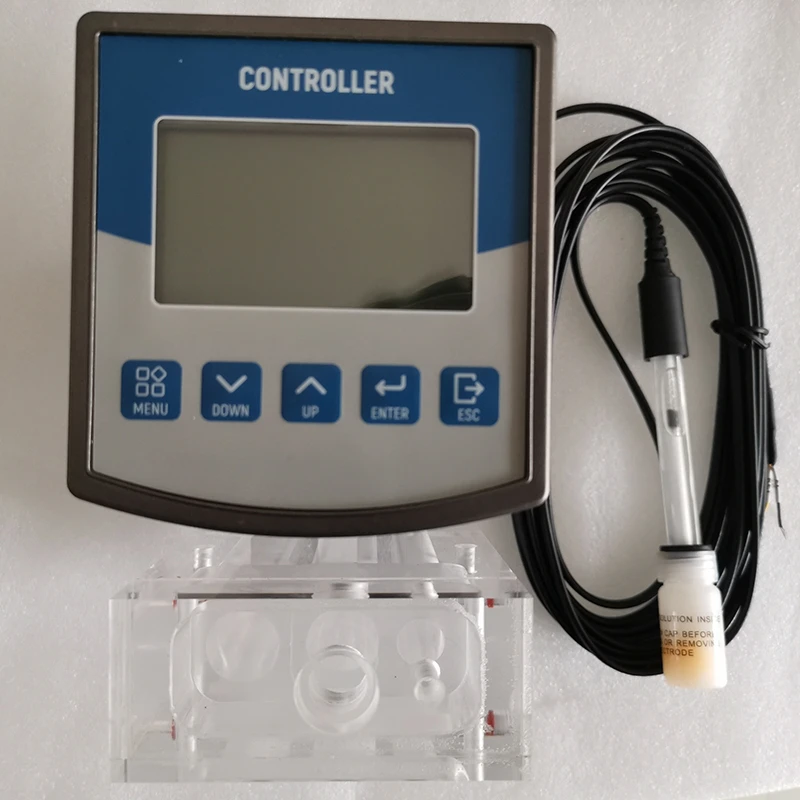
Using a ph orp controller to treat irrigation water in the Central Valley, preventing soil acidification and enhancing crop yield for export fruits.

Brand Story

Global Development Journey of Hebei Jiruisi Import and Export Trade Co., Ltd.

Foundational Engineering

Established with a vision to bridge the gap between laboratory precision and industrial durability in water monitoring.

Market Expansion

Scaling our operations to serve the global South American market, specializing in high-salinity and extreme climate environments.

Technological Breakthrough

Developing proprietary sensor coatings that resist biofouling and chemical corrosion in harsh mining wastewater.

Strategic Partnerships

Collaborating with Chilean environmental agencies to set new benchmarks for water pollution prevention instruments.

Future Sustainability

Committing to a carbon-neutral manufacturing process while advancing "Smart Water" technologies for the next generation.

Comprehensive Water Monitoring Portfolio for Chile

A curated selection of instruments designed for the unique water chemistry of the Chilean industrial landscape.

Frequently Asked Questions for the Chilean Market

Expert answers to common technical challenges in South American water monitoring.

How does the RO system controller handle high-salinity seawater in Atacama?

Our controllers utilize adaptive PID algorithms to manage osmotic pressure variations and prevent membrane scaling in high-TDS environments typical of the Atacama region.

What is the calibration interval for a total suspended solids meter in mining tailings?

Due to the abrasive nature of mining solids, we recommend a bi-weekly calibration and the use of our automatic cleaning system to maintain sensor accuracy.

Can the ph orp controller be integrated with existing Chilean SCADA systems?

Yes, our controllers support Modbus TCP/IP and 4-20mA analog outputs, ensuring seamless integration with all major industrial automation platforms used in Chile.

Which dissolved oxygen meter for water is best for cold-water salmon farming?

Our optical DO sensors are ideal as they do not require flow-dependent membranes and are temperature-compensated for the cold waters of Southern Chile.

How does the residual chlorine sensor prevent over-chlorination in municipal water?

The sensor provides real-time feedback to the dosing pump, using a closed-loop control system to maintain chlorine levels within strict health safety margins.

Are these instruments compliant with Chilean environmental regulations (SMA)?

Our instruments are designed to meet and exceed the data accuracy and reporting requirements set by the Superintendencia del Medio Ambiente (SMA).

Contact Our Technical Experts

Ready to optimize your water quality monitoring in Chile? Our engineering team is available to provide customized solutions for your industrial needs.

Contact Us Now

If you are interested in our products, you can choose to leave your information here, and we will be in touch with you shortly.


en_USEnglish