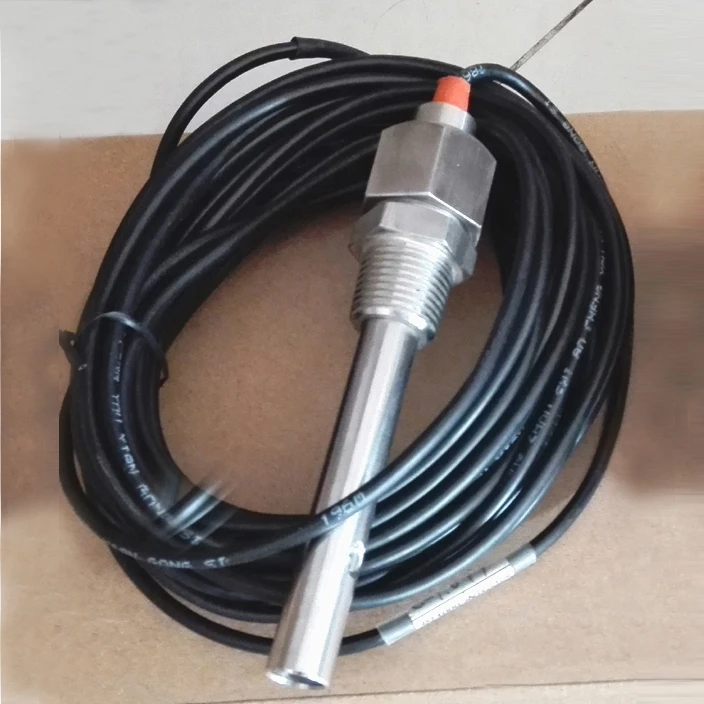
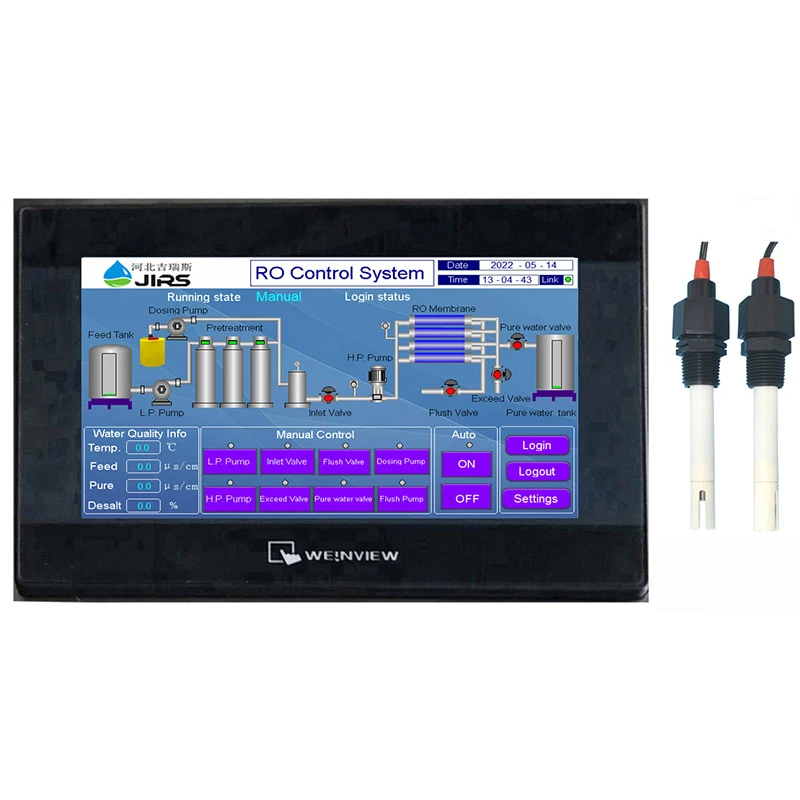
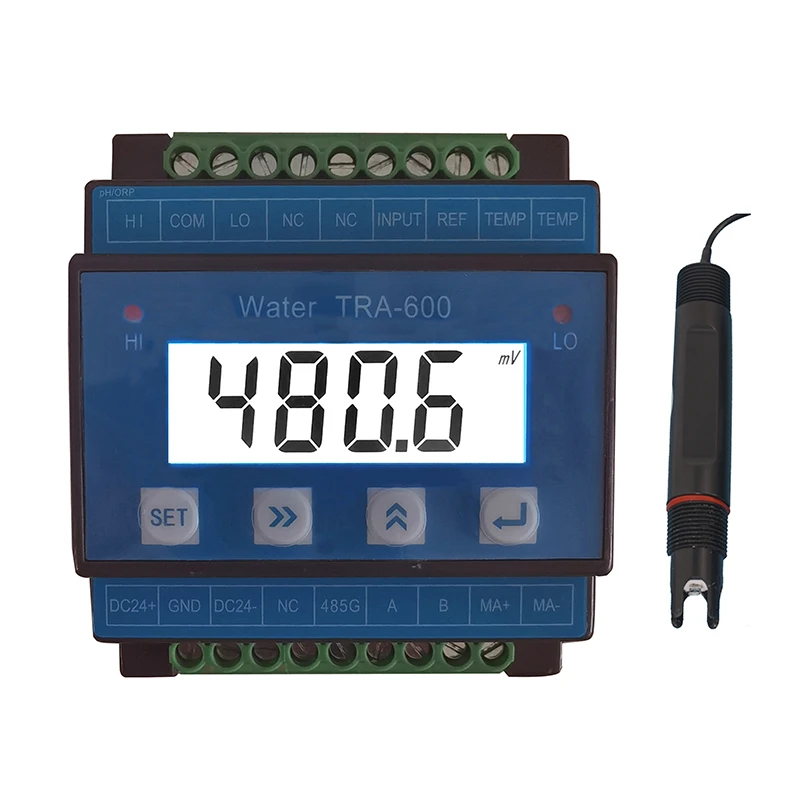
Advanced Water Quality Monitoring with ph orp controller in New Zealand

Precision instrumentation designed for New Zealand's unique environmental standards and industrial water treatment needs.

Advanced Water Quality Monitoring with ph orp controller in New Zealand

Integrating high-precision monitoring solutions to safeguard New Zealand's pristine water resources through automated control and real-time analysis.

Water Monitoring Landscape in Oceania - New Zealand

Addressing the critical balance between industrial growth and ecological preservation.

New Zealand's commitment to "Kaitiakitanga" (guardianship of the environment) drives a rigorous demand for precision in water quality. The proliferation of dairy farming and aquaculture requires constant vigilance, making a reliable total suspended solids meter essential for monitoring runoff and wastewater effluent to prevent lake and river sedimentation.

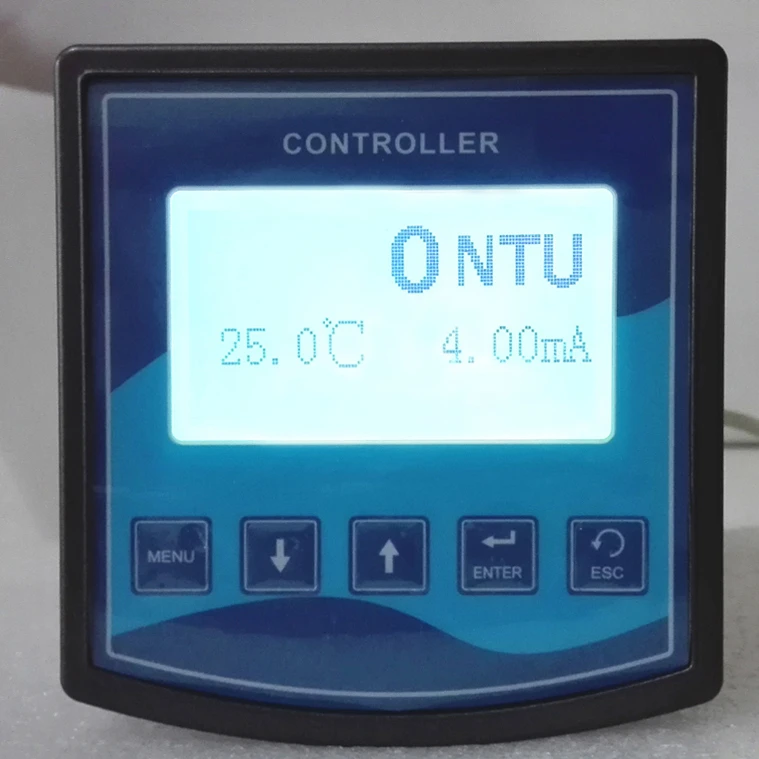
In the industrial sector, particularly in food and beverage processing, the stability of water chemistry is paramount. The use of a ph orp controller ensures that sanitation processes are efficient and consistent, meeting the strict health and safety standards required for exports to global markets.

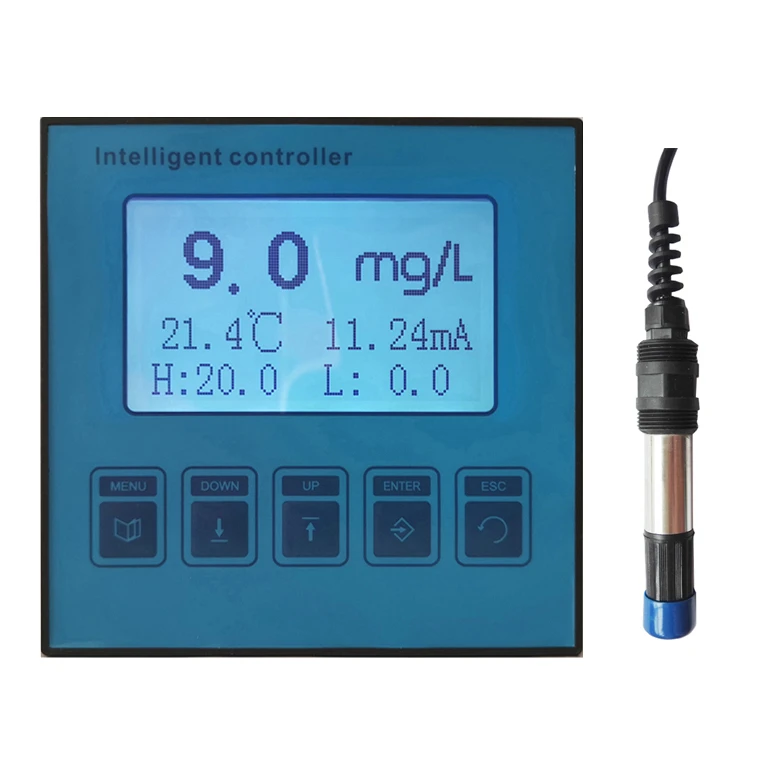
Furthermore, the remote nature of many New Zealand water sources necessitates autonomous monitoring. Implementing a dissolved oxygen meter for water allows environmental agencies to track the health of aquatic ecosystems in real-time, ensuring that oxygen levels remain sufficient for native species survival amidst changing climatic patterns.
Evolution of Water Instrumentation in New Zealand

From manual sampling to intelligent, automated water governance.

Market Development History

Prior to 2010, water monitoring in New Zealand relied heavily on manual grab-sampling and laboratory analysis. This delayed response time often meant that contamination events were only identified after significant ecological damage had occurred.

Between 2010 and 2020, the industry shifted toward online monitoring. The introduction of the ro system controller revolutionized desalination and high-purity water production for the pharmaceutical and tech sectors in Auckland and Wellington, reducing human error and operational costs.

From 2020 to the present, the focus has transitioned to IoT integration. Modern sensors, such as the residual chlorine sensor, are now linked to cloud platforms, providing instant alerts and data logging to comply with the Resource Management Act.

Future Development Trends

Predictive AI Maintenance

Integration of machine learning to predict sensor drift and calibration needs, reducing the frequency of site visits to remote alpine catchments.

Ultra-Low Power Remote Sensing

Development of energy-harvesting sensors that can operate for years without battery replacement in forest streams.

Multi-Parameter Integrated Probes

The convergence of pH, ORP, and DO into a single digital probe to minimize installation footprint and cabling complexity.

Industry Trends and Future Outlook

Charting the course for sustainable water technology in the South Pacific.

IoT-Driven Connectivity
Shift towards 5G and LoRaWAN enabled sensors for nationwide water network visibility.
Regulatory Compliance
Stricter nitrogen and phosphorus limits necessitating higher precision in nutrient monitoring.
Sustainable Sourcing
Demand for "Green" electronics and recyclable sensor components.
Digital Twins
Creating virtual models of water systems for simulation and risk management.

Industry Outlook

The trajectory of water instrumentation in New Zealand is moving toward an "Integrated Intelligence" model. Google Search trends indicate a sharp increase in queries regarding "remote water quality monitoring" and "autonomous sensor calibration," suggesting that the market is moving away from simple data collection toward actionable, automated insights.

Within the next 3-5 years, we expect the widespread adoption of cloud-based analytics that combine data from ph orp controller units and flow meters to automatically adjust chemical dosing in real-time, drastically reducing chemical waste and environmental impact.

Local Application Scenarios in New Zealand

Practical implementation of water monitoring in key NZ sectors.

1. Dairy Effluent Management in Waikato

Utilizing a total suspended solids meter to monitor pond discharge and ensure compliance with regional council regulations on farm runoff.

2. Municipal Drinking Water Safety in Christchurch

Deploying a residual chlorine sensor throughout the distribution network to ensure safe, potable water delivery following seismic infrastructure upgrades.

3. Aquaculture Hatcheries in Marlborough

Using a dissolved oxygen meter for water to maintain optimal oxygen levels for juvenile fish and shellfish, preventing mass mortality events.

4. Industrial Pure Water Plants in Auckland

Integrating a ro system controller for high-efficiency reverse osmosis, ensuring the purity of water used in pharmaceutical manufacturing.

5. Winery Wastewater Treatment in Central Otago

Applying a ph orp controller to manage the neutralization of acidic winery waste before it enters the local ecosystem.

Brand Story

Global Development Journey of Hebei Jiruisi Import and Export Trade Co., Ltd.

Foundation of Excellence

Started with a vision to bridge the gap between high-end laboratory precision and rugged industrial application in water monitoring.

Technological Breakthroughs

Developed proprietary sensor coatings that resist biofouling, specifically designed for harsh environmental conditions.

Global Expansion

Expanded operations to the Oceania region, tailoring our instrumentation to meet New Zealand's strict ecological standards.

Strategic Partnerships

Collaborating with environmental agencies to refine the accuracy of real-time pollution detection systems.

Sustainable Future

Committing to a carbon-neutral manufacturing process while enhancing the purity of the world's water resources.

Comprehensive Water Monitoring Portfolio for New Zealand

A full suite of instruments engineered for New Zealand's environmental and industrial requirements.

Water Monitoring FAQs - New Zealand

Technical answers to common questions regarding local water quality instrumentation.

How does a total suspended solids meter help with dairy runoff in New Zealand?

It provides real-time measurement of particles in water, allowing farmers to ensure that sediment levels in discharged effluent remain below the thresholds set by regional councils.

What are the benefits of an automated ro system controller for NZ industries?

Automated controllers optimize membrane pressure and flow rates, extending the lifespan of RO membranes and reducing water waste in desalination plants.

Why is a ph orp controller critical for winery wastewater?

Winery waste can be highly acidic. A controller automates the addition of neutralizing agents, ensuring the effluent is pH-balanced before environmental release.

How often should a dissolved oxygen meter for water be calibrated in alpine streams?

Due to temperature fluctuations in New Zealand's alpine regions, we recommend monthly calibration to ensure accuracy in tracking dissolved oxygen levels.

Can a residual chlorine sensor integrate with existing SCADA systems?

Yes, our sensors support 4-20mA, Modbus, and digital outputs, allowing seamless integration into New Zealand's municipal water management SCADA platforms.

What is the impact of temperature on ph orp controller readings in NZ?

Temperature affects ion activity. Our controllers feature Automatic Temperature Compensation (ATC) to ensure precise readings regardless of New Zealand's seasonal weather changes.

Request Expert Consultation

Our engineers are ready to help you optimize your water quality monitoring systems across New Zealand.

Contact Us Now

If you are interested in our products, you can choose to leave your information here, and we will be in touch with you shortly.


en_USEnglish