


CL-6850(polarography)

FAQS
What parameters can CL‑6850 industrial online analyzer measure?


What signal outputs does CL‑6850 provide for system integration?
What is the installation method and protection grade of CL‑6850?

Related Products




Related News


Nov.03,2026
Rotameter FAQ for small-flow measurement in water treatment
Learn how a Rotameter measures fluid flow, where it fits in water-treatment and RO systems, and which accuracy, pressure, and float details to review before ordering.

Oct.29,2026
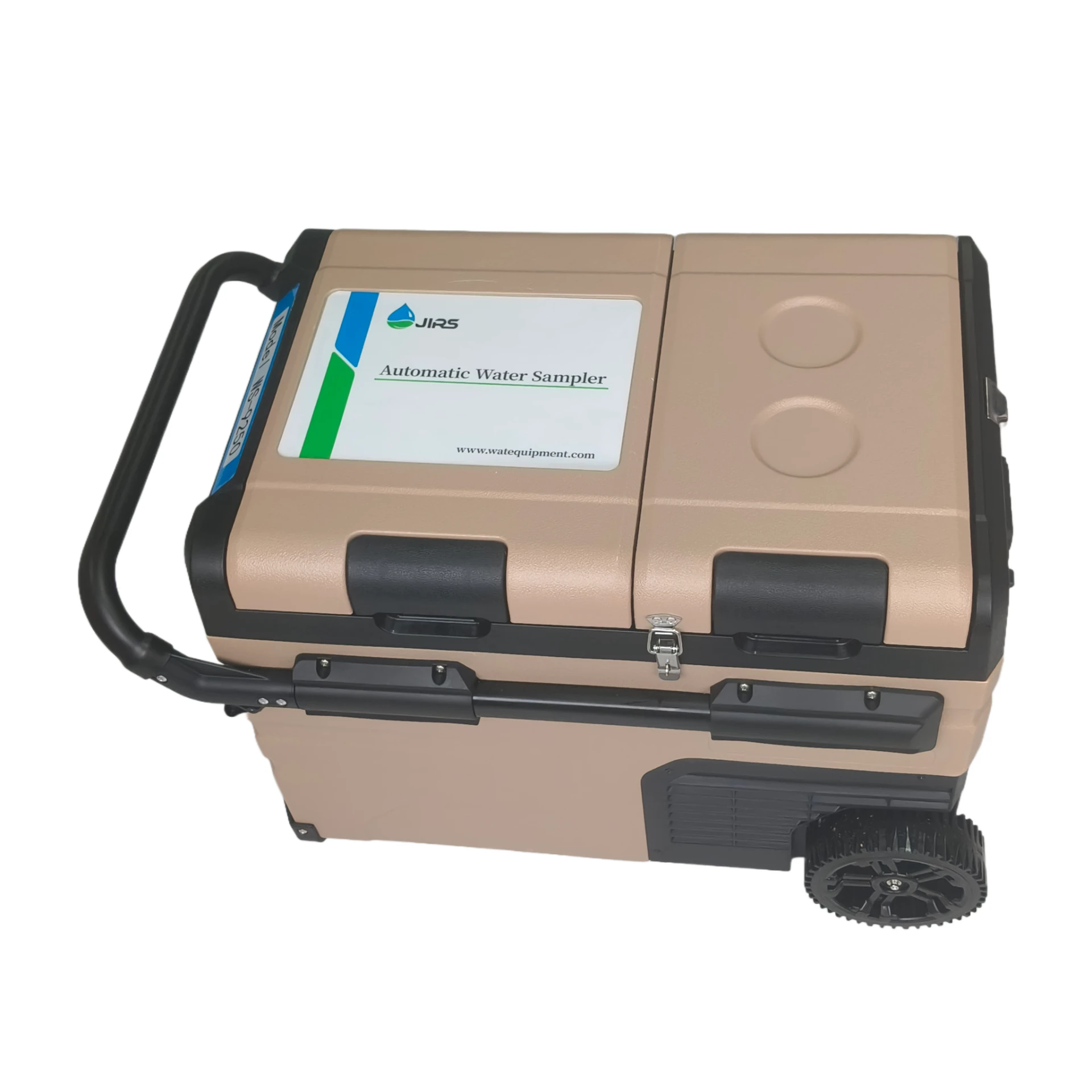
Choosing WS 9100: Application Fit and Specification Checks
Evaluate whether the WS 9100 fits your environmental monitoring project. Review power supply options, temperature-controlled storage, sampling method compatibility, and key specifications before purchasing.

Oct.23,2026
PH/ORP-6850 Controller FAQ: Specifications, Configuration Options and Ordering Questions
PH/ORP-6850 FAQ: pH 0–14 and ORP ±1200 mV ranges, ±0.02 pH accuracy, isolated 4–20 mA output, relay alarms, power supply options and panel installation.

Jul.01,2026
Guide to Ensuring Water Purity for drinking water tds Monitoring
Ensuring Water Purity: The Ultimate Guide for Drinking Water TDS Monitoring Maintaining high water quality standards is essential for public health and industrial safety. One of the most critical metrics for assessing water purity is Total Dissolved Solids TDS, which represents the combined content of all inorganic and organic substances dissolved in water. Utilizing high-precision equipment for drinking water tds measurement allows facilities to detect contamination and ensure that filtration systems are operating at peak efficiency. In this guide, we will explore the technical aspects of TDS monitoring and how advanced transmitters provide the reliability needed for modern environmental monitoring.

Jun.29,2026
Understanding the Conversion of Electrical Conductivity to TDS
Understanding the Conversion of Electrical Conductivity to TDS In water quality analysis, measuring the purity of a liquid often involves understanding the relationship between electrical conductivity to tds Total Dissolved Solids. While conductivity measures the ability of water to pass an electrical currentwhich is directly influenced by the concentration of ionized substancesTDS represents the total amount of mobile charged ions, including minerals, salts, or metals dissolved in a given volume of water. For professionals in environmental monitoring and water treatment, mastering this conversion is essential for maintaining system efficiency and ensuring regulatory compliance.

Jun.27,2026
Industrial Guide to Electrical Conductivity Salt Water Monitoring
Understanding Electrical Conductivity Salt Water Monitoring for Industrial Precision In the realm of water quality analysis, measuring the electrical conductivity salt water levels is a critical process for maintaining industrial efficiency and environmental safety. Conductivity serves as a direct indicator of the concentration of dissolved ions, which is essential for industries ranging from desalination plants to chemical manufacturing. Accurate monitoring prevents equipment corrosion, ensures product purity, and supports regulatory compliance. By utilizing advanced instrumentation, operators can achieve real-time insights into salt concentrations, allowing for immediate adjustments in water treatment processes to avoid costly downtime.

Jun.26,2026
Technical Guide to Industrial ec meter circuit Design and Use
Understanding the EC Meter Circuit: The Heart of Water Quality Analysis Electrical Conductivity EC is a fundamental parameter in environmental monitoring, aquaculture, and industrial water treatment. At the core of every reliable measurement device is a sophisticated ec meter circuit , which converts the physical conductance of a liquid into a precise digital reading. Whether you are managing a boilers deoxygenation process or monitoring nutrient levels in hydroponics, understanding how the circuit handles signal amplification and temperature compensation is key to ensuring data accuracy. This guide explores the technical intricacies of EC circuitry and how it integrates into professional water quality controllers.

Jun.25,2026
Professional Guide to drinking water testing for tds and Purity
Drinking Water Testing for TDS: Ensuring Pure and Safe Water Quality Maintaining high water quality is essential for both health and industrial efficiency. When performing drinking water testing for tds , professionals seek to measure the Total Dissolved Solids TDS, which indicates the concentration of dissolved inorganic salts and organic matter in water. Whether you are managing a municipal water plant or a high-precision industrial facility, understanding the conductivity and TDS levels is the first step toward effective water treatment. In this guide, we explore the technical aspects of TDS measurement and the advanced instrumentation required for accurate monitoring.

 English