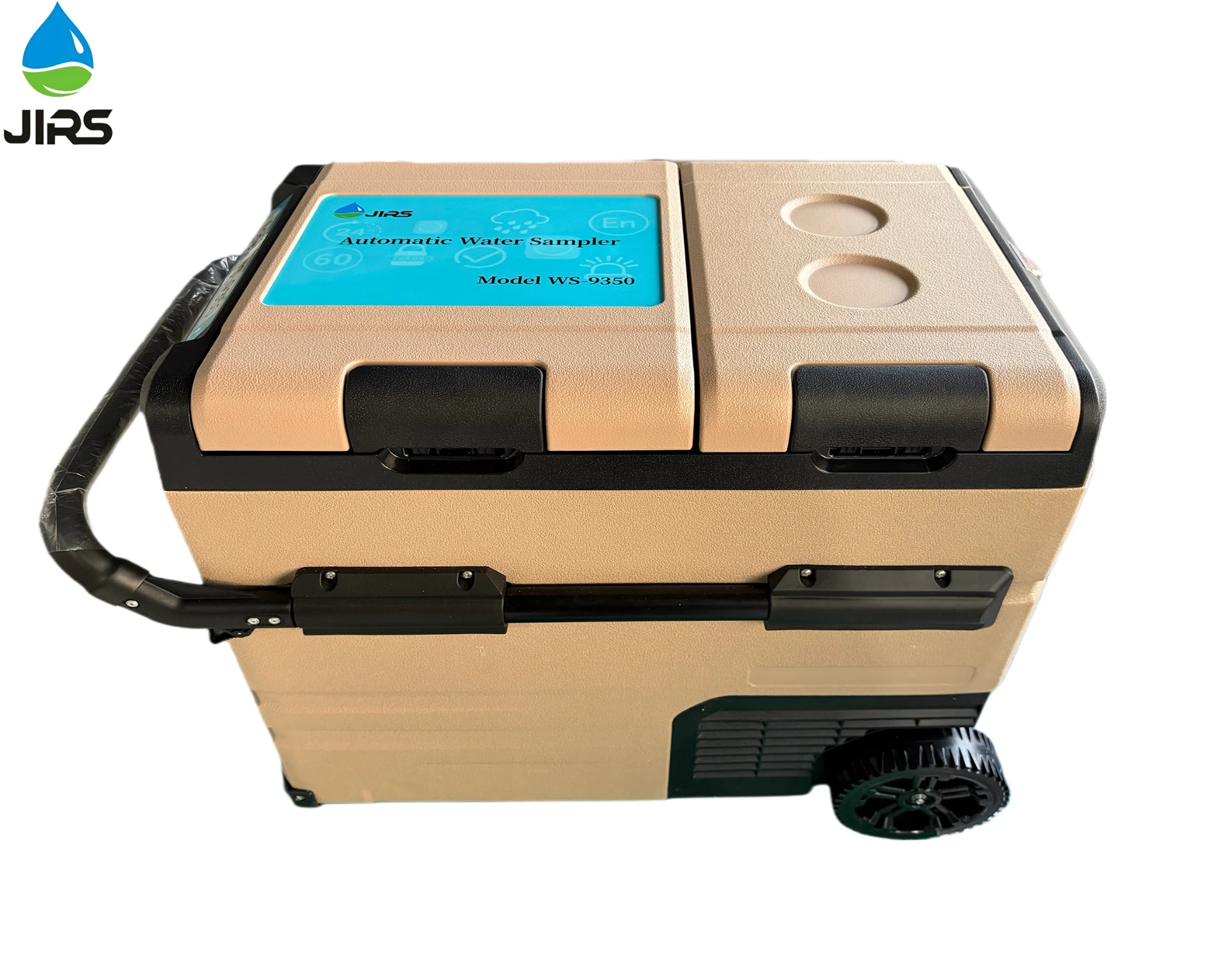
WS-9300/9350

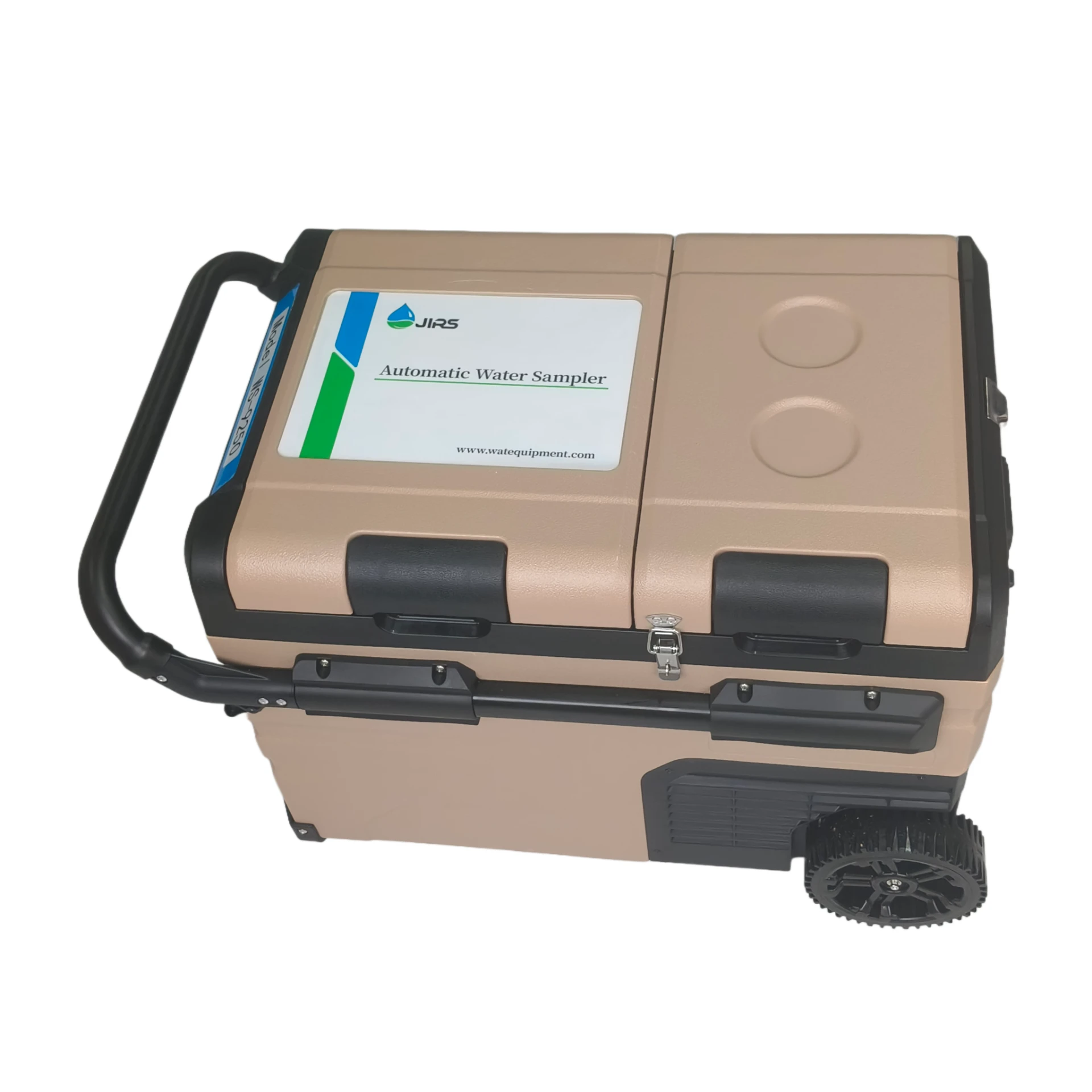
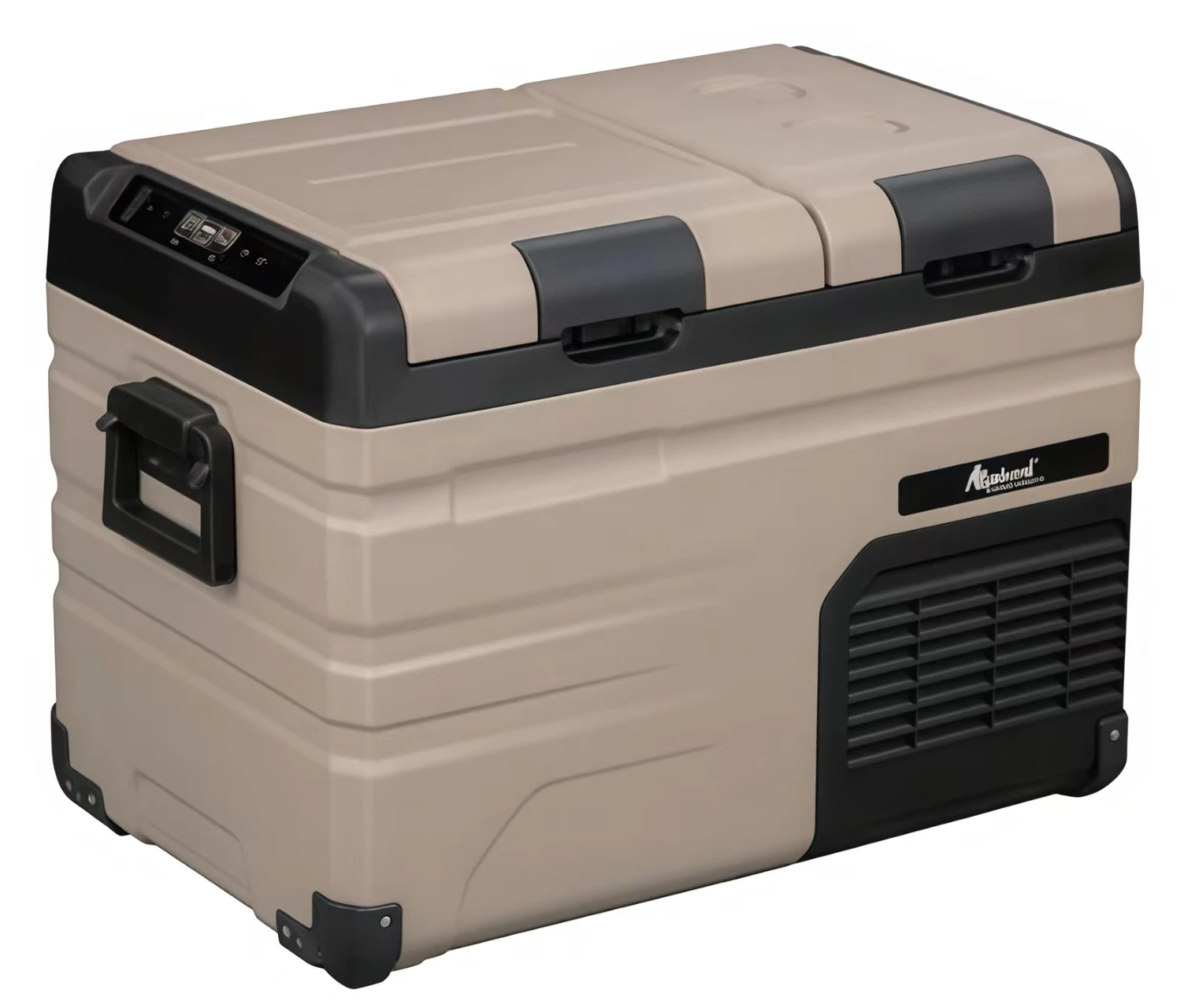
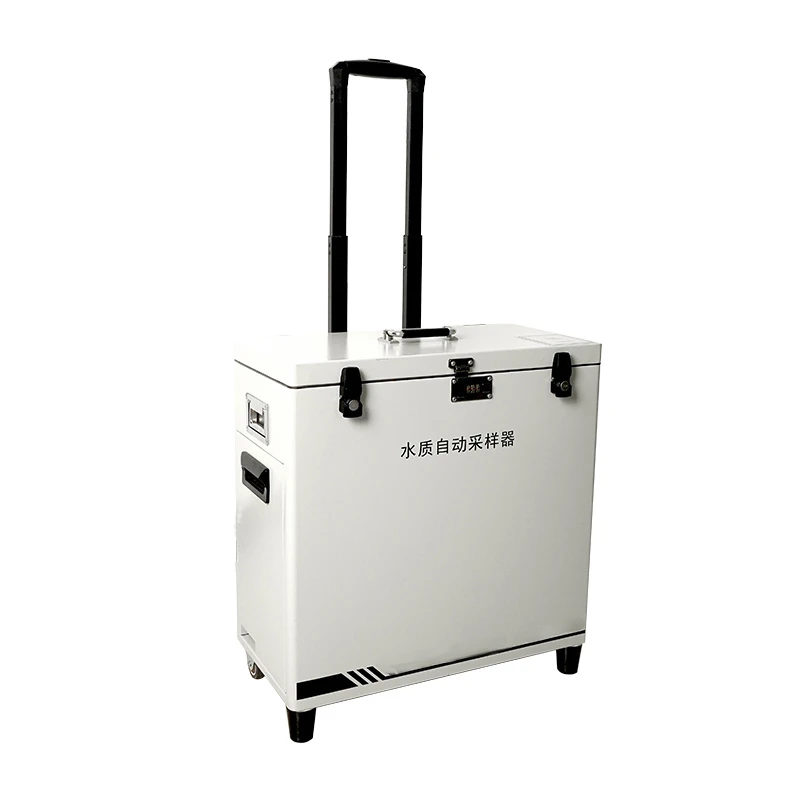
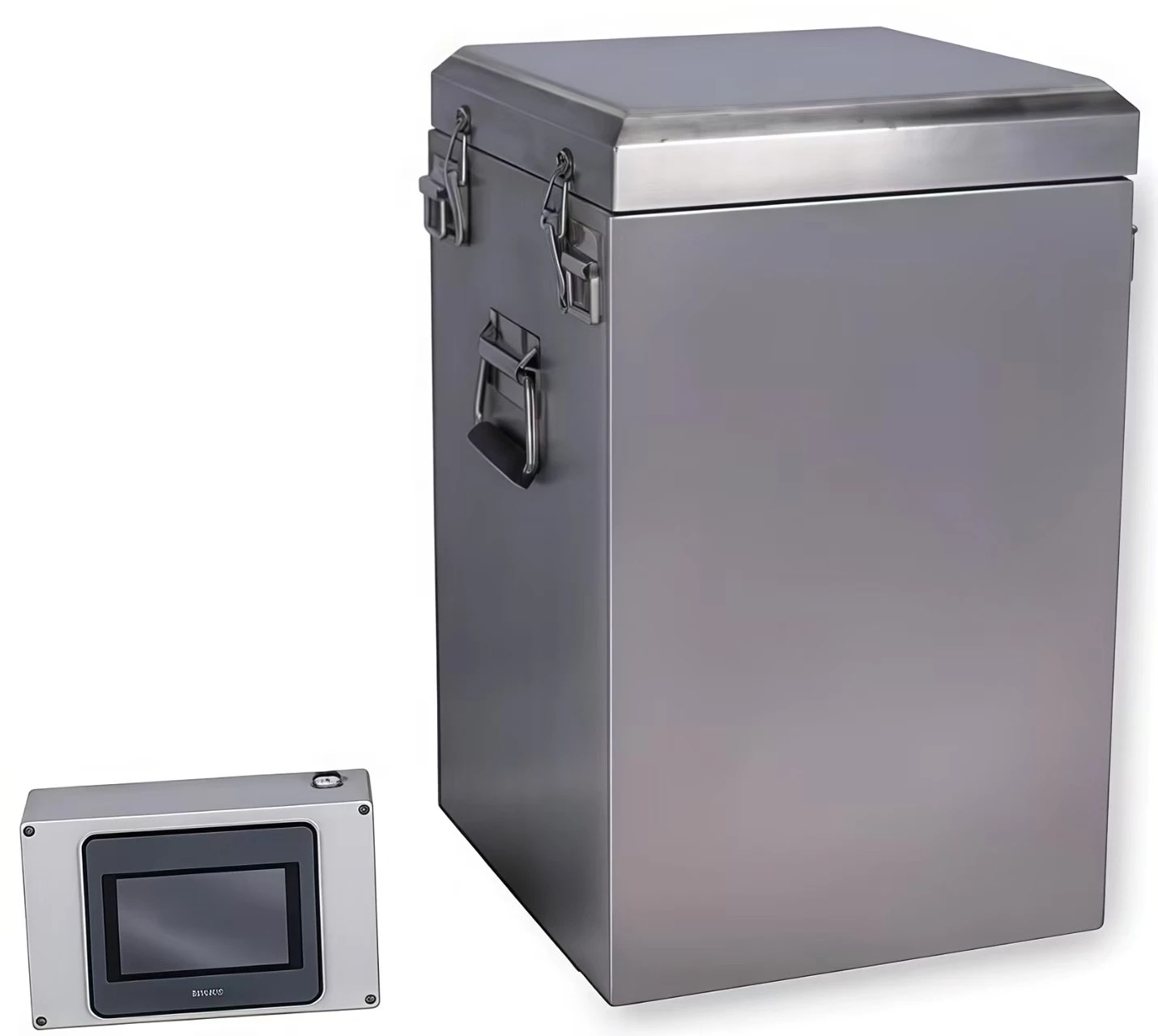
The WS-9300/9350 is a professional-grade automatic portable water sampler engineered for rigorous field and industrial applications. Boasting ample sample capacity, it supports multiple sampling modes including time-proportional, flow-proportional, and external signal-triggered sampling. Core features include precise refrigerated storage (4±2°C) to preserve sample integrity, automatic tube rinsing and emptying to prevent cross-contamination, and a durable IP65-rated housing for reliable all-weather operation. Ideal for environmental monitoring, wastewater discharge testing, surface water sampling, and third-party detection projects. Equipped with flexible AC/DC power options and RS485 communication interface, it enables remote control and data tracing for versatile deployment scenarios.

Product Details

Product Details

Contact Now

Contact Now

Product Details

Product Paramenters

Sample Bottles 24, PE
Sampling Bottle Capacity 1000 mL
Screen Interface 7-inch color touchscreen, English interface
Timed Sampling Time Points 24 programmable time points
External Pump Delay Programmable from 1 to 9999 minutes, in 1-minute increments
Sampling Interval Programmable from 1 to 9999 minutes, in 1-minute increments
Single Sampling Volume Programmable from 10 to 1000 mL, in 1-mL increments
Number of Mixed Samples 1 to 100
Number of Replicate Sample 1 to 5
Sampling Volume Error ±5%
Proportional Sampling Volume Error ±5%
Pump Tubing Type Imported
Refrigeration Method Compressed Mechanical refrigeration
Refrigerated box temperature control accuracy (4±2)°C
Horizontal sampling distance ≥80m
Vertical sampling height ≥8m
Pipeline airtightness ≤-0.085MPa
Analog acquisition error ±0.04mA
System clock timing error ≤5s/24h
Equipment operating temperature -30°C to 40°C
Operating humidity ≤85%RH
Insulation resistance >20MΩ
Mean time between failures (MTBF) ≥1440h/cycle
Protection rating IP55
Dimensions Approximately 711mm × 460mm × 571mm (L × W × H)
Total weight Approximately 27kg


Function Features

Multiple triggering modes Time-proportional sampling, date-cycle sampling, flow-proportional sampling, level-proportional sampling, timed sampling, immediate sampling, and rain gauge-triggered sampling, with support for setting the day of the week;
Multiple sampling methods: Single-shot sampling per bottle, multiple-shot sampling per bottle, and sampling multiple bottles at once;
Water sample refrigeration: Equipped with a refrigerator for refrigerated storage of water samples;
Heating: Both the refrigerator and the sampling pump area are equipped with heating modules to ensure normal operation in low-temperature
environments.
Temperature control: Displays the refrigerator temperature in real time in digital form, with adjustable upper and lower temperature limits;
Automatic pipe rinsing: Use the pre-sampled sampler to rinse the pipe before sampling. Automatically rinses the pipes with water samples to prevent contamination, with a programmable number of rinse cycles;
Automatic Pipeline Drain: Automatically drains water from the pipes before and after sampling to prevent sedimentation and clogging. The drain time is programmable, and the sampling head includes a filter or bag to reduce clogging;
Calibration: Programmable drain, rinse, and sampling times, as well as the corresponding sample volume;
Password: A system login password is available, which can be set to prevent program modification. The password can be disabled;
Component Test: Manually control components such as the peristaltic pump while the sampler is stopped to determine their operating status;
External Pump: Supports external pumps with a programmable start delay;
Access Control: Mechanically controlled. Access control ensures safe use;
Power-off protection: Parameter settings, system clock, and data records are not lost after the device is powered off and then back on;
Sampling record function: Automatically stores sampling records, including sampling time, sampling mode, sampling volume, sampling method, sampling times, and sampling results, with a minimum of 5,000 records stored;
Alarm record function: Automatically stores alarm records, including alarm time and alarm information, with a minimum of 2,000 records stored;
Sampling failure alarm function: Features water overload detection, determines sampling success or failure based on sensor status, and generates a record in the sampling log if a sampling failure occurs;
Clock calibration Function: Access the clock calibration page to set the sampler system time, including year, month, day, and hour, minute, and second;
Flow Recording (with flow meter installed): Records instantaneous and cumulative flow by time;
Communication Interface: Equipped with an external communication interface, the default interface type is RS485;
Overflow Prevention: The system controls the total sampling volume to no more than 7000 mL to prevent water sample overflow;
Analog Input:

Equipped with 2 channels 4-20 mA analog input, including 1 flow meter channel, 1 level meter channel;

System Upgrade:

Supports system upgrades;

Peristaltic Pump Lifetime Reminder: Allows you to set the peristaltic pump's operating time, prompting you to replace the pump tubing when it expires;
Multiple Power Supply Options:

Supports three power supply options: AC 110V/AC 220V (50/60Hz) +/-10% plug, DC 12V tinned (polarity marked) power cord, and car cigarette lighter plug (DC 12V).


Application Overview of JIRS Automatic Portable Water Sampler WS-9300/9350

      The JIRS WS-9300/9350 is a rugged, high-precision automatic portable water sampler designed for environmental, industrial, and research sampling needs. Ideal for wastewater treatment plants, environmental agencies, industrial facilities, and research institutions, it blends versatility and reliability to deliver consistent, compliant results.

      Featuring 7 flexible sampling modes (time-proportional, date-cycle, flow-proportional, level-proportional, timed, immediate, rain gauge-triggered) plus weekday programming, it adapts to stormwater tracking, river/lake assessments, pollution source tracing, and high-frequency sampling. With 24 PE 1000mL bottles (7000mL overflow protection) and 3 sampling methods, it handles discrete and composite tasks effortlessly.
 
      Sample integrity is guaranteed by (4±2)°C compressed refrigeration (preserving volatile/biological analytes) and dual heating modules (operating down to -30°C). Automatic pipe rinsing, pre/post-sampling drainage, and a filtered sampling head prevent contamination/clogs, while ±5% sampling error ensures laboratory-grade accuracy.

      Built for field durability (IP55 rating, MTBF ≥1440h) and unmanned operation, it supports AC/DC/car power options, RS485 communication, and 2-channel 4-20mA input for flow/level meters. 5,000+ sampling records, 2,000+ alarm logs, and power-off protection simplify compliance, while a 7-inch color touchscreen and password security enhance usability. The WS-9350 offers optional wheels for portability.

      Key Applications:

  • Municipal wastewater compliance & effluent monitoring
  • Industrial discharge tracking (chemical, pharmaceutical, mining, manufacturing)
  • Surface/groundwater quality assessment & watershed management
  • Stormwater runoff monitoring & hydrological research
  • Emergency spill response & pollution verification
  • Long-term unattended research & third-party audit sampling


Get in Touch

If you are interested in our products, you can choose to leave your information here, and we will be in touch with you shortly.

* Name

* E-mail

Phone

*Message

FAQS

Frequently Asked Questions FAQ About Water Sampler

Q: What sampling volumes and bottle configurations does the WS-9300/9350 support?

Down Down

A: It comes with 24 PE bottles (1000mL each) for a total capacity of up to 7000mL (with overflow protection). The single sampling volume is programmable from 10–1000mL (1mL increments), and it supports 3 sampling methods: single-shot per bottle, multiple-shot per bottle, and simultaneous multi-bottle sampling.

Q: Can the sampler operate in extreme temperatures, and how is sample integrity maintained?

Down Down

A: Yes. It works reliably in -30°C to 40°C environments—dual heating modules (for the refrigerator and sampling pump) ensure low-temperature operation, while compressed mechanical refrigeration keeps samples at (4±2)°C to preserve volatile organics and biological analytes. Automatic pipe rinsing and drainage also prevent cross-contamination.

Q: What power supply options are available, and is it suitable for unmanned field use?

Down Down

A: It supports three flexible power sources: AC 110V/220V (50/60Hz), DC 12V (tinned power cord), and car cigarette lighter (DC 12V)—perfect for remote or off-grid sites. With RS485 communication, 2-channel 4-20mA input (for flow/level meters), and power-off protection (no data loss), it’s fully equipped for long-term unattended monitoring.

Q: How many sampling and alarm records can the sampler store, and are they exportable?

Down Down

A: It automatically saves a minimum of 5,000 sampling records (including time, volume, mode, results) and 2,000 alarm records (time + details). The records are retained even after power-off, and the RS485 interface enables integration with SCADA systems for data export and remote access (compatible with most industrial monitoring platforms).

Q: Is the WS-9300/9350 easy to maintain, and does it have self-diagnostic features?
Down Down

A: Yes. Key maintenance-friendly features include: a peristaltic pump lifetime reminder (alerts for tube replacement), manual component testing (to check pump/valve status), and a filtered sampling head (reduces clogging). It also has a sampling failure alarm (water overload detection) and 2,000+ alarm logs for quick troubleshooting—no professional technical background is required for basic operation.
1                  


Related Products

right
right
WS-9300/9350

WS-9300/9350

WS-9200/9250

WS-9200/9250

WS-9200/9250

WS-9200/9250

JIRS-803C

JIRS-803C

JIRS-803C3

JIRS-803C3

JIRS-803C4

JIRS-803C4

JIRS-803C5

JIRS-803C5

Soil Sensor

Soil Sensor

Related News

right
right
Guide to Choosing the Right RO Controller for Water Purification

Apr.16,2026

Guide to Choosing the Right RO Controller for Water Purification

Maintaining a high-performance reverse osmosis system requires more than just quality membranes; it demands precise regulation. An ro controller serves as the brain of the entire operation, monitoring critical parameters such as conductivity, temperature, and flow rates to ensure the output water meets stringent purity standards. Without an efficient controller, systems are prone to membrane fouling, inefficient energy use, and inconsistent water quality. In this comprehensive guide, we will explore how these devices optimize water treatment processes and how to select the best model for your specific industrial or commercial needs.
Guide to Water Purity Using RO with TDS Controller Systems

Apr.09,2026

Guide to Water Purity Using RO with TDS Controller Systems

Achieving the perfect balance of mineral content and purity in drinking water is a challenge for many households and industrial facilities. A ro with tds controller offers a sophisticated solution by combining the rigorous filtration of Reverse Osmosis (RO) with the precision of a Total Dissolved Solids (TDS) adjustment system. While standard RO systems remove almost everything, including beneficial minerals, a TDS controller allows users to re-mineralize the water to a desired level. This ensures that the water is not only safe and pure but also tastes better and provides essential nutrients.
Understanding and Optimizing Reverse Osmosis Systems with a Controller

Apr.07,2026

Understanding and Optimizing Reverse Osmosis Systems with a Controller

In the world of water purification, reverse osmosis (RO) systems are a cornerstone for producing high-quality water for various applications, from drinking water to industrial processes. However, an RO system is only as effective as its control system. This is where the reverse osmosis controller comes into play. This critical component manages and optimizes the RO process, ensuring efficient operation, water quality, and system longevity.
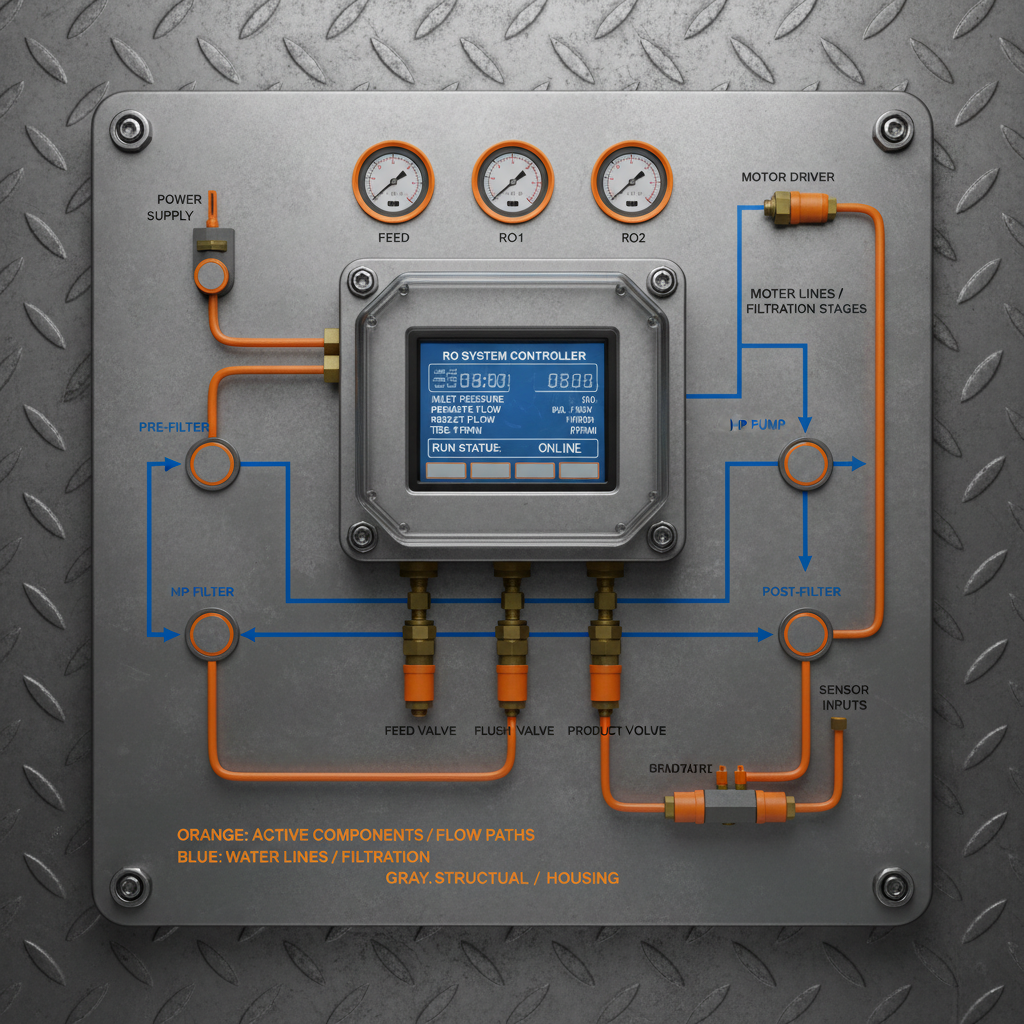
Understanding the Vital Role of an RO System Controller for Optimal Performance

Apr.04,2026

Understanding the Vital Role of an RO System Controller for Optimal Performance

Reverse Osmosis (RO) systems are critical for purifying water across various industries, from residential applications to large-scale industrial processes. At the heart of a well-functioning RO system lies the RO system controller. This intelligent device monitors and regulates all key parameters of the RO process, ensuring optimal performance, efficiency, and water quality. This article delves into the functionalities, benefits, and selection criteria for choosing the right RO system controller, particularly focusing on those offered by Watequipments. Understanding its role is crucial for maximizing the lifespan and effectiveness of your RO investment.
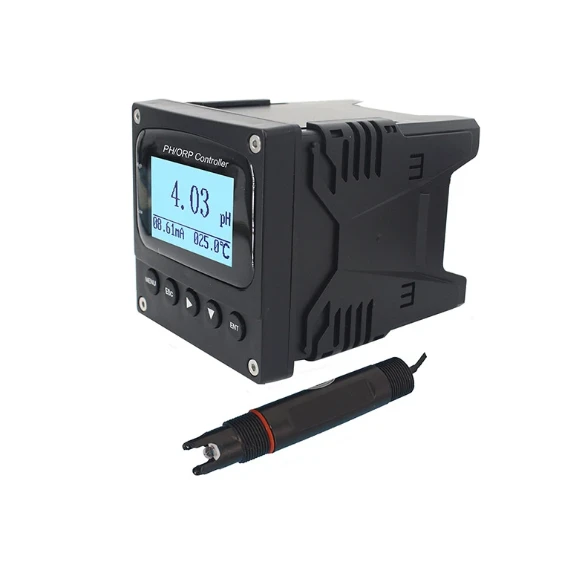
Smart Water Treatment Solutions Using PH ORP Controller Systems

Mar.24,2026

Smart Water Treatment Solutions Using PH ORP Controller Systems

In modern water treatment and industrial fluid management, maintaining precise chemical balance is essential for safety, efficiency, and regulatory compliance.
Comprehensive Guide to Water Depth Samplers and Their Applications

Mar.04,2026

Comprehensive Guide to Water Depth Samplers and Their Applications

Accurate water quality monitoring is crucial in various fields, from environmental science and aquaculture to industrial wastewater management. A key tool for this is the water depth sampler. This article provides an in-depth look at water depth samplers, their applications, types, and essential considerations for choosing the right one for your needs. We'll explore the benefits of utilizing this equipment to collect reliable data for analysis and informed decision-making. Selecting the right sampler can significantly improve the precision and efficiency of your water monitoring program. A water depth sampler, also known as a depth-integrated sampler, is a device designed to collect water samples from specific depths within a body of water. Unlike simply dipping a container into the water, a depth sampler allows for collection of a representative sample across a defined depth range. This is critical because water properties (temperature, salinity, pollutants) often vary significantly with depth. The data gathered with a water depth sampler provides a more accurate assessment of water quality than surface samples alone.
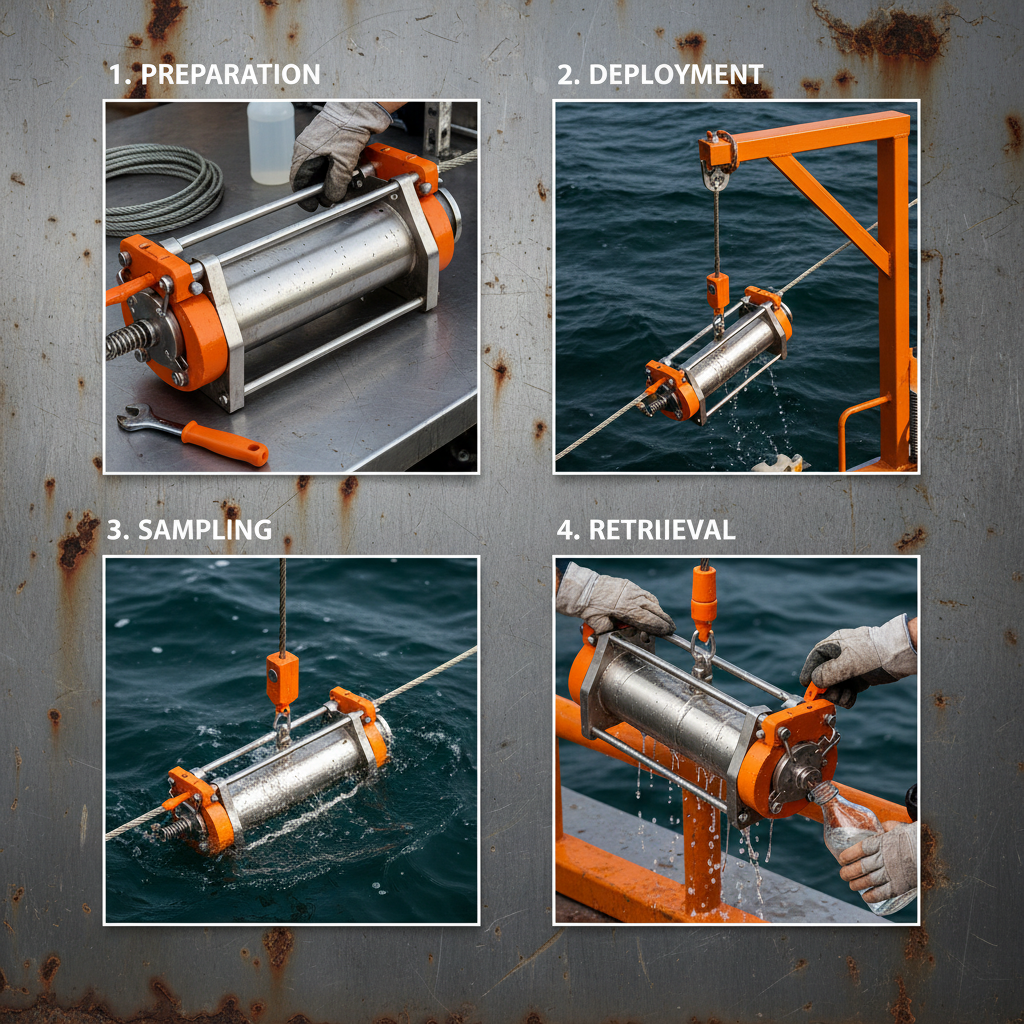
Comprehensive Guide to Horizontal Water Sampler Applications and Selection

Mar.03,2026

Comprehensive Guide to Horizontal Water Sampler Applications and Selection

Collecting water samples at varying depths is crucial for environmental monitoring, research, and quality control. The horizontal water sampler from Watequipment.com offers a precise and efficient solution for this task. This article provides an in-depth look at horizontal water samplers, their applications, benefits, and key considerations when choosing the right model. We will explore how these samplers contribute to accurate data collection and informed decision-making in various fields. A horizontal water sampler is a device designed to collect water samples from specific depths within a body of water – rivers, lakes, oceans, reservoirs, and even wastewater treatment plants. Unlike vertical samplers which primarily focus on depth, horizontal samplers prioritize collecting samples at a consistent depth while moving along a horizontal plane. This is essential for assessing water quality variations across a waterway or within a specific zone. They are used in applications ranging from environmental monitoring and scientific research to industrial process control and regulatory compliance.
Comprehensive Guide to Selecting the Right Surface Water Sampler for Your Needs

Feb.28,2026

Comprehensive Guide to Selecting the Right Surface Water Sampler for Your Needs

Monitoring the quality of surface water is critical for environmental protection, public health, and various industrial applications. A surface water sampler is an essential tool for collecting representative samples from rivers, lakes, ponds, and other surface water sources. This article provides a detailed overview of surface water samplers, their types, applications, and key considerations for selecting the right equipment. Accurate water quality data relies on proper sample collection, and choosing the correct sampler is the first step toward achieving reliable results. Surface water samplers come in various designs, each suited to specific sampling needs. Common types include grab samplers, depth-integrating samplers, peristaltic pumps, and automatic samplers. Surface water samplers are used across a broad spectrum of applications, including environmental monitoring, wastewater discharge monitoring, drinking water source monitoring, agricultural runoff analysis, and research studies.

If you are interested in our products, you can choose to leave your information here, and we will be in touch with you shortly.


en_USEnglish