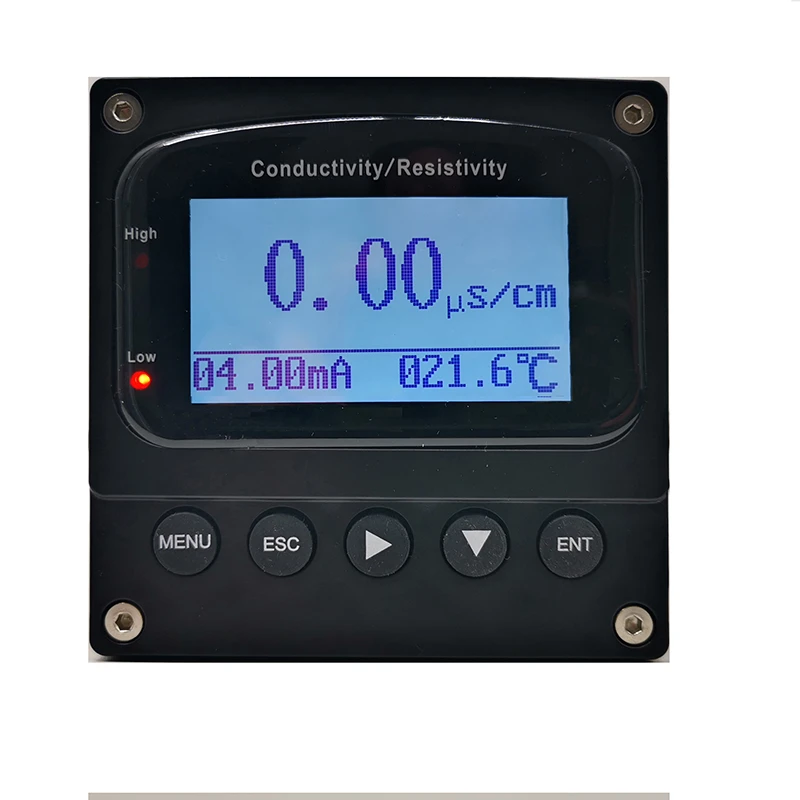
Advanced Water Quality Monitoring Solutions: High-Precision ph orp controller for Venezuela

Optimizing industrial water treatment and environmental protection across South America with cutting-edge sensory technology and automated control systems.

Advanced Water Quality Monitoring Solutions: High-Precision ph orp controller for Venezuela

Comprehensive instrumentation for water pollution prevention, integrating real-time monitoring and precise chemical dosing control to ensure industrial compliance in the Venezuelan market.

Water Monitoring Status in Venezuela's Industrial Sector

Analyzing the intersection of geographic challenges and instrumentation needs.

Venezuela's industrial landscape, particularly in the Orinoco Belt and coastal regions, faces significant water quality challenges due to high sediment loads and varying salinity. The reliance on heavy industry has increased the demand for a robust total suspended solids meter to manage wastewater discharge and prevent the clogging of critical infrastructure.

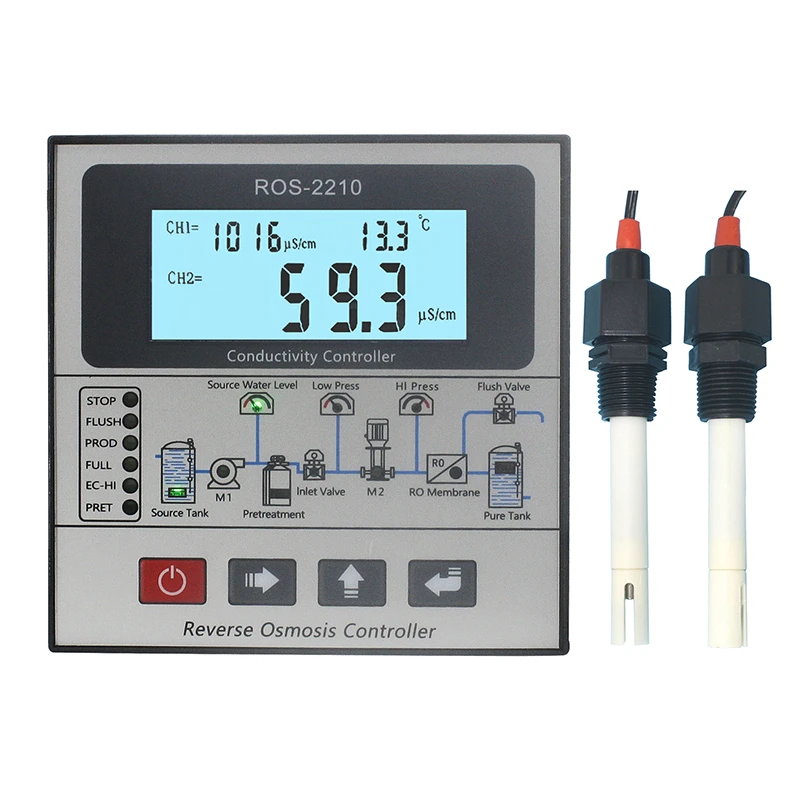
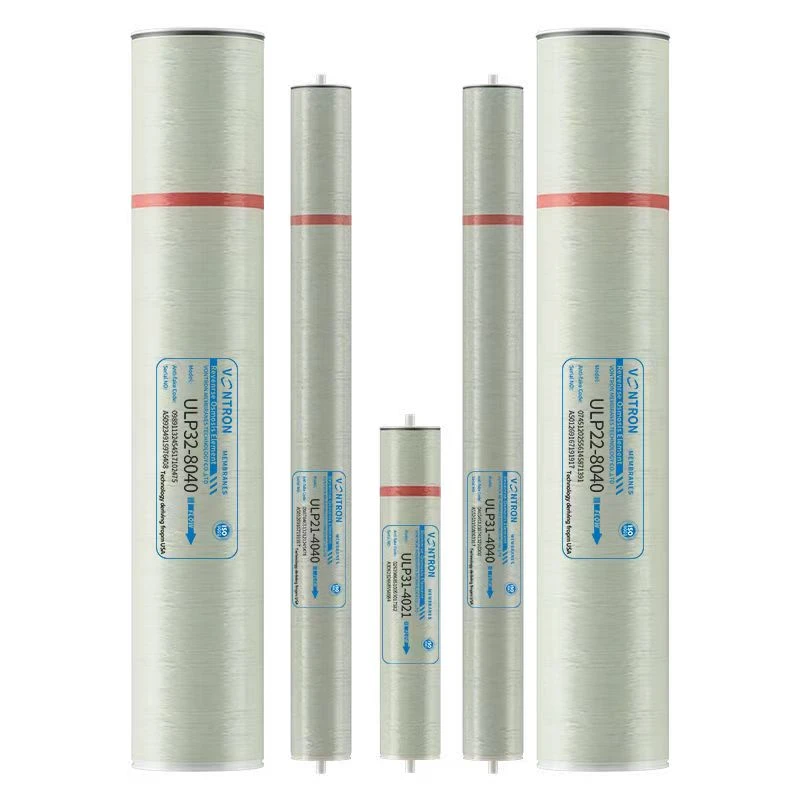
Economically, the region has transitioned toward more cost-effective yet durable equipment. Many plants are replacing aging analog systems with a digital ro system controller to optimize water recovery rates and reduce the operational cost of reverse osmosis membranes amidst fluctuating energy supplies.

Furthermore, the tropical climate and humidity levels in Venezuela necessitate sensors with high thermal stability. The implementation of a precise residual chlorine sensor has become vital for municipal water treatment plants to ensure disinfection efficacy without causing pipe corrosion or toxicity.
Evolution of Water Quality Instrumentation in South America

From manual titration to AI-driven autonomous monitoring.

Market Development History

Between 1990 and 2005, water monitoring in Venezuela primarily relied on manual sampling and laboratory analysis. During this period, basic pH meters were the standard, but the lack of real-time feedback led to frequent chemical overdosing in industrial wastewater treatment.

From 2006 to 2015, the market shifted toward automated controllers. The introduction of the integrated ph orp controller allowed plants to maintain stable redox potentials, significantly improving the efficiency of oxidation processes in mining and oil refinery wastewater.

Since 2016, the trend has moved toward "Smart Water" integration. The deployment of high-sensitivity dissolved oxygen meter for water has enabled precise aeration control in biological treatment plants, reducing energy consumption by up to 30% through VFD integration.

Future Development Trends

IoT-Enabled Remote Diagnostics

Future installations will move toward cloud-based monitoring, allowing Venezuelan engineers to calibrate their ro system controller remotely via 4G/5G networks to minimize on-site maintenance.

Optical Sensing Integration

There is a growing shift from electrochemical to optical sensors. New generations of total suspended solids meter will utilize multi-wavelength scattering to differentiate between organic and inorganic particles.

Zero-Maintenance Electrode Technology

The demand for solid-state sensors that do not require frequent electrolyte refills will dominate, particularly for residual chlorine sensor applications in remote agricultural zones.

Industry Trends and Future Outlook for Venezuela

Strategic directions for water pollution prevention and control.

Digital Transformation of RO
Transitioning from manual valves to an automated ro system controller for precision membrane flux management.
Enhanced TSS Monitoring
Adopting the total suspended solids meter with auto-cleaning wipers to handle high-turbidity Venezuelan rivers.
DO Precision Control
Utilizing dissolved oxygen meter for water to optimize aquaculture and wastewater aeration.
Chlorine Safety Standards
Standardizing the use of residual chlorine sensor for safe drinking water delivery.

Industry Outlook

Google Search trends indicate a rising interest in "industrial water automation" within South America, specifically focusing on energy-efficient monitoring. For Venezuela, the future lies in hybrid systems that combine local sensor networks with international cloud analytics.

We expect the integration of AI-driven predictive maintenance for water sensors to become the standard, reducing the downtime of critical instrumentation in the petrochemical and mining sectors by predicting electrode failure before it occurs.

Localized Application Scenarios in Venezuela

Practical deployment of water quality instruments in diverse Venezuelan environments.

1. Oil Refinery Wastewater Management

In the refineries of Carabobo, a ph orp controller is used to automate the neutralization of acidic waste streams, ensuring that discharge meets environmental laws.

2. Municipal Water Treatment in Caracas

Installation of a high-precision residual chlorine sensor at distribution nodes to maintain consistent disinfection levels across the urban network.

3. Industrial RO Pure Water Production

Pharmaceutical plants in Venezuela employ an advanced ro system controller to manage permeate quality and automate membrane cleaning cycles.

4. Mining Runoff Monitoring in Guayana

Deploying a rugged total suspended solids meter to track sediment runoff from mining activities into the Orinoco river system.

5. Aquaculture Oxygen Optimization

Using a dissolved oxygen meter for water in shrimp farms to automate aeration blowers, maximizing growth rates and reducing power costs.

Brand Story

Global Development Journey of Hebei Jiruisi Import and Export Trade Co., Ltd.

Founding Vision

Established with a commitment to bridging the gap between high-end sensor technology and industrial accessibility for emerging markets.

Technical Breakthroughs

Developing proprietary algorithms for noise reduction in turbidity sensing, significantly improving the accuracy of TSS meters in harsh environments.

South American Expansion

Creating dedicated support channels for Venezuela and Brazil, focusing on localized calibration services and ruggedized hardware.

Quality Standardization

Achieving international certifications that ensure our controllers meet global standards for water pollution prevention.

Future Mission

To lead the transition toward autonomous, zero-waste water systems globally through innovative instrumentation.

Complete Product Portfolio for the Venezuelan Water Market

Integrated solutions from sensing to control for every industrial water need.

Common Questions on Water Monitoring in Venezuela

Expert answers to technical challenges in the local industry.

How to maintain a ph orp controller in high-humidity areas?

Use IP65-rated enclosures and ensure regular electrode cleaning to prevent moisture-induced drift in the sensor signal.

What is the best total suspended solids meter for river water?

Optical infrared sensors with automatic cleaning mechanisms are recommended to handle the high sediment levels found in Venezuelan river basins.

Can a ro system controller reduce membrane replacement costs?

Yes, by precisely controlling the feed pressure and managing the flush cycles, the controller prevents scaling and premature membrane fouling.

How often should a dissolved oxygen meter for water be calibrated?

For industrial wastewater, we recommend weekly calibration to account for sensor membrane degradation and changes in water salinity.

Why is a residual chlorine sensor critical for municipal plants?

It ensures that the water remains pathogen-free until it reaches the end consumer while preventing the formation of harmful disinfection by-products.

Which instrumentation is best for mining wastewater in South America?

A combination of pH/ORP controllers for leaching control and TSS meters for tailings pond monitoring provides the most comprehensive data.

Consult Our Water Technology Experts

Get a tailored instrumentation plan for your industrial facility in Venezuela. We provide full technical support and localized shipping.

Contact Us Now

If you are interested in our products, you can choose to leave your information here, and we will be in touch with you shortly.


en_USEnglish