

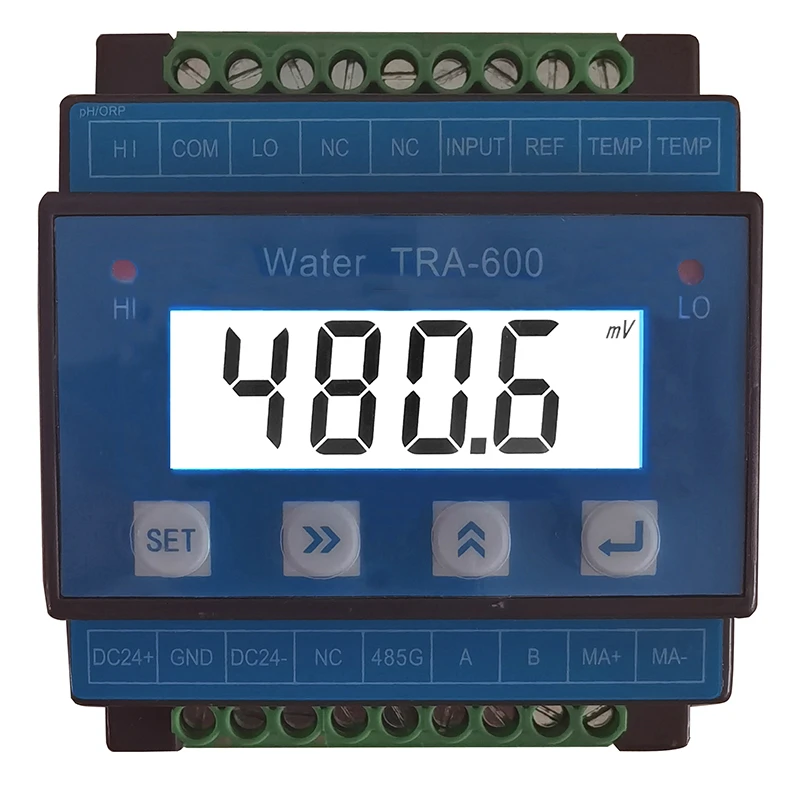
Argentina's water treatment industry faces significant challenges due to varying mineral content across its diverse geography. From the agricultural runoff in the humid Pampas to the mineral-heavy waters of the north, there is an urgent need for a reliable total suspended solids meter to manage turbidity and particulate matter in industrial discharge.
In the urban industrial hubs of Buenos Aires and Rosario, stringent environmental regulations are pushing factories to adopt more sophisticated residual chlorine sensor technology. Ensuring the correct disinfection levels is critical to prevent the contamination of local watersheds while avoiding the over-chlorination of treated water.
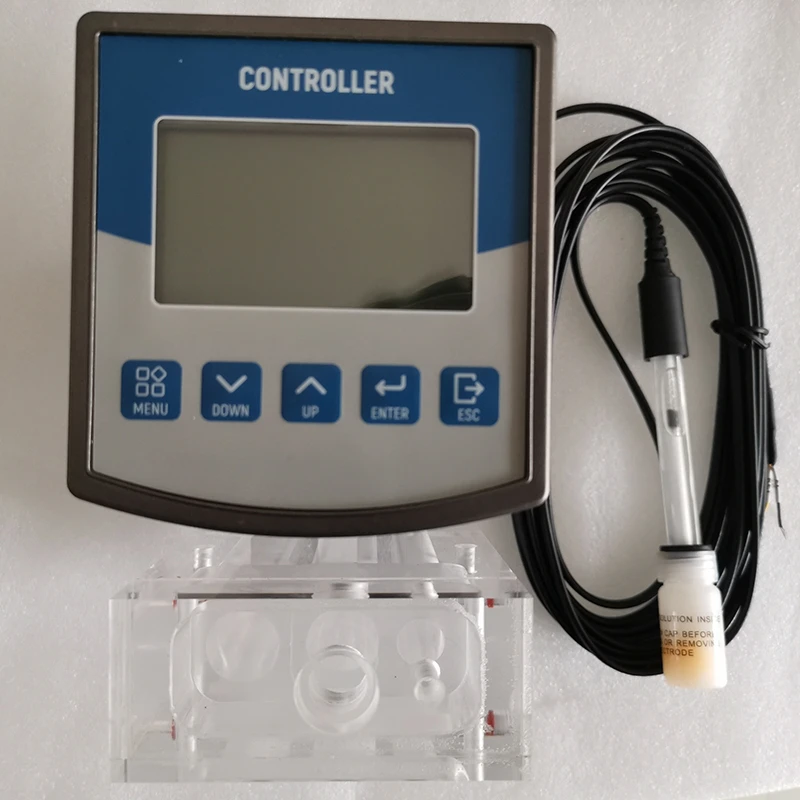
Furthermore, the aquaculture and beverage industries in Argentina are increasingly relying on a dissolved oxygen meter for water to maintain biological stability. The integration of automated controllers allows these facilities to react in real-time to temperature fluctuations common in the region's seasonal climate.

 English