


Comprehensive Guide to Selecting the Right Surface Water Sampler for Your Needs

Comprehensive Guide to Selecting the Right Surface Water Sampler for Your Needs
Feb . 28, 2026
Understanding Surface Water Samplers: A Comprehensive Guide
Monitoring the quality of surface water is critical for environmental protection, public health, and various industrial applications. A surface water sampler is an essential tool for collecting representative samples from rivers, lakes, ponds, and other surface water sources. This article provides a detailed overview of surface water samplers, their types, applications, and key considerations for selecting the right equipment. Accurate water quality data relies on proper sample collection, and choosing the correct sampler is the first step toward achieving reliable results.
Types of Surface Water Samplers
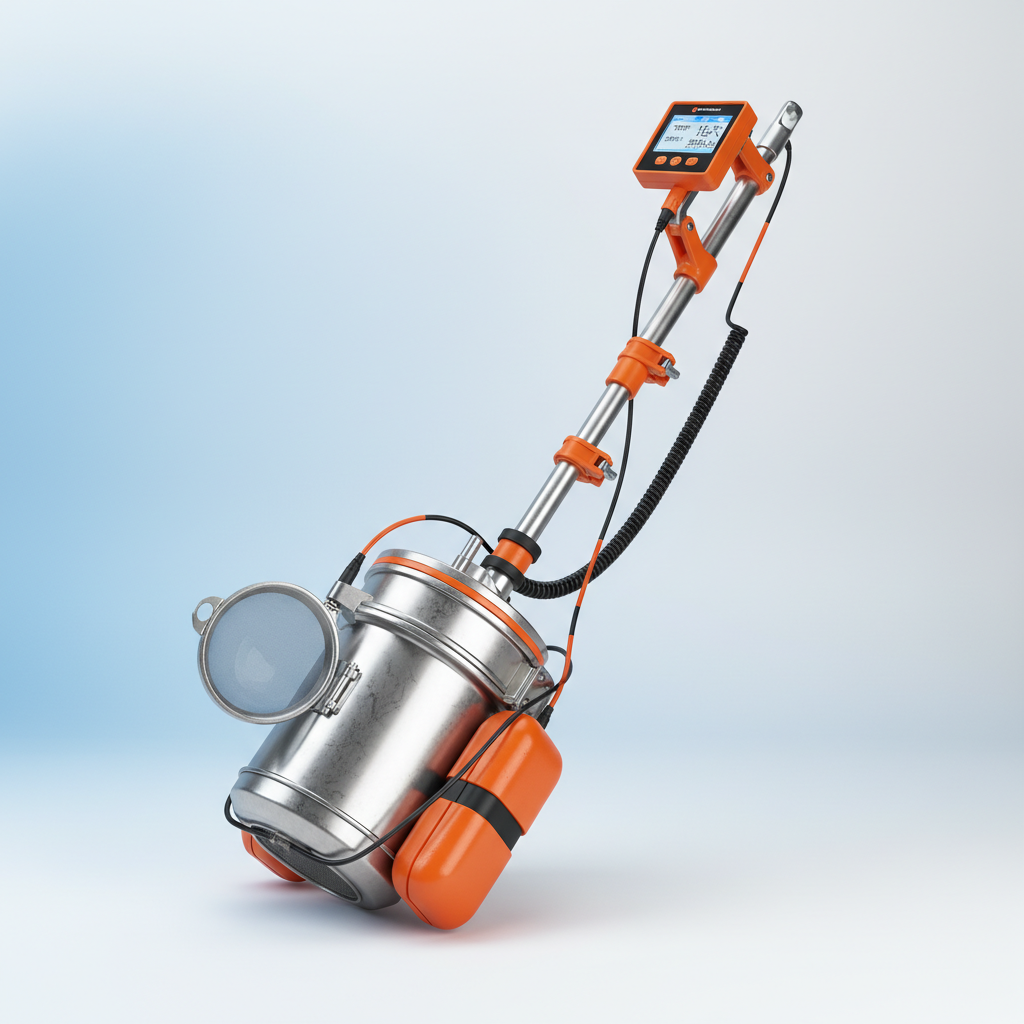
Surface water samplers come in various designs, each suited to specific sampling needs. Common types include:
- Grab Samplers: These are simple, manually operated devices used to collect a single sample at a specific time and depth.
- Depth-Integrating Samplers: These samplers collect a weighted average sample across a defined depth, providing a more representative analysis of the water column.
- Peristaltic Pumps: These pumps use rollers to compress flexible tubing, creating suction to draw water samples, suitable for remote sampling or continuous monitoring.
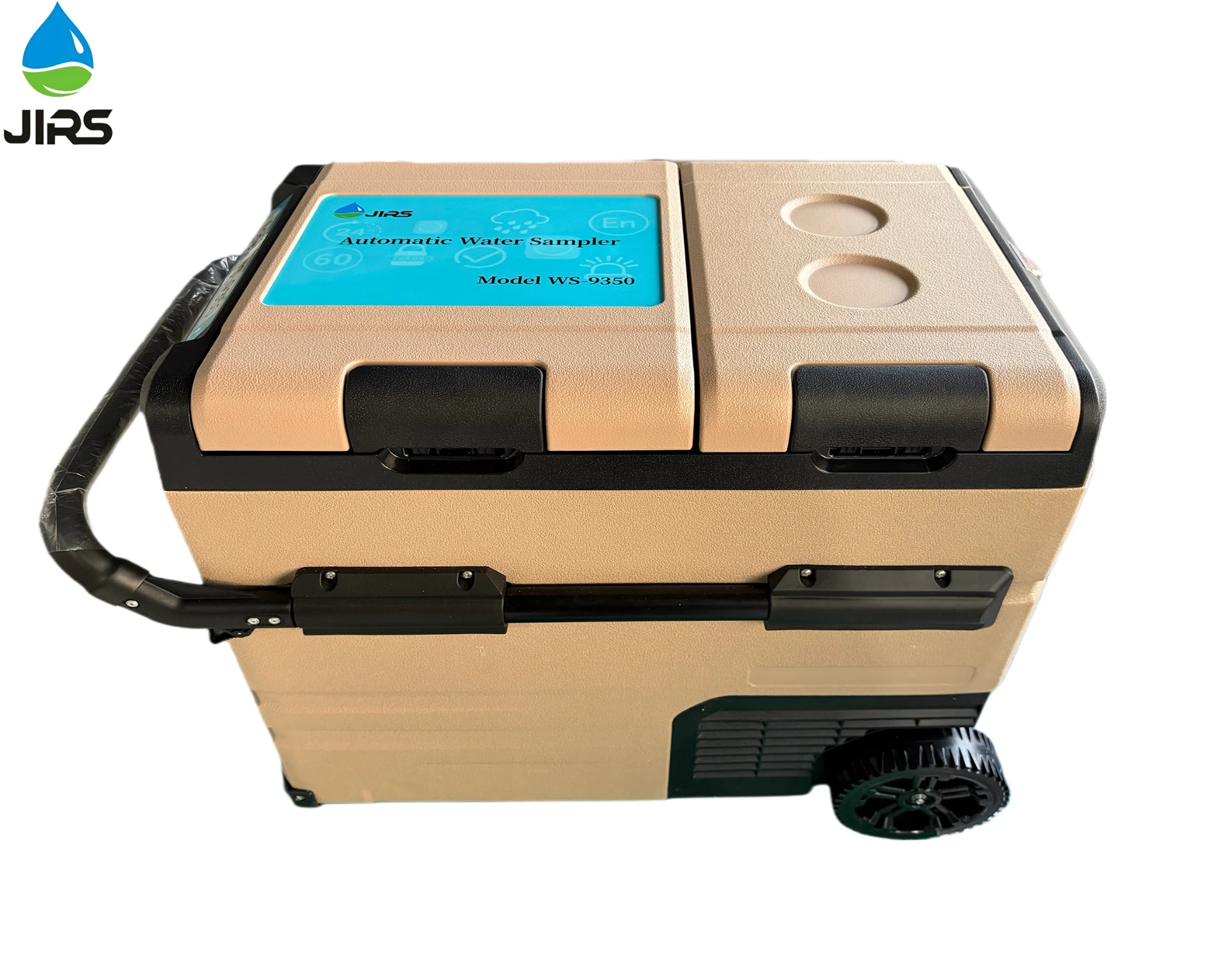
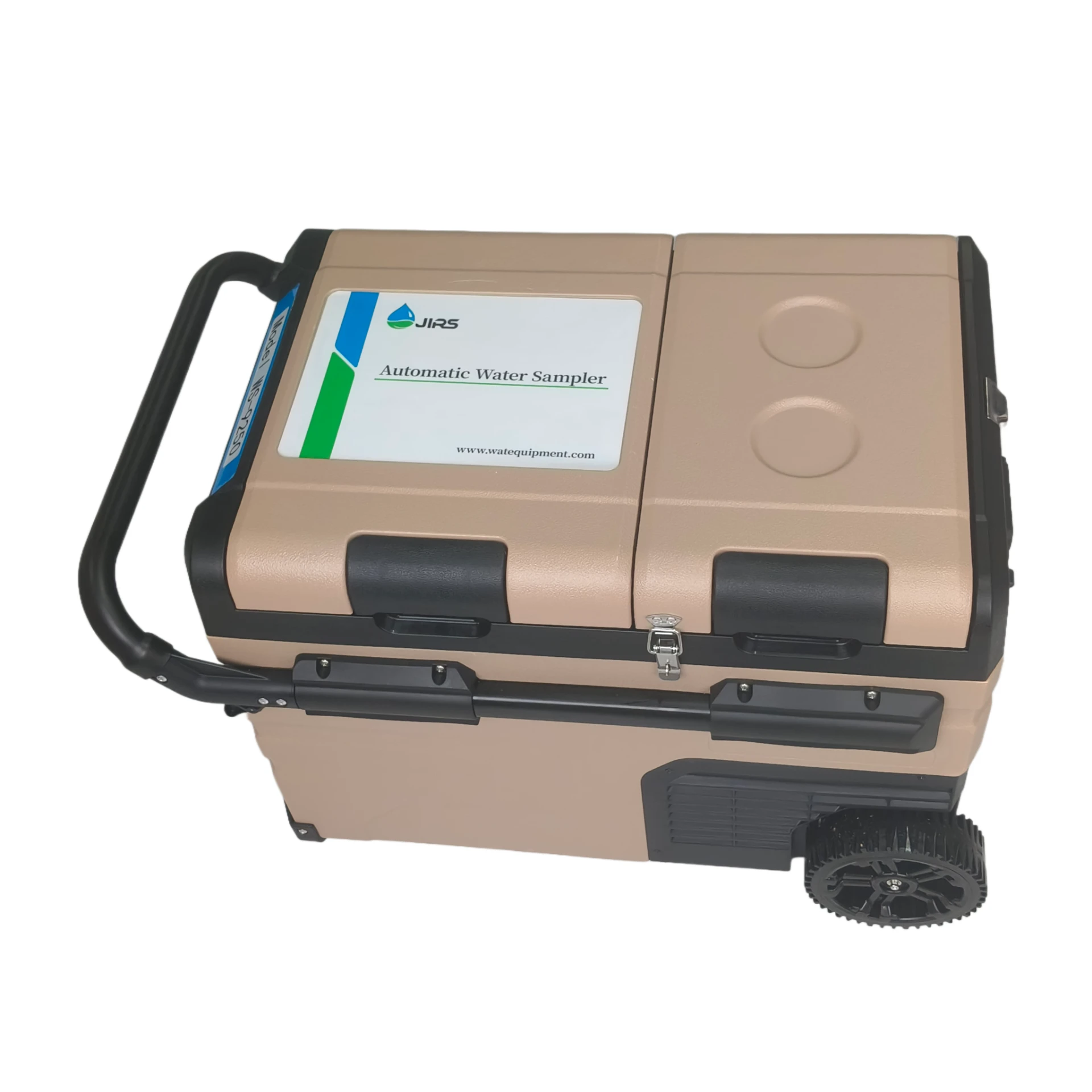
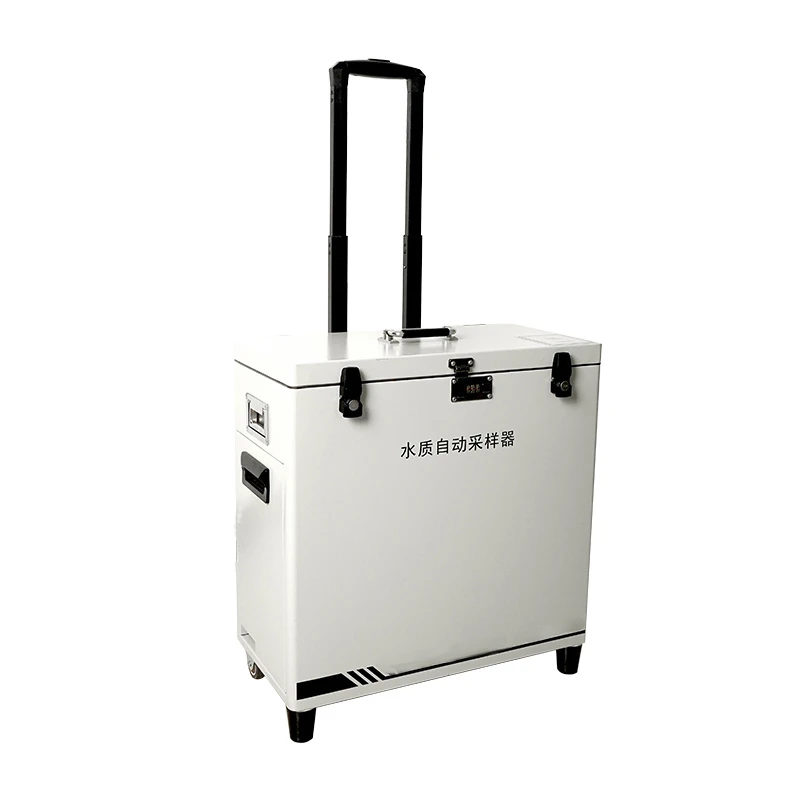
- Automatic Samplers: Programmable devices that automatically collect samples at pre-defined intervals, ideal for long-term monitoring and unattended operation.
Applications of Surface Water Samplers
Surface water samplers are used across a broad spectrum of applications, including:
- Environmental Monitoring: Assessing water quality for pollutants, nutrients, and dissolved oxygen.
- Wastewater Discharge Monitoring: Ensuring compliance with environmental regulations by sampling effluent from industrial and municipal sources.
- Drinking Water Source Monitoring: Regularly testing source water to ensure it meets safety standards.
- Agricultural Runoff Analysis: Evaluating the impact of agricultural practices on water quality.
- Research Studies: Collecting data for scientific investigations of aquatic ecosystems.
Key Benefit: Accurate water sampling ensures reliable data for informed decision-making in environmental management and regulatory compliance.
Choosing the Right Surface Water Sampler: Key Considerations
Selecting the appropriate surface water sampler requires careful consideration of several factors. These include:
- Sampling Depth: Determine whether a grab sampler or a depth-integrating sampler is needed.
- Sample Volume: Consider the required sample volume for the intended analysis.
- Water Conditions: Assess the flow rate, turbulence, and presence of debris.
- Remote Access: If sampling is required in remote locations, a peristaltic pump or automatic sampler may be necessary.
- Regulatory Requirements: Ensure the sampler meets any applicable regulatory standards.
Comparing Popular Surface Water Samplers
Here's a comparison of some commonly used surface water samplers:
Maintaining and Calibrating Your Surface Water Sampler
Regular maintenance and calibration are crucial for ensuring the accuracy and reliability of your surface water sampler. This includes cleaning the sampler after each use, checking for leaks or damage, and verifying the calibration of any sensors or pumps. Following the manufacturer's instructions for maintenance and calibration is essential. Proper maintenance extends the lifespan of the equipment and ensures the validity of the collected data. You can find a wide range of high-quality samplers and accessories at Water Equipment.
Conclusion: Ensuring Accurate Surface Water Monitoring
Choosing the right surface water sampler is vital for obtaining reliable data and making informed decisions about water quality management. By considering the factors discussed in this article and regularly maintaining your equipment, you can ensure the accuracy and integrity of your sampling results. Explore the comprehensive selection of surface water samplers available at Water Equipment to find the ideal solution for your specific needs.
Frequently Asked Questions (FAQs)
What is a depth-integrating sampler and when should I use it?
A depth-integrating sampler collects a sample that represents the average water quality across a specified depth. Unlike a grab sampler that takes a sample from a single point, a depth-integrating sampler is pulled through the water column at a controlled rate. You should use a depth-integrating sampler when water quality varies significantly with depth – for example, in stratified lakes or rivers with thermal layering. This ensures a more representative sample that reflects the overall water quality rather than just conditions at the surface or a specific depth. They are essential for accurate monitoring of nutrient levels, temperature profiles, and dissolved oxygen concentrations.
How do I calibrate an automatic water sampler?
Calibrating an automatic water sampler typically involves verifying the accuracy of the timer, pump flow rate, and sample volume. Begin by checking the timer against a reliable time source. Then, measure the actual volume of water pumped during a defined time interval and compare it to the programmed volume. Adjust the pump flow rate if necessary. Some advanced samplers have built-in calibration routines; always refer to the manufacturer's instructions for specific guidance. Regular calibration ensures the sampler collects the correct sample volume at the programmed intervals, leading to accurate data.
What materials are surface water samplers typically made from?
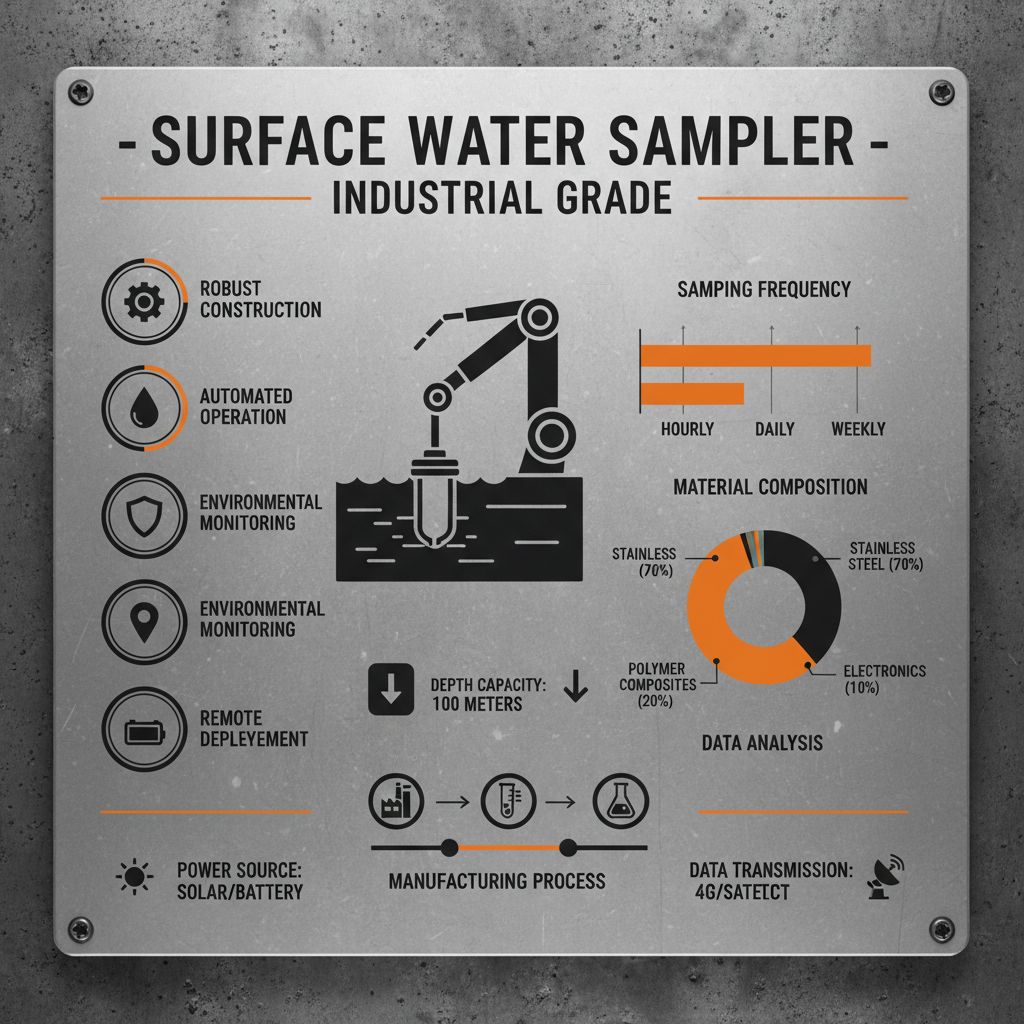
Surface water samplers are often constructed from materials like stainless steel, polyethylene, polypropylene, and Teflon. Stainless steel offers durability and resistance to corrosion, making it ideal for components exposed to water. Polyethylene and polypropylene are lightweight and chemically inert, suitable for sample containers and housings. Teflon (PTFE) is exceptionally resistant to chemicals and is often used for tubing and seals to prevent contamination. The choice of materials depends on the specific application and the type of water being sampled. It’s crucial to ensure the materials are compatible with the target analytes to avoid interference or leaching.

Related Products
Related News
2026-04-16 03:20:19
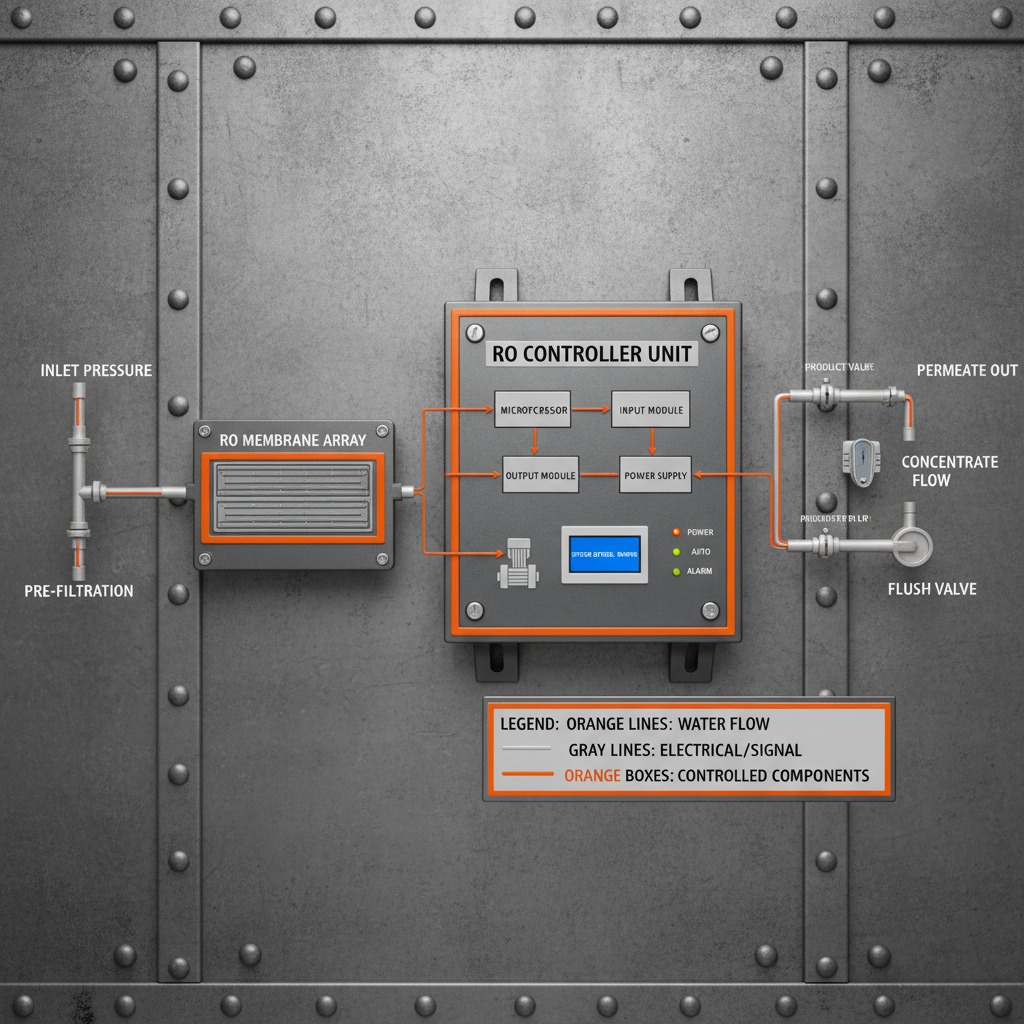
Guide to Choosing the Right RO Controller for Water PurificationMaintaining a high-performance reverse osmosis system requires more than just quality membranes; it demands precise regulation. An ro controller serves as the brain of the entire operation, monitoring critical parameters such as conductivity, temperature, and flow rates to ensure the output water meets stringent purity standards. Without an efficient controller, systems are prone to membrane fouling, inefficient energy use, and inconsistent water quality. In this comprehensive guide, we will explore how these devices optimize water treatment processes and how to select the best model for your specific industrial or commercial needs.
2026-04-09 03:25:47
Guide to Water Purity Using RO with TDS Controller SystemsAchieving the perfect balance of mineral content and purity in drinking water is a challenge for many households and industrial facilities. A ro with tds controller offers a sophisticated solution by combining the rigorous filtration of Reverse Osmosis (RO) with the precision of a Total Dissolved Solids (TDS) adjustment system. While standard RO systems remove almost everything, including beneficial minerals, a TDS controller allows users to re-mineralize the water to a desired level. This ensures that the water is not only safe and pure but also tastes better and provides essential nutrients.
2026-04-07 03:17:09
Understanding and Optimizing Reverse Osmosis Systems with a ControllerIn the world of water purification, reverse osmosis (RO) systems are a cornerstone for producing high-quality water for various applications, from drinking water to industrial processes. However, an RO system is only as effective as its control system. This is where the reverse osmosis controller comes into play. This critical component manages and optimizes the RO process, ensuring efficient operation, water quality, and system longevity.
2026-04-04 03:27:19
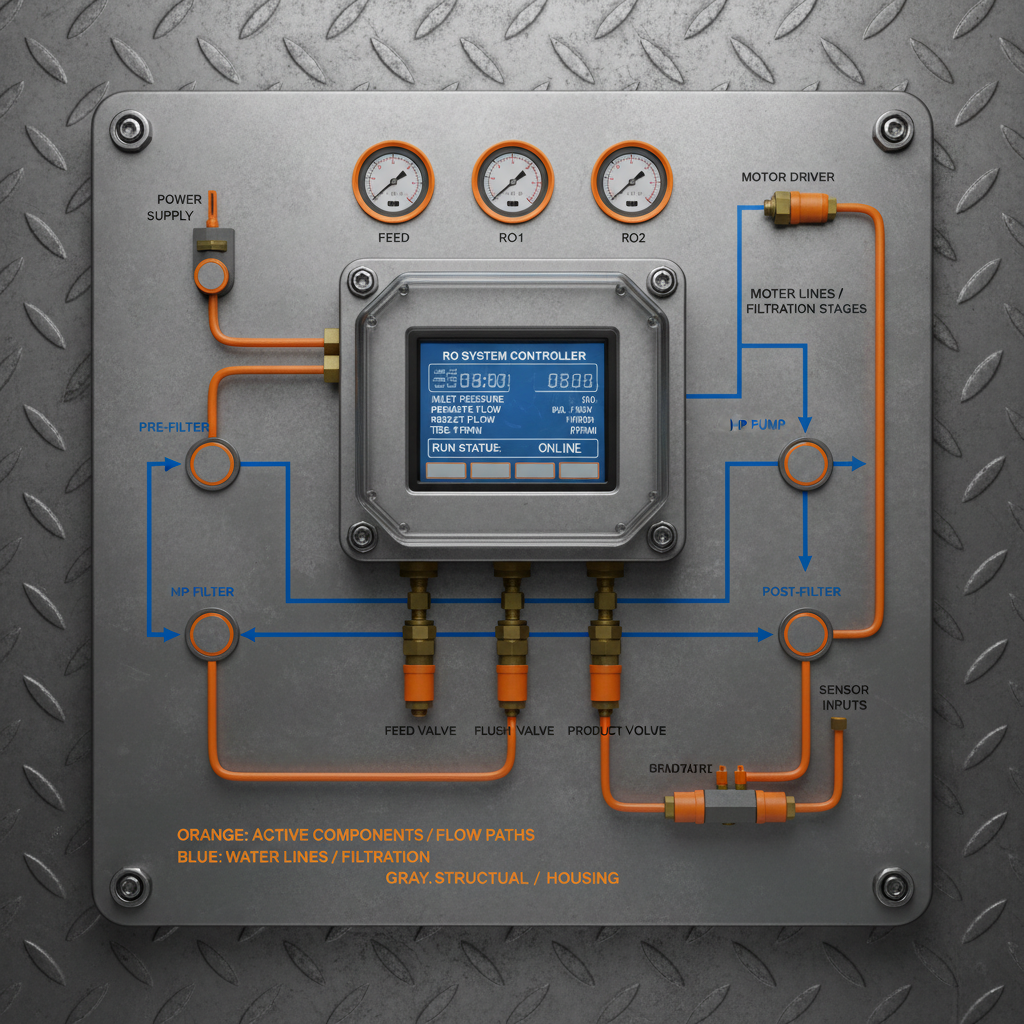
Understanding the Vital Role of an RO System Controller for Optimal PerformanceReverse Osmosis (RO) systems are critical for purifying water across various industries, from residential applications to large-scale industrial processes. At the heart of a well-functioning RO system lies the RO system controller. This intelligent device monitors and regulates all key parameters of the RO process, ensuring optimal performance, efficiency, and water quality. This article delves into the functionalities, benefits, and selection criteria for choosing the right RO system controller, particularly focusing on those offered by Watequipments. Understanding its role is crucial for maximizing the lifespan and effectiveness of your RO investment.
2026-03-24 17:18:24
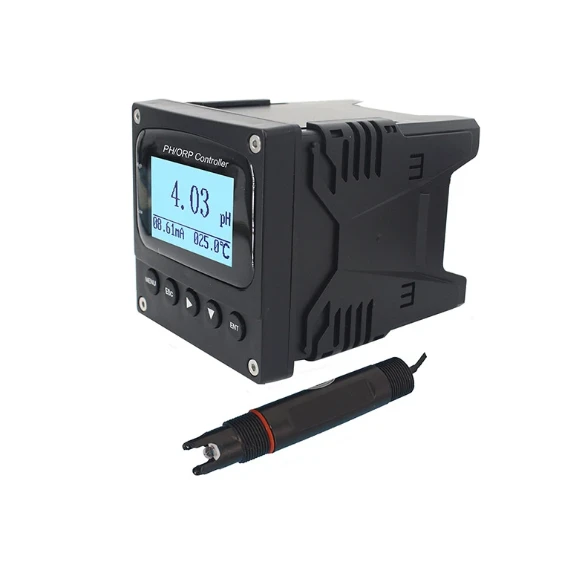
Smart Water Treatment Solutions Using PH ORP Controller SystemsIn modern water treatment and industrial fluid management, maintaining precise chemical balance is essential for safety, efficiency, and regulatory compliance.
2026-03-04 02:55:19
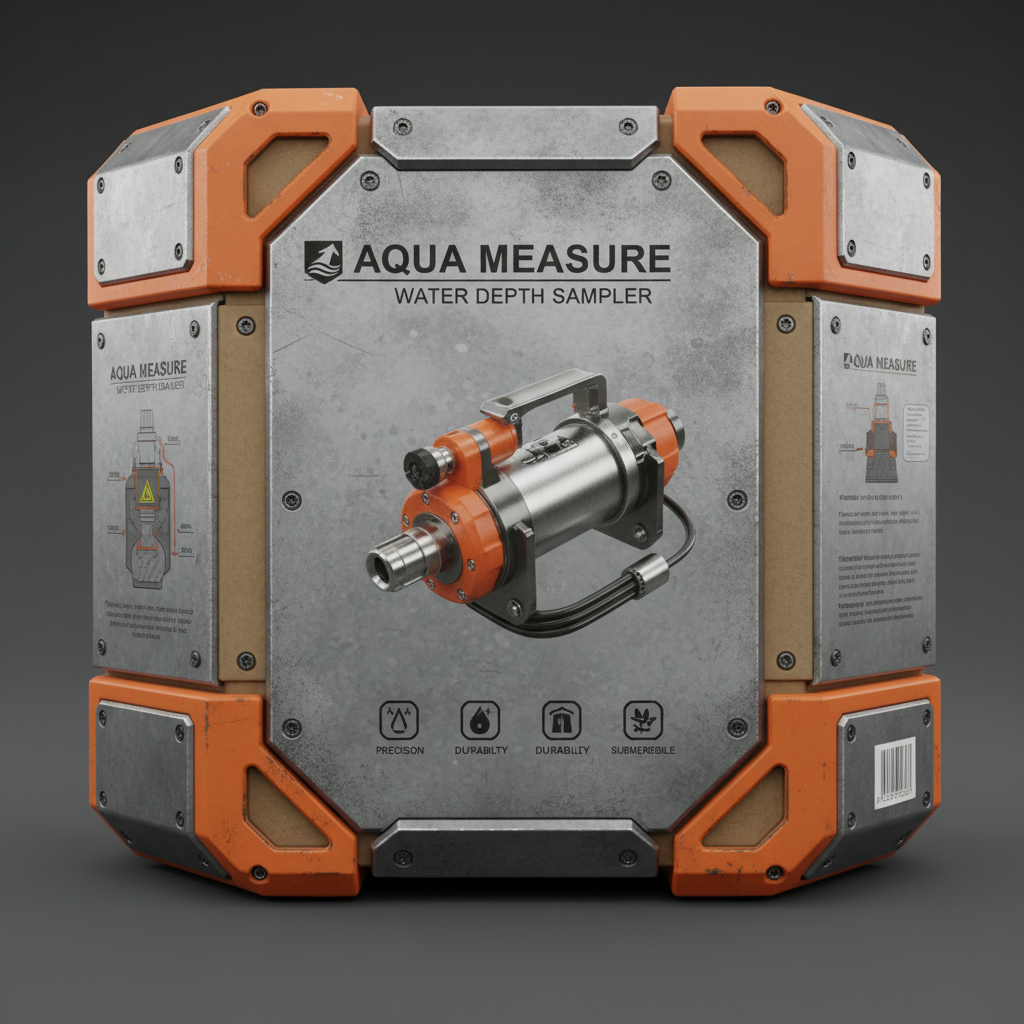
Comprehensive Guide to Water Depth Samplers and Their ApplicationsAccurate water quality monitoring is crucial in various fields, from environmental science and aquaculture to industrial wastewater management. A key tool for this is the water depth sampler. This article provides an in-depth look at water depth samplers, their applications, types, and essential considerations for choosing the right one for your needs. We'll explore the benefits of utilizing this equipment to collect reliable data for analysis and informed decision-making. Selecting the right sampler can significantly improve the precision and efficiency of your water monitoring program. A water depth sampler, also known as a depth-integrated sampler, is a device designed to collect water samples from specific depths within a body of water. Unlike simply dipping a container into the water, a depth sampler allows for collection of a representative sample across a defined depth range. This is critical because water properties (temperature, salinity, pollutants) often vary significantly with depth. The data gathered with a water depth sampler provides a more accurate assessment of water quality than surface samples alone.
2026-03-03 18:55:22
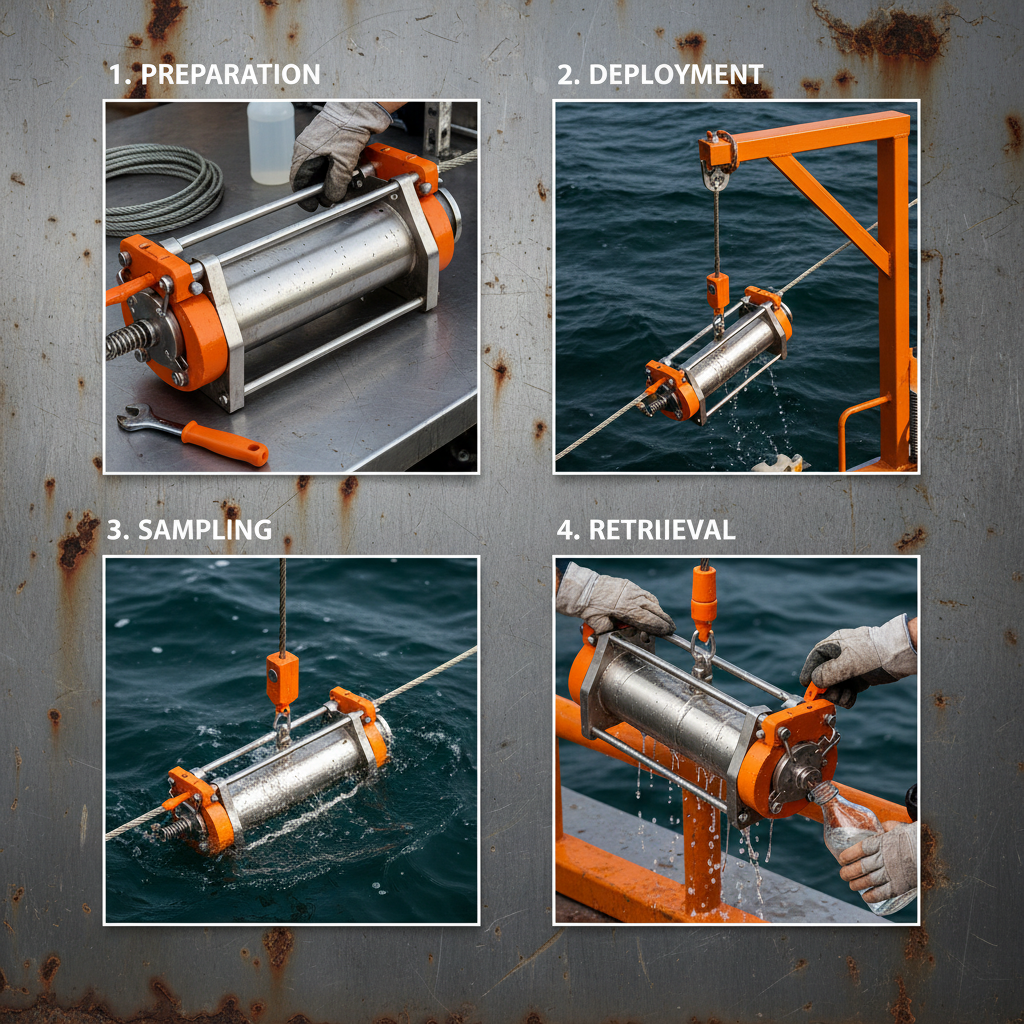
Comprehensive Guide to Horizontal Water Sampler Applications and SelectionCollecting water samples at varying depths is crucial for environmental monitoring, research, and quality control. The horizontal water sampler from Watequipment.com offers a precise and efficient solution for this task. This article provides an in-depth look at horizontal water samplers, their applications, benefits, and key considerations when choosing the right model. We will explore how these samplers contribute to accurate data collection and informed decision-making in various fields. A horizontal water sampler is a device designed to collect water samples from specific depths within a body of water – rivers, lakes, oceans, reservoirs, and even wastewater treatment plants. Unlike vertical samplers which primarily focus on depth, horizontal samplers prioritize collecting samples at a consistent depth while moving along a horizontal plane. This is essential for assessing water quality variations across a waterway or within a specific zone. They are used in applications ranging from environmental monitoring and scientific research to industrial process control and regulatory compliance.

 English