


Comprehensive Guide to Water Depth Samplers and Their Applications

Comprehensive Guide to Water Depth Samplers and Their Applications
Mar . 04, 2026
Understanding Water Depth Samplers: A Comprehensive Guide
Accurate water quality monitoring is crucial in various fields, from environmental science and aquaculture to industrial wastewater management. A key tool for this is the water depth sampler. This article provides an in-depth look at water depth samplers, their applications, types, and essential considerations for choosing the right one for your needs. We'll explore the benefits of utilizing this equipment to collect reliable data for analysis and informed decision-making. Selecting the right sampler can significantly improve the precision and efficiency of your water monitoring program.
What is a Water Depth Sampler and Why is it Important?
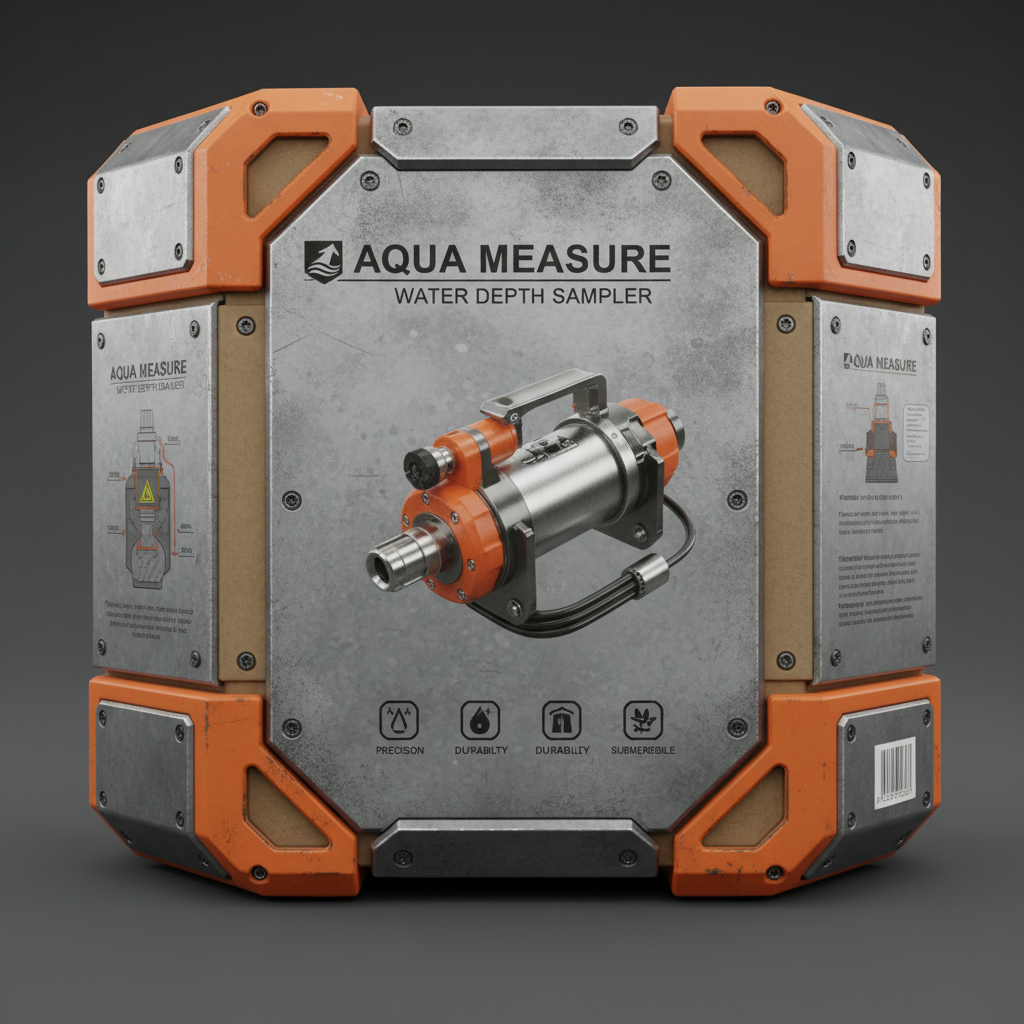
A water depth sampler, also known as a depth-integrated sampler, is a device designed to collect water samples from specific depths within a body of water. Unlike simply dipping a container into the water, a depth sampler allows for collection of a representative sample across a defined depth range. This is critical because water properties (temperature, salinity, pollutants) often vary significantly with depth. The data gathered with a water depth sampler provides a more accurate assessment of water quality than surface samples alone. These samplers are indispensable for understanding stratification, monitoring pollution plumes, and assessing the health of aquatic ecosystems.
Key Benefits: Accurate depth-specific sampling, representative water quality data, improved stratification analysis, crucial for pollution monitoring, and essential for aquatic ecosystem health assessments.
Types of Water Depth Samplers
Several types of water depth samplers are available, each suited for different applications and budgets. The most common include: Kemmerer samplers, Van Dorn samplers, and Integrated Tube Samplers. Kemmerer and Van Dorn samplers are widely used for discrete depth sampling, meaning they collect a sample from a specific depth after being lowered and triggered. Integrated tube samplers, on the other hand, collect a composite sample as they are raised through the water column, providing an average water quality profile. Choosing the right type depends on your specific sampling objectives, water depth, and the type of analysis you intend to perform. The right water depth sampler can make all the difference in your research efforts.
Sampler Type Comparison:
• Kemmerer Sampler: Good for general use, relatively inexpensive.
• Van Dorn Sampler: More robust, better for deeper water, can be fitted with multiple triggers.
• Integrated Tube Sampler: Provides composite samples, ideal for average water quality profiles.
Water Depth Sampler: Kemmerer vs. Van Dorn – A Detailed Comparison
Both Kemmerer and Van Dorn samplers are popular choices for discrete depth sampling. However, they have distinct features that make them suitable for different situations. Van Dorn samplers generally have a stronger construction and are more reliable for depths exceeding 50 meters. They also often include features like dual messengers allowing for multiple depths to be sampled in a single deployment. Kemmerer samplers are typically more affordable and lighter, making them easier to handle, but are less durable at greater depths. Consider the maximum sampling depth, the required robustness, and your budget when selecting between these two types.
Selecting the Right Water Depth Sampler: Key Considerations
Choosing the optimal water depth sampler requires careful consideration of several factors. First, determine the maximum sampling depth you'll encounter. This will dictate whether a Kemmerer or Van Dorn sampler is more appropriate. Consider the type of water body you’ll be sampling (freshwater, saltwater, wastewater). Material compatibility is crucial to avoid contamination of your samples. Finally, think about the logistical aspects – weight, ease of deployment, and any specific accessories you might need. Watequipment.com offers a wide range of samplers and can help you navigate these considerations.
Maintaining and Calibrating Your Water Depth Sampler
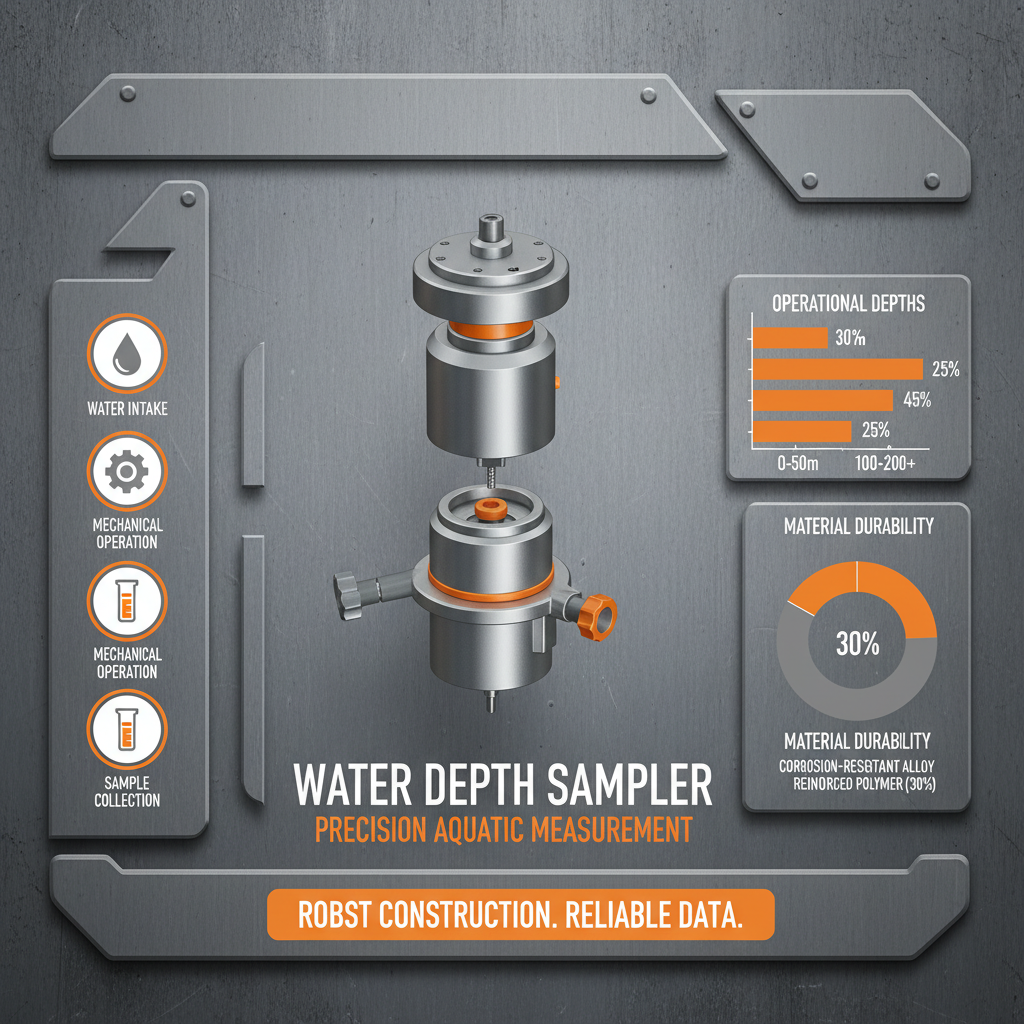
Proper maintenance and calibration are essential for ensuring the accuracy and reliability of your water depth sampler. After each use, thoroughly rinse the sampler with distilled water to remove any residual contaminants. Regularly inspect the messenger heads, cables, and triggering mechanisms for wear and tear. Calibration should be performed periodically to verify the accuracy of the depth settings. Following the manufacturer's recommendations for maintenance and calibration will prolong the lifespan of your sampler and ensure accurate data collection.
Conclusion: Investing in Accurate Water Depth Sampling
Choosing the right water depth sampler is a critical investment for anyone involved in water quality monitoring. By understanding the different types available, considering your specific needs, and maintaining your equipment properly, you can ensure the accuracy and reliability of your data. Accurate data leads to informed decisions, protecting our precious water resources.
Frequently Asked Questions (FAQs)
How often should I calibrate my water depth sampler?
Calibration frequency depends on the intensity of use and the required accuracy of your data. As a general guideline, calibrate your sampler at least every six months, or more frequently if you suspect any inaccuracies. Calibration should also be performed after any significant repairs or adjustments. Proper calibration ensures that the sampler is accurately measuring the depth at which it is collecting samples, leading to more reliable data. Refer to the manufacturer’s instructions for specific calibration procedures.
What materials are water depth samplers typically made from?
Water depth samplers are commonly constructed from materials like stainless steel, durable plastics (polypropylene, polyethylene), and glass. Stainless steel offers excellent corrosion resistance and is suitable for saltwater environments. Plastics are lightweight and less expensive, while glass is used for applications requiring high purity and minimal contamination. The choice of material depends on the specific application and the chemical composition of the water being sampled.
Can I use a water depth sampler in highly turbid water?
Yes, but it's important to consider the potential for clogging. Highly turbid water containing large amounts of sediment can obstruct the sampler’s intake and affect its accuracy. Using a sampler with a larger intake opening can help mitigate this issue. Regularly cleaning the sampler after use is also crucial when sampling in turbid conditions. In some cases, pre-filtering the water may be necessary to prevent clogging and ensure representative sample collection.
What is a messenger and why is it used with some samplers?
A messenger is a weighted device sent down the sampling cable to trigger the sampler to close and collect a water sample. When the messenger reaches the sampler, the impact releases the locking mechanism, sealing the sample within the chamber. Messengers are commonly used with Van Dorn and Kemmerer samplers, especially for deeper water sampling, as they provide a reliable and precise triggering mechanism. Multiple messengers can be used to trigger samplers at different depths in a single deployment.

Related Products
Related News
2026-04-16 03:20:19
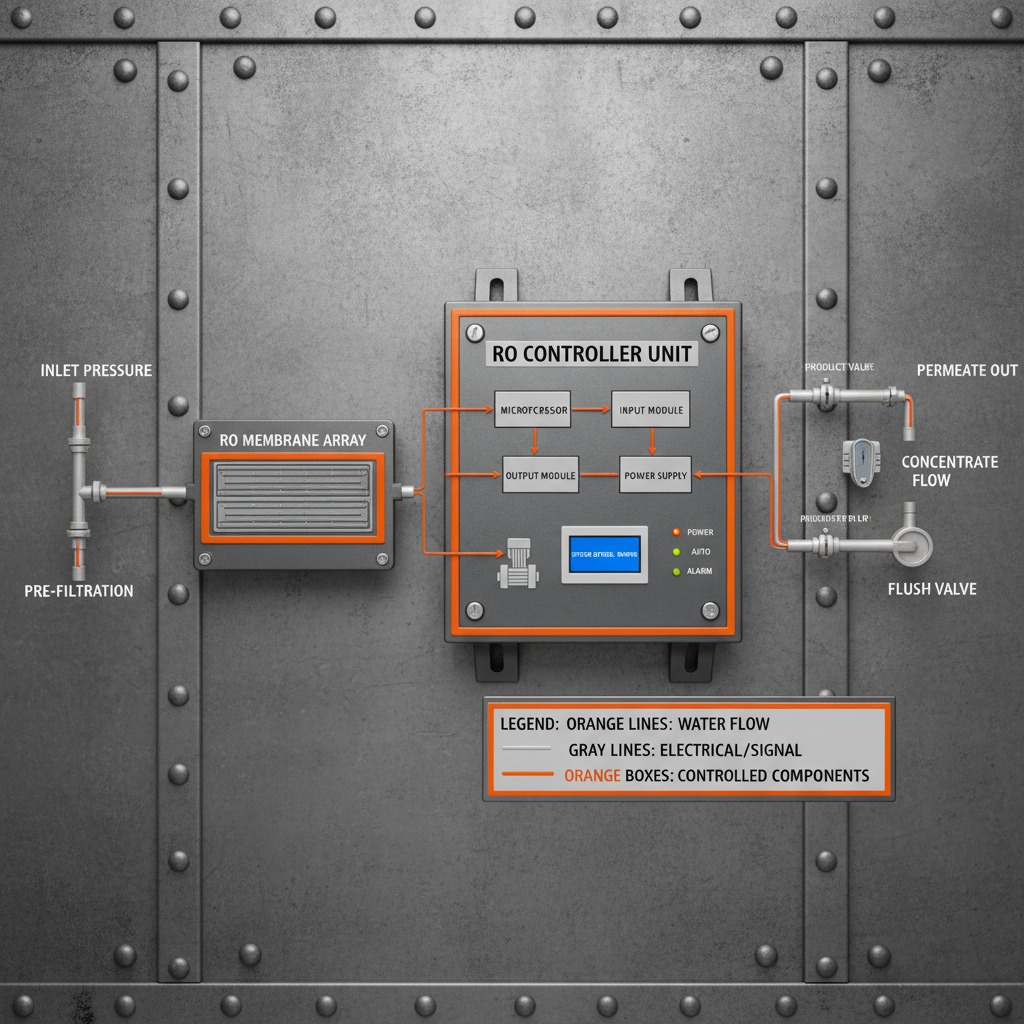
Guide to Choosing the Right RO Controller for Water PurificationMaintaining a high-performance reverse osmosis system requires more than just quality membranes; it demands precise regulation. An ro controller serves as the brain of the entire operation, monitoring critical parameters such as conductivity, temperature, and flow rates to ensure the output water meets stringent purity standards. Without an efficient controller, systems are prone to membrane fouling, inefficient energy use, and inconsistent water quality. In this comprehensive guide, we will explore how these devices optimize water treatment processes and how to select the best model for your specific industrial or commercial needs.
2026-04-09 03:25:47
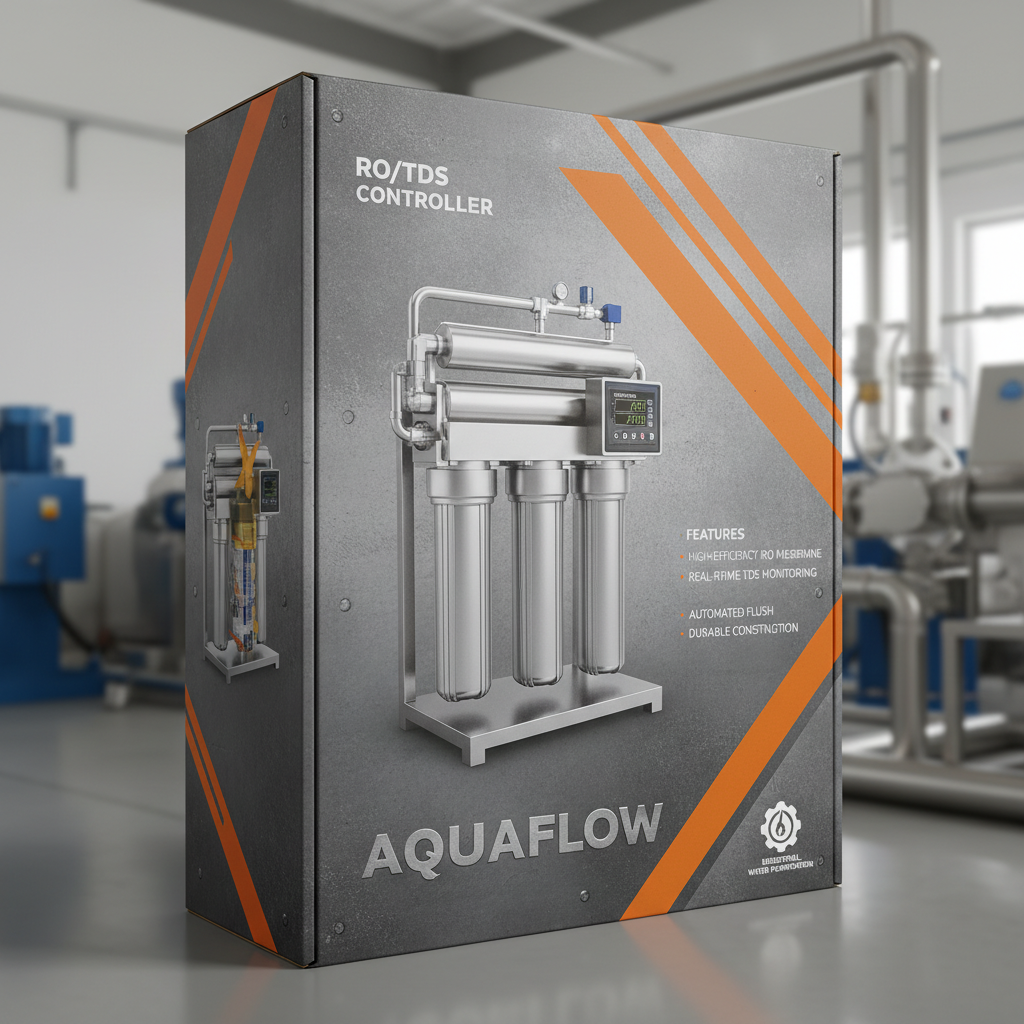
Guide to Water Purity Using RO with TDS Controller SystemsAchieving the perfect balance of mineral content and purity in drinking water is a challenge for many households and industrial facilities. A ro with tds controller offers a sophisticated solution by combining the rigorous filtration of Reverse Osmosis (RO) with the precision of a Total Dissolved Solids (TDS) adjustment system. While standard RO systems remove almost everything, including beneficial minerals, a TDS controller allows users to re-mineralize the water to a desired level. This ensures that the water is not only safe and pure but also tastes better and provides essential nutrients.
2026-04-07 03:17:09
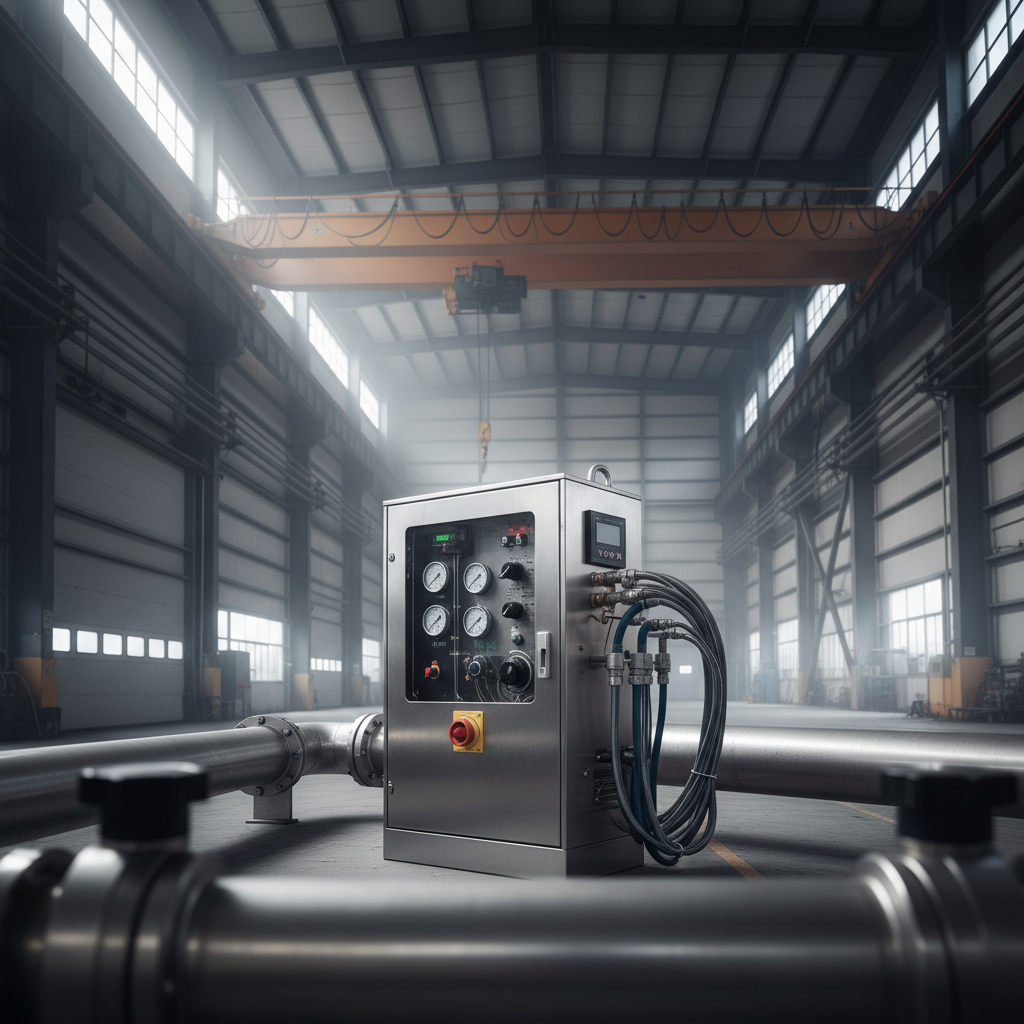
Understanding and Optimizing Reverse Osmosis Systems with a ControllerIn the world of water purification, reverse osmosis (RO) systems are a cornerstone for producing high-quality water for various applications, from drinking water to industrial processes. However, an RO system is only as effective as its control system. This is where the reverse osmosis controller comes into play. This critical component manages and optimizes the RO process, ensuring efficient operation, water quality, and system longevity.
2026-04-04 03:27:19
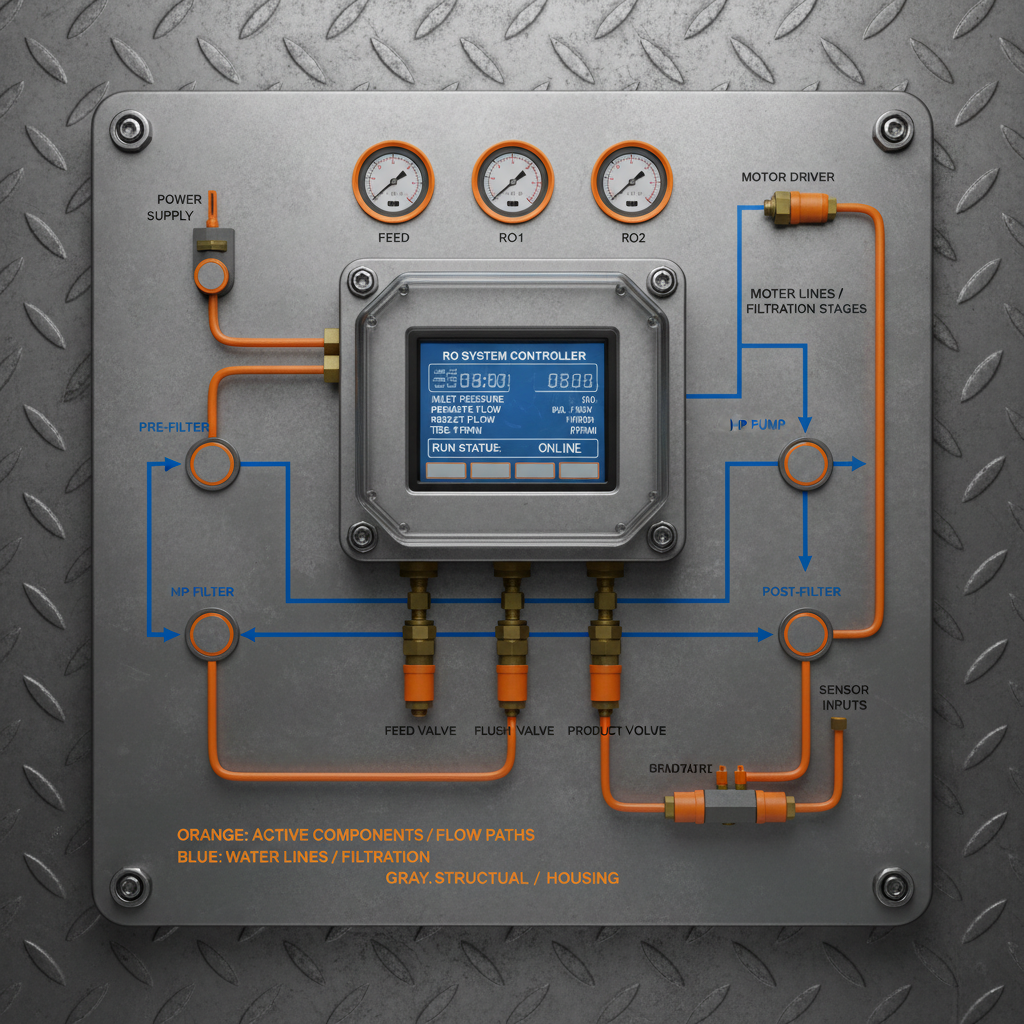
Understanding the Vital Role of an RO System Controller for Optimal PerformanceReverse Osmosis (RO) systems are critical for purifying water across various industries, from residential applications to large-scale industrial processes. At the heart of a well-functioning RO system lies the RO system controller. This intelligent device monitors and regulates all key parameters of the RO process, ensuring optimal performance, efficiency, and water quality. This article delves into the functionalities, benefits, and selection criteria for choosing the right RO system controller, particularly focusing on those offered by Watequipments. Understanding its role is crucial for maximizing the lifespan and effectiveness of your RO investment.
2026-03-24 17:18:24
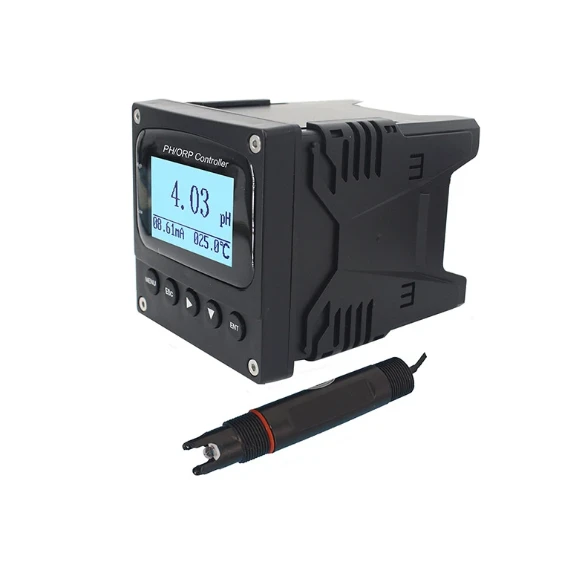
Smart Water Treatment Solutions Using PH ORP Controller SystemsIn modern water treatment and industrial fluid management, maintaining precise chemical balance is essential for safety, efficiency, and regulatory compliance.
2026-03-03 18:55:22
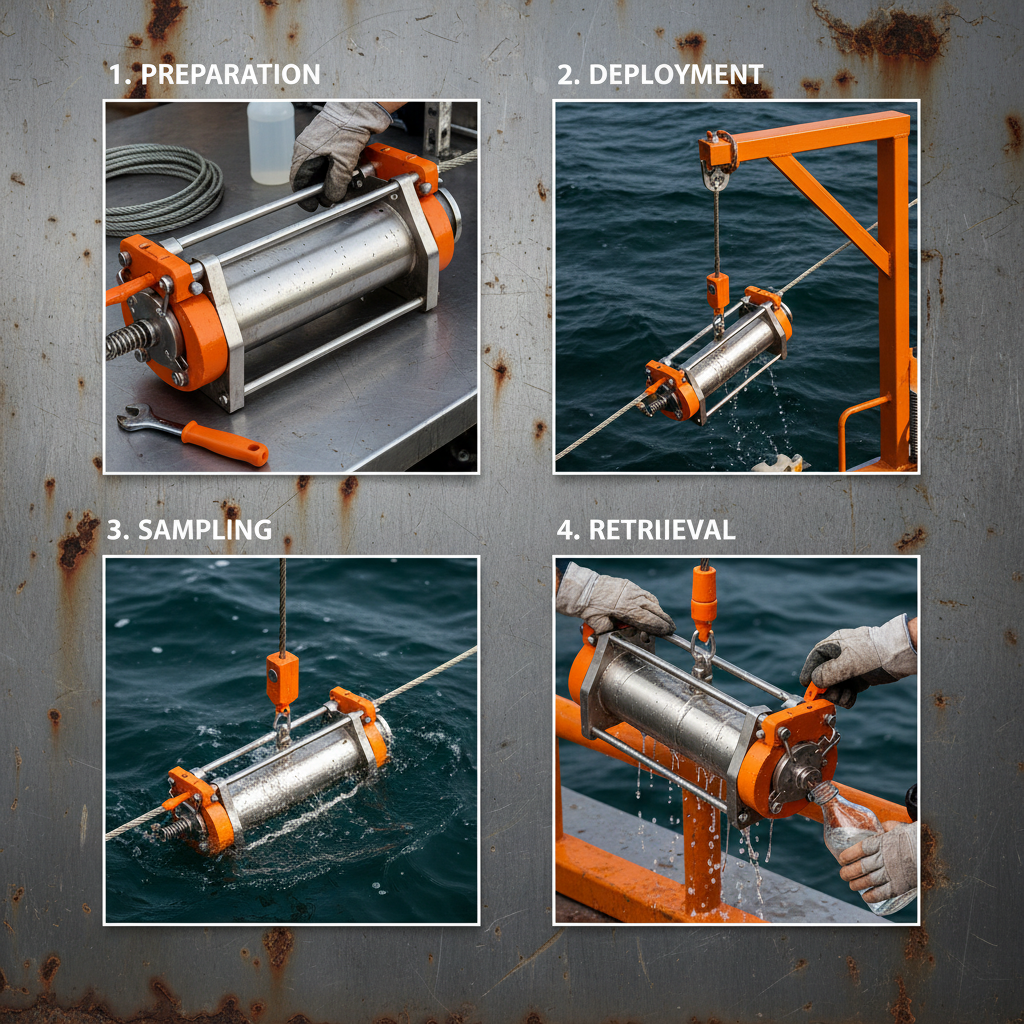
Comprehensive Guide to Horizontal Water Sampler Applications and SelectionCollecting water samples at varying depths is crucial for environmental monitoring, research, and quality control. The horizontal water sampler from Watequipment.com offers a precise and efficient solution for this task. This article provides an in-depth look at horizontal water samplers, their applications, benefits, and key considerations when choosing the right model. We will explore how these samplers contribute to accurate data collection and informed decision-making in various fields. A horizontal water sampler is a device designed to collect water samples from specific depths within a body of water – rivers, lakes, oceans, reservoirs, and even wastewater treatment plants. Unlike vertical samplers which primarily focus on depth, horizontal samplers prioritize collecting samples at a consistent depth while moving along a horizontal plane. This is essential for assessing water quality variations across a waterway or within a specific zone. They are used in applications ranging from environmental monitoring and scientific research to industrial process control and regulatory compliance.
2026-02-28 02:35:09
Comprehensive Guide to Selecting the Right Surface Water Sampler for Your NeedsMonitoring the quality of surface water is critical for environmental protection, public health, and various industrial applications. A surface water sampler is an essential tool for collecting representative samples from rivers, lakes, ponds, and other surface water sources. This article provides a detailed overview of surface water samplers, their types, applications, and key considerations for selecting the right equipment. Accurate water quality data relies on proper sample collection, and choosing the correct sampler is the first step toward achieving reliable results. Surface water samplers come in various designs, each suited to specific sampling needs. Common types include grab samplers, depth-integrating samplers, peristaltic pumps, and automatic samplers. Surface water samplers are used across a broad spectrum of applications, including environmental monitoring, wastewater discharge monitoring, drinking water source monitoring, agricultural runoff analysis, and research studies.

 English