


Understanding the Vital Role of an RO System Controller for Optimal Performance

Understanding the Vital Role of an RO System Controller for Optimal Performance
Apr . 04, 2026
Understanding the Role of a RO System Controller
Reverse Osmosis (RO) systems are critical for purifying water across various industries, from residential applications to large-scale industrial processes. At the heart of a well-functioning RO system lies the RO system controller. This intelligent device monitors and regulates all key parameters of the RO process, ensuring optimal performance, efficiency, and water quality. This article delves into the functionalities, benefits, and selection criteria for choosing the right RO system controller, particularly focusing on those offered by Watequipments. Understanding its role is crucial for maximizing the lifespan and effectiveness of your RO investment.
Core Functions of an RO System Controller
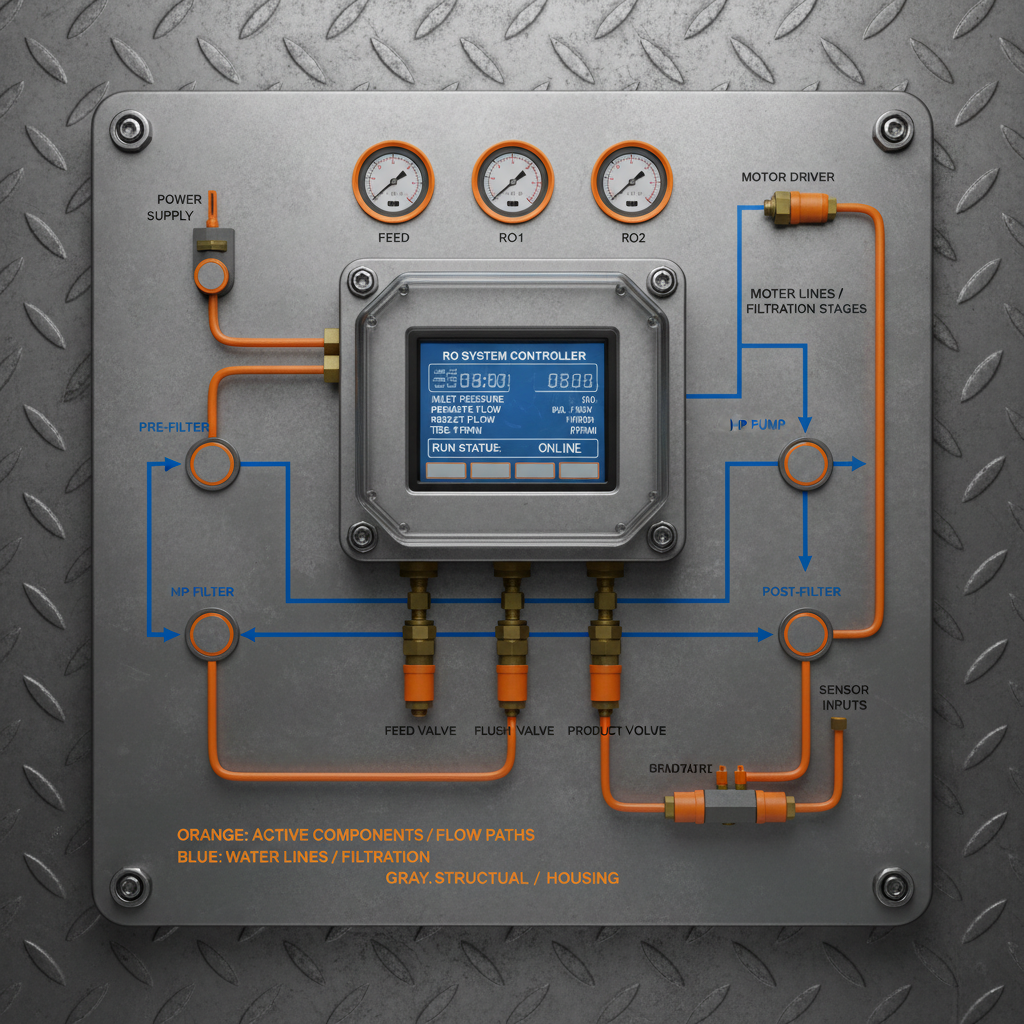
An RO system controller isn't merely a monitoring tool; it's the brain of the operation. Its primary functions include monitoring feed water pressure, product water flow rate, concentrate flow rate, and TDS (Total Dissolved Solids) levels. Based on these readings, the controller automatically adjusts various components such as pumps, valves, and membranes to maintain optimal RO performance. Crucially, it also provides alerts and alarms in case of malfunctions, preventing damage and ensuring consistent water quality. Modern controllers often incorporate data logging capabilities, allowing for trend analysis and predictive maintenance. Watequipments' RO controllers offer comprehensive control and monitoring features tailored to diverse applications.
Key Benefits: Precise control of RO parameters, optimized system efficiency, reduced maintenance costs, enhanced water quality, and early fault detection.
Types of RO System Controllers: A Comparative Overview
RO system controllers come in several varieties, each suited to different needs. Basic controllers primarily offer monitoring and manual control. Programmable Logic Controllers (PLCs) provide advanced automation and customization options, but require specialized programming skills. More advanced controllers feature user-friendly interfaces, built-in algorithms for optimizing performance, and remote monitoring capabilities. The best choice depends on the size and complexity of your RO system, your technical expertise, and your budget. Watequipments offers a wide range of controllers to fit all requirements.
Controller Type Comparison:
• Basic Controllers: Limited functionality, manual control.
• PLC Controllers: High customization, requires programming.
• Advanced Controllers: User-friendly, automatic optimization, remote access.
Key Features to Look for in an RO System Controller
When selecting an RO system controller, several key features are essential. Look for a controller with accurate and reliable sensors for measuring critical parameters. A user-friendly interface, whether touchscreen or web-based, is crucial for easy operation and monitoring. Remote monitoring capabilities allow you to oversee your system from anywhere with an internet connection. Data logging and reporting features provide valuable insights into system performance. Finally, ensure the controller is compatible with your specific RO system and provides adequate protection against harsh environments. Watequipments controllers are designed with these features in mind.
Choosing the Right Controller from Watequipments
Watequipments offers a comprehensive range of RO system controllers designed for various applications. Our controllers feature accurate sensors, intuitive interfaces, and robust construction. We provide both standard controllers and customized solutions to meet specific client needs. Our team of experts can help you select the perfect controller for your RO system, ensuring optimal performance and long-term reliability.
Conclusion: Invest in Intelligent Control for Optimal RO Performance
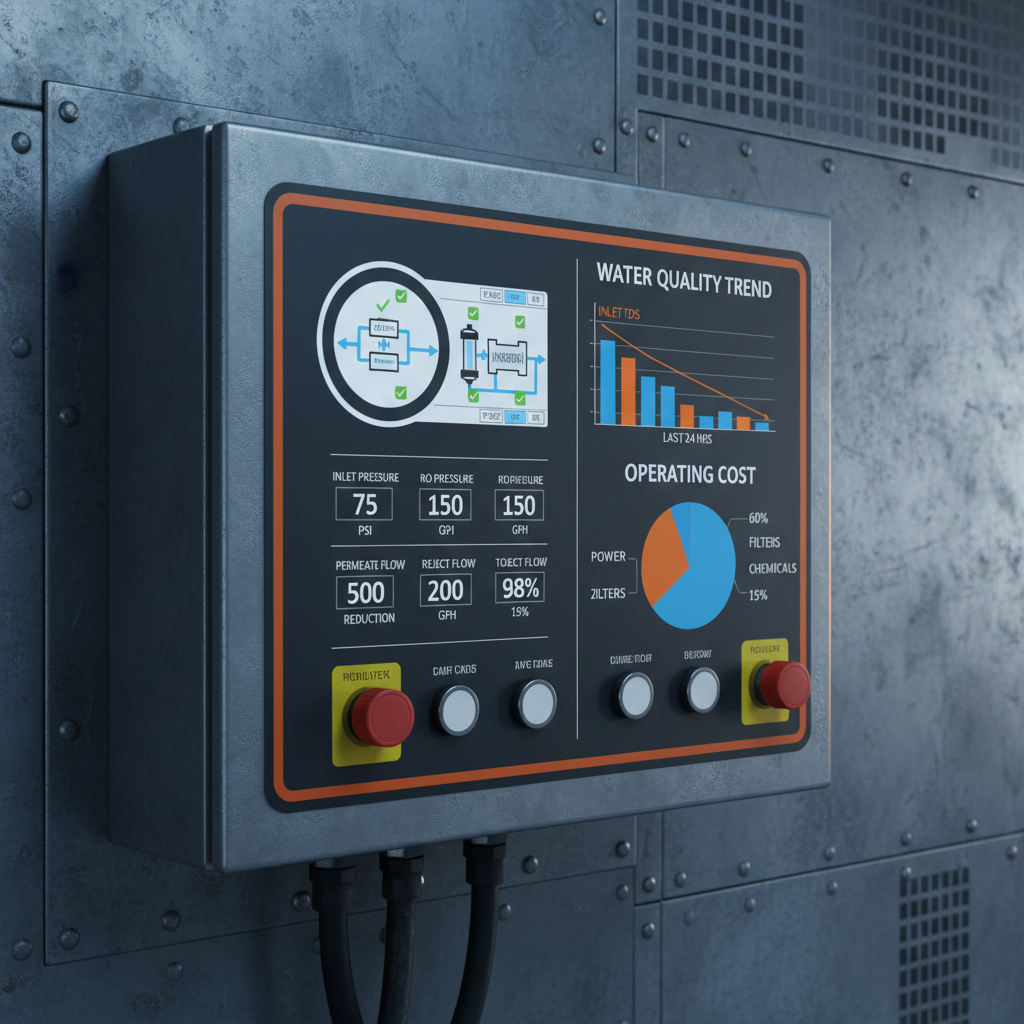
A reliable RO system controller is an essential investment for anyone relying on reverse osmosis for water purification. It optimizes performance, reduces costs, and ensures consistently high water quality. By choosing a controller from Watequipments, you're investing in a solution designed for reliability, efficiency, and long-term value.
Frequently Asked Questions (FAQs)
What are the typical warning signs that my RO system controller needs attention?
Several indicators suggest a potential issue with your RO system controller. These include erratic TDS readings, fluctuating pressure readings, frequent alarms or error messages, unusual pump cycling patterns, or a complete failure of the controller to respond. Ignoring these signs can lead to membrane damage, reduced water quality, and costly repairs. Regular monitoring and prompt troubleshooting are crucial. If you notice any of these issues, contact a qualified technician or Watequipments for assistance.
How often should I calibrate the sensors on my RO system controller?
Sensor calibration is essential for maintaining accuracy and ensuring optimal RO performance. The frequency of calibration depends on the specific sensors and the quality of your feed water. As a general guideline, pressure sensors should be calibrated every 6-12 months, while TDS sensors may require more frequent calibration, perhaps every 3-6 months, especially if your feed water has high TDS levels. Watequipments offers calibration services and can provide specific recommendations for your system.
Can an RO system controller help reduce energy consumption?
Yes, a well-configured RO system controller can significantly reduce energy consumption. By optimizing pump operation and maintaining optimal pressure levels, the controller minimizes energy waste. Advanced controllers can also implement variable frequency drive (VFD) control for pumps, adjusting speed based on demand and further reducing energy usage. Implementing energy-saving features through a modern controller can translate into substantial cost savings over time.

Related Products
Related News
2026-04-09 03:25:47
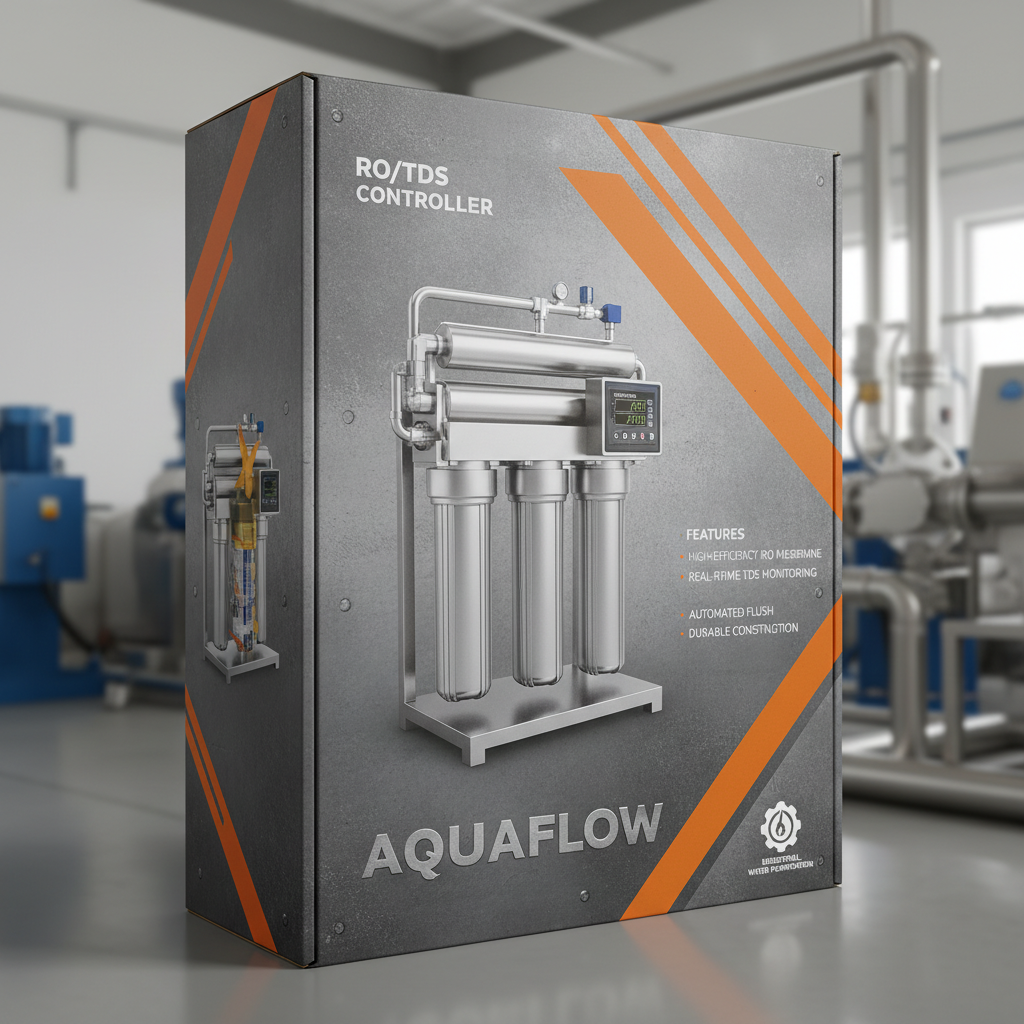
Guide to Water Purity Using RO with TDS Controller SystemsAchieving the perfect balance of mineral content and purity in drinking water is a challenge for many households and industrial facilities. A ro with tds controller offers a sophisticated solution by combining the rigorous filtration of Reverse Osmosis (RO) with the precision of a Total Dissolved Solids (TDS) adjustment system. While standard RO systems remove almost everything, including beneficial minerals, a TDS controller allows users to re-mineralize the water to a desired level. This ensures that the water is not only safe and pure but also tastes better and provides essential nutrients.
2026-04-07 03:17:09
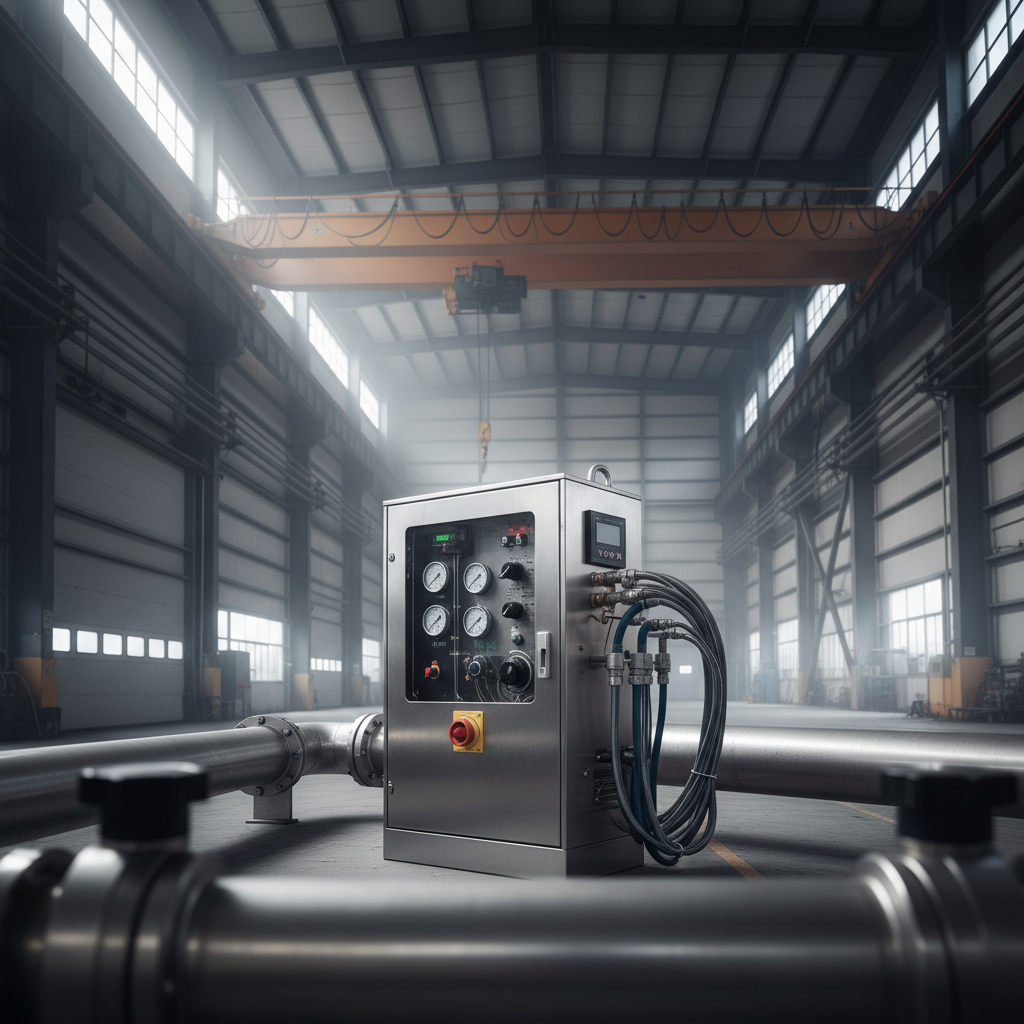
Understanding and Optimizing Reverse Osmosis Systems with a ControllerIn the world of water purification, reverse osmosis (RO) systems are a cornerstone for producing high-quality water for various applications, from drinking water to industrial processes. However, an RO system is only as effective as its control system. This is where the reverse osmosis controller comes into play. This critical component manages and optimizes the RO process, ensuring efficient operation, water quality, and system longevity.
2026-03-24 17:18:24
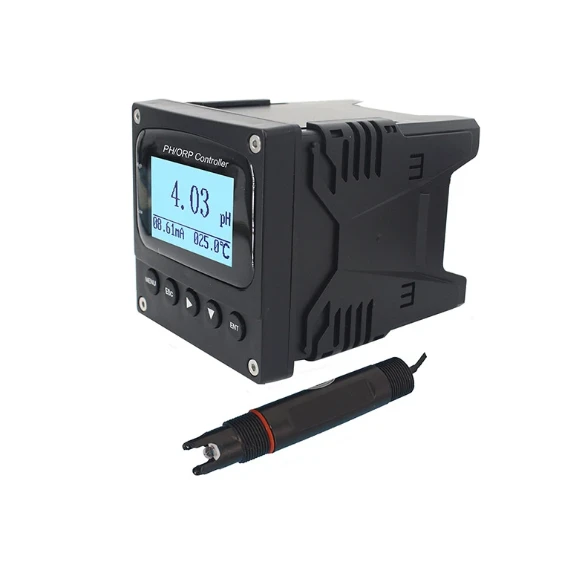
Smart Water Treatment Solutions Using PH ORP Controller SystemsIn modern water treatment and industrial fluid management, maintaining precise chemical balance is essential for safety, efficiency, and regulatory compliance.
2026-03-04 02:55:19
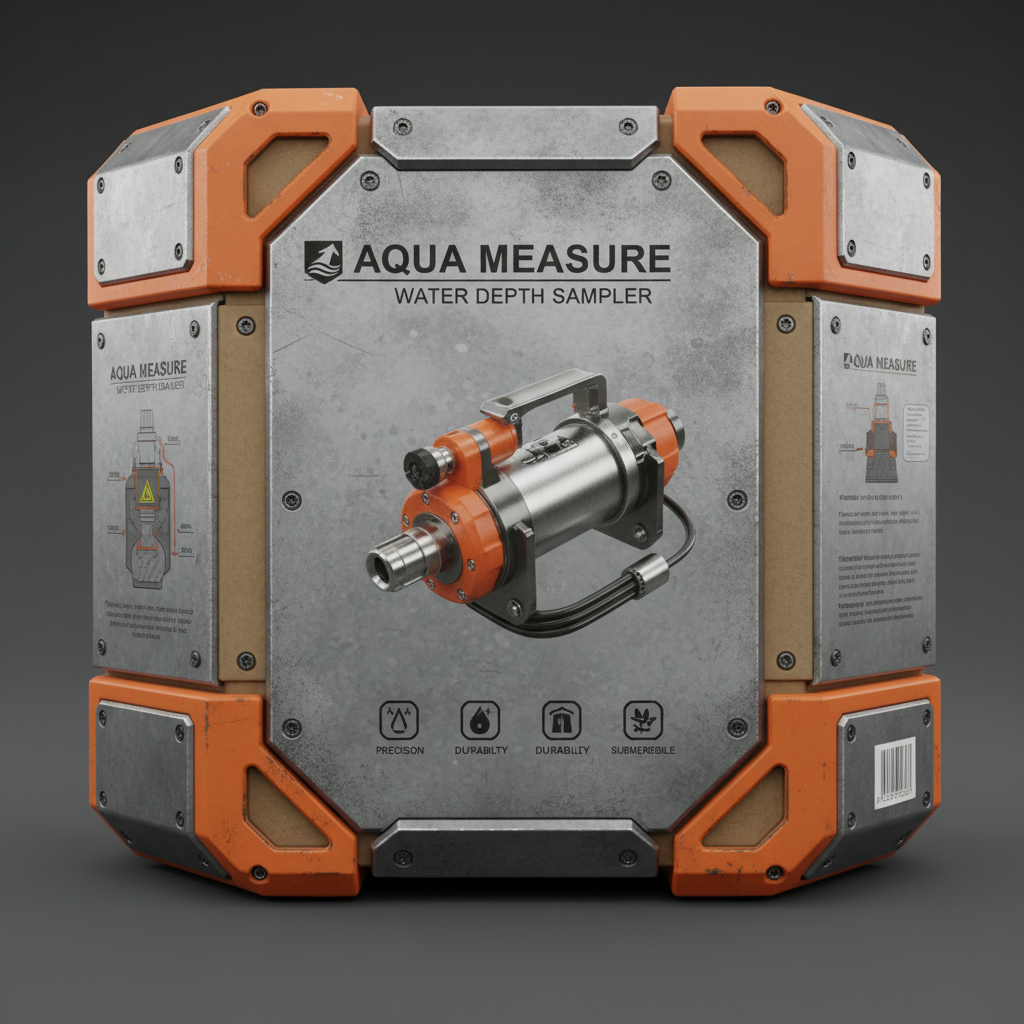
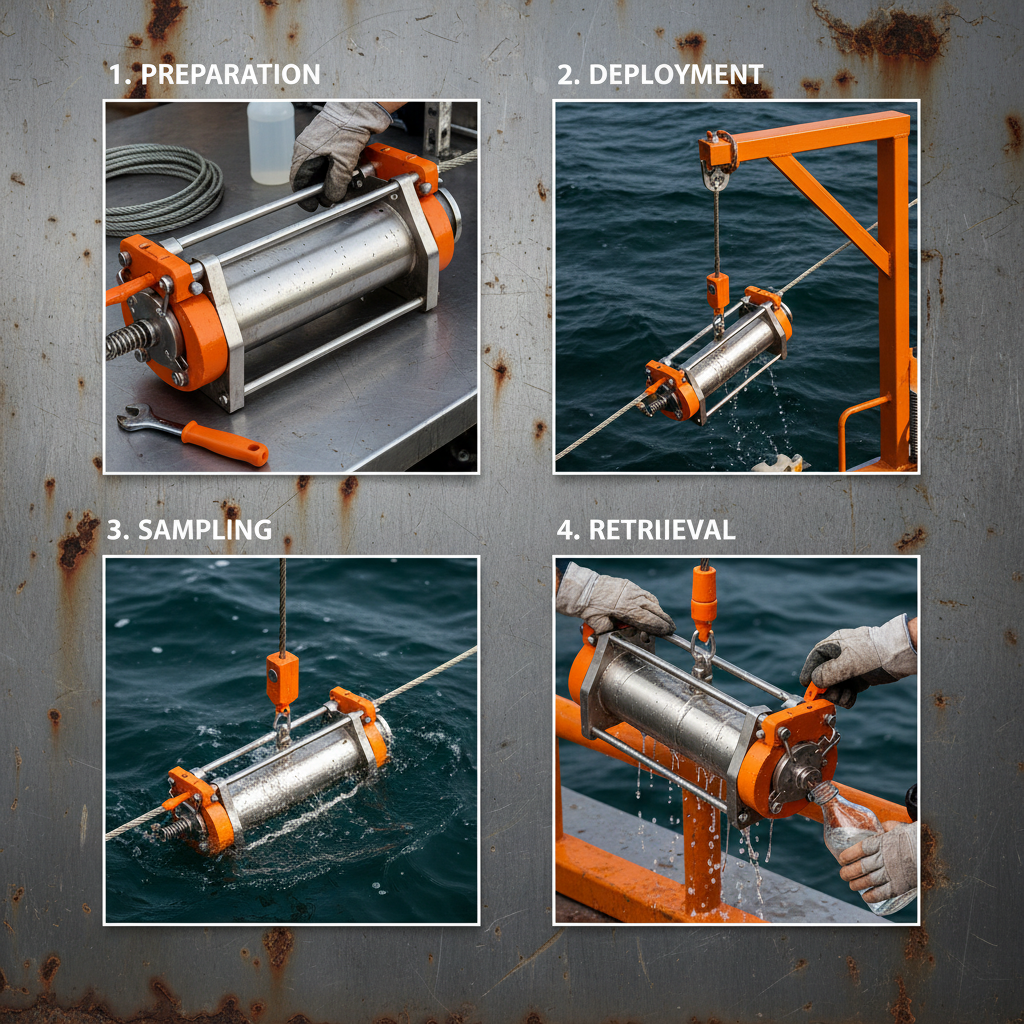
Comprehensive Guide to Water Depth Samplers and Their ApplicationsAccurate water quality monitoring is crucial in various fields, from environmental science and aquaculture to industrial wastewater management. A key tool for this is the water depth sampler. This article provides an in-depth look at water depth samplers, their applications, types, and essential considerations for choosing the right one for your needs. We'll explore the benefits of utilizing this equipment to collect reliable data for analysis and informed decision-making. Selecting the right sampler can significantly improve the precision and efficiency of your water monitoring program. A water depth sampler, also known as a depth-integrated sampler, is a device designed to collect water samples from specific depths within a body of water. Unlike simply dipping a container into the water, a depth sampler allows for collection of a representative sample across a defined depth range. This is critical because water properties (temperature, salinity, pollutants) often vary significantly with depth. The data gathered with a water depth sampler provides a more accurate assessment of water quality than surface samples alone.
2026-03-03 18:55:22
Comprehensive Guide to Horizontal Water Sampler Applications and SelectionCollecting water samples at varying depths is crucial for environmental monitoring, research, and quality control. The horizontal water sampler from Watequipment.com offers a precise and efficient solution for this task. This article provides an in-depth look at horizontal water samplers, their applications, benefits, and key considerations when choosing the right model. We will explore how these samplers contribute to accurate data collection and informed decision-making in various fields. A horizontal water sampler is a device designed to collect water samples from specific depths within a body of water – rivers, lakes, oceans, reservoirs, and even wastewater treatment plants. Unlike vertical samplers which primarily focus on depth, horizontal samplers prioritize collecting samples at a consistent depth while moving along a horizontal plane. This is essential for assessing water quality variations across a waterway or within a specific zone. They are used in applications ranging from environmental monitoring and scientific research to industrial process control and regulatory compliance.
2026-02-28 02:35:09
Comprehensive Guide to Selecting the Right Surface Water Sampler for Your NeedsMonitoring the quality of surface water is critical for environmental protection, public health, and various industrial applications. A surface water sampler is an essential tool for collecting representative samples from rivers, lakes, ponds, and other surface water sources. This article provides a detailed overview of surface water samplers, their types, applications, and key considerations for selecting the right equipment. Accurate water quality data relies on proper sample collection, and choosing the correct sampler is the first step toward achieving reliable results. Surface water samplers come in various designs, each suited to specific sampling needs. Common types include grab samplers, depth-integrating samplers, peristaltic pumps, and automatic samplers. Surface water samplers are used across a broad spectrum of applications, including environmental monitoring, wastewater discharge monitoring, drinking water source monitoring, agricultural runoff analysis, and research studies.
2026-02-27 02:35:09
Comprehensive Guide to Selecting the Best Water Testing Bottles for Accurate ResultsMaintaining water quality is critical for health, environmental protection, and various industrial processes. Accurate water testing relies heavily on the correct collection and storage of samples. This is where high-quality water testing bottles become essential. This article will explore the different types of water testing bottles, their applications, materials, and how to choose the right bottle for your specific needs. We'll cover everything from sample integrity to regulatory compliance, ensuring you have the knowledge to obtain reliable results. Water testing bottles aren't one-size-fits-all. They come in a variety of types designed for specific analytes and testing methods. Common types include Polypropylene (PP) Bottles, High-Density Polyethylene (HDPE) Bottles, Glass Bottles, Amber Glass Bottles, Sterile Bottles. The correct bottle type ensures the sample remains representative and accurate throughout the testing process. Choosing the wrong bottle can lead to inaccurate results and potentially costly errors.

 English