


Automatic Irrigation System Using Soil Moisture Sensor Circuit Diagram

Automatic Irrigation System Using Soil Moisture Sensor Circuit Diagram
Dec . 31, 2025
Understanding the Automatic Irrigation System Using Soil Moisture Sensor Circuit Diagram
Having spent over a decade tinkering and working hands-on in the industrial irrigation equipment sector, I can honestly say that automatic irrigation systems incorporating soil moisture sensor circuits have been something of a quiet revolution. It’s not just the tech itself — though, frankly, the way these sensors translate soil dryness into electrical signals still feels a bit magical — but the broader impact on water efficiency and crop health.
Let’s break it down. At its core, this system revolves around a soil moisture sensor circuit diagram that detects the level of moisture present in the earth, automatically turning irrigation on or off depending on real-time needs. No human guesswork, no overwatering, and that’s a big deal for both farmers and environmentalists alike.
I remember visiting a vegetable farm last year where they switched from time-based watering to a soil moisture feedback system. Oddly enough, their water consumption dropped by nearly 30% in just a couple of months. That spoke volumes to me. It’s one thing to speculate about theoretical benefits; it’s another to see them play out in real terms.
Core Components in the Soil Moisture Sensor Circuit
If you’re curious about the nuts and bolts, here’s a simplified rundown of what the circuit typically includes:
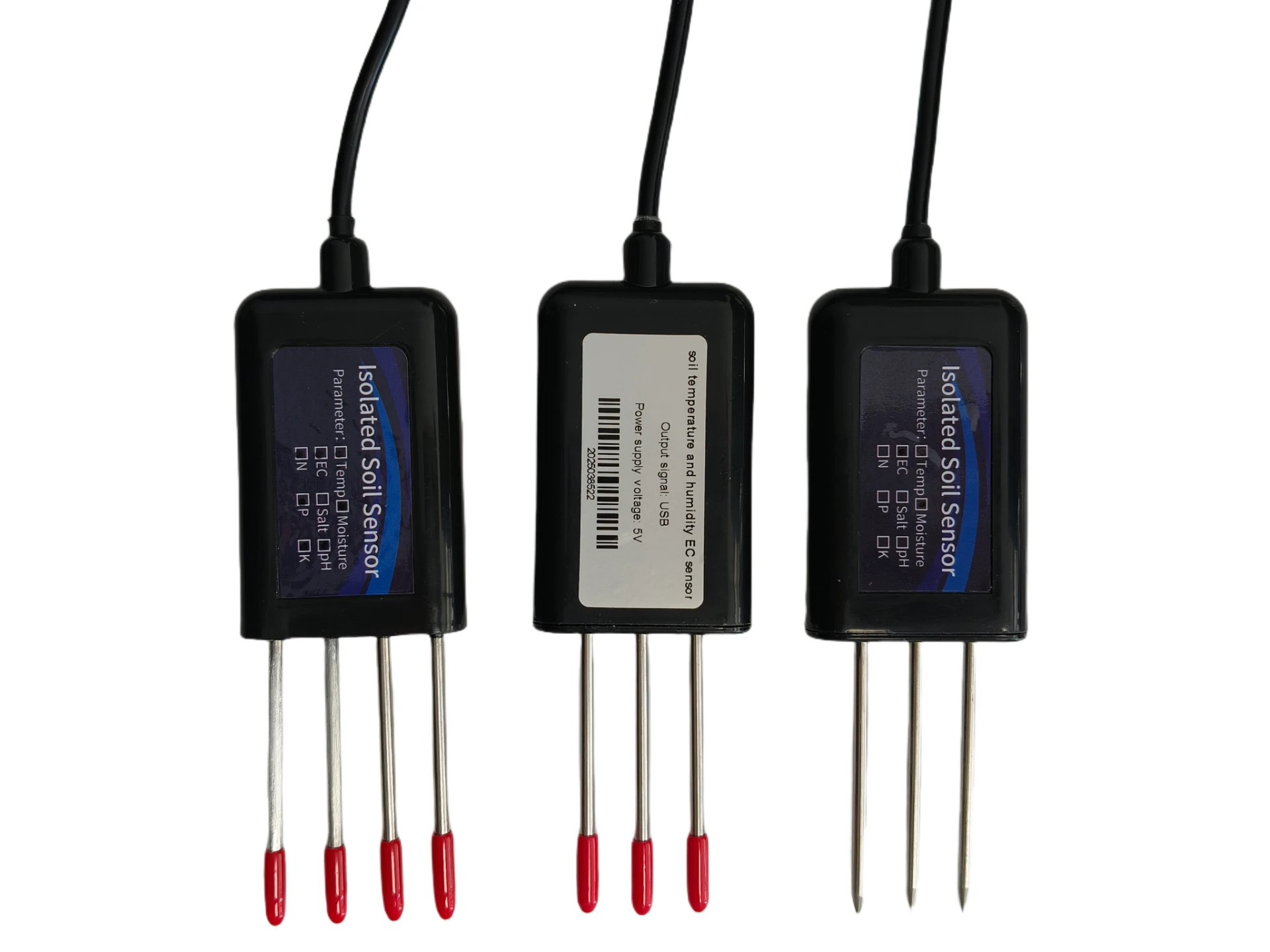
- Soil moisture sensor probes – these are inserted into the soil to measure its water content by electrical resistance or capacitance.
- Microcontroller or comparator circuit – interprets sensor signals and triggers the control relay.
- Relay module – switches the water pump or valve on/off based on the microcontroller's decision.
- Power supply – usually 5V or 12V DC for small, standalone setups.
- Water pump or solenoid valve – the actual irrigation actuator.
Here’s a basic circuit diagram outline — imagine the sensor’s analog output feeding into an ADC pin of a microcontroller like an Arduino. When the moisture drops below threshold, the relay energizes, switching your irrigation system on automatically.
| Specification | Details |
|---|---|
| Sensor Type | Capacitive Soil Moisture Sensor |
| Operating Voltage | 3.3V – 5V DC |
| Output Signal | Analog / Digital |
| Relay Switching Capacity | Up to 10A @ 250V AC |
| Pump Compatibility | Submersible and Surface Pumps |
| Typical Response Time | <1 second |
Vendor Comparison: Choosing the Right System
Selecting the right automatic irrigation system isn’t just about specs; it’s also about support, reliability, and integration flexibility. Let me share a quick comparison of three prominent vendors I’ve followed closely over the years.
| Feature | GreenTech Irrigation | AquaSence Systems | HydroSmart Solutions |
|---|---|---|---|
| Sensor Accuracy | ±3% | ±5% | ±4% |
| System Integration | Supports IoT & Cloud | Basic Manual Controls | Wi-Fi enabled |
| Warranty | 2 years | 1 year | 3 years |
| Price Range | $$$ | $ | $$ |
| Customer Support | 24/7 Call & Chat | Email Only | Business Hours Phone |
So yes, there’s a fair bit to consider beyond just the specs. But what strikes me is how these systems, quite simply, give growers back time. Instead of checking moisture levels daily, rebooting schedules after unexpected rain, or worrying if a valve is stuck open, automation takes the weight off their shoulders.
One fellow engineer once told me, “It’s not just saving water; it’s saving headaches.” I tend to agree.
If you’re venturing into setting up an automatic irrigation system using a soil moisture sensor circuit diagram, I’d recommend starting with a clear understanding of your irrigation needs and soil characteristics. And don’t skimp on testing your sensors in different soil types, because oddly enough, a sandy profile and a loamy profile behave quite differently when it comes to electrical conductivity.
In real terms, these systems aren’t just gizmos. They’re practical tools for responsible water management, productivity boosts, and frankly, peace of mind.
— From one field-hand to another: technology might be evolving, but good farming always comes down to watching the ground beneath your boots.
References
- "Design of Soil Moisture Sensor Circuit for Precision Irrigation," Journal of Agricultural Engineering, 2022.
- "Water Efficiency Improvements from Smart Irrigation Systems," FAO Research Brief, 2023.
- Personal site visits with GreenTech Irrigation and HydroSmart Systems, 2023.

Related Products
Related News
2026-04-16 03:20:19
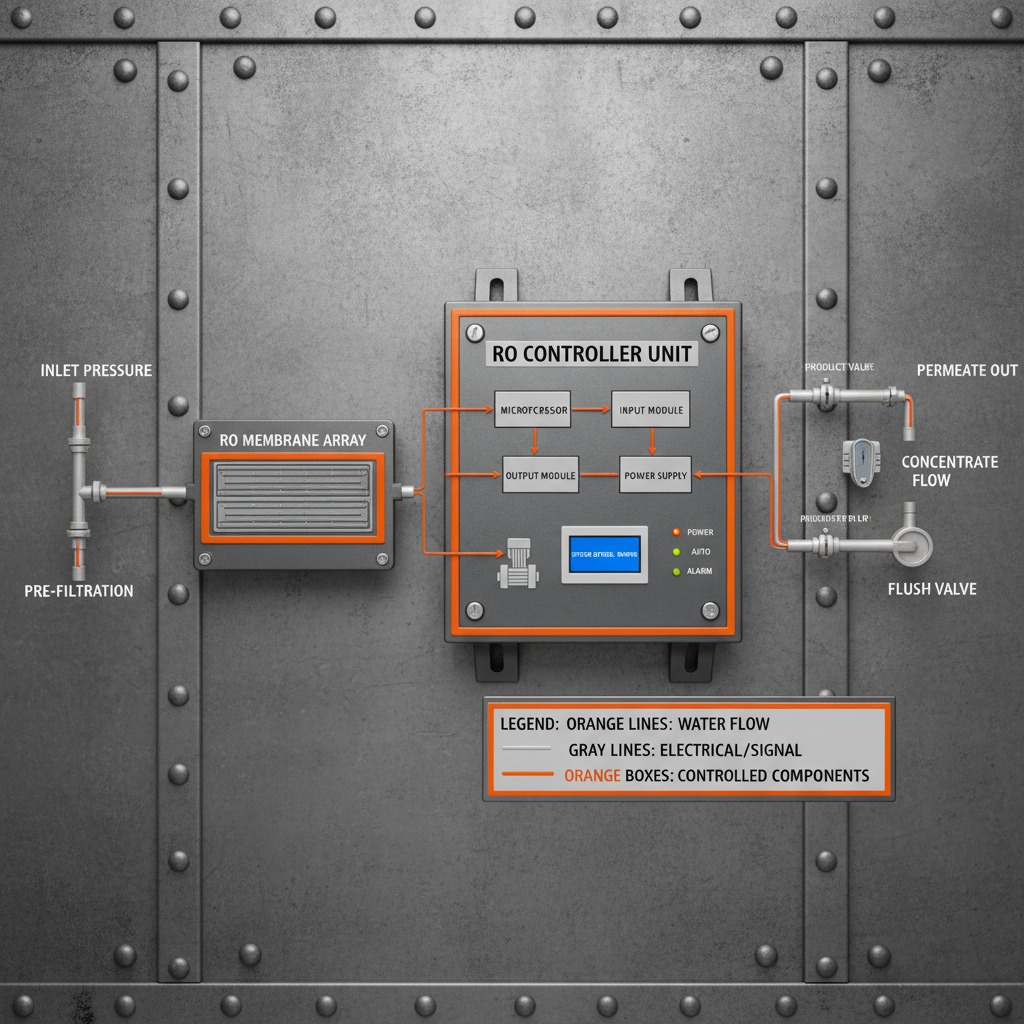
Guide to Choosing the Right RO Controller for Water PurificationMaintaining a high-performance reverse osmosis system requires more than just quality membranes; it demands precise regulation. An ro controller serves as the brain of the entire operation, monitoring critical parameters such as conductivity, temperature, and flow rates to ensure the output water meets stringent purity standards. Without an efficient controller, systems are prone to membrane fouling, inefficient energy use, and inconsistent water quality. In this comprehensive guide, we will explore how these devices optimize water treatment processes and how to select the best model for your specific industrial or commercial needs.
2026-04-09 03:25:47
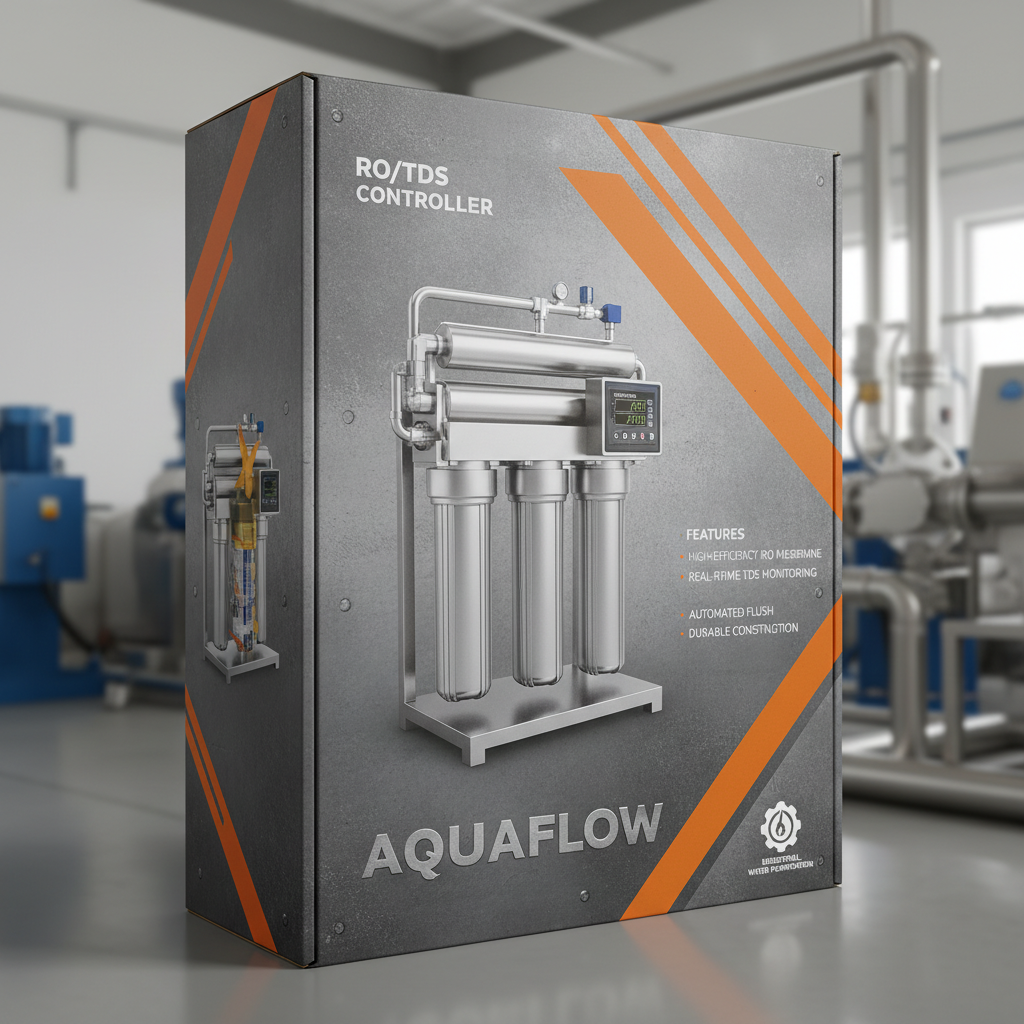
Guide to Water Purity Using RO with TDS Controller SystemsAchieving the perfect balance of mineral content and purity in drinking water is a challenge for many households and industrial facilities. A ro with tds controller offers a sophisticated solution by combining the rigorous filtration of Reverse Osmosis (RO) with the precision of a Total Dissolved Solids (TDS) adjustment system. While standard RO systems remove almost everything, including beneficial minerals, a TDS controller allows users to re-mineralize the water to a desired level. This ensures that the water is not only safe and pure but also tastes better and provides essential nutrients.
2026-04-07 03:17:09
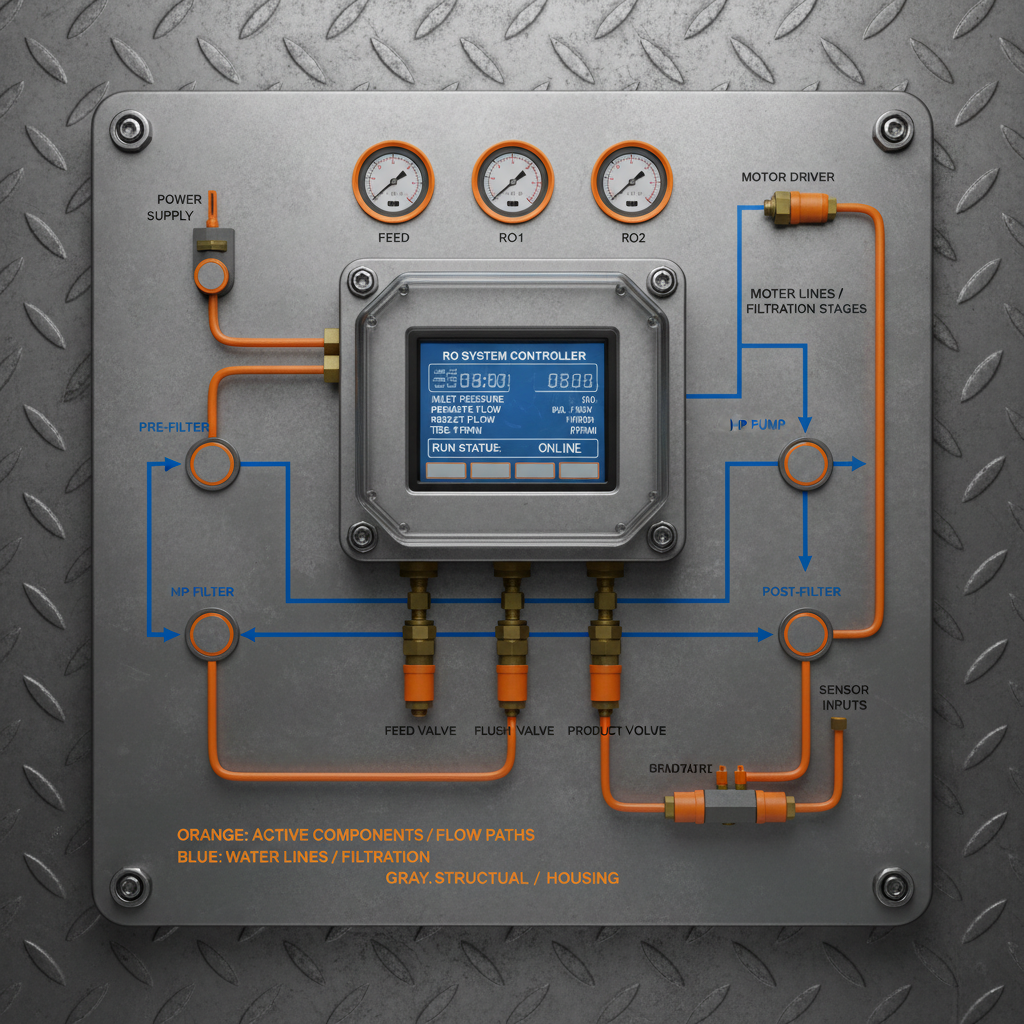
Understanding and Optimizing Reverse Osmosis Systems with a ControllerIn the world of water purification, reverse osmosis (RO) systems are a cornerstone for producing high-quality water for various applications, from drinking water to industrial processes. However, an RO system is only as effective as its control system. This is where the reverse osmosis controller comes into play. This critical component manages and optimizes the RO process, ensuring efficient operation, water quality, and system longevity.
2026-04-04 03:27:19
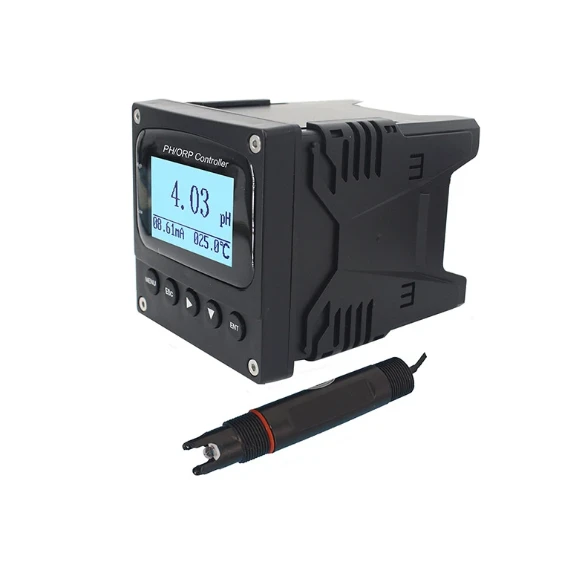
Understanding the Vital Role of an RO System Controller for Optimal PerformanceReverse Osmosis (RO) systems are critical for purifying water across various industries, from residential applications to large-scale industrial processes. At the heart of a well-functioning RO system lies the RO system controller. This intelligent device monitors and regulates all key parameters of the RO process, ensuring optimal performance, efficiency, and water quality. This article delves into the functionalities, benefits, and selection criteria for choosing the right RO system controller, particularly focusing on those offered by Watequipments. Understanding its role is crucial for maximizing the lifespan and effectiveness of your RO investment.
2026-03-24 17:18:24
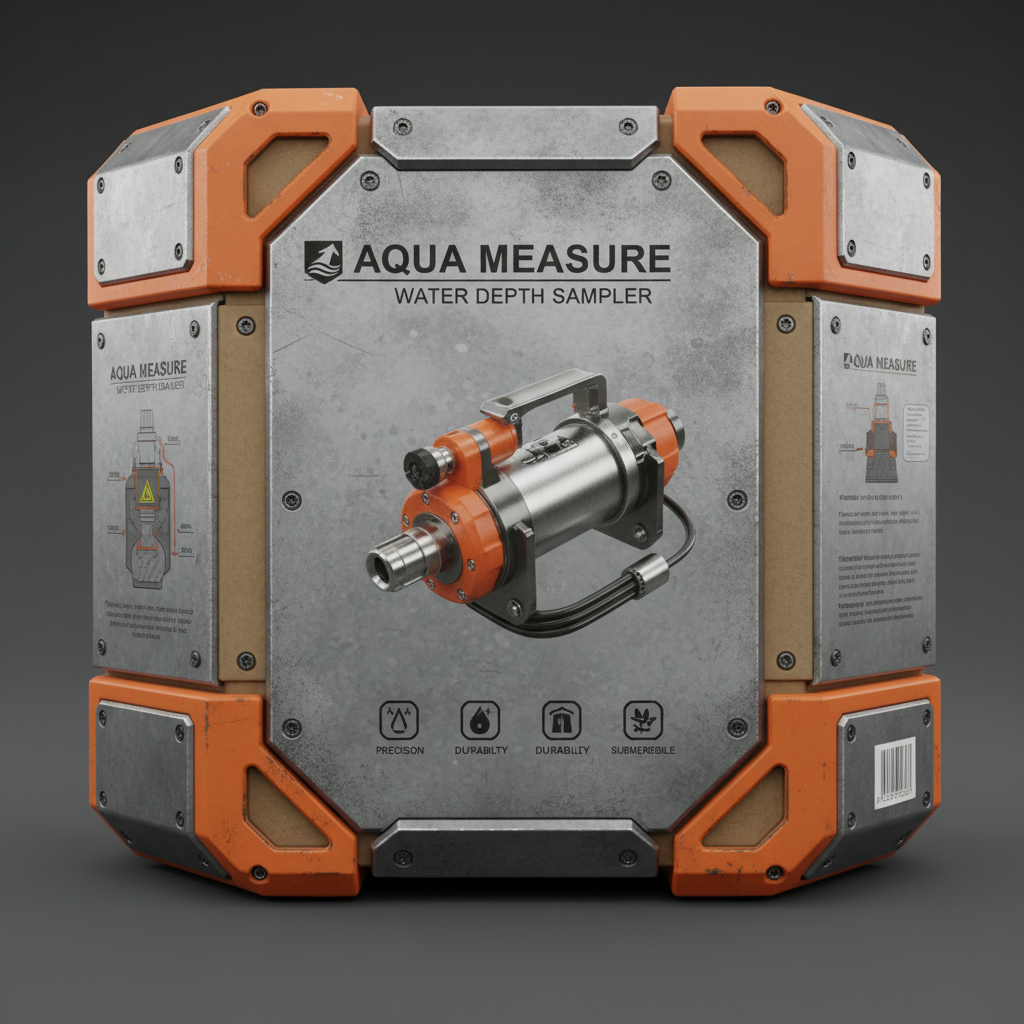
Smart Water Treatment Solutions Using PH ORP Controller SystemsIn modern water treatment and industrial fluid management, maintaining precise chemical balance is essential for safety, efficiency, and regulatory compliance.
2026-03-04 02:55:19
Comprehensive Guide to Water Depth Samplers and Their ApplicationsAccurate water quality monitoring is crucial in various fields, from environmental science and aquaculture to industrial wastewater management. A key tool for this is the water depth sampler. This article provides an in-depth look at water depth samplers, their applications, types, and essential considerations for choosing the right one for your needs. We'll explore the benefits of utilizing this equipment to collect reliable data for analysis and informed decision-making. Selecting the right sampler can significantly improve the precision and efficiency of your water monitoring program. A water depth sampler, also known as a depth-integrated sampler, is a device designed to collect water samples from specific depths within a body of water. Unlike simply dipping a container into the water, a depth sampler allows for collection of a representative sample across a defined depth range. This is critical because water properties (temperature, salinity, pollutants) often vary significantly with depth. The data gathered with a water depth sampler provides a more accurate assessment of water quality than surface samples alone.
2026-03-03 18:55:22
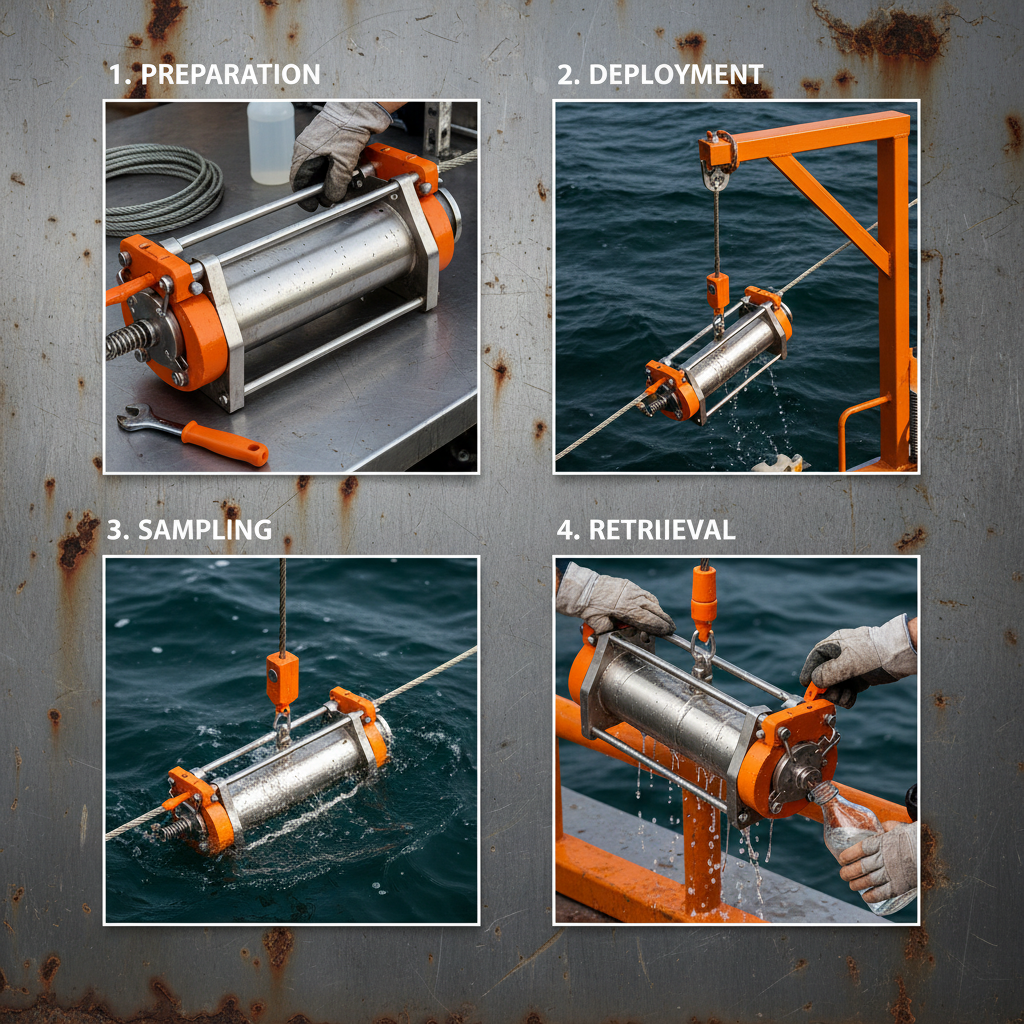
Comprehensive Guide to Horizontal Water Sampler Applications and SelectionCollecting water samples at varying depths is crucial for environmental monitoring, research, and quality control. The horizontal water sampler from Watequipment.com offers a precise and efficient solution for this task. This article provides an in-depth look at horizontal water samplers, their applications, benefits, and key considerations when choosing the right model. We will explore how these samplers contribute to accurate data collection and informed decision-making in various fields. A horizontal water sampler is a device designed to collect water samples from specific depths within a body of water – rivers, lakes, oceans, reservoirs, and even wastewater treatment plants. Unlike vertical samplers which primarily focus on depth, horizontal samplers prioritize collecting samples at a consistent depth while moving along a horizontal plane. This is essential for assessing water quality variations across a waterway or within a specific zone. They are used in applications ranging from environmental monitoring and scientific research to industrial process control and regulatory compliance.
2026-02-28 02:35:09
Comprehensive Guide to Selecting the Right Surface Water Sampler for Your NeedsMonitoring the quality of surface water is critical for environmental protection, public health, and various industrial applications. A surface water sampler is an essential tool for collecting representative samples from rivers, lakes, ponds, and other surface water sources. This article provides a detailed overview of surface water samplers, their types, applications, and key considerations for selecting the right equipment. Accurate water quality data relies on proper sample collection, and choosing the correct sampler is the first step toward achieving reliable results. Surface water samplers come in various designs, each suited to specific sampling needs. Common types include grab samplers, depth-integrating samplers, peristaltic pumps, and automatic samplers. Surface water samplers are used across a broad spectrum of applications, including environmental monitoring, wastewater discharge monitoring, drinking water source monitoring, agricultural runoff analysis, and research studies.

 English