


Comprehensive Guide to 16mm Inline Lateral Pipe Price for B2B Decision Makers

Comprehensive Guide to 16mm Inline Lateral Pipe Price for B2B Decision Makers
Dec . 03, 2025
16mm Inline Lateral Pipe Price is a key solution in the industry, specifically within water management and irrigation sectors. This article explores how https://www.watequipments.com supports professionals with durable, high-performance products, and explains why this product is an ideal choice for businesses in these sectors.
Table of Contents
- 16mm Inline Lateral Pipe Price Overview
- Benefits & Use Cases of 16mm Inline Lateral Pipe Price
- Cost, Maintenance & User Experience
- Sustainability & Market Trends
16mm Inline Lateral Pipe Price Overview
The 16mm inline lateral pipe is a pivotal component in irrigation systems and water management infrastructure. Frankly, it’s the unsung hero that delivers precise water flow right where it’s needed. Inline laterals of this dimension typically serve as the connective tissue between mains and emitters, ensuring even distribution with minimal pressure loss. The “price” part honestly weighs heavily on purchasing decisions for B2B buyers, especially when balancing quality and budget. In real terms, investing in a reliable 16mm inline lateral pipe means less downtime, easier installation, and greater system longevity.
- Constructed from UV-stabilized polyethylene, these pipes resist cracking and degradation, even in harsh environments.
- Common specs include 16mm outer diameter with 1.2mm wall thickness and excellent compatibility with micro-irrigation fittings.
- For example, a case in California vineyards showed a 15% increase in water use efficiency when upgrading to premium 16mm laterals.
| Specification | Details |
|---|---|
| Outer Diameter | 16 mm |
| Wall Thickness | 1.2 mm |
| Material | UV-Stabilized Polyethylene |
| Max Pressure | 6 bar |
| Temperature Range | -10°C to 60°C |
Benefits & Use Cases of 16mm Inline Lateral Pipe Price
When discussing practical uses, industries from agriculture to landscaping swear by 16mm inline laterals. They’re the backbone of drip irrigation systems because of their precise output and hassle-free fittings. Many engineers note how the consistent diameter mitigates clogging issues often seen in smaller or irregular pipes. Beyond that, because these pipes are relatively lightweight and flexible, installation is kind of a breeze compared to rigid piping systems.
- Widely used in greenhouses where water efficiency and uniform delivery are critical.
- Favored in golf course maintenance for even turf watering without oversaturating fragile zones.
- Competitive advantage: excellent durability paired with cost-effective pricing, making it a solid choice for large-scale projects.
| Vendor | Material Quality | Price per Meter | Warranty | Lead Time |
|---|---|---|---|---|
| WaterEquipment.com | High UV resistance | $0.45 | 5 years | 2 weeks |
| Generic Supplier A | Medium UV resistance | $0.38 | 2 years | 1 week |
| Supplier B | Low UV resistance | $0.35 | 1 year | 4 weeks |
Cost, Maintenance & User Experience
Considering the total cost of ownership, 16mm inline lateral pipes offer a strong return on investment. While the upfront price might be a pinch higher than cheaper alternatives, their durability significantly reduces maintenance costs. In fact, many customers share how fewer replacements and leak repairs saved them thousands annually. Also, ease of installation means less labor expense; that’s often overlooked but it’s a real factor in large-scale irrigation deployments.
- Robust flexibility cuts down on breakage during seasonal setups.
- Feedback highlights consistent pressure regulation and minimal clogging.
Sustainability & Market Trends
Oddly enough, the market for irrigation components like 16mm inline lateral pipes has been influenced heavily by environmental regulations and sustainability goals. More companies now demand products made from recyclable, low-impact materials — something polyethylene fits in with, though options incorporating recycled content are still emerging. Additionally, water scarcity issues drive adoption of highly efficient systems, pushing innovation in pipe design and manufacturing.
- Increasing government subsidies for water-saving technologies are fueling demand.
- Rising interest in smart irrigation integrations may affect lateral pipe specs soon.
Frequently Asked Questions about 16mm Inline Lateral Pipe Price
- What is 16mm Inline Lateral Pipe Price and how does it work?
- It refers to the cost of purchasing a pipe with 16mm diameter specifically designed for inline lateral irrigation systems. It works by channeling water evenly through emitters connected along its length, maintaining steady pressure for optimal irrigation.
- What are the main benefits of using 16mm Inline Lateral Pipe Price in industrial applications?
- Key advantages include its durability, UV resistance, cost efficiency over time, and the ability to maintain even water distribution, which is crucial in agriculture and landscaping.
- How does 16mm Inline Lateral Pipe Price compare to traditional alternatives?
- Compared to older rigid pipes or smaller diameter tubing, 16mm inline laterals offer better flow control, flexibility for installation, and longer life span, which enhances overall system reliability.
- What industries can benefit most from 16mm Inline Lateral Pipe Price implementation?
- Agriculture, horticulture, golf courses, nurseries, and landscape management are primary beneficiaries due to their dependence on efficient water delivery systems.
Conclusion on 16mm Inline Lateral Pipe Price from china
All things considered, the value that 16mm Inline Lateral Pipe Price brings to the table is clear. It balances cost-effectiveness with robust performance, and the backing of trusted suppliers means businesses don’t have to compromise. Whether you’re updating an irrigation system or starting afresh, this pipe size often feels like just the right fit.
- Reliable, efficient, and cost-competitive solution.
- Explore more and get a quote at https://www.watequipments.com
Reflecting on the details, it seems clear that smart infrastructure decisions hinge on durable components like these. As water efficiency becomes a global priority, investing in quality inline lateral pipes isn’t just smart, it’s essential.
References:
1. Irrigation Association, Technical Guide 2023
2. WaterEquipment.com Product Data Sheets
3. Agritech Case Studies 2022

Related Products
Related News
2026-04-16 03:20:19
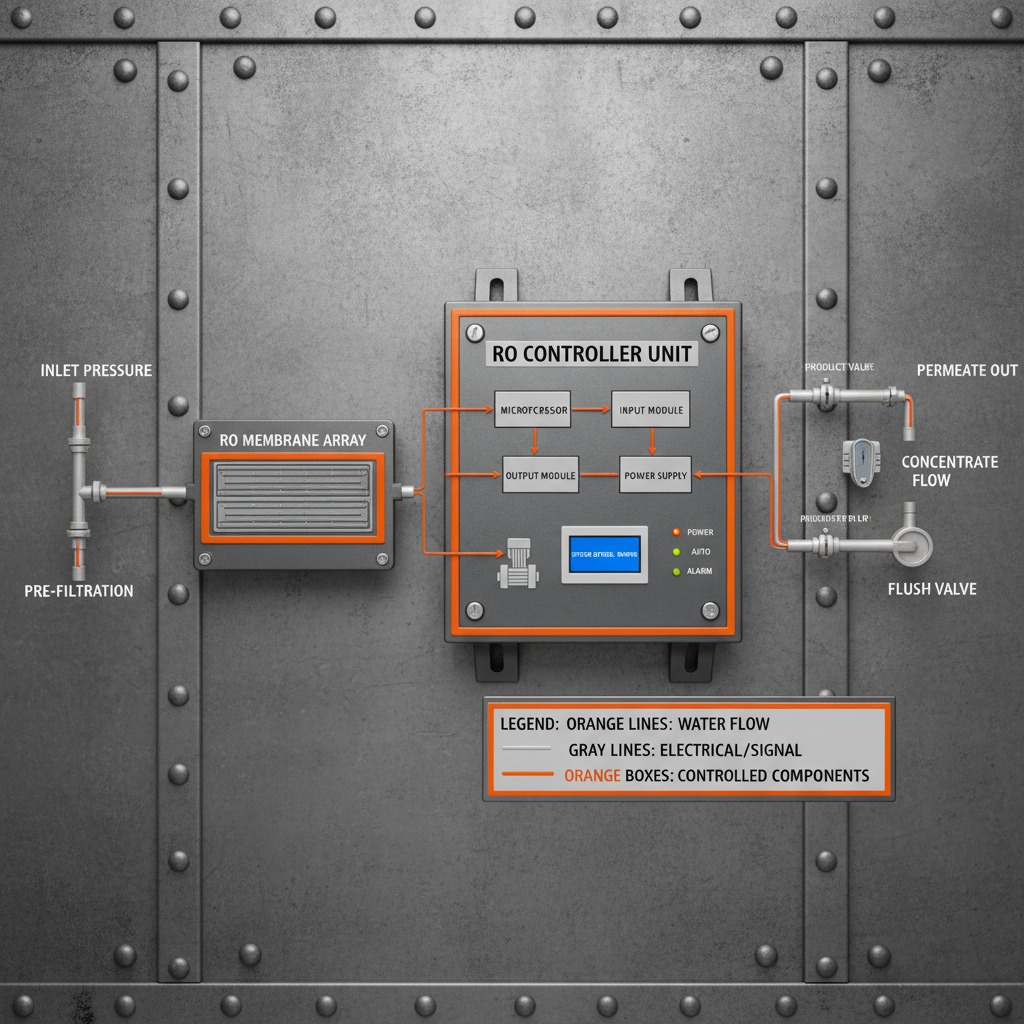
Guide to Choosing the Right RO Controller for Water PurificationMaintaining a high-performance reverse osmosis system requires more than just quality membranes; it demands precise regulation. An ro controller serves as the brain of the entire operation, monitoring critical parameters such as conductivity, temperature, and flow rates to ensure the output water meets stringent purity standards. Without an efficient controller, systems are prone to membrane fouling, inefficient energy use, and inconsistent water quality. In this comprehensive guide, we will explore how these devices optimize water treatment processes and how to select the best model for your specific industrial or commercial needs.
2026-04-09 03:25:47
Guide to Water Purity Using RO with TDS Controller SystemsAchieving the perfect balance of mineral content and purity in drinking water is a challenge for many households and industrial facilities. A ro with tds controller offers a sophisticated solution by combining the rigorous filtration of Reverse Osmosis (RO) with the precision of a Total Dissolved Solids (TDS) adjustment system. While standard RO systems remove almost everything, including beneficial minerals, a TDS controller allows users to re-mineralize the water to a desired level. This ensures that the water is not only safe and pure but also tastes better and provides essential nutrients.
2026-04-07 03:17:09
Understanding and Optimizing Reverse Osmosis Systems with a ControllerIn the world of water purification, reverse osmosis (RO) systems are a cornerstone for producing high-quality water for various applications, from drinking water to industrial processes. However, an RO system is only as effective as its control system. This is where the reverse osmosis controller comes into play. This critical component manages and optimizes the RO process, ensuring efficient operation, water quality, and system longevity.
2026-04-04 03:27:19
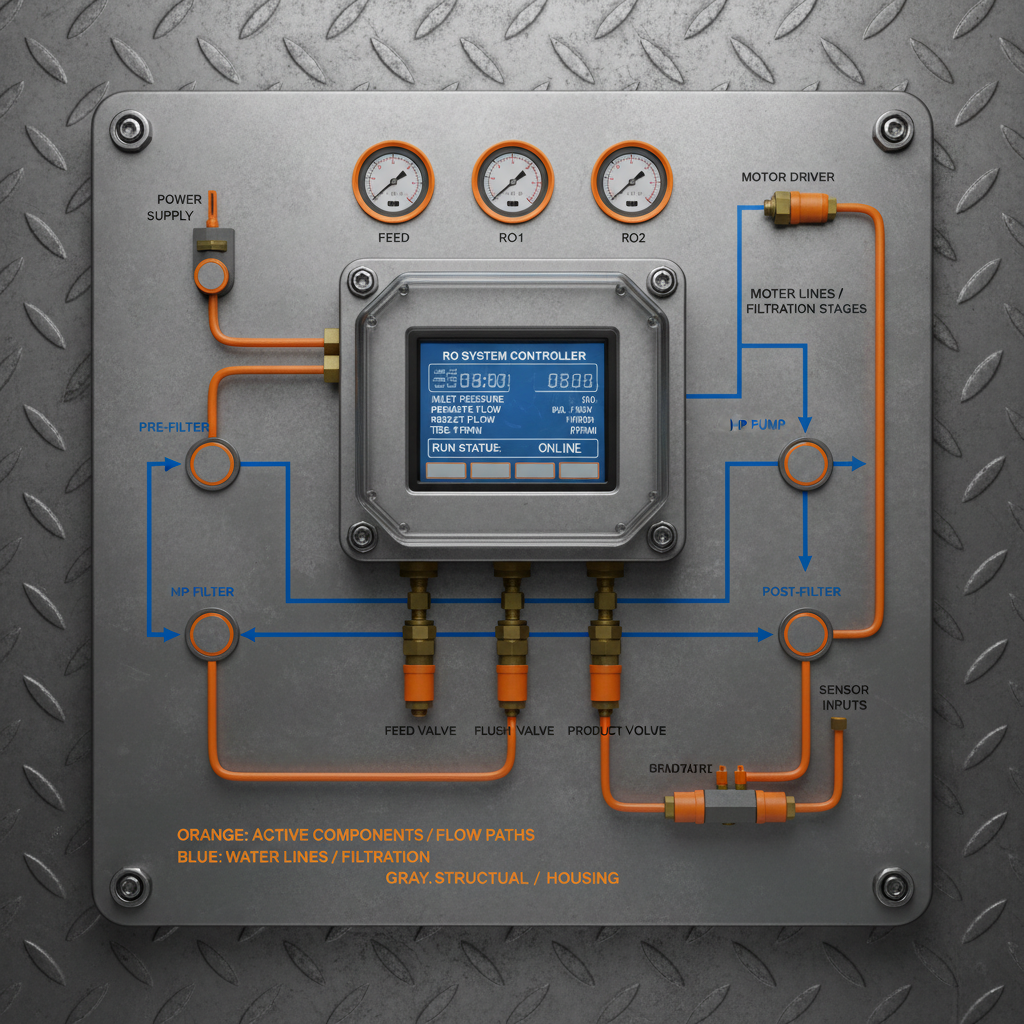
Understanding the Vital Role of an RO System Controller for Optimal PerformanceReverse Osmosis (RO) systems are critical for purifying water across various industries, from residential applications to large-scale industrial processes. At the heart of a well-functioning RO system lies the RO system controller. This intelligent device monitors and regulates all key parameters of the RO process, ensuring optimal performance, efficiency, and water quality. This article delves into the functionalities, benefits, and selection criteria for choosing the right RO system controller, particularly focusing on those offered by Watequipments. Understanding its role is crucial for maximizing the lifespan and effectiveness of your RO investment.
2026-03-24 17:18:24
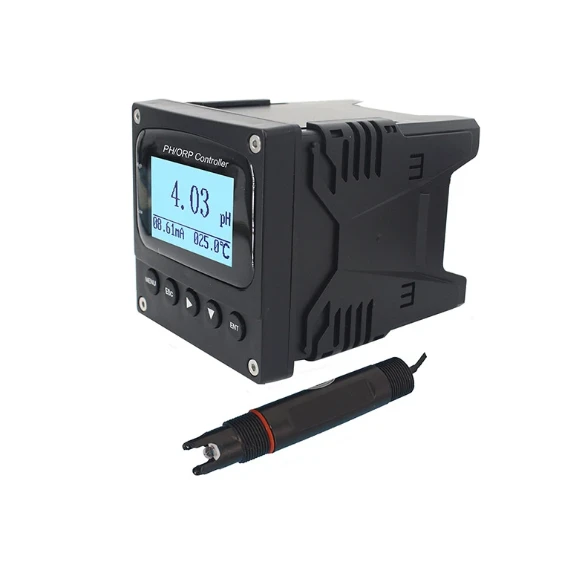
Smart Water Treatment Solutions Using PH ORP Controller SystemsIn modern water treatment and industrial fluid management, maintaining precise chemical balance is essential for safety, efficiency, and regulatory compliance.
2026-03-04 02:55:19
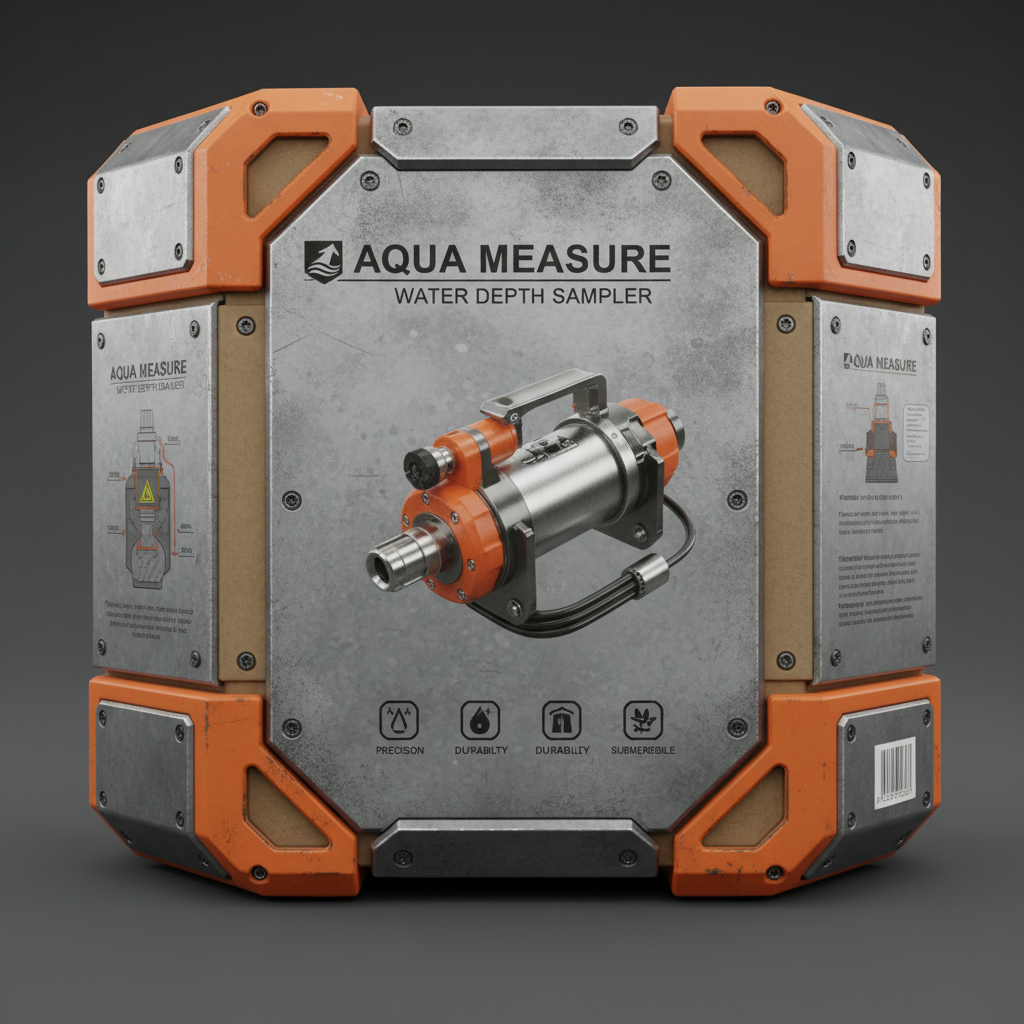
Comprehensive Guide to Water Depth Samplers and Their ApplicationsAccurate water quality monitoring is crucial in various fields, from environmental science and aquaculture to industrial wastewater management. A key tool for this is the water depth sampler. This article provides an in-depth look at water depth samplers, their applications, types, and essential considerations for choosing the right one for your needs. We'll explore the benefits of utilizing this equipment to collect reliable data for analysis and informed decision-making. Selecting the right sampler can significantly improve the precision and efficiency of your water monitoring program. A water depth sampler, also known as a depth-integrated sampler, is a device designed to collect water samples from specific depths within a body of water. Unlike simply dipping a container into the water, a depth sampler allows for collection of a representative sample across a defined depth range. This is critical because water properties (temperature, salinity, pollutants) often vary significantly with depth. The data gathered with a water depth sampler provides a more accurate assessment of water quality than surface samples alone.
2026-03-03 18:55:22
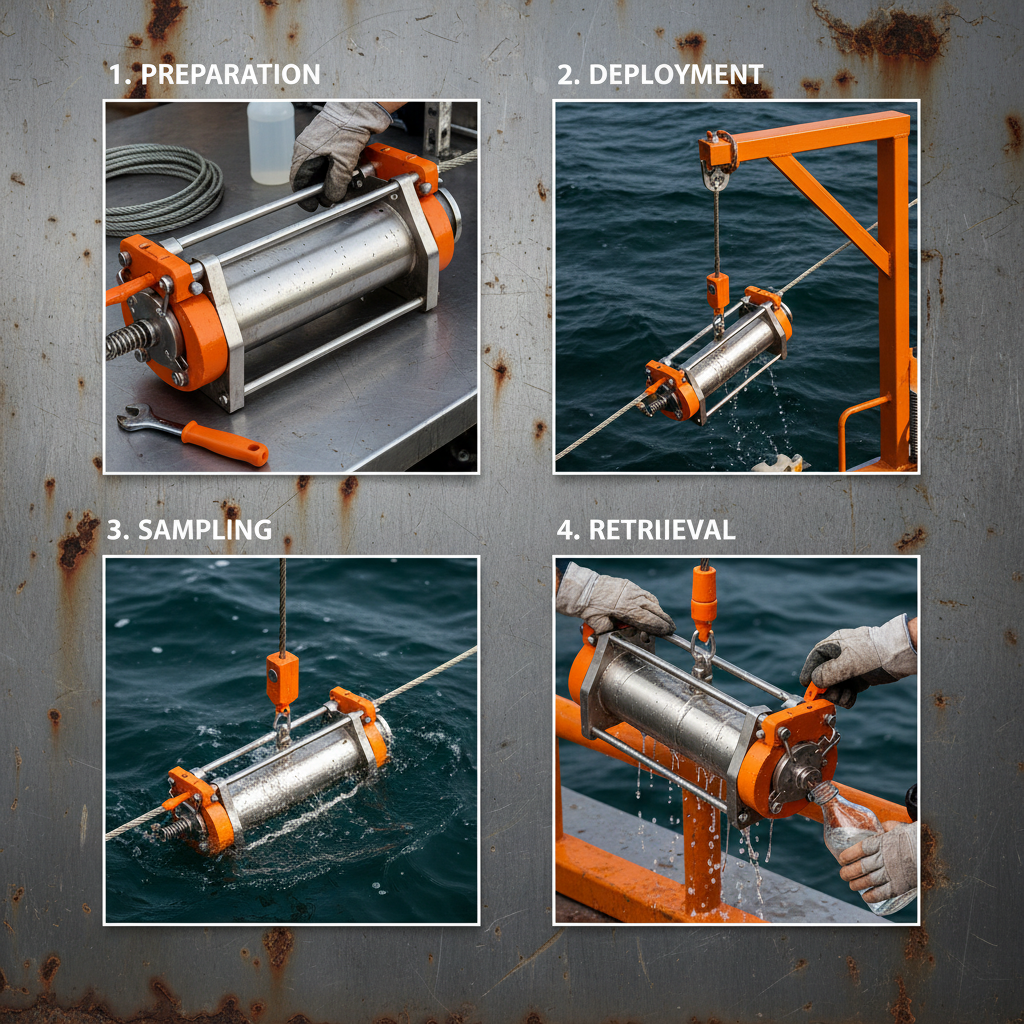
Comprehensive Guide to Horizontal Water Sampler Applications and SelectionCollecting water samples at varying depths is crucial for environmental monitoring, research, and quality control. The horizontal water sampler from Watequipment.com offers a precise and efficient solution for this task. This article provides an in-depth look at horizontal water samplers, their applications, benefits, and key considerations when choosing the right model. We will explore how these samplers contribute to accurate data collection and informed decision-making in various fields. A horizontal water sampler is a device designed to collect water samples from specific depths within a body of water – rivers, lakes, oceans, reservoirs, and even wastewater treatment plants. Unlike vertical samplers which primarily focus on depth, horizontal samplers prioritize collecting samples at a consistent depth while moving along a horizontal plane. This is essential for assessing water quality variations across a waterway or within a specific zone. They are used in applications ranging from environmental monitoring and scientific research to industrial process control and regulatory compliance.
2026-02-28 02:35:09
Comprehensive Guide to Selecting the Right Surface Water Sampler for Your NeedsMonitoring the quality of surface water is critical for environmental protection, public health, and various industrial applications. A surface water sampler is an essential tool for collecting representative samples from rivers, lakes, ponds, and other surface water sources. This article provides a detailed overview of surface water samplers, their types, applications, and key considerations for selecting the right equipment. Accurate water quality data relies on proper sample collection, and choosing the correct sampler is the first step toward achieving reliable results. Surface water samplers come in various designs, each suited to specific sampling needs. Common types include grab samplers, depth-integrating samplers, peristaltic pumps, and automatic samplers. Surface water samplers are used across a broad spectrum of applications, including environmental monitoring, wastewater discharge monitoring, drinking water source monitoring, agricultural runoff analysis, and research studies.

 English