


Comprehensive Guide to Oxygen Meter Sensor Technology and Applications

Comprehensive Guide to Oxygen Meter Sensor Technology and Applications
Nov . 30, 2025
Understanding Oxygen Meter Sensors: A Small Device with a Global Impact
Oxygen meter sensors might sound like something out of a sci-fi laboratory, but their importance couldn't be more down-to-earth. Whether it's safeguarding industrial safety, supporting medical patients, or even monitoring environmental health, these sensors quietly do the heavy lifting. Grasping what an oxygen meter sensor can do is more than a technical detail; it’s a ticket to better health, smarter industries, and, oddly enough, a more sustainable planet.
Why Oxygen Meter Sensors Matter Globally
Across the globe, oxygen levels can mean the difference between life and death — in hospitals, factories, and even natural ecosystems. According to the World Health Organization, monitoring oxygen is critical in respiratory care, with the demand for oxygen sensors rising sharply in both developed and developing countries. At an industrial scale, ISO standards for workplace air quality have driven widespread adoption of precise oxygen measurement to ensure safety. Meanwhile, international efforts to address climate change (hello, UN Environment Programme) are increasingly relying on sensors that monitor atmospheric changes in oxygen levels.
But here’s a problem: many regions still struggle with affordable, reliable oxygen measurement tools. Without them, industries risk explosions, hospitals face shortage crises, and monitoring environmental oxygen depletion becomes guesswork rather than science.
Mini takeaway: Oxygen meter sensors are no longer a luxury. They’re a global necessity intersecting health, safety, and sustainability.
What Is an Oxygen Meter Sensor, Exactly?
Simply put, an oxygen meter sensor is a device that measures the concentration of oxygen in a gas or liquid. Think of it as a tiny electronic eye that tells you just how much oxygen is around or dissolved in something. They're crucial in everything from ventilators in medical settings to vaults ensuring safe concentrations in metal-refining plants.
Modern oxygen sensors come in different varieties — electrochemical cells, zirconium oxide, and optical sensors — each tailored to specific environments and precision needs. Their essence, however, remains the same: reliable oxygen measurement to help humans control and understand environments better.
Key Components That Make Oxygen Meter Sensors Tick
1. Sensor Technology
The core of any oxygen meter sensor is its sensing element. Electrochemical sensors react with oxygen molecules creating a measurable current; zirconium oxide sensors use a ceramic element that measures oxygen partial pressure at high temperatures; and optical sensors analyze light absorption changes due to oxygen concentration. The choice depends on factors like temperature, environment, and required accuracy.
2. Durability and Environmental Resistance
Many sensors operate in harsh or demanding environments—think chemical plants, mines, or outdoor air quality monitors. The sensor housing and materials must withstand humidity, corrosion, and temperature swings. Longevity here is crucial because replacing sensors frequently can become a costly headache.
3. Accuracy and Calibration
Accuracy isn’t just a selling point; it’s a necessity. Poor calibration leads to dangerous misreads — and nobody wants that. Most reliable oxygen sensors come with easy calibration options, some automatic, ensuring data stays trustworthy over time even amid changing conditions.
4. Response Time
How quickly a sensor registers changes in oxygen concentration can be the difference between preventing a hazardous incident or missing the warning signs. Fast response times are particularly vital in medical applications, combustion monitoring, and safety systems.
5. Integration with Systems
Modern oxygen meter sensors rarely live in isolation. They are integrated into control systems, alarms, or data loggers via analog outputs, digital communication (like Modbus), or wireless links. Flexibility here allows precise monitoring and smart automation.
6. Cost and Scalability
While some high-end sensors can be expensive, there’s a growing market for cost-effective options deploying at scale, especially in environmental monitoring or emerging markets. Scalability often depends on sensor modularity and ease of installation.
Mini takeaway: The beauty of an oxygen meter sensor lies in balancing technology, durability, accuracy, and cost — all catering to the context it serves.
How Oxygen Meter Sensors Are Changing the World
Oxygen meter sensors have found homes in some surprising places — and their impact is everywhere.
- Healthcare: From ICU ventilators to portable oxygen concentrators, these sensors ensure patients receive the right oxygen mix. In disaster zones, they support emergency responders monitoring air quality during fires or gas leaks.
- Industrial Safety: In factories dealing with flammable gases or confined spaces, continuous oxygen sensing prevents fatal accidents by triggering alarms when oxygen levels drift.
- Environmental Monitoring: Remote sensing stations track oxygen content in water bodies, highlighting pollution or algal blooms. Forest rangers even use portable meters to assess wildfire risks.
- Food Packaging: Modified atmosphere packaging relies on oxygen sensors to keep produce fresh longer — a quiet champion of reduced food waste.
Regions like North America and Europe lead in industrial sensor adoption, but Asia-Pacific and emerging markets are quickly catching up — fueled by growing industrialization and healthcare infrastructure.
Example: A mining operation in Chile recently upgraded its safety protocol with oxygen meter sensor arrays, drastically reducing incidents related to oxygen-deficient environments.
Oxygen Meter Sensor Specifications at a Glance
| Specification | Typical Range | Units | Notes |
|---|---|---|---|
| Oxygen Concentration | 0–100 | % Vol. | Measures oxygen in gases |
| Response Time (T90) | 5–20 | seconds | Time to 90% signal change |
| Operating Temperature | -10 to 50 | °C | Typical ambient range |
| Sensor Life | 12–24 | months | Depends on usage |
| Calibration Interval | 1–3 | months | Ensures accuracy |
Comparing Top Vendors of Oxygen Meter Sensors
| Vendor | Sensor Type | Price Range (USD) | Best For | Warranty |
|---|---|---|---|---|
| SensOx Inc. | Electrochemical | $150 - $350 | Medical & Industrial | 2 years |
| OxyPure Systems | Optical | $400 - $700 | High Accuracy & Research | 3 years |
| ZirconTech | Zirconium Oxide | $250 - $500 | Industrial & Harsh Environments | 2 years |
Why Invest in Oxygen Meter Sensors? Advantages You’ll Actually Notice
Beyond the specs and tech jargon, oxygen meter sensors offer real-world benefits that matter deeply. Let’s talk about safety first: accurate oxygen measurement is often the first line of defense against explosive atmospheres or suffocation risks — that’s not something you want to dodge.
Then there’s sustainability. Precise oxygen data helps optimize combustion processes, reducing greenhouse gas emissions—a win for industry and planet alike. In healthcare, reliable oxygen sensing can mean faster, more effective patient care, sometimes even saving lives.
On a societal level, these sensors empower public health agencies to monitor urban air quality, fostering trust and dignity in communities facing pollution challenges. Together with automation and IoT, oxygen sensors are shaping smarter, safer, more empathetic systems.
Looking Ahead: What's Next for Oxygen Meter Sensor Technology?
If you think oxygen sensors are done evolving, think again. Future trends include miniaturization, enabling wearable oxygen meters for real-time patient monitoring outside hospitals. Smart sensors integrated with AI promise predictive analytics — spotting hazardous oxygen level drops before humans even notice.
There’s also a big push towards greener materials and energy-efficient sensor designs, aligned with global sustainability goals. Plus, combining oxygen sensing with other gas measurements allows comprehensive environmental dashboards—useful for everything from factory emissions to urban air quality alerts.
Challenges Today—and How Engineers Are Tackling Them
It would be dishonest to say oxygen meter sensors have no hurdles. Sensor drift over time, sensitivity to contaminants, and cost barriers in low-income regions remain tough nuts to crack. Calibration can be tricky in the field, and harsh environments sometimes degrade sensor lifespan faster than manufacturers promise.
Experts are responding with innovative coatings against fouling, remote calibration via connected systems, and modular replacements that save time and money. Additionally, partnerships with NGOs and governments are making reliable oxygen monitoring more accessible worldwide.
FAQs: What People Really Want to Know About Oxygen Meter Sensors
- How often should I calibrate my oxygen meter sensor?
- Generally, calibration intervals range from 1 to 3 months depending on sensor type and usage conditions. Frequent calibration ensures accuracy and safety, especially in critical environments like hospitals or chemical plants.
- Can oxygen meter sensors work in humid or wet environments?
- Yes, but sensor choice matters. Electrochemical sensors may be sensitive to humidity, while some zirconium oxide and optical sensors handle moisture better. Always check manufacturer specs and consider protective housings.
- Are wireless oxygen meter sensors reliable?
- Advances in IoT have made wireless sensors increasingly dependable. However, wireless systems must have robust signal integrity and security features to prevent data loss or tampering, especially in safety-critical applications.
- What’s the average lifespan of an oxygen meter sensor?
- Life expectancy varies widely based on type and operating conditions, but most sensors last between 12 to 24 months. Proper maintenance and avoiding harsh chemicals can extend lifespan.
- Where can I source reliable oxygen meter sensors?
- Reputable industrial suppliers like SensOx Inc., OxyPure Systems, and ZirconTech offer tested product lines. For detailed specs and current availability, visit our recommended supplier page.
Let’s Wrap It Up
Oxygen meter sensors are small but mighty instruments shaping how we protect lives, optimize industries, and care for our environment. Their ongoing evolution promises smarter, safer, and more sustainable futures. If you’re curious to explore how these sensors can power your applications—whether medical, industrial, or environmental—drop by our website and get connected.
Thank you for joining me on this deep dive into oxygen meter sensors. It's fascinating how something so seemingly technical quietly supports so much of our daily world.
References

Related Products
Related News
2026-04-16 03:20:19
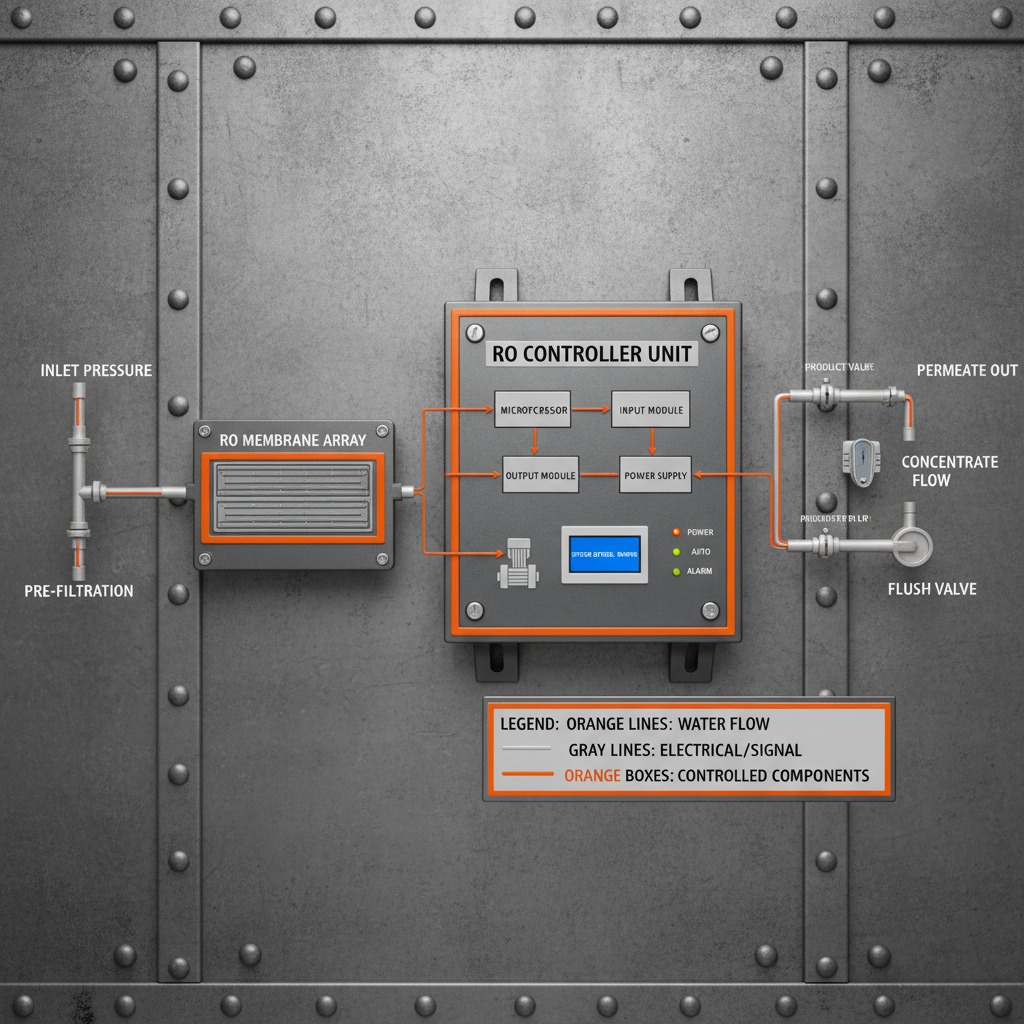
Guide to Choosing the Right RO Controller for Water PurificationMaintaining a high-performance reverse osmosis system requires more than just quality membranes; it demands precise regulation. An ro controller serves as the brain of the entire operation, monitoring critical parameters such as conductivity, temperature, and flow rates to ensure the output water meets stringent purity standards. Without an efficient controller, systems are prone to membrane fouling, inefficient energy use, and inconsistent water quality. In this comprehensive guide, we will explore how these devices optimize water treatment processes and how to select the best model for your specific industrial or commercial needs.
2026-04-09 03:25:47
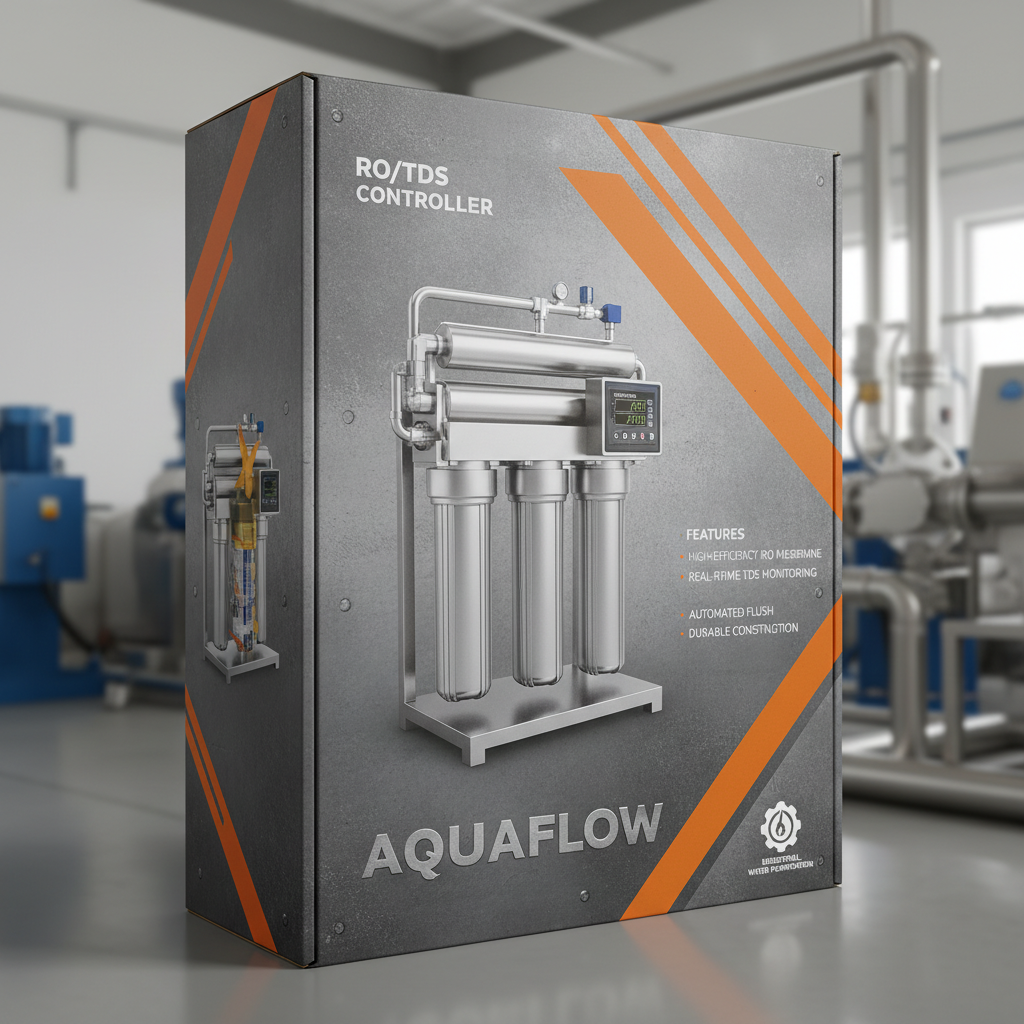
Guide to Water Purity Using RO with TDS Controller SystemsAchieving the perfect balance of mineral content and purity in drinking water is a challenge for many households and industrial facilities. A ro with tds controller offers a sophisticated solution by combining the rigorous filtration of Reverse Osmosis (RO) with the precision of a Total Dissolved Solids (TDS) adjustment system. While standard RO systems remove almost everything, including beneficial minerals, a TDS controller allows users to re-mineralize the water to a desired level. This ensures that the water is not only safe and pure but also tastes better and provides essential nutrients.
2026-04-07 03:17:09
Understanding and Optimizing Reverse Osmosis Systems with a ControllerIn the world of water purification, reverse osmosis (RO) systems are a cornerstone for producing high-quality water for various applications, from drinking water to industrial processes. However, an RO system is only as effective as its control system. This is where the reverse osmosis controller comes into play. This critical component manages and optimizes the RO process, ensuring efficient operation, water quality, and system longevity.
2026-04-04 03:27:19
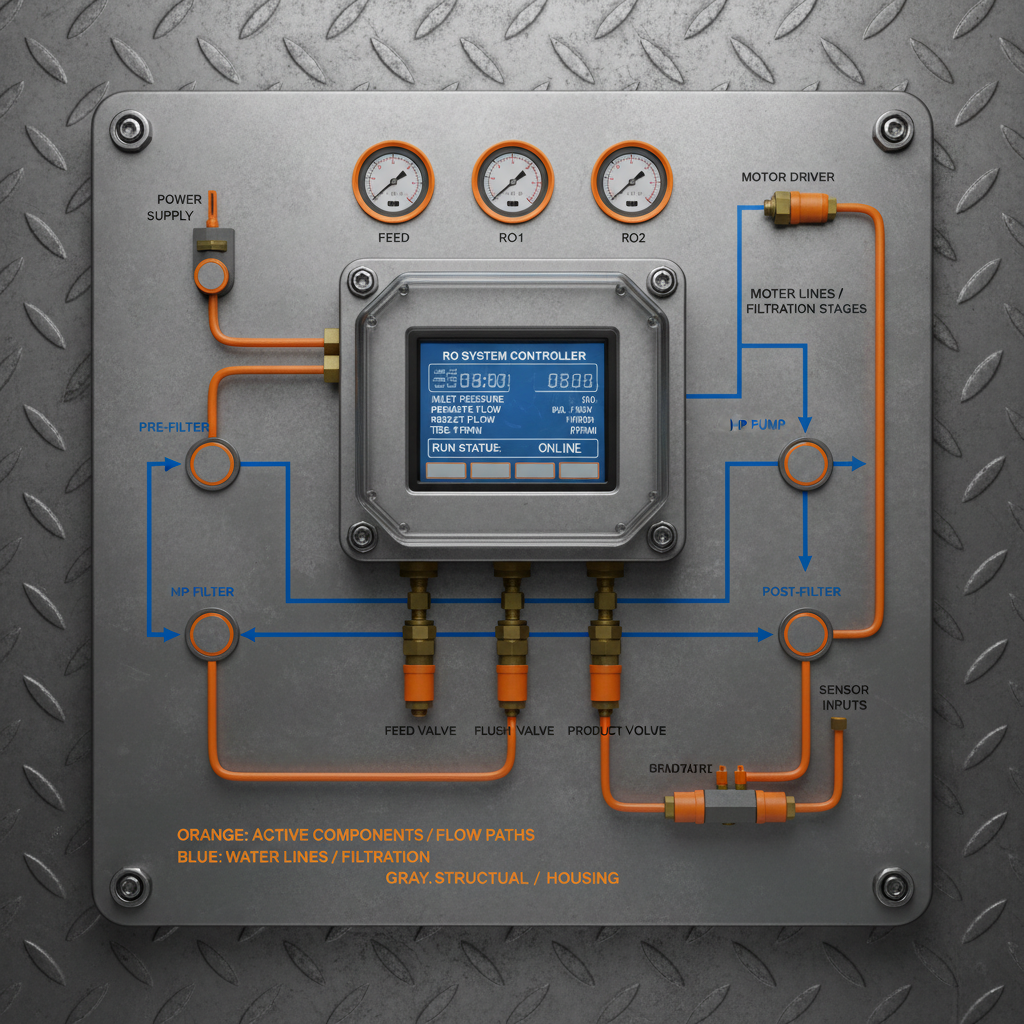
Understanding the Vital Role of an RO System Controller for Optimal PerformanceReverse Osmosis (RO) systems are critical for purifying water across various industries, from residential applications to large-scale industrial processes. At the heart of a well-functioning RO system lies the RO system controller. This intelligent device monitors and regulates all key parameters of the RO process, ensuring optimal performance, efficiency, and water quality. This article delves into the functionalities, benefits, and selection criteria for choosing the right RO system controller, particularly focusing on those offered by Watequipments. Understanding its role is crucial for maximizing the lifespan and effectiveness of your RO investment.
2026-03-24 17:18:24
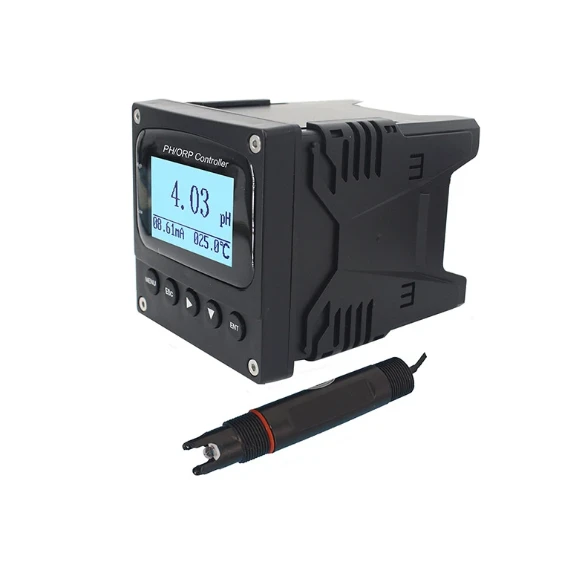
Smart Water Treatment Solutions Using PH ORP Controller SystemsIn modern water treatment and industrial fluid management, maintaining precise chemical balance is essential for safety, efficiency, and regulatory compliance.
2026-03-04 02:55:19
Comprehensive Guide to Water Depth Samplers and Their ApplicationsAccurate water quality monitoring is crucial in various fields, from environmental science and aquaculture to industrial wastewater management. A key tool for this is the water depth sampler. This article provides an in-depth look at water depth samplers, their applications, types, and essential considerations for choosing the right one for your needs. We'll explore the benefits of utilizing this equipment to collect reliable data for analysis and informed decision-making. Selecting the right sampler can significantly improve the precision and efficiency of your water monitoring program. A water depth sampler, also known as a depth-integrated sampler, is a device designed to collect water samples from specific depths within a body of water. Unlike simply dipping a container into the water, a depth sampler allows for collection of a representative sample across a defined depth range. This is critical because water properties (temperature, salinity, pollutants) often vary significantly with depth. The data gathered with a water depth sampler provides a more accurate assessment of water quality than surface samples alone.
2026-03-03 18:55:22
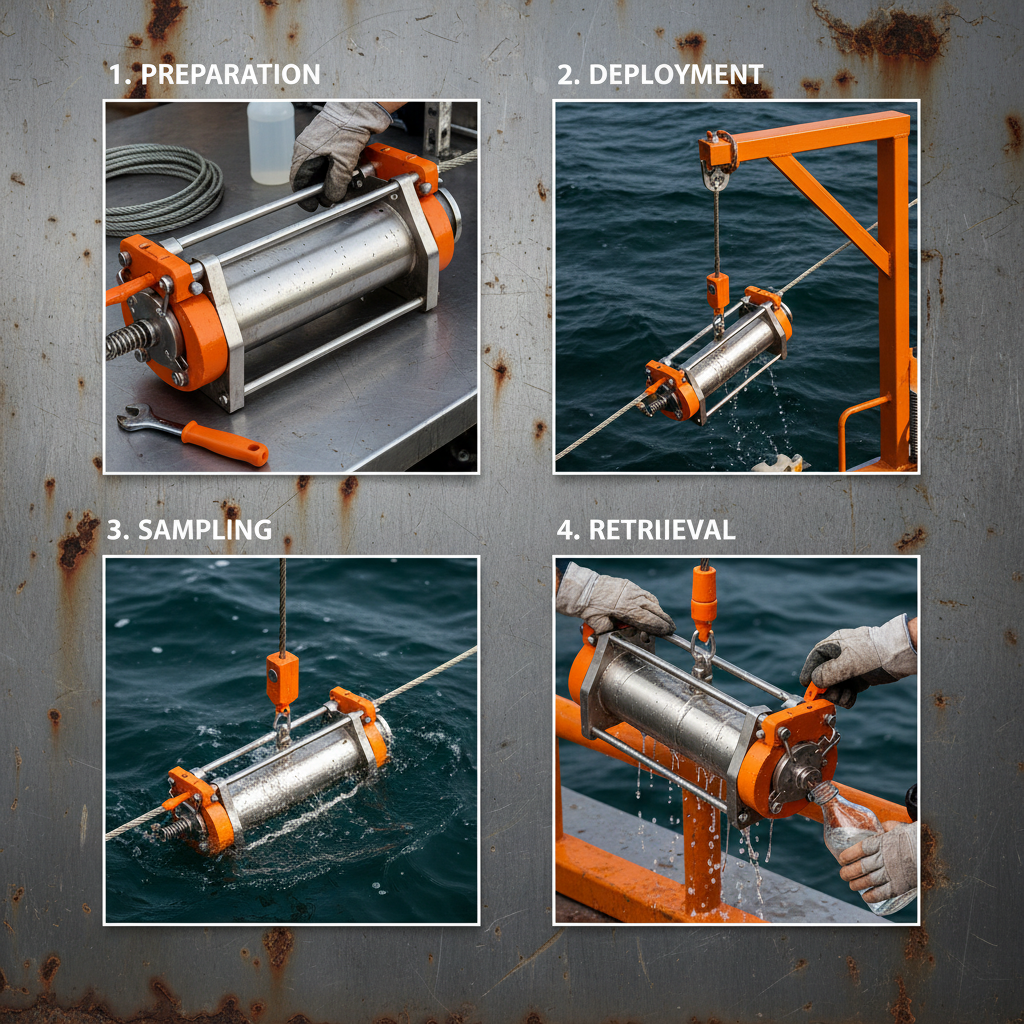
Comprehensive Guide to Horizontal Water Sampler Applications and SelectionCollecting water samples at varying depths is crucial for environmental monitoring, research, and quality control. The horizontal water sampler from Watequipment.com offers a precise and efficient solution for this task. This article provides an in-depth look at horizontal water samplers, their applications, benefits, and key considerations when choosing the right model. We will explore how these samplers contribute to accurate data collection and informed decision-making in various fields. A horizontal water sampler is a device designed to collect water samples from specific depths within a body of water – rivers, lakes, oceans, reservoirs, and even wastewater treatment plants. Unlike vertical samplers which primarily focus on depth, horizontal samplers prioritize collecting samples at a consistent depth while moving along a horizontal plane. This is essential for assessing water quality variations across a waterway or within a specific zone. They are used in applications ranging from environmental monitoring and scientific research to industrial process control and regulatory compliance.
2026-02-28 02:35:09
Comprehensive Guide to Selecting the Right Surface Water Sampler for Your NeedsMonitoring the quality of surface water is critical for environmental protection, public health, and various industrial applications. A surface water sampler is an essential tool for collecting representative samples from rivers, lakes, ponds, and other surface water sources. This article provides a detailed overview of surface water samplers, their types, applications, and key considerations for selecting the right equipment. Accurate water quality data relies on proper sample collection, and choosing the correct sampler is the first step toward achieving reliable results. Surface water samplers come in various designs, each suited to specific sampling needs. Common types include grab samplers, depth-integrating samplers, peristaltic pumps, and automatic samplers. Surface water samplers are used across a broad spectrum of applications, including environmental monitoring, wastewater discharge monitoring, drinking water source monitoring, agricultural runoff analysis, and research studies.

 English