


Comprehensive Guide to Selecting Sterile Bottles for Water Samples Analysis

Comprehensive Guide to Selecting Sterile Bottles for Water Samples Analysis
Feb . 24, 2026
Choosing the Right Sterile Bottles for Water Samples: A Comprehensive Guide
Collecting water samples requires precision and, crucially, the use of sterile bottles for water samples to ensure accurate results. Contamination can drastically alter sample composition, leading to misleading data and flawed analyses. This guide explores the importance of sterile bottles, different types available, proper usage, and where to source high-quality options. Maintaining sample integrity is paramount for environmental monitoring, research, and regulatory compliance. Proper selection and handling of sterile containers are fundamental steps in achieving reliable results.
Why Use Sterile Bottles for Water Samples?
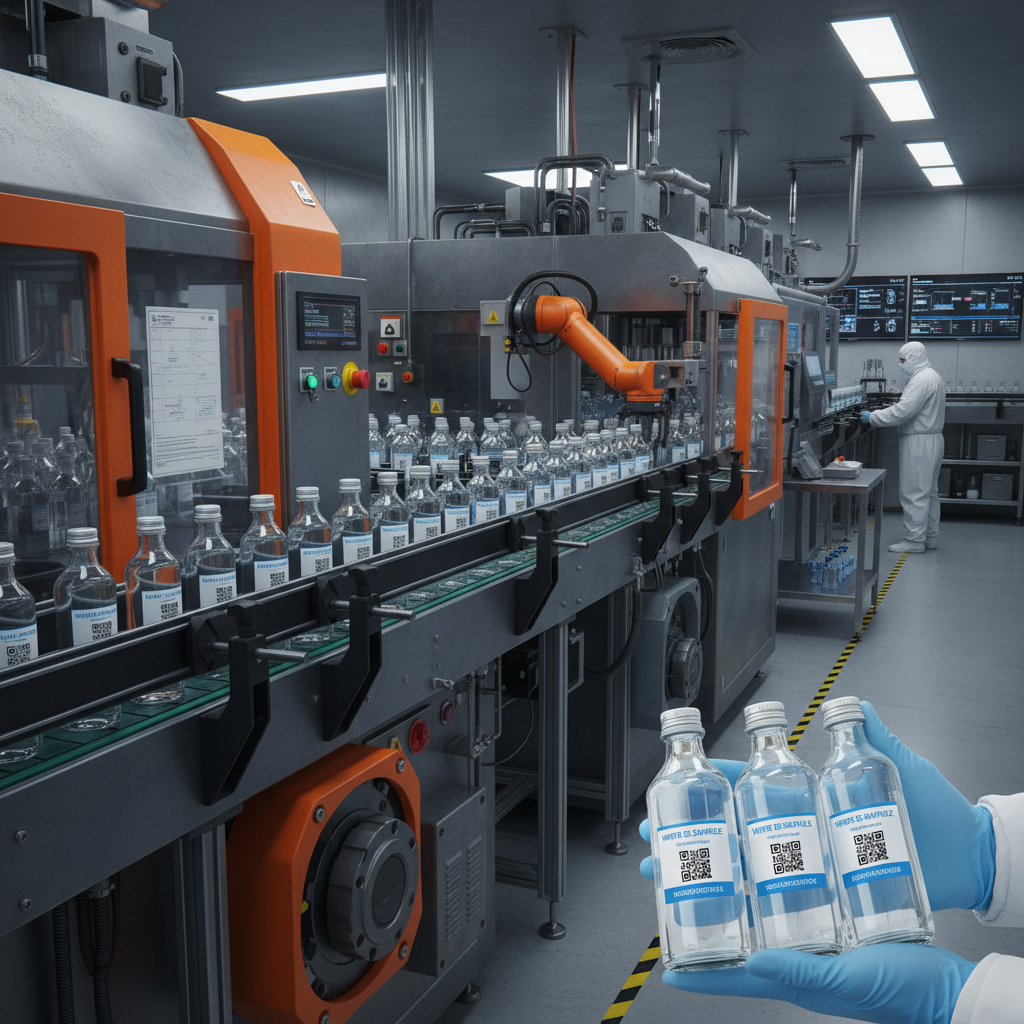
The primary reason to use sterile bottles is to prevent contamination of the water sample. Water, even seemingly clean sources, contains microorganisms. These organisms can proliferate within the sample, altering its chemical and biological characteristics. Using non-sterile containers introduces further contaminants from the container itself, or from the environment. This contamination can lead to inaccurate measurements of parameters like bacteria counts, heavy metal concentrations, and organic pollutants. Watequipment.com offers a range of sterile bottles specifically designed to maintain sample integrity.
Key Benefits: Prevents microbial growth, ensures accurate analysis, maintains sample integrity, complies with regulatory standards, provides reliable data for informed decision-making.
Types of Sterile Bottles Available
Sterile bottles come in various materials, sizes, and with different closures to suit specific sampling needs. Common types include:
- Polypropylene (PP): Lightweight, cost-effective, and suitable for a wide range of applications.
- High-Density Polyethylene (HDPE): Offers greater chemical resistance and is ideal for samples requiring long-term storage.
- Glass: Inert and provides excellent clarity, making it suitable for sensitive analyses, though heavier and more fragile.
- Amber Glass: Protects light-sensitive samples from degradation.
Bottle sizes vary from small vials (30ml) to larger containers (1L or more), depending on the volume of sample required. Closures also differ, including screw caps, snap caps, and septum closures, each offering varying degrees of leak-proof security and ease of access.
Comparing Materials: PP, HDPE, and Glass
Choosing the right material depends on the water sample's characteristics and the intended analysis. Here’s a comparison:
Proper Handling & Storage of Sterile Bottles
Even with sterile bottles, improper handling can compromise sample integrity. Always follow these guidelines:
- Avoid Touching the Interior: Never touch the inside of the bottle or the closure.
- Use Gloves: Wear sterile gloves when handling sterile containers.
- Proper Cleaning: Ensure the exterior of the bottle is clean before sampling.
- Secure Closure: Tighten closures properly to prevent leaks and contamination.
- Storage: Store bottles in a clean, dry, and dust-free environment. Avoid direct sunlight and extreme temperatures.
Where to Buy High-Quality Sterile Bottles
Sourcing sterile bottles from a reputable supplier is essential. Watequipment.com provides a wide selection of certified sterile bottles in various materials, sizes, and configurations. We prioritize quality control and offer bottles that meet stringent industry standards. We also offer customized labeling options and fast shipping to meet your specific needs. Investing in quality containers ensures the reliability and accuracy of your water sample analysis.
Conclusion: Ensuring Reliable Results with Sterile Sampling
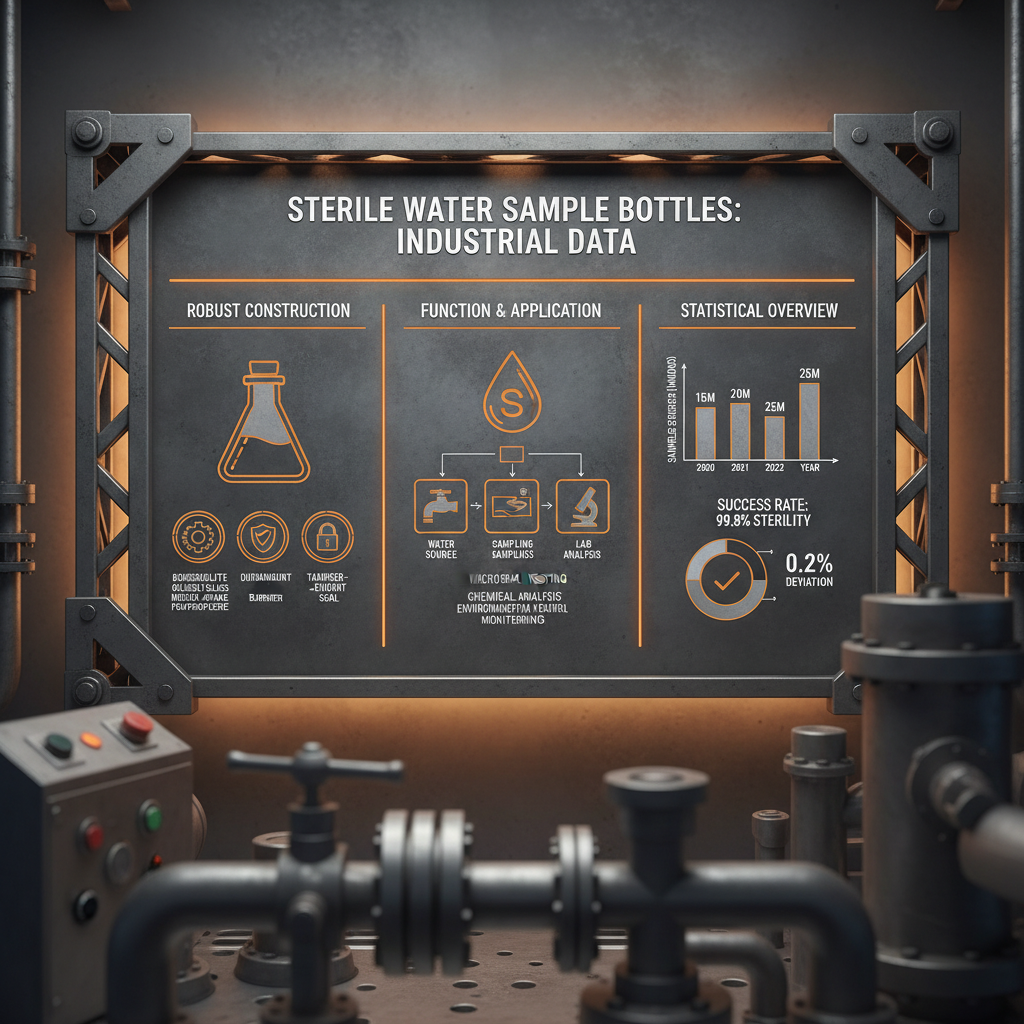
Using the correct sterile bottles for water samples, coupled with proper handling and storage, is crucial for obtaining accurate and reliable analytical results. Don't compromise the integrity of your samples – choose quality containers from a trusted supplier like Watequipment.com. Reliable data leads to informed decisions, protecting public health and the environment.
Frequently Asked Questions (FAQs)
What does 'sterile' mean in the context of water sample bottles?
'Sterile' signifies that the bottles have been manufactured and processed to be free from all living microorganisms, including bacteria, viruses, fungi, and spores. This is typically achieved through methods like autoclaving or gamma irradiation. The bottles are then sealed in a manner that maintains this sterility until opened for use. Using sterile bottles is essential to prevent contamination of the water sample during collection and storage, ensuring accurate analytical results. The sterility is usually validated by a Certificate of Sterility.
Can I sterilize bottles myself?
While it's technically possible to sterilize bottles, it’s generally not recommended for critical water sampling applications. Achieving true sterility requires specialized equipment like an autoclave and a controlled environment. Improper sterilization can leave residual contamination, compromising sample integrity. Purchasing pre-sterilized bottles from a reputable supplier like Watequipment.com ensures a consistently high level of sterility and eliminates the risk of errors.
What size bottle should I use for my water sample?
The appropriate bottle size depends on the volume of water required for the specific analysis. Consult the analytical laboratory's requirements to determine the necessary volume. It's generally better to collect slightly more sample than required to account for potential losses during transport or preparation. Watequipment.com offers a variety of bottle sizes to meet diverse sampling needs, from small vials to large containers.
How long can a water sample be stored in a sterile bottle before analysis?
The maximum storage time depends on the parameters being analyzed. Generally, samples for microbiological analysis should be processed as soon as possible, ideally within 6-24 hours. Samples for chemical analysis may have longer storage times, but it's crucial to follow the laboratory’s specific recommendations. Factors like temperature and the presence of preservatives can affect sample stability. Proper storage in a cool, dark place is always recommended.

Related Products
Related News

2026-04-16 03:20:19
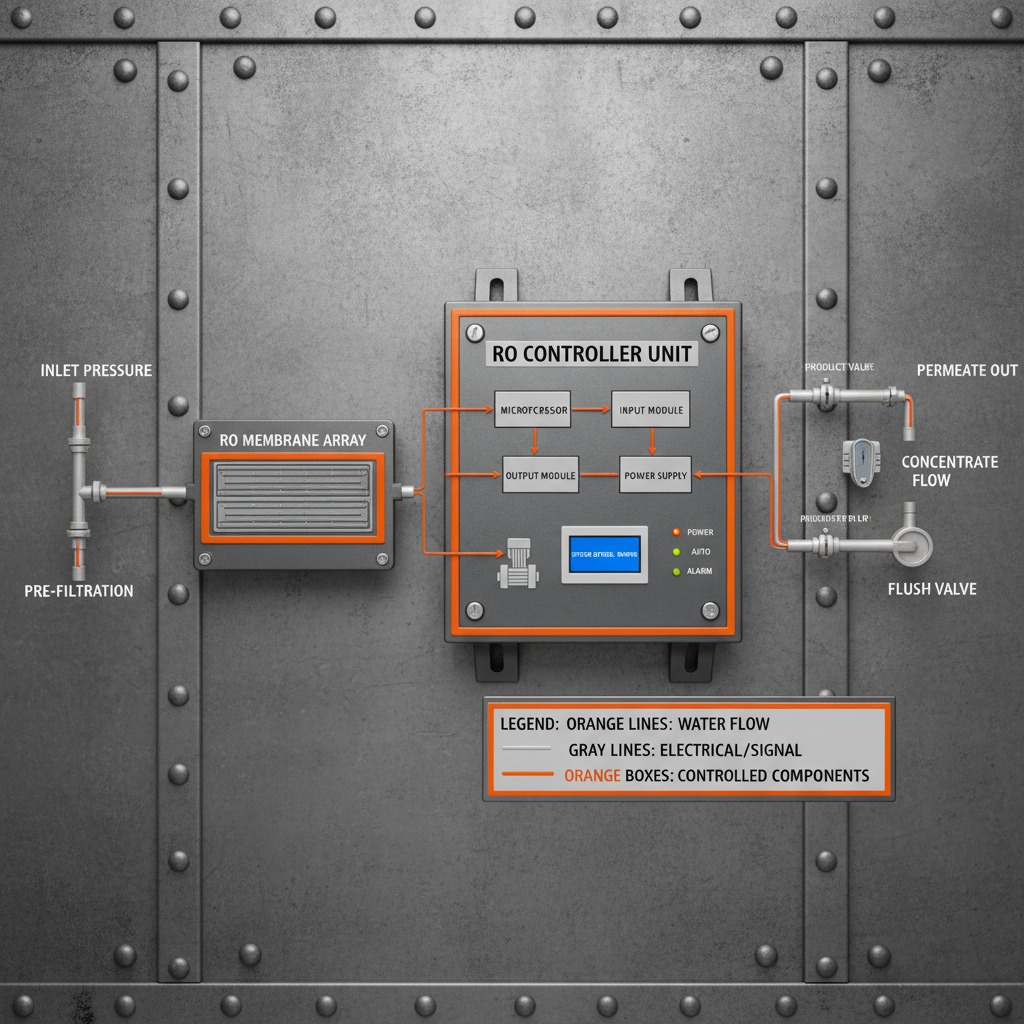
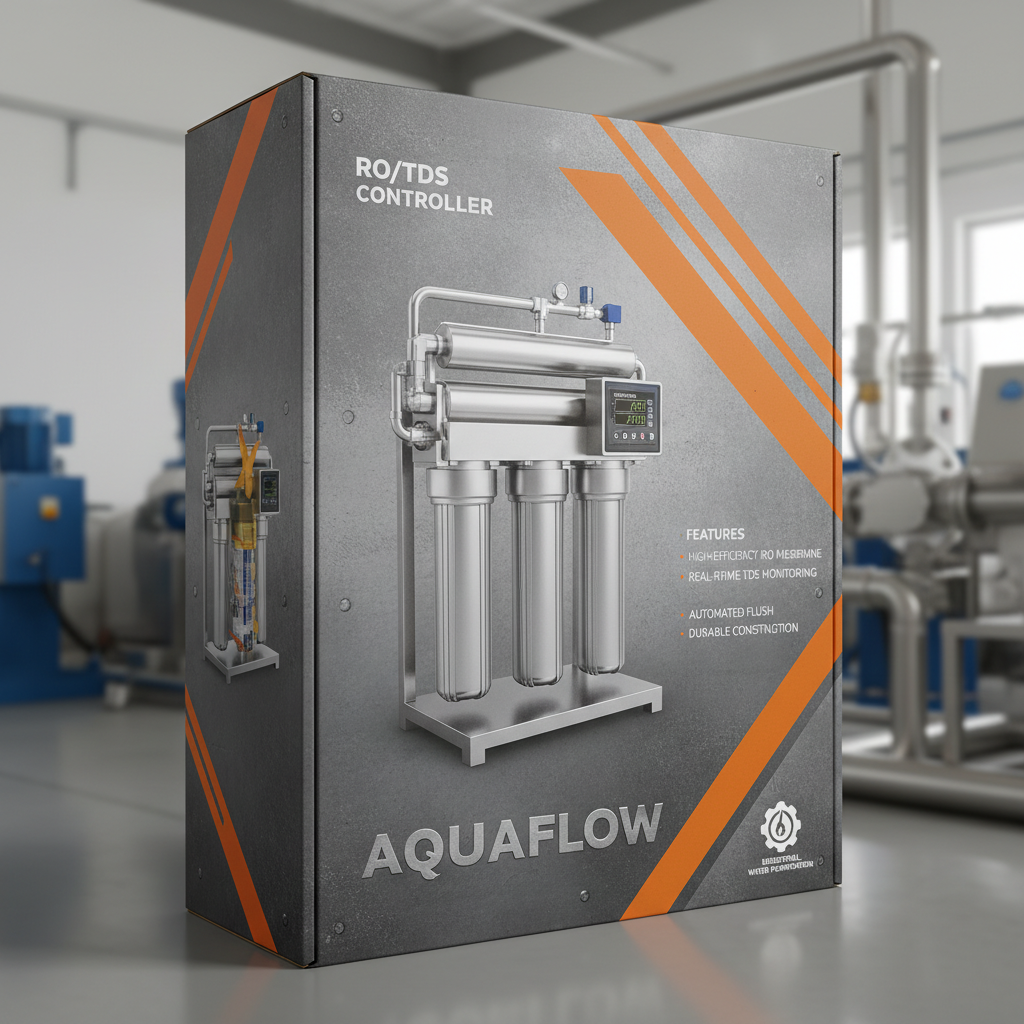
Guide to Choosing the Right RO Controller for Water PurificationMaintaining a high-performance reverse osmosis system requires more than just quality membranes; it demands precise regulation. An ro controller serves as the brain of the entire operation, monitoring critical parameters such as conductivity, temperature, and flow rates to ensure the output water meets stringent purity standards. Without an efficient controller, systems are prone to membrane fouling, inefficient energy use, and inconsistent water quality. In this comprehensive guide, we will explore how these devices optimize water treatment processes and how to select the best model for your specific industrial or commercial needs.
2026-04-09 03:25:47
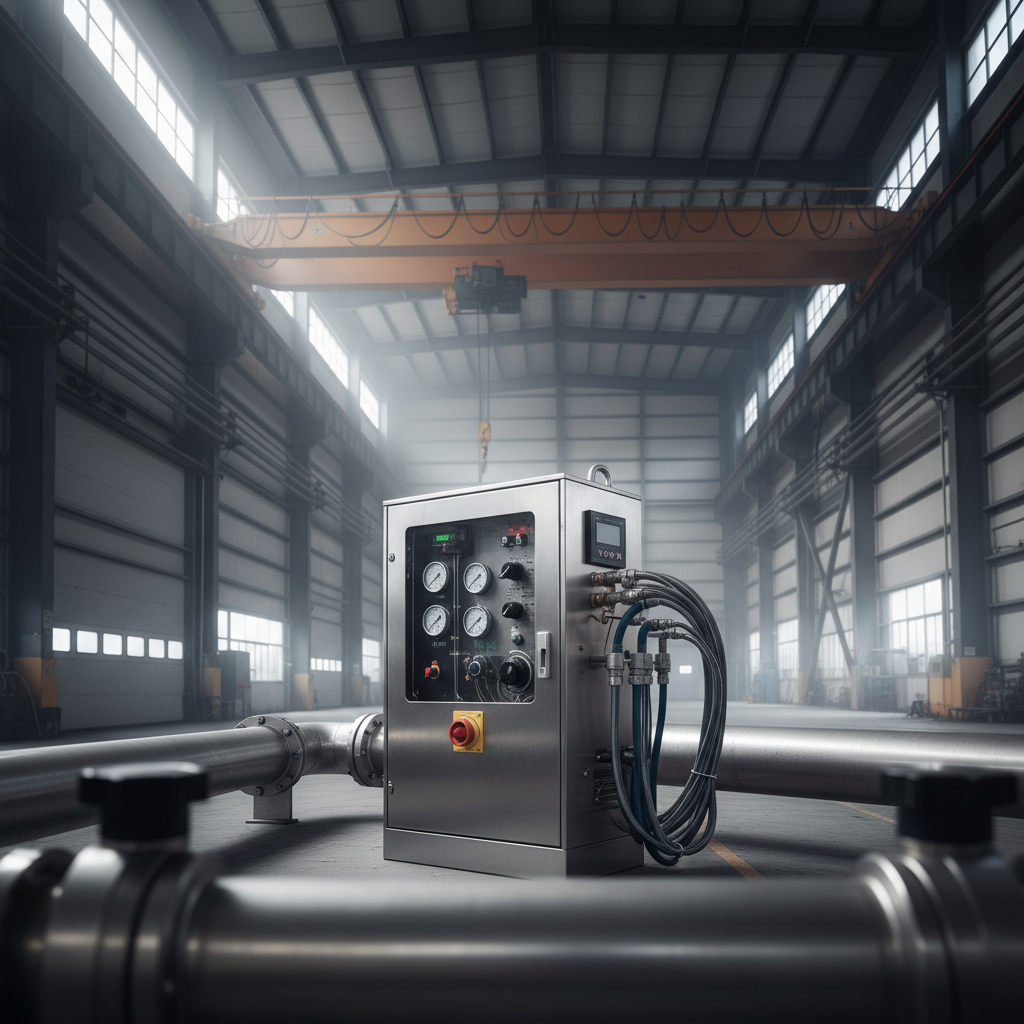
Guide to Water Purity Using RO with TDS Controller SystemsAchieving the perfect balance of mineral content and purity in drinking water is a challenge for many households and industrial facilities. A ro with tds controller offers a sophisticated solution by combining the rigorous filtration of Reverse Osmosis (RO) with the precision of a Total Dissolved Solids (TDS) adjustment system. While standard RO systems remove almost everything, including beneficial minerals, a TDS controller allows users to re-mineralize the water to a desired level. This ensures that the water is not only safe and pure but also tastes better and provides essential nutrients.
2026-04-07 03:17:09
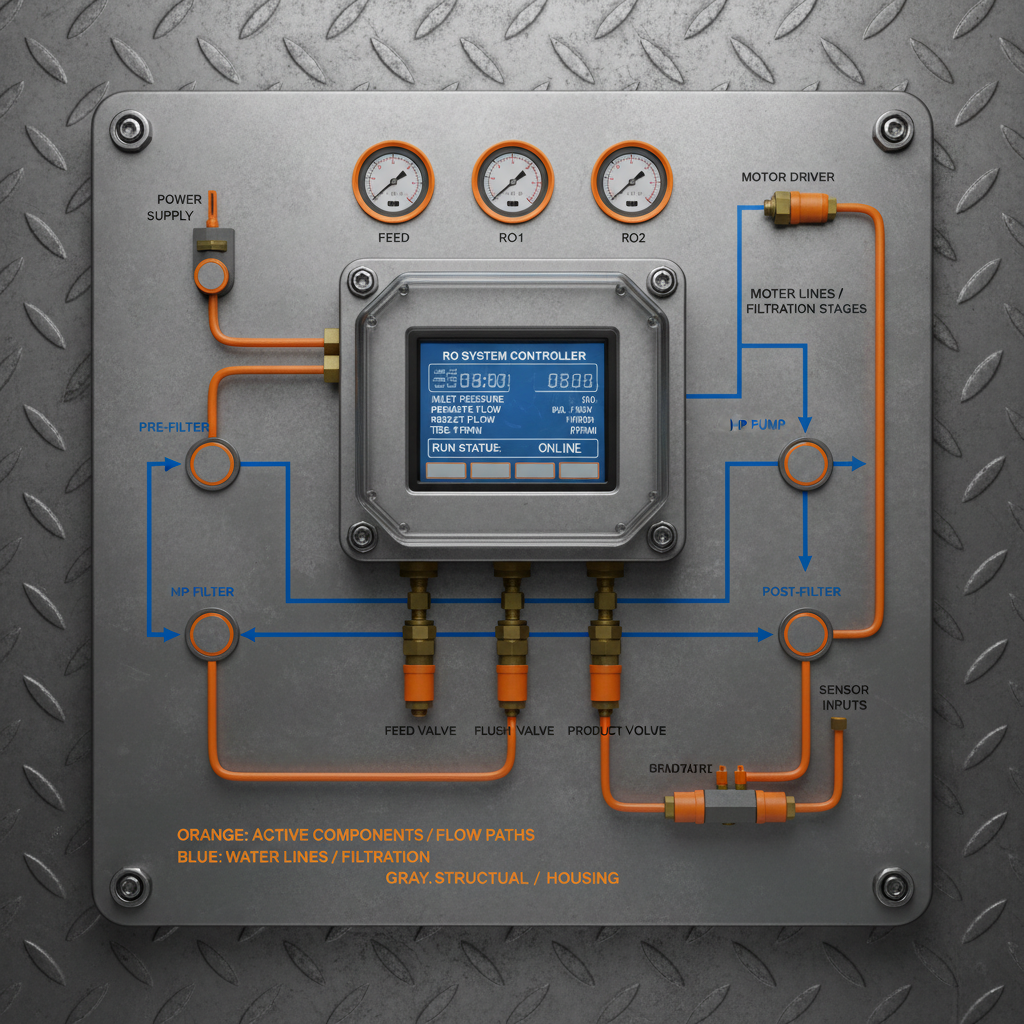
Understanding and Optimizing Reverse Osmosis Systems with a ControllerIn the world of water purification, reverse osmosis (RO) systems are a cornerstone for producing high-quality water for various applications, from drinking water to industrial processes. However, an RO system is only as effective as its control system. This is where the reverse osmosis controller comes into play. This critical component manages and optimizes the RO process, ensuring efficient operation, water quality, and system longevity.
2026-04-04 03:27:19
Understanding the Vital Role of an RO System Controller for Optimal PerformanceReverse Osmosis (RO) systems are critical for purifying water across various industries, from residential applications to large-scale industrial processes. At the heart of a well-functioning RO system lies the RO system controller. This intelligent device monitors and regulates all key parameters of the RO process, ensuring optimal performance, efficiency, and water quality. This article delves into the functionalities, benefits, and selection criteria for choosing the right RO system controller, particularly focusing on those offered by Watequipments. Understanding its role is crucial for maximizing the lifespan and effectiveness of your RO investment.
2026-03-24 17:18:24
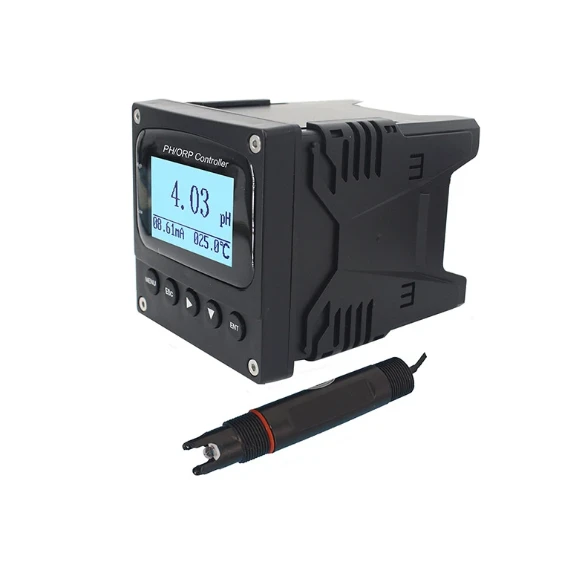
Smart Water Treatment Solutions Using PH ORP Controller SystemsIn modern water treatment and industrial fluid management, maintaining precise chemical balance is essential for safety, efficiency, and regulatory compliance.
2026-03-04 02:55:19
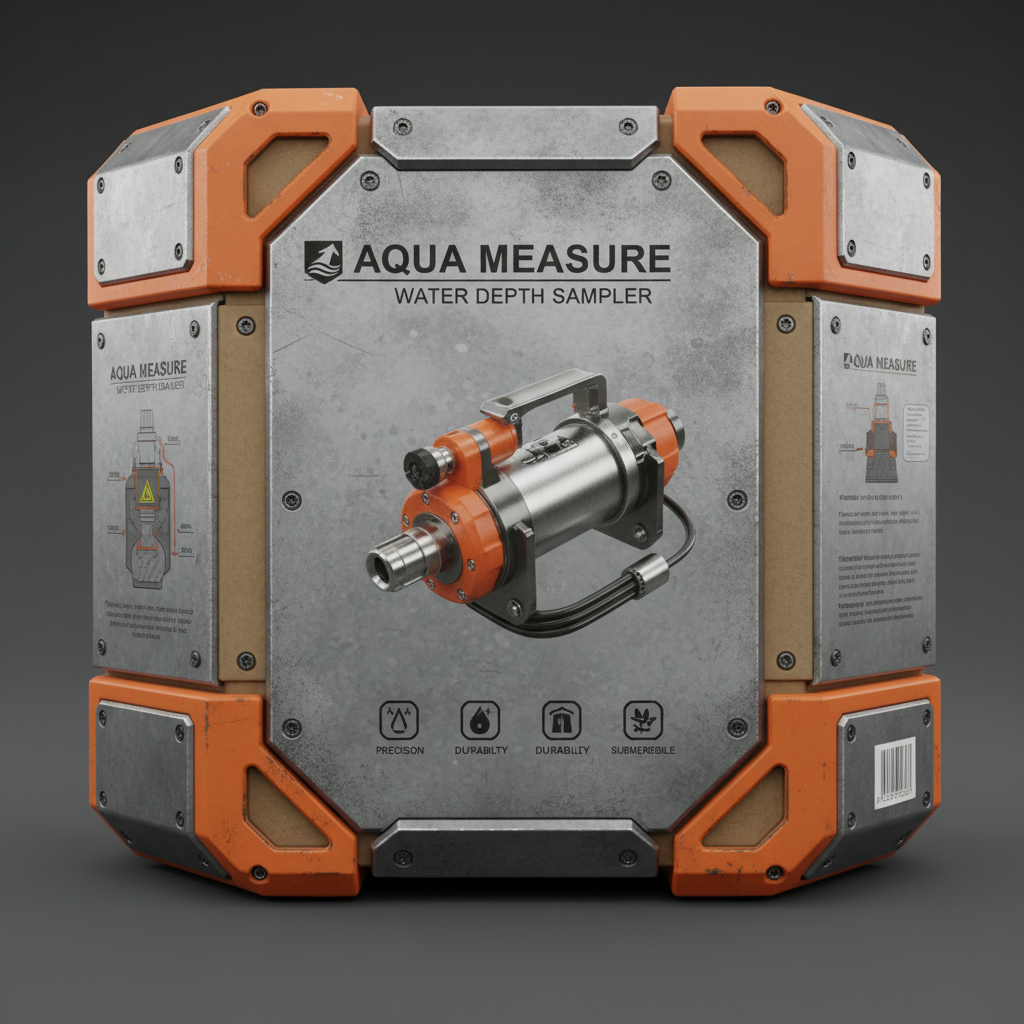
Comprehensive Guide to Water Depth Samplers and Their ApplicationsAccurate water quality monitoring is crucial in various fields, from environmental science and aquaculture to industrial wastewater management. A key tool for this is the water depth sampler. This article provides an in-depth look at water depth samplers, their applications, types, and essential considerations for choosing the right one for your needs. We'll explore the benefits of utilizing this equipment to collect reliable data for analysis and informed decision-making. Selecting the right sampler can significantly improve the precision and efficiency of your water monitoring program. A water depth sampler, also known as a depth-integrated sampler, is a device designed to collect water samples from specific depths within a body of water. Unlike simply dipping a container into the water, a depth sampler allows for collection of a representative sample across a defined depth range. This is critical because water properties (temperature, salinity, pollutants) often vary significantly with depth. The data gathered with a water depth sampler provides a more accurate assessment of water quality than surface samples alone.
2026-03-03 18:55:22
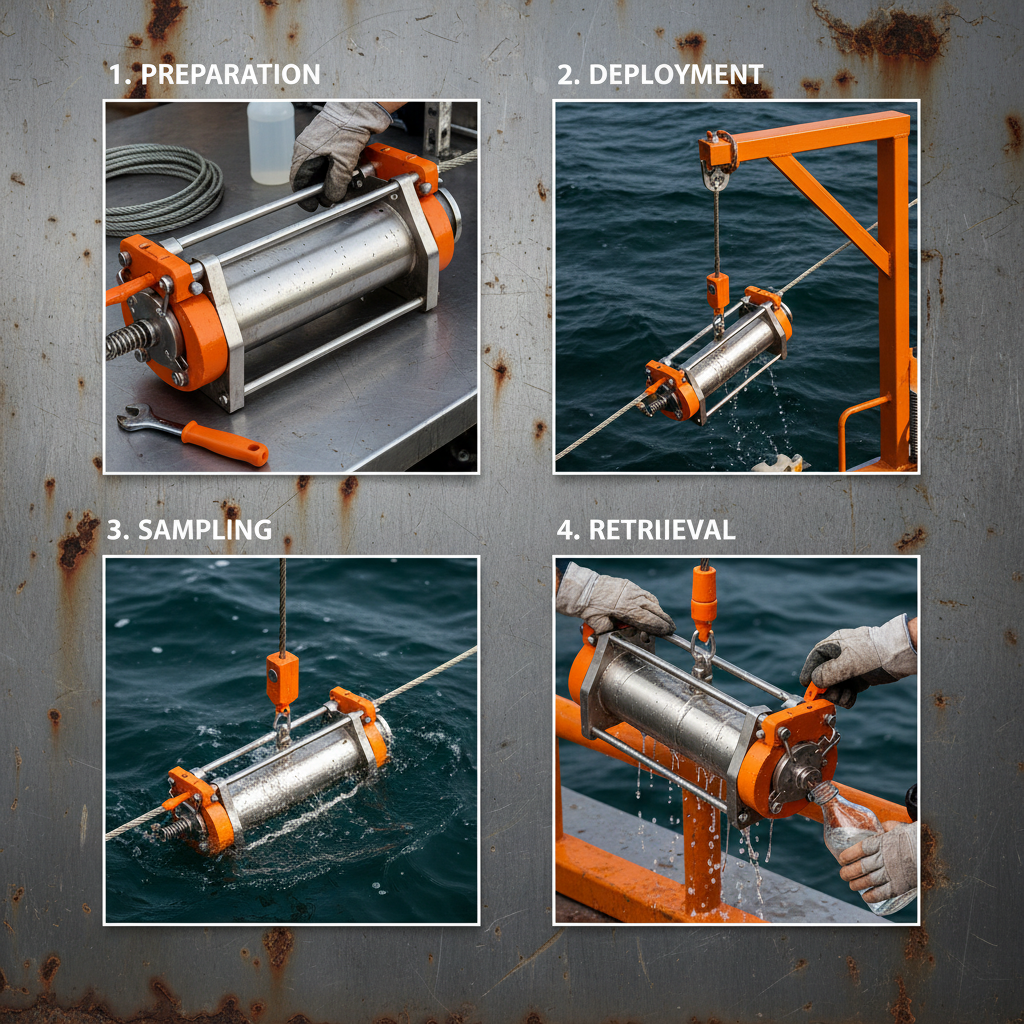
Comprehensive Guide to Horizontal Water Sampler Applications and SelectionCollecting water samples at varying depths is crucial for environmental monitoring, research, and quality control. The horizontal water sampler from Watequipment.com offers a precise and efficient solution for this task. This article provides an in-depth look at horizontal water samplers, their applications, benefits, and key considerations when choosing the right model. We will explore how these samplers contribute to accurate data collection and informed decision-making in various fields. A horizontal water sampler is a device designed to collect water samples from specific depths within a body of water – rivers, lakes, oceans, reservoirs, and even wastewater treatment plants. Unlike vertical samplers which primarily focus on depth, horizontal samplers prioritize collecting samples at a consistent depth while moving along a horizontal plane. This is essential for assessing water quality variations across a waterway or within a specific zone. They are used in applications ranging from environmental monitoring and scientific research to industrial process control and regulatory compliance.
2026-02-28 02:35:09
Comprehensive Guide to Selecting the Right Surface Water Sampler for Your NeedsMonitoring the quality of surface water is critical for environmental protection, public health, and various industrial applications. A surface water sampler is an essential tool for collecting representative samples from rivers, lakes, ponds, and other surface water sources. This article provides a detailed overview of surface water samplers, their types, applications, and key considerations for selecting the right equipment. Accurate water quality data relies on proper sample collection, and choosing the correct sampler is the first step toward achieving reliable results. Surface water samplers come in various designs, each suited to specific sampling needs. Common types include grab samplers, depth-integrating samplers, peristaltic pumps, and automatic samplers. Surface water samplers are used across a broad spectrum of applications, including environmental monitoring, wastewater discharge monitoring, drinking water source monitoring, agricultural runoff analysis, and research studies.

 English