


Comprehensive Guide to Sourcing High Quality Water Bottle Samples for Your Business

Comprehensive Guide to Sourcing High Quality Water Bottle Samples for Your Business
Feb . 26, 2026
Finding the Right Water Bottle Samples for Your Business
Sourcing the perfect water bottle samples is a crucial step for businesses looking to expand their product offerings, launch new branding, or assess market demand. Whether you’re an importer, retailer, or promotional product distributor, selecting high-quality samples is essential. This article provides a comprehensive guide to navigating the world of water bottle samples, covering materials, customization options, sourcing strategies, and quality control. Effective sampling streamlines your product development, enhances brand perception, and ultimately drives sales. We will explore the key considerations to ensure you secure samples that meet your specific requirements and resonate with your target audience.
Understanding Different Water Bottle Materials
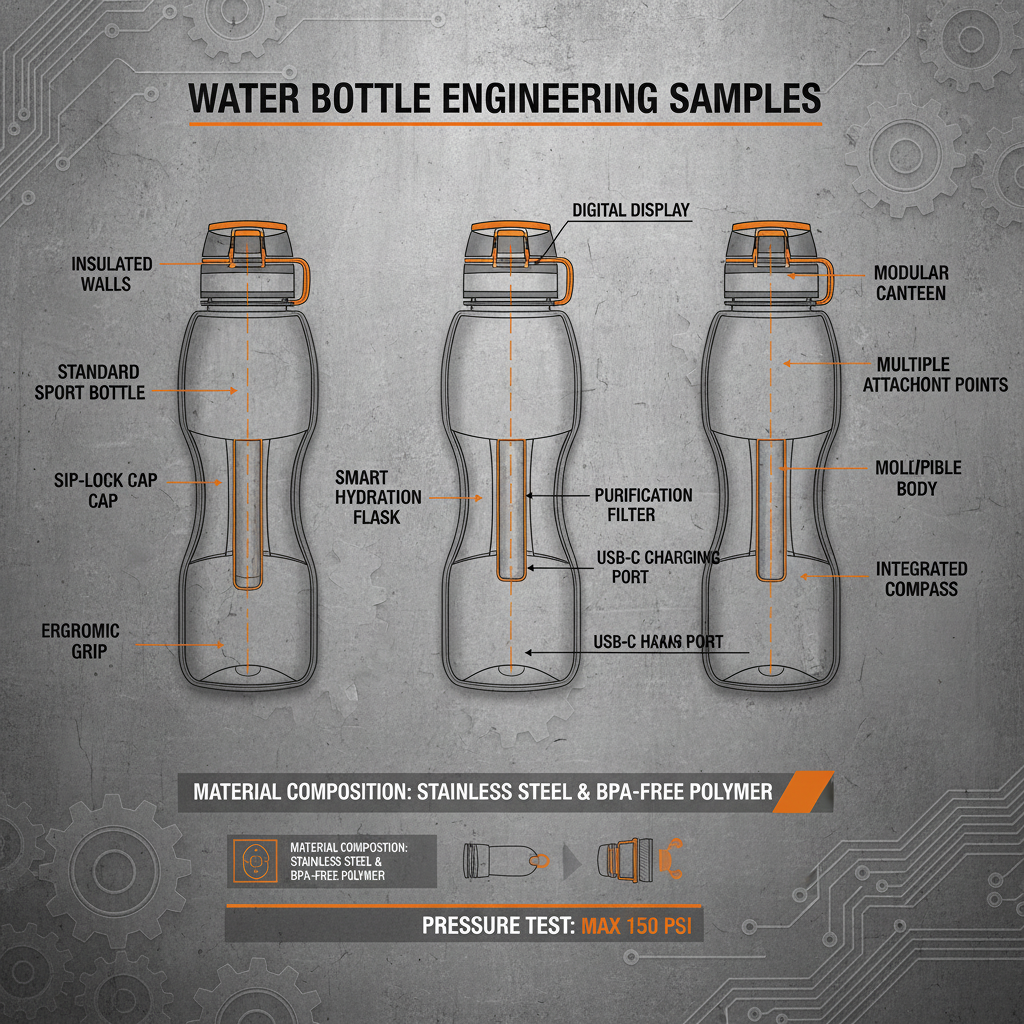
The material of a water bottle significantly impacts its durability, weight, cost, and suitability for different applications. Common materials include stainless steel, plastic (BPA-free Tritan, polypropylene), glass, and silicone. Stainless steel bottles are known for their durability, temperature retention, and premium feel. Plastic bottles are lightweight and affordable, making them ideal for promotional giveaways. Glass bottles offer a pure taste and are environmentally friendly, but are more fragile. Silicone bottles are flexible, foldable, and space-saving. When requesting water bottle samples, specifying your preferred material is essential for accurate evaluation.
Key Consideration: Consider the intended use of the bottle when choosing a material. For example, a gym-goer might prefer stainless steel, while a child might benefit from a lightweight plastic option.
Sourcing Water Bottle Samples: Manufacturers vs. Trading Companies
There are two primary avenues for sourcing water bottle samples: directly from manufacturers and through trading companies. Manufacturers offer greater control over customization and potential cost savings, especially for large orders. However, they often have higher minimum order quantities (MOQs) and may require more direct communication and negotiation. Trading companies act as intermediaries, offering a wider range of products from various manufacturers, lower MOQs, and streamlined communication. However, this convenience typically comes with a higher price per unit. Watequipment works directly with reputable manufacturers to ensure quality and competitive pricing.
Sourcing Options:
• Manufacturers: Direct control, potentially lower costs, higher MOQs.
• Trading Companies: Wider range, lower MOQs, streamlined communication, higher price.
Customization Options for Your Water Bottle Samples
Customization is key to creating water bottles that reflect your brand identity. Common customization options include logo printing (silk screen, laser engraving, UV printing), color matching (Pantone colors), custom shapes, and packaging. When requesting water bottle samples, clearly specify your customization requirements to get accurate quotes and prototypes. Consider the impact of the customization method on the bottle's durability and appearance.
Quality Control and Inspection of Water Bottle Samples
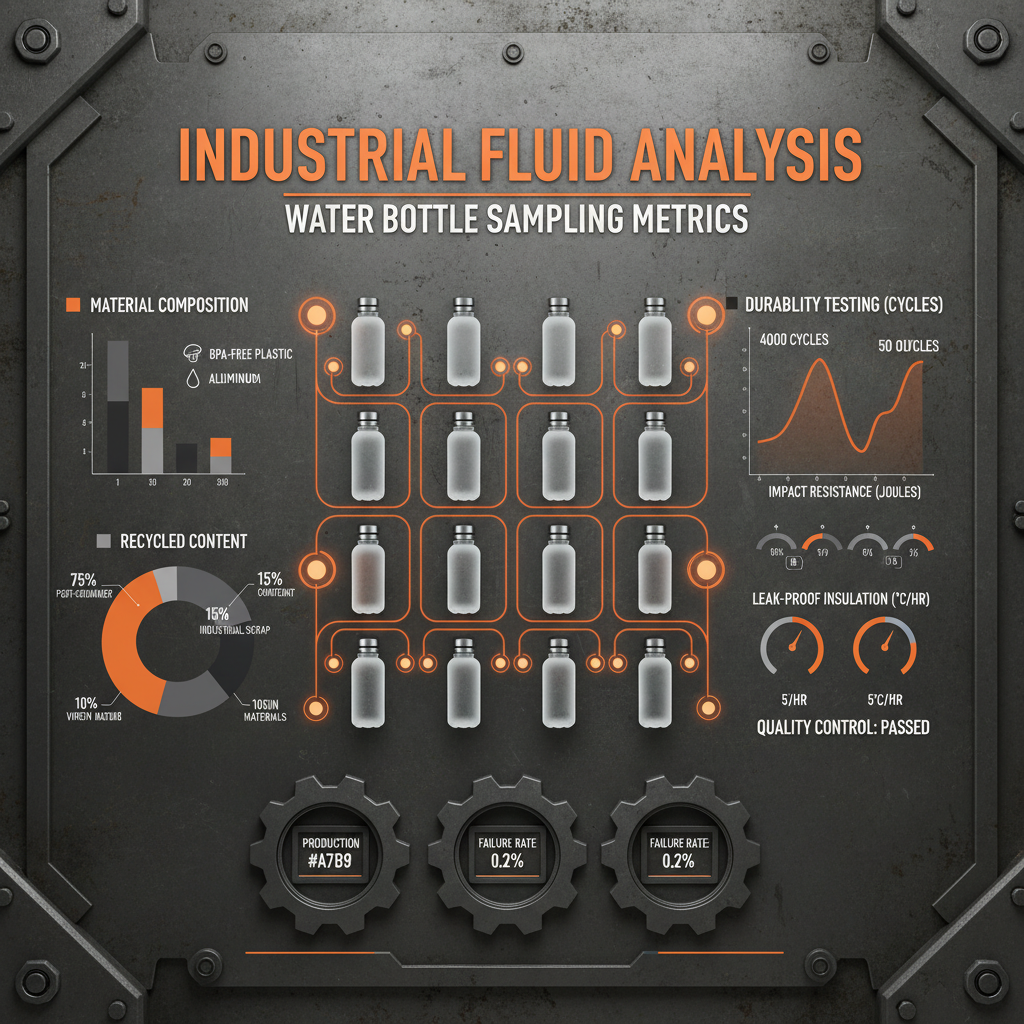
Thorough quality control is paramount when evaluating water bottle samples. Inspect for defects such as cracks, leaks, uneven printing, and faulty lids. Ensure the materials are BPA-free and meet relevant safety standards. Test the functionality of the lid and any other moving parts. Don't hesitate to request a second sample if the first one is unsatisfactory. Establishing clear quality control criteria upfront will prevent costly issues down the line.
Cost Considerations for Water Bottle Samples
The cost of water bottle samples can vary depending on the material, customization level, and supplier. Manufacturers typically charge a fee for samples, which may be credited towards a larger order. Trading companies may offer free samples, but often at a higher unit price for bulk orders. Factor in shipping costs, which can be significant, especially for international shipments. Comparing quotes from multiple suppliers is essential to secure the best possible deal. Watequipment offers competitive pricing and transparent sampling costs.
Conclusion: Securing the Right Water Bottle Samples
Sourcing the right water bottle samples requires careful consideration of materials, customization options, sourcing strategies, and quality control. By following the guidelines outlined in this article, you can streamline the sampling process, minimize risks, and ultimately find the perfect water bottles to meet your business needs. Don’t compromise on quality – invest in samples that represent your brand effectively and resonate with your target audience.
Frequently Asked Questions (FAQs)
How long does it typically take to receive water bottle samples?
The timeframe for receiving samples varies depending on the supplier’s location, customization requirements, and shipping method. Generally, you can expect to receive samples within 7-14 business days. Complex customization or international shipping can add to this timeframe. Always confirm the estimated delivery date with the supplier before placing your sample order. Express shipping options are often available for faster delivery, but at a higher cost.
What is the typical minimum order quantity (MOQ) after receiving samples?
MOQs vary significantly depending on the supplier, material, and customization. Some manufacturers may have MOQs as low as 100 units, while others may require orders of 1000 units or more. Always inquire about the MOQ before finalizing your sample order. Trading companies generally offer lower MOQs than manufacturers. Discuss your anticipated order volume with the supplier to ensure a mutually agreeable arrangement.
Are there any hidden costs associated with ordering water bottle samples?
Potential hidden costs can include tooling fees for custom molds, setup fees for specific printing methods, and shipping costs. Always request a detailed quote that outlines all associated costs before placing your sample order. Be sure to clarify whether the sample cost is refundable if you proceed with a larger order. Transparency from the supplier is key to avoiding unexpected expenses.
How do I ensure the samples are BPA-free?
Requesting a BPA-free certification from the supplier is crucial. Reputable suppliers will readily provide documentation confirming that their materials meet safety standards. Look for certifications from recognized organizations like the FDA or SGS. If a certification isn't available, it's best to avoid that supplier. Always prioritize the safety and health of your customers.

Related Products
Related News
2026-04-16 03:20:19
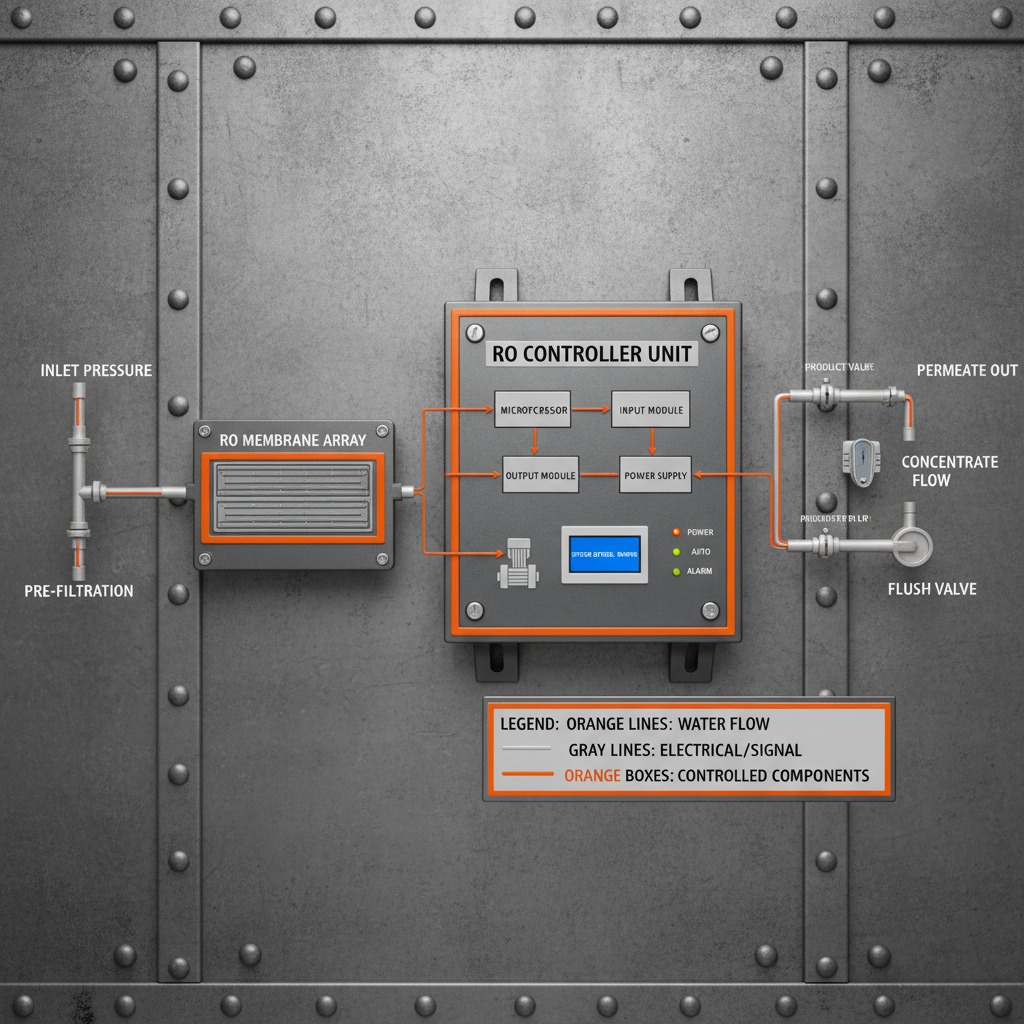
Guide to Choosing the Right RO Controller for Water PurificationMaintaining a high-performance reverse osmosis system requires more than just quality membranes; it demands precise regulation. An ro controller serves as the brain of the entire operation, monitoring critical parameters such as conductivity, temperature, and flow rates to ensure the output water meets stringent purity standards. Without an efficient controller, systems are prone to membrane fouling, inefficient energy use, and inconsistent water quality. In this comprehensive guide, we will explore how these devices optimize water treatment processes and how to select the best model for your specific industrial or commercial needs.
2026-04-09 03:25:47
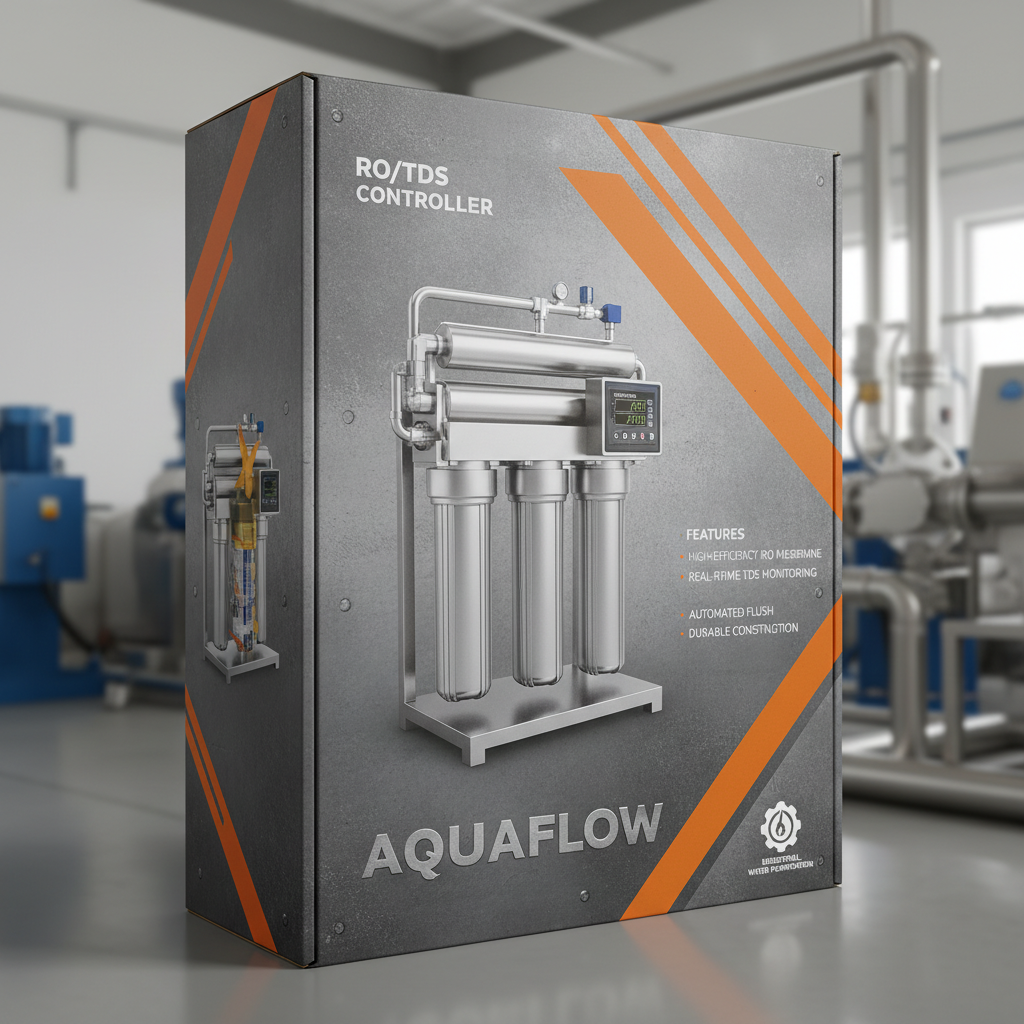
Guide to Water Purity Using RO with TDS Controller SystemsAchieving the perfect balance of mineral content and purity in drinking water is a challenge for many households and industrial facilities. A ro with tds controller offers a sophisticated solution by combining the rigorous filtration of Reverse Osmosis (RO) with the precision of a Total Dissolved Solids (TDS) adjustment system. While standard RO systems remove almost everything, including beneficial minerals, a TDS controller allows users to re-mineralize the water to a desired level. This ensures that the water is not only safe and pure but also tastes better and provides essential nutrients.
2026-04-07 03:17:09
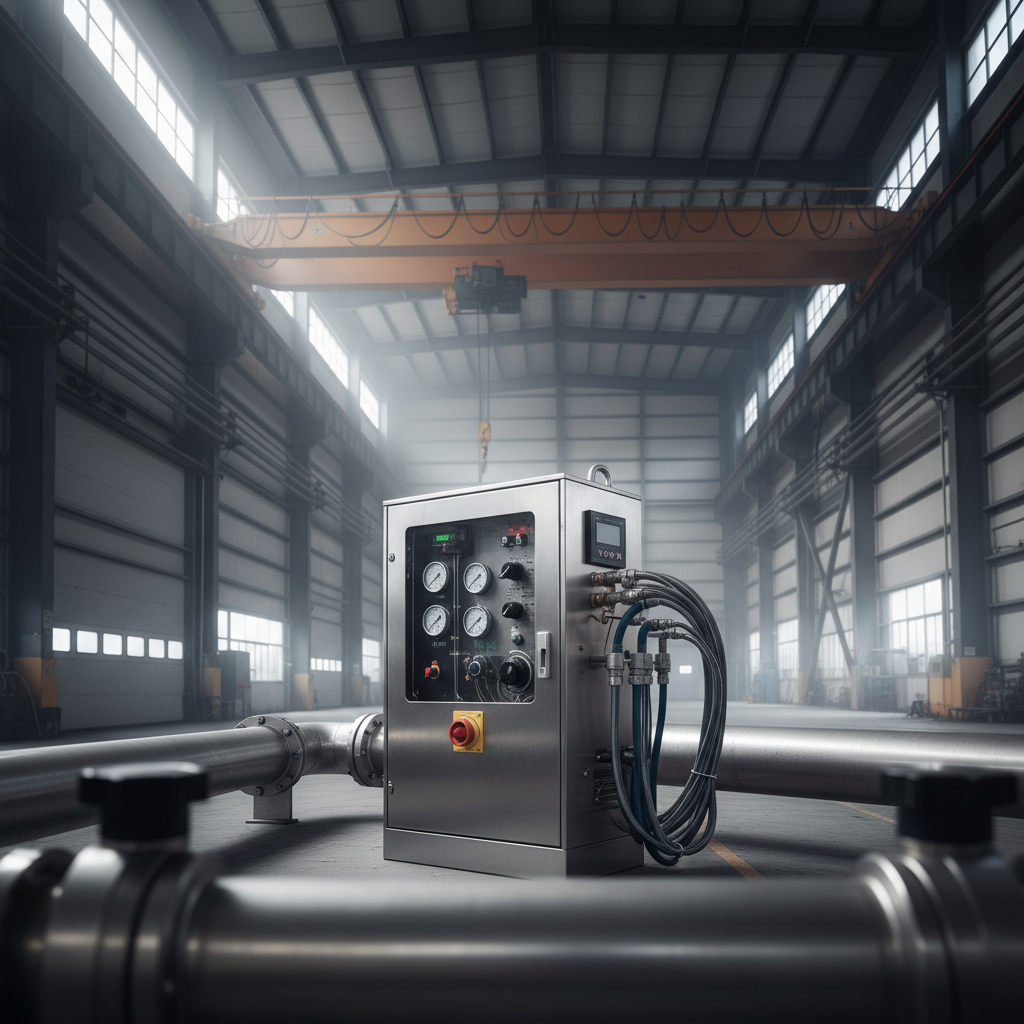
Understanding and Optimizing Reverse Osmosis Systems with a ControllerIn the world of water purification, reverse osmosis (RO) systems are a cornerstone for producing high-quality water for various applications, from drinking water to industrial processes. However, an RO system is only as effective as its control system. This is where the reverse osmosis controller comes into play. This critical component manages and optimizes the RO process, ensuring efficient operation, water quality, and system longevity.
2026-04-04 03:27:19
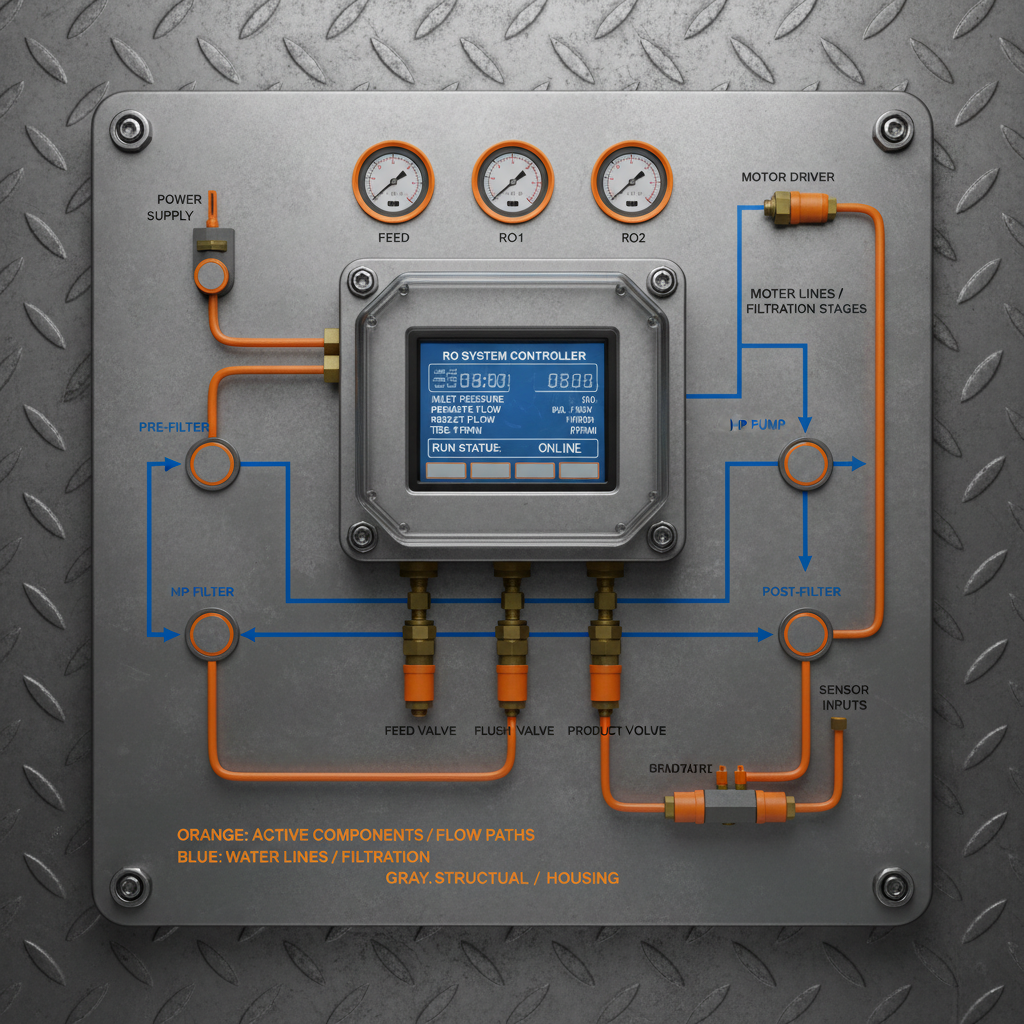
Understanding the Vital Role of an RO System Controller for Optimal PerformanceReverse Osmosis (RO) systems are critical for purifying water across various industries, from residential applications to large-scale industrial processes. At the heart of a well-functioning RO system lies the RO system controller. This intelligent device monitors and regulates all key parameters of the RO process, ensuring optimal performance, efficiency, and water quality. This article delves into the functionalities, benefits, and selection criteria for choosing the right RO system controller, particularly focusing on those offered by Watequipments. Understanding its role is crucial for maximizing the lifespan and effectiveness of your RO investment.
2026-03-24 17:18:24
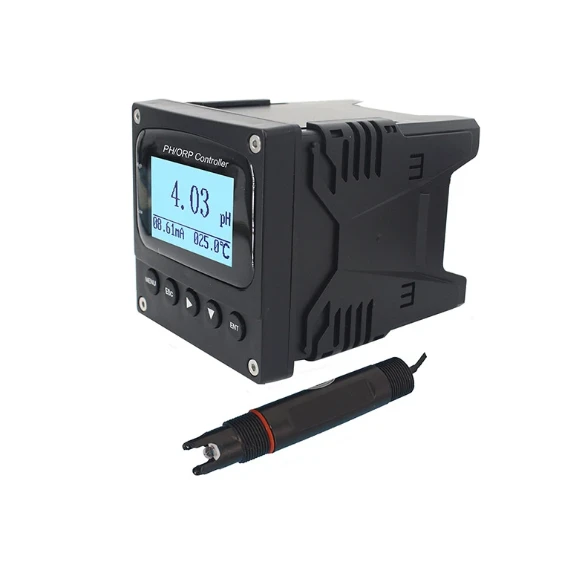
Smart Water Treatment Solutions Using PH ORP Controller SystemsIn modern water treatment and industrial fluid management, maintaining precise chemical balance is essential for safety, efficiency, and regulatory compliance.
2026-03-04 02:55:19
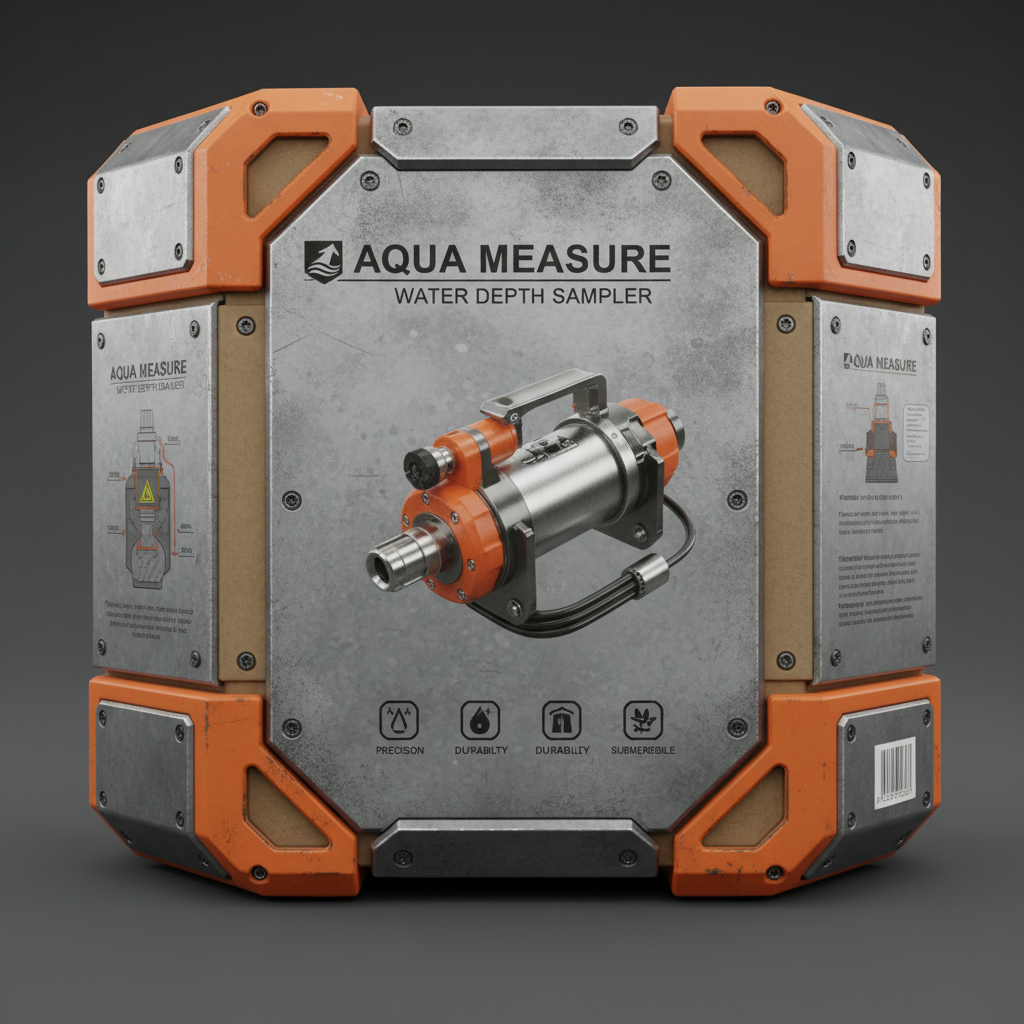
Comprehensive Guide to Water Depth Samplers and Their ApplicationsAccurate water quality monitoring is crucial in various fields, from environmental science and aquaculture to industrial wastewater management. A key tool for this is the water depth sampler. This article provides an in-depth look at water depth samplers, their applications, types, and essential considerations for choosing the right one for your needs. We'll explore the benefits of utilizing this equipment to collect reliable data for analysis and informed decision-making. Selecting the right sampler can significantly improve the precision and efficiency of your water monitoring program. A water depth sampler, also known as a depth-integrated sampler, is a device designed to collect water samples from specific depths within a body of water. Unlike simply dipping a container into the water, a depth sampler allows for collection of a representative sample across a defined depth range. This is critical because water properties (temperature, salinity, pollutants) often vary significantly with depth. The data gathered with a water depth sampler provides a more accurate assessment of water quality than surface samples alone.
2026-03-03 18:55:22
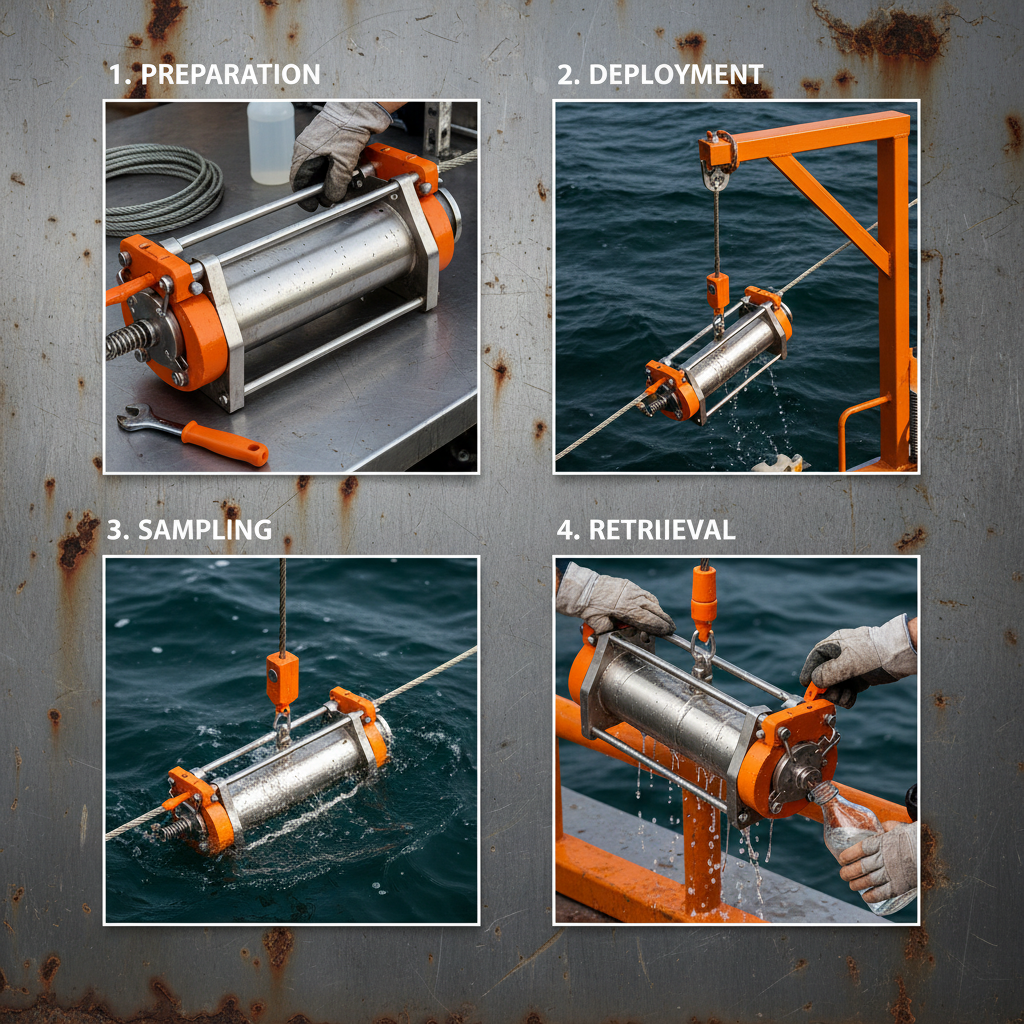
Comprehensive Guide to Horizontal Water Sampler Applications and SelectionCollecting water samples at varying depths is crucial for environmental monitoring, research, and quality control. The horizontal water sampler from Watequipment.com offers a precise and efficient solution for this task. This article provides an in-depth look at horizontal water samplers, their applications, benefits, and key considerations when choosing the right model. We will explore how these samplers contribute to accurate data collection and informed decision-making in various fields. A horizontal water sampler is a device designed to collect water samples from specific depths within a body of water – rivers, lakes, oceans, reservoirs, and even wastewater treatment plants. Unlike vertical samplers which primarily focus on depth, horizontal samplers prioritize collecting samples at a consistent depth while moving along a horizontal plane. This is essential for assessing water quality variations across a waterway or within a specific zone. They are used in applications ranging from environmental monitoring and scientific research to industrial process control and regulatory compliance.
2026-02-28 02:35:09
Comprehensive Guide to Selecting the Right Surface Water Sampler for Your NeedsMonitoring the quality of surface water is critical for environmental protection, public health, and various industrial applications. A surface water sampler is an essential tool for collecting representative samples from rivers, lakes, ponds, and other surface water sources. This article provides a detailed overview of surface water samplers, their types, applications, and key considerations for selecting the right equipment. Accurate water quality data relies on proper sample collection, and choosing the correct sampler is the first step toward achieving reliable results. Surface water samplers come in various designs, each suited to specific sampling needs. Common types include grab samplers, depth-integrating samplers, peristaltic pumps, and automatic samplers. Surface water samplers are used across a broad spectrum of applications, including environmental monitoring, wastewater discharge monitoring, drinking water source monitoring, agricultural runoff analysis, and research studies.

 English