


Environmental Samplers: Streamlining Water Quality Monitoring

Environmental Samplers: Streamlining Water Quality Monitoring
Jan . 26, 2026
Environmental Sampler: Beyond Compliance, Towards Insight
You know, when you spend enough time in water quality monitoring – and I have, frankly, more than a few years – you start to see the limitations of the standard grab sample. It’s… incomplete. It’s a snapshot, and a lot can change in a river, a wastewater outflow, or even a contained system between the time you take that sample and the time the lab results come back. That’s where a robust Environmental Sampler comes into play. It’s not just about meeting regulations anymore; it's about understanding what’s really happening in your environment, and making informed decisions.
What Exactly Is an Environmental Sampler?
At its core, an environmental sampler automates the process of collecting representative samples over a period of time. Different designs exist, of course. Some are peristaltic pumps drawing from a specific depth, others use flow-weighted composites, and still others employ timed interval sampling. Watequipment's models, which I've had a chance to test in the field, lean towards durability and versatility. They aren't the flashiest, but they work. They’re built with chemically resistant materials – typically PTFE, stainless steel, and robust polymers – which is critical. You don’t want your sampler itself contaminating the sample! I suppose the key is to choose a sampler suited to the matrix you’re dealing with – wastewater, stormwater runoff, groundwater, etc. The model 3750, for example, is particularly well-suited to applications with high solids content, which can be a real pain with some of the more delicate designs. Here’s a quick look at the specs:
| Parameter | Specification | Notes |
|---|---|---|
| Sample Volume | 500mL - 2L (adjustable) | Dependent on programming |
| Sampling Interval | 1 minute – 24 hours | Programmable timer |
| Power Source | 12V DC, or AC Adapter | Field replaceable battery pack |
| Materials | PTFE, Stainless Steel, Polypropylene | Chemically resistant |
Where Do These Things Shine?
Honestly, the applications are broad. Wastewater treatment plants, industrial discharge monitoring, stormwater management, even research projects… it feels like every sector could benefit. One application I recently saw was at a mining operation, monitoring for heavy metal runoff. They were using a composite sampler to get a more accurate representation of the pollution event over time, rather than a single grab sample that might miss the peak. That's crucial for compliance and for demonstrating responsible environmental stewardship. I’ve also seen them used extensively in agricultural runoff studies, assessing pesticide and fertilizer levels. Compared to competitors, Watequipment consistently delivers on reliability, and their customer support is… responsive, which is saying something in this industry. Here's a quick look at how they stack up:
| Vendor | Price Range | Durability | Customer Support |
|---|---|---|---|
| Watequipment | $1,500 - $4,000 | Excellent | Very Good |
| Teledyne ISCO | $2,000 - $5,000+ | Good | Good |
| Hach | $1,000 - $3,500 | Fair | Fair |
Cost, Maintenance, and the Real-World Experience
The initial cost of an Environmental Sampler can seem significant, but you have to look at the total cost of ownership. Think about the labor savings – no more dedicated personnel spending hours taking manual samples. Consider the reduction in potential compliance issues and fines. Many engineers say that the improved data quality alone justifies the investment. Maintenance is generally straightforward – periodic cleaning, checking tubing, replacing batteries. Watequipment provides clear documentation, which is a big plus. I spoke to a plant manager in Ohio who had been using their samplers for five years and said the ROI was “substantial.” He appreciated the robust design and minimal downtime. A lot of these units are designed to be left in the field for weeks or even months at a time, so reliability is paramount.
Sustainability and the Regulatory Landscape
Oddly enough, the demand for sophisticated environmental sampling equipment is growing alongside increasing environmental regulations…and a greater societal awareness of pollution. Stringent discharge permits, stricter water quality standards, and the push for sustainable practices are all driving the need for accurate, reliable data. The trend toward continuous monitoring – moving beyond periodic grab samples – is particularly significant. This allows for real-time assessment of environmental conditions and faster response to potential problems. This isn’t just about compliance anymore; it's about protecting our resources and building a more sustainable future.
Frequently Asked Questions about Environmental Sampler
- What is Environmental Sampler and how does it work?
- An Environmental Sampler automatically collects water, air, or soil samples at pre-programmed intervals or based on flow conditions. They use pumps, timers, and composite collection systems to obtain representative samples for laboratory analysis.
- What are the main benefits of using Environmental Sampler in industrial applications?
- Key benefits include improved data accuracy, reduced labor costs, enhanced compliance with regulations, and the ability to monitor dynamic environmental conditions over time. They provide a more complete picture than manual sampling.
- How does Environmental Sampler compare to traditional alternatives?
- Traditional grab samples only represent a single point in time. Environmental Samplers provide time-weighted or flow-weighted composite samples, offering a more representative and reliable dataset for analysis and decision-making.
- What industries can benefit most from Environmental Sampler implementation?
- Industries such as wastewater treatment, stormwater management, mining, oil & gas, agriculture, and environmental consulting all benefit from the precise and automated sampling capabilities.
Final Thoughts
Ultimately, investing in a quality Environmental Sampler isn't just about ticking a compliance box – it’s about gaining real insight into your environmental impact and making more informed, responsible decisions.

Related Products
Related News
2026-04-16 03:20:19
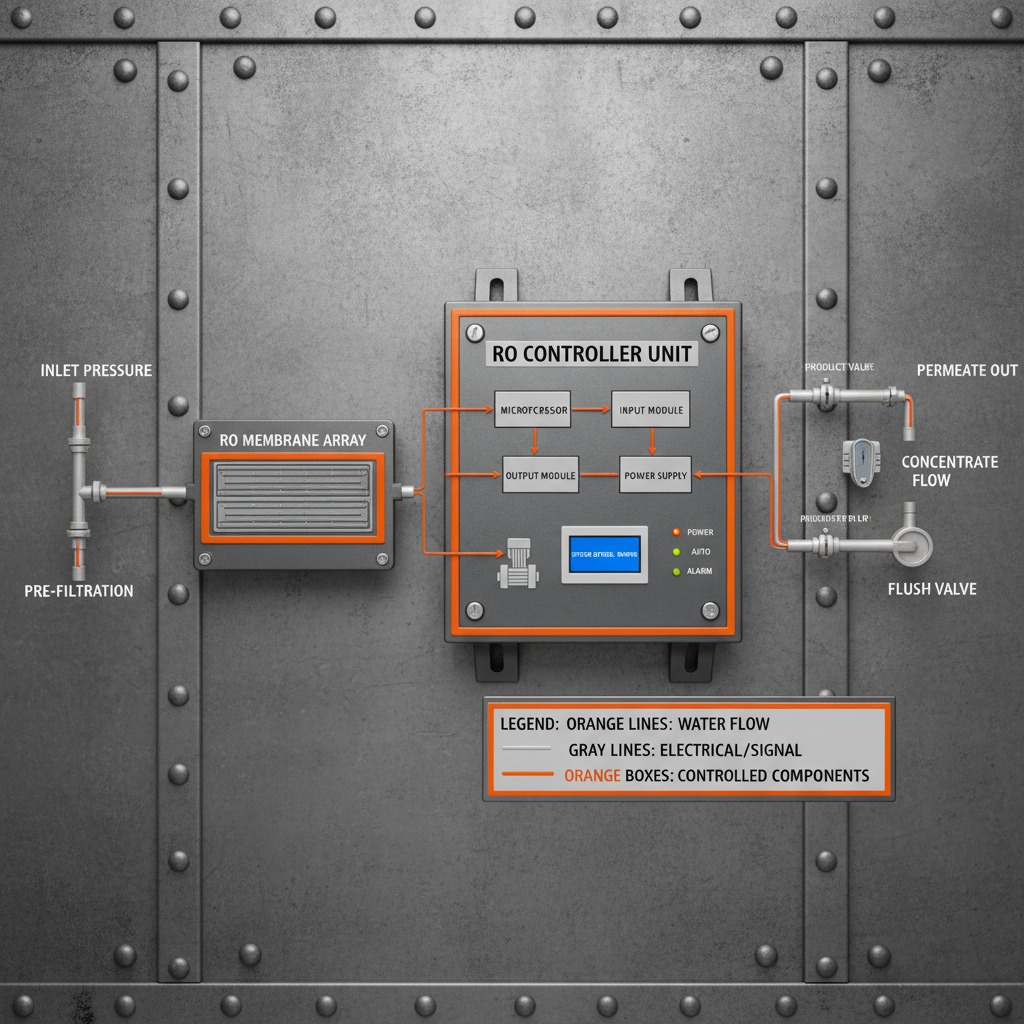
Guide to Choosing the Right RO Controller for Water PurificationMaintaining a high-performance reverse osmosis system requires more than just quality membranes; it demands precise regulation. An ro controller serves as the brain of the entire operation, monitoring critical parameters such as conductivity, temperature, and flow rates to ensure the output water meets stringent purity standards. Without an efficient controller, systems are prone to membrane fouling, inefficient energy use, and inconsistent water quality. In this comprehensive guide, we will explore how these devices optimize water treatment processes and how to select the best model for your specific industrial or commercial needs.
2026-04-09 03:25:47
Guide to Water Purity Using RO with TDS Controller SystemsAchieving the perfect balance of mineral content and purity in drinking water is a challenge for many households and industrial facilities. A ro with tds controller offers a sophisticated solution by combining the rigorous filtration of Reverse Osmosis (RO) with the precision of a Total Dissolved Solids (TDS) adjustment system. While standard RO systems remove almost everything, including beneficial minerals, a TDS controller allows users to re-mineralize the water to a desired level. This ensures that the water is not only safe and pure but also tastes better and provides essential nutrients.
2026-04-07 03:17:09
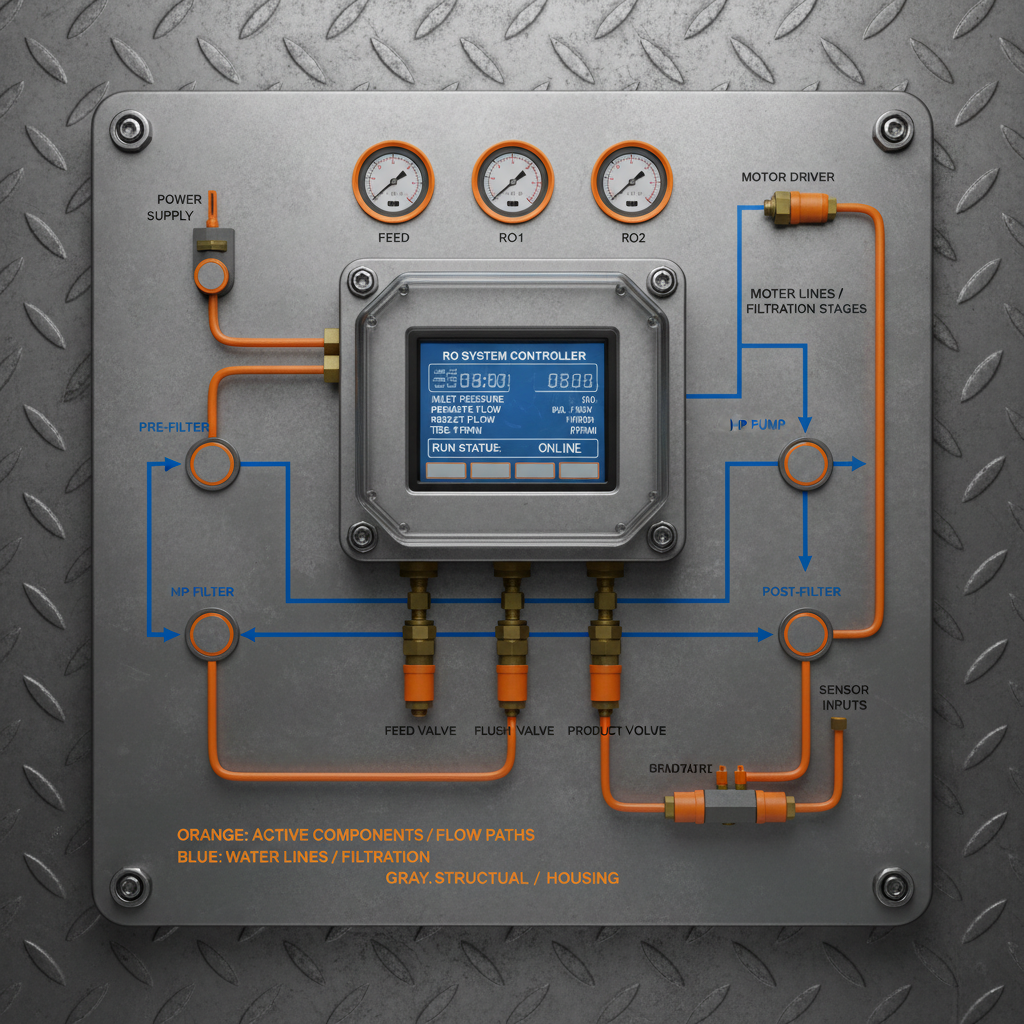
Understanding and Optimizing Reverse Osmosis Systems with a ControllerIn the world of water purification, reverse osmosis (RO) systems are a cornerstone for producing high-quality water for various applications, from drinking water to industrial processes. However, an RO system is only as effective as its control system. This is where the reverse osmosis controller comes into play. This critical component manages and optimizes the RO process, ensuring efficient operation, water quality, and system longevity.
2026-04-04 03:27:19
Understanding the Vital Role of an RO System Controller for Optimal PerformanceReverse Osmosis (RO) systems are critical for purifying water across various industries, from residential applications to large-scale industrial processes. At the heart of a well-functioning RO system lies the RO system controller. This intelligent device monitors and regulates all key parameters of the RO process, ensuring optimal performance, efficiency, and water quality. This article delves into the functionalities, benefits, and selection criteria for choosing the right RO system controller, particularly focusing on those offered by Watequipments. Understanding its role is crucial for maximizing the lifespan and effectiveness of your RO investment.
2026-03-24 17:18:24
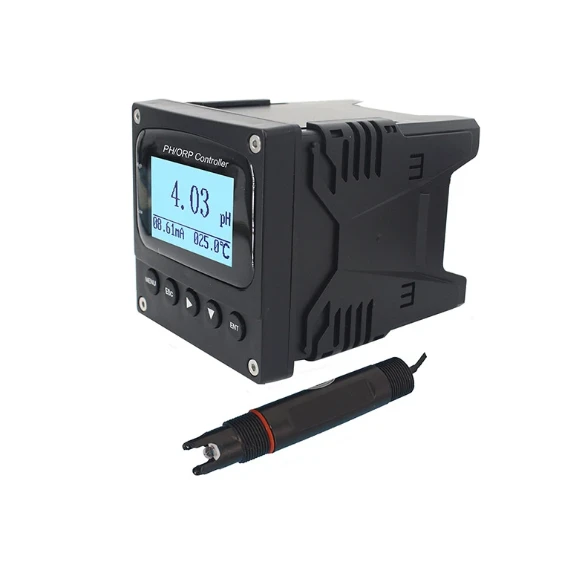
Smart Water Treatment Solutions Using PH ORP Controller SystemsIn modern water treatment and industrial fluid management, maintaining precise chemical balance is essential for safety, efficiency, and regulatory compliance.
2026-03-04 02:55:19
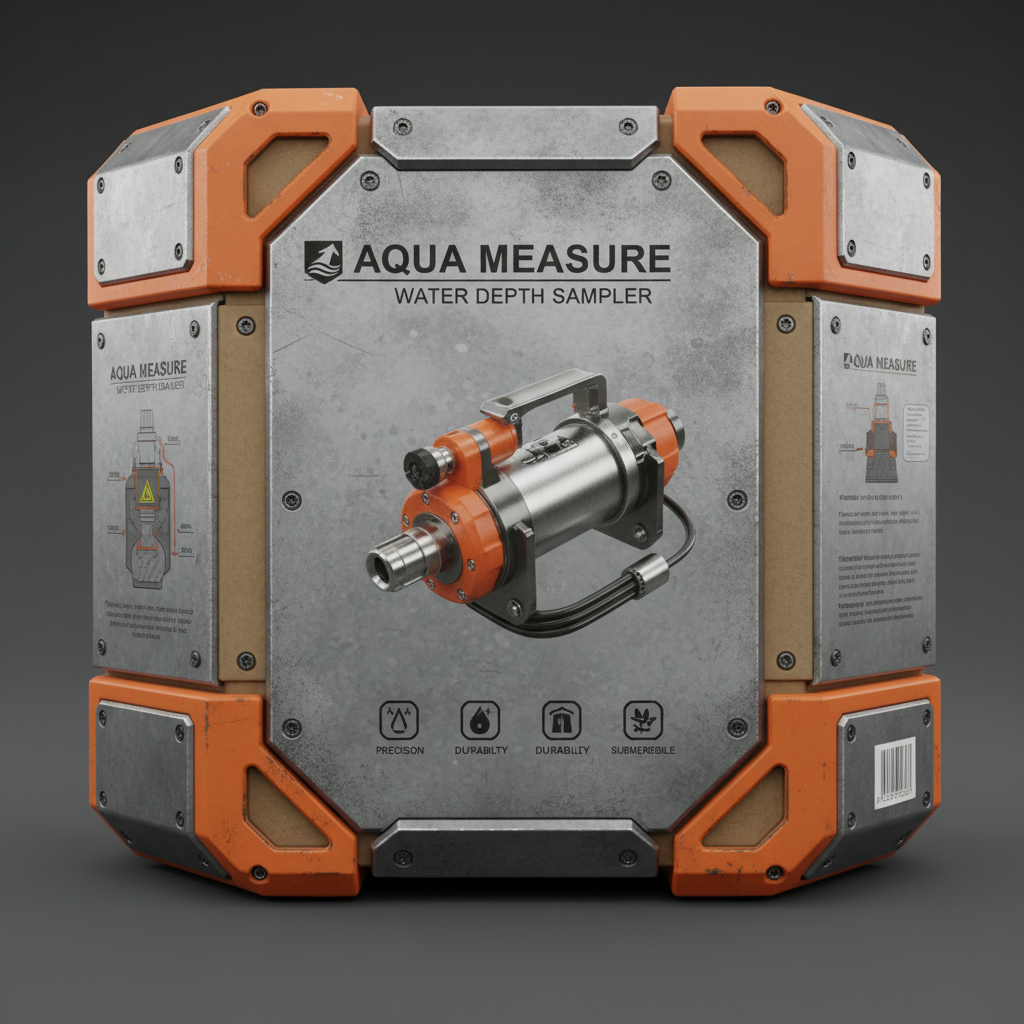
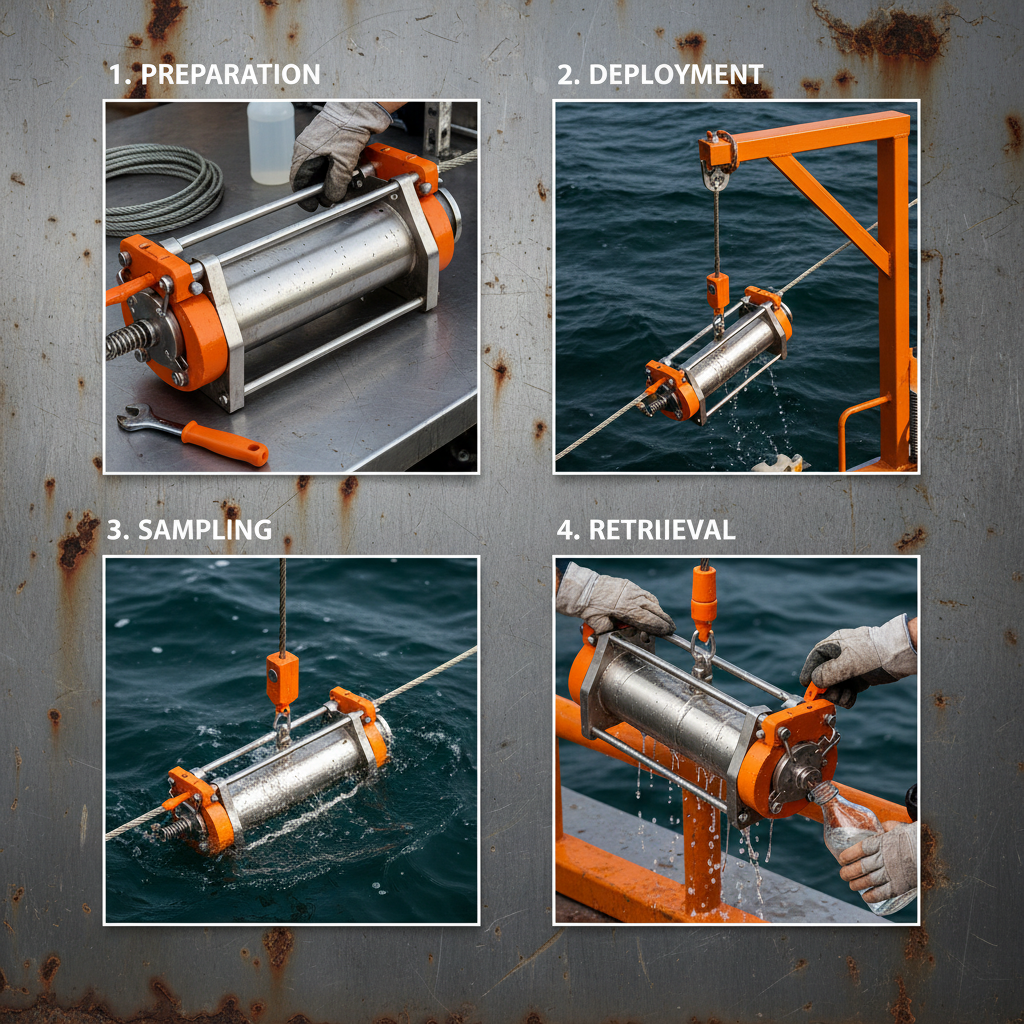
Comprehensive Guide to Water Depth Samplers and Their ApplicationsAccurate water quality monitoring is crucial in various fields, from environmental science and aquaculture to industrial wastewater management. A key tool for this is the water depth sampler. This article provides an in-depth look at water depth samplers, their applications, types, and essential considerations for choosing the right one for your needs. We'll explore the benefits of utilizing this equipment to collect reliable data for analysis and informed decision-making. Selecting the right sampler can significantly improve the precision and efficiency of your water monitoring program. A water depth sampler, also known as a depth-integrated sampler, is a device designed to collect water samples from specific depths within a body of water. Unlike simply dipping a container into the water, a depth sampler allows for collection of a representative sample across a defined depth range. This is critical because water properties (temperature, salinity, pollutants) often vary significantly with depth. The data gathered with a water depth sampler provides a more accurate assessment of water quality than surface samples alone.
2026-03-03 18:55:22
Comprehensive Guide to Horizontal Water Sampler Applications and SelectionCollecting water samples at varying depths is crucial for environmental monitoring, research, and quality control. The horizontal water sampler from Watequipment.com offers a precise and efficient solution for this task. This article provides an in-depth look at horizontal water samplers, their applications, benefits, and key considerations when choosing the right model. We will explore how these samplers contribute to accurate data collection and informed decision-making in various fields. A horizontal water sampler is a device designed to collect water samples from specific depths within a body of water – rivers, lakes, oceans, reservoirs, and even wastewater treatment plants. Unlike vertical samplers which primarily focus on depth, horizontal samplers prioritize collecting samples at a consistent depth while moving along a horizontal plane. This is essential for assessing water quality variations across a waterway or within a specific zone. They are used in applications ranging from environmental monitoring and scientific research to industrial process control and regulatory compliance.
2026-02-28 02:35:09
Comprehensive Guide to Selecting the Right Surface Water Sampler for Your NeedsMonitoring the quality of surface water is critical for environmental protection, public health, and various industrial applications. A surface water sampler is an essential tool for collecting representative samples from rivers, lakes, ponds, and other surface water sources. This article provides a detailed overview of surface water samplers, their types, applications, and key considerations for selecting the right equipment. Accurate water quality data relies on proper sample collection, and choosing the correct sampler is the first step toward achieving reliable results. Surface water samplers come in various designs, each suited to specific sampling needs. Common types include grab samplers, depth-integrating samplers, peristaltic pumps, and automatic samplers. Surface water samplers are used across a broad spectrum of applications, including environmental monitoring, wastewater discharge monitoring, drinking water source monitoring, agricultural runoff analysis, and research studies.

 English