


Garden Sprinkler Price: Understanding Costs, Features & Global Trends

Garden Sprinkler Price: Understanding Costs, Features & Global Trends
Dec . 05, 2025
Understanding Garden Sprinkler Price: What It Means & Why It Matters
When you think about watering your garden or maintaining a lush green lawn, the first thing that pops up (besides maybe the summer heat) is the cost involved. Garden sprinkler price isn’t just a throwaway figure; it’s part of a bigger equation – balancing your watering needs, budget constraints, and efficiency goals. Globally, with droughts and water scarcity becoming more frequent, knowing how much sprinklers cost and what affects those prices can influence planting decisions, water management, and even sustainability initiatives.
Frankly, understanding garden sprinkler price is more than just spending a few bucks; it’s about choosing the right system that aligns with your environment, technology needs, and long-term savings. Better yet, it can result in reduced water wastage and healthier landscapes, especially in regions vulnerable to climate stress.
Garden Sprinkler Price in a Global Context
Across continents, the importance of irrigation systems and garden sprinklers has skyrocketed. According to Water Research Foundation and UN Water, agriculture accounts for roughly 70% of global freshwater withdrawals. Increasingly, modern irrigation methods – including garden sprinklers – play a crucial role in optimizing water use. But, here’s the catch: price points vary dramatically by region, technology, and brand, which introduces challenges for urban planners, homeowners, and even NGOs focused on water efficiency.
What often gets overlooked is how sprinkler prices impact accessibility. In developing regions, affordable options can mean the difference between arid plots and food security. Conversely, in high-end residential neighborhoods, advanced features justify premium costs. The balance between affordability and capability is a core challenge in the industry today.
What Exactly Does Garden Sprinkler Price Mean?
In simple terms, the garden sprinkler price refers to the retail cost a consumer pays for a garden irrigation device designed to distribute water evenly across lawns, gardens, or agricultural fields. Prices encompass not only the sprinkler hardware itself but often installation expenses, which may vary depending on complexity and system size.
This figure factors in materials, design sophistication (manual vs. automatic, fixed vs. oscillating heads), durability, brand reputation, and sometimes warranty or customer support. In modern contexts, sprinkler prices are linked closely to sustainable landscape management – a consideration growing faster than the grass in your backyard...
Key Factors Affecting Garden Sprinkler Price
1. Durability and Build Quality
Cheap sprinklers might save you money upfront, but many engineers point out that investing in durable materials like brass or reinforced plastics means your system won’t fail at the first freeze or under UV sun exposure. It’s a long-term saving trick that surprisingly cuts back on maintenance costs.
2. Technological Features
Smart sprinklers with timers, moisture sensors, Wi-Fi connectivity, and app controls naturally cost more but offer precision watering. This can reduce water bills and promote healthier plants, a perfect example of “you pay for what you get.”
3. Scalability and Coverage
Smaller sprinklers for personal gardens tend to be cheaper than large-scale systems designed for commercial or agricultural use. Also, systems tailored to uneven terrains or customized layouts might demand a bigger upfront investment.
4. Brand and Warranty
Premium brands often come with extended warranties and better customer service, which can justify a higher garden sprinkler price. On the other hand, budget brands might be appealing but sometimes lack reliability over time.
5. Installation Complexity
DIY-friendly sprinklers cost less overall, but professional installation of automated setups can add significantly to price. It’s worth factoring these extra costs when comparing options.
Garden Sprinkler Product Specifications Table
| Model | Type | Coverage Area | Material | Price Range (USD) |
|---|---|---|---|---|
| AquaFlow Pro 500 | Oscillating | 2500 sq. ft. | Reinforced Plastic | $45 - $60 |
| GreenSpray Smart | Rotary, Wi-Fi Enabled | 3500 sq. ft. | Brass/Plastic Hybrid | $120 - $180 |
| EcoSprinkle Basic | Stationary | 1500 sq. ft. | Polycarbonate | $20 - $35 |
Global Applications & Use Cases
Oddly enough, garden sprinklers are not just the province of suburban backyards. Their reach extends widely—from urban parks in Europe, to farms in sub-Saharan Africa, to green spaces in crowded Asian cities. For example:
- Post-Disaster Relief: Temporary irrigation systems help rehabilitate damaged green spaces or community gardens, often relying on affordable sprinkler models to stretch scarce water supplies.
- Urban Landscaping: City planners in water-stressed cities like Cape Town or Los Angeles regulate sprinkler pricing and selection carefully to maximize coverage and minimize water loss.
- Commercial Agriculture: Large-scale rotary sprinklers, though pricier, enable expansive field coverage and support crop yields, especially vital in drought-prone zones.
Many organizations use sprinkler pricing to plan budgets for sustainability projects, aiming for the best balance between upfront cost and long-term water savings.
Vendor Comparison Table: Popular Brands by Price & Features
| Brand | Price Range (USD) | Warranty | Key Features | Ideal For |
|---|---|---|---|---|
| RainMaster | $40 - $120 | 2 years | Manual & Automatic Options, Durable | Home Gardens, Small Farms |
| GreenTech Solutions | $100 - $250 | 3 years | Smart Controls, Water-Saving Tech | Urban Green Spaces, Commercial Use |
| EcoSpray | $20 - $60 | 1 year | Budget Friendly, Easy Setup | Casual Gardeners, Beginners |
Advantages and Long-Term Value of Choosing the Right Garden Sprinkler Price
It feels like we live in times where sustainability meets cost-efficiency head-on. Choosing a garden sprinkler with the right price-quality ratio offers multiple benefits:
- Cost Savings: Efficient watering means less water wasted — translating directly into financial savings on utilities.
- Environmental Impact: Smart sprinkler systems support water conservation goals, critical as per UN Environment Programme reports.
- Plant Health: Consistent irrigation promotes robust growth, preventing stress and disease.
- Peace of Mind: Automated and reliable sprinklers reduce manual labor and worry about drought times.
In other words, the upfront investment in a thoughtfully priced sprinkler often returns dividends over seasons.
Future Trends & Innovations
The future? It's looking smart—and green. Recent strides include:
- Solar-Powered Sprinklers: Harnessing clean energy to reduce carbon footprints and running costs.
- IoT Integration: Sensors and apps monitor soil moisture, automatically adjusting watering schedules.
- Recycled Materials: More manufacturers opt for eco-friendly plastics and metals to produce sprinklers.
- Water Recycling Systems: Integration with greywater and rainwater harvesting to optimize resource use.
Prices might shift as these innovations mature, yet the long-term water and energy savings are expected to outweigh initial costs.
Challenges & Solutions in Garden Sprinkler Pricing
No product is perfect. Common hurdles include:
- High Initial Investment: Many hesitate at higher prices despite long-term savings.
- Maintenance Concerns: Complex systems require upkeep, which might add to costs.
- Market Variability: Prices fluctuate due to supply chains and regional demand.
Experts suggest educating consumers about lifecycle costs, facilitating easy maintenance, and promoting local manufacturing as viable remedies. Also, volume purchases and subsidies can make advanced sprinklers more accessible.
FAQ: Frequently Asked Questions About Garden Sprinkler Price
Q1: What factors most affect the price of a garden sprinkler?
The main influences include materials used, the technology level (manual versus smart), size and coverage area, and brand reputation. Installation complexity can also add to the overall expense.
Q2: Are smart sprinklers worth the higher garden sprinkler price?
Usually, yes. Though pricier up front, smart sprinklers reduce water use, lower bills, and offer convenience by tailoring watering to real-time conditions.
Q3: How do prices vary between brands?
Premium brands typically cost more but provide better durability, warranties, and support. Budget options are affordable but may compromise on lifespan.
Q4: Where can I find affordable garden sprinklers without compromising quality?
Visiting reputable retailers like Watequipment.com helps compare prices, read reviews, and find balance between cost and features.
Conclusion
So, when you next hunt for sprinkler options, remember: the garden sprinkler price is not just a number; it’s a doorway to water efficiency, sustainability, and a thriving green space. Invest smartly today to save water, money, and headaches tomorrow. For a wide range of options and expert advice, visit our website and discover what fits your garden’s story best.
Mini takeaway: The right garden sprinkler price blends affordability with efficiency, unlocking sustainable watering for all scales of gardens worldwide.
References:

Related Products
Related News
2026-04-16 03:20:19
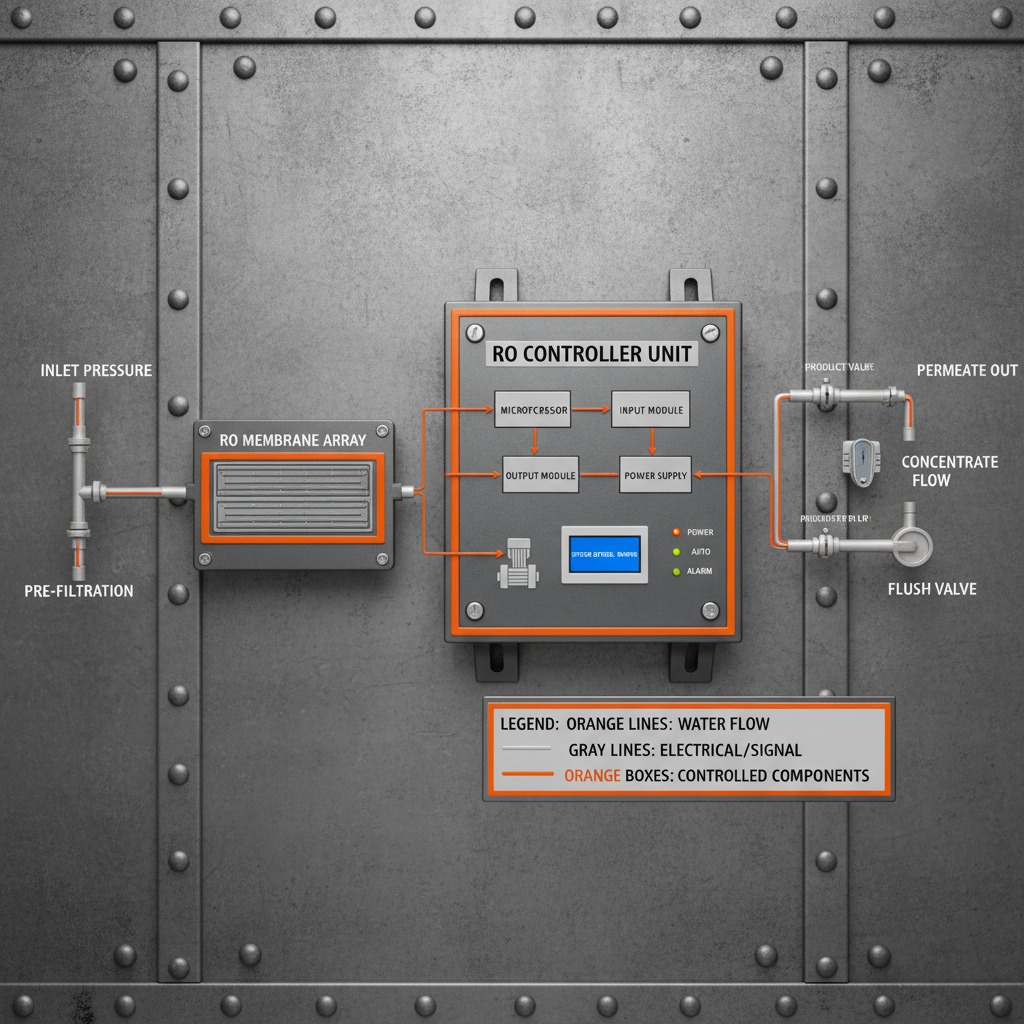
Guide to Choosing the Right RO Controller for Water PurificationMaintaining a high-performance reverse osmosis system requires more than just quality membranes; it demands precise regulation. An ro controller serves as the brain of the entire operation, monitoring critical parameters such as conductivity, temperature, and flow rates to ensure the output water meets stringent purity standards. Without an efficient controller, systems are prone to membrane fouling, inefficient energy use, and inconsistent water quality. In this comprehensive guide, we will explore how these devices optimize water treatment processes and how to select the best model for your specific industrial or commercial needs.
2026-04-09 03:25:47
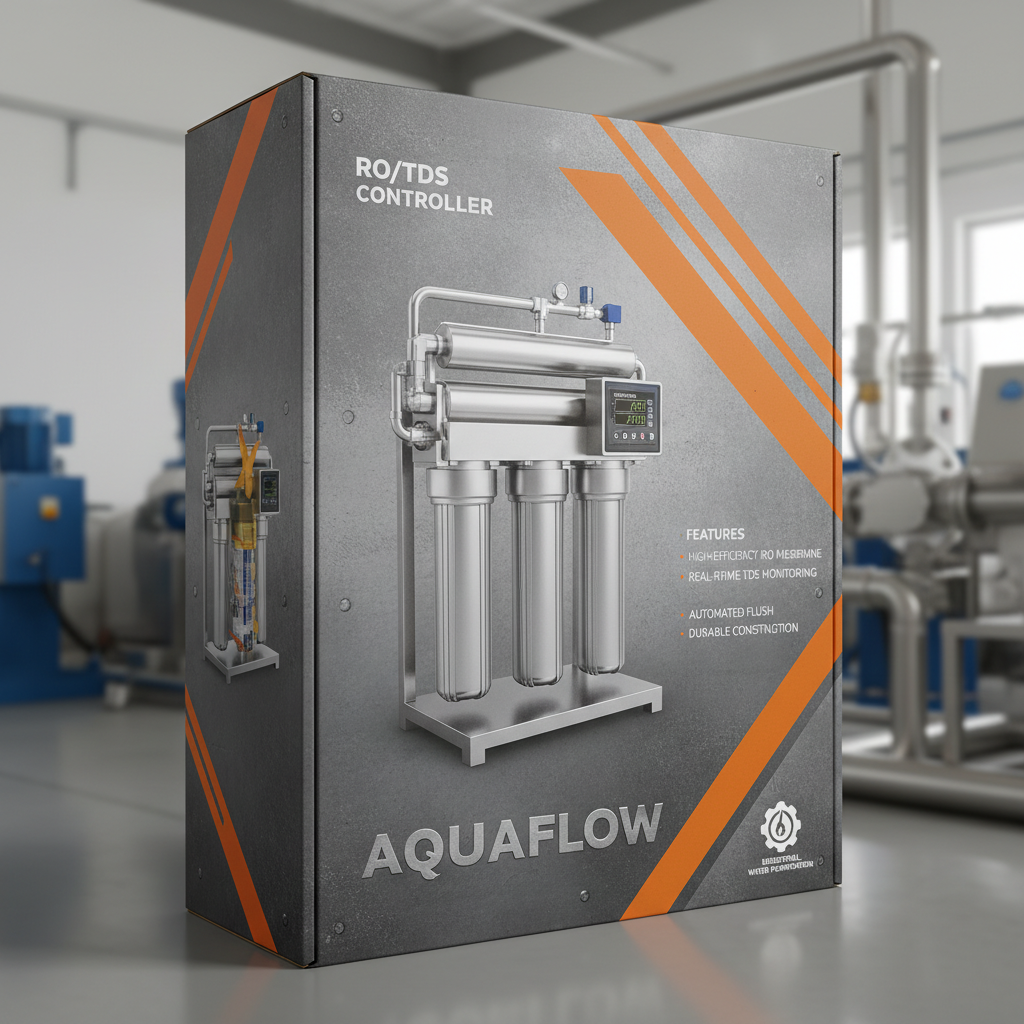
Guide to Water Purity Using RO with TDS Controller SystemsAchieving the perfect balance of mineral content and purity in drinking water is a challenge for many households and industrial facilities. A ro with tds controller offers a sophisticated solution by combining the rigorous filtration of Reverse Osmosis (RO) with the precision of a Total Dissolved Solids (TDS) adjustment system. While standard RO systems remove almost everything, including beneficial minerals, a TDS controller allows users to re-mineralize the water to a desired level. This ensures that the water is not only safe and pure but also tastes better and provides essential nutrients.
2026-04-07 03:17:09
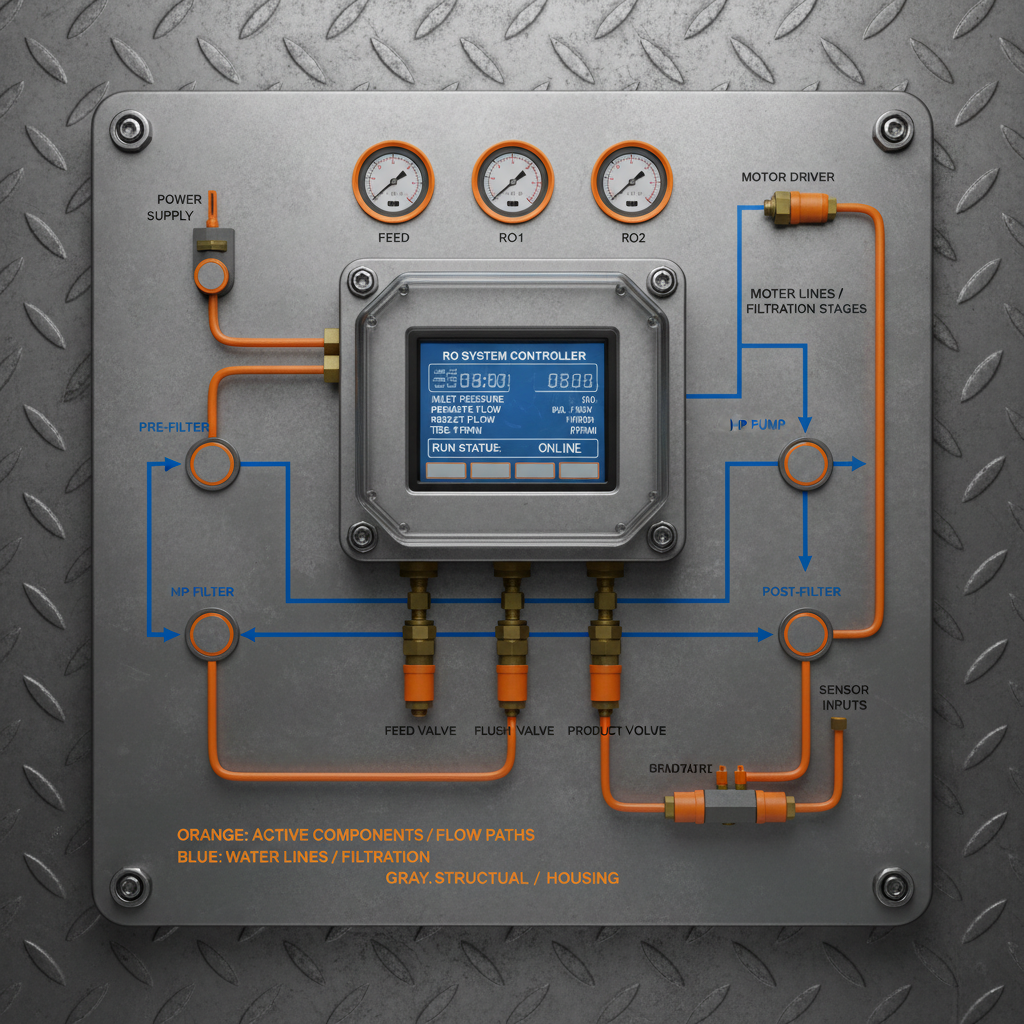
Understanding and Optimizing Reverse Osmosis Systems with a ControllerIn the world of water purification, reverse osmosis (RO) systems are a cornerstone for producing high-quality water for various applications, from drinking water to industrial processes. However, an RO system is only as effective as its control system. This is where the reverse osmosis controller comes into play. This critical component manages and optimizes the RO process, ensuring efficient operation, water quality, and system longevity.
2026-04-04 03:27:19
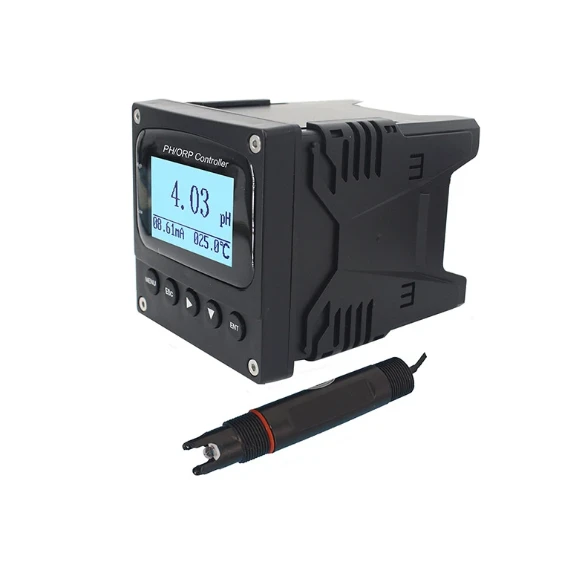
Understanding the Vital Role of an RO System Controller for Optimal PerformanceReverse Osmosis (RO) systems are critical for purifying water across various industries, from residential applications to large-scale industrial processes. At the heart of a well-functioning RO system lies the RO system controller. This intelligent device monitors and regulates all key parameters of the RO process, ensuring optimal performance, efficiency, and water quality. This article delves into the functionalities, benefits, and selection criteria for choosing the right RO system controller, particularly focusing on those offered by Watequipments. Understanding its role is crucial for maximizing the lifespan and effectiveness of your RO investment.
2026-03-24 17:18:24
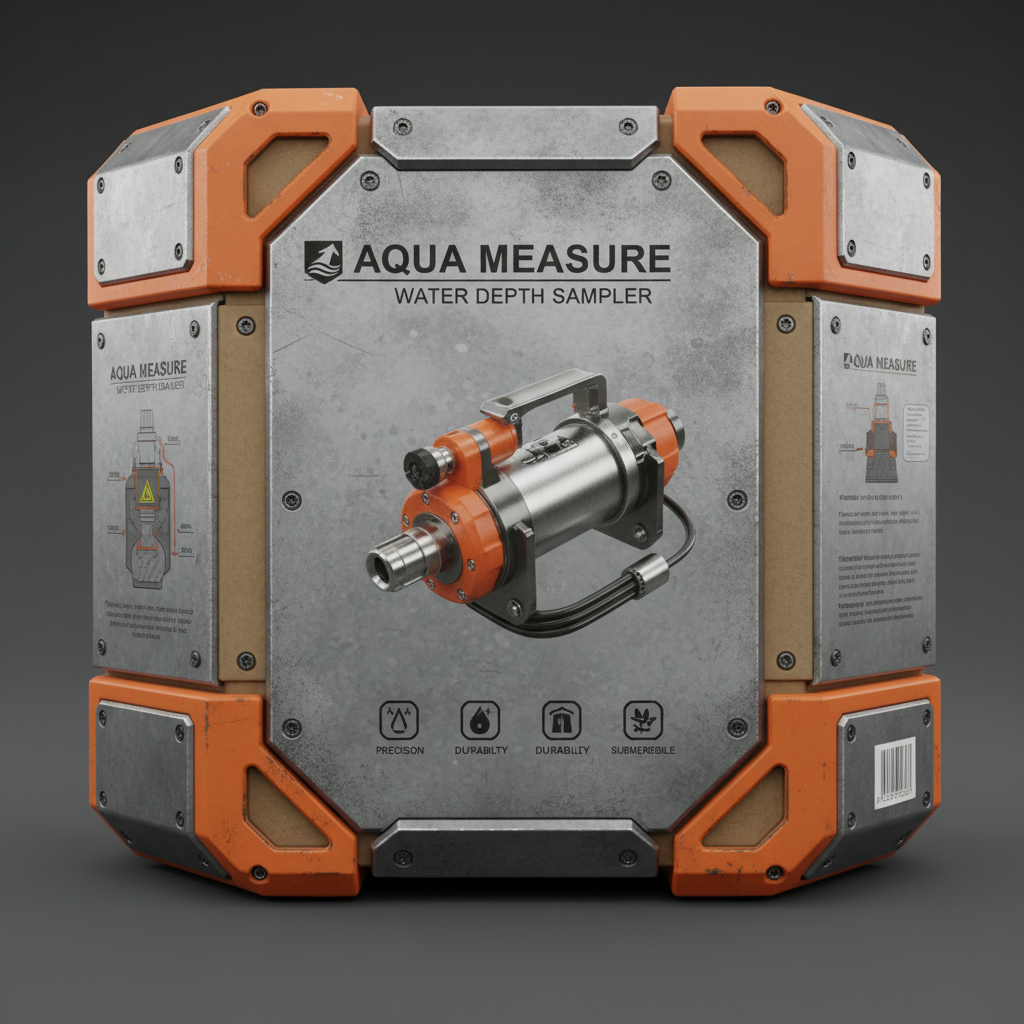
Smart Water Treatment Solutions Using PH ORP Controller SystemsIn modern water treatment and industrial fluid management, maintaining precise chemical balance is essential for safety, efficiency, and regulatory compliance.
2026-03-04 02:55:19
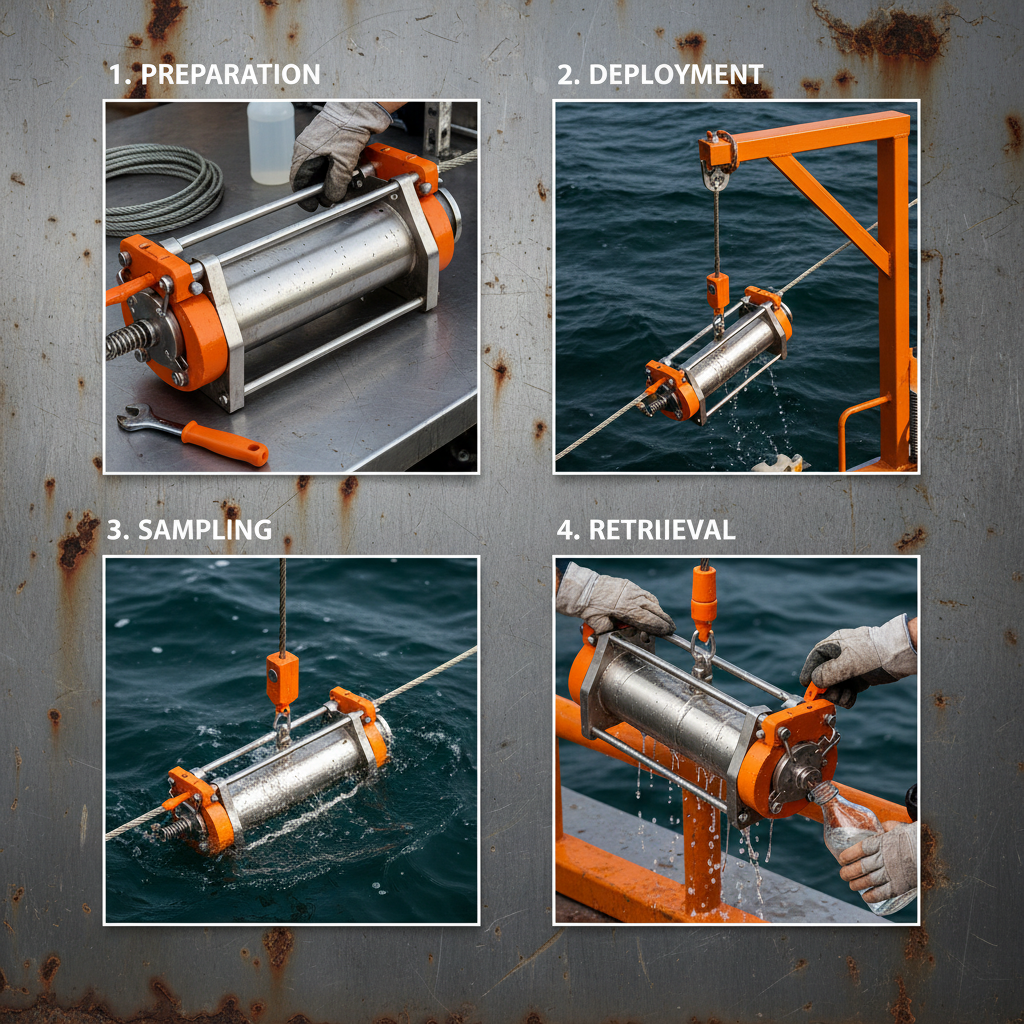
Comprehensive Guide to Water Depth Samplers and Their ApplicationsAccurate water quality monitoring is crucial in various fields, from environmental science and aquaculture to industrial wastewater management. A key tool for this is the water depth sampler. This article provides an in-depth look at water depth samplers, their applications, types, and essential considerations for choosing the right one for your needs. We'll explore the benefits of utilizing this equipment to collect reliable data for analysis and informed decision-making. Selecting the right sampler can significantly improve the precision and efficiency of your water monitoring program. A water depth sampler, also known as a depth-integrated sampler, is a device designed to collect water samples from specific depths within a body of water. Unlike simply dipping a container into the water, a depth sampler allows for collection of a representative sample across a defined depth range. This is critical because water properties (temperature, salinity, pollutants) often vary significantly with depth. The data gathered with a water depth sampler provides a more accurate assessment of water quality than surface samples alone.
2026-03-03 18:55:22
Comprehensive Guide to Horizontal Water Sampler Applications and SelectionCollecting water samples at varying depths is crucial for environmental monitoring, research, and quality control. The horizontal water sampler from Watequipment.com offers a precise and efficient solution for this task. This article provides an in-depth look at horizontal water samplers, their applications, benefits, and key considerations when choosing the right model. We will explore how these samplers contribute to accurate data collection and informed decision-making in various fields. A horizontal water sampler is a device designed to collect water samples from specific depths within a body of water – rivers, lakes, oceans, reservoirs, and even wastewater treatment plants. Unlike vertical samplers which primarily focus on depth, horizontal samplers prioritize collecting samples at a consistent depth while moving along a horizontal plane. This is essential for assessing water quality variations across a waterway or within a specific zone. They are used in applications ranging from environmental monitoring and scientific research to industrial process control and regulatory compliance.
2026-02-28 02:35:09
Comprehensive Guide to Selecting the Right Surface Water Sampler for Your NeedsMonitoring the quality of surface water is critical for environmental protection, public health, and various industrial applications. A surface water sampler is an essential tool for collecting representative samples from rivers, lakes, ponds, and other surface water sources. This article provides a detailed overview of surface water samplers, their types, applications, and key considerations for selecting the right equipment. Accurate water quality data relies on proper sample collection, and choosing the correct sampler is the first step toward achieving reliable results. Surface water samplers come in various designs, each suited to specific sampling needs. Common types include grab samplers, depth-integrating samplers, peristaltic pumps, and automatic samplers. Surface water samplers are used across a broad spectrum of applications, including environmental monitoring, wastewater discharge monitoring, drinking water source monitoring, agricultural runoff analysis, and research studies.

 English