


Irrigation System Cost Explained: What You Should Really Expect

Irrigation System Cost Explained: What You Should Really Expect
Dec . 07, 2025
Irrigation System Cost: What You Really Should Expect
If you’ve ever dipped your toes into the agricultural or landscaping business — or maybe just tried to keep a lush lawn alive during a brutal summer — you know that irrigation system cost is a pretty loaded topic. It's not just about throwing down pipes and sprinklers. There’s real engineering, materials science, and frankly, a little bit of guesswork involved. I’ve been in the industrial equipment sector for over a decade, and I’ve seen how pricing varies wildly depending on who you buy from and what specs you prioritize.
Let me walk you through the main factors influencing costs, and share what I’ve noticed helps clients get the best bang for their buck.
Raw Materials and Product Design: More Than Meets the Eye
First up, materials. Many irrigation systems use PVC or polyethylene pipes — and yes, these might look like simple plastic tubes, but there’s a reason some of them cost twice as much as others. The difference often boils down to thickness, UV resistance, and whether the material is rated for potable water. You might think, "How much can that matter?" Well, it matters a lot. Cheaper pipes mean faster degradation and potential leaks that drive up maintenance costs.
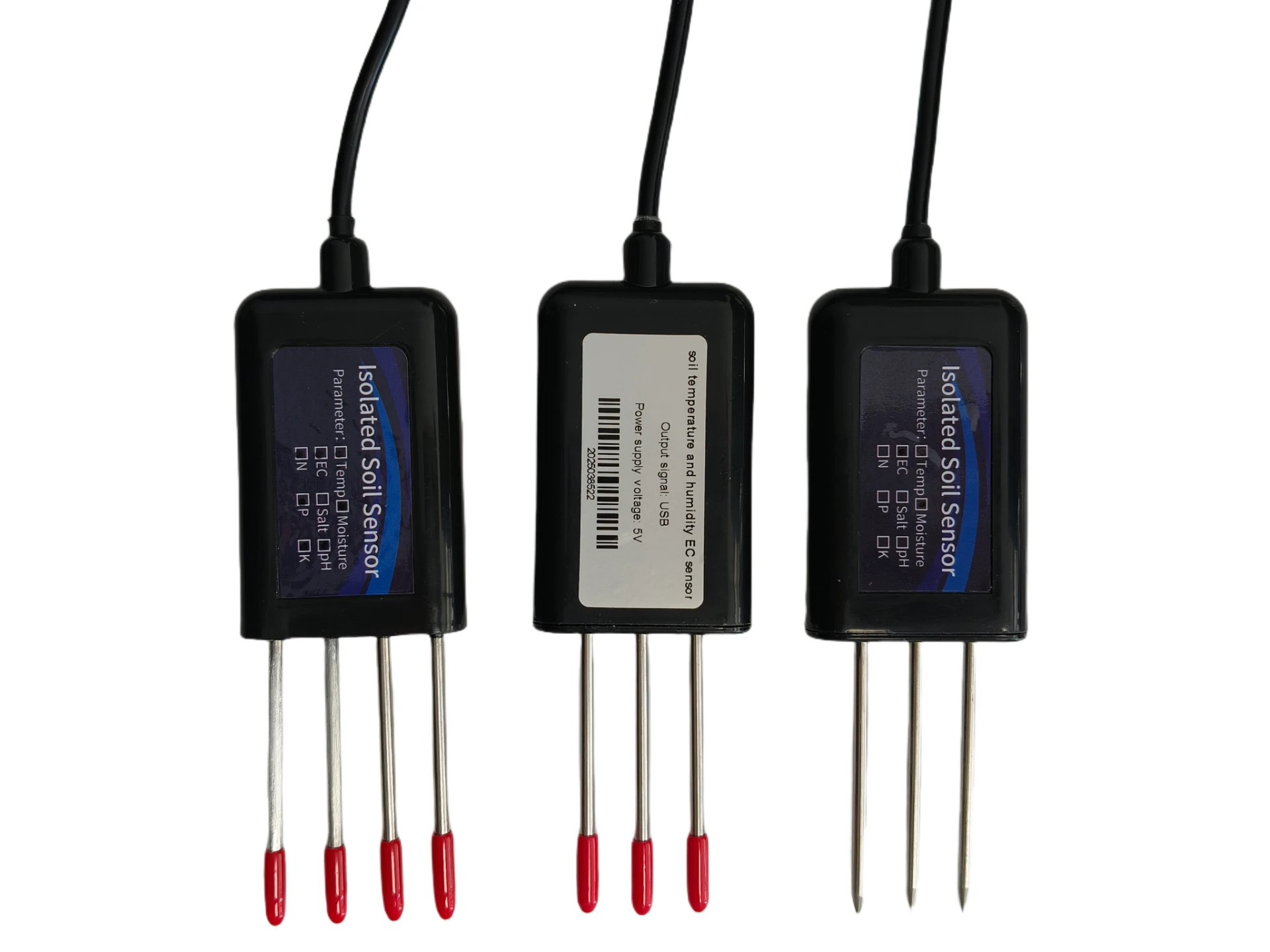
Then there’s the design complexity. Some systems are manual, simple drip emitters. Others are fully automated, with pressure regulators, programmable timers, and soil moisture sensors. You can even have variable rate irrigation in precision farming, which is costly but pays off in water and fertilizer savings long-term.
| Specification | Typical Range | Notes |
|---|---|---|
| Pipe Material | PVC, Polyethylene | UV resistant, food-grade options available |
| Pump Type | Electric, Diesel, Solar | Choice affects overall investment & efficiency |
| Control System | Manual to fully automated | Automation adds to initial cost but lowers labor |
| Coverage Area | Small gardens to multi-acre farms | Scales costs significantly |
Vendor Selection: Why It’s Not Just About Price
I remember a client a few years back, an orchard owner who first bought the cheapest irrigation setup they could find online. “It felt like a deal,” they told me. But within a year, pump parts needed replacement, and leaks showed up everywhere. They ended up spending far more fixing and upgrading than the initial price tag suggested.
In the industrial equipment trade, reliability is king. Here’s a quick comparison of three typical irrigation equipment vendors — based on my experience and industry chatter:
| Vendor | Price Range | Warranty | Customer Support | Special Features |
|---|---|---|---|---|
| AquaFlow Systems | $$$ | 5 years | 24/7 tech line | Smart irrigation controllers |
| HydroMax Equipment | $$ | 3 years | Business hours support | Modular pump systems |
| EcoIrrigate Solutions | $ | 1 year | Online FAQ & email only | Basic drip irrigation kits |
Customizing Your System: Knowing When to Invest
Oddly enough, one of the most overlooked expenses is customization. Farmers and landscapers often find that off-the-shelf systems don’t quite fit their terrain or plant types. Investing in professional consultation upfront can uncover water flow inefficiencies or leaks that aren’t obvious. Plus, tailored pressure regulators or specialized nozzles can save water and preserve plant health.
I once helped a vineyard adjust its irrigation layout—small tweaks dropped their water usage by 15%, which translated to serious savings over seasons. So yes, while upfront costs tick upwards, the return in saved resources and fewer repairs is definitely worth considering.
At the end of the day, you want to balance initial price with system design, materials, warranties, and vendor reliability. If you choose wisely, the irrigation system cost you pay will feel more like a smart investment than a gamble.
Just my two cents from years in the field: in irrigation, cheap can mean costly, and pricey can mean peace of mind.
- Industry standards on pipe materials and irrigation design – ASABE Journal, 2021
- Customer support importance in industrial equipment purchases – TechEquip Insights, 2022
- Water efficiency improvements from customized drip irrigation systems – AgriScience Review, 2023

Related Products
Related News
2026-04-16 03:20:19
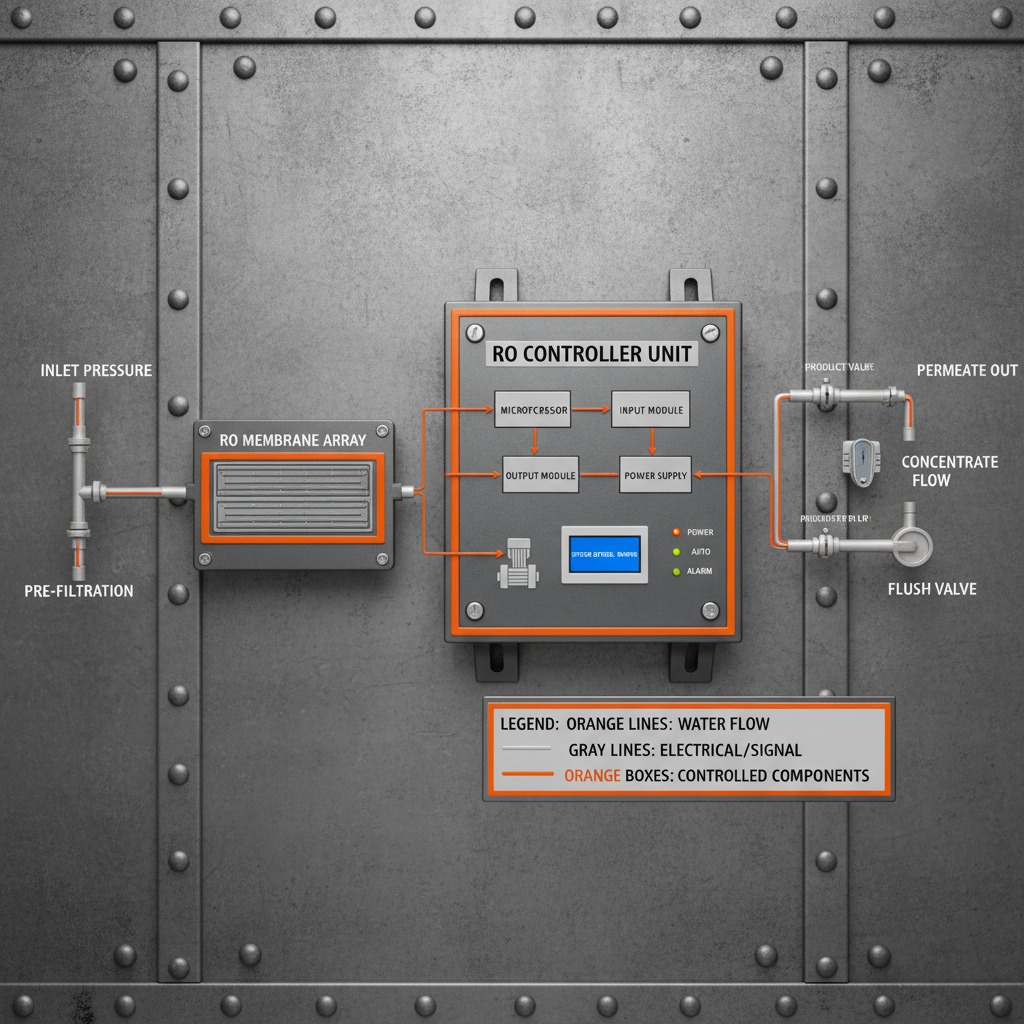
Guide to Choosing the Right RO Controller for Water PurificationMaintaining a high-performance reverse osmosis system requires more than just quality membranes; it demands precise regulation. An ro controller serves as the brain of the entire operation, monitoring critical parameters such as conductivity, temperature, and flow rates to ensure the output water meets stringent purity standards. Without an efficient controller, systems are prone to membrane fouling, inefficient energy use, and inconsistent water quality. In this comprehensive guide, we will explore how these devices optimize water treatment processes and how to select the best model for your specific industrial or commercial needs.
2026-04-09 03:25:47
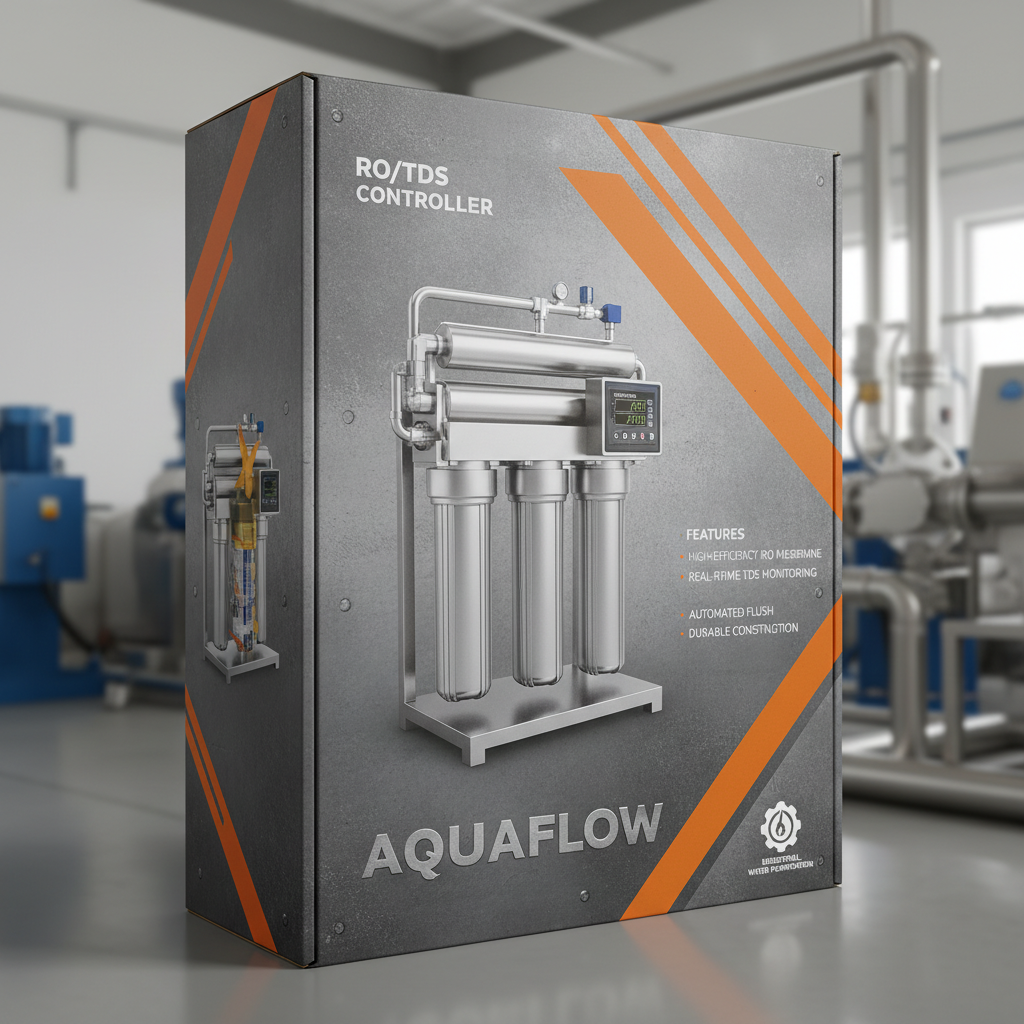
Guide to Water Purity Using RO with TDS Controller SystemsAchieving the perfect balance of mineral content and purity in drinking water is a challenge for many households and industrial facilities. A ro with tds controller offers a sophisticated solution by combining the rigorous filtration of Reverse Osmosis (RO) with the precision of a Total Dissolved Solids (TDS) adjustment system. While standard RO systems remove almost everything, including beneficial minerals, a TDS controller allows users to re-mineralize the water to a desired level. This ensures that the water is not only safe and pure but also tastes better and provides essential nutrients.
2026-04-07 03:17:09
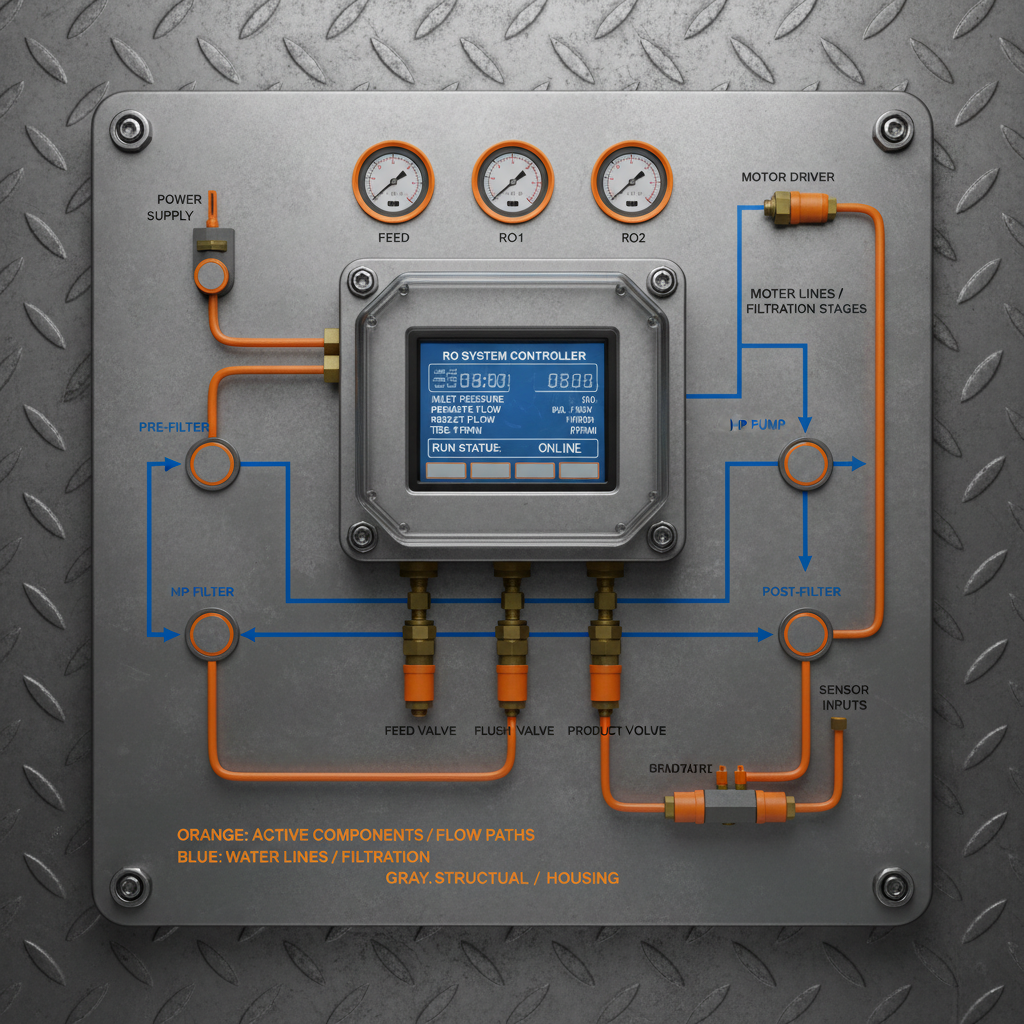
Understanding and Optimizing Reverse Osmosis Systems with a ControllerIn the world of water purification, reverse osmosis (RO) systems are a cornerstone for producing high-quality water for various applications, from drinking water to industrial processes. However, an RO system is only as effective as its control system. This is where the reverse osmosis controller comes into play. This critical component manages and optimizes the RO process, ensuring efficient operation, water quality, and system longevity.
2026-04-04 03:27:19
Understanding the Vital Role of an RO System Controller for Optimal PerformanceReverse Osmosis (RO) systems are critical for purifying water across various industries, from residential applications to large-scale industrial processes. At the heart of a well-functioning RO system lies the RO system controller. This intelligent device monitors and regulates all key parameters of the RO process, ensuring optimal performance, efficiency, and water quality. This article delves into the functionalities, benefits, and selection criteria for choosing the right RO system controller, particularly focusing on those offered by Watequipments. Understanding its role is crucial for maximizing the lifespan and effectiveness of your RO investment.
2026-03-24 17:18:24
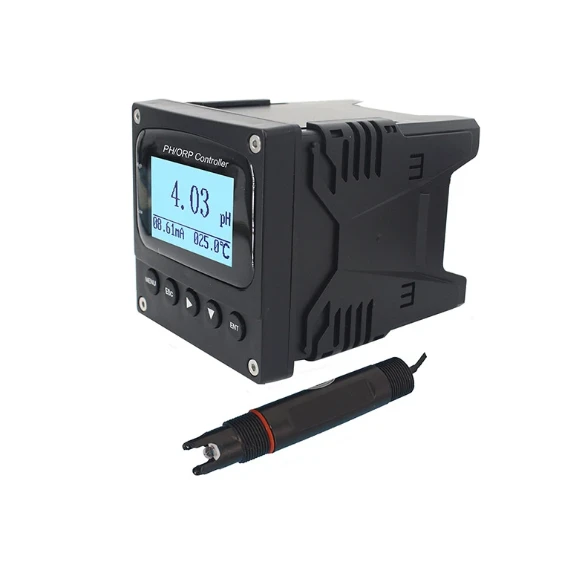
Smart Water Treatment Solutions Using PH ORP Controller SystemsIn modern water treatment and industrial fluid management, maintaining precise chemical balance is essential for safety, efficiency, and regulatory compliance.
2026-03-04 02:55:19
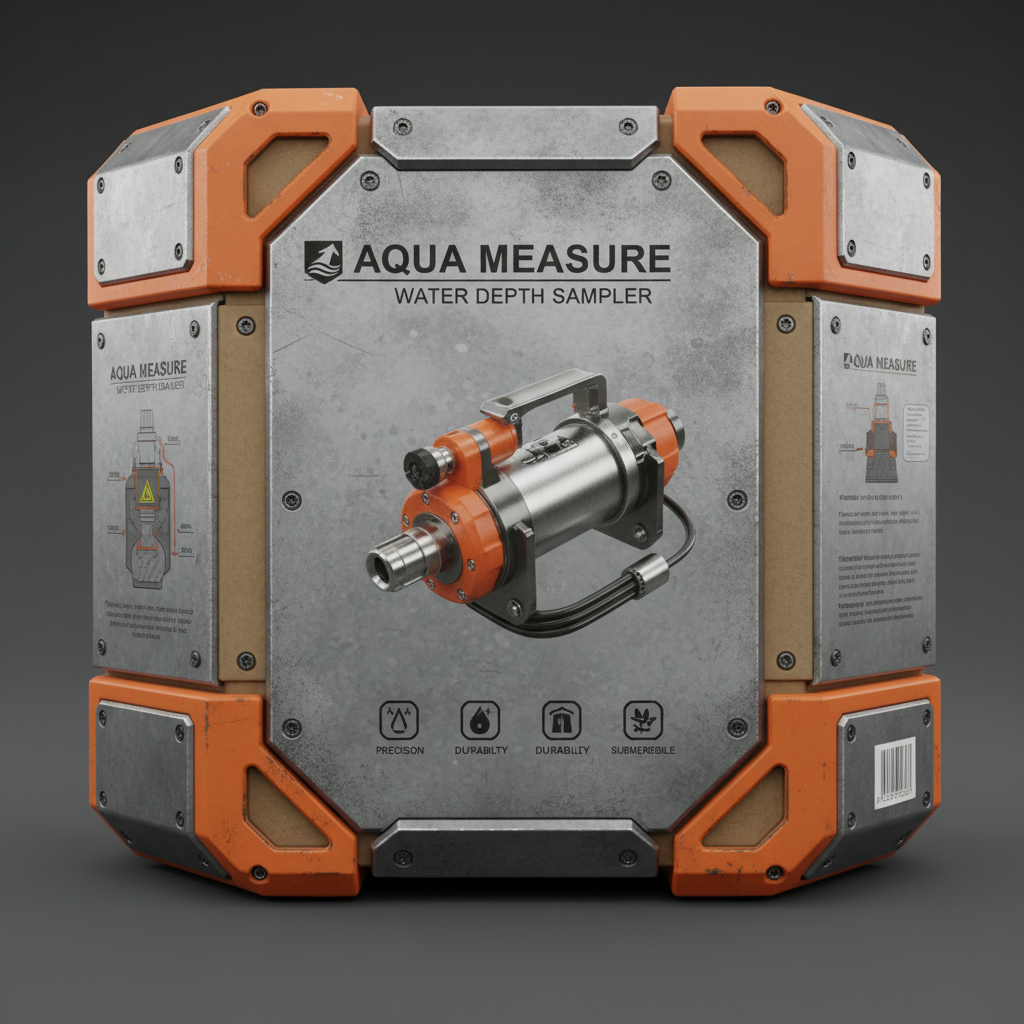
Comprehensive Guide to Water Depth Samplers and Their ApplicationsAccurate water quality monitoring is crucial in various fields, from environmental science and aquaculture to industrial wastewater management. A key tool for this is the water depth sampler. This article provides an in-depth look at water depth samplers, their applications, types, and essential considerations for choosing the right one for your needs. We'll explore the benefits of utilizing this equipment to collect reliable data for analysis and informed decision-making. Selecting the right sampler can significantly improve the precision and efficiency of your water monitoring program. A water depth sampler, also known as a depth-integrated sampler, is a device designed to collect water samples from specific depths within a body of water. Unlike simply dipping a container into the water, a depth sampler allows for collection of a representative sample across a defined depth range. This is critical because water properties (temperature, salinity, pollutants) often vary significantly with depth. The data gathered with a water depth sampler provides a more accurate assessment of water quality than surface samples alone.
2026-03-03 18:55:22
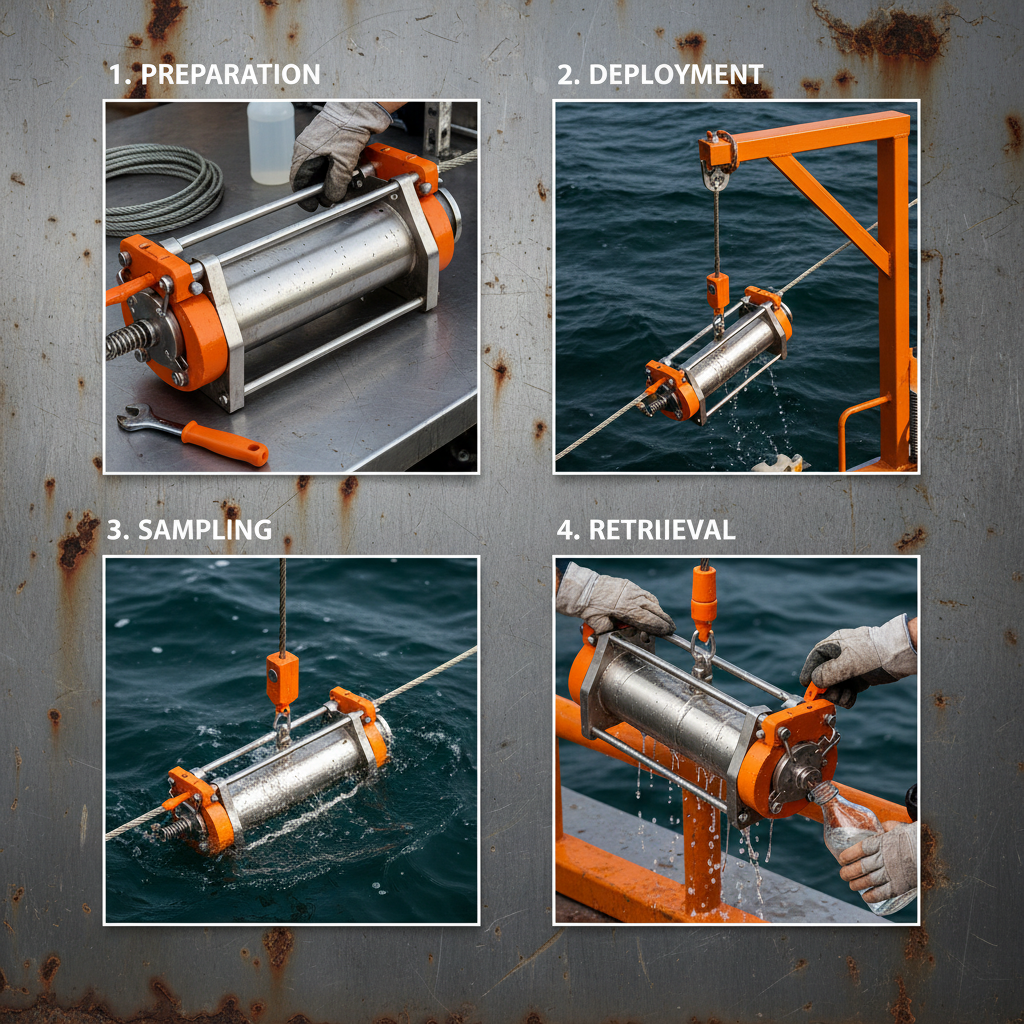
Comprehensive Guide to Horizontal Water Sampler Applications and SelectionCollecting water samples at varying depths is crucial for environmental monitoring, research, and quality control. The horizontal water sampler from Watequipment.com offers a precise and efficient solution for this task. This article provides an in-depth look at horizontal water samplers, their applications, benefits, and key considerations when choosing the right model. We will explore how these samplers contribute to accurate data collection and informed decision-making in various fields. A horizontal water sampler is a device designed to collect water samples from specific depths within a body of water – rivers, lakes, oceans, reservoirs, and even wastewater treatment plants. Unlike vertical samplers which primarily focus on depth, horizontal samplers prioritize collecting samples at a consistent depth while moving along a horizontal plane. This is essential for assessing water quality variations across a waterway or within a specific zone. They are used in applications ranging from environmental monitoring and scientific research to industrial process control and regulatory compliance.
2026-02-28 02:35:09
Comprehensive Guide to Selecting the Right Surface Water Sampler for Your NeedsMonitoring the quality of surface water is critical for environmental protection, public health, and various industrial applications. A surface water sampler is an essential tool for collecting representative samples from rivers, lakes, ponds, and other surface water sources. This article provides a detailed overview of surface water samplers, their types, applications, and key considerations for selecting the right equipment. Accurate water quality data relies on proper sample collection, and choosing the correct sampler is the first step toward achieving reliable results. Surface water samplers come in various designs, each suited to specific sampling needs. Common types include grab samplers, depth-integrating samplers, peristaltic pumps, and automatic samplers. Surface water samplers are used across a broad spectrum of applications, including environmental monitoring, wastewater discharge monitoring, drinking water source monitoring, agricultural runoff analysis, and research studies.

 English