


PH/ORP-6850: High-Precision Industrial pH/ORP Controller

PH/ORP-6850: High-Precision Industrial pH/ORP Controller
Sep . 22, 2025
Industry Trends in pH and ORP Monitoring
The demand for precise and reliable pH and Oxidation-Reduction Potential (ORP) measurement solutions continues to grow across a multitude of industrial sectors. Driven by increasingly stringent regulatory compliance, the need for process optimization, and a focus on environmental protection, industries like petrochemicals, pharmaceuticals, metallurgy, and water treatment are investing heavily in advanced sensing technologies. Key trends include the integration of IoT for remote monitoring, enhanced sensor robustness for harsh environments, improved accuracy and stability in measurements, and the development of intelligent, self-calibrating systems. The shift towards real-time data analytics and predictive maintenance also necessitates sensors that can provide continuous, high-integrity data streams. Products like the PH/ORP-6850 are at the forefront of this evolution, designed to meet these sophisticated industrial requirements.
Innovations in material science, particularly with reference electrode technologies and diaphragm designs, are extending sensor lifespans and reducing maintenance intervals. Furthermore, the push for energy efficiency in industrial processes benefits greatly from accurate pH/ORP control, as optimized chemical dosing can lead to significant cost savings and reduced environmental impact. Smart sensors that offer digital outputs and seamless integration into Distributed Control Systems (DCS) or SCADA platforms are becoming standard, providing operators with comprehensive control and diagnostic capabilities.
Manufacturing Process of the PH/ORP-6850
The production of the PH/ORP-6850 sensor is a meticulously controlled multi-stage process, designed to ensure superior performance, durability, and reliability under challenging industrial conditions. Adhering strictly to international quality standards such as ISO 9001 and ANSI specifications, each unit undergoes rigorous quality assurance protocols from raw material sourcing to final assembly and testing.
Key Stages in Manufacturing:
Step 1: Material Selection & Preparation
- Primary Materials: High-purity PTFE (polytetrafluoroethylene) for the housing, ensuring exceptional chemical resistance and non-fouling properties. Proprietary glass formulations for pH electrodes, and platinum/gold for ORP electrodes. High-grade electrolytes (e.g., KCl solution) are prepared.
- Quality Check: Incoming inspection of all raw materials for purity, dimensional accuracy, and material integrity.
Step 2: Electrode Fabrication (Specialized Processes)
- pH Glass Electrode: Precision glass blowing and forming, followed by thermal treatment to achieve desired membrane characteristics and mechanical strength. This critical process determines the sensor's sensitivity and response time.
- ORP Electrode: Platinum wire (or gold) is meticulously shaped and fused into a suitable substrate, ensuring optimal surface area for redox reactions.
- Reference Electrode: Silver/Silver Chloride (Ag/AgCl) internal elements are electrochemically prepared and aged under controlled conditions to guarantee stable reference potential.
Step 3: Housing & Assembly (CNC Machining & Precision Assembly)
- PTFE Housing: CNC machining ensures precise dimensions for the robust, corrosion-resistant sensor body. This material is chosen for its inertness and suitability for aggressive chemical environments, extending service life significantly.
- Component Integration: Electrodes, temperature compensation elements (e.g., Pt1000/NTC), and the liquid junction (often a porous PTFE or ceramic type for enhanced fouling resistance) are carefully assembled within the housing.
- Sealing: Advanced sealing techniques, including ultrasonic welding and specialized epoxies, prevent electrolyte leakage and ingress of process media, crucial for maintaining sensor integrity in high-pressure or corrosive applications.
Step 4: Calibration & Testing (ISO/ANSI Standards)
- Pre-aging: Sensors are subjected to controlled conditioning cycles to stabilize electrode potentials.
- Multi-point Calibration: Calibration against NIST-traceable buffer solutions (e.g., pH 4.01, 7.00, 10.00) at various temperatures, ensuring accuracy and linearity. ORP sensors are tested with redox standards.
- Performance Verification: Tests for response time, drift, impedance, temperature compensation accuracy, and mechanical integrity (e.g., pressure resistance, vibration). Service life is maximized through robust design and selection of high-quality, stable components.
Step 5: Final Inspection & Packaging
- Visual Inspection: Comprehensive check for any cosmetic or structural defects.
- Documentation: Each sensor is provided with a unique serial number and a certificate of calibration.
This rigorous process ensures that the PH/ORP-6850 delivers exceptional performance with a typical service life exceeding 24 months in moderately aggressive environments, reaching 36+ months in less demanding applications. Its robust design and material selection, particularly the PTFE housing, offer unparalleled corrosion resistance and energy saving benefits by reducing the frequency of sensor replacement and associated operational downtime.
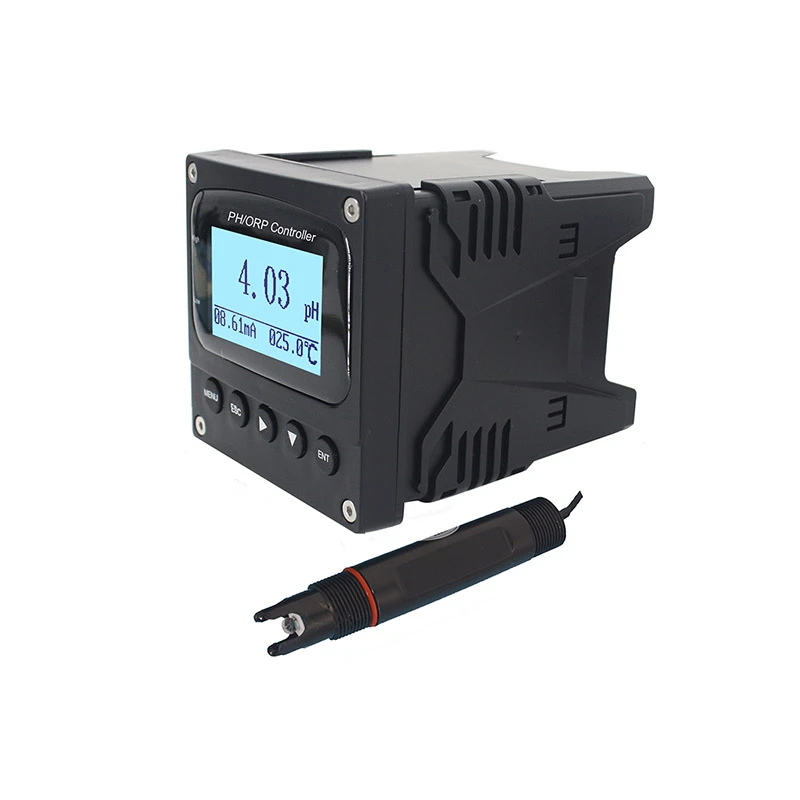
Technical Specifications of the PH/ORP-6850
The PH/ORP-6850 is engineered to deliver highly accurate and stable measurements for critical industrial processes. Its design incorporates advanced materials and sensing elements to withstand challenging operational parameters, ensuring reliability and longevity. Below is a detailed overview of its technical specifications:
| Parameter | Specification |
|---|---|
| Measurement Range (pH) | 0.00 to 14.00 pH |
| Measurement Range (ORP) | -1500 mV to +1500 mV |
| Accuracy (pH) | ±0.02 pH |
| Accuracy (ORP) | ±2 mV |
| Temperature Compensation | Automatic (PT1000/NTC10K), 0 to 100°C |
| Operating Temperature | -10°C to 120°C (14°F to 248°F) |
| Max. Operating Pressure | 0.6 MPa (6 bar / 87 psi) |
| Housing Material | PTFE (Polytetrafluoroethylene) |
| Liquid Junction | Porous PTFE, Annular Ceramic, or Dual Porous Reference |
| Reference System | Double Junction Ag/AgCl with Polymerized Electrolyte |
| Electrode Shaft Length | 120 mm, 150 mm (customizable) |
| Process Connection | PG13.5 thread (Standard), NPT (Optional) |
| Connector | BNC, S8, VP (Variopin) |
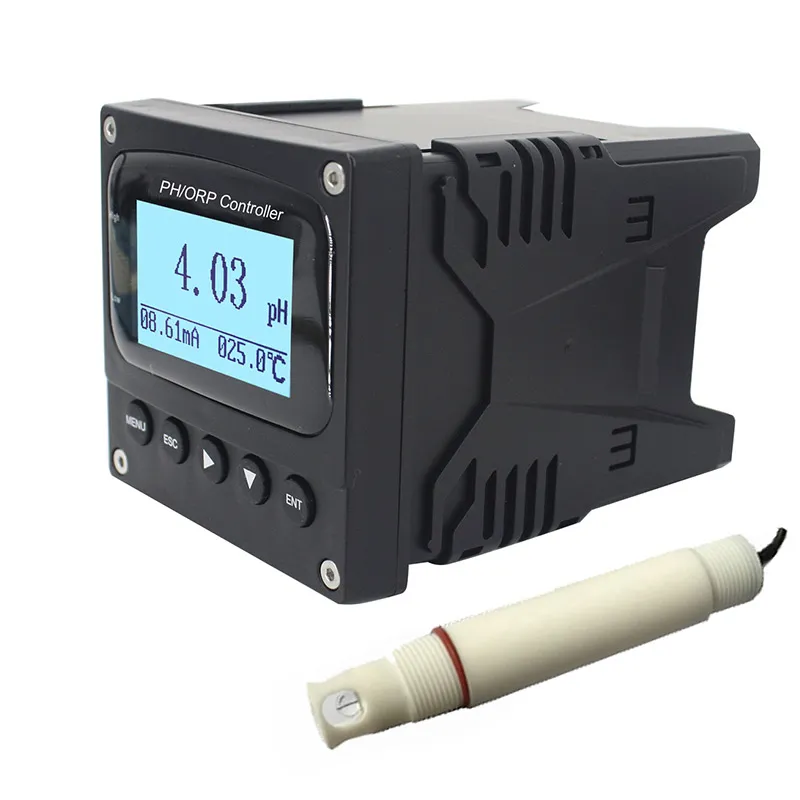
Application Scenarios
The robust design and chemical resistance of the PH/ORP-6850 make it an ideal choice for diverse and demanding industrial applications where accurate pH and ORP control are paramount. Its ability to perform reliably in corrosive and fouling environments ensures consistent process monitoring and control.
- Petrochemical Industry: Monitoring pH in cooling towers, wastewater treatment streams, and various chemical synthesis processes where aggressive acids, bases, and hydrocarbons are present. Accurate ORP measurement is crucial for oxidation processes and corrosion prevention.
- Metallurgy: Essential for acid pickling baths, electroplating processes, and effluent treatment. The sensor's resilience to high temperatures and corrosive solutions (e.g., concentrated acids, metal ion solutions) ensures stable measurement for optimal metal recovery and environmental compliance.
- Water Supply & Drainage: Critical for municipal water treatment plants, industrial wastewater treatment (e.g., neutralization, coagulation, disinfection with chlorine), and reverse osmosis systems. The sensor monitors water quality, optimizing chemical dosing for disinfection (ORP) and ensuring discharge compliance (pH).
- Pharmaceutical & Biotech: Used in fermentation processes, purification steps, and buffer preparations where precise pH control is vital for product quality and yield. The inert PTFE housing prevents contamination and ensures sanitary conditions.
- Pulp & Paper: Monitoring pH in various stages from pulping to bleaching and wastewater treatment. The sensor's ability to withstand harsh chemicals like hypochlorite and high pulp consistency is invaluable.
- Chemical Processing: General chemical manufacturing, including acid/base neutralization, solvent production, and polymerization reactors. The sensor's robust construction ensures reliable operation in highly aggressive chemical streams.
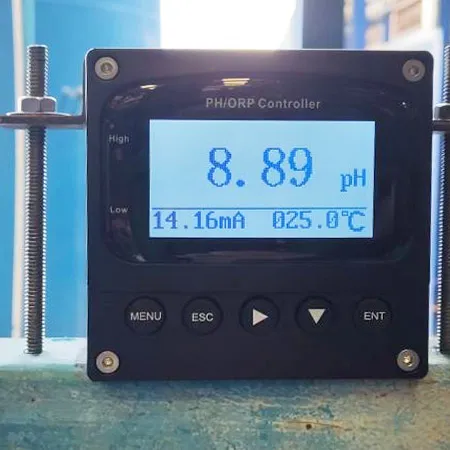
In these scenarios, the PH/ORP-6850 demonstrates distinct advantages: its PTFE housing provides superior corrosion resistance, significantly extending sensor life and reducing replacement costs. The double-junction reference system enhances stability and minimizes poisoning from aggressive ions, while advanced liquid junction designs resist fouling, leading to reduced maintenance and more reliable continuous measurements. These features contribute directly to energy savings by optimizing chemical usage and preventing process upsets.
Technical Advantages and Distinctive Features
The PH/ORP-6850 stands out in the market due to its combination of advanced materials, intelligent design, and superior electrochemical performance. These advantages translate directly into lower operational costs, improved process control, and enhanced safety for industrial users.
- Unparalleled Corrosion Resistance: The robust PTFE body offers exceptional chemical inertness, making it impervious to highly aggressive acids, bases, solvents, and other corrosive process media. This significantly extends sensor lifespan in challenging applications where conventional materials would quickly fail.
- Advanced Double Junction Reference System: Equipped with a double junction Ag/AgCl reference and a polymerized electrolyte, the sensor provides superior protection against reference poisoning from sulfide, cyanide, and heavy metal ions commonly found in industrial wastewater and chemical processes. This ensures stable and accurate readings over extended periods.
- Fouling-Resistant Liquid Junction: Options for porous PTFE or annular ceramic liquid junctions minimize clogging and fouling, even in viscous or high-particulate process streams. This reduces the frequency of cleaning and recalibration, leading to less downtime and lower maintenance costs.
- Wide Operating Temperature and Pressure Range: Capable of operating from -10°C to 120°C and up to 0.6 MPa, the sensor is suitable for a broad spectrum of industrial processes, including those with elevated temperatures and pressures often encountered in petrochemical or metallurgical operations.
- Integrated Temperature Compensation: Built-in Pt1000 or NTC10K temperature sensors provide automatic temperature compensation, ensuring highly accurate pH and ORP measurements regardless of process temperature fluctuations.
- Versatile Process Connections: Standard PG13.5 threading and optional NPT connections, combined with BNC, S8, or Variopin (VP) connectors, ensure compatibility with a wide range of existing instrumentation and installation requirements.
- Reduced Maintenance & Total Cost of Ownership (TCO): The combination of robust materials, fouling resistance, and extended service life translates into significantly reduced maintenance requirements, fewer sensor replacements, and ultimately a lower Total Cost of Ownership compared to conventional sensors.
Vendor Comparison: PH/ORP-6850 vs. Industry Alternatives
When evaluating industrial pH/ORP sensors, decision-makers focus on key attributes such as material compatibility, measurement stability, maintenance frequency, and overall cost-effectiveness. The PH/ORP-6850 differentiates itself through several critical design choices that offer a distinct competitive edge, particularly in harsh environments. Below is a comparative analysis against common industry alternatives, such as those from Endress+Hauser (e.g., CPS11D) or Mettler Toledo (e.g., InPro 3250i).
| Feature/Parameter | PH/ORP-6850 | Competitor A (e.g., E+H CPS11D) | Competitor B (e.g., Mettler InPro 3250i) |
|---|---|---|---|
| Housing Material | PTFE (Superior Chemical Resistance) | Glass/PPS (Good, but limited in harsh chemicals) | Glass/Ryton (Good, but limited in specific solvents) |
| Reference System | Double Junction Ag/AgCl with Polymerized Electrolyte (High Poisoning Resistance) | Single/Double Junction Gel or Liquid (Varies, less robust in some cases) | Single/Double Junction Polymer (Good, but can be susceptible) |
| Liquid Junction | Porous PTFE / Annular Ceramic (Excellent Fouling Resistance) | Ceramic / Open Aperture (Can be prone to clogging) | Ceramic / Open Pore (Susceptible to fouling) |
| Max. Operating Temp. | 120°C | Up to 135°C (with specific variants) | Up to 140°C (with specific variants) |
| Max. Operating Pressure | 0.6 MPa (6 bar) | Up to 10 bar | Up to 6 bar (depending on model) |
| Typical Service Life (Harsh Environment) | 24-36 months | 12-18 months | 18-24 months |
| Cost-Effectiveness (TCO) | High (Extended life, low maintenance) | Medium to High (Initial cost often higher) | Medium to High (Specific models can be costly) |
While some competitors offer slightly higher temperature ranges in specific models, the PH/ORP-6850's overall balance of robust PTFE construction, advanced reference system, and excellent fouling resistance makes it a highly cost-effective and reliable solution for the vast majority of challenging industrial applications. Its emphasis on extended service life and reduced maintenance directly translates to significant operational savings over the sensor's lifecycle.
Customized Solutions and OEM Capabilities
Recognizing that standard solutions may not always perfectly fit unique process requirements, we offer extensive customization options for the PH/ORP-6850. Our engineering team collaborates closely with clients to tailor sensors that precisely match specific application demands, ensuring optimal performance and seamless integration. This flexibility makes us a preferred partner for OEM projects and specialized industrial installations.
Customization Areas Include:
- Electrode Shaft Length: Available in standard lengths of 120mm and 150mm, with custom lengths up to 250mm to accommodate varying immersion depths and mounting configurations.
- Process Connections: Beyond standard PG13.5, we offer NPT, flange, and specialized hygienic connections to match existing piping and vessel requirements.
- Liquid Junction Materials/Designs: Options for enhanced fouling resistance (e.g., larger pore size PTFE) or specific chemical compatibility, fine-tuned for high-particulate, viscous, or highly aggressive media.
- Temperature Sensor Types: Integration of different thermistors (NTC) or RTDs (Pt100, Pt1000) to ensure compatibility with various transmitters and control systems.
- Cable Length and Connector Types: Custom cable lengths and a variety of connectors (BNC, S8, VP, specific digital protocols) for seamless electrical interfacing.
- Specific Glass Formulations (pH): For applications with extreme pH values, high temperatures, or specific chemical interferences, tailored glass formulations can be provided to optimize measurement accuracy and stability.
Our robust in-house R&D and manufacturing capabilities, backed by ISO 9001 certification, enable us to deliver high-quality, customized sensors that maintain the same level of performance and reliability as our standard product line. For OEM partners, we offer white-labeling and volume-based pricing structures, coupled with dedicated technical support throughout the product lifecycle.
Application Case Studies
Our extensive experience across various industries demonstrates the practical benefits and reliability of the PH/ORP-6850. These case studies highlight real-world applications where the sensor provided significant operational improvements and cost savings.
Case Study 1: Acidic Wastewater Neutralization in a Chemical Plant
Client: A major specialty chemical manufacturer in Texas, USA.
Challenge: The client was experiencing frequent sensor failures (every 3-4 months) in their wastewater neutralization pit, which handled effluent with pH ranging from 1 to 3 and high concentrations of various organic acids and solvents. Traditional glass-body sensors corroded rapidly, leading to inconsistent pH control, excessive caustic soda consumption, and increased maintenance.
Solution: Installation of a customized PH/ORP-6850 with a robust PTFE housing and a specialized double-junction reference for aggressive media.
Results: The sensor's service life extended to over 28 months, reducing sensor replacement frequency by over 700%. Precise pH control optimized caustic soda dosing by an average of 15%, leading to estimated annual savings of $25,000 in chemical costs and significantly less manual intervention. The client provided feedback praising the sensor's "unprecedented durability in our most corrosive stream."
Case Study 2: ORP Monitoring in Chlorine Disinfection for Municipal Water Treatment
Client: A municipal water treatment plant in Ontario, Canada.
Challenge: The plant required highly stable and accurate ORP measurement to control chlorine dosing for disinfection, particularly in varying raw water qualities. Existing sensors suffered from slow response times and drift due to fouling by organic matter, resulting in either under-dosing (risk of inadequate disinfection) or over-dosing (waste of chemicals, potential for taste/odor issues).
Solution: Implemented PH/ORP-6850 sensors with a porous PTFE liquid junction for enhanced fouling resistance and a fast-response platinum ORP electrode.
Results: The new sensors provided stable ORP readings with significantly reduced drift. Chlorine consumption was optimized by 10%, translating to $18,000 in annual chemical savings. Operators reported improved process stability and reduced need for manual recalibration, with typical sensor lifespan exceeding 24 months even in challenging conditions. The plant manager noted, "The stability of these ORP sensors has directly improved our disinfection efficiency and reduced operational costs."
Frequently Asked Questions (FAQ)
- Q: What is the typical lead time for an order of PH/ORP-6850 sensors?
A: Standard models typically have a lead time of 1-2 weeks. For customized solutions, lead times may vary from 3-5 weeks depending on the complexity and volume. We maintain sufficient stock of critical components to expedite urgent orders. - Q: What warranty is provided with the PH/ORP-6850?
A: We offer a standard 12-month warranty from the date of shipment against defects in materials and workmanship. This warranty underscores our commitment to quality and product reliability. - Q: How do I ensure maximum service life for my PH/ORP-6850 sensor?
A: To maximize service life, proper installation, regular cleaning (appropriate for the process media), and periodic calibration with NIST-traceable buffers are recommended. Avoid mechanical shock and ensure the sensor is always immersed when in use or stored in a suitable electrolyte solution. - Q: Can the PH/ORP-6850 be used in high-purity water applications?
A: While the PH/ORP-6850 is highly robust, for very high-purity water applications (e.g., ultrapure water, boiler feedwater), specialized low-conductivity pH sensors are typically recommended due to their specific reference designs. Please consult our technical team for specific recommendations for such applications. - Q: What kind of customer support is available after purchase?
A: We provide comprehensive after-sales support including technical assistance for installation and troubleshooting, access to product manuals and datasheets, and responsive service for warranty claims or repairs. Our support team is available via phone and email during business hours.
Trustworthiness, Compliance, and Support
Our commitment to quality and customer satisfaction is underpinned by robust operational practices and certifications. We adhere to stringent manufacturing and testing standards to ensure every PH/ORP-6850 sensor meets the highest industry benchmarks.
- Certifications: Our manufacturing facilities are ISO 9001:2015 certified, affirming our dedication to consistent quality management. Products comply with relevant CE directives for safety and environmental protection.
- Authoritative References: All calibration processes utilize NIST-traceable standards, ensuring the accuracy and reliability of our sensors are benchmarked against internationally recognized measurements.
- Partners and Clientele: We have successfully served a broad spectrum of industries globally for over two decades, including partnerships with leading companies in the petrochemical, metallurgy, and water treatment sectors. Our enduring client relationships are a testament to our product quality and service reliability.
- Lead Time & Fulfillment: With optimized supply chain management and efficient production, we consistently achieve a 95%+ on-time delivery rate for standard products, and clear communication is maintained for custom orders.
- Warranty & After-Sales Support: Beyond the standard 12-month warranty, our dedicated technical support team offers expert guidance, troubleshooting assistance, and maintenance recommendations to ensure optimal long-term performance and minimal downtime for all installations.
Choosing the PH/ORP-6850 means investing in a product backed by proven expertise, comprehensive quality assurance, and unwavering customer commitment.
References
- National Institute of Standards and Technology (NIST). pH Measurement.
- International Organization for Standardization (ISO). ISO 9001:2015 Quality management systems – Requirements.
- American National Standards Institute (ANSI). Standards for industrial instrumentation.
- Journal of Electroanalytical Chemistry. Advances in pH and ORP electrode design.
- Water Environment Federation (WEF). Manual of Practice for Wastewater Treatment Plant Design.

Related Products
Related News

2026-04-16 03:20:19
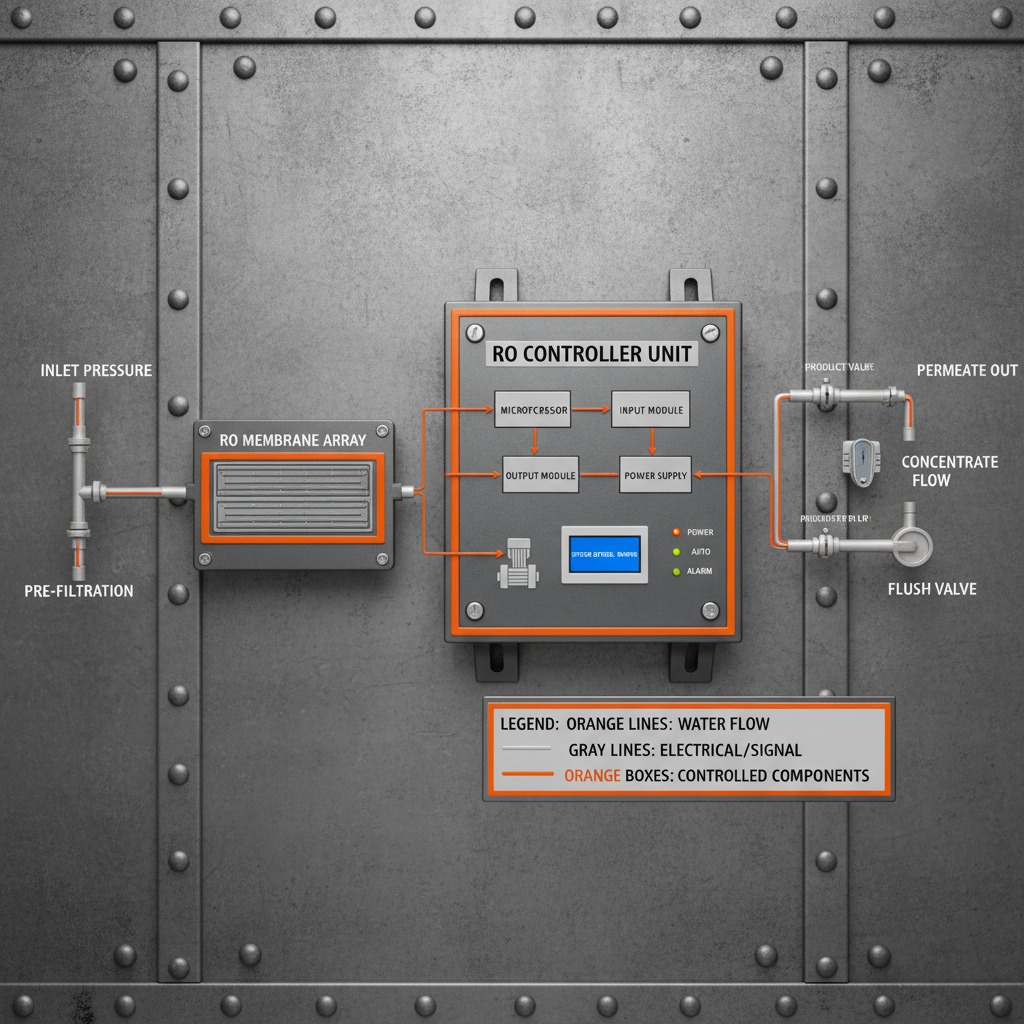
Guide to Choosing the Right RO Controller for Water PurificationMaintaining a high-performance reverse osmosis system requires more than just quality membranes; it demands precise regulation. An ro controller serves as the brain of the entire operation, monitoring critical parameters such as conductivity, temperature, and flow rates to ensure the output water meets stringent purity standards. Without an efficient controller, systems are prone to membrane fouling, inefficient energy use, and inconsistent water quality. In this comprehensive guide, we will explore how these devices optimize water treatment processes and how to select the best model for your specific industrial or commercial needs.
2026-04-09 03:25:47
Guide to Water Purity Using RO with TDS Controller SystemsAchieving the perfect balance of mineral content and purity in drinking water is a challenge for many households and industrial facilities. A ro with tds controller offers a sophisticated solution by combining the rigorous filtration of Reverse Osmosis (RO) with the precision of a Total Dissolved Solids (TDS) adjustment system. While standard RO systems remove almost everything, including beneficial minerals, a TDS controller allows users to re-mineralize the water to a desired level. This ensures that the water is not only safe and pure but also tastes better and provides essential nutrients.
2026-04-07 03:17:09
Understanding and Optimizing Reverse Osmosis Systems with a ControllerIn the world of water purification, reverse osmosis (RO) systems are a cornerstone for producing high-quality water for various applications, from drinking water to industrial processes. However, an RO system is only as effective as its control system. This is where the reverse osmosis controller comes into play. This critical component manages and optimizes the RO process, ensuring efficient operation, water quality, and system longevity.
2026-04-04 03:27:19
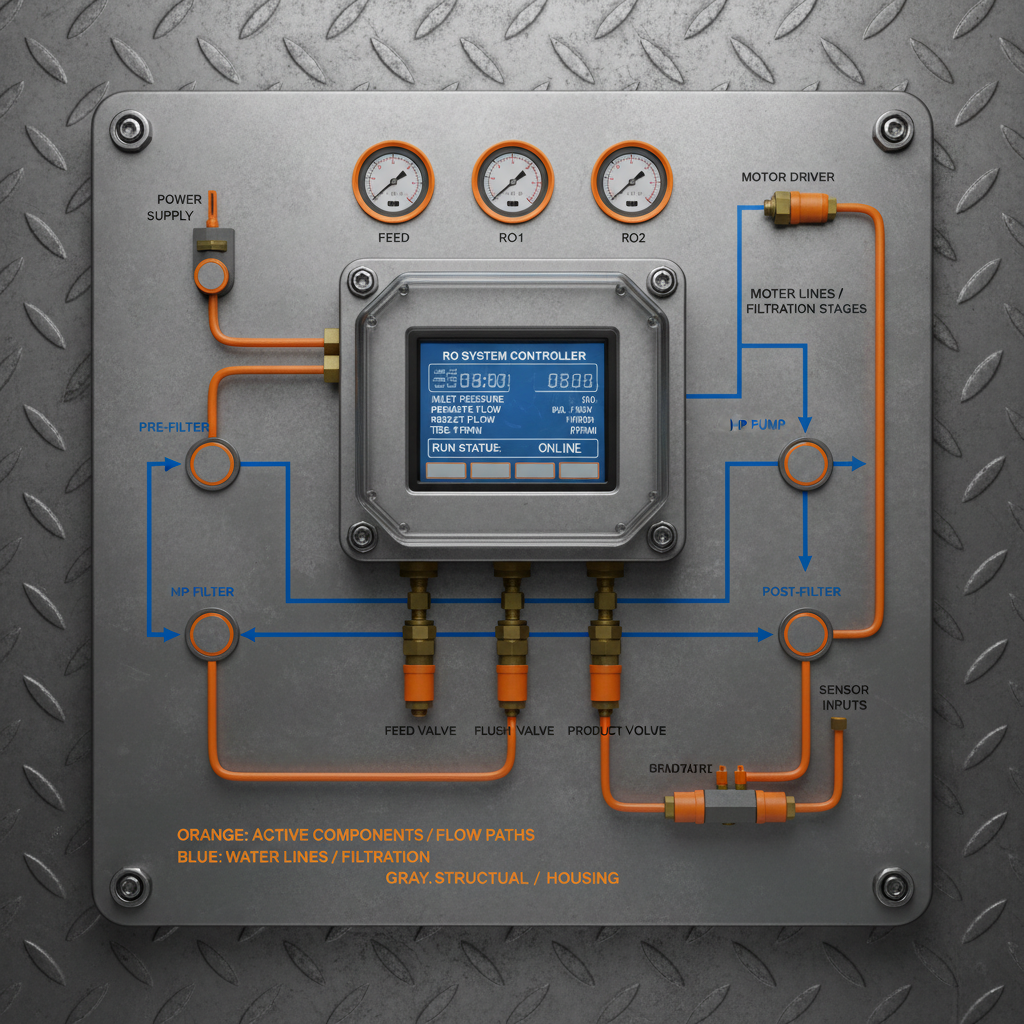
Understanding the Vital Role of an RO System Controller for Optimal PerformanceReverse Osmosis (RO) systems are critical for purifying water across various industries, from residential applications to large-scale industrial processes. At the heart of a well-functioning RO system lies the RO system controller. This intelligent device monitors and regulates all key parameters of the RO process, ensuring optimal performance, efficiency, and water quality. This article delves into the functionalities, benefits, and selection criteria for choosing the right RO system controller, particularly focusing on those offered by Watequipments. Understanding its role is crucial for maximizing the lifespan and effectiveness of your RO investment.
2026-03-24 17:18:24
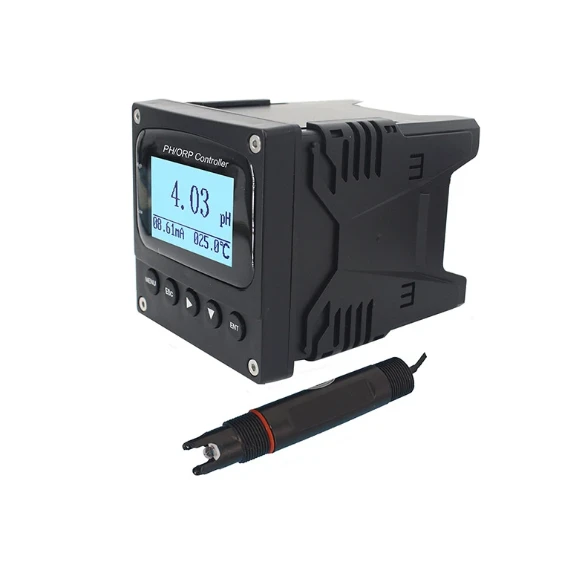
Smart Water Treatment Solutions Using PH ORP Controller SystemsIn modern water treatment and industrial fluid management, maintaining precise chemical balance is essential for safety, efficiency, and regulatory compliance.
2026-03-04 02:55:19
Comprehensive Guide to Water Depth Samplers and Their ApplicationsAccurate water quality monitoring is crucial in various fields, from environmental science and aquaculture to industrial wastewater management. A key tool for this is the water depth sampler. This article provides an in-depth look at water depth samplers, their applications, types, and essential considerations for choosing the right one for your needs. We'll explore the benefits of utilizing this equipment to collect reliable data for analysis and informed decision-making. Selecting the right sampler can significantly improve the precision and efficiency of your water monitoring program. A water depth sampler, also known as a depth-integrated sampler, is a device designed to collect water samples from specific depths within a body of water. Unlike simply dipping a container into the water, a depth sampler allows for collection of a representative sample across a defined depth range. This is critical because water properties (temperature, salinity, pollutants) often vary significantly with depth. The data gathered with a water depth sampler provides a more accurate assessment of water quality than surface samples alone.
2026-03-03 18:55:22
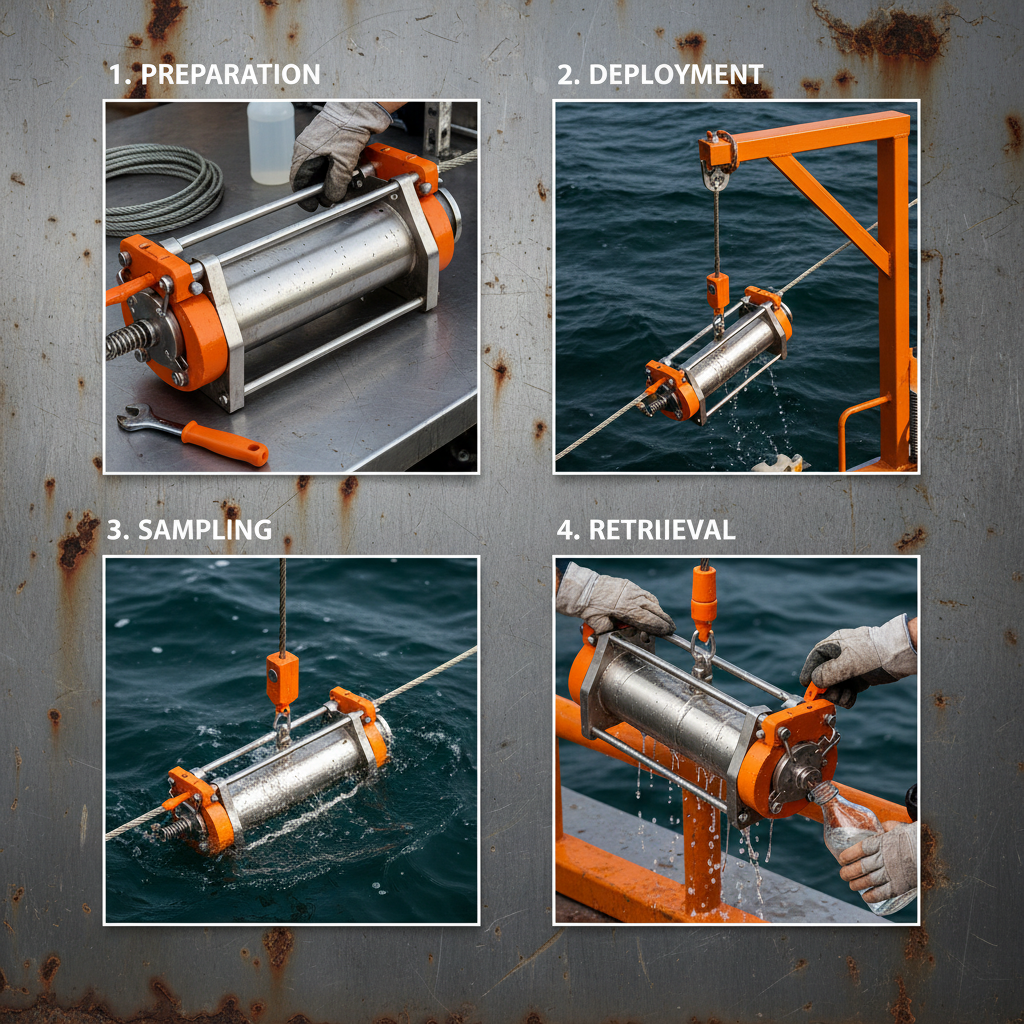
Comprehensive Guide to Horizontal Water Sampler Applications and SelectionCollecting water samples at varying depths is crucial for environmental monitoring, research, and quality control. The horizontal water sampler from Watequipment.com offers a precise and efficient solution for this task. This article provides an in-depth look at horizontal water samplers, their applications, benefits, and key considerations when choosing the right model. We will explore how these samplers contribute to accurate data collection and informed decision-making in various fields. A horizontal water sampler is a device designed to collect water samples from specific depths within a body of water – rivers, lakes, oceans, reservoirs, and even wastewater treatment plants. Unlike vertical samplers which primarily focus on depth, horizontal samplers prioritize collecting samples at a consistent depth while moving along a horizontal plane. This is essential for assessing water quality variations across a waterway or within a specific zone. They are used in applications ranging from environmental monitoring and scientific research to industrial process control and regulatory compliance.
2026-02-28 02:35:09
Comprehensive Guide to Selecting the Right Surface Water Sampler for Your NeedsMonitoring the quality of surface water is critical for environmental protection, public health, and various industrial applications. A surface water sampler is an essential tool for collecting representative samples from rivers, lakes, ponds, and other surface water sources. This article provides a detailed overview of surface water samplers, their types, applications, and key considerations for selecting the right equipment. Accurate water quality data relies on proper sample collection, and choosing the correct sampler is the first step toward achieving reliable results. Surface water samplers come in various designs, each suited to specific sampling needs. Common types include grab samplers, depth-integrating samplers, peristaltic pumps, and automatic samplers. Surface water samplers are used across a broad spectrum of applications, including environmental monitoring, wastewater discharge monitoring, drinking water source monitoring, agricultural runoff analysis, and research studies.

 English