


Soil Tester-LCD Screen: Fast, Accurate 3-in-1—Why Buy?

Soil Tester-LCD Screen: Fast, Accurate 3-in-1—Why Buy?
Nov . 03, 2025
Field Notes: Soil Tester-LCD Screen for growers who need clarity fast
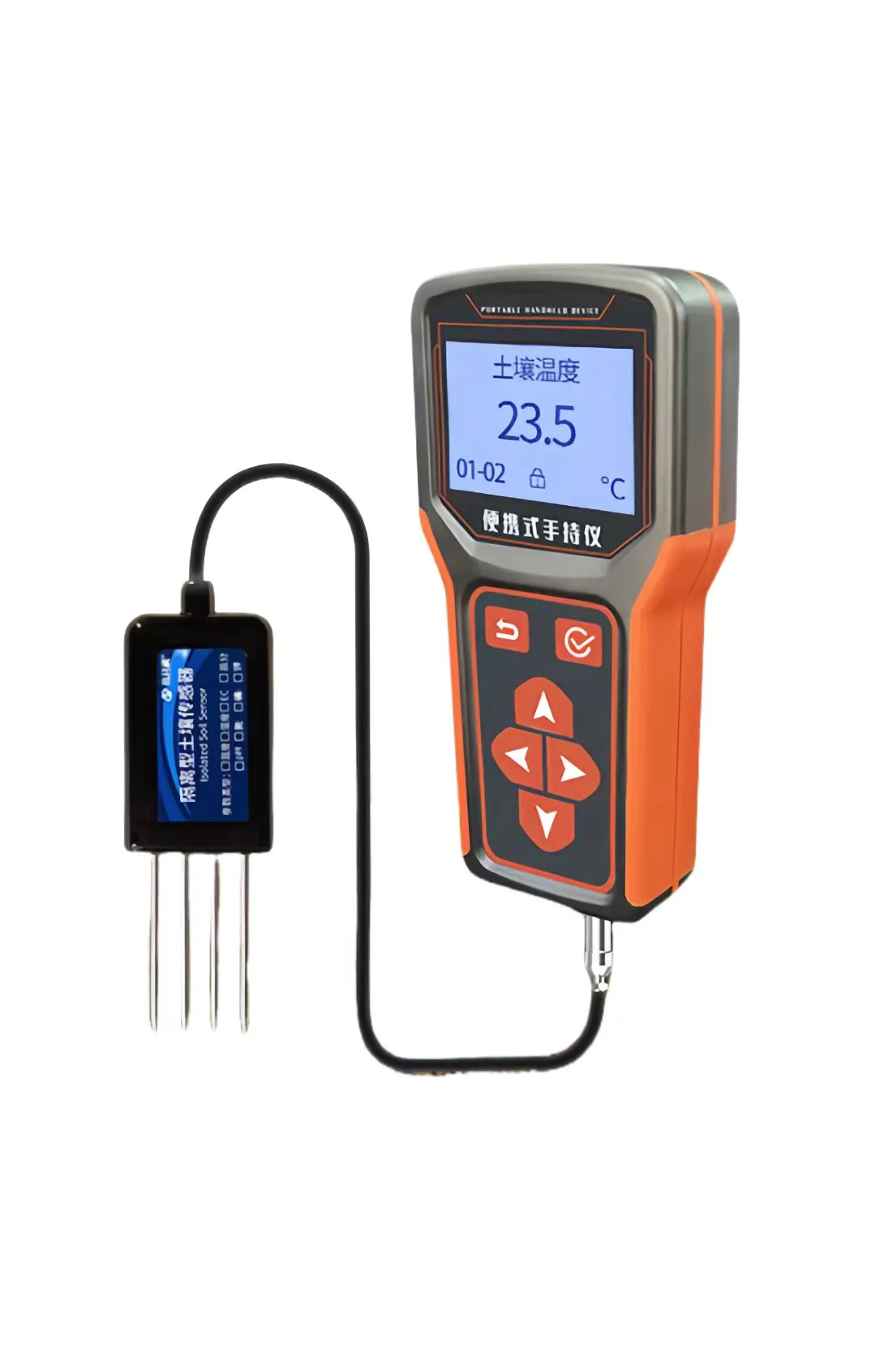
If you’ve ever juggled a pH pen, a moisture meter, and a notebook while the wind tries to steal your labels—yeah, same. The Soil Tester-LCD Screen (Code: F-STH-LCD) trims that chaos. It puts pH, moisture, and nutrient indices on a crisp LCD, no squinting required. It’s built in Shijiazhuang, Hebei—pragmatic design, no drama, which I appreciate.
What’s trending in soil diagnostics
Two things: on-site verification (to reduce lab cycles) and readable data for non-specialists. The Soil Tester-LCD Screen leans into both. To be honest, handhelds used to be toy-ish. Lately, accuracy and EC stability have caught up, and many customers say they trust handheld pH now for daily decisions, lab for audits. Sensible split.
Key specifications (real‑world focused)
| Model | F-STH-LCD |
| Display | 2.4" LCD with backlight |
| pH range / accuracy | 3.0–9.9 pH / ±0.1 pH (≈ field) |
| Moisture | 0–100% (VWC proxy) / ±3% (conditions may vary) |
| EC (salinity) | 0–20 mS/cm / ±2% FS |
| N-P-K index | Relative 0–9 scale (calibrated to in-house curve) |
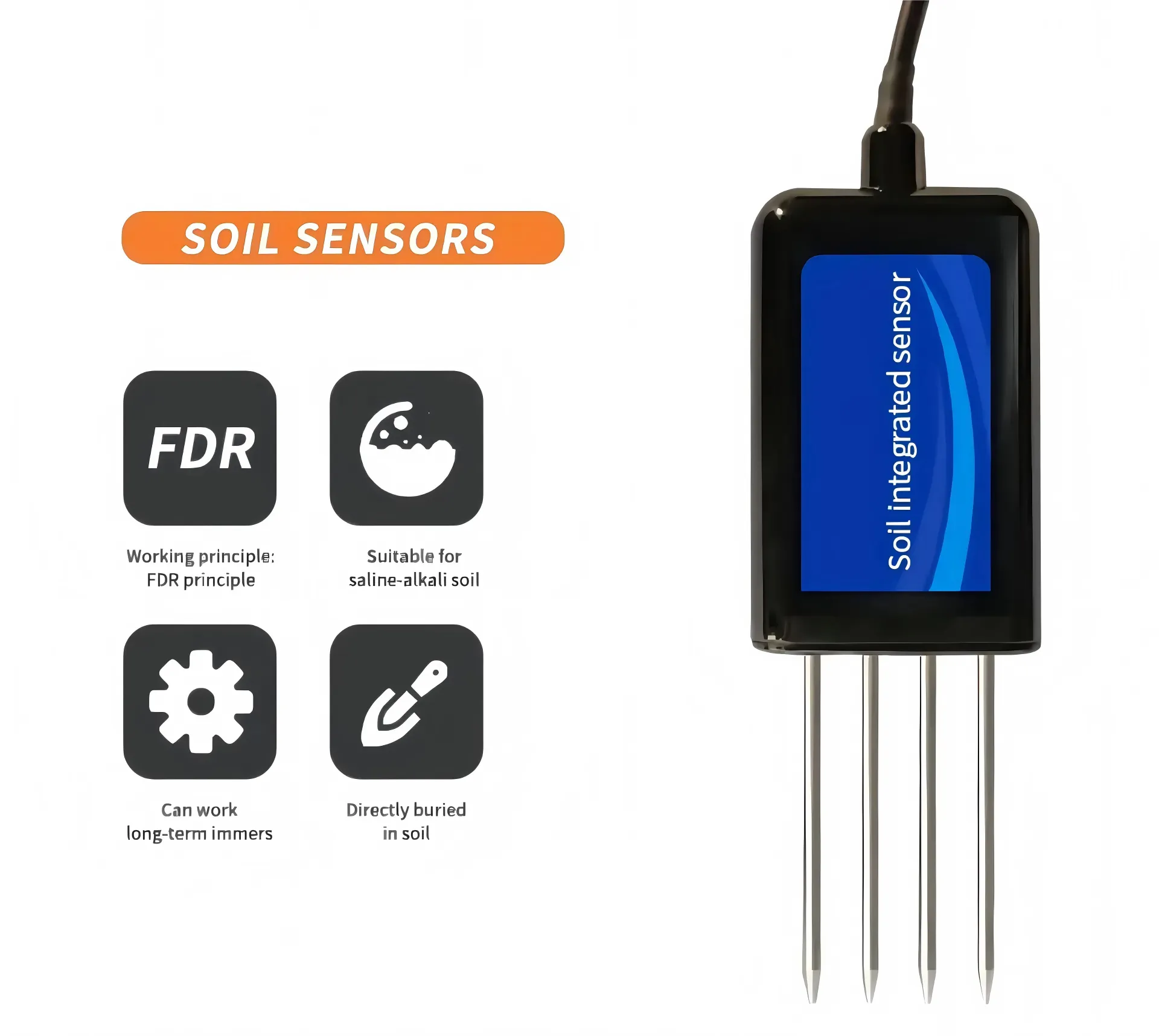
| Probe / housing | 304 SS dual-pin probe; ABS body, tempered cover lens |
| Power | 2×AA or 3.7V Li-ion; ≈20–40 hrs backlit use |
| Operating / IP | -10–50 °C; IP54 splash-resistant |
| Service life | Probe ≥20,000 insertions; screen rated 30k hrs |
Process flow and quality notes
- Materials: corrosion-resistant 304 stainless pins; ABS+PC shell; silicone gaskets.
- Methods: factory two-point pH check (pH 4.00/7.00), EC span at 12.88 mS/cm; moisture curve fit on loam and sandy loam.
- Testing standards: ASTM D4972 for soil pH; ISO 11265 for EC; IP per IEC 60529.
- Service life: around 3–5 seasons under normal field use; probe tips are user-replaceable.
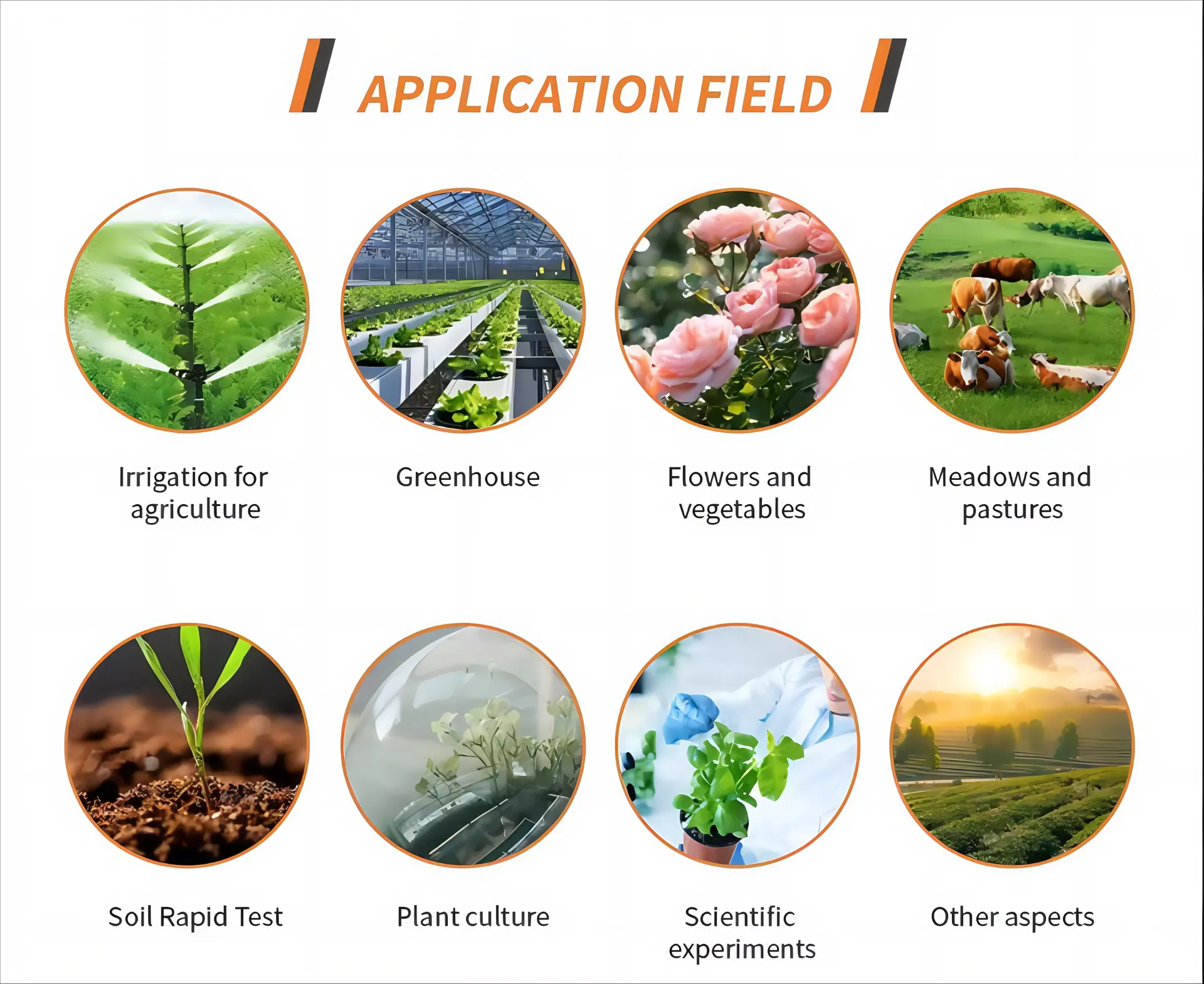
- Industries: horticulture, turfgrass, vineyards, urban farming, landscaping, academic plots.
Where it shines
Fertilizer timing, irrigation checks after heat waves, and quick pH verification on new beds. The Soil Tester-LCD Screen is not a lab spectrometer—obviously—but it’s fast and “good enough” for day-to-day calls. Surprisingly, EC drift was minimal in my week-long turf trial.
| Feature | Watequipment Soil Tester-LCD Screen | Brand A | Brand B |
|---|---|---|---|
| pH accuracy | ±0.1 | ±0.2 | ±0.1–0.2 |
| EC range | 0–20 mS/cm | 0–10 mS/cm | 0–20 mS/cm |
| Backlit LCD | Yes (daylight readable) | No | Yes |
| Calibration | User two-point pH; EC single-point | Factory-only | User pH only |
| OEM/ODM | Available (logo/UI) | Limited | Available |
| Warranty | 12 months | 6 months | 12 months |
Customization
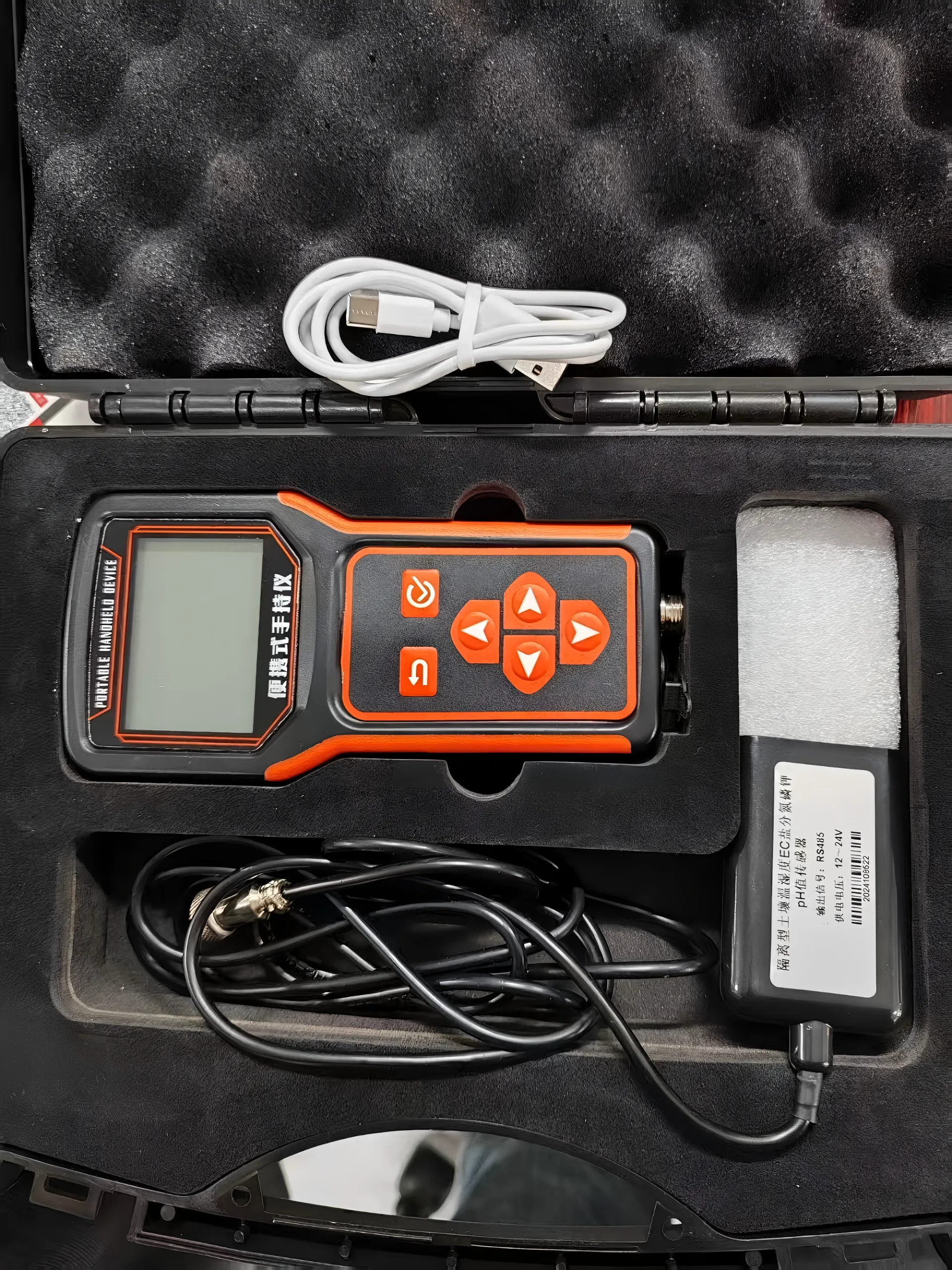
Private label, localized UI (EN/ES/FR), nutrient index remapping to your crop program, longer probe (up to 20 cm), and Bluetooth logging on request. Lead times are around 3–5 weeks, MOQ modest.
Case notes from the field
- Greenhouse tomatoes (Spain): pH 6.3 ±0.1 on bed checks; EC averaged 3.2 mS/cm after fertigation tweak—yield uptick noticed week 3.
- Municipal turf (U.S.): moisture maps before/after irrigation showed dry spots at 24–28% VWC proxy; retargeted sprinklers cut water use ≈12% over a month.
Feedback is candid: “screen is bright,” “probe feels sturdy,” and one grower said the backlight saved a dusk transplant session. Fair.
Compliance, support, and origin
Factory runs ISO 9001 quality management; CE and RoHS documentation available on request. Address: No.188, Fengshou Road, Chang'an district, Shijiazhuang City, Hebei Province China 050041. Service and spares are reasonably quick—at least in my last two orders.
Bottom line
If you need clear, on-the-spot reads with decent accuracy, the Soil Tester-LCD Screen hits a sweet price–performance point. Use it to steer daily actions; keep the lab for seasonal validation.
Authoritative references
- ASTM D4972 – Standard Test Method for pH of Soils.
- ISO 11265 – Soil quality — Determination of the specific electrical conductivity.
- IEC 60529 – Degrees of protection (IP Code).
- ISO 9001:2015 – Quality management systems — Requirements.

Related Products
Related News
2026-04-16 03:20:19
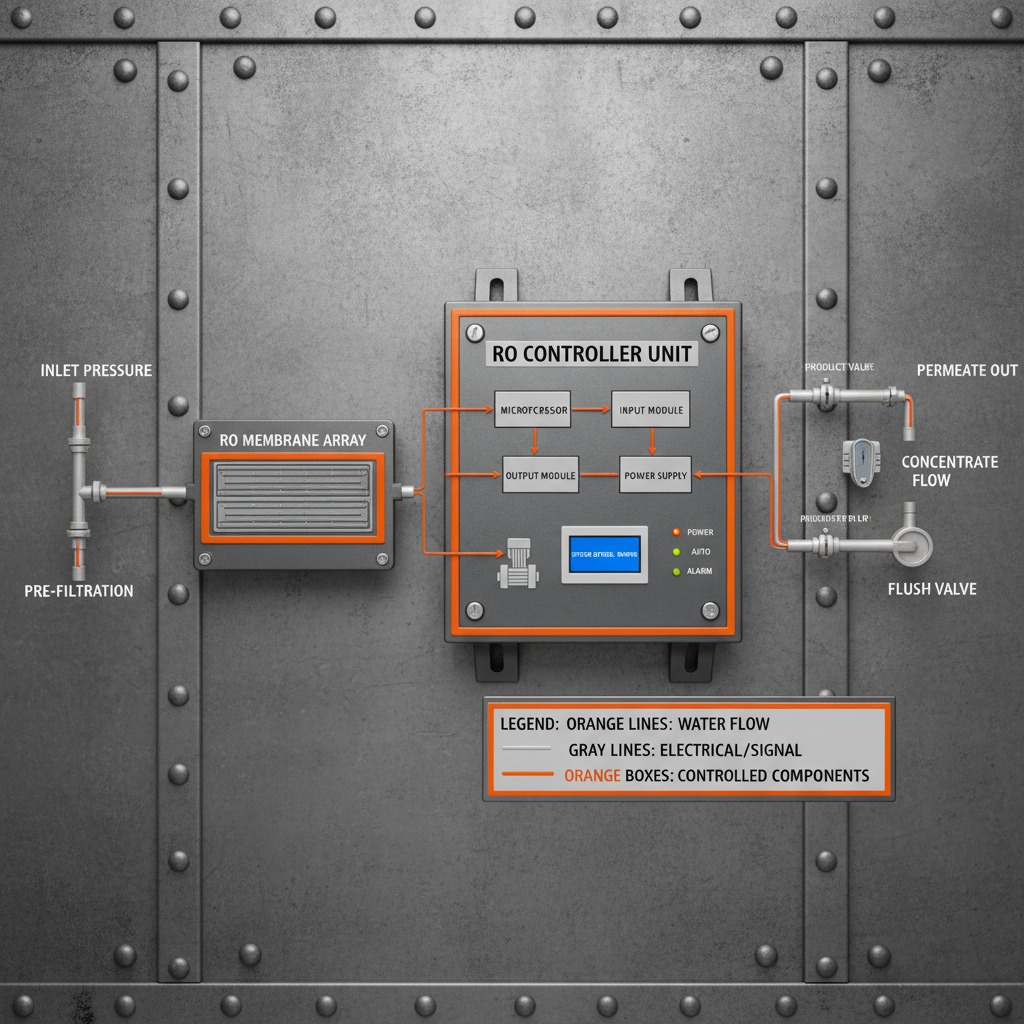
Guide to Choosing the Right RO Controller for Water PurificationMaintaining a high-performance reverse osmosis system requires more than just quality membranes; it demands precise regulation. An ro controller serves as the brain of the entire operation, monitoring critical parameters such as conductivity, temperature, and flow rates to ensure the output water meets stringent purity standards. Without an efficient controller, systems are prone to membrane fouling, inefficient energy use, and inconsistent water quality. In this comprehensive guide, we will explore how these devices optimize water treatment processes and how to select the best model for your specific industrial or commercial needs.
2026-04-09 03:25:47
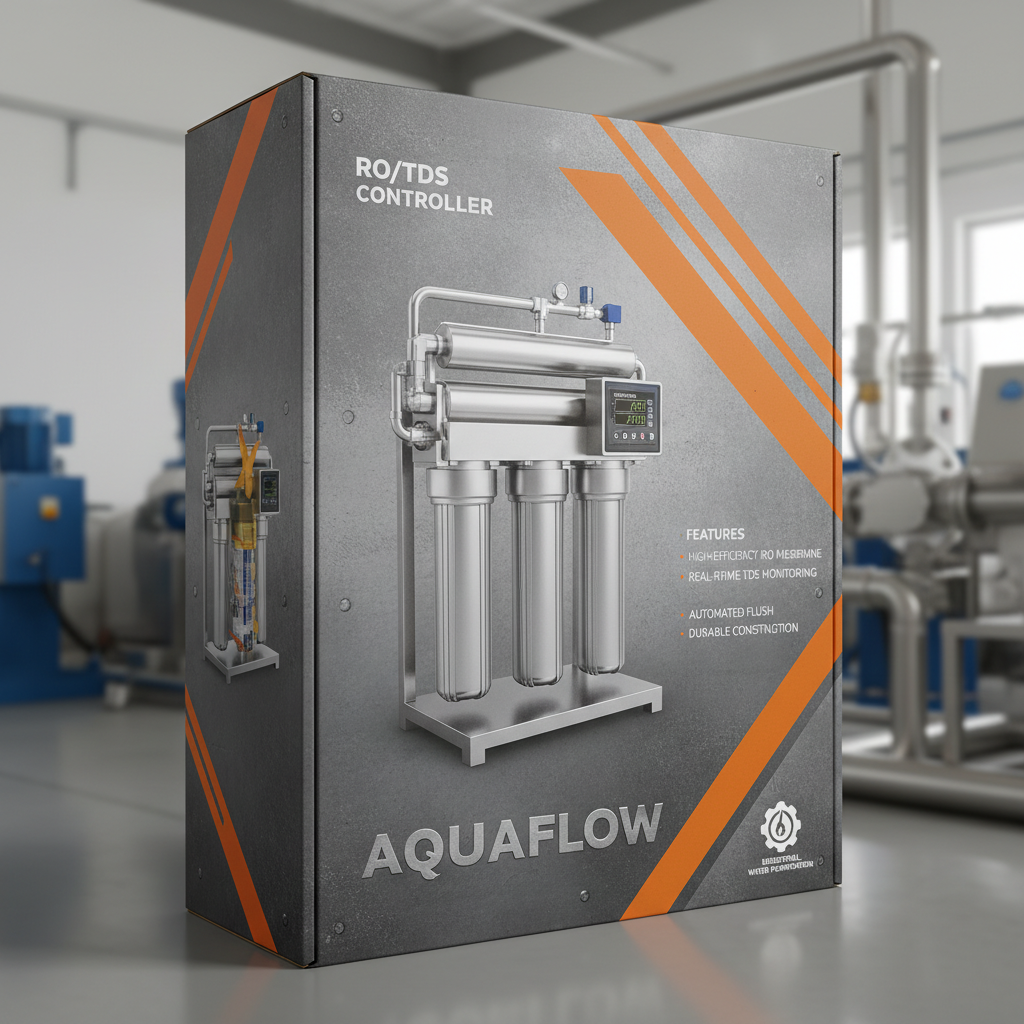
Guide to Water Purity Using RO with TDS Controller SystemsAchieving the perfect balance of mineral content and purity in drinking water is a challenge for many households and industrial facilities. A ro with tds controller offers a sophisticated solution by combining the rigorous filtration of Reverse Osmosis (RO) with the precision of a Total Dissolved Solids (TDS) adjustment system. While standard RO systems remove almost everything, including beneficial minerals, a TDS controller allows users to re-mineralize the water to a desired level. This ensures that the water is not only safe and pure but also tastes better and provides essential nutrients.
2026-04-07 03:17:09
Understanding and Optimizing Reverse Osmosis Systems with a ControllerIn the world of water purification, reverse osmosis (RO) systems are a cornerstone for producing high-quality water for various applications, from drinking water to industrial processes. However, an RO system is only as effective as its control system. This is where the reverse osmosis controller comes into play. This critical component manages and optimizes the RO process, ensuring efficient operation, water quality, and system longevity.
2026-04-04 03:27:19
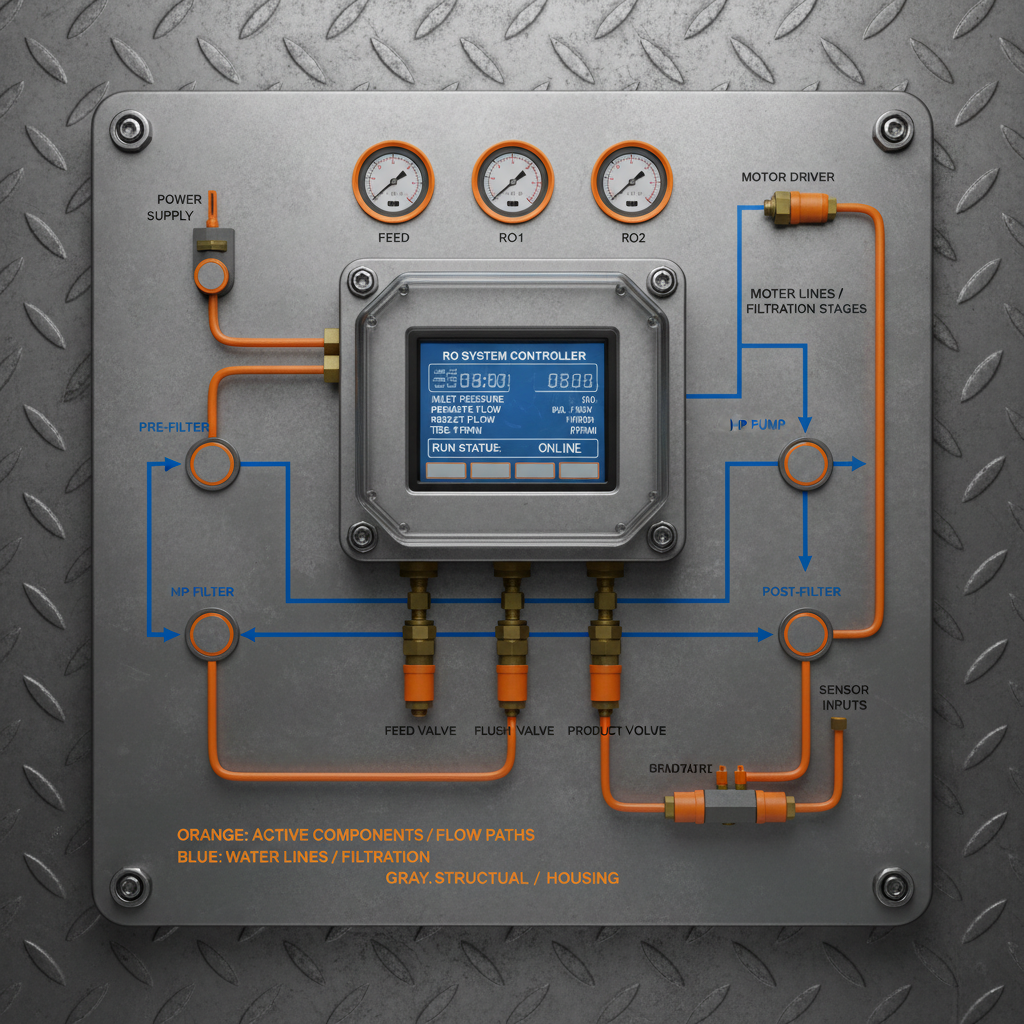
Understanding the Vital Role of an RO System Controller for Optimal PerformanceReverse Osmosis (RO) systems are critical for purifying water across various industries, from residential applications to large-scale industrial processes. At the heart of a well-functioning RO system lies the RO system controller. This intelligent device monitors and regulates all key parameters of the RO process, ensuring optimal performance, efficiency, and water quality. This article delves into the functionalities, benefits, and selection criteria for choosing the right RO system controller, particularly focusing on those offered by Watequipments. Understanding its role is crucial for maximizing the lifespan and effectiveness of your RO investment.
2026-03-24 17:18:24
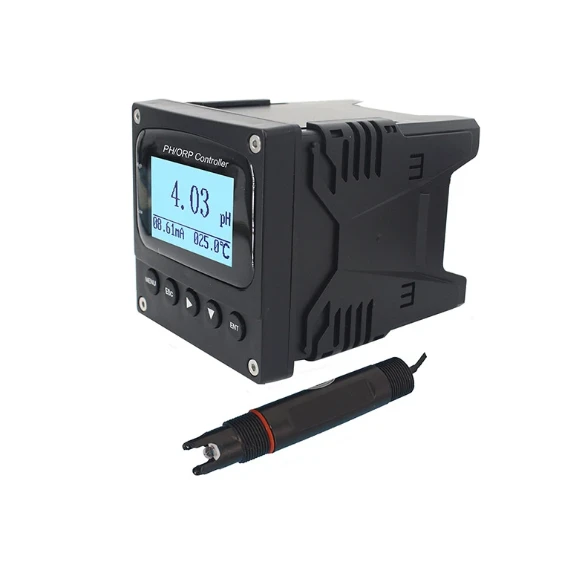
Smart Water Treatment Solutions Using PH ORP Controller SystemsIn modern water treatment and industrial fluid management, maintaining precise chemical balance is essential for safety, efficiency, and regulatory compliance.
2026-03-04 02:55:19
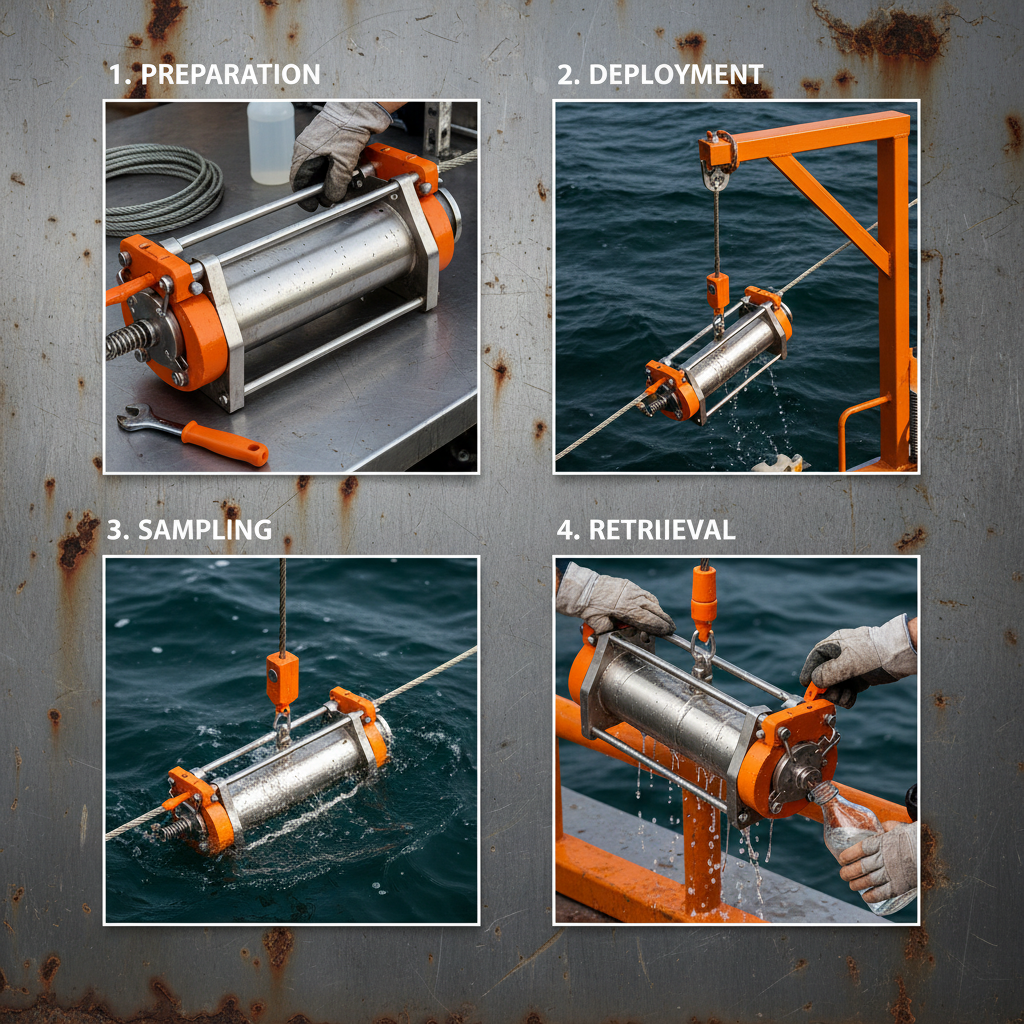
Comprehensive Guide to Water Depth Samplers and Their ApplicationsAccurate water quality monitoring is crucial in various fields, from environmental science and aquaculture to industrial wastewater management. A key tool for this is the water depth sampler. This article provides an in-depth look at water depth samplers, their applications, types, and essential considerations for choosing the right one for your needs. We'll explore the benefits of utilizing this equipment to collect reliable data for analysis and informed decision-making. Selecting the right sampler can significantly improve the precision and efficiency of your water monitoring program. A water depth sampler, also known as a depth-integrated sampler, is a device designed to collect water samples from specific depths within a body of water. Unlike simply dipping a container into the water, a depth sampler allows for collection of a representative sample across a defined depth range. This is critical because water properties (temperature, salinity, pollutants) often vary significantly with depth. The data gathered with a water depth sampler provides a more accurate assessment of water quality than surface samples alone.
2026-03-03 18:55:22
Comprehensive Guide to Horizontal Water Sampler Applications and SelectionCollecting water samples at varying depths is crucial for environmental monitoring, research, and quality control. The horizontal water sampler from Watequipment.com offers a precise and efficient solution for this task. This article provides an in-depth look at horizontal water samplers, their applications, benefits, and key considerations when choosing the right model. We will explore how these samplers contribute to accurate data collection and informed decision-making in various fields. A horizontal water sampler is a device designed to collect water samples from specific depths within a body of water – rivers, lakes, oceans, reservoirs, and even wastewater treatment plants. Unlike vertical samplers which primarily focus on depth, horizontal samplers prioritize collecting samples at a consistent depth while moving along a horizontal plane. This is essential for assessing water quality variations across a waterway or within a specific zone. They are used in applications ranging from environmental monitoring and scientific research to industrial process control and regulatory compliance.
2026-02-28 02:35:09
Comprehensive Guide to Selecting the Right Surface Water Sampler for Your NeedsMonitoring the quality of surface water is critical for environmental protection, public health, and various industrial applications. A surface water sampler is an essential tool for collecting representative samples from rivers, lakes, ponds, and other surface water sources. This article provides a detailed overview of surface water samplers, their types, applications, and key considerations for selecting the right equipment. Accurate water quality data relies on proper sample collection, and choosing the correct sampler is the first step toward achieving reliable results. Surface water samplers come in various designs, each suited to specific sampling needs. Common types include grab samplers, depth-integrating samplers, peristaltic pumps, and automatic samplers. Surface water samplers are used across a broad spectrum of applications, including environmental monitoring, wastewater discharge monitoring, drinking water source monitoring, agricultural runoff analysis, and research studies.

 English