


Sprinkler Winterization Cost: Key Insights for B2B Decision Makers | WatEquipment

Sprinkler Winterization Cost: Key Insights for B2B Decision Makers | WatEquipment
Dec . 09, 2025
Sprinkler Winterization Cost is a key solution in the industry, specifically within the irrigation and landscaping sectors. This article explores how https://www.watequipments.com supports professionals with durable, high-performance products, and explains why this product is an ideal choice for businesses in these sectors.
Table of Contents
- Sprinkler Winterization Cost Overview
- Benefits & Use Cases of Sprinkler Winterization Cost
- Cost, Maintenance & User Experience
- Sustainability & Market Trends
Sprinkler Winterization Cost Overview
When winter rolls in, sprinkler systems can become liabilities rather than assets if left untreated. The Sprinkler Winterization Cost essentially refers to the investment required to properly prepare irrigation systems for freezing conditions. This includes draining water lines, blowing out pipes with compressed air, and applying protective measures to ensure components don’t crack or malfunction. Frankly, this process is vital for maintaining system longevity and preventing costly repairs come springtime.
- Sprinkler winterization involves specialized equipment such as blow-out kits and antifreeze solutions suited for irrigation infrastructure.
- Technical specs often include pipe pressure ratings, air compressor PSI requirements, and freeze protection thresholds.
- One mid-size landscaping firm reported that proactive winterization saved them over 15% in replacement costs in one season alone.
Benefits & Use Cases of Sprinkler Winterization Cost
The case for investing in winterization isn’t just about avoiding damage — it’s a smart business decision. In landscapes, commercial nurseries, golf courses, and municipal parks, winterization safeguards costly irrigation assets. You can’t really overstate the peace of mind it brings, especially in colder regions.
- It reduces the risk of cracked valves, broken pipes, and faulty sprinkler heads caused by freeze expansion.
- Advantages include quicker spring setups, lowering downtime which is crucial for businesses relying on irrigation efficiency.
- Watequipment.com offers tailored equipment kits that save technicians time and improve reliability compared to makeshift methods.
| Feature | Specification | Value |
|---|---|---|
| Air Compressor Pressure | PSI Range | 80-100 PSI |
| Hose Length | Feet | 50 ft |
| Pipe Diameter Compatibility | Inches | 0.5 - 2.5 in |
| Durability Rating | IP Rating | IP65 |
Cost, Maintenance & User Experience
Cost is often the first question on any B2B decision maker’s mind. The initial outlay for sprinkler winterization may seem like an extra step — but in real terms, it’s about minimizing the total cost of ownership. That durability? It translates into fewer emergency fixes and longer equipment lifespan. Many engineers I've talked to say a well-executed winterization program can pay for itself within two seasons.
- Maintenance cycles become easier and more predictable, saving labor hours.
- Customer feedback consistently points to faster turnaround times and less seasonal downtime.
- ROI improves thanks to fewer component replacements and less water waste.
| Vendor | Price Range | Warranty | Support |
|---|---|---|---|
| WatEquipment | $$$ | 2 Years | 24/7 Technical |
| Competitor A | $$ | 1 Year | Limited Hours |
| Competitor B | $$$$ | 3 Years | Business Hours |
Sustainability & Market Trends
Sustainability in irrigation is becoming a hot-button topic, and winterizing sprinklers has a surprising role here. Proper winterization cuts down on leaks and water loss, which might sound obvious but is often overlooked. Regulations are tightening too, especially in states prone to cold snaps that can wreck water infrastructure. Industry forecasts suggest rising demand for winterization kits as more businesses seek long-term, eco-friendly solutions.
- Reducing water waste aligns with corporate sustainability goals across sectors.
- Technological advances are increasingly blending durability with eco-conscious materials.
Frequently Asked Questions about Sprinkler Winterization Cost
- What is Sprinkler Winterization Cost and how does it work?
- It’s the expense related to preparing sprinkler systems for winter – typically draining water and clearing pipes so freezing doesn’t cause damage. The process uses air compressors, blow-out kits, and sometimes antifreeze-based materials to protect the system.
- What are the main benefits of using Sprinkler Winterization Cost in industrial applications?
- Benefits include minimizing repair expenses, extending system lifespan, reducing water waste, and improving operational reliability during cold seasons.
- How does Sprinkler Winterization Cost compare to traditional alternatives?
- Unlike ad hoc or last-minute fixes, structured winterization investment offers a systematic, tested approach that boosts equipment safety and reduces unexpected downtime, often at a lower overall annual cost.
- What industries can benefit most from Sprinkler Winterization Cost implementation?
- Landscape management, agriculture, golf courses, municipal parks, and commercial real estate sectors are primary beneficiaries, especially where winter freezes threaten irrigation infrastructure.
Conclusion on Sprinkler Winterization Cost from china
Wrapping it up, understanding and budgeting for Sprinkler Winterization Cost is just good business sense. It’s about protecting valuable irrigation assets while controlling long-term expenses. Whether you’re managing a sprawling golf course or municipal park, investing in quality winterization gear—ideally from a trusted supplier like WatEquipment—makes all the difference.
- Recall: proper winterization reduces costly repairs, downtime, and water waste.
- Visit our website: https://www.watequipments.com
Oddly enough, the smartest winterization plans often come from the folks who saw years of frozen pipe disasters — they know there’s no substitute for a thoughtful investment.
References:
1. "Irrigation Winterization Best Practices," Irrigation Association, 2023.
2. Customer Case Study, MidWest Landscapes, 2022.
3. Water Equipment Industry Report, 2023.

Related Products
Related News

2026-04-16 03:20:19
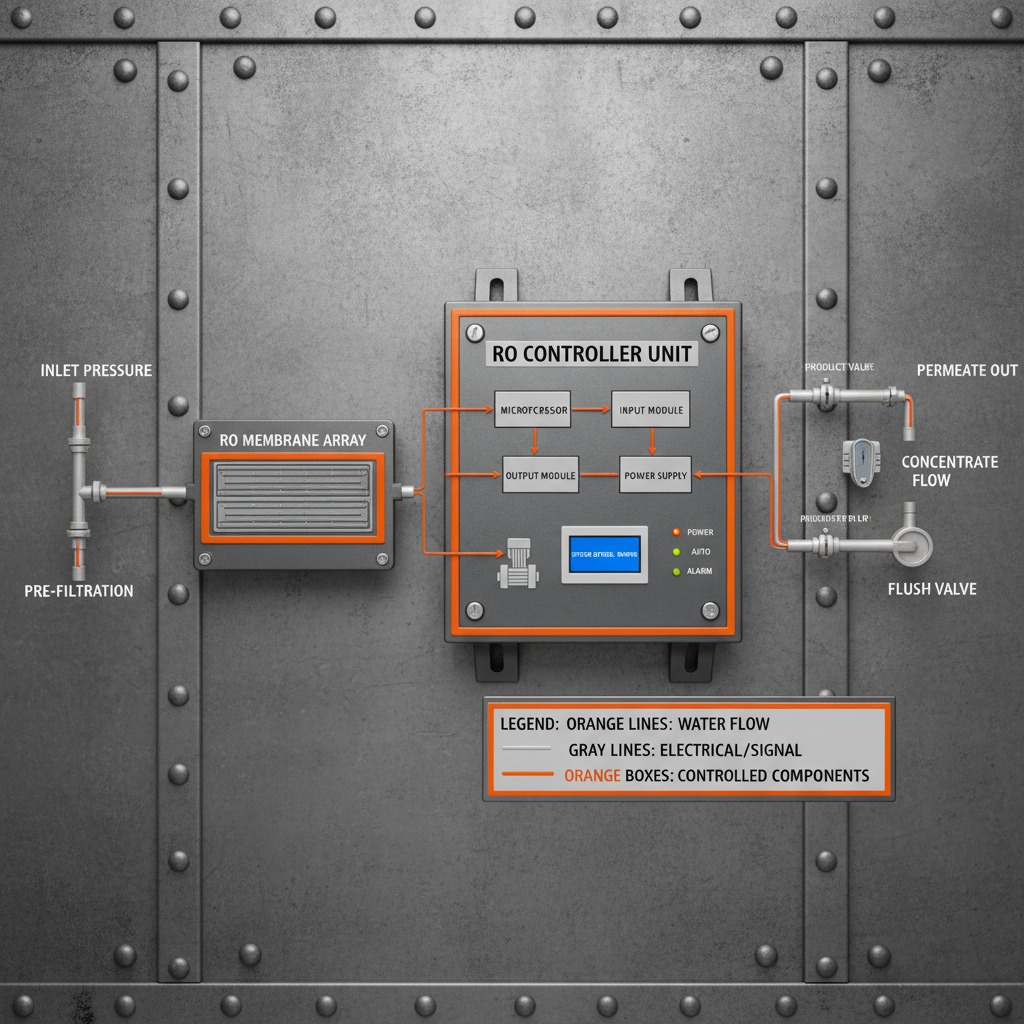
Guide to Choosing the Right RO Controller for Water PurificationMaintaining a high-performance reverse osmosis system requires more than just quality membranes; it demands precise regulation. An ro controller serves as the brain of the entire operation, monitoring critical parameters such as conductivity, temperature, and flow rates to ensure the output water meets stringent purity standards. Without an efficient controller, systems are prone to membrane fouling, inefficient energy use, and inconsistent water quality. In this comprehensive guide, we will explore how these devices optimize water treatment processes and how to select the best model for your specific industrial or commercial needs.
2026-04-09 03:25:47
Guide to Water Purity Using RO with TDS Controller SystemsAchieving the perfect balance of mineral content and purity in drinking water is a challenge for many households and industrial facilities. A ro with tds controller offers a sophisticated solution by combining the rigorous filtration of Reverse Osmosis (RO) with the precision of a Total Dissolved Solids (TDS) adjustment system. While standard RO systems remove almost everything, including beneficial minerals, a TDS controller allows users to re-mineralize the water to a desired level. This ensures that the water is not only safe and pure but also tastes better and provides essential nutrients.
2026-04-07 03:17:09
Understanding and Optimizing Reverse Osmosis Systems with a ControllerIn the world of water purification, reverse osmosis (RO) systems are a cornerstone for producing high-quality water for various applications, from drinking water to industrial processes. However, an RO system is only as effective as its control system. This is where the reverse osmosis controller comes into play. This critical component manages and optimizes the RO process, ensuring efficient operation, water quality, and system longevity.
2026-04-04 03:27:19
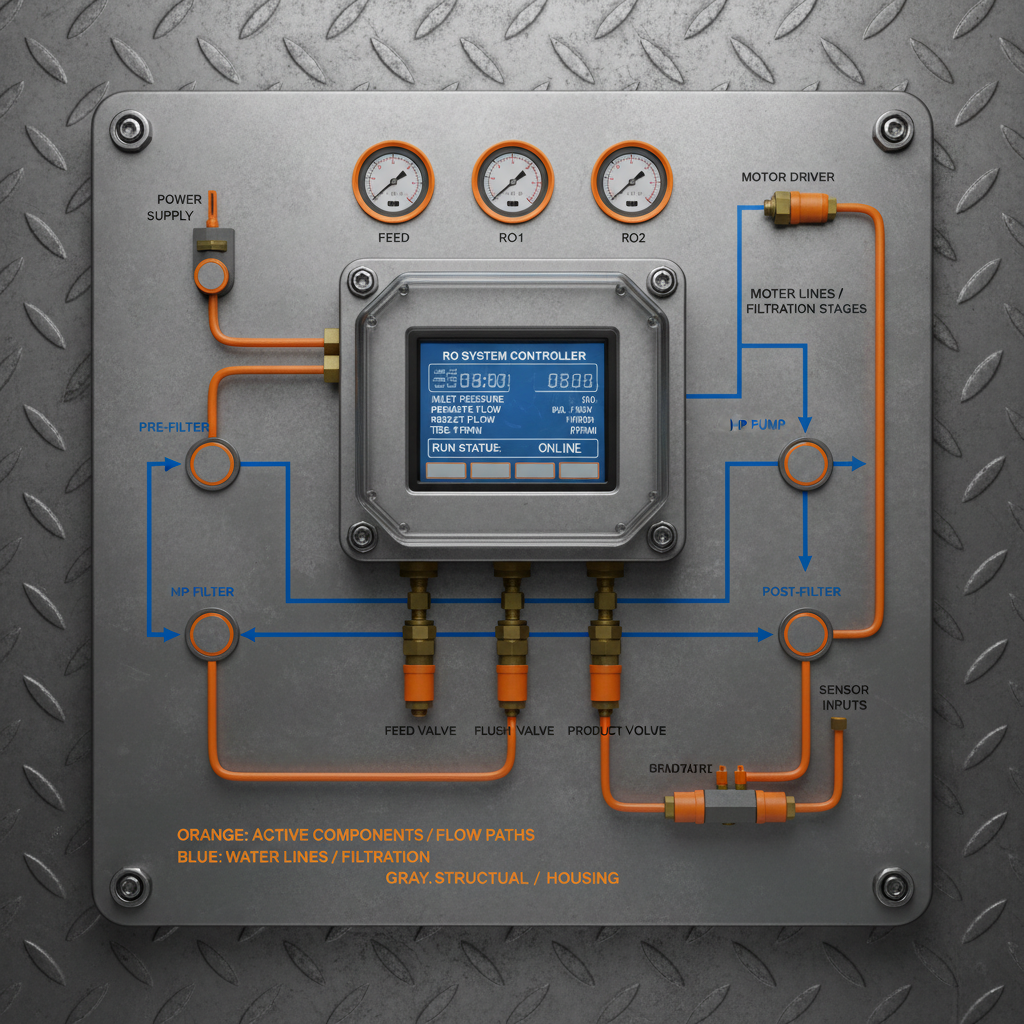
Understanding the Vital Role of an RO System Controller for Optimal PerformanceReverse Osmosis (RO) systems are critical for purifying water across various industries, from residential applications to large-scale industrial processes. At the heart of a well-functioning RO system lies the RO system controller. This intelligent device monitors and regulates all key parameters of the RO process, ensuring optimal performance, efficiency, and water quality. This article delves into the functionalities, benefits, and selection criteria for choosing the right RO system controller, particularly focusing on those offered by Watequipments. Understanding its role is crucial for maximizing the lifespan and effectiveness of your RO investment.
2026-03-24 17:18:24
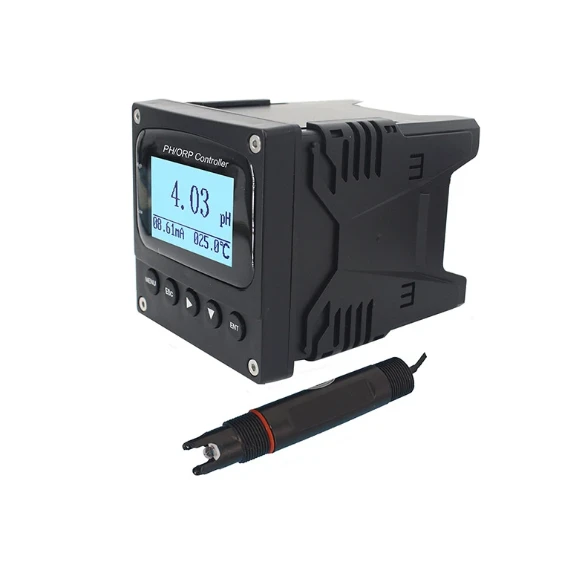
Smart Water Treatment Solutions Using PH ORP Controller SystemsIn modern water treatment and industrial fluid management, maintaining precise chemical balance is essential for safety, efficiency, and regulatory compliance.
2026-03-04 02:55:19
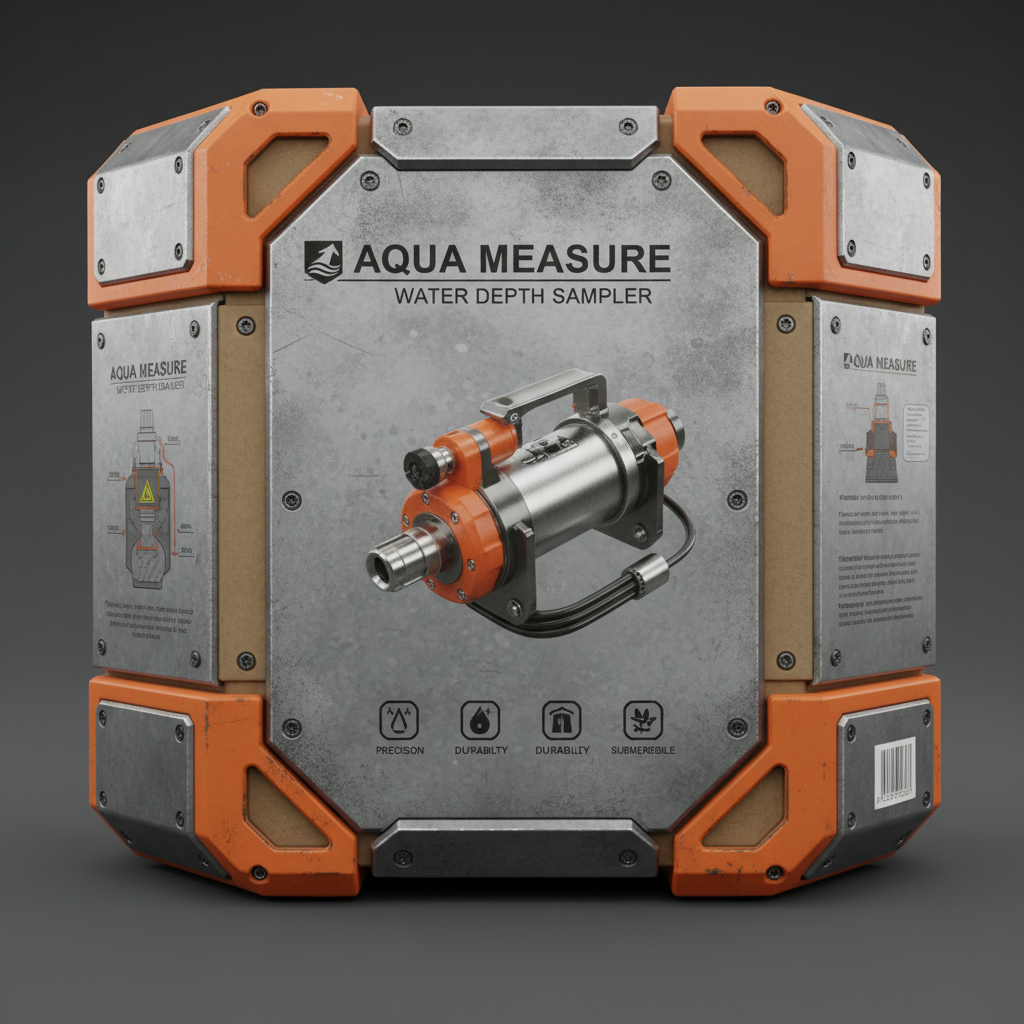
Comprehensive Guide to Water Depth Samplers and Their ApplicationsAccurate water quality monitoring is crucial in various fields, from environmental science and aquaculture to industrial wastewater management. A key tool for this is the water depth sampler. This article provides an in-depth look at water depth samplers, their applications, types, and essential considerations for choosing the right one for your needs. We'll explore the benefits of utilizing this equipment to collect reliable data for analysis and informed decision-making. Selecting the right sampler can significantly improve the precision and efficiency of your water monitoring program. A water depth sampler, also known as a depth-integrated sampler, is a device designed to collect water samples from specific depths within a body of water. Unlike simply dipping a container into the water, a depth sampler allows for collection of a representative sample across a defined depth range. This is critical because water properties (temperature, salinity, pollutants) often vary significantly with depth. The data gathered with a water depth sampler provides a more accurate assessment of water quality than surface samples alone.
2026-03-03 18:55:22
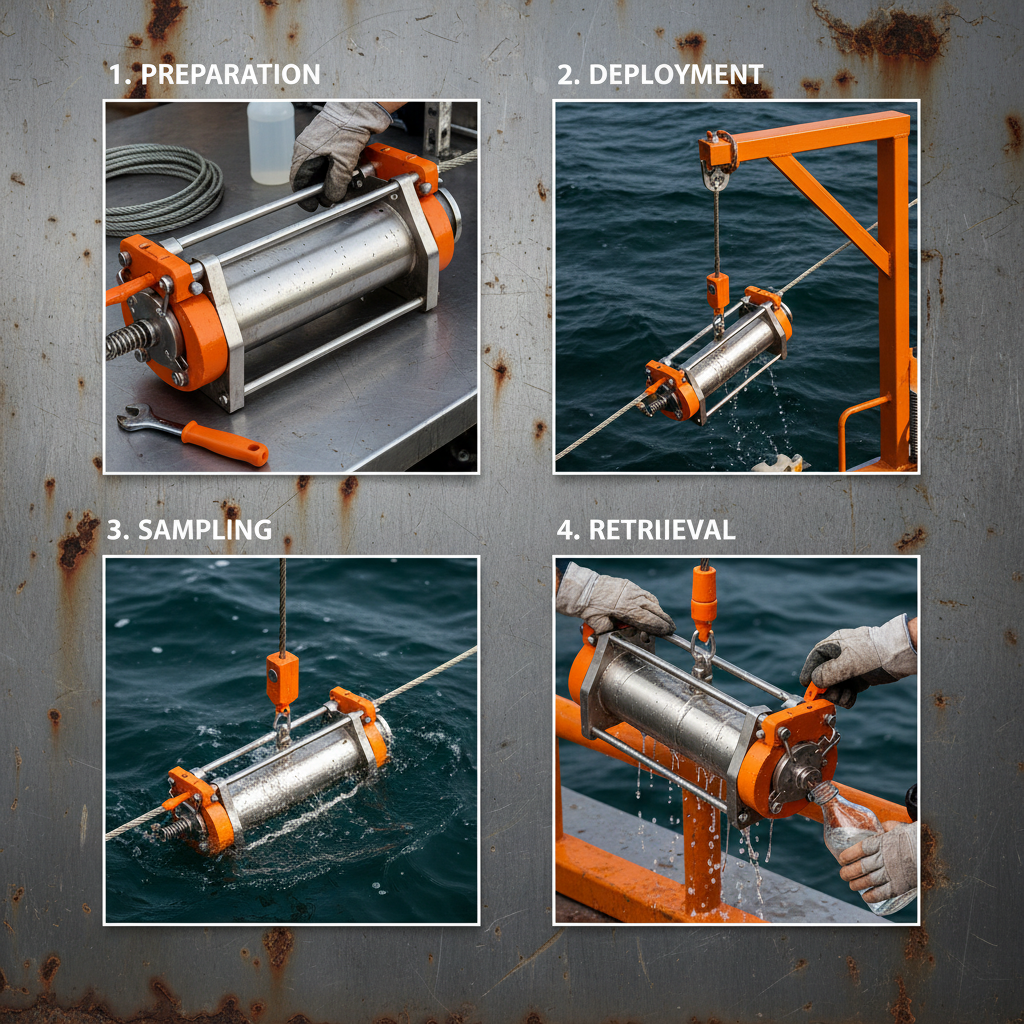
Comprehensive Guide to Horizontal Water Sampler Applications and SelectionCollecting water samples at varying depths is crucial for environmental monitoring, research, and quality control. The horizontal water sampler from Watequipment.com offers a precise and efficient solution for this task. This article provides an in-depth look at horizontal water samplers, their applications, benefits, and key considerations when choosing the right model. We will explore how these samplers contribute to accurate data collection and informed decision-making in various fields. A horizontal water sampler is a device designed to collect water samples from specific depths within a body of water – rivers, lakes, oceans, reservoirs, and even wastewater treatment plants. Unlike vertical samplers which primarily focus on depth, horizontal samplers prioritize collecting samples at a consistent depth while moving along a horizontal plane. This is essential for assessing water quality variations across a waterway or within a specific zone. They are used in applications ranging from environmental monitoring and scientific research to industrial process control and regulatory compliance.
2026-02-28 02:35:09
Comprehensive Guide to Selecting the Right Surface Water Sampler for Your NeedsMonitoring the quality of surface water is critical for environmental protection, public health, and various industrial applications. A surface water sampler is an essential tool for collecting representative samples from rivers, lakes, ponds, and other surface water sources. This article provides a detailed overview of surface water samplers, their types, applications, and key considerations for selecting the right equipment. Accurate water quality data relies on proper sample collection, and choosing the correct sampler is the first step toward achieving reliable results. Surface water samplers come in various designs, each suited to specific sampling needs. Common types include grab samplers, depth-integrating samplers, peristaltic pumps, and automatic samplers. Surface water samplers are used across a broad spectrum of applications, including environmental monitoring, wastewater discharge monitoring, drinking water source monitoring, agricultural runoff analysis, and research studies.

 English