


Transmitter 4: 4-Channel, Long-Range—Is It Right for You?

Transmitter 4: 4-Channel, Long-Range—Is It Right for You?
Oct . 05, 2025
EC/TDS-TRA-600: field notes on an online EC/TDS workhorse
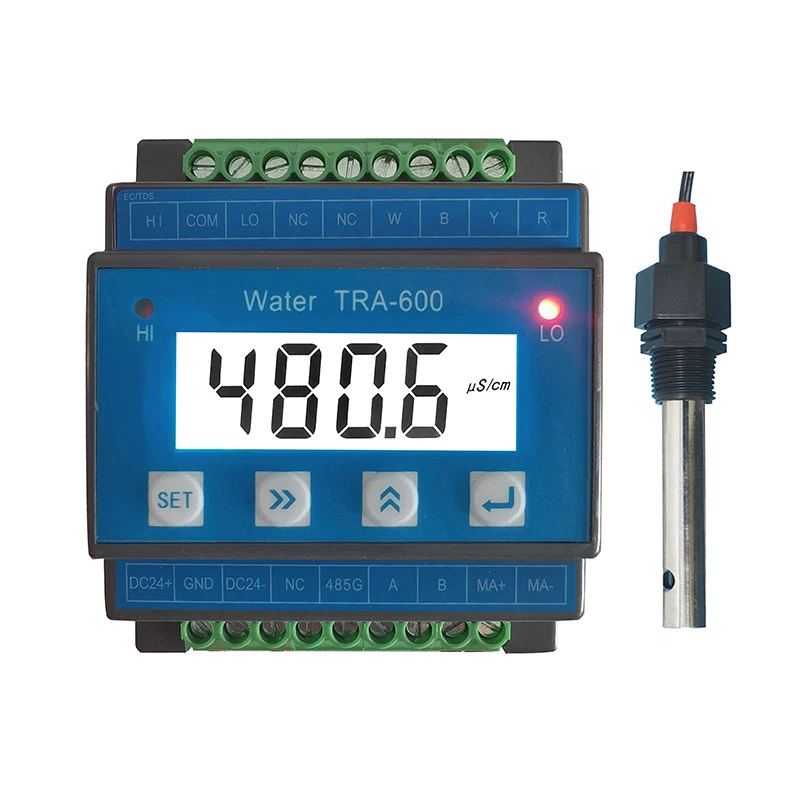
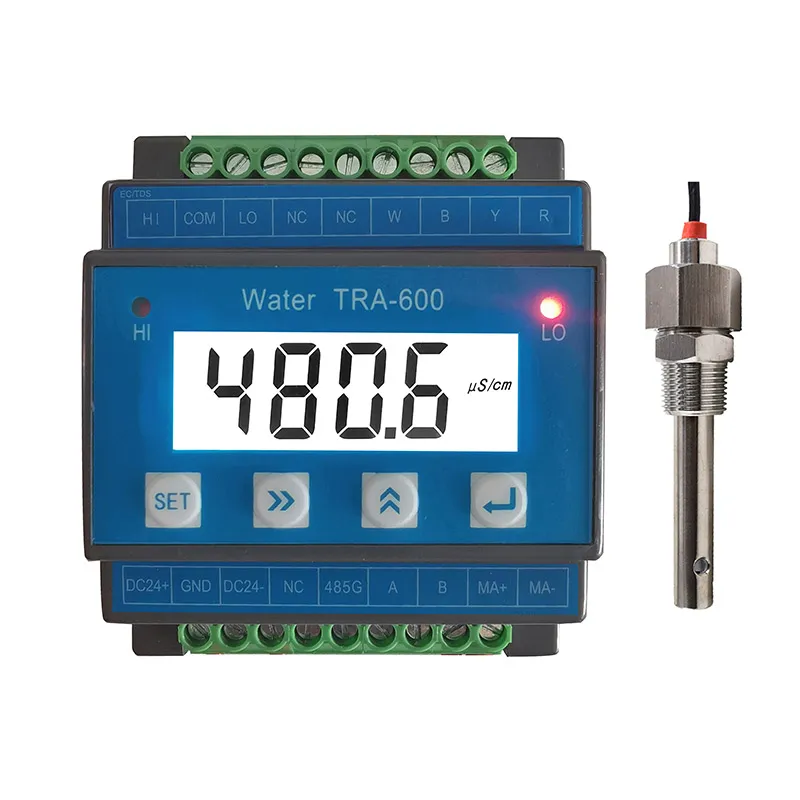
I spent a few busy weeks commissioning the transmitter 4 in a mixed-use utilities room—pharma rinse line on one side, a scrappy hydroponics pilot on the other. Different vibes, same goal: stable, traceable conductivity and TDS. The EC/TDS-TRA-600 is a straight shooter; not flashy, but it punches above its weight with switchable EC/TDS/mS/Temp, high/low relays, and isolated 4–20 mA or RS485. Honestly, that combo solves 80% of what process teams ask for.
Where this lands in current trends
Utilities teams want two things right now: fewer trips to the panel and clearer data. RS485/Modbus RTU is basically table stakes; isolated analog remains king in brownfield sites. The transmitter 4 straddles both. It’s designed for online measurement in pure water lines for pharma, chemical, electronics rinse, food and beverage—places where drift and temperature compensation aren’t academic, they’re daily headaches. It seems that many customers like the set-and-forget stability and modest maintenance.
Key specifications (real-world use may vary)
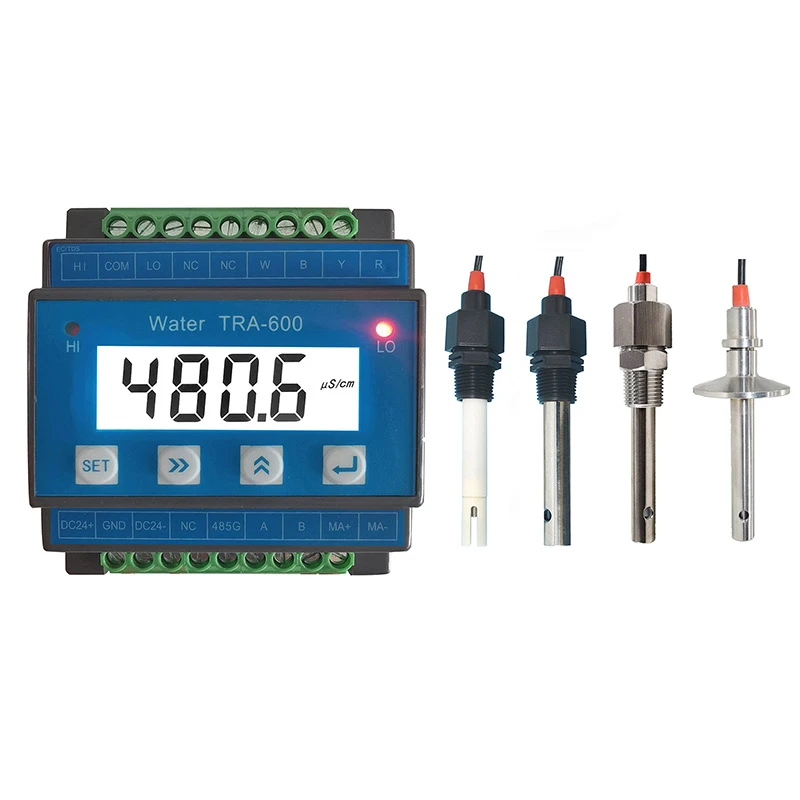
| Measurement | EC / TDS / mS / Temperature (switchable display) |
| Typical EC range | ≈ 0–2000 µS/cm with standard cell (probe-dependent) |
| TDS | Derived via factor (e.g., 0.5–0.7), configurable in practice |
| Outputs | Isolated 4–20 mA or RS485 (Modbus RTU typical) |
| Relays | High/Low limit control (dry contact), setpoint and hysteresis adjustable |
| Temp comp | NTC-based automatic compensation (configurable coefficient) |
| Power | ≈24 VDC (commonly used in panels) |
| Accuracy | ≈ ±1% FS in stable conditions |
| Origin | No.188, Fengshou Road, Chang'an district, Shijiazhuang, Hebei, China 050041 |
From materials to QA: how it’s built and verified
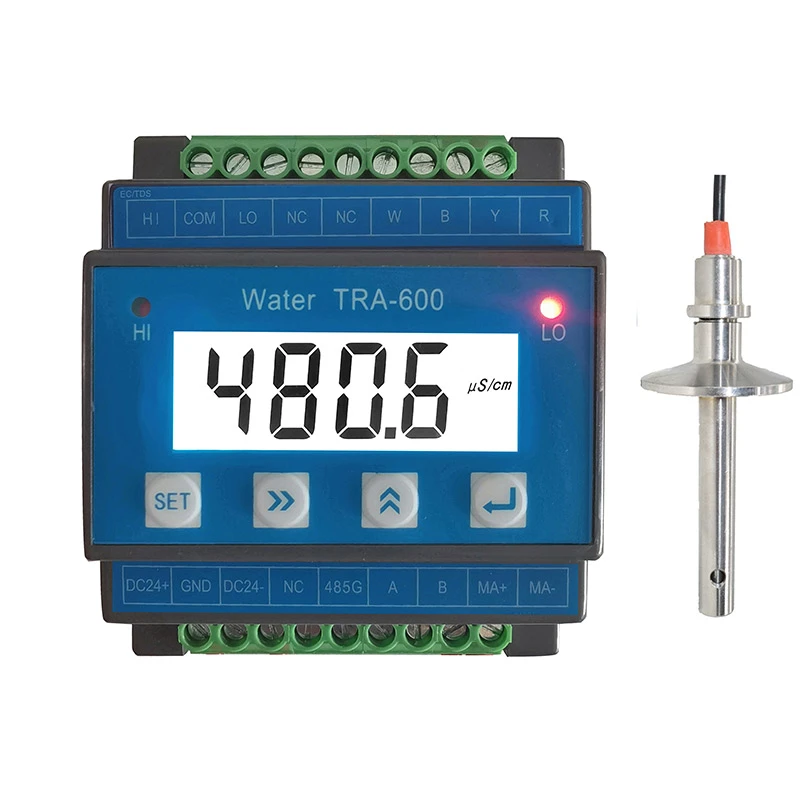
- Materials: corrosion-resistant housing (ABS/PC), EC cell options in stainless steel or graphite; seals in EPDM/PTFE for chemical resistance.
- Methods: 3-point EC calibration (low/mid/high) with traceable standards; temperature probe matched to cell constant (K≈0.1/1.0 as needed).
- Testing standards: procedures aligned with ASTM D1125 and ISO 7888; EMC per IEC 61326; pharma users often check against USP .
- Service life: transmitters typically 5–10 years; probes ≈ 1–3 years depending on CIP cycles and fouling.
- Industries: pharma WFI/prep water, electronics rinse, beverage blending, hydroponics nutrient control, boiler condensate.
In the field: applications and quick case notes
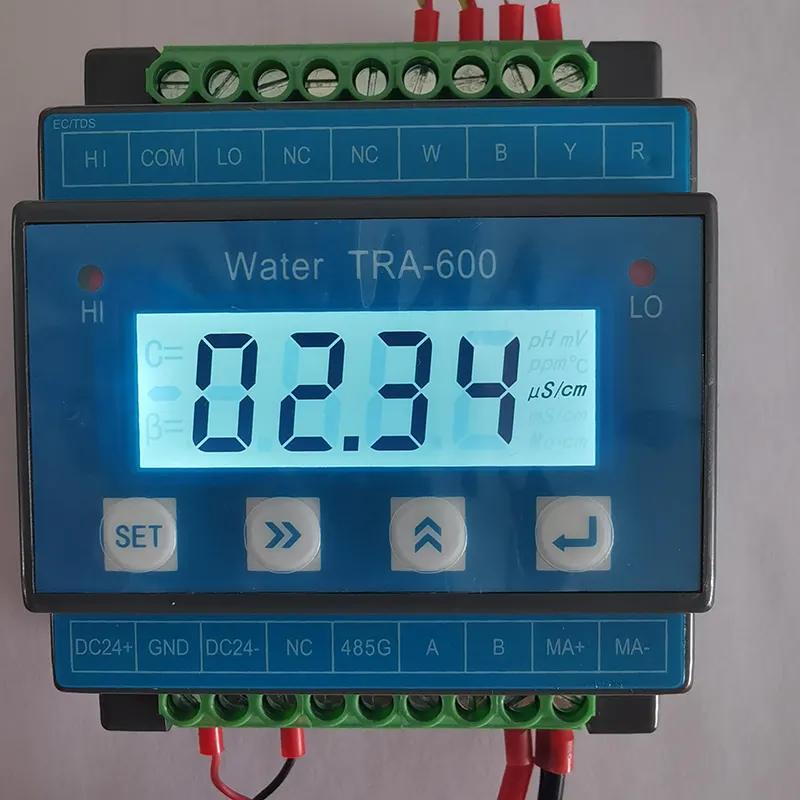
Hydroponics: the transmitter 4 tied into RS485 kept EC drift under 0.5% across diurnal temp swings—good enough that growers stopped chasing setpoints hourly. Beverage plant: high/low relays drove a dosing pump, preventing syrup overshoot. Electronics: rinse tanks used mA output to historian and flagged when EC exceeded 1.3 µS/cm—simple, effective.
Vendor snapshot (approximate, for selection planning)
| Model | Outputs | Relays | Integration | Cost tier |
|---|---|---|---|---|
| EC/TDS-TRA-600 | 4–20 mA or RS485 | High/Low | Fast, simple menus | Mid |
| Premium Brand A | 4–20 mA + HART | Dual, advanced logic | Deep DCS features | High |
| Budget Option B | 4–20 mA only | Single | Basic | Low |
Customization, compliance, and feedback
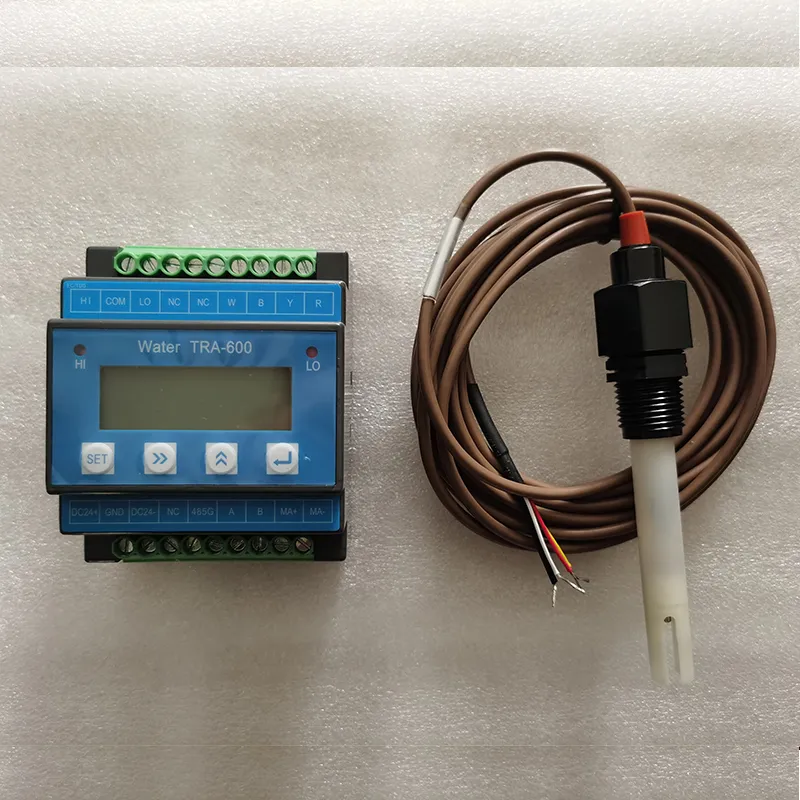
- Customization: cell constant options (K≈0.1/1.0), probe material (SS/graphite), cable length, 4–20 mA or RS485, relay setpoints.
- Certs: CE/EMC (IEC 61326 class), RoHS; manufacturing under ISO 9001. Pharma teams cross-check with USP limits.
- Customer feedback: “stable after CIP,” “no-nonsense menus,” and “relays save a PLC card.” To be honest, that tracks with what I saw.
Sample test data (shop floor check)
Using 84 µS/cm and 1413 µS/cm standards (25°C), the transmitter 4 held ±0.6% across 24 h, temp-comp set at 2.1%/°C. Noise on 4–20 mA was ≤ 0.02 mA p‑p on a grounded panel. That’s comfortably within spec for most utilities rooms.
The bottom line
If you need reliable online EC/TDS with simple control and you’re okay without boutique protocols, the EC/TDS-TRA-600 is a pragmatic pick—especially where RS485 plus dual relays keeps wiring and PLC slots under control.
Authoritative citations
- ASTM D1125 – Standard Test Methods for Electrical Conductivity and Resistivity of Water.
- ISO 7888:1985 – Water quality — Determination of electrical conductivity.
- USP – Water Conductivity (United States Pharmacopeia).
- IEC 61326 – Electrical equipment for measurement, control and laboratory use – EMC requirements.
- Modbus Application Protocol Specification V1.1b3 – Modbus Organization.

Related Products
Related News
2026-04-16 03:20:19
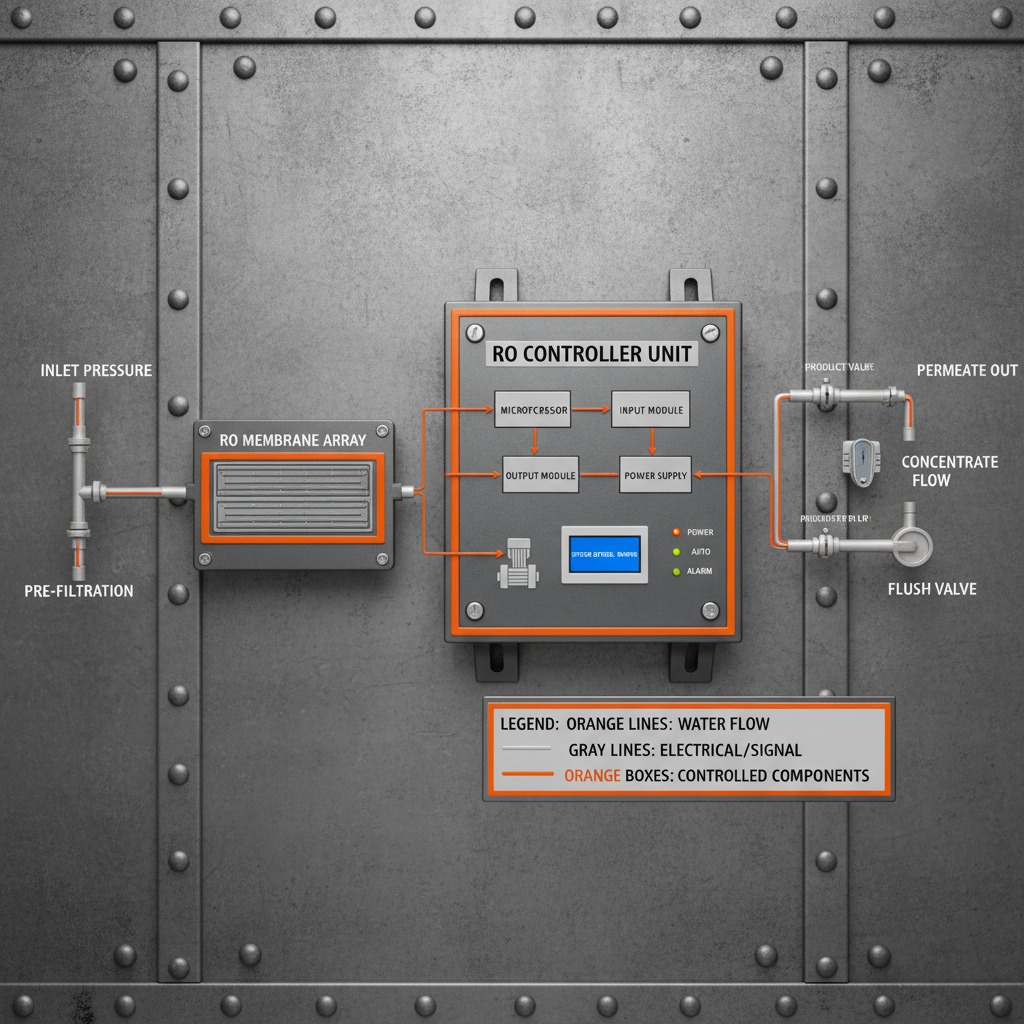
Guide to Choosing the Right RO Controller for Water PurificationMaintaining a high-performance reverse osmosis system requires more than just quality membranes; it demands precise regulation. An ro controller serves as the brain of the entire operation, monitoring critical parameters such as conductivity, temperature, and flow rates to ensure the output water meets stringent purity standards. Without an efficient controller, systems are prone to membrane fouling, inefficient energy use, and inconsistent water quality. In this comprehensive guide, we will explore how these devices optimize water treatment processes and how to select the best model for your specific industrial or commercial needs.
2026-04-09 03:25:47
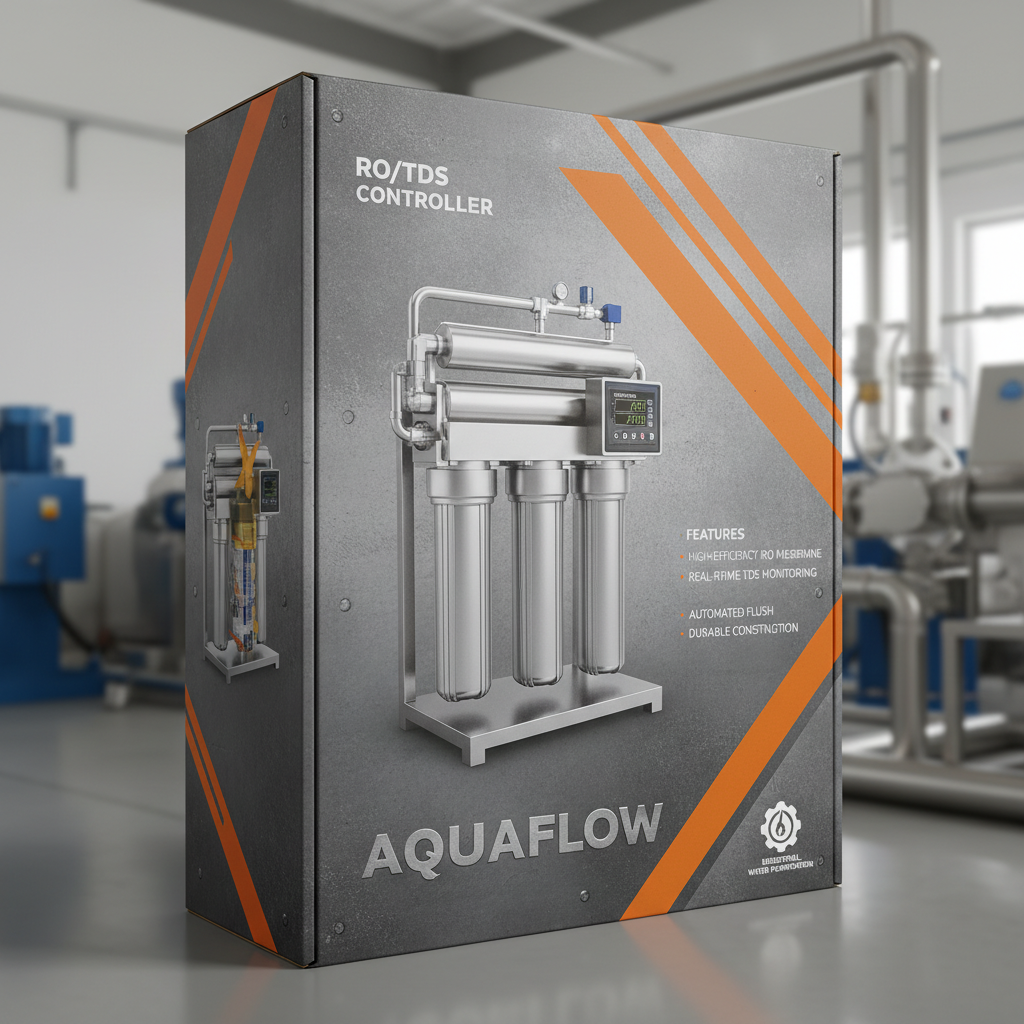
Guide to Water Purity Using RO with TDS Controller SystemsAchieving the perfect balance of mineral content and purity in drinking water is a challenge for many households and industrial facilities. A ro with tds controller offers a sophisticated solution by combining the rigorous filtration of Reverse Osmosis (RO) with the precision of a Total Dissolved Solids (TDS) adjustment system. While standard RO systems remove almost everything, including beneficial minerals, a TDS controller allows users to re-mineralize the water to a desired level. This ensures that the water is not only safe and pure but also tastes better and provides essential nutrients.
2026-04-07 03:17:09
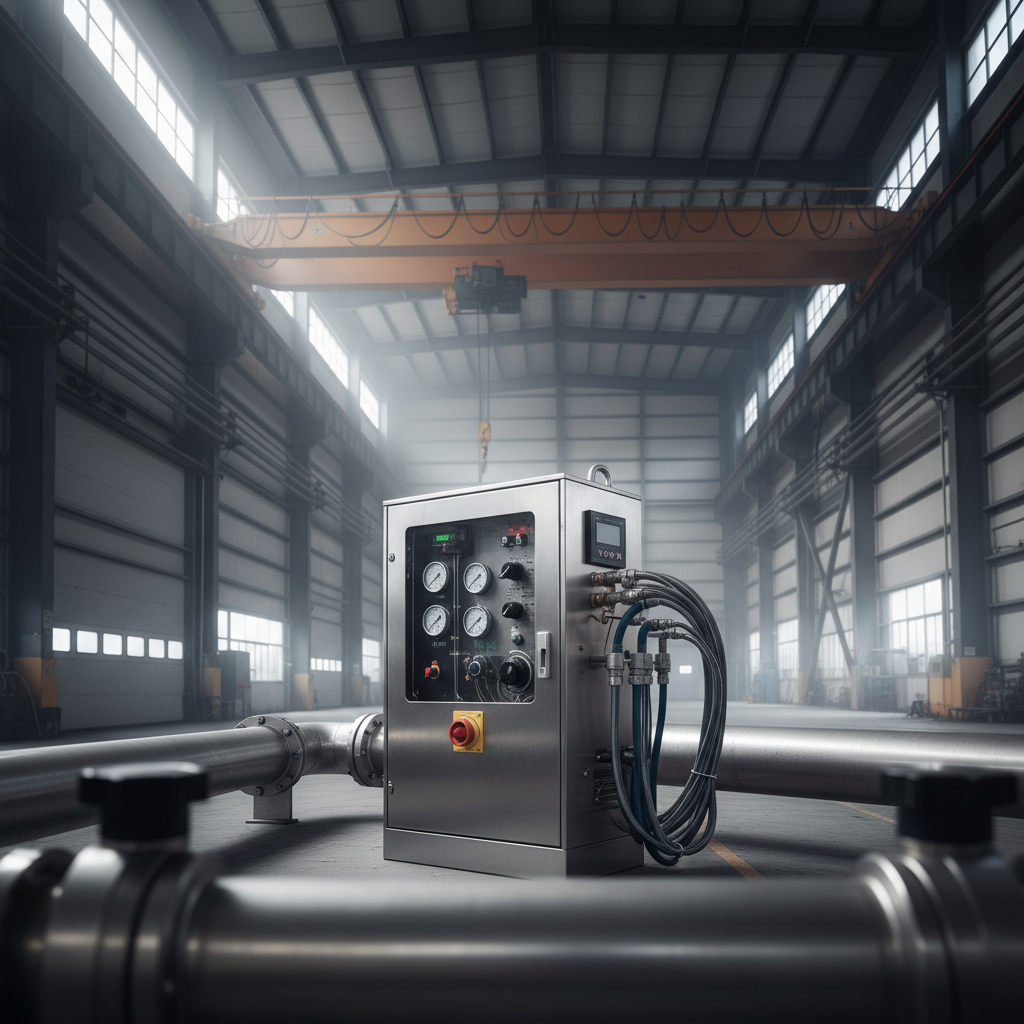
Understanding and Optimizing Reverse Osmosis Systems with a ControllerIn the world of water purification, reverse osmosis (RO) systems are a cornerstone for producing high-quality water for various applications, from drinking water to industrial processes. However, an RO system is only as effective as its control system. This is where the reverse osmosis controller comes into play. This critical component manages and optimizes the RO process, ensuring efficient operation, water quality, and system longevity.
2026-04-04 03:27:19
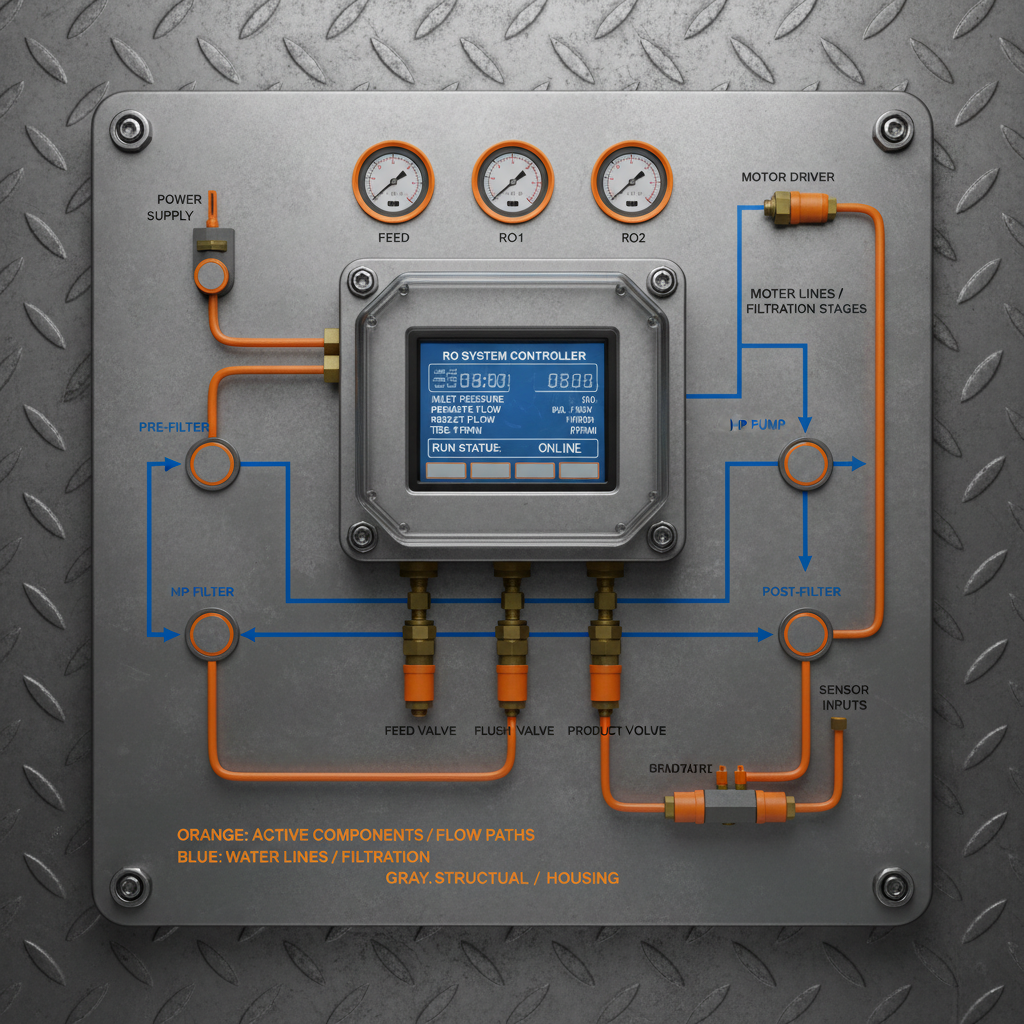
Understanding the Vital Role of an RO System Controller for Optimal PerformanceReverse Osmosis (RO) systems are critical for purifying water across various industries, from residential applications to large-scale industrial processes. At the heart of a well-functioning RO system lies the RO system controller. This intelligent device monitors and regulates all key parameters of the RO process, ensuring optimal performance, efficiency, and water quality. This article delves into the functionalities, benefits, and selection criteria for choosing the right RO system controller, particularly focusing on those offered by Watequipments. Understanding its role is crucial for maximizing the lifespan and effectiveness of your RO investment.
2026-03-24 17:18:24
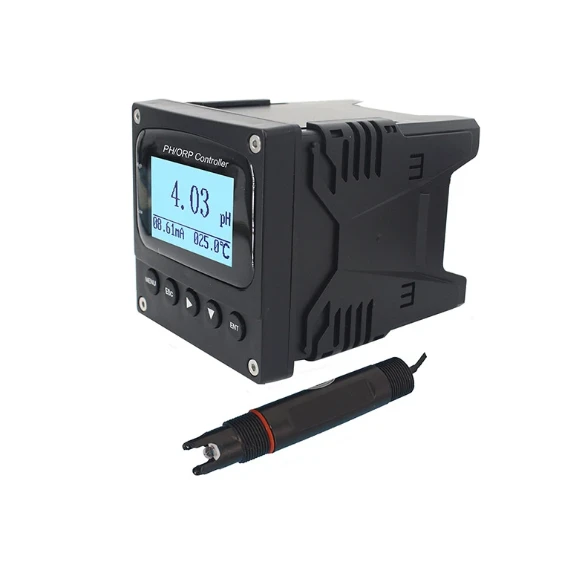
Smart Water Treatment Solutions Using PH ORP Controller SystemsIn modern water treatment and industrial fluid management, maintaining precise chemical balance is essential for safety, efficiency, and regulatory compliance.
2026-03-04 02:55:19
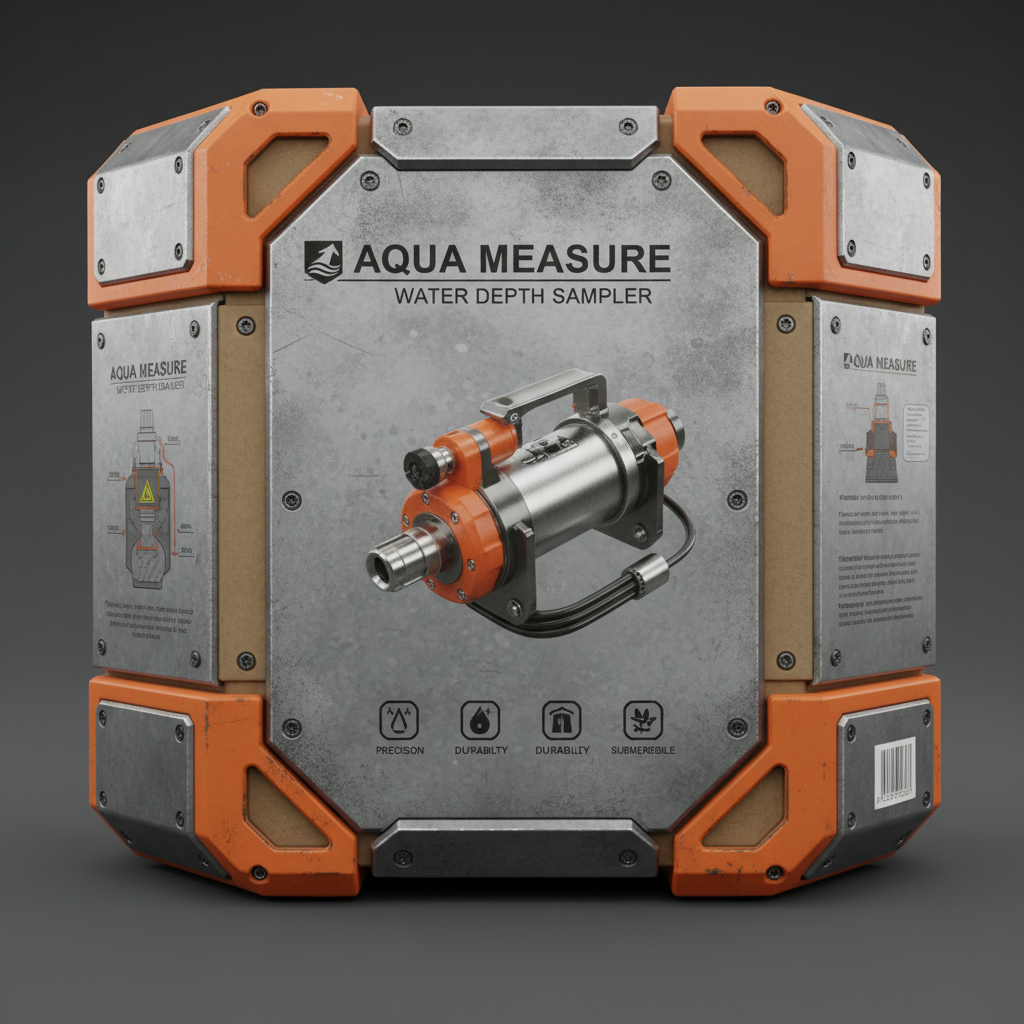
Comprehensive Guide to Water Depth Samplers and Their ApplicationsAccurate water quality monitoring is crucial in various fields, from environmental science and aquaculture to industrial wastewater management. A key tool for this is the water depth sampler. This article provides an in-depth look at water depth samplers, their applications, types, and essential considerations for choosing the right one for your needs. We'll explore the benefits of utilizing this equipment to collect reliable data for analysis and informed decision-making. Selecting the right sampler can significantly improve the precision and efficiency of your water monitoring program. A water depth sampler, also known as a depth-integrated sampler, is a device designed to collect water samples from specific depths within a body of water. Unlike simply dipping a container into the water, a depth sampler allows for collection of a representative sample across a defined depth range. This is critical because water properties (temperature, salinity, pollutants) often vary significantly with depth. The data gathered with a water depth sampler provides a more accurate assessment of water quality than surface samples alone.
2026-03-03 18:55:22
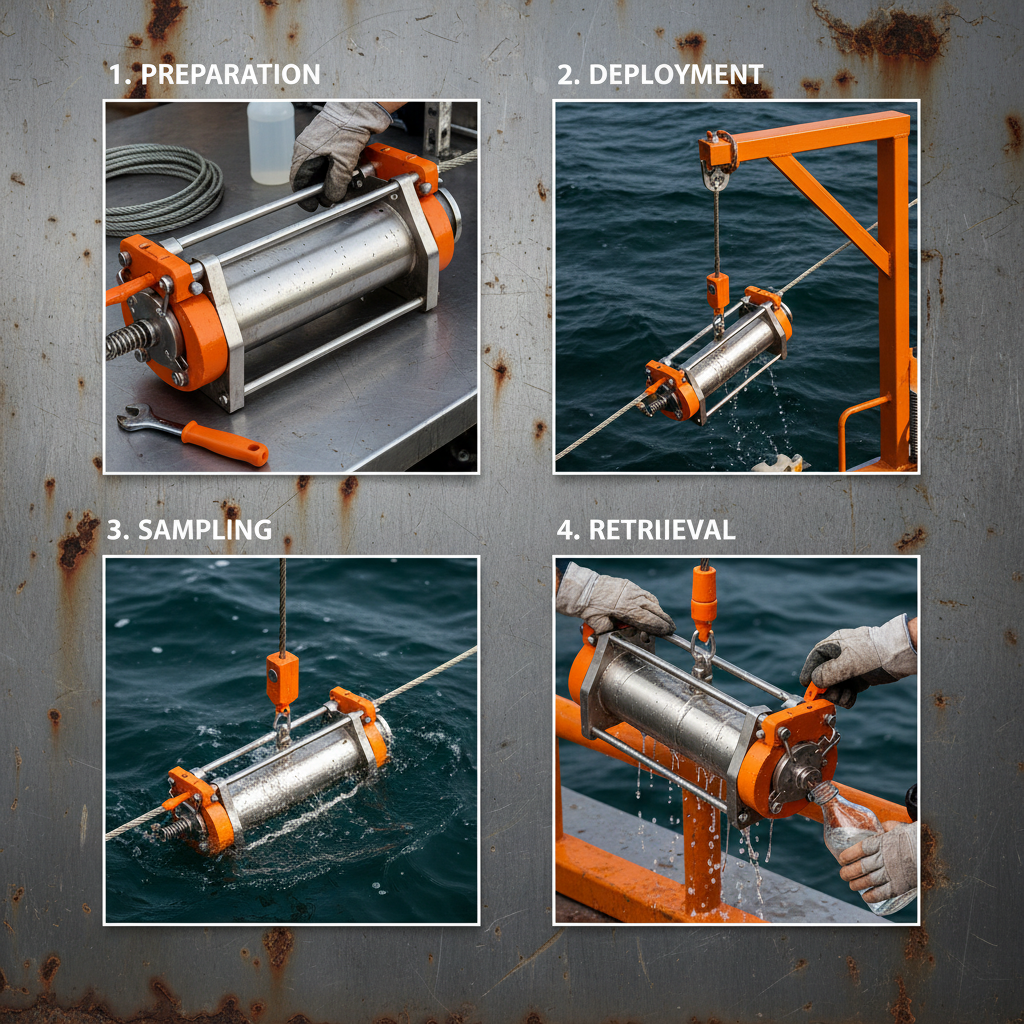
Comprehensive Guide to Horizontal Water Sampler Applications and SelectionCollecting water samples at varying depths is crucial for environmental monitoring, research, and quality control. The horizontal water sampler from Watequipment.com offers a precise and efficient solution for this task. This article provides an in-depth look at horizontal water samplers, their applications, benefits, and key considerations when choosing the right model. We will explore how these samplers contribute to accurate data collection and informed decision-making in various fields. A horizontal water sampler is a device designed to collect water samples from specific depths within a body of water – rivers, lakes, oceans, reservoirs, and even wastewater treatment plants. Unlike vertical samplers which primarily focus on depth, horizontal samplers prioritize collecting samples at a consistent depth while moving along a horizontal plane. This is essential for assessing water quality variations across a waterway or within a specific zone. They are used in applications ranging from environmental monitoring and scientific research to industrial process control and regulatory compliance.
2026-02-28 02:35:09
Comprehensive Guide to Selecting the Right Surface Water Sampler for Your NeedsMonitoring the quality of surface water is critical for environmental protection, public health, and various industrial applications. A surface water sampler is an essential tool for collecting representative samples from rivers, lakes, ponds, and other surface water sources. This article provides a detailed overview of surface water samplers, their types, applications, and key considerations for selecting the right equipment. Accurate water quality data relies on proper sample collection, and choosing the correct sampler is the first step toward achieving reliable results. Surface water samplers come in various designs, each suited to specific sampling needs. Common types include grab samplers, depth-integrating samplers, peristaltic pumps, and automatic samplers. Surface water samplers are used across a broad spectrum of applications, including environmental monitoring, wastewater discharge monitoring, drinking water source monitoring, agricultural runoff analysis, and research studies.

 English