


Understanding drip lateral pipe 16mm price: Global Insights & Practical Guide

Understanding drip lateral pipe 16mm price: Global Insights & Practical Guide
Dec . 04, 2025
Understanding the drip lateral pipe 16mm price: Why it Matters Globally
When you think about modern irrigation systems, the term drip lateral pipe 16mm price might not immediately spring to mind. But frankly, it plays a surprisingly pivotal role in how agricultural productivity and water conservation efforts are shaping up around the world. Globally, agriculture accounts for around 70% of freshwater withdrawals (according to the UN FAO 2021 data), so the devices controlling water usage demand close attention.1 The 16mm drip lateral pipe is a backbone component in delivering water directly to plant roots with minimal waste. Knowing about its pricing is key for farmers, NGOs, governments, and industries aiming to balance cost-efficiency with sustainability — a balance growing more urgent by the day.
Essentially, understanding drip lateral pipe 16mm price is about grasping how to get the best return on investment—ensuring effective irrigation without breaking the bank in often resource-poor environments.
Introduction: A Global Context for drip lateral pipe 16mm price
Across continents, water scarcity and agricultural viability collide in real challenges. For example, the World Bank reports that nearly half of global agricultural land is vulnerable to drought stress.2 This is where drip irrigation and pipes tailored to smart water delivery come into play.
But, between looking up the costs of higher-grade materials, installation, and durability, stakeholders, especially in developing economies, often grapple with determining the true drip lateral pipe 16mm price. The cost is not just about the pipe but about long-term efficiency and reduction in water and fertilizer use—this is why the price conversation is not trivial.
What Is a drip lateral pipe 16mm, and Why the Price Matters?
A 16mm drip lateral pipe is a polyethylene tube used in irrigation lines that distribute water evenly through tiny emitters placed along its length. Its 16mm diameter makes it flexible yet sturdy—ideal for diverse crops and terrains. The price of this pipe type reflects manufacturing quality, pressure tolerance, emitter spacing, and sometimes additional protective coatings.
In humanitarian terms, these pipes become lifesavers when fast deployment in disaster-hit or arid areas is needed. They are simple to set up, reduce water wastage, and support food security initiatives.
Key Factors Affecting drip lateral pipe 16mm price
Durability
The materials used—usually UV-stabilized polyethylene—play a major role in pricing. Higher durability means a higher upfront cost but translates into years of maintenance-free use, which many experts find worth it.
Flow Rate and Emitter Design
Some pipes have integrated emitters; others require separate installation. Emitters that resist clogging or scale-up are pricier but reduce downtime and water loss.
Scalability and Installation Ease
The length and compatibility with existing irrigation systems affect cost. Moreover, pipes designed for quick, tool-less assembly might have a slightly higher tag but save long-term labor costs.
Cost Efficiency Over Time
This includes purchase price plus operational savings from water and fertilizer use reduction. A cheaper pipe might cost more overall if it means higher water wastage.
Global Applications & Use Cases
Drip lateral pipes, especially the 16mm size, have a versatile range of applications spanning continents and sectors:
- Smallholder Farming in Africa and Asia: Here, low-cost pipes improve irrigation efficiency, supporting crop yields without overwhelming budgets.
- Post-disaster Agricultural Rehabilitation: NGOs often deploy these pipes to restart crop production swiftly and with minimal water waste.
- Greenhouse and High-Value Crop Farming: Precision irrigation enabled by 16mm drip laterals is critical for horticulture and floriculture.
- Industrial Parks and Large-Scale Farms: Automated irrigation systems using drip laterals cut operational costs.
Ironically, while it sounds niche, knowing the drip lateral pipe 16mm price is important for these wide applications—from the plains of Punjab to the fields of California.
Advantages & Long-Term Value
It’s easy to focus on upfront costs when considering drip lateral pipe 16mm price, but the long-term benefits often outweigh the initial investment. Reduced water consumption means lower utility bills and less strain on local water resources — which frankly, is becoming a global imperative.
There’s also an often overlooked social dimension. By improving irrigation, farmers can increase yields consistently, fostering food security. This feeds into community stability and dignity — concepts that matter deeply in rural development projects.
Future Trends & Innovations
What excites many in the industry is how digital tech and sustainability are converging with drip irrigation. Pipes embedded with sensors can now monitor flow and pressure in real time, detecting leaks or blockages before they damage crops. Materials research is pushing the boundaries — biodegradable or recycled polyethylene variants can bring down environmental footprints.
Moreover, solar-powered drip irrigation systems and automated valves sync with climate data for precision farming. Oddly enough, the drip lateral pipe 16mm price may rise a little as these smart solutions become standard, but the savings and sustainability gains promise to justify it.
Challenges & Solutions
Of course, challenges remain. Clogging due to sediment or biological growth is a persistent headache, especially where water quality is poor. Installation errors and low product standards in some markets can also inflate costs unexpectedly.
Thankfully, many vendors now include filtration systems and anti-clog emitter technology bundled with their pipes. Training local technicians and promoting quality standards (like ISO 9261 for irrigation) also help bridge these gaps.
FAQ
- Q: How does the 16mm diameter affect irrigation efficiency compared to other sizes?
A: The 16mm diameter strikes a balance between flexibility and pressure management, allowing consistent water delivery without excessive clogging risk. It's ideal for small to medium plots. - Q: Is it possible to use recycled materials in drip lateral pipes?
A: Yes, some manufacturers use recycled or partially recycled polyethylene. However, quality control is crucial to ensure durability and prevent leaks. - Q: How often should drip lateral pipes be replaced?
A: Typically, 5-8 years depending on exposure and maintenance. UV exposure shortens lifespan if not UV-protected properly. - Q: Can I find affordable drip lateral pipes for large-scale projects?
A: Definitely. Bulk buying and working with reputable suppliers (see vendor comparison above) can reduce the drip lateral pipe 16mm price significantly. - Q: Where can I check current prices and order these pipes?
A: Reliable distributors and online platforms specialize in irrigation equipment—you might want to visit drip lateral pipe 16mm price offers there for latest pricing and availability.
Final Thoughts
What feels like just a pipe is really a connector to global food security, sustainability, and innovation. As the pressures of climate change and water scarcity mount, knowing the ins and outs of drip lateral pipe 16mm price is a step towards smarter resource management.
Happy irrigating — and keep those pipes flowing efficiently!
1. United Nations FAO, AQUASTAT Global Water Report, 20212. World Bank, Water Scarcity and Agriculture, 2023

Related Products
Related News
2026-04-16 03:20:19
Guide to Choosing the Right RO Controller for Water PurificationMaintaining a high-performance reverse osmosis system requires more than just quality membranes; it demands precise regulation. An ro controller serves as the brain of the entire operation, monitoring critical parameters such as conductivity, temperature, and flow rates to ensure the output water meets stringent purity standards. Without an efficient controller, systems are prone to membrane fouling, inefficient energy use, and inconsistent water quality. In this comprehensive guide, we will explore how these devices optimize water treatment processes and how to select the best model for your specific industrial or commercial needs.
2026-04-09 03:25:47
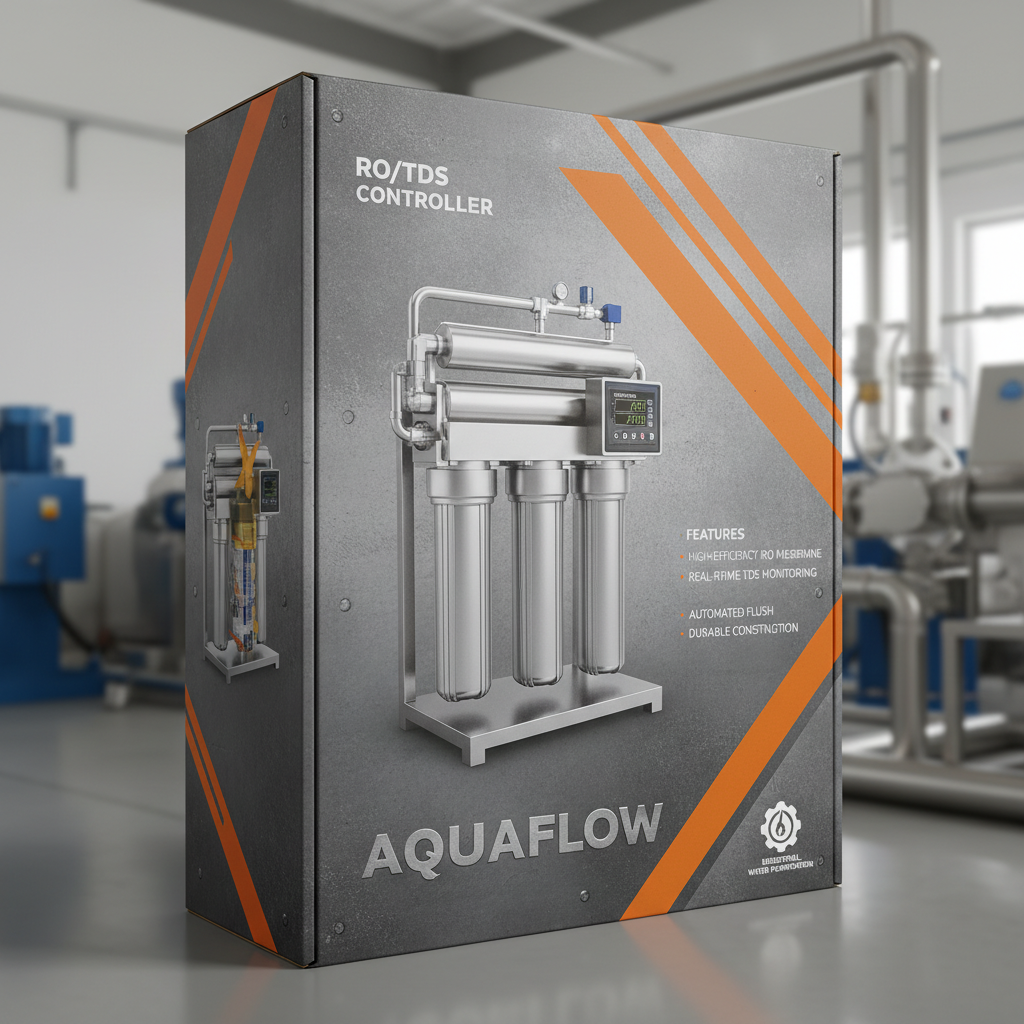
Guide to Water Purity Using RO with TDS Controller SystemsAchieving the perfect balance of mineral content and purity in drinking water is a challenge for many households and industrial facilities. A ro with tds controller offers a sophisticated solution by combining the rigorous filtration of Reverse Osmosis (RO) with the precision of a Total Dissolved Solids (TDS) adjustment system. While standard RO systems remove almost everything, including beneficial minerals, a TDS controller allows users to re-mineralize the water to a desired level. This ensures that the water is not only safe and pure but also tastes better and provides essential nutrients.
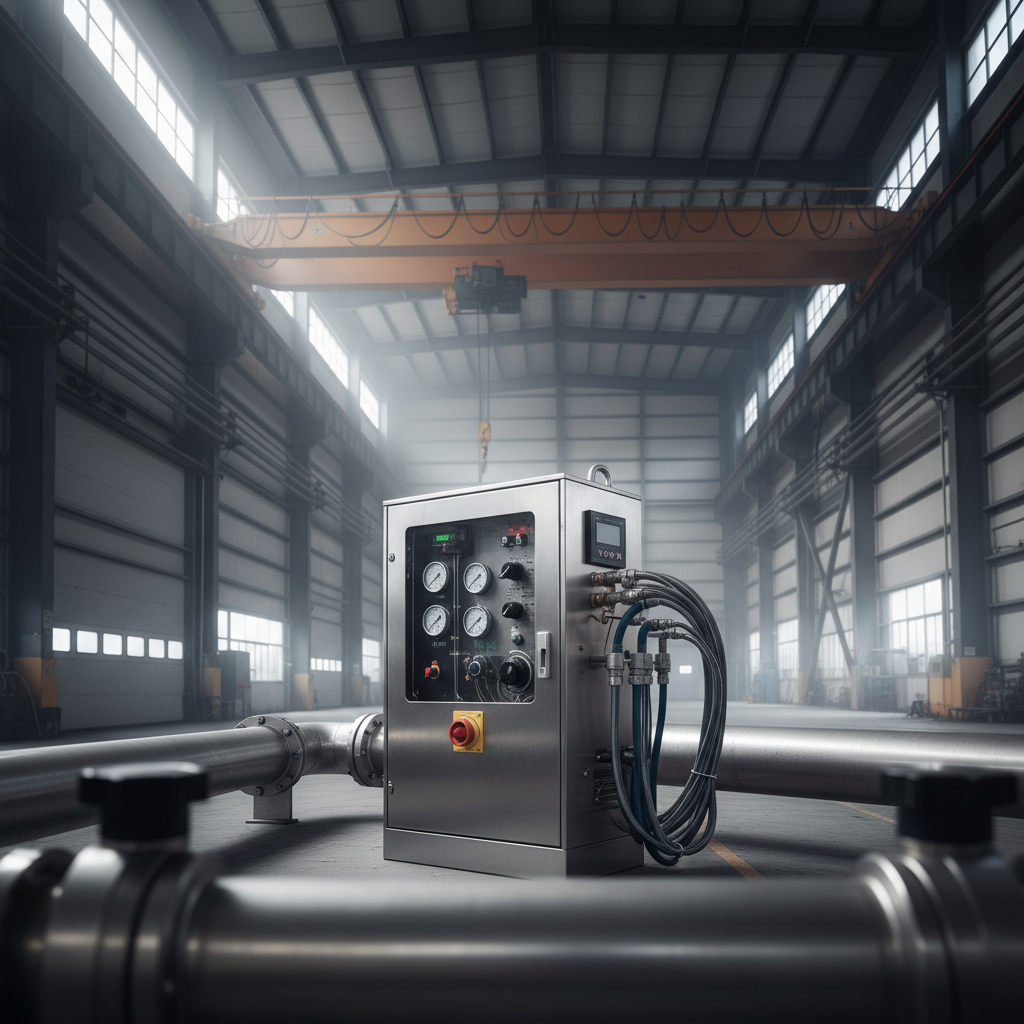
2026-04-07 03:17:09
Understanding and Optimizing Reverse Osmosis Systems with a ControllerIn the world of water purification, reverse osmosis (RO) systems are a cornerstone for producing high-quality water for various applications, from drinking water to industrial processes. However, an RO system is only as effective as its control system. This is where the reverse osmosis controller comes into play. This critical component manages and optimizes the RO process, ensuring efficient operation, water quality, and system longevity.
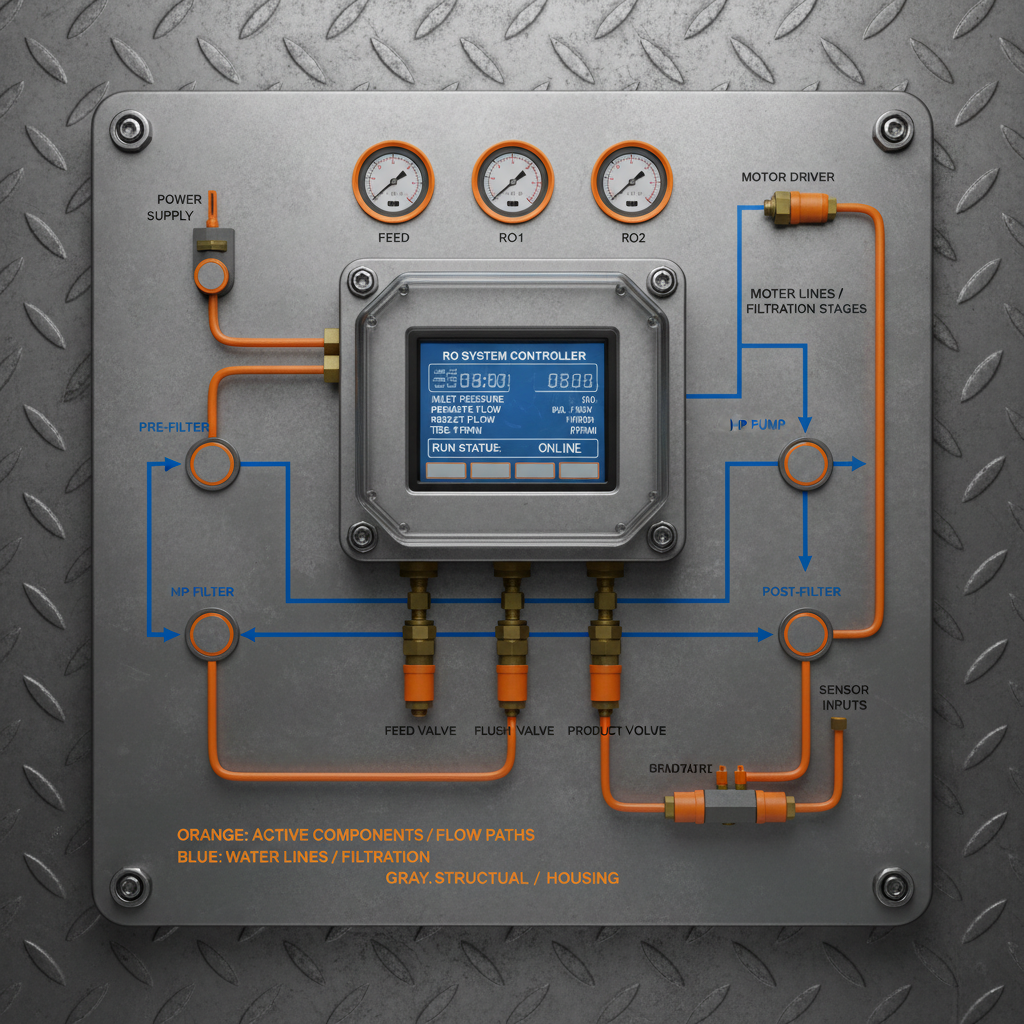
2026-04-04 03:27:19
Understanding the Vital Role of an RO System Controller for Optimal PerformanceReverse Osmosis (RO) systems are critical for purifying water across various industries, from residential applications to large-scale industrial processes. At the heart of a well-functioning RO system lies the RO system controller. This intelligent device monitors and regulates all key parameters of the RO process, ensuring optimal performance, efficiency, and water quality. This article delves into the functionalities, benefits, and selection criteria for choosing the right RO system controller, particularly focusing on those offered by Watequipments. Understanding its role is crucial for maximizing the lifespan and effectiveness of your RO investment.
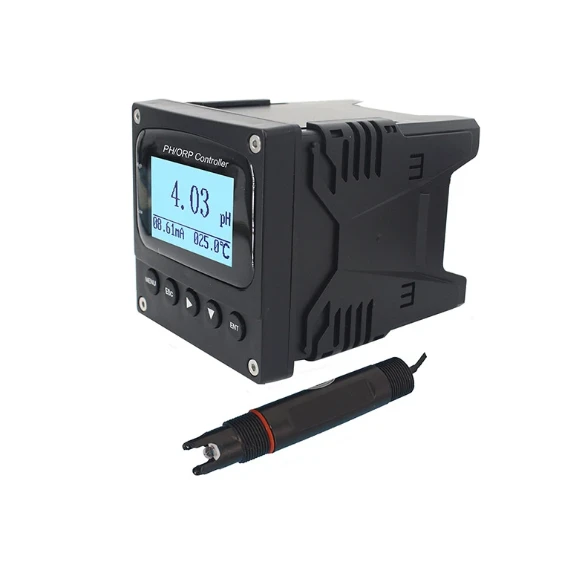
2026-03-24 17:18:24
Smart Water Treatment Solutions Using PH ORP Controller SystemsIn modern water treatment and industrial fluid management, maintaining precise chemical balance is essential for safety, efficiency, and regulatory compliance.
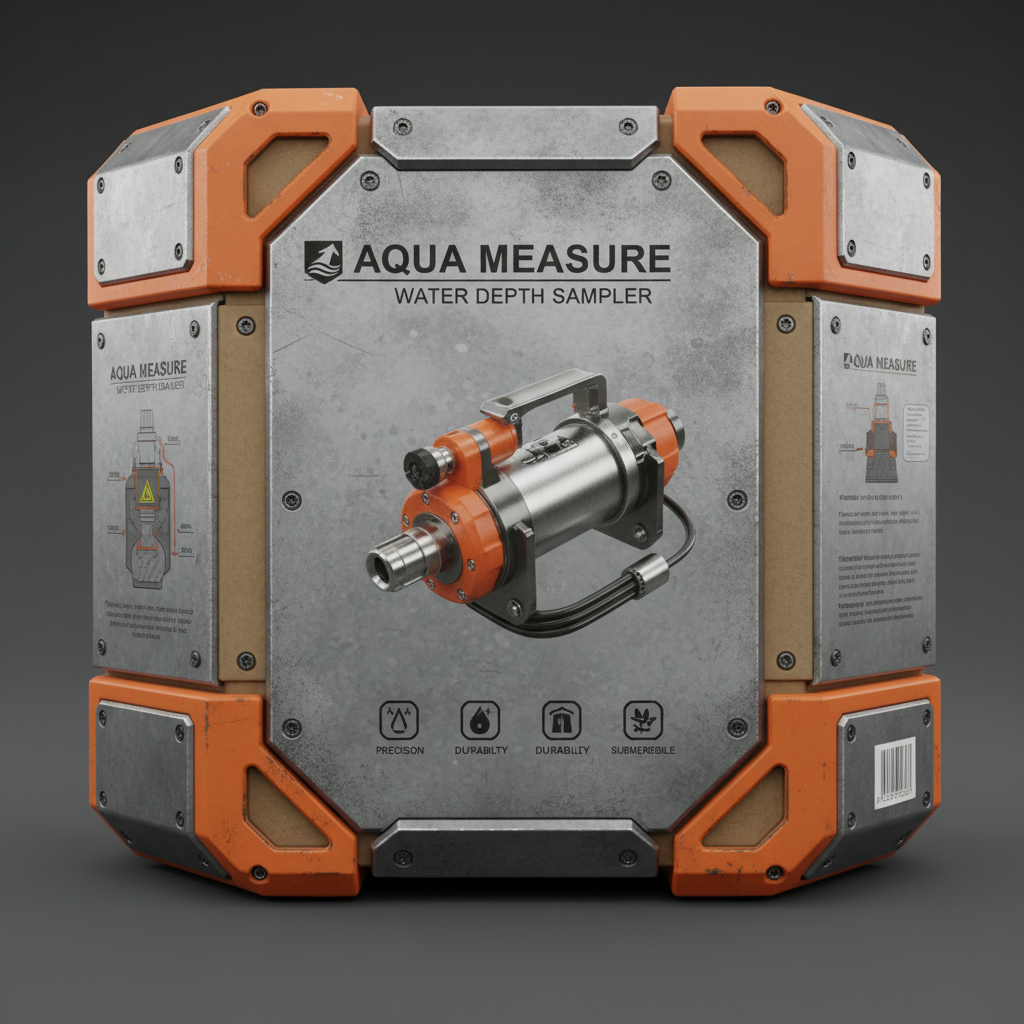
2026-03-04 02:55:19
Comprehensive Guide to Water Depth Samplers and Their ApplicationsAccurate water quality monitoring is crucial in various fields, from environmental science and aquaculture to industrial wastewater management. A key tool for this is the water depth sampler. This article provides an in-depth look at water depth samplers, their applications, types, and essential considerations for choosing the right one for your needs. We'll explore the benefits of utilizing this equipment to collect reliable data for analysis and informed decision-making. Selecting the right sampler can significantly improve the precision and efficiency of your water monitoring program. A water depth sampler, also known as a depth-integrated sampler, is a device designed to collect water samples from specific depths within a body of water. Unlike simply dipping a container into the water, a depth sampler allows for collection of a representative sample across a defined depth range. This is critical because water properties (temperature, salinity, pollutants) often vary significantly with depth. The data gathered with a water depth sampler provides a more accurate assessment of water quality than surface samples alone.
2026-03-03 18:55:22
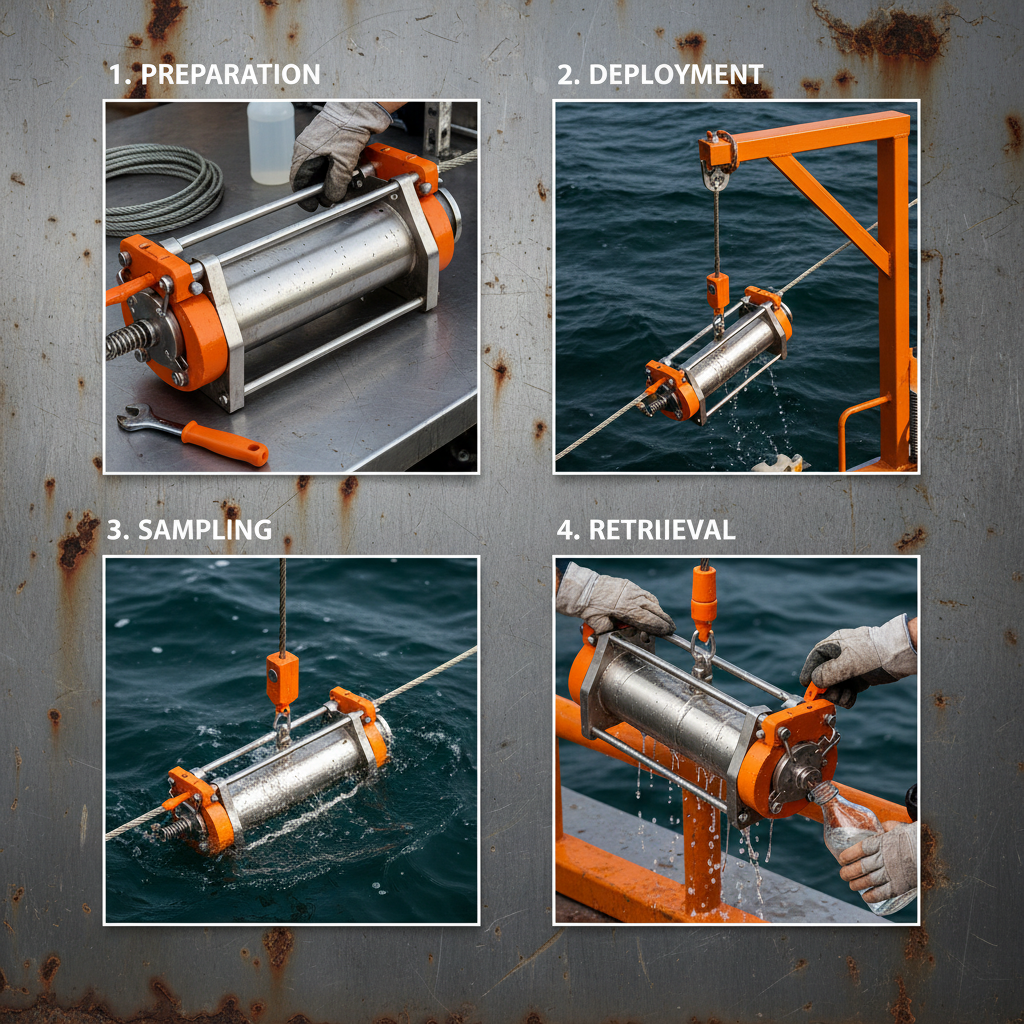
Comprehensive Guide to Horizontal Water Sampler Applications and SelectionCollecting water samples at varying depths is crucial for environmental monitoring, research, and quality control. The horizontal water sampler from Watequipment.com offers a precise and efficient solution for this task. This article provides an in-depth look at horizontal water samplers, their applications, benefits, and key considerations when choosing the right model. We will explore how these samplers contribute to accurate data collection and informed decision-making in various fields. A horizontal water sampler is a device designed to collect water samples from specific depths within a body of water – rivers, lakes, oceans, reservoirs, and even wastewater treatment plants. Unlike vertical samplers which primarily focus on depth, horizontal samplers prioritize collecting samples at a consistent depth while moving along a horizontal plane. This is essential for assessing water quality variations across a waterway or within a specific zone. They are used in applications ranging from environmental monitoring and scientific research to industrial process control and regulatory compliance.
2026-02-28 02:35:09
Comprehensive Guide to Selecting the Right Surface Water Sampler for Your NeedsMonitoring the quality of surface water is critical for environmental protection, public health, and various industrial applications. A surface water sampler is an essential tool for collecting representative samples from rivers, lakes, ponds, and other surface water sources. This article provides a detailed overview of surface water samplers, their types, applications, and key considerations for selecting the right equipment. Accurate water quality data relies on proper sample collection, and choosing the correct sampler is the first step toward achieving reliable results. Surface water samplers come in various designs, each suited to specific sampling needs. Common types include grab samplers, depth-integrating samplers, peristaltic pumps, and automatic samplers. Surface water samplers are used across a broad spectrum of applications, including environmental monitoring, wastewater discharge monitoring, drinking water source monitoring, agricultural runoff analysis, and research studies.

 English