


Guide to Choosing the Right RO Controller for Water Purification

Guide to Choosing the Right RO Controller for Water Purification
Apr . 16, 2026
The Ultimate Guide to Choosing the Right RO Controller for Water Purification
Maintaining a high-performance reverse osmosis system requires more than just quality membranes; it demands precise regulation. An ro controller serves as the brain of the entire operation, monitoring critical parameters such as conductivity, temperature, and flow rates to ensure the output water meets stringent purity standards. Without an efficient controller, systems are prone to membrane fouling, inefficient energy use, and inconsistent water quality. In this comprehensive guide, we will explore how these devices optimize water treatment processes and how to select the best model for your specific industrial or commercial needs.
Core Functions of a Modern RO Controller
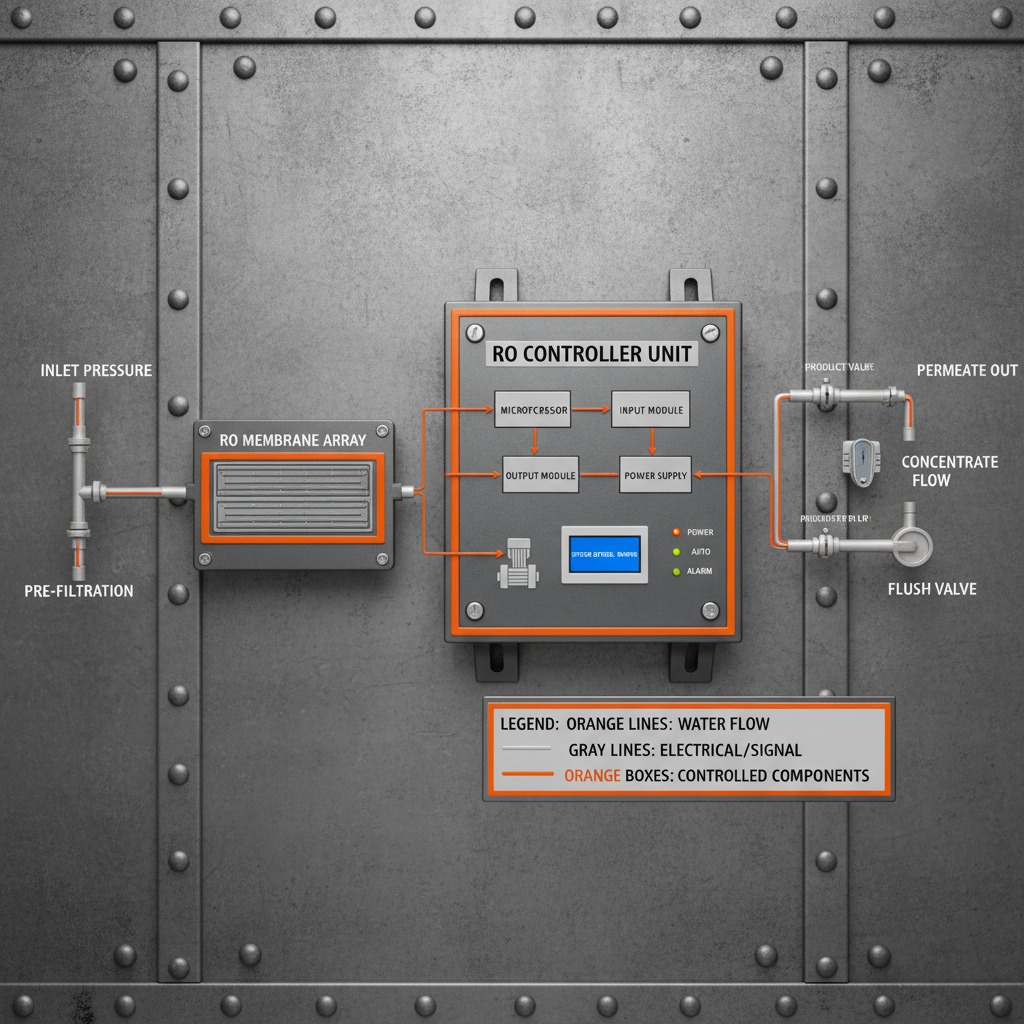
A professional ro controller does not simply turn a pump on or off. It actively manages the TDS (Total Dissolved Solids) levels of both the feed water and the permeate. By integrating sensors, the controller can automatically trigger a flushing cycle to remove accumulated minerals from the membrane surface, significantly extending the membrane's lifespan. Additionally, it provides real-time alerts and data logging, allowing plant managers to identify trends and perform preventive maintenance before a total system failure occurs.
Critical Monitoring Parameters: Most advanced controllers track Conductivity (to measure purity), Pressure (to prevent membrane rupture), and Flow Rates (to optimize recovery percentages).
How an RO Controller Improves System Efficiency
Efficiency in water treatment is measured by the ratio of permeate (pure water) to concentrate (waste water). A high-quality ro controller optimizes this recovery rate by adjusting the feed pressure and flow in response to changing water conditions. By preventing "over-concentration" of salts on the membrane, the controller reduces the frequency of chemical cleanings (CIP), which in turn lowers operational costs and minimizes downtime.
Efficiency Gains:
• Reduced Waste: Precision control leads to higher water recovery rates.
• Energy Savings: Optimizes pump operation to use only necessary power.
• Membrane Longevity: Automated flushing prevents permanent scaling.
• Consistent Purity: Eliminates human error in monitoring water quality.
RO Controller Types: Manual vs. Automatic
Depending on the scale of your operation, you may encounter different types of control systems. Manual systems require operators to read gauges and manually turn valves, which is risky and time-consuming. In contrast, an automatic ro controller uses PLC (Programmable Logic Controllers) to manage the entire cycle. For industrial plants, the transition to automation is not just a luxury but a necessity for maintaining regulatory compliance and stability.
Installation and Maintenance of an RO Controller
Correct installation is critical for the longevity of your ro controller. Sensors must be placed in areas with stable flow to avoid "noisy" readings. Calibration is the most overlooked part of maintenance; conductivity probes can drift over time, leading to inaccurate purity readings. Regular calibration using standard solutions ensures that the controller triggers the correct responses based on actual water chemistry.
Technical Specifications for Industrial RO Controllers
When sourcing equipment, you must align the controller's specs with your pump and membrane capacity. A standard industrial-grade ro controller typically supports a wide range of voltage and offers multiple input/output ports for integration with other plant machinery. Below is a specification table for a typical high-performance model:
Integrating Smart Technology in Water Control
The future of water purification lies in IoT (Internet of Things) integration. Modern ro controller systems now offer Wi-Fi or Ethernet connectivity. This allows engineers to monitor the system health from a smartphone or a centralized control room. Remote diagnostics can identify if a membrane is failing before the water quality drops below acceptable levels, transforming the maintenance approach from reactive to proactive.
Conclusion: Optimizing Purity with the Right Control
Choosing a professional ro controller is the most effective way to guarantee consistent water quality and maximize the ROI of your purification system. From extending membrane life to reducing operational waste, the benefits of automated control are undeniable. Whether you are managing a small lab or a large industrial plant, investing in a reliable controller ensures that your water treatment process remains efficient, sustainable, and safe. Visit Water Equipments to find the perfect control solution for your needs.
Frequently Asked Questions (FAQs)
What exactly does an RO controller do?
An RO controller acts as the central management system for a reverse osmosis plant. Its primary role is to monitor the quality of the water (usually via conductivity sensors) and the physical state of the system (via pressure sensors). Based on these inputs, it automatically controls the operation of high-pressure pumps and solenoid valves to initiate flushing, stop the system in case of leaks, or alert operators when the permeate quality drops below a predefined threshold. This automation ensures the membranes are protected and the output water is consistently pure.
How often should the sensors be calibrated?
For most industrial applications, we recommend calibrating the conductivity and pH probes every 1 to 3 months, depending on the water quality and the frequency of use. Over time, probes can suffer from "drift" due to mineral buildup or electrode degradation. If the controller is not calibrated, it may report an incorrect TDS level, which could lead to the system running too long without a flush (causing membrane damage) or flushing too often (wasting water). Using a certified calibration solution is essential for accuracy.
Can I install an automatic controller on an existing manual RO system?
Yes, most manual systems can be upgraded to automatic control. The process typically involves replacing manual ball valves with electronic solenoid valves and installing a control panel and sensors. While this requires some plumbing and electrical modifications, the transition is highly recommended. The upgrade significantly reduces the risk of human error and usually pays for itself within a year through reduced membrane replacement costs and lower water waste. You can consult with experts at Water Equipments for a customized upgrade plan.
What happens if the RO controller fails?
If a controller fails, the system may either shut down entirely (fail-safe) or continue to run without monitoring. The latter is dangerous because you will not know if the water quality has dropped or if the pressure has exceeded safe limits, which could lead to a membrane rupture. This is why we recommend choosing controllers with built-in alarm systems and redundant sensors. High-quality controllers from reputable manufacturers include "fail-safe" modes that automatically shut off the feed pump if the controller loses power or detects a sensor fault, protecting your expensive membrane investment.
 Pervious
This is the first article
Related Products
Related News
2026-04-09 03:25:47
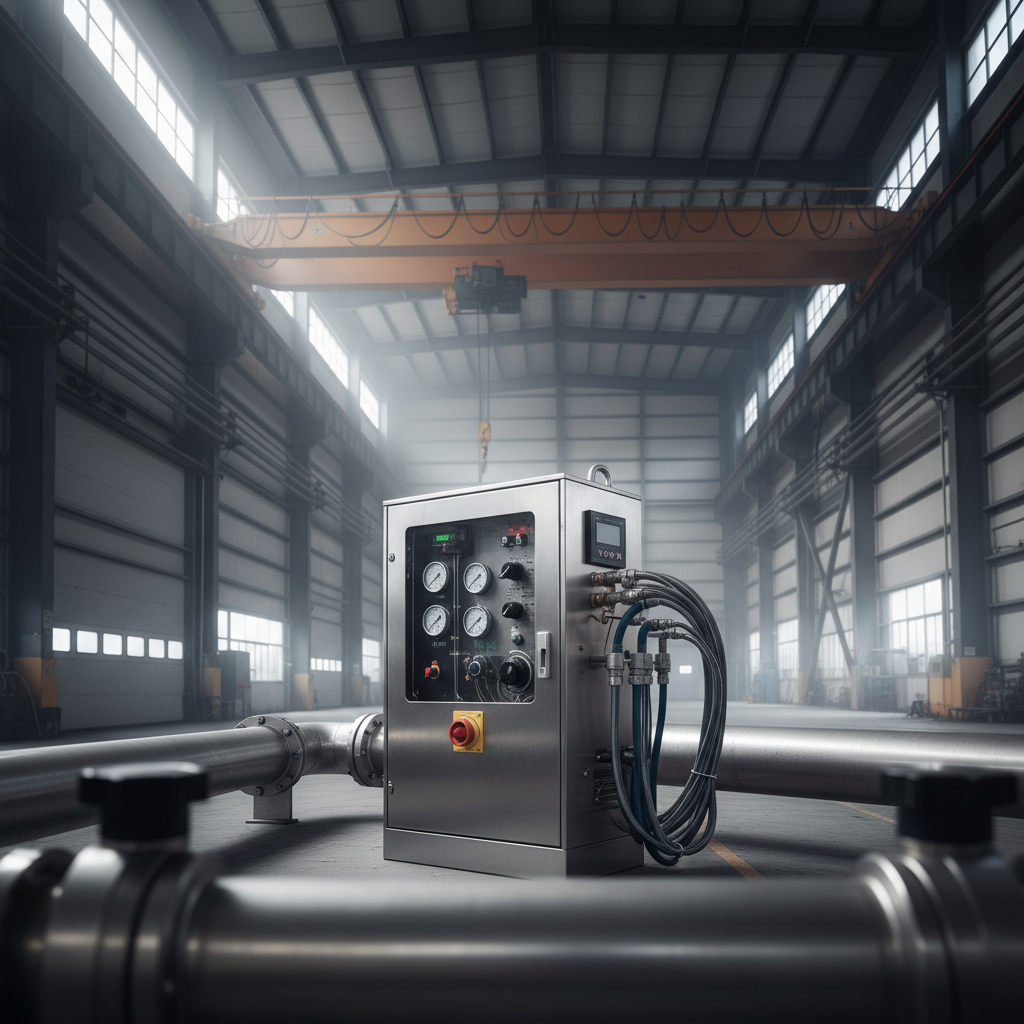
Guide to Water Purity Using RO with TDS Controller SystemsAchieving the perfect balance of mineral content and purity in drinking water is a challenge for many households and industrial facilities. A ro with tds controller offers a sophisticated solution by combining the rigorous filtration of Reverse Osmosis (RO) with the precision of a Total Dissolved Solids (TDS) adjustment system. While standard RO systems remove almost everything, including beneficial minerals, a TDS controller allows users to re-mineralize the water to a desired level. This ensures that the water is not only safe and pure but also tastes better and provides essential nutrients.
2026-04-07 03:17:09
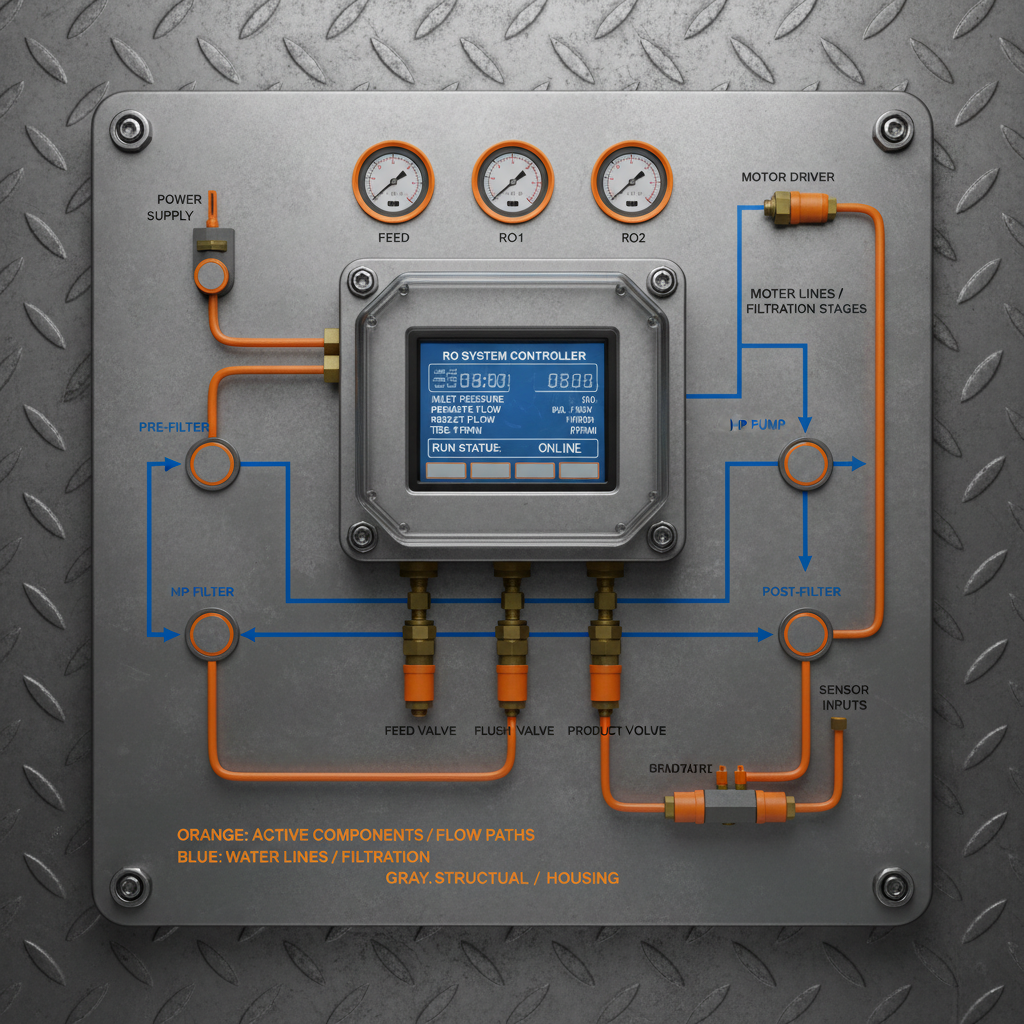
Understanding and Optimizing Reverse Osmosis Systems with a ControllerIn the world of water purification, reverse osmosis (RO) systems are a cornerstone for producing high-quality water for various applications, from drinking water to industrial processes. However, an RO system is only as effective as its control system. This is where the reverse osmosis controller comes into play. This critical component manages and optimizes the RO process, ensuring efficient operation, water quality, and system longevity.
2026-04-04 03:27:19
Understanding the Vital Role of an RO System Controller for Optimal PerformanceReverse Osmosis (RO) systems are critical for purifying water across various industries, from residential applications to large-scale industrial processes. At the heart of a well-functioning RO system lies the RO system controller. This intelligent device monitors and regulates all key parameters of the RO process, ensuring optimal performance, efficiency, and water quality. This article delves into the functionalities, benefits, and selection criteria for choosing the right RO system controller, particularly focusing on those offered by Watequipments. Understanding its role is crucial for maximizing the lifespan and effectiveness of your RO investment.
2026-03-24 17:18:24
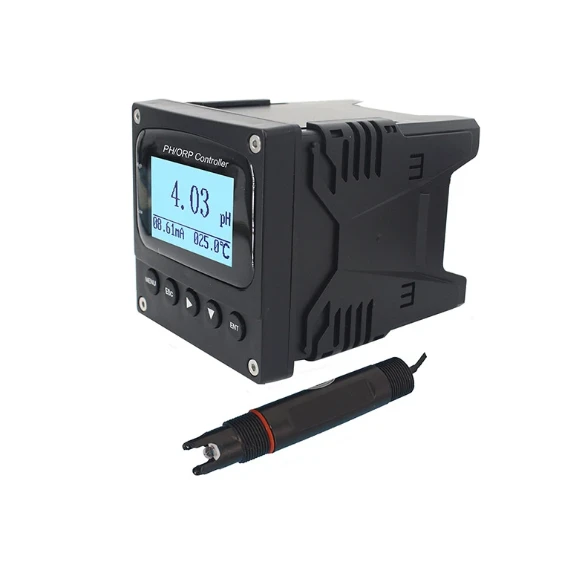
Smart Water Treatment Solutions Using PH ORP Controller SystemsIn modern water treatment and industrial fluid management, maintaining precise chemical balance is essential for safety, efficiency, and regulatory compliance.
2026-03-04 02:55:19
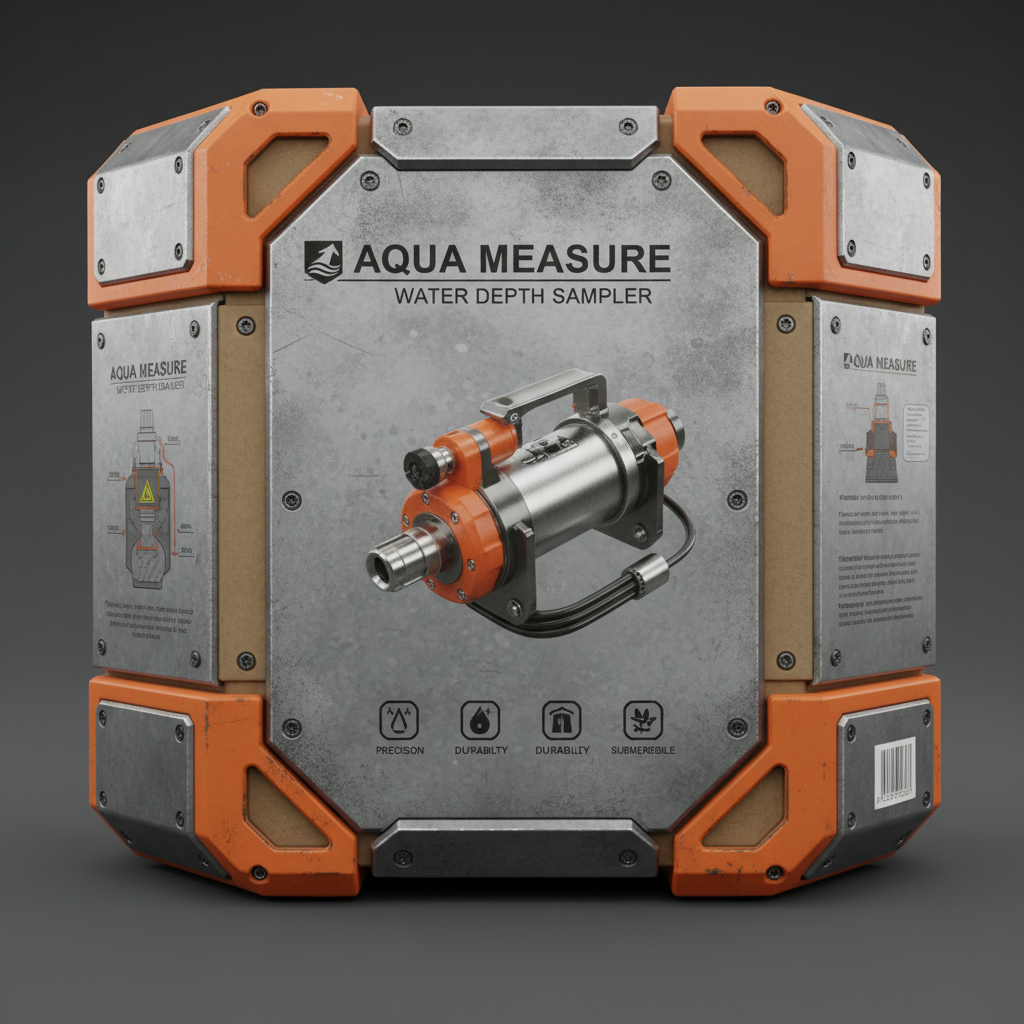
Comprehensive Guide to Water Depth Samplers and Their ApplicationsAccurate water quality monitoring is crucial in various fields, from environmental science and aquaculture to industrial wastewater management. A key tool for this is the water depth sampler. This article provides an in-depth look at water depth samplers, their applications, types, and essential considerations for choosing the right one for your needs. We'll explore the benefits of utilizing this equipment to collect reliable data for analysis and informed decision-making. Selecting the right sampler can significantly improve the precision and efficiency of your water monitoring program. A water depth sampler, also known as a depth-integrated sampler, is a device designed to collect water samples from specific depths within a body of water. Unlike simply dipping a container into the water, a depth sampler allows for collection of a representative sample across a defined depth range. This is critical because water properties (temperature, salinity, pollutants) often vary significantly with depth. The data gathered with a water depth sampler provides a more accurate assessment of water quality than surface samples alone.
2026-03-03 18:55:22
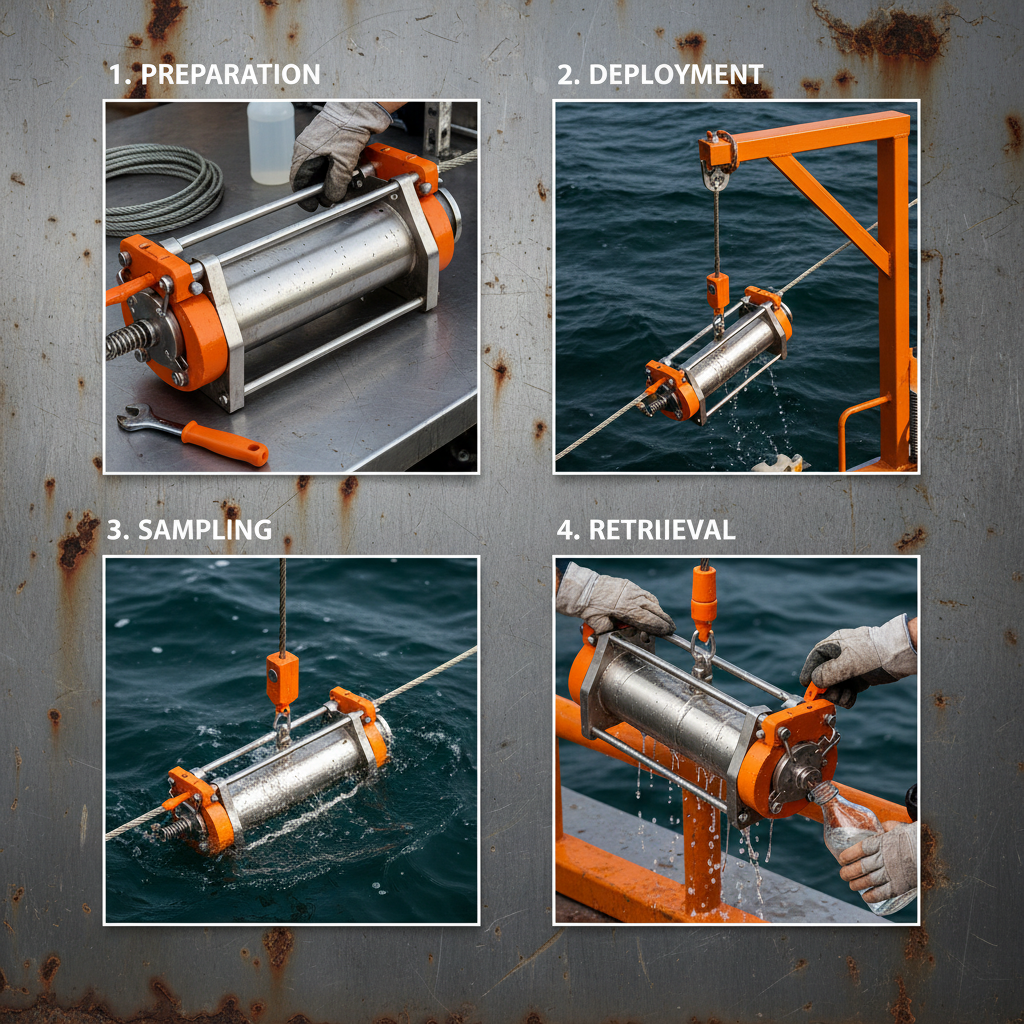
Comprehensive Guide to Horizontal Water Sampler Applications and SelectionCollecting water samples at varying depths is crucial for environmental monitoring, research, and quality control. The horizontal water sampler from Watequipment.com offers a precise and efficient solution for this task. This article provides an in-depth look at horizontal water samplers, their applications, benefits, and key considerations when choosing the right model. We will explore how these samplers contribute to accurate data collection and informed decision-making in various fields. A horizontal water sampler is a device designed to collect water samples from specific depths within a body of water – rivers, lakes, oceans, reservoirs, and even wastewater treatment plants. Unlike vertical samplers which primarily focus on depth, horizontal samplers prioritize collecting samples at a consistent depth while moving along a horizontal plane. This is essential for assessing water quality variations across a waterway or within a specific zone. They are used in applications ranging from environmental monitoring and scientific research to industrial process control and regulatory compliance.
2026-02-28 02:35:09
Comprehensive Guide to Selecting the Right Surface Water Sampler for Your NeedsMonitoring the quality of surface water is critical for environmental protection, public health, and various industrial applications. A surface water sampler is an essential tool for collecting representative samples from rivers, lakes, ponds, and other surface water sources. This article provides a detailed overview of surface water samplers, their types, applications, and key considerations for selecting the right equipment. Accurate water quality data relies on proper sample collection, and choosing the correct sampler is the first step toward achieving reliable results. Surface water samplers come in various designs, each suited to specific sampling needs. Common types include grab samplers, depth-integrating samplers, peristaltic pumps, and automatic samplers. Surface water samplers are used across a broad spectrum of applications, including environmental monitoring, wastewater discharge monitoring, drinking water source monitoring, agricultural runoff analysis, and research studies.

 English