


Aquarium Oxygen Meter - Essential Guide for Accurate Oxygen Monitoring

Aquarium Oxygen Meter - Essential Guide for Accurate Oxygen Monitoring
Nov . 27, 2025
Why Aquarium Oxygen Meters Matter and What They Bring to the Table
If you’ve ever kept fish or managed aquatic systems, you probably understand how vital oxygen levels are. But globally, ensuring proper oxygenation in aquariums, hatcheries, or water treatment facilities isn’t just about pretty fish — it’s about survival, sustainability, and smart resource management. An aquarium oxygen meter is the trusted tool that helps aquarists, biologists, and environmental engineers keep an eye on this invisible but essential life force.
Across continents, from small community aquariums to massive aquatic farms in Asia or aquaponics in Europe, measuring dissolved oxygen precisely has a direct impact on animal health and productivity. Dive into this piece where we’ll unravel what an aquarium oxygen meter really is, why it’s increasingly important, and how it fits into a bigger picture of ecological balance and innovation.
Global Context: Why Oxygen Monitoring is a Worldwide Challenge
Water ecosystems are facing mounting pressures — climate change, pollution, and expanding aquaculture have strained oxygen levels worldwide. According to the United Nations Environment Programme, over 60% of the world’s estuaries suffer from oxygen depletion, which risks aquatic life and food systems. In this light, tools like the aquarium oxygen meter become more than gadgets; they're frontline defenders in maintaining water quality.
Consider how industries from fisheries to wastewater treatment use these meters to prevent losses — $100 million+ annually in some fisheries — merely by reacting before fish suffocate. The ISO standards for water quality measurement increasingly require accurate oxygen data, pushing demand for reliable, user-friendly meters.
What Exactly Is an Aquarium Oxygen Meter?
At its core, an aquarium oxygen meter is a device that measures dissolved oxygen concentration in water. Think of it as a breathalyzer for fish tanks. The most common types use sensors — polarographic, galvanic, or optical — to give you real-time oxygen readings. The better the meter, the faster and more accurate the results, which frankly can be a lifesaver.
In industry terms, this instrument supports aquaculture, research labs, environmental monitoring, and even emergency response where water quality must be assessed rapidly and reliably.
Key Components and Features That Define a Good Aquarium Oxygen Meter
1. Sensor Technology
The heart of the meter, sensors usually fall into polarographic, galvanic, or optical categories. Optical sensors are trending because they require less maintenance and resist fouling — meaning fewer false readings or downtime.
2. Accuracy and Response Time
Precision matters — a split-second delay or a misleading number can cause oxygen deficits in aquariums or tanks. Top units have accuracies within ±0.1 mg/L with response times of a few seconds.
3. Durability and Waterproofing
These devices get wet, dunked, and sometimes dropped. Durable, waterproof housings (usually IP67 or higher) are critical. Many engineers I know won’t touch a meter that feels fragile.
4. Portability vs Stationary Use
Some meters are handheld – great for spot checks — while others integrate into fixed monitoring systems. Depending on your project, portability can be a massive bonus, especially in fieldwork.
5. Data Logging and Connectivity
Modern meters often include USB or Bluetooth capabilities, allowing data export for trend analysis or compliance reporting. This integration feels almost mandatory nowadays.
6. Calibration and Maintenance Needs
Regular calibration keeps results legit. The best models minimize this burden, using self-calibration routines or longer-lasting calibration solutions.
| Feature | Detail |
|---|---|
| Sensor Type | Optical (Luminescent) |
| Dissolved Oxygen Range | 0–20 mg/L |
| Accuracy | ± 0.1 mg/L |
| Response Time | 5 seconds |
| Waterproof Rating | IP67 |
| Connectivity | Bluetooth & USB |
| Battery Life | 30 hours continuous |
Mini takeaway: Choosing the right sensor tech and durability features directly impacts your system’s reliability and your sanity.
How Aquarium Oxygen Meters Are Used Around the World
From bustling commercial fish farms in Southeast Asia to coral reef conservation projects in Australia, the applications span industries and continents. Fisheries rely on them to optimize oxygen injection systems — preventing costly fish kills. Research labs studying aquatic species employ these meters for precise environmental control. And aquariums, of course, use them every day to simulate natural conditions, supporting everything from clownfish to exotic invertebrates.
Interestingly, humanitarian organizations have begun using portable oxygen meters in disaster-relief scenarios involving water contamination. Keeping oxygen stable in water supplies means healthier fish stocks for local food security — a subtle but critical domino effect.
| Vendor | Sensor Type | Price Range | Special Features | Usability |
|---|---|---|---|---|
| AquaSense | Optical | $450-$600 | Bluetooth Data, Self-Calibrating | User-Friendly Interface |
| OxyPro | Polarographic | $350-$500 | Long Battery Life, Waterproof | Calibration Required |
| HydroCheck | Galvanic | $300-$450 | Robust Design, Easy Sensor Replacement | Simple Operation |
Mini takeaway: Picking a vendor depends on your project’s scale, budget, and need for advanced features.
Why Investing in an Aquarium Oxygen Meter Pays Off Long-Term
Aside from the obvious benefit of saving fish lives, these meters deliver value when it comes to cost efficiency and sustainability. Imagine avoiding a single fish kill that could cost thousands, or maintaining optimal oxygen to ensure faster growth and better health — it all adds up. Emotionally, it’s reassuring to know you are proactively safeguarding ecosystems, whether it’s your home aquarium or a commercial aquafarm. Trust and reliability are critical, given how sensitive aquatic life is.
Looking Ahead: Innovations and Future Trends in Oxygen Monitoring
We’re seeing some pretty exciting advances. Smart sensors that integrate with AI to predict oxygen dips before they happen. Self-cleaning optical probes cut downtime drastically. Integration with green energy tech, like solar-powered oxygen meters for remote monitoring, is also emerging. The shift toward automated, real-time monitoring systems promises to make manual testing less frequent, freeing engineers to focus on system optimization instead of constant testing.
Challenges in Using Aquarium Oxygen Meters and How to Get Around Them
The obvious hiccups? Sensor fouling, calibration drift, and balancing cost with performance. Sediment or biofilms sometimes mess with readings — a nuisance for field users. Calibration can be time-consuming and costly. However, adopting optical sensors and investing in regular maintenance routines greatly reduces these issues. Some manufacturers offer calibration kits and training, which helps non-experts use their devices efficiently.
FAQ: What Potential Users Often Ask About Aquarium Oxygen Meters
-
Q: How often should I calibrate my aquarium oxygen meter?
A: For most meters, calibrating every 1-3 months is recommended, but the frequency depends on the sensor type and usage conditions. High-sediment or polluted environments may need more frequent calibration. -
Q: Can I use an aquarium oxygen meter in both fresh and saltwater?
A: Yes, most high-quality meters support both, but ensure your sensor model is compatible or adjustable for salinity differences to maintain accuracy. -
Q: What’s better — optical or polarographic sensors for home aquariums?
A: Optical sensors tend to require less maintenance and are more accurate long-term, making them better if you're not keen on frequent calibrations. -
Q: How portable are modern AQUARIUM oxygen meters?
A: Handheld units are often lightweight (under 1 kg), battery-powered, and come with rechargeable options—perfect for quick tests on the go. -
Q: Is it expensive to maintain an aquarium oxygen meter?
A: Maintenance costs are generally low, mostly related to calibration solutions and occasional sensor replacement. Optical sensors often lower recurring costs thanks to their durability.
Wrapping It Up: The Oxygen Meter You Didn’t Know You Needed
In the big picture, an aquarium oxygen meter isn’t just a niche gadget; it’s a pivotal piece of equipment ensuring that aquatic life flourishes sustainably and safely, from your neighborhood aquarium to sprawling commercial fisheries. Understanding the specs, sensor types, and the broader environmental implications lets you make a savvy, forward-thinking choice.
Ready to find your perfect meter? Visit our website for expert advice and quality products tailored to every aquarist’s or industry pro’s needs.
References

Related Products
Related News
2026-04-16 03:20:19
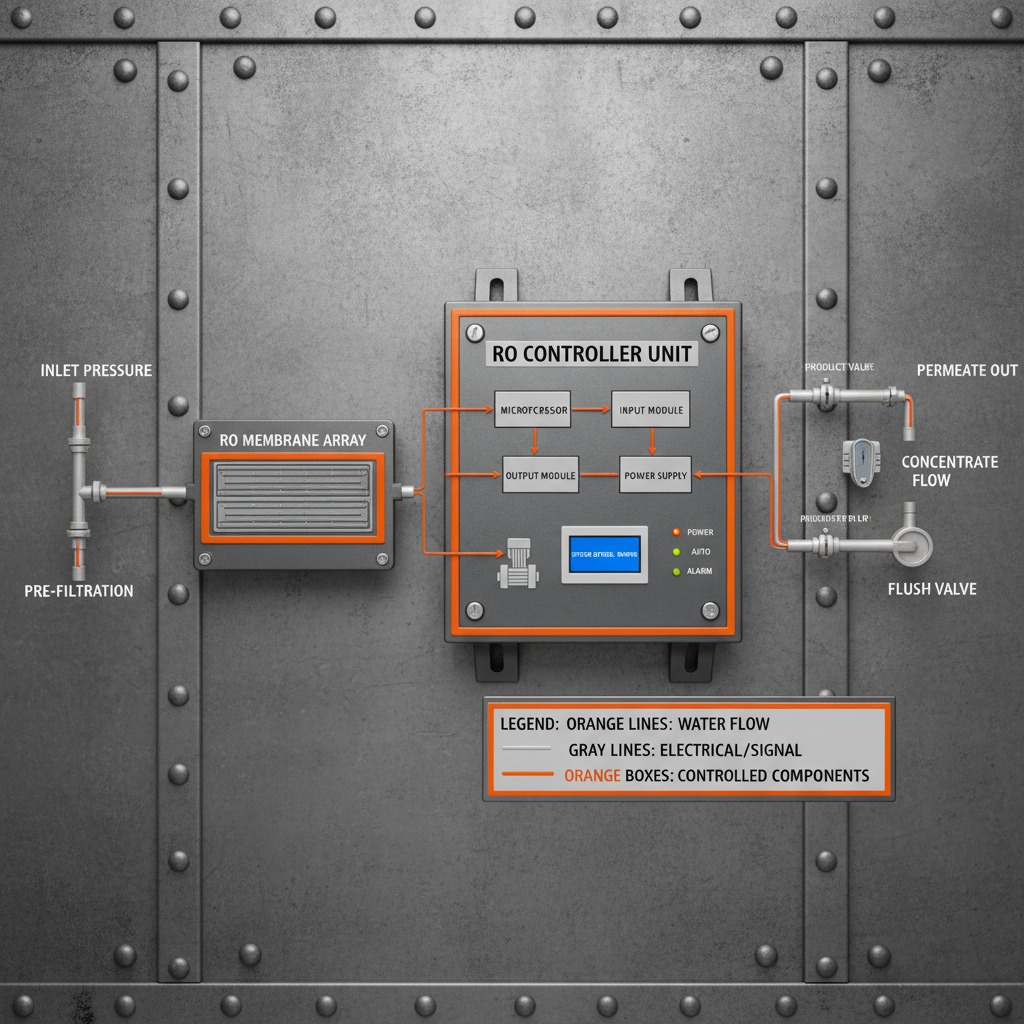
Guide to Choosing the Right RO Controller for Water PurificationMaintaining a high-performance reverse osmosis system requires more than just quality membranes; it demands precise regulation. An ro controller serves as the brain of the entire operation, monitoring critical parameters such as conductivity, temperature, and flow rates to ensure the output water meets stringent purity standards. Without an efficient controller, systems are prone to membrane fouling, inefficient energy use, and inconsistent water quality. In this comprehensive guide, we will explore how these devices optimize water treatment processes and how to select the best model for your specific industrial or commercial needs.
2026-04-09 03:25:47
Guide to Water Purity Using RO with TDS Controller SystemsAchieving the perfect balance of mineral content and purity in drinking water is a challenge for many households and industrial facilities. A ro with tds controller offers a sophisticated solution by combining the rigorous filtration of Reverse Osmosis (RO) with the precision of a Total Dissolved Solids (TDS) adjustment system. While standard RO systems remove almost everything, including beneficial minerals, a TDS controller allows users to re-mineralize the water to a desired level. This ensures that the water is not only safe and pure but also tastes better and provides essential nutrients.
2026-04-07 03:17:09
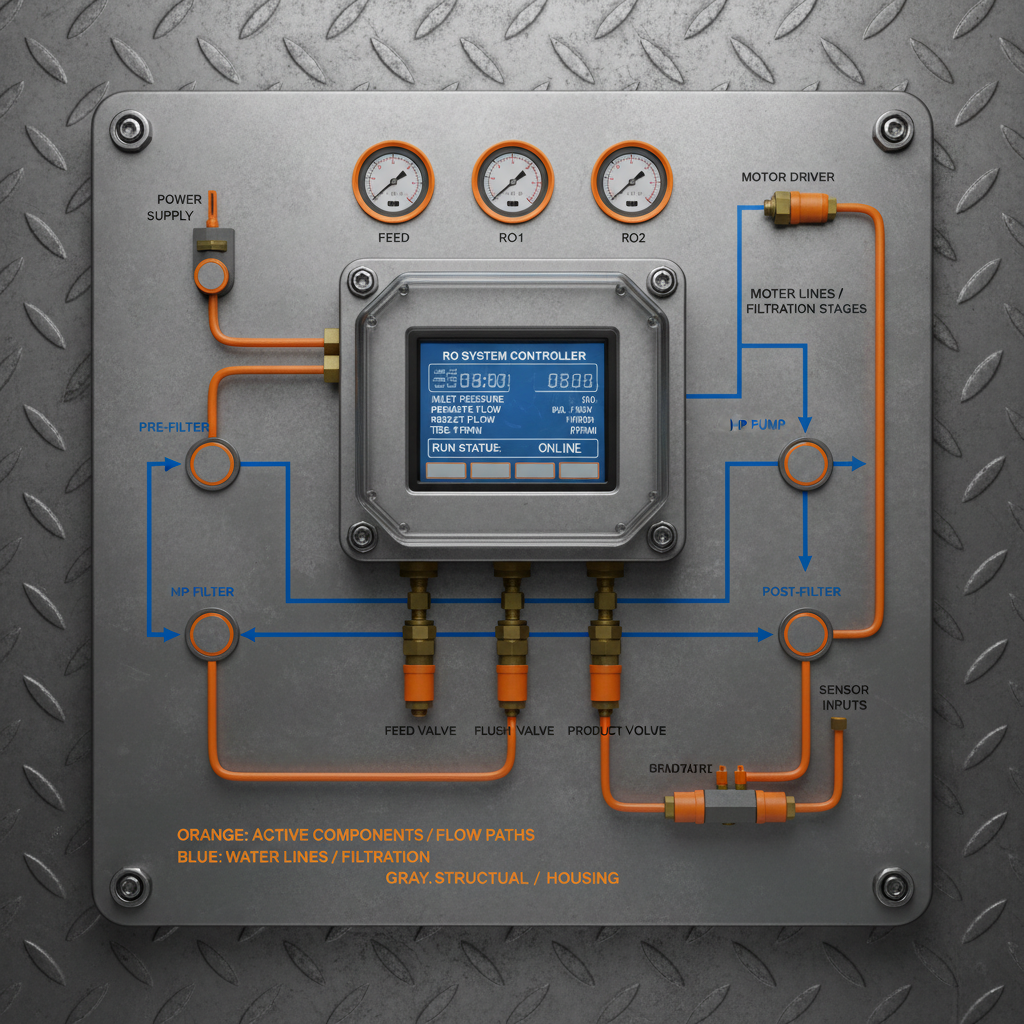
Understanding and Optimizing Reverse Osmosis Systems with a ControllerIn the world of water purification, reverse osmosis (RO) systems are a cornerstone for producing high-quality water for various applications, from drinking water to industrial processes. However, an RO system is only as effective as its control system. This is where the reverse osmosis controller comes into play. This critical component manages and optimizes the RO process, ensuring efficient operation, water quality, and system longevity.
2026-04-04 03:27:19
Understanding the Vital Role of an RO System Controller for Optimal PerformanceReverse Osmosis (RO) systems are critical for purifying water across various industries, from residential applications to large-scale industrial processes. At the heart of a well-functioning RO system lies the RO system controller. This intelligent device monitors and regulates all key parameters of the RO process, ensuring optimal performance, efficiency, and water quality. This article delves into the functionalities, benefits, and selection criteria for choosing the right RO system controller, particularly focusing on those offered by Watequipments. Understanding its role is crucial for maximizing the lifespan and effectiveness of your RO investment.
2026-03-24 17:18:24
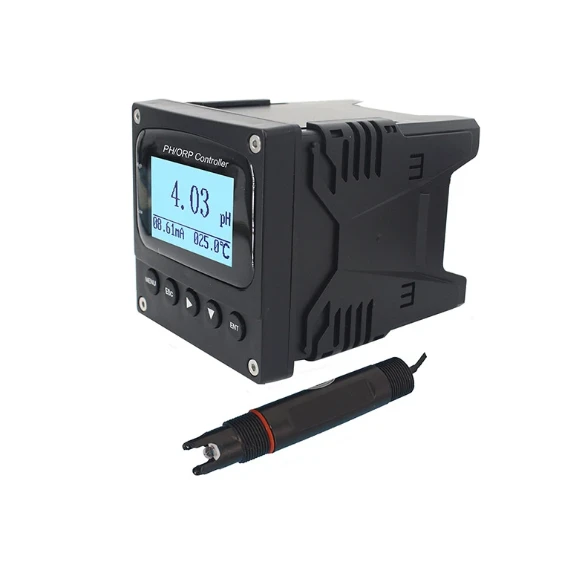
Smart Water Treatment Solutions Using PH ORP Controller SystemsIn modern water treatment and industrial fluid management, maintaining precise chemical balance is essential for safety, efficiency, and regulatory compliance.
2026-03-04 02:55:19
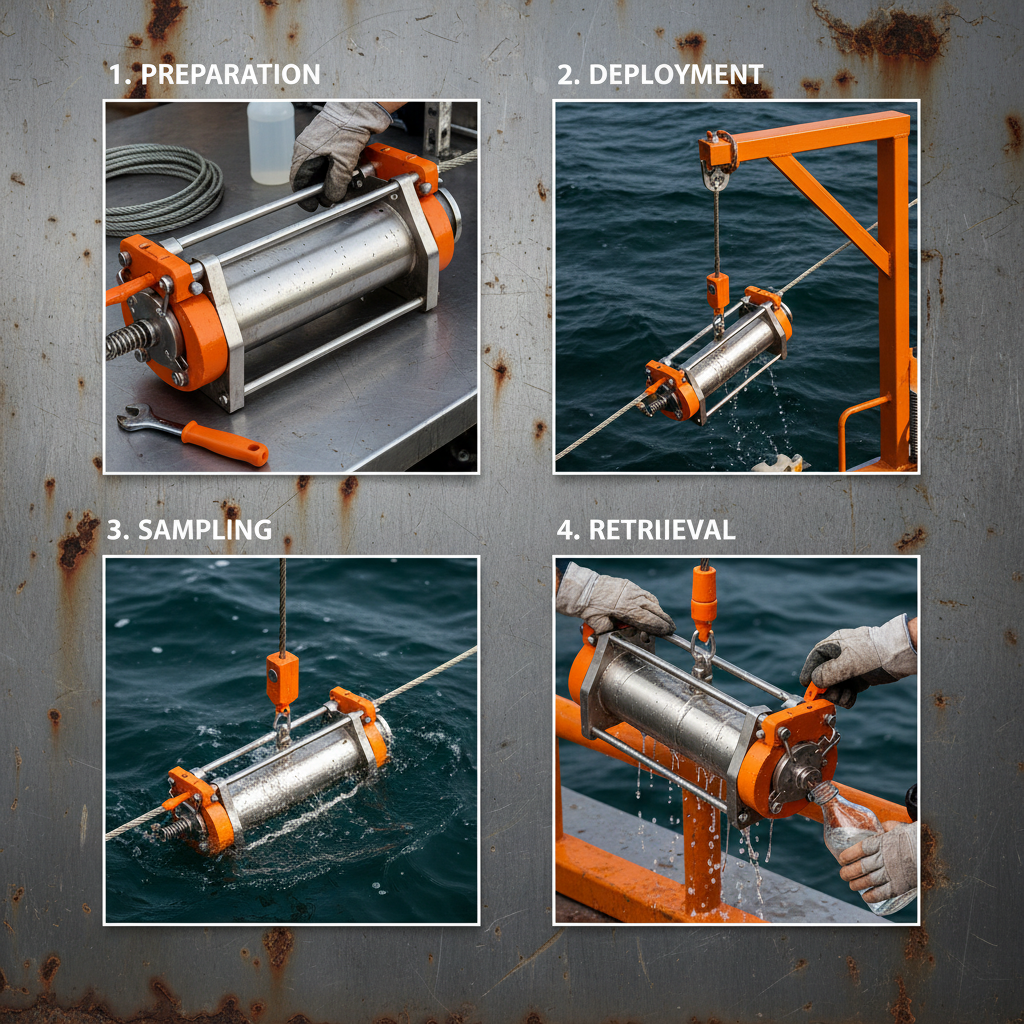
Comprehensive Guide to Water Depth Samplers and Their ApplicationsAccurate water quality monitoring is crucial in various fields, from environmental science and aquaculture to industrial wastewater management. A key tool for this is the water depth sampler. This article provides an in-depth look at water depth samplers, their applications, types, and essential considerations for choosing the right one for your needs. We'll explore the benefits of utilizing this equipment to collect reliable data for analysis and informed decision-making. Selecting the right sampler can significantly improve the precision and efficiency of your water monitoring program. A water depth sampler, also known as a depth-integrated sampler, is a device designed to collect water samples from specific depths within a body of water. Unlike simply dipping a container into the water, a depth sampler allows for collection of a representative sample across a defined depth range. This is critical because water properties (temperature, salinity, pollutants) often vary significantly with depth. The data gathered with a water depth sampler provides a more accurate assessment of water quality than surface samples alone.
2026-03-03 18:55:22
Comprehensive Guide to Horizontal Water Sampler Applications and SelectionCollecting water samples at varying depths is crucial for environmental monitoring, research, and quality control. The horizontal water sampler from Watequipment.com offers a precise and efficient solution for this task. This article provides an in-depth look at horizontal water samplers, their applications, benefits, and key considerations when choosing the right model. We will explore how these samplers contribute to accurate data collection and informed decision-making in various fields. A horizontal water sampler is a device designed to collect water samples from specific depths within a body of water – rivers, lakes, oceans, reservoirs, and even wastewater treatment plants. Unlike vertical samplers which primarily focus on depth, horizontal samplers prioritize collecting samples at a consistent depth while moving along a horizontal plane. This is essential for assessing water quality variations across a waterway or within a specific zone. They are used in applications ranging from environmental monitoring and scientific research to industrial process control and regulatory compliance.
2026-02-28 02:35:09
Comprehensive Guide to Selecting the Right Surface Water Sampler for Your NeedsMonitoring the quality of surface water is critical for environmental protection, public health, and various industrial applications. A surface water sampler is an essential tool for collecting representative samples from rivers, lakes, ponds, and other surface water sources. This article provides a detailed overview of surface water samplers, their types, applications, and key considerations for selecting the right equipment. Accurate water quality data relies on proper sample collection, and choosing the correct sampler is the first step toward achieving reliable results. Surface water samplers come in various designs, each suited to specific sampling needs. Common types include grab samplers, depth-integrating samplers, peristaltic pumps, and automatic samplers. Surface water samplers are used across a broad spectrum of applications, including environmental monitoring, wastewater discharge monitoring, drinking water source monitoring, agricultural runoff analysis, and research studies.

 English