


Dissolved Oxygen Meter for Aquaculture – Optimize Fish Health & Yield with Precision Monitoring

Dissolved Oxygen Meter for Aquaculture – Optimize Fish Health & Yield with Precision Monitoring
Nov . 27, 2025
Understanding the Dissolved Oxygen Meter for Aquaculture: Why It Matters
In the aquatic farming world, a few parameters can make or break a harvest — and dissolved oxygen levels are absolutely critical among them. If you’re new to the idea, a dissolved oxygen meter for aquaculture is essentially your underwater weather vane, giving you real-time info about oxygen availability for fish and other aquatic life. Why is that so important? Well, oxygen in water doesn’t just keep fish alive; it’s linked directly to their growth rates, immune health, and stress levels.
Globally, aquaculture is growing as a vital source of protein — the Food and Agriculture Organization (FAO) estimates it provides more than 50% of the world’s seafood since 2016, with no signs of slowing down. But sustainable aquaculture depends heavily on monitoring water quality accurately. That’s where this handy device comes in.
Mini takeaway: Understanding dissolved oxygen meters isn't just technical jargon. It’s about protecting aquatic food sources worldwide, supporting livelihoods, and making farms more efficient.
The Global Context: Aquaculture’s Oxygen Challenge
Aquaculture is projected to surpass wild fisheries as the main seafood source by 2030, according to the UN. But in many regions, maintaining optimal dissolved oxygen levels is an ongoing challenge, especially in warmer climates where oxygen solubility is reduced. Add rising water pollution and climate shifts into the mix, and you see why a dissolved oxygen meter for aquaculture isn’t just nice to have — it's essential.
The World Bank suggests oxygen deficits can cause up to 20% losses in yield annually in some developing countries where aquafarms lack reliable monitoring tools. Poor oxygen management often leads to fish kills, subpar growth, and outbreaks of disease — all devastating economically and environmentally. These meters help fish farmers turn the tide by providing actionable data to adjust aeration, feeding, and stocking density.
What Exactly Is a Dissolved Oxygen Meter for Aquaculture?
Put simply, this device measures how much oxygen is dissolved in water, often in milligrams per liter (mg/L) or as a percentage of saturation. For aquaculture, it usually consists of a probe submerged in tanks or ponds that uses electrochemical or optical sensors to gauge oxygen.
Its connection to modern aquaculture is direct and indispensable. Automated versions now integrate with farm management systems, letting operators remotely monitor multiple ponds or cages, making it possible to respond before problems escalate.
In humanitarian contexts — say disaster relief where freshwater systems are disrupted — portable meters ensure water bodies remain healthy, preventing secondary food crises.
Key Features that Matter in Dissolved Oxygen Meters
1. Sensor Technology: Electrochemical vs Optical
Traditional electrochemical sensors rely on a membrane and electrolyte. They’re tried-and-true but require regular calibration and maintenance. Optical sensors, meanwhile, use luminescence quenching and generally last longer with less upkeep, though they come at a higher initial cost. Many farms prefer optical for their reliability, especially in fluctuating environments.
2. Durability and Water Resistance
Given their constant submersion, these meters must withstand corrosion, biofouling, and rough handling. IP67 or IP68 ratings are common, meaning they can be submerged up to a meter or more without damage. The probe materials often incorporate titanium or high-grade plastics to improve lifespan. Frankly, buying a cheap meter that breaks down after weeks is a false economy.
3. Data Logging and Connectivity
Modern devices often come with built-in memory and Bluetooth or Wi-Fi to sync with smartphones or computers. This allows trends to be tracked and alerts to be set, crucial for farms with multiple ponds or larger operations. Cloud integration and IoT readiness are becoming standard in the most cutting-edge meters.
4. Portability vs Fixed Installation
Handheld meters offer flexibility for spot checks and field use — useful in remote or small-scale operations. Conversely, fixed systems continuously monitor conditions and feed data to centralized dashboards. Some farms employ both for redundancy.
5. Cost Efficiency and Calibration Requirements
Calibration frequency and ease impact operating costs and downtime. Optical sensors generally need less frequent calibration, meaning less labor spent fiddling with the device. Initial costs might be higher but often balanced by reduced maintenance.
Mini takeaway: The right meter balances accuracy, durability, connectivity, and operational ease, tailored to each farm’s unique demands.
Global Applications: Where and How These Meters Make a Difference
Dissolved oxygen meters find use spanning from small family-owned freshwater ponds in Southeast Asia to large offshore marine farms in Norway. The former relies on portable handheld units, often powered by solar-charged batteries, while the latter leverages fixed, networked systems integrated with automated aeration controls.
- Asia: Countries like Vietnam and India, where aquaculture engages millions, use these meters to optimize shrimp and tilapia farming, reducing catastrophic fish kills during summer peaks.
- Europe: Northern European farms prioritize precision to satisfy strict food safety and sustainability certifications, using optical meters linked to cloud platforms.
- North America: Specialty farms raising high-value species combine DO meters with sensors monitoring pH and temperature for an all-in-one view.
- Humanitarian and environmental sectors: Portable DO meters assist agencies monitoring water quality after disasters or pollution events, protecting aquatic ecosystems and livelihoods.
Advantages & Long-Term Value
The benefits of a reliable dissolved oxygen meter for aquaculture are broad:
- Cost savings: preventing fish kills and optimizing oxygen input means less wasted feed and higher yield.
- Sustainability: better oxygen management reduces over-aeration energy waste and supports healthier ecosystems.
- Operational trust: farmers gain confidence with real-time data, enabling proactive management rather than reactive scrambling.
- Social impact: consistent yields improve food security and community livelihoods, especially in developing regions.
- Innovation edge: integration with AI-driven forecasting means farms can anticipate oxygen dips based on weather or feeding schedules and act accordingly.
Quite a package for one measurement, right?
Looking Ahead: Innovations and Trends
The future is bright for dissolved oxygen meters, with advancements like:
- Advanced sensor materials: graphene-based probes promising ultra-high sensitivity and anti-fouling properties.
- Renewable energy integration: solar or kinetic energy powering remote meters, cutting dependency on batteries.
- IoT and cloud analytics: farms using AI to detect early disease signs linked to oxygen fluctuation patterns.
- Miniaturization: bio-implantable sensors tracking oxygen in real time within living organisms to push farming precision even further.
- Policy-driven demand: stricter global standards and eco-labeling encouraging farms to monitor and disclose water quality metrics rigorously.
Challenges and How to Overcome Them
Despite all the advances, some hurdles remain:
- Calibration complexity: even the best sensors need occasional fiddling, which some small-scale farmers find daunting.
- Cost barriers: optical meters’ upfront prices can be prohibitive without subsidies or financing programs.
- Biofouling: organic buildup on probes distorts readings and demands cleaning.
Solutions? Training programs, modular maintenance kits, and local service partnerships help — also, manufacturers are now designing self-cleaning sensor surfaces and simple user calibration apps, making the technology more accessible every year.
Frequently Asked Questions About Dissolved Oxygen Meter for Aquaculture
- How often should I calibrate my dissolved oxygen meter in aquaculture?
- Generally, calibration should happen every 1-2 weeks depending on sensor type and water conditions. Optical sensors often allow longer intervals. Always follow manufacturer guidelines and perform a quick operational check before critical uses to ensure accuracy.
- Can a dissolved oxygen meter work in seawater and freshwater?
- Yes, most quality meters are designed for both environments but might need specific calibration or probe types. Make sure to select a model that advertises compatibility with your water type.
- What is the ideal dissolved oxygen level for fish farming?
- Most species thrive between 5-8 mg/L. Dropping below 3 mg/L stresses fish and can cause mortality. Optimal levels vary by species, so check specific farming guides.
- Are portable meters as accurate as fixed systems?
- Portable meters have advanced significantly and are quite accurate for spot checks. Fixed systems offer continuous monitoring and can integrate automation but often at higher costs.
- Can I integrate my dissolved oxygen meter with farm management software?
- Many modern meters feature Bluetooth or Wi-Fi and come with apps or APIs for integration. Check compatibility before purchase to ensure seamless data flow across your farm's systems.
Product Specification Table
| Feature | Model A (Electrochemical) | Model B (Optical) | Model C (Smart IoT) |
|---|---|---|---|
| Measurement Range (mg/L) | 0-20 | 0-25 | 0-30 |
| Accuracy | ±0.2 mg/L | ±0.1 mg/L | ±0.05 mg/L |
| Calibration Frequency | Weekly | Monthly | Bi-monthly, auto-calibration |
| Water Resistance | IP67 | IP68 | IP68 |
| Connectivity | USB | Bluetooth | Wi-Fi, Cloud Sync |
| Price Range (USD) | $300 - $500 | $600 - $900 | $1200 - $1800 |
Vendor Comparison Table
| Vendor | Sensor Type | Warranty | Support | Unique Features |
|---|---|---|---|---|
| OxyPro Systems | Optical | 3 years | 24/7 phone & chat | Self-cleaning probe tech |
| AquaSense Tech | Electrochemical | 2 years | Email only support | Budget-friendly, modular probes |
| BlueWave Innovations | Optical / IoT | 4 years | Dedicated onsite tech support | Real-time cloud analytics & AI alerts |
Wrapping It Up: Why Every Aquaculture Venture Needs a Reliable Oxygen Meter
I suppose it’s no surprise that with oxygen being the breath of aquatic life, technology measuring dissolved oxygen holds such value. More than a mere gadget, these meters are the frontline heroes that help fish farmers worldwide keep their stocks healthy, reduce losses, and potentially scale responsibly.
Want to strive for this kind of operational clarity? Installing a quality dissolved oxygen meter for aquaculture is a smart first step — whether you're running a backyard pond or managing vast offshore cages.
For those interested in diving deeper into options or looking for tailored advice, I highly recommend visiting dissolved oxygen meter for aquaculture. There you’ll find competitive products, expert tips, and community insights that can jumpstart your farm’s efficiency.
References & Further Reading

Related Products
Related News
2026-04-16 03:20:19
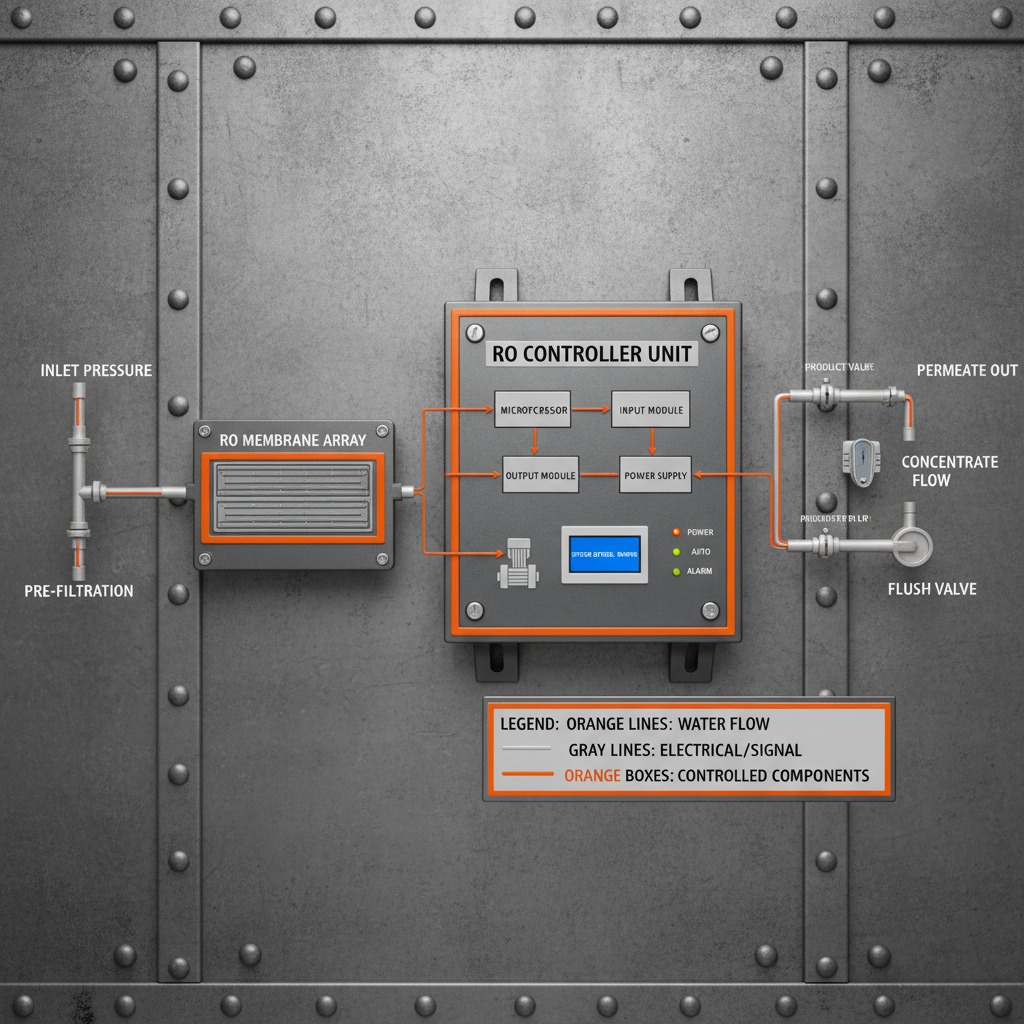
Guide to Choosing the Right RO Controller for Water PurificationMaintaining a high-performance reverse osmosis system requires more than just quality membranes; it demands precise regulation. An ro controller serves as the brain of the entire operation, monitoring critical parameters such as conductivity, temperature, and flow rates to ensure the output water meets stringent purity standards. Without an efficient controller, systems are prone to membrane fouling, inefficient energy use, and inconsistent water quality. In this comprehensive guide, we will explore how these devices optimize water treatment processes and how to select the best model for your specific industrial or commercial needs.
2026-04-09 03:25:47
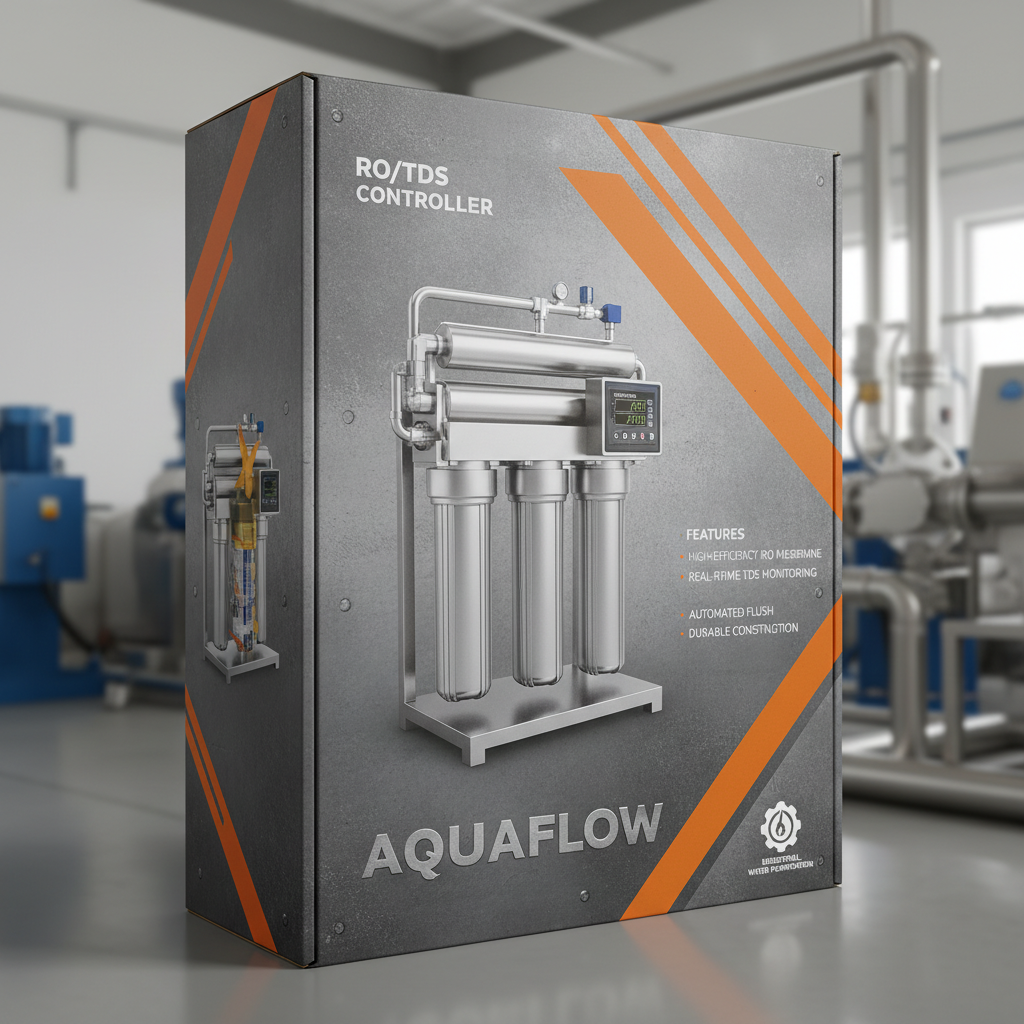
Guide to Water Purity Using RO with TDS Controller SystemsAchieving the perfect balance of mineral content and purity in drinking water is a challenge for many households and industrial facilities. A ro with tds controller offers a sophisticated solution by combining the rigorous filtration of Reverse Osmosis (RO) with the precision of a Total Dissolved Solids (TDS) adjustment system. While standard RO systems remove almost everything, including beneficial minerals, a TDS controller allows users to re-mineralize the water to a desired level. This ensures that the water is not only safe and pure but also tastes better and provides essential nutrients.
2026-04-07 03:17:09
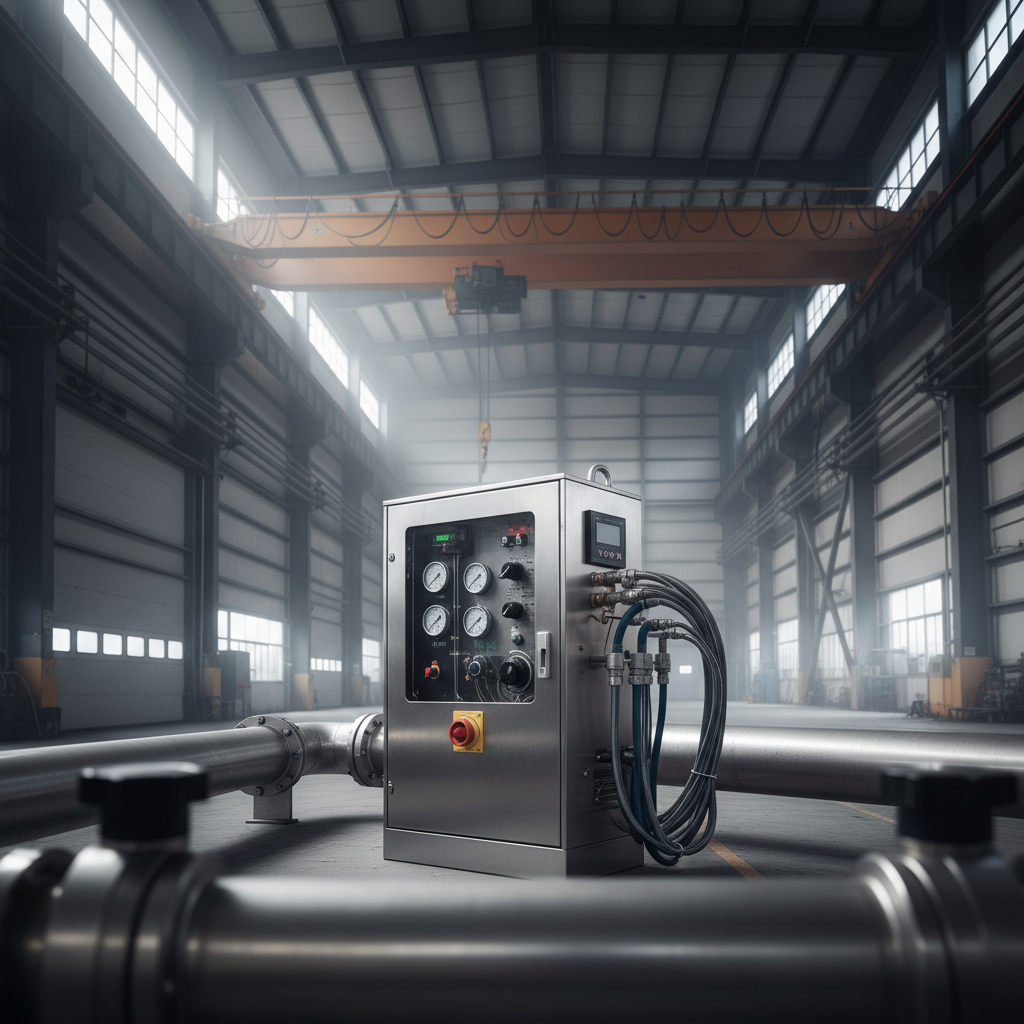
Understanding and Optimizing Reverse Osmosis Systems with a ControllerIn the world of water purification, reverse osmosis (RO) systems are a cornerstone for producing high-quality water for various applications, from drinking water to industrial processes. However, an RO system is only as effective as its control system. This is where the reverse osmosis controller comes into play. This critical component manages and optimizes the RO process, ensuring efficient operation, water quality, and system longevity.
2026-04-04 03:27:19
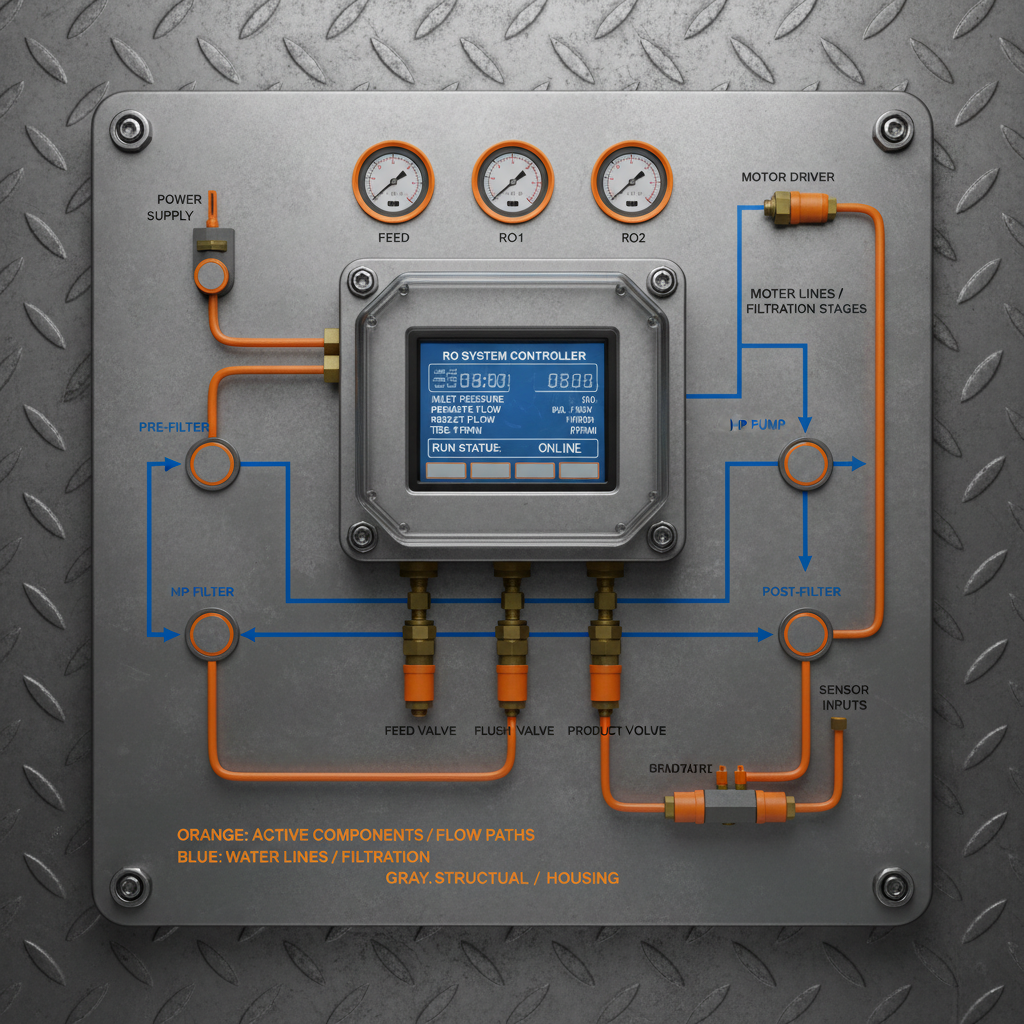
Understanding the Vital Role of an RO System Controller for Optimal PerformanceReverse Osmosis (RO) systems are critical for purifying water across various industries, from residential applications to large-scale industrial processes. At the heart of a well-functioning RO system lies the RO system controller. This intelligent device monitors and regulates all key parameters of the RO process, ensuring optimal performance, efficiency, and water quality. This article delves into the functionalities, benefits, and selection criteria for choosing the right RO system controller, particularly focusing on those offered by Watequipments. Understanding its role is crucial for maximizing the lifespan and effectiveness of your RO investment.
2026-03-24 17:18:24
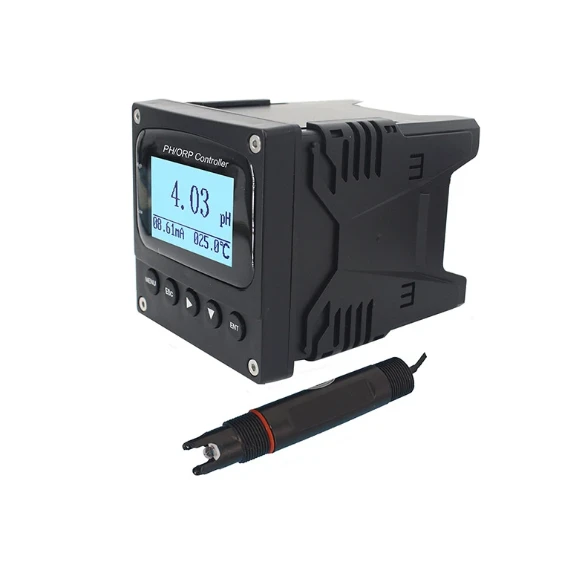
Smart Water Treatment Solutions Using PH ORP Controller SystemsIn modern water treatment and industrial fluid management, maintaining precise chemical balance is essential for safety, efficiency, and regulatory compliance.
2026-03-04 02:55:19
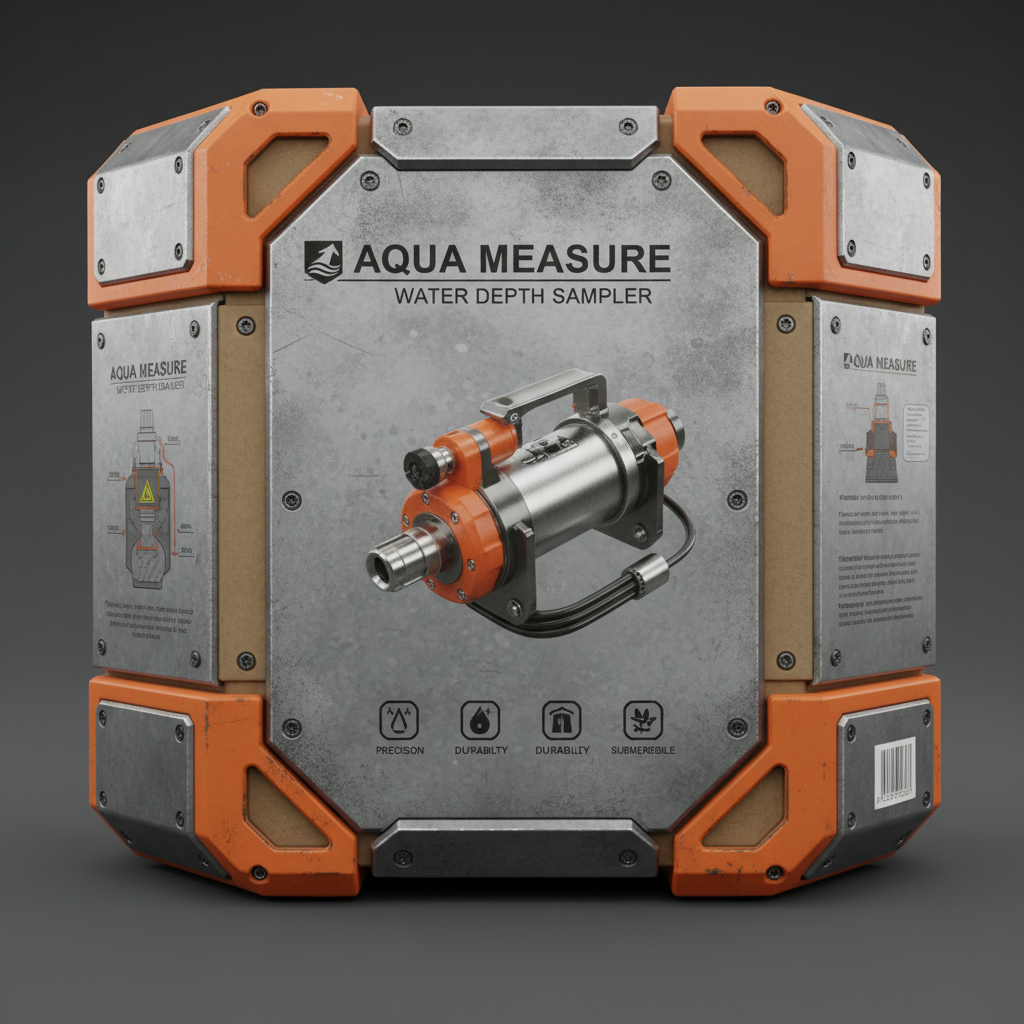
Comprehensive Guide to Water Depth Samplers and Their ApplicationsAccurate water quality monitoring is crucial in various fields, from environmental science and aquaculture to industrial wastewater management. A key tool for this is the water depth sampler. This article provides an in-depth look at water depth samplers, their applications, types, and essential considerations for choosing the right one for your needs. We'll explore the benefits of utilizing this equipment to collect reliable data for analysis and informed decision-making. Selecting the right sampler can significantly improve the precision and efficiency of your water monitoring program. A water depth sampler, also known as a depth-integrated sampler, is a device designed to collect water samples from specific depths within a body of water. Unlike simply dipping a container into the water, a depth sampler allows for collection of a representative sample across a defined depth range. This is critical because water properties (temperature, salinity, pollutants) often vary significantly with depth. The data gathered with a water depth sampler provides a more accurate assessment of water quality than surface samples alone.
2026-03-03 18:55:22
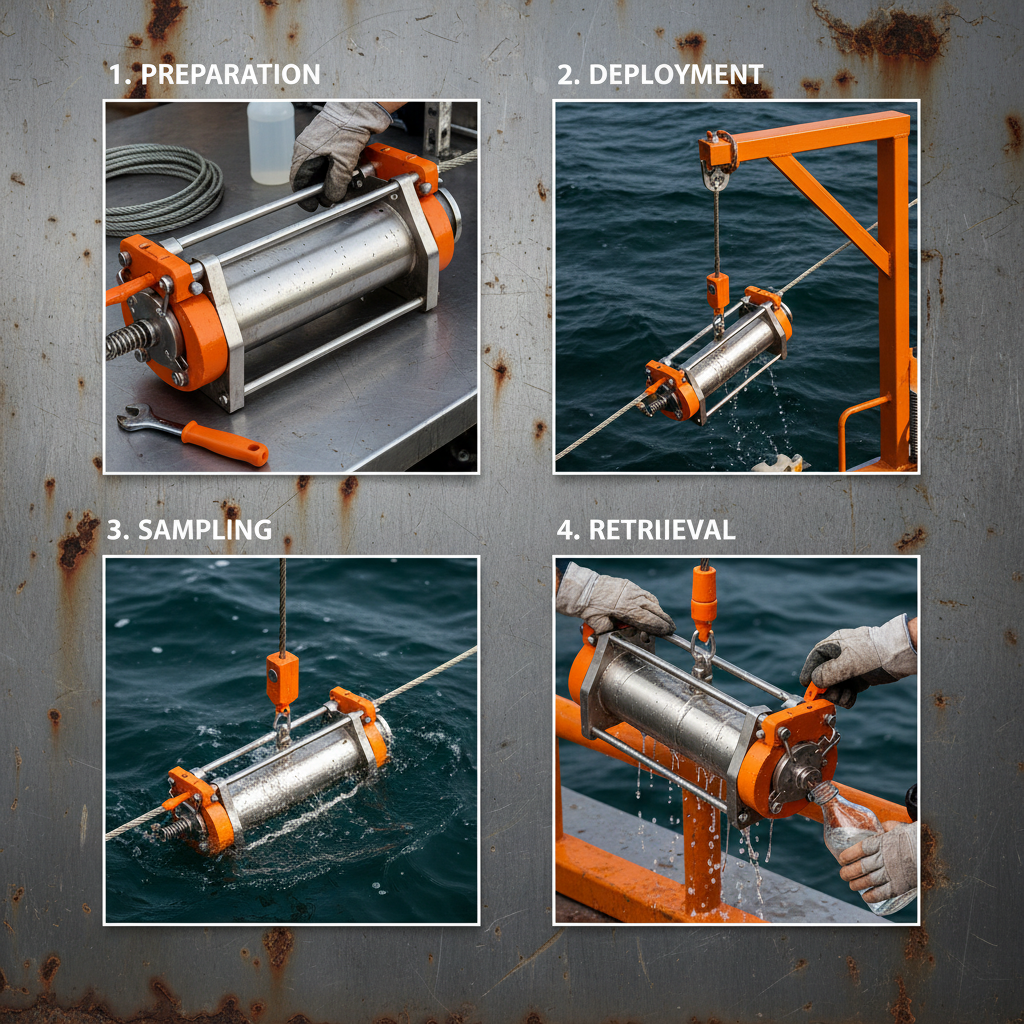
Comprehensive Guide to Horizontal Water Sampler Applications and SelectionCollecting water samples at varying depths is crucial for environmental monitoring, research, and quality control. The horizontal water sampler from Watequipment.com offers a precise and efficient solution for this task. This article provides an in-depth look at horizontal water samplers, their applications, benefits, and key considerations when choosing the right model. We will explore how these samplers contribute to accurate data collection and informed decision-making in various fields. A horizontal water sampler is a device designed to collect water samples from specific depths within a body of water – rivers, lakes, oceans, reservoirs, and even wastewater treatment plants. Unlike vertical samplers which primarily focus on depth, horizontal samplers prioritize collecting samples at a consistent depth while moving along a horizontal plane. This is essential for assessing water quality variations across a waterway or within a specific zone. They are used in applications ranging from environmental monitoring and scientific research to industrial process control and regulatory compliance.
2026-02-28 02:35:09
Comprehensive Guide to Selecting the Right Surface Water Sampler for Your NeedsMonitoring the quality of surface water is critical for environmental protection, public health, and various industrial applications. A surface water sampler is an essential tool for collecting representative samples from rivers, lakes, ponds, and other surface water sources. This article provides a detailed overview of surface water samplers, their types, applications, and key considerations for selecting the right equipment. Accurate water quality data relies on proper sample collection, and choosing the correct sampler is the first step toward achieving reliable results. Surface water samplers come in various designs, each suited to specific sampling needs. Common types include grab samplers, depth-integrating samplers, peristaltic pumps, and automatic samplers. Surface water samplers are used across a broad spectrum of applications, including environmental monitoring, wastewater discharge monitoring, drinking water source monitoring, agricultural runoff analysis, and research studies.

 English