


Chlorine Sensor 4 20mA: Essential Water Quality Monitoring Explained

Chlorine Sensor 4 20mA: Essential Water Quality Monitoring Explained
Dec . 02, 2025
Understanding Chlorine Sensor 4 20mA: A Vital Tool for Water Safety
It might sound technical, but the chlorine sensor 4 20mA is more than just a device; it’s a frontline guardian of public health around the world. Put simply, it measures chlorine levels in water using a standardized 4-20 milliamp electrical signal, providing reliable, real-time data that helps industries and municipalities ensure water is safe and clean. Given how crucial chlorine is for disinfection—think drinking water, swimming pools, wastewater—the ability to monitor it precisely is invaluable.
Globally, as water quality regulations tighten and infrastructure modernizes, these sensors become critical for compliance, environmental protection, and human health. They’re quietly embedded in water treatment plants everywhere, quietly making sure that when you turn on the tap, the water is safe. So understanding these sensors isn’t just for engineers or technicians; it’s a piece of the puzzle in advancing sustainable, healthy communities worldwide.
Global Relevance of Chlorine Sensor 4 20mA
The stakes are high when it comes to water safety. According to the World Health Organization, over two billion people lack access to safely managed drinking water services. Effective chlorine monitoring can drastically cut waterborne diseases by ensuring pathogens are neutralized. Plus, with the global water treatment market projected to grow well beyond $300 billion by 2027 (Global Market Insights), the scale and importance of reliable sensors are only expanding.
But water utility providers, industries, and even emergency relief groups face challenges — from sensor durability under harsh conditions to accurate signal transmission over long distances. That’s where the chlorine sensor 4 20ma steps in, offering a standardized output (4-20mA current loop) that is not only robust but also compatible with existing control systems worldwide.
What Exactly Is a Chlorine Sensor 4 20mA?
In essence, it’s an electrochemical or optical sensor designed to detect the concentration of free chlorine in water, translating that measurement into an electrical current between 4 and 20 milliamps. This range corresponds to the chlorine concentration—from zero (4mA) up to a sensor-specific max (20mA). The standardized current loop carries this information reliably over long cable distances, immune to signal loss or electrical noise.
This kind of sensor seamlessly integrates with SCADA systems, PLCs, or other automated monitoring setups, feeding data that operators can trust. It’s especially prized in industries where continuous disinfection control is not optional—think pharmaceuticals, food and beverage, municipal water, and wastewater treatment.
Core Components and Key Factors
Durability & Reliability
These sensors often operate in challenging environments—varying pH, temperature swings, and chemical exposure. Therefore, materials like PVC or stainless steel housings and ruggedized cable connections are standard. The 4-20mA signal is less susceptible to noise than voltage signals, ensuring consistent data streams.
Calibration & Accuracy
Reliable chlorine measurement heavily depends on proper sensor calibration. Many advanced models include automatic temperature compensation and self-cleaning features—both crucial for long-term accuracy and maintenance minimization.
Compatibility & Scalability
Thanks to the universal 4-20mA current output, these sensors plug into myriad controllers and data acquisition systems easily. This interoperability simplifies scaling from a single sensor prototype to plant-wide networks without switching costly hardware.
Cost Efficiency
While sensors vary in upfront cost, their durability and low-maintenance design often result in lower total cost of ownership. Plus, avoiding water contamination or regulatory penalties easily justifies the investment.
Product Specifications at a Glance
| Specification | Detail |
|---|---|
| Measurement Range | 0-5 ppm (adjustable by model) |
| Output Signal | 4-20mA current loop |
| Power Supply | 12–24 VDC |
| Operating Temp | 0 to 50°C (32 to 122°F) |
| Response Time | Typically 30 seconds |
| Material | PVC housing, glass electrode |
Vendor Comparison: Popular Chlorine Sensor 4 20mA Models
| Feature | Brand A | Brand B | Brand C |
|---|---|---|---|
| Measurement Range (ppm) | 0–5 | 0–10 | 0–20 |
| Self-Cleaning | Yes | No | Optional |
| Price Range | $$$ | $ | $$ |
| Warranty | 3 years | 1 year | 2 years |
| Suitable for Harsh Conditions | Yes | No | Yes |
Global Applications & Use Cases
- Municipal Water Treatment: Cities worldwide employ these sensors to control chlorine dosing and meet stringent public health standards.
- Industrial Processes: Food and beverage manufacturers rely on continuous chlorine monitoring to prevent contamination and comply with FDA regulations.
- Disaster Relief: Organizations use portable versions during emergencies to quickly assess water safety in affected zones.
- Swimming Pools & Spas: Operators maintain balanced disinfectant levels to ensure user safety and regulatory compliance.
Interestingly, regions with aging infrastructure, like parts of Eastern Europe or South America, are investing more in upgrade projects to integrate robust sensors—including 4-20mA chlorine monitors—to reduce outbreaks of waterborne illnesses.
Advantages & Long-Term Value
It’s not just about improved data accuracy, although that’s crucial. Continuous chlorine monitoring with 4-20mA sensors reduces the risk of over- or under-chlorination—both harmful. This precision can save money on chemicals, prevent equipment damage, and enhance public safety. Pair that with reduced maintenance costs thanks to rugged design, and you’ve got a cost-effective, reliable solution.
Plus, from an emotional standpoint, it provides peace of mind. Water treatment professionals often mention how it feels to “finally trust the numbers” coming back from these sensors. You know your community’s water is genuinely safe, not just assumed to be.
Future Trends & Innovations
The sensors themselves are evolving. Companies are experimenting with digital smart sensors that communicate wirelessly, integrate with IoT platforms, and provide predictive analytics. Some prototypes use non-invasive optical methods, reducing maintenance even more.
At the same time, there’s a push for eco-friendly sensor materials and low-energy designs to support sustainability—because the world’s water needs smarter, greener monitoring tools today and tomorrow.
Challenges & Solutions
Of course, things aren’t perfect. Sensors can drift, get fouled by biofilms, or require frequent recalibration. In harsh industrial environments, they may wear faster. That’s why innovations like automatic cleaning mechanisms, remote calibration, and improved electrode coatings are gaining ground.
If you’re deploying chlorine sensor 4 20mA solutions, also consider robust installation techniques and routine maintenance schedules—these often make the difference between reliable long-term data and frustrating downtime.
Frequently Asked Questions About Chlorine Sensor 4 20mA
- Q: How does the 4-20mA signal improve chlorine monitoring?
A: The 4-20mA current loop transmits sensor data over long distances with minimal signal loss and immunity to electrical interference. This ensures accurate and stable chlorine measurements, vital for control systems, especially in industrial or municipal plants. - Q: Can these sensors work in cold or hot water environments?
A: Most chlorine sensors accommodate a range from about 0°C to 50°C; some models extend beyond those limits with built-in temperature compensation, maintaining accuracy in varying thermal conditions. - Q: How often should calibration be performed?
A: Ideally, calibration should occur every 1-3 months depending on water quality and sensor usage, but modern sensors with auto-calibration features can lengthen intervals. - Q: Are 4-20mA chlorine sensors compatible with existing SCADA systems?
A: Yes. The 4-20mA signal is an industry standard, making these sensors plug-and-play with widely used supervisory control and data acquisition systems. - Q: What happens if chlorine levels go beyond sensor range?
A: The sensor output saturates at 20mA, signaling an out-of-range condition. It’s important to select a sensor with an appropriate measurement range for your application.
Conclusion
Chlorine sensor 4 20mA devices quietly empower water safety and operational excellence across industries worldwide. Their blend of accuracy, durability, and compatibility makes them indispensable for modern water treatment and monitoring systems. If you want to dive deeper or explore options that fit your application, visit our website: https://www.watequipments.com.
After all, protecting water quality is more than a technical task—it’s a commitment to the health and dignity of communities everywhere.
Quick takeaway: If you’re serious about water safety, understanding and using chlorine sensor 4 20mA technology is a meaningful step forward.
References

Related Products
Related News
2026-04-16 03:20:19
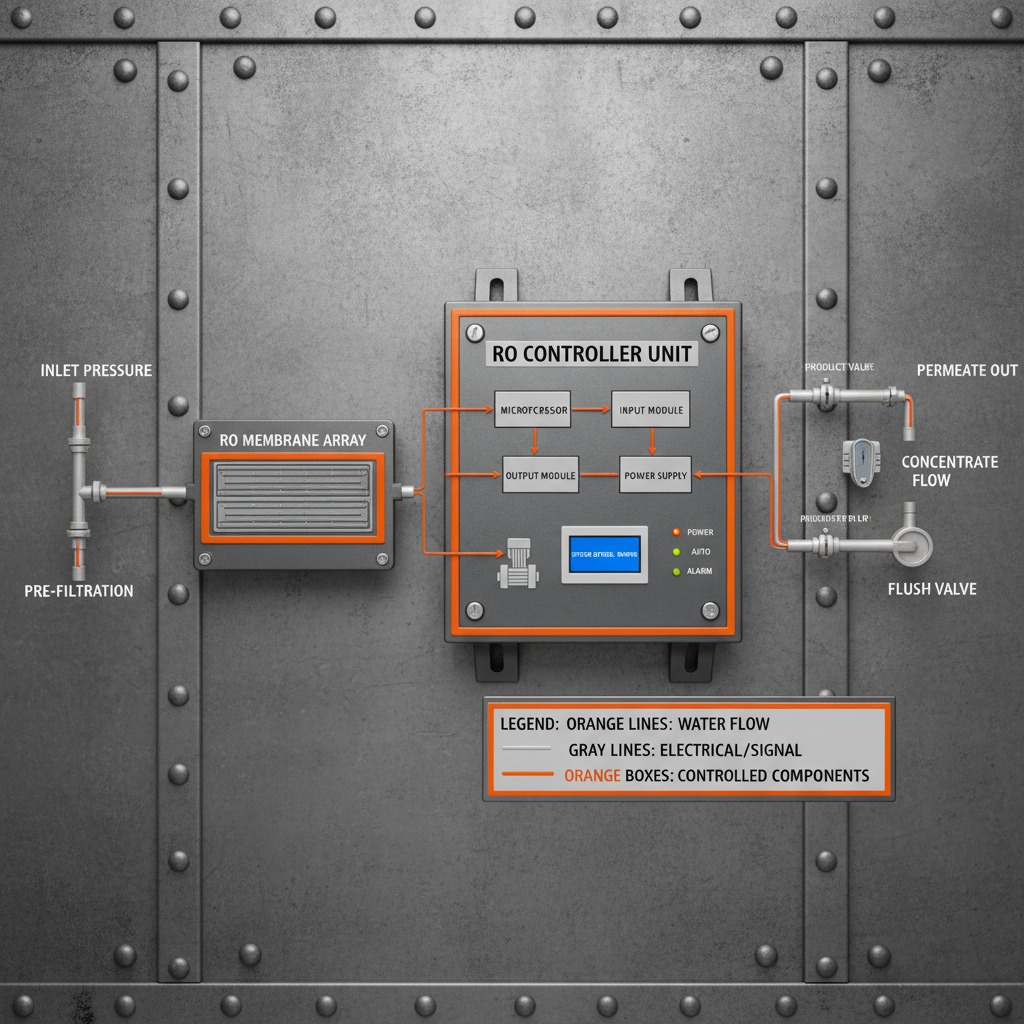
Guide to Choosing the Right RO Controller for Water PurificationMaintaining a high-performance reverse osmosis system requires more than just quality membranes; it demands precise regulation. An ro controller serves as the brain of the entire operation, monitoring critical parameters such as conductivity, temperature, and flow rates to ensure the output water meets stringent purity standards. Without an efficient controller, systems are prone to membrane fouling, inefficient energy use, and inconsistent water quality. In this comprehensive guide, we will explore how these devices optimize water treatment processes and how to select the best model for your specific industrial or commercial needs.
2026-04-09 03:25:47
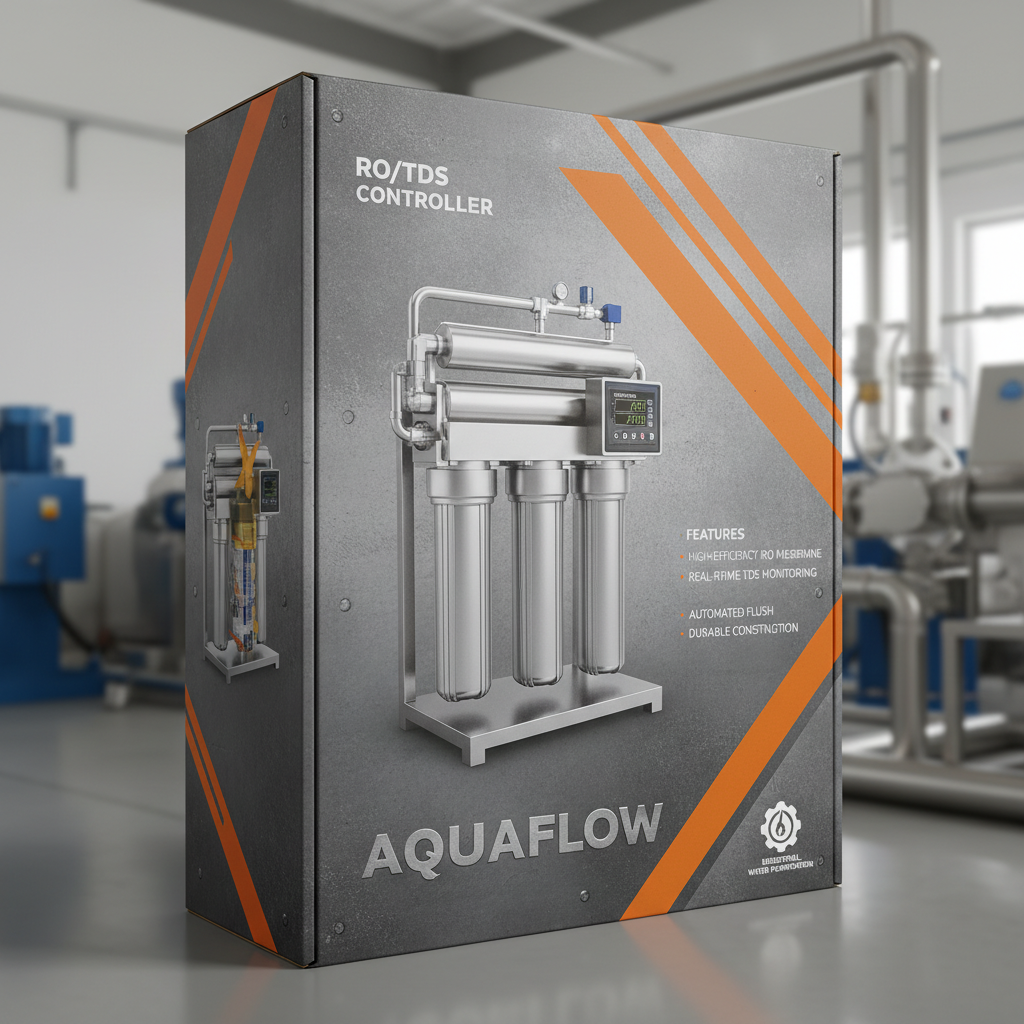
Guide to Water Purity Using RO with TDS Controller SystemsAchieving the perfect balance of mineral content and purity in drinking water is a challenge for many households and industrial facilities. A ro with tds controller offers a sophisticated solution by combining the rigorous filtration of Reverse Osmosis (RO) with the precision of a Total Dissolved Solids (TDS) adjustment system. While standard RO systems remove almost everything, including beneficial minerals, a TDS controller allows users to re-mineralize the water to a desired level. This ensures that the water is not only safe and pure but also tastes better and provides essential nutrients.
2026-04-07 03:17:09
Understanding and Optimizing Reverse Osmosis Systems with a ControllerIn the world of water purification, reverse osmosis (RO) systems are a cornerstone for producing high-quality water for various applications, from drinking water to industrial processes. However, an RO system is only as effective as its control system. This is where the reverse osmosis controller comes into play. This critical component manages and optimizes the RO process, ensuring efficient operation, water quality, and system longevity.
2026-04-04 03:27:19
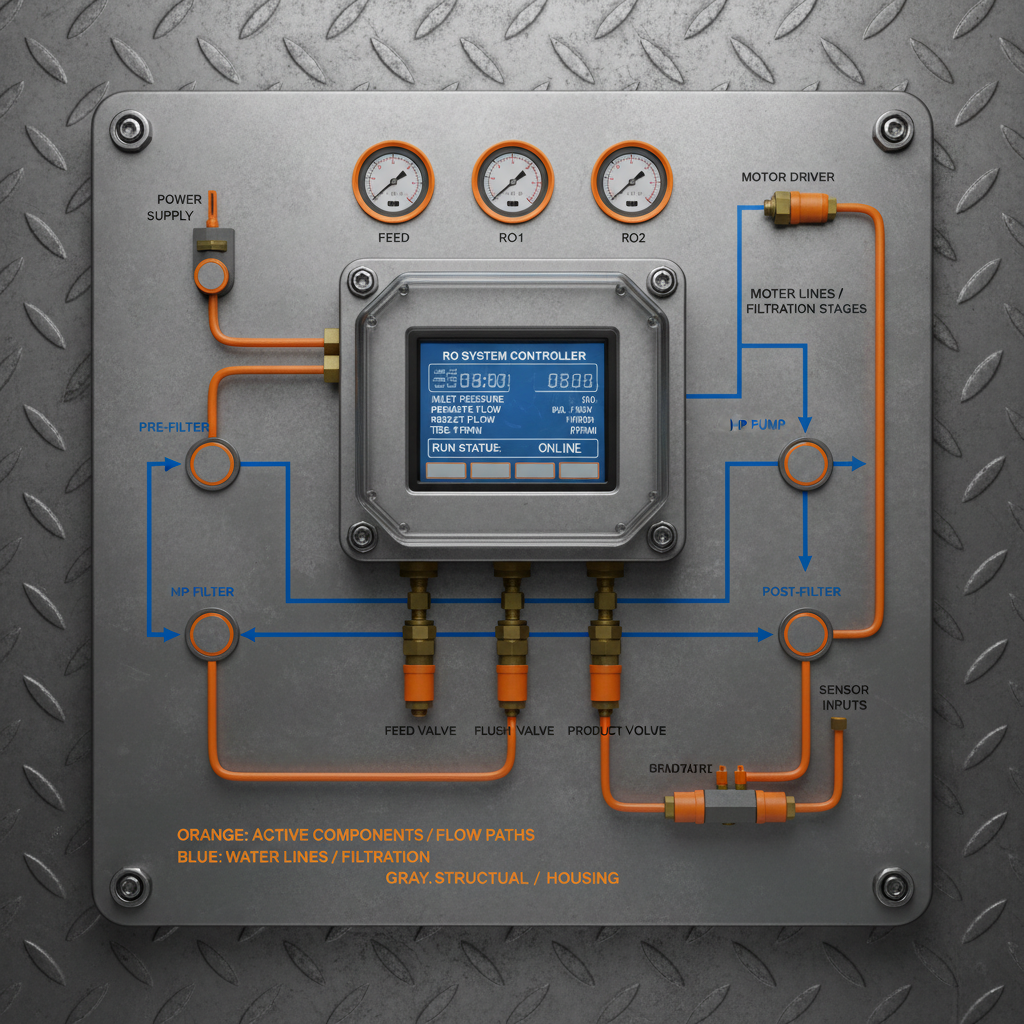
Understanding the Vital Role of an RO System Controller for Optimal PerformanceReverse Osmosis (RO) systems are critical for purifying water across various industries, from residential applications to large-scale industrial processes. At the heart of a well-functioning RO system lies the RO system controller. This intelligent device monitors and regulates all key parameters of the RO process, ensuring optimal performance, efficiency, and water quality. This article delves into the functionalities, benefits, and selection criteria for choosing the right RO system controller, particularly focusing on those offered by Watequipments. Understanding its role is crucial for maximizing the lifespan and effectiveness of your RO investment.
2026-03-24 17:18:24
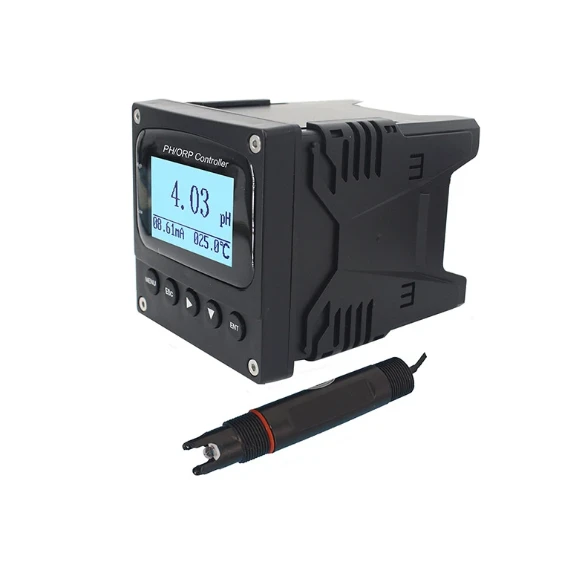
Smart Water Treatment Solutions Using PH ORP Controller SystemsIn modern water treatment and industrial fluid management, maintaining precise chemical balance is essential for safety, efficiency, and regulatory compliance.
2026-03-04 02:55:19
Comprehensive Guide to Water Depth Samplers and Their ApplicationsAccurate water quality monitoring is crucial in various fields, from environmental science and aquaculture to industrial wastewater management. A key tool for this is the water depth sampler. This article provides an in-depth look at water depth samplers, their applications, types, and essential considerations for choosing the right one for your needs. We'll explore the benefits of utilizing this equipment to collect reliable data for analysis and informed decision-making. Selecting the right sampler can significantly improve the precision and efficiency of your water monitoring program. A water depth sampler, also known as a depth-integrated sampler, is a device designed to collect water samples from specific depths within a body of water. Unlike simply dipping a container into the water, a depth sampler allows for collection of a representative sample across a defined depth range. This is critical because water properties (temperature, salinity, pollutants) often vary significantly with depth. The data gathered with a water depth sampler provides a more accurate assessment of water quality than surface samples alone.
2026-03-03 18:55:22
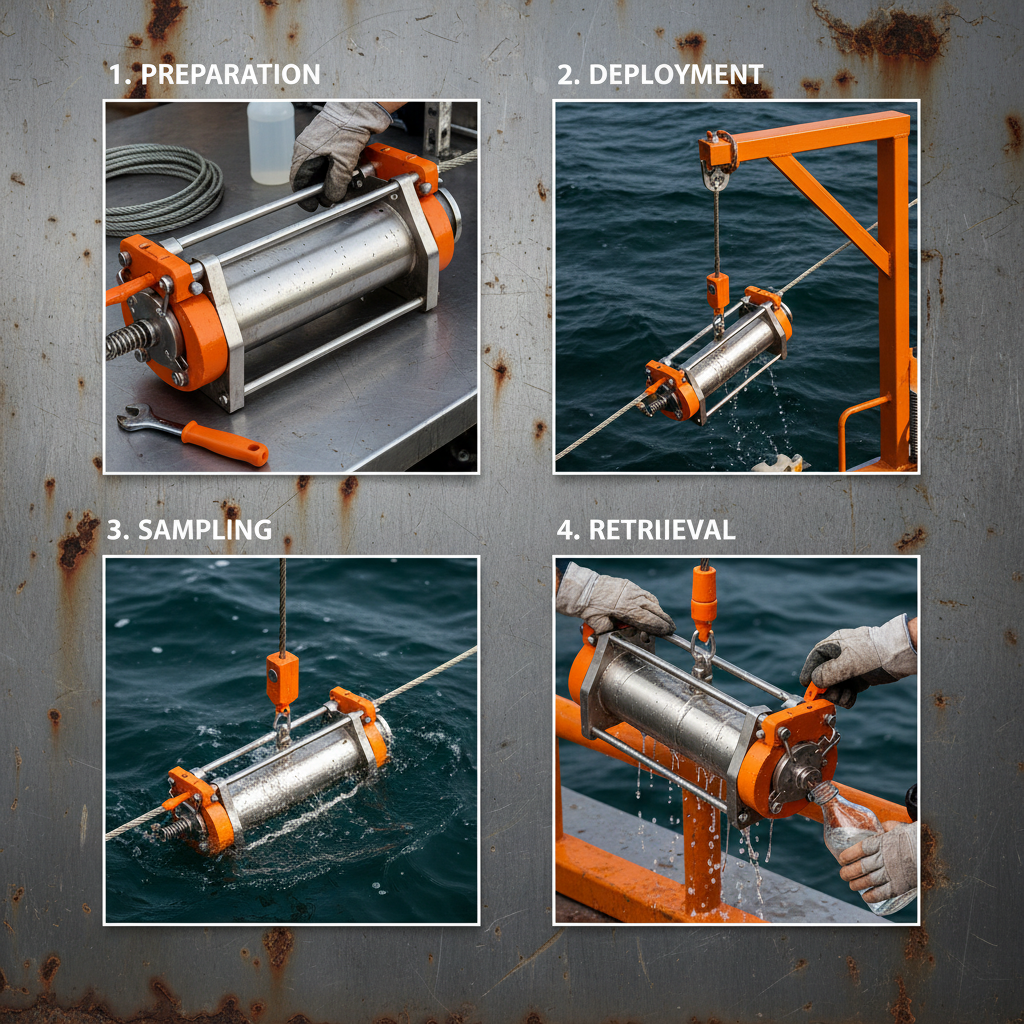
Comprehensive Guide to Horizontal Water Sampler Applications and SelectionCollecting water samples at varying depths is crucial for environmental monitoring, research, and quality control. The horizontal water sampler from Watequipment.com offers a precise and efficient solution for this task. This article provides an in-depth look at horizontal water samplers, their applications, benefits, and key considerations when choosing the right model. We will explore how these samplers contribute to accurate data collection and informed decision-making in various fields. A horizontal water sampler is a device designed to collect water samples from specific depths within a body of water – rivers, lakes, oceans, reservoirs, and even wastewater treatment plants. Unlike vertical samplers which primarily focus on depth, horizontal samplers prioritize collecting samples at a consistent depth while moving along a horizontal plane. This is essential for assessing water quality variations across a waterway or within a specific zone. They are used in applications ranging from environmental monitoring and scientific research to industrial process control and regulatory compliance.
2026-02-28 02:35:09
Comprehensive Guide to Selecting the Right Surface Water Sampler for Your NeedsMonitoring the quality of surface water is critical for environmental protection, public health, and various industrial applications. A surface water sampler is an essential tool for collecting representative samples from rivers, lakes, ponds, and other surface water sources. This article provides a detailed overview of surface water samplers, their types, applications, and key considerations for selecting the right equipment. Accurate water quality data relies on proper sample collection, and choosing the correct sampler is the first step toward achieving reliable results. Surface water samplers come in various designs, each suited to specific sampling needs. Common types include grab samplers, depth-integrating samplers, peristaltic pumps, and automatic samplers. Surface water samplers are used across a broad spectrum of applications, including environmental monitoring, wastewater discharge monitoring, drinking water source monitoring, agricultural runoff analysis, and research studies.

 English