


Essential Guide to Chlorine Detector Sensors: Safety, Applications & Innovations

Essential Guide to Chlorine Detector Sensors: Safety, Applications & Innovations
Dec . 02, 2025
Understanding the Chlorine Detector Sensor: A Vital Tool in Safety and Water Quality Monitoring
Chlorine detector sensors might not be household names, but they play a crucial role in safeguarding public health and industrial safety worldwide. As global access to clean water and chemical safety regulations tighten, understanding how these sensors work and where they matter most becomes essential. Essentially, these sensors monitor chlorine levels—critical to disinfection processes, yet potentially hazardous if not controlled. Their importance spans municipal water treatment, industrial plants, and even in emergency relief scenarios where reliable water quality means everything.
The Global Importance of Chlorine Detector Sensors
Chlorine remains one of the most widely used disinfectants globally—at least 3.4 billion people rely on chlorinated water for drinking, according to the World Health Organization. However, chlorine in excess can cause serious health hazards, from respiratory issues to skin irritation, or worse if released unchecked in industrial accidents. Hence, globally recognized safety standards, such as those from ISO, stress continuous monitoring using chlorine detector sensors. The challenge? Ensuring sensors perform reliably under varied environments—from cold Nordic waters to tropical industrial zones—while ensuring affordable, scalable solutions. This has sparked growth in smart, adaptive chlorine sensors, integrating IoT and real-time analytics, addressing global safety and quality needs.
What Exactly Is a Chlorine Detector Sensor?
Put simply, a chlorine detector sensor is a device that senses the presence and quantity of chlorine gas or dissolved chlorine in water. Think of it as a guardian that constantly watches over water and air environments where chlorine is in use or produced. It converts chemical signals into electrical outputs, signaling if chlorine concentrations move beyond safe limits. Chlorine sensors come in various types, including electrochemical, optical, and solid-state models—each suited to different industrial or environmental conditions.
In modern industry, these sensors underpin automated safety protocols, triggering alarms or shutting down equipment to prevent hazardous exposure. Humanitarian efforts also rely on them, especially where water purification is critical post-disaster or in remote communities reliant on sustainable water sanitation solutions.
Core Components and Key Features of Chlorine Detector Sensors
1. Sensitivity and Accuracy
High sensitivity enables detecting even trace chlorine levels, vital in drinking water and safety monitoring compliance. Accuracy ensures false alarms don’t disrupt operations or erode trust.
2. Durability and Environmental Resistance
Given the harsh industrial and outdoor environments, sensors often encounter temperature fluctuations, corrosive chemicals, and pressure changes. They need robust casing and stable sensing elements resistant to such wear and tear.
3. Response Time
Rapid response allows for real-time alerts—something crucial when chlorine leaks can escalate quickly. Delayed detection can have serious safety and regulatory consequences.
4. Cost Efficiency and Scalability
Facilities ranging from small water plants to large industrial sites require cost-effective solutions. Scalability, both in sensor arrays and integration with digital monitoring systems, is a growing priority.
5. Calibration and Maintenance Ease
Efficient calibration protocols and minimal maintenance downtime improve long-term operational costs, especially critical in remote or automated deployments.
Product Specifications Snapshot
| Specification | Typical Value | Notes |
|---|---|---|
| Detection Range | 0.01 - 20 ppm (water) | Varies by sensor type |
| Response Time | Faster preferred in safety-critical zones | |
| Operating Temp | -10°C to 50°C | Extended ranges available |
| Power Supply | 12–24 V DC or battery | Depends on deployment |
| Output Signal | 4–20 mA / digital (Modbus) | For easy integration |
Global Applications and Real-World Cases of Chlorine Detection
Chlorine sensors find diverse applications worldwide:
- Municipal Water Treatment: Ensuring safe chlorine residuals in drinking supplies.
- Industrial Chemical Plants: Continuous monitoring to avoid toxic releases.
- Emergency Relief Operations: Portable sensors validate water safety in disaster zones.
- Food and Beverage Industry: Assuring hygiene standards during cleaning cycles.
- Swimming Pools and Spas: Maintaining safe chlorine levels for public health.
For example, after recent floods in Southeast Asia, relief teams deployed portable chlorine detector sensors to rapidly verify water potability, preventing possible outbreaks of cholera. Oddly enough, these sensors have made such missions safer and more efficient for NGOs and local governments alike.
Vendor Comparison: Leading Chlorine Sensor Manufacturers
| Vendor | Sensor Type | Accuracy | Price Range | Best For |
|---|---|---|---|---|
| AquaSense | Electrochemical | ±0.02 ppm | $$ | Water treatment plants |
| ChemGuard | Optical | ±0.01 ppm | $$$ | Industrial environments |
| SafeSense | Solid-state | ±0.05 ppm | $ | Portable, field use |
The Long-Term Benefits and Value of Chlorine Detector Sensors
Frankly, these sensors aren’t just tools—they’re investments in community safety and industrial reliability. They minimize costly accidents, promote sustainable water use, and maintain regulatory compliance. Emotional peace of mind also matters: knowing your water is safe or that your workplace isn’t masking a dangerous leak is priceless. Moreover, their integration with smart systems supports innovation, helping industries transition toward greener, automated solutions.
Future Innovations in Chlorine Detection Technology
The future looks promising. Advances in nanomaterials and optical sensing techniques are pushing detection limits lower, with enhanced selectivity and longer lifespans. Digital transformation means sensors are increasingly networked, feeding real-time data into AI-driven analytics for smarter response systems. We’re also seeing interest in solar-powered detectors for remote sites, aligning with green energy goals. Regulations tightening on environmental safety are likely to speed adoption globally.
Challenges and Expert Solutions
Of course, current practical challenges persist. Sensor fouling, calibration drift, and power limitations in remote deployments remain concerns. But innovative self-cleaning sensor membranes and automatic calibration routines are redefining maintenance cycles. Experts advocate combining sensor arrays for redundancy and incorporating predictive maintenance analytics. Still, users must carefully match sensor choice to operational needs—there’s no one-size-fits-all solution here.
FAQ: Common Questions About Chlorine Detector Sensors
- Q: How often should chlorine detector sensors be calibrated?
A: Calibration frequency depends on usage and environment but typically ranges from monthly to quarterly. Sensors exposed to harsh conditions may require more frequent checks to maintain accuracy. - Q: Can chlorine detector sensors work in both liquid and gas phases?
A: Some sensors are specialized for liquid chlorine measurement, others for chlorine gas detection. Selecting the right type is essential for reliable performance in targeted applications. - Q: Are chlorine detector sensors compatible with automated water treatment systems?
A: Yes, most modern sensors provide digital outputs (like 4–20 mA or Modbus) designed for seamless integration with PLCs and SCADA systems. - Q: What’s the typical lifespan of these sensors?
A: Lifespans often range from 1 to 3 years, depending on technology and maintenance, but recent advancements may extend this further. - Q: How portable are chlorine detector sensors for field use?
A: Portable models are widely available, often battery-powered and ruggedized, tailored for rapid deployment, especially in emergency or remote scenarios.
Conclusion and Next Steps
The chlorine detector sensor is undeniably a cornerstone in maintaining safety, compliance, and public health across many industries. Their evolving technology means even challenging environments can now be monitored efficiently and affordably. For anyone involved with water treatment, chemical safety, or emergency water quality monitoring, investing in trusted, well-supported chlorine sensor technology pays dividends—sometimes literally saving lives.
If you want to explore high-quality chlorine detection options tailored to your needs, visit our website: https://www.watequipments.com for expert advice and industry-leading products.
Quick Reflection: Sensors like these bridge technology with safety and sustainability, a reminder that even unseen tools hold major global impact.

Related Products
Related News

2026-04-16 03:20:19
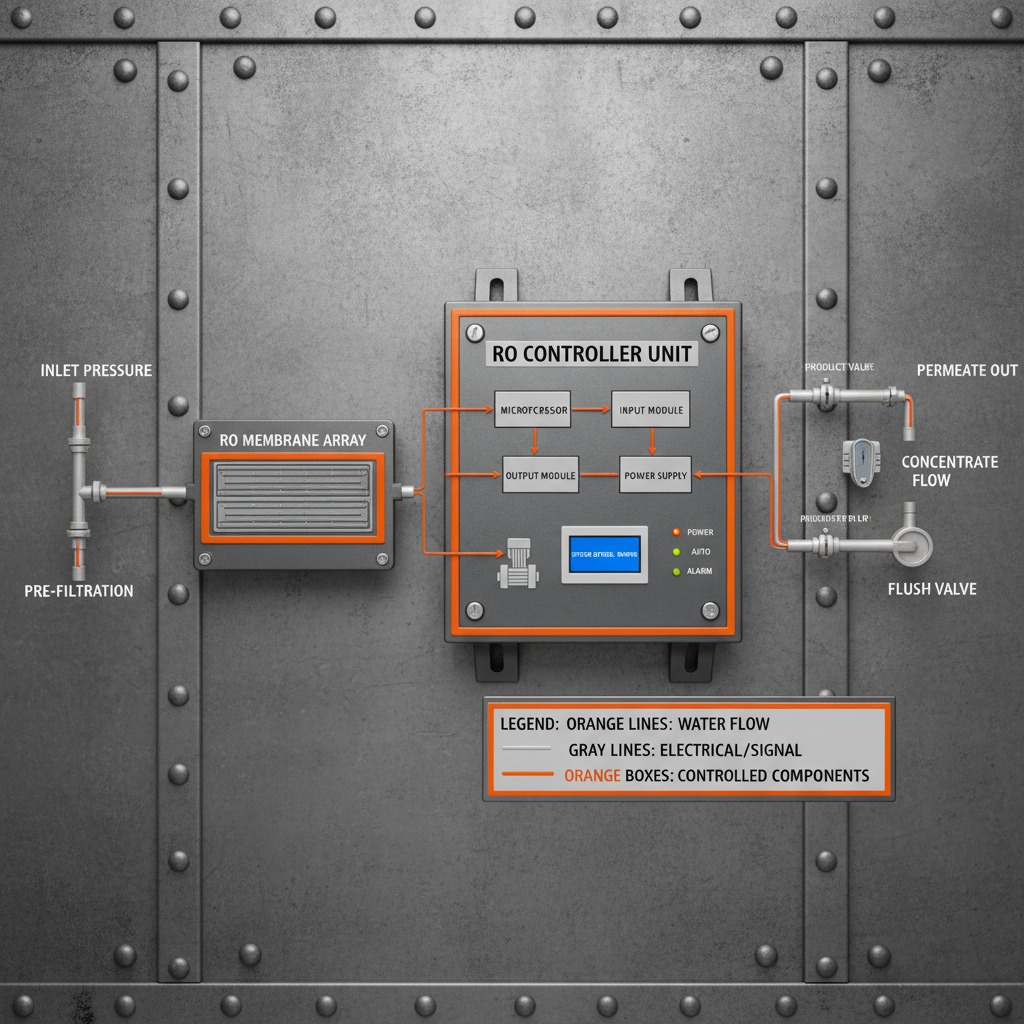
Guide to Choosing the Right RO Controller for Water PurificationMaintaining a high-performance reverse osmosis system requires more than just quality membranes; it demands precise regulation. An ro controller serves as the brain of the entire operation, monitoring critical parameters such as conductivity, temperature, and flow rates to ensure the output water meets stringent purity standards. Without an efficient controller, systems are prone to membrane fouling, inefficient energy use, and inconsistent water quality. In this comprehensive guide, we will explore how these devices optimize water treatment processes and how to select the best model for your specific industrial or commercial needs.
2026-04-09 03:25:47
Guide to Water Purity Using RO with TDS Controller SystemsAchieving the perfect balance of mineral content and purity in drinking water is a challenge for many households and industrial facilities. A ro with tds controller offers a sophisticated solution by combining the rigorous filtration of Reverse Osmosis (RO) with the precision of a Total Dissolved Solids (TDS) adjustment system. While standard RO systems remove almost everything, including beneficial minerals, a TDS controller allows users to re-mineralize the water to a desired level. This ensures that the water is not only safe and pure but also tastes better and provides essential nutrients.
2026-04-07 03:17:09
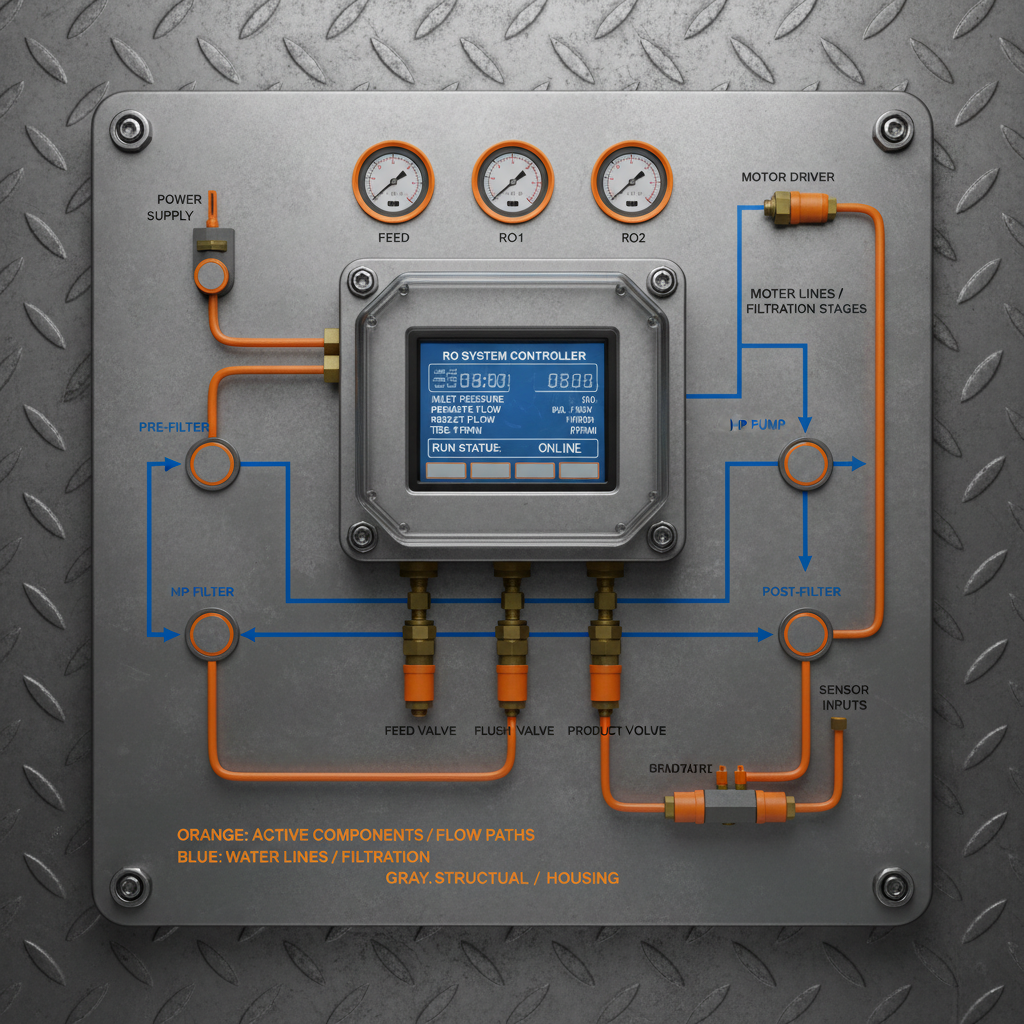
Understanding and Optimizing Reverse Osmosis Systems with a ControllerIn the world of water purification, reverse osmosis (RO) systems are a cornerstone for producing high-quality water for various applications, from drinking water to industrial processes. However, an RO system is only as effective as its control system. This is where the reverse osmosis controller comes into play. This critical component manages and optimizes the RO process, ensuring efficient operation, water quality, and system longevity.
2026-04-04 03:27:19
Understanding the Vital Role of an RO System Controller for Optimal PerformanceReverse Osmosis (RO) systems are critical for purifying water across various industries, from residential applications to large-scale industrial processes. At the heart of a well-functioning RO system lies the RO system controller. This intelligent device monitors and regulates all key parameters of the RO process, ensuring optimal performance, efficiency, and water quality. This article delves into the functionalities, benefits, and selection criteria for choosing the right RO system controller, particularly focusing on those offered by Watequipments. Understanding its role is crucial for maximizing the lifespan and effectiveness of your RO investment.
2026-03-24 17:18:24
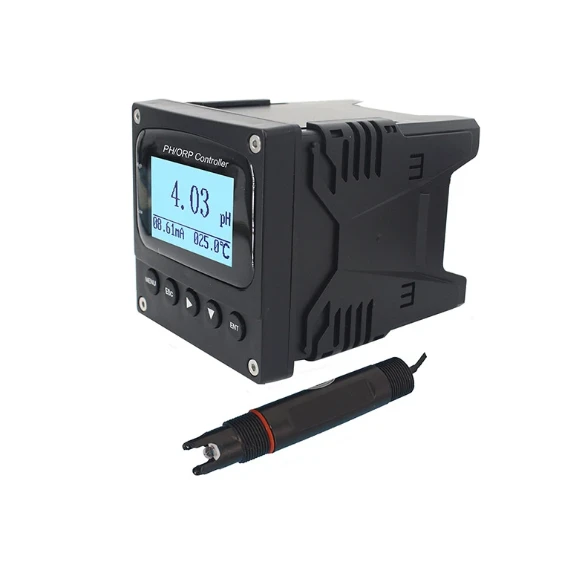
Smart Water Treatment Solutions Using PH ORP Controller SystemsIn modern water treatment and industrial fluid management, maintaining precise chemical balance is essential for safety, efficiency, and regulatory compliance.
2026-03-04 02:55:19
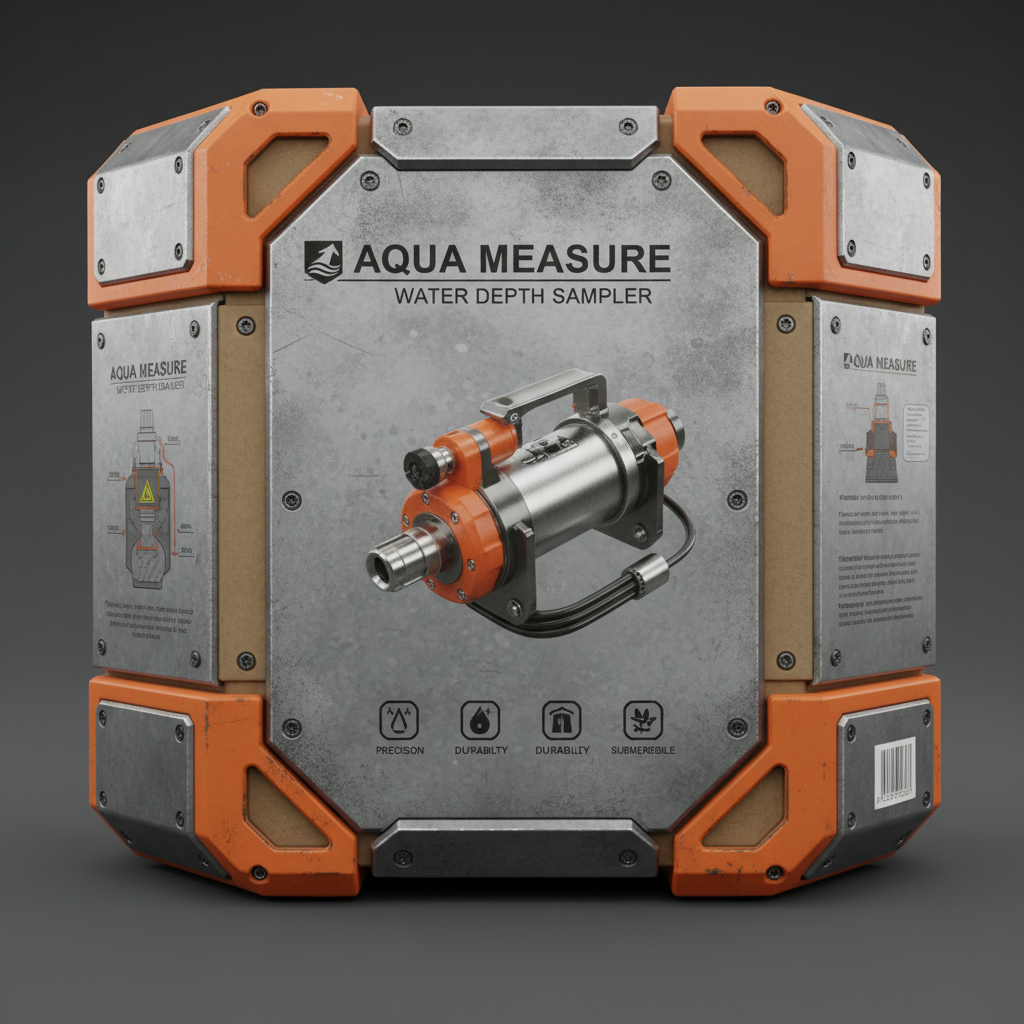
Comprehensive Guide to Water Depth Samplers and Their ApplicationsAccurate water quality monitoring is crucial in various fields, from environmental science and aquaculture to industrial wastewater management. A key tool for this is the water depth sampler. This article provides an in-depth look at water depth samplers, their applications, types, and essential considerations for choosing the right one for your needs. We'll explore the benefits of utilizing this equipment to collect reliable data for analysis and informed decision-making. Selecting the right sampler can significantly improve the precision and efficiency of your water monitoring program. A water depth sampler, also known as a depth-integrated sampler, is a device designed to collect water samples from specific depths within a body of water. Unlike simply dipping a container into the water, a depth sampler allows for collection of a representative sample across a defined depth range. This is critical because water properties (temperature, salinity, pollutants) often vary significantly with depth. The data gathered with a water depth sampler provides a more accurate assessment of water quality than surface samples alone.
2026-03-03 18:55:22
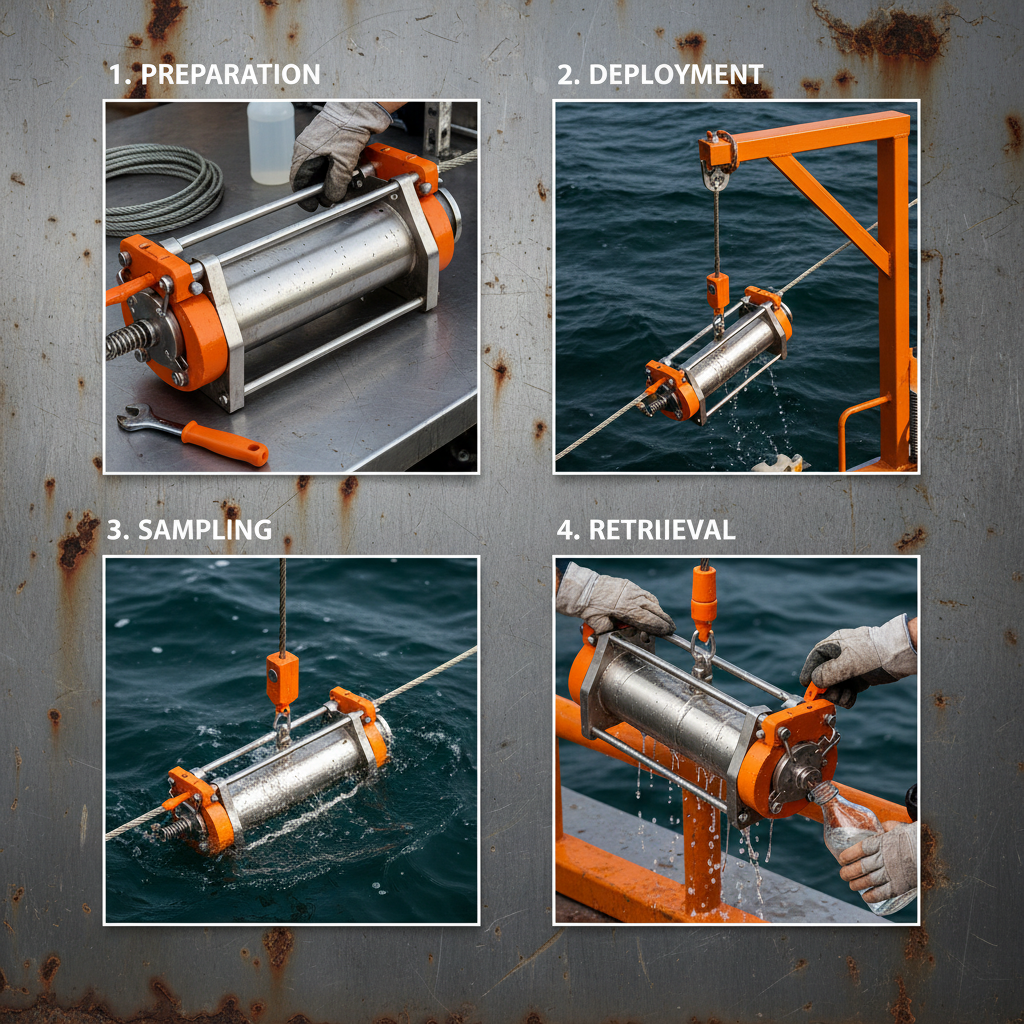
Comprehensive Guide to Horizontal Water Sampler Applications and SelectionCollecting water samples at varying depths is crucial for environmental monitoring, research, and quality control. The horizontal water sampler from Watequipment.com offers a precise and efficient solution for this task. This article provides an in-depth look at horizontal water samplers, their applications, benefits, and key considerations when choosing the right model. We will explore how these samplers contribute to accurate data collection and informed decision-making in various fields. A horizontal water sampler is a device designed to collect water samples from specific depths within a body of water – rivers, lakes, oceans, reservoirs, and even wastewater treatment plants. Unlike vertical samplers which primarily focus on depth, horizontal samplers prioritize collecting samples at a consistent depth while moving along a horizontal plane. This is essential for assessing water quality variations across a waterway or within a specific zone. They are used in applications ranging from environmental monitoring and scientific research to industrial process control and regulatory compliance.
2026-02-28 02:35:09
Comprehensive Guide to Selecting the Right Surface Water Sampler for Your NeedsMonitoring the quality of surface water is critical for environmental protection, public health, and various industrial applications. A surface water sampler is an essential tool for collecting representative samples from rivers, lakes, ponds, and other surface water sources. This article provides a detailed overview of surface water samplers, their types, applications, and key considerations for selecting the right equipment. Accurate water quality data relies on proper sample collection, and choosing the correct sampler is the first step toward achieving reliable results. Surface water samplers come in various designs, each suited to specific sampling needs. Common types include grab samplers, depth-integrating samplers, peristaltic pumps, and automatic samplers. Surface water samplers are used across a broad spectrum of applications, including environmental monitoring, wastewater discharge monitoring, drinking water source monitoring, agricultural runoff analysis, and research studies.

 English