


Comprehensive Guide to 1 2 Drip Irrigation Tubing for B2B Applications

Comprehensive Guide to 1 2 Drip Irrigation Tubing for B2B Applications
Dec . 12, 2025
1 2 Drip Irrigation Tubing is a key solution in the industry, specifically within agricultural and landscaping sectors. Its precision delivery of water makes it invaluable for efficient irrigation systems, especially where conserving resources is critical. This article explores how https://www.watequipments.com supports professionals with durable, high-performance products, and explains why this product is an ideal choice for businesses in these sectors.
Table of Contents
- 1 2 Drip Irrigation Tubing Overview
- Benefits & Use Cases of 1 2 Drip Irrigation Tubing
- Cost, Maintenance & User Experience
- Sustainability & Market Trends
1 2 Drip Irrigation Tubing Overview
At its core, 1 2 drip irrigation tubing is a half-inch diameter flexible tube designed to distribute water directly to plant roots through small emitters or pores. It’s widely adopted because of its balance—large enough to handle decent flow rates but compact enough to be unobtrusive in the field. Oddly enough, this relatively simple piece of tubing has revolutionized irrigation by drastically reducing evaporation and runoff losses that are otherwise inevitable with traditional sprinklers. The tubing is typically made from UV-resistant polyethylene, ensuring it won’t degrade quickly under sunlight, which is crucial for longevity outdoors.
- Standard specs include 1/2 inch inner diameter, 16 or 20 mil wall thickness options, and built-in pressure-compensating emitters in some models.
- Real-world case studies show up to 40% water saving and improved crop yields when implemented thoughtfully.
| Specification | Details |
|---|---|
| Inside Diameter | 1/2 inch (12.7 mm) |
| Wall Thickness | 16–20 mil (0.4–0.5 mm) |
| Material | UV-resistant Polyethylene |
| Pressure Range | 15–60 PSI |
| Available Lengths | 100 ft, 500 ft, Custom |
Benefits & Use Cases of 1 2 Drip Irrigation Tubing
Industries from commercial agriculture to greenhouse operations rely heavily on 1 2 drip irrigation tubing for precise, water-wise irrigation. It’s especially useful in row crops, orchards, and nursery settings where the plant spacing suits this tubing size perfectly. Its flexibility lets growers customize layouts easily, from straightforward linear installations to complex multi-zone systems.
- Its low-flow emitters help maintain a consistent moisture level, which is crucial for yields and quality.
- Compared to larger drip lines or traditional sprinklers, this tubing offers better pressure management and easier installation.
Vendor Comparison Table
| Vendor | Material Quality | UV Resistance | Pressure Range (PSI) | Customization Options |
|---|---|---|---|---|
| Watequipment.com | High-grade polyethylene | Excellent (10+ years warranty) | 15–60 PSI | Custom lengths, emitters |
| Competitor A | Standard polyethylene | Moderate (5 years warranty) | 10–50 PSI | Fixed sizes only |
| Competitor B | Mixed polymer blend | Good (7 years warranty) | 20–55 PSI | Some customization |
Cost, Maintenance & User Experience
When talking about total cost, 1 2 drip irrigation tubing often scores well on value. The initial investment may seem higher than simple hose systems, but durability and water savings balance that out. From what many growers share, the tubing’s resistance to cracking and UV degradation means fewer replacements and labor hours over time. You do need to flush the lines periodically to prevent clogging, but overall, maintenance feels manageable and predictable.
- Durability often leads to ROI within two to three growing seasons.
- Users report noticeable water savings and healthier crops due to consistent moisture supply.
Sustainability & Market Trends
Sustainability really is one of the big drivers behind wider adoption of 1 2 drip irrigation tubing. Governments worldwide are tightening regulations on water use, pushing agricultural businesses to adopt water-efficient methods or face penalties. Frankly, it’s a no-brainer in dry regions or places facing water scarcity. The market itself is evolving with newer materials aimed at recyclability and longer life cycles — Watequipment.com’s focus on UV-resistant, recyclable polyethylene shows they are on trend here. Plus, increasing interest in precision irrigation technology pairs well with tubing offerings that integrate sensor and automation systems.
- Improved environmental footprint through efficient water use.
- Growing demand from large-scale and smallholder farmers alike.
Frequently Asked Questions about 1 2 Drip Irrigation Tubing
- What is 1 2 Drip Irrigation Tubing and how does it work?
- It’s a half-inch diameter tubing system that delivers water directly to plants through tiny emitters, minimizing waste by dripping slowly near roots rather than spraying broadly.
- What are the main benefits of using 1 2 Drip Irrigation Tubing in industrial applications?
- Benefits include precise water delivery, lower evaporation, reduced weed growth, cost savings over time, durability, and improved plant health due to consistent moisture levels.
- How does 1 2 Drip Irrigation Tubing compare to traditional alternatives?
- Compared to sprinklers or flood irrigation, it uses water much more efficiently with less runoff and evaporation, and often requires less maintenance than larger diameter tubing systems.
- What industries can benefit most from 1 2 Drip Irrigation Tubing implementation?
- Primarily agriculture, horticulture, landscaping, nurseries, and greenhouse operations – really any sector relying on controlled irrigation for crops or plant health.
Conclusion on 1 2 Drip Irrigation Tubing from china
All in all, 1 2 drip irrigation tubing presents a compelling case for businesses aiming to optimize water usage without sacrificing crop performance. Its durability, adaptability, and cost-effectiveness have made it a go-to option across various sectors. For those interested in an effective, proven irrigation solution, it’s worth looking into the quality products available at https://www.watequipments.com — they really cover the key bases for modern irrigation needs.
- Recap: reliable tubing means better water control, lower costs, and happier plants.
- Visit our website: https://www.watequipments.com
In reflecting on how irrigation tech rapidly evolves, I suppose it's impressive to see how such a simple component as tubing can make a huge difference sustainably and economically. For decision makers, it's often those small but well-engineered details that weigh heavily in the long run.

Related Products
Related News
2026-04-16 03:20:19
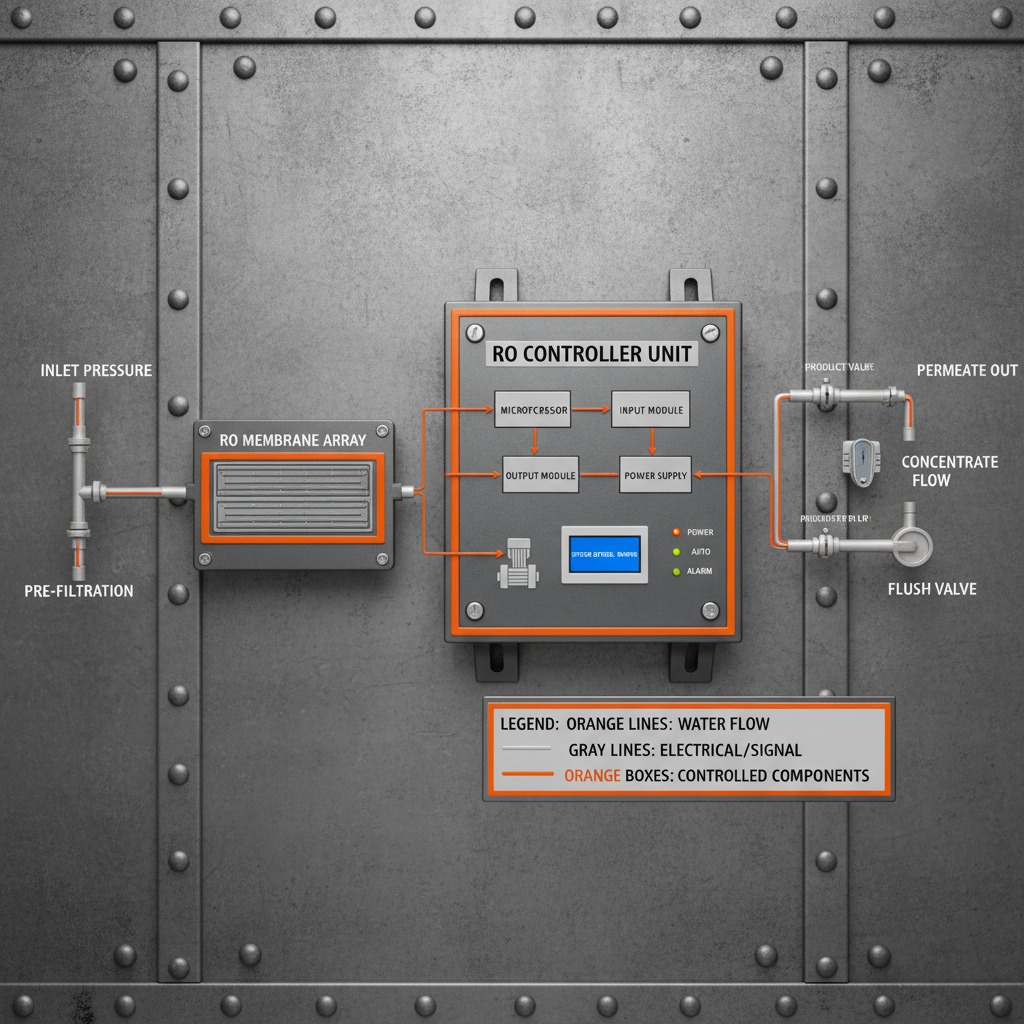
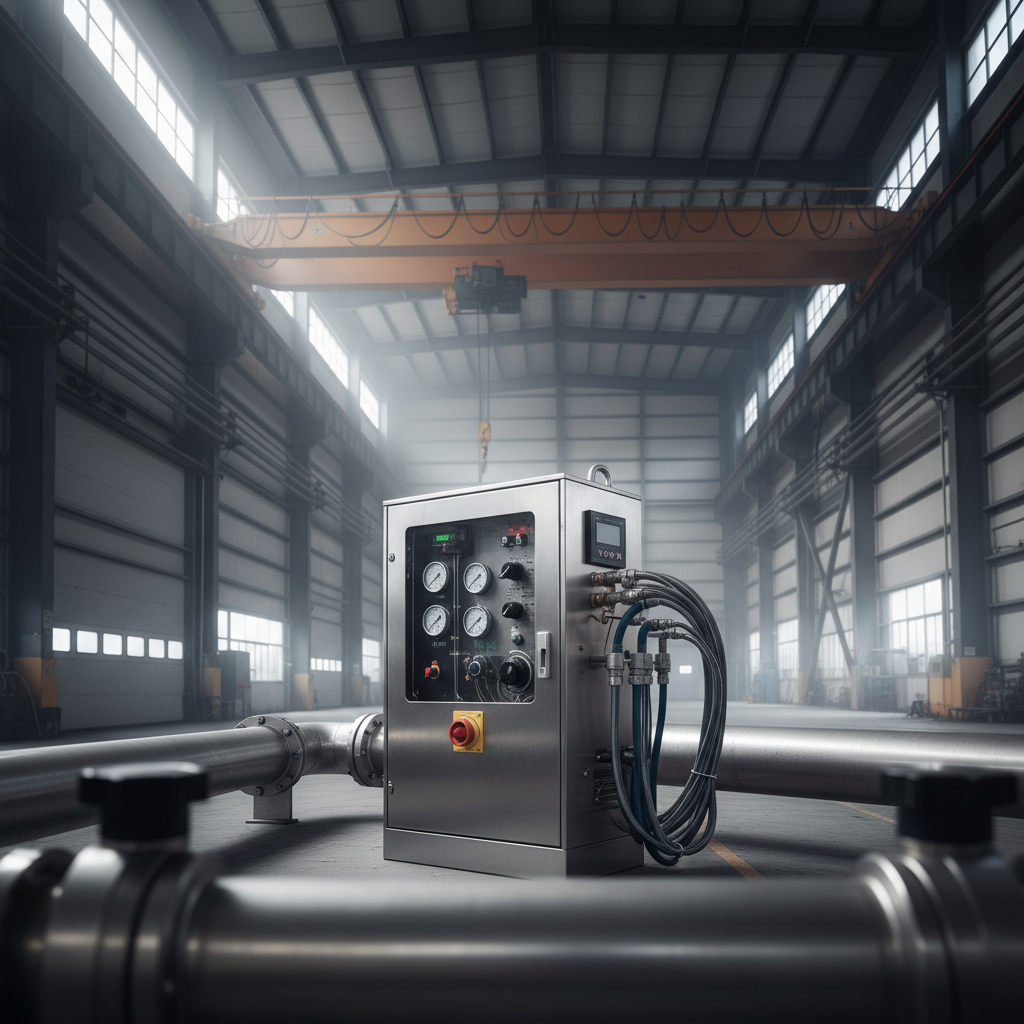
Guide to Choosing the Right RO Controller for Water PurificationMaintaining a high-performance reverse osmosis system requires more than just quality membranes; it demands precise regulation. An ro controller serves as the brain of the entire operation, monitoring critical parameters such as conductivity, temperature, and flow rates to ensure the output water meets stringent purity standards. Without an efficient controller, systems are prone to membrane fouling, inefficient energy use, and inconsistent water quality. In this comprehensive guide, we will explore how these devices optimize water treatment processes and how to select the best model for your specific industrial or commercial needs.
2026-04-09 03:25:47
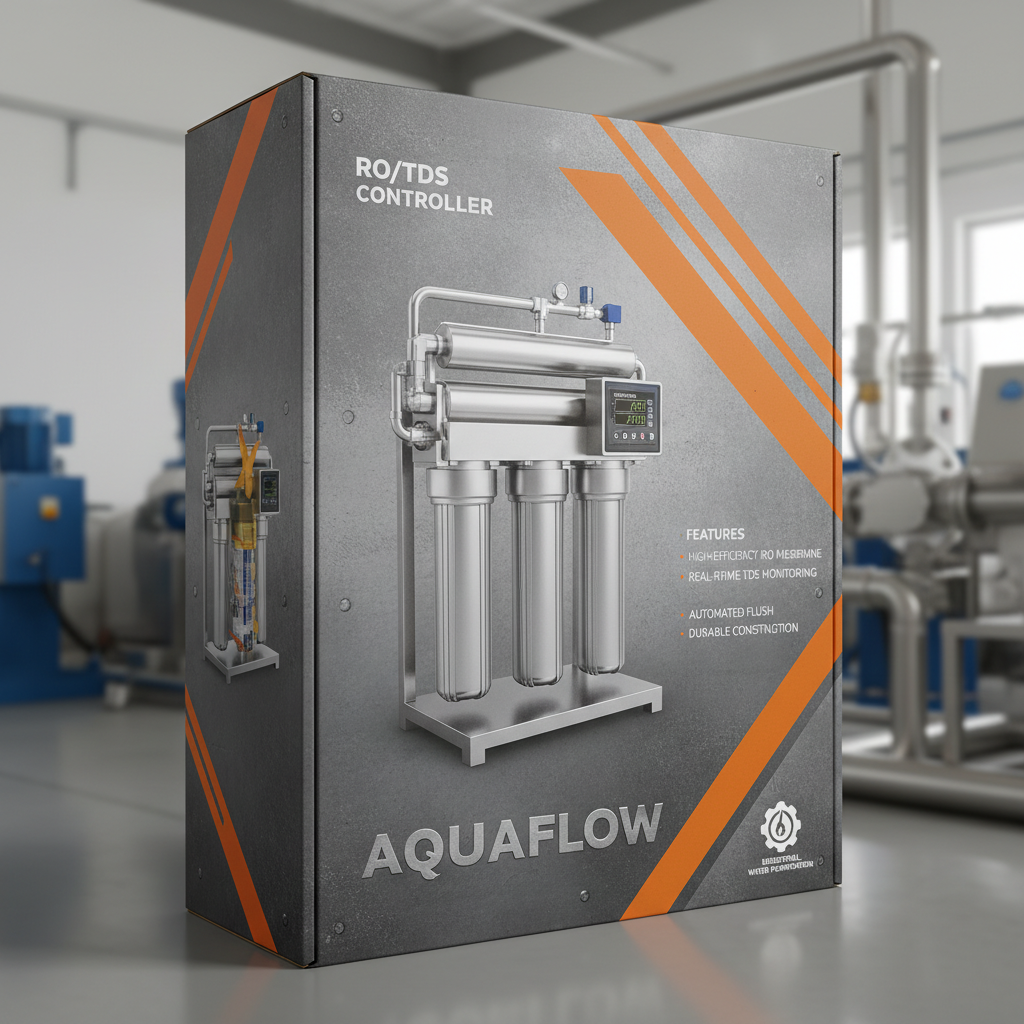
Guide to Water Purity Using RO with TDS Controller SystemsAchieving the perfect balance of mineral content and purity in drinking water is a challenge for many households and industrial facilities. A ro with tds controller offers a sophisticated solution by combining the rigorous filtration of Reverse Osmosis (RO) with the precision of a Total Dissolved Solids (TDS) adjustment system. While standard RO systems remove almost everything, including beneficial minerals, a TDS controller allows users to re-mineralize the water to a desired level. This ensures that the water is not only safe and pure but also tastes better and provides essential nutrients.
2026-04-07 03:17:09
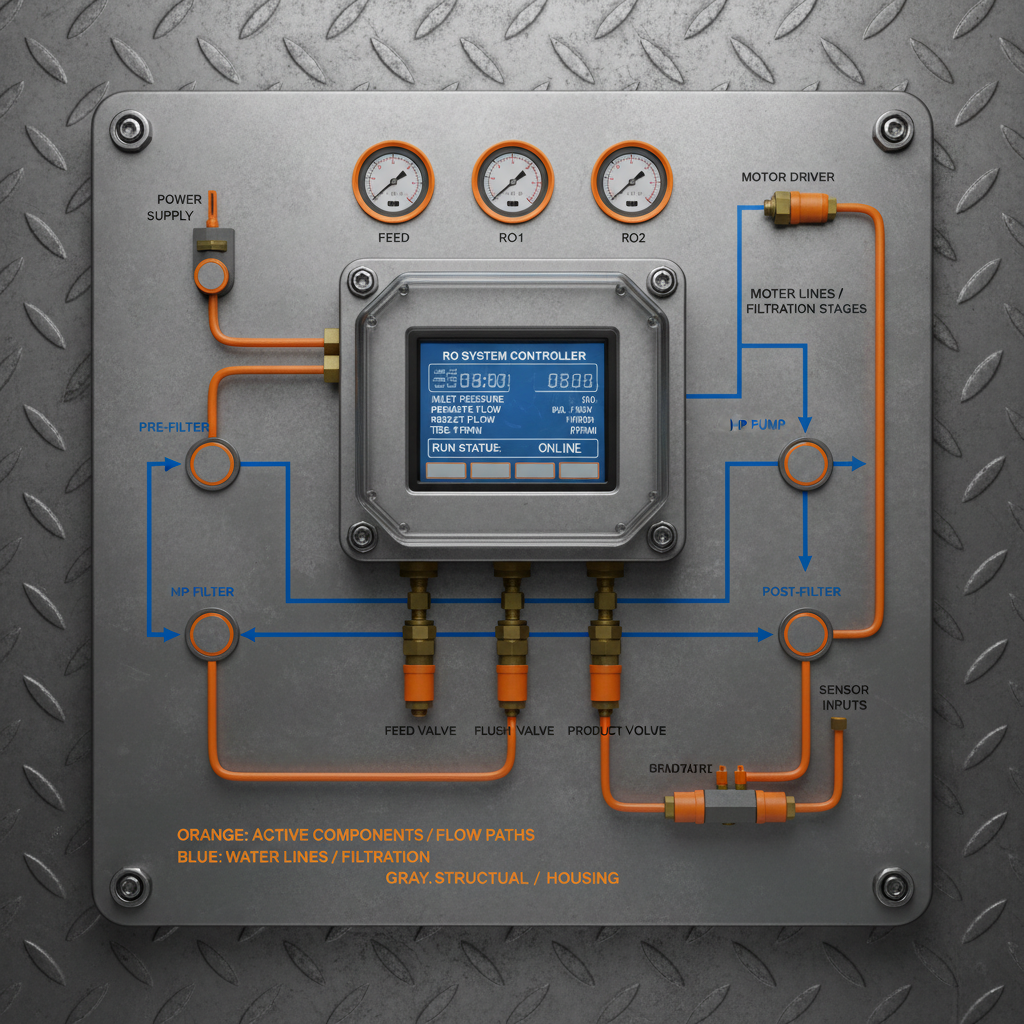
Understanding and Optimizing Reverse Osmosis Systems with a ControllerIn the world of water purification, reverse osmosis (RO) systems are a cornerstone for producing high-quality water for various applications, from drinking water to industrial processes. However, an RO system is only as effective as its control system. This is where the reverse osmosis controller comes into play. This critical component manages and optimizes the RO process, ensuring efficient operation, water quality, and system longevity.
2026-04-04 03:27:19
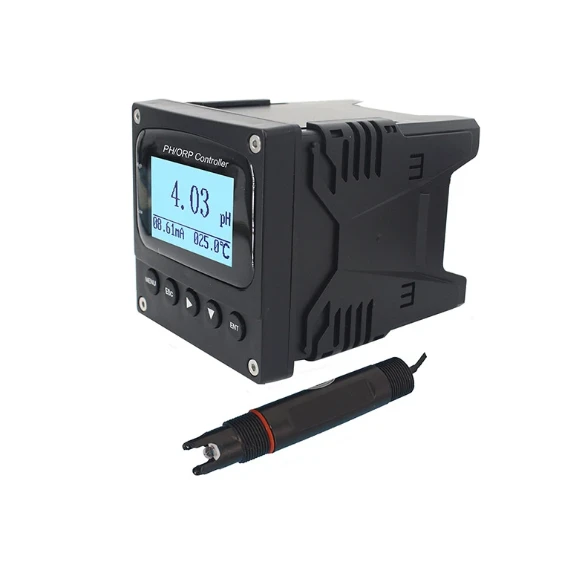
Understanding the Vital Role of an RO System Controller for Optimal PerformanceReverse Osmosis (RO) systems are critical for purifying water across various industries, from residential applications to large-scale industrial processes. At the heart of a well-functioning RO system lies the RO system controller. This intelligent device monitors and regulates all key parameters of the RO process, ensuring optimal performance, efficiency, and water quality. This article delves into the functionalities, benefits, and selection criteria for choosing the right RO system controller, particularly focusing on those offered by Watequipments. Understanding its role is crucial for maximizing the lifespan and effectiveness of your RO investment.
2026-03-24 17:18:24
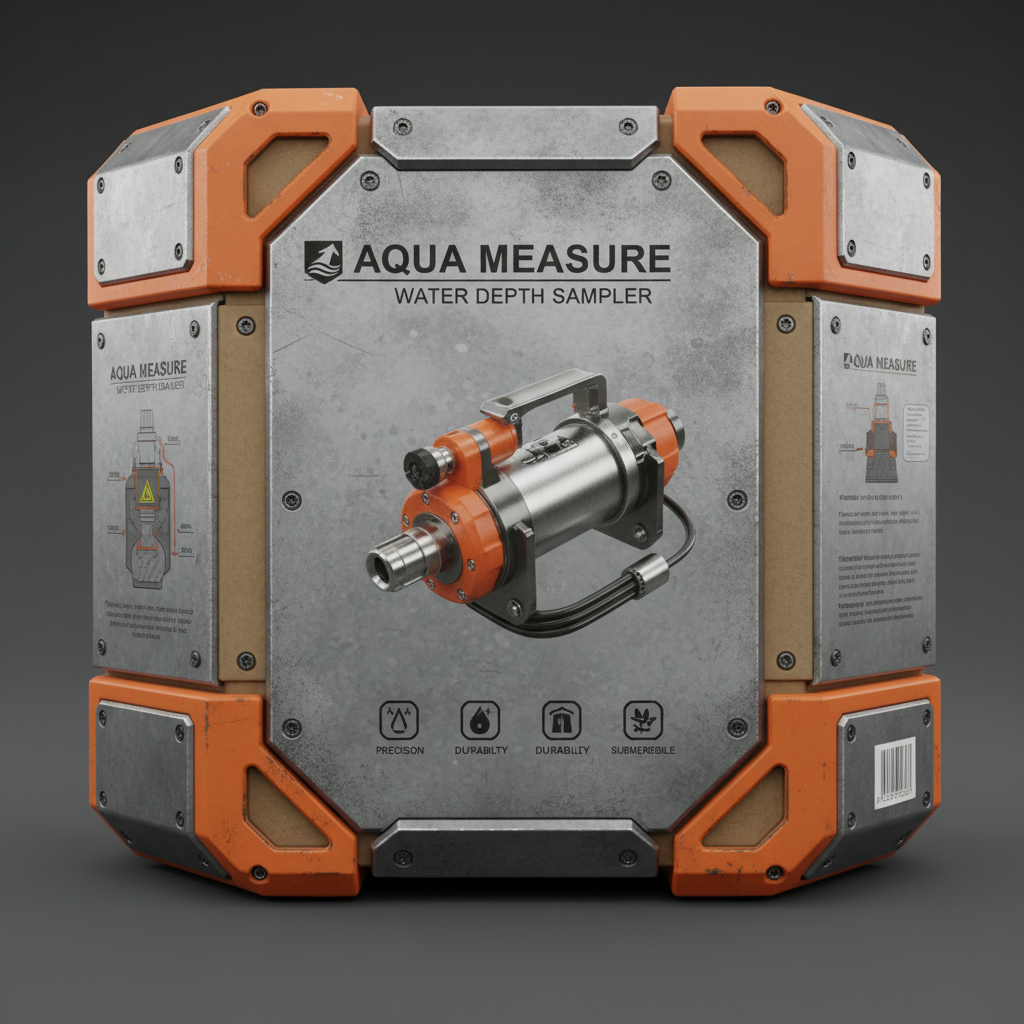
Smart Water Treatment Solutions Using PH ORP Controller SystemsIn modern water treatment and industrial fluid management, maintaining precise chemical balance is essential for safety, efficiency, and regulatory compliance.
2026-03-04 02:55:19
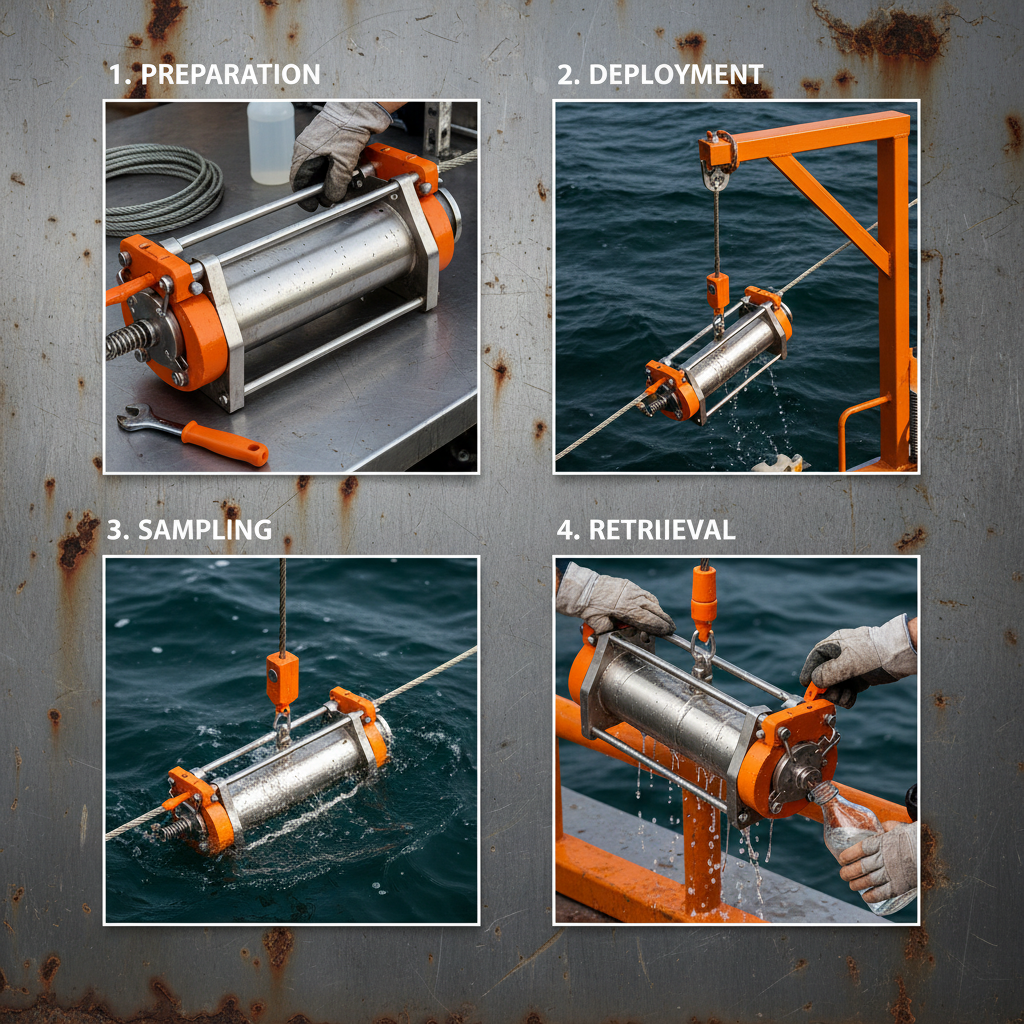
Comprehensive Guide to Water Depth Samplers and Their ApplicationsAccurate water quality monitoring is crucial in various fields, from environmental science and aquaculture to industrial wastewater management. A key tool for this is the water depth sampler. This article provides an in-depth look at water depth samplers, their applications, types, and essential considerations for choosing the right one for your needs. We'll explore the benefits of utilizing this equipment to collect reliable data for analysis and informed decision-making. Selecting the right sampler can significantly improve the precision and efficiency of your water monitoring program. A water depth sampler, also known as a depth-integrated sampler, is a device designed to collect water samples from specific depths within a body of water. Unlike simply dipping a container into the water, a depth sampler allows for collection of a representative sample across a defined depth range. This is critical because water properties (temperature, salinity, pollutants) often vary significantly with depth. The data gathered with a water depth sampler provides a more accurate assessment of water quality than surface samples alone.
2026-03-03 18:55:22
Comprehensive Guide to Horizontal Water Sampler Applications and SelectionCollecting water samples at varying depths is crucial for environmental monitoring, research, and quality control. The horizontal water sampler from Watequipment.com offers a precise and efficient solution for this task. This article provides an in-depth look at horizontal water samplers, their applications, benefits, and key considerations when choosing the right model. We will explore how these samplers contribute to accurate data collection and informed decision-making in various fields. A horizontal water sampler is a device designed to collect water samples from specific depths within a body of water – rivers, lakes, oceans, reservoirs, and even wastewater treatment plants. Unlike vertical samplers which primarily focus on depth, horizontal samplers prioritize collecting samples at a consistent depth while moving along a horizontal plane. This is essential for assessing water quality variations across a waterway or within a specific zone. They are used in applications ranging from environmental monitoring and scientific research to industrial process control and regulatory compliance.
2026-02-28 02:35:09
Comprehensive Guide to Selecting the Right Surface Water Sampler for Your NeedsMonitoring the quality of surface water is critical for environmental protection, public health, and various industrial applications. A surface water sampler is an essential tool for collecting representative samples from rivers, lakes, ponds, and other surface water sources. This article provides a detailed overview of surface water samplers, their types, applications, and key considerations for selecting the right equipment. Accurate water quality data relies on proper sample collection, and choosing the correct sampler is the first step toward achieving reliable results. Surface water samplers come in various designs, each suited to specific sampling needs. Common types include grab samplers, depth-integrating samplers, peristaltic pumps, and automatic samplers. Surface water samplers are used across a broad spectrum of applications, including environmental monitoring, wastewater discharge monitoring, drinking water source monitoring, agricultural runoff analysis, and research studies.

 English