


Discover the Efficiency of the 1 2 Soaker Hose for Industrial Irrigation

Discover the Efficiency of the 1 2 Soaker Hose for Industrial Irrigation
Dec . 12, 2025
Understanding the 1 2 Soaker Hose: A Veteran’s Take
Having spent many years working hands-on in the industrial equipment sector, I’ve come across countless irrigation solutions, but the 1 2 soaker hose always stands out as a subtly powerful tool. Oddly enough, it’s often overlooked in favor of high-tech gizmos, yet this simple piece of equipment quietly delivers remarkable results in water efficiency and plant health.
The 1 2 soaker hose, also commonly called a half-inch soaker hose, is designed to seep water slowly and evenly along its length. This means, in real terms, irrigation that mimics nature’s gentle morning dew—a blessing for garden beds, landscaping, or even small-scale agricultural plots. I’ve seen it installed in greenhouses and industrial nurseries where precision watering is essential.
Now, the design is pretty straightforward: the hose consists of porous rubber or recycled materials, woven with tiny pores that allow water to escape under slight pressure. Many engineers I know favor products made from durable EPDM rubber for longevity and resistance to cracking in harsh conditions. The 1 2 soaker hose is flexible, easy to cut to specific lengths, and remarkably resilient.
Testing is usually straightforward but crucial. I recall one client who insisted on running a pressure test along a 100-foot length to ensure uniform seepage. This confirmed that even with minimal water pressure—around 10 to 15 PSI—the hose provided consistent output. It feels like a low-tech miracle in terms of conserving water and avoiding runoff.
Let me break down some key product specs that matter when evaluating a 1 2 soaker hose:
| Specification | Details |
|---|---|
| Diameter | 1/2 inch (12.7 mm) |
| Material | EPDM rubber / Recycled rubber |
| Pressure Range | 10–25 PSI (0.7–1.7 bar) |
| Flow Rate | 0.6–1.1 GPH per foot |
| Length Options | 25 ft, 50 ft, 100 ft standard |
| Usage Temperature | Recommended up to 140°F (60°C) |
Now, when it comes to vendors and brands, I often recommend paying close attention to build quality and warranty, especially for professional installations. Here's a quick comparison of some top manufacturers of 1 2 soaker hoses I’ve seen in the field:
| Brand | Material Quality | Warranty | Price Range | Notable Features |
|---|---|---|---|---|
| HydroFlow Pro | EPDM rubber, UV-resistant | 5 years | $$$ | Consistent pore size, kink-resistant |
| EcoSoak | Recycled rubber blend | 3 years | $$ | Environmentally focused, flexible |
| AquaDrip Industrial | High-grade EPDM rubber | 7 years | $$$$ | Premium durability, extensive testing |
One story that stays with me is from a landscaper who installed the 1 2 soaker hose in an old botanical garden. Their challenge? Watering delicate orchids without over-saturating the roots. The hose’s slow seepage prevented waterlogging and dramatically improved plant vitality over a hot summer, all while cutting water use in half. It’s these little real-world successes, frankly, that remind me why this product earns its reputation.
Overall, if you want an irrigation solution that balances reliability, efficiency, and ease of use, the 1 2 soaker hose is tough to beat. It feels like a product designed with practical experience rather than fancy marketing—I guess that’s why seasoned professionals keep coming back to it.
Reflection: The 1 2 soaker hose isn’t flashy, but its quiet efficacy and thoughtful design make it a timeless irrigation staple. For further reading, check industrial irrigation standards and customer testimonials on trusted supplier websites.
References:
1. “EPDM Rubber Properties” - Rubber Manufacturers Association (RMA)
2. “Water-Efficient Landscape Irrigation” - U.S. EPA
3. “Best Practices in Drip and Soaker Hose Irrigation” - Irrigation Association

Related Products
Related News
2026-04-16 03:20:19
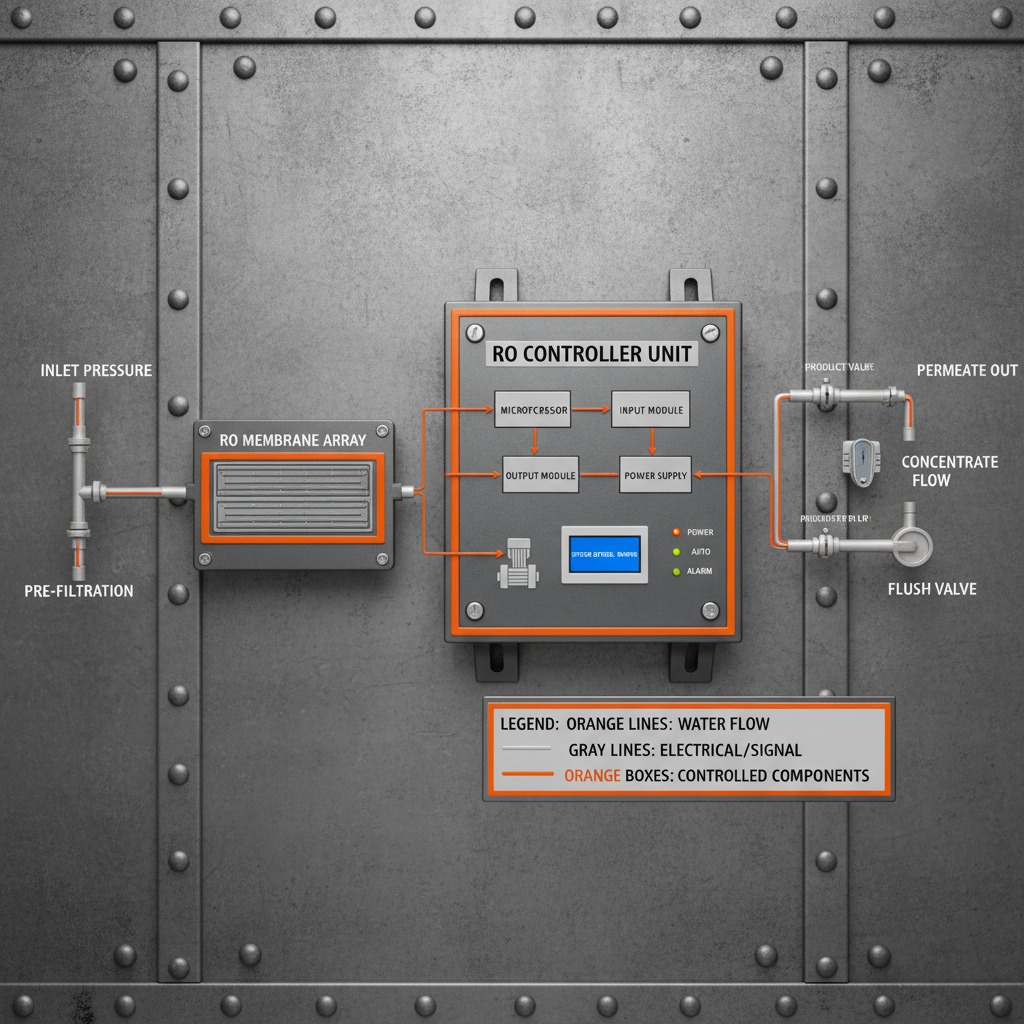
Guide to Choosing the Right RO Controller for Water PurificationMaintaining a high-performance reverse osmosis system requires more than just quality membranes; it demands precise regulation. An ro controller serves as the brain of the entire operation, monitoring critical parameters such as conductivity, temperature, and flow rates to ensure the output water meets stringent purity standards. Without an efficient controller, systems are prone to membrane fouling, inefficient energy use, and inconsistent water quality. In this comprehensive guide, we will explore how these devices optimize water treatment processes and how to select the best model for your specific industrial or commercial needs.
2026-04-09 03:25:47
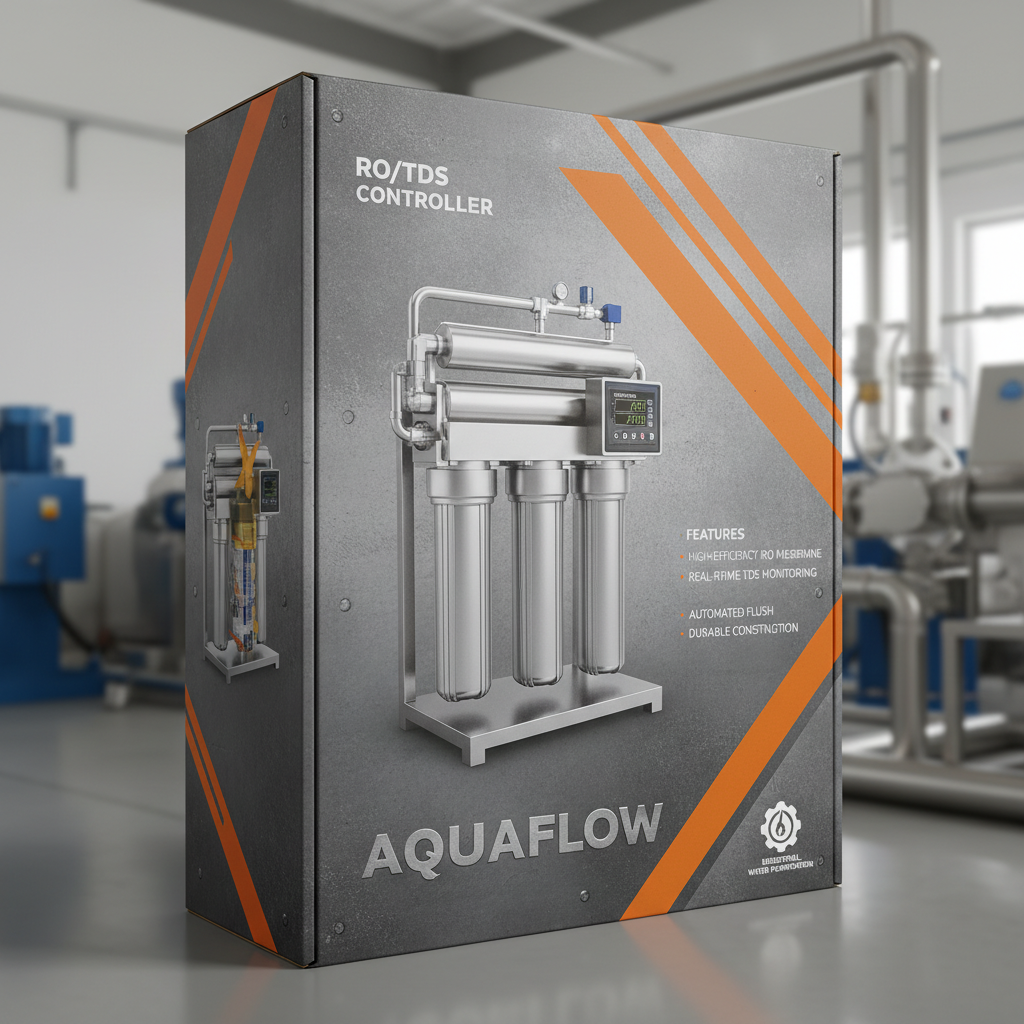
Guide to Water Purity Using RO with TDS Controller SystemsAchieving the perfect balance of mineral content and purity in drinking water is a challenge for many households and industrial facilities. A ro with tds controller offers a sophisticated solution by combining the rigorous filtration of Reverse Osmosis (RO) with the precision of a Total Dissolved Solids (TDS) adjustment system. While standard RO systems remove almost everything, including beneficial minerals, a TDS controller allows users to re-mineralize the water to a desired level. This ensures that the water is not only safe and pure but also tastes better and provides essential nutrients.
2026-04-07 03:17:09
Understanding and Optimizing Reverse Osmosis Systems with a ControllerIn the world of water purification, reverse osmosis (RO) systems are a cornerstone for producing high-quality water for various applications, from drinking water to industrial processes. However, an RO system is only as effective as its control system. This is where the reverse osmosis controller comes into play. This critical component manages and optimizes the RO process, ensuring efficient operation, water quality, and system longevity.
2026-04-04 03:27:19
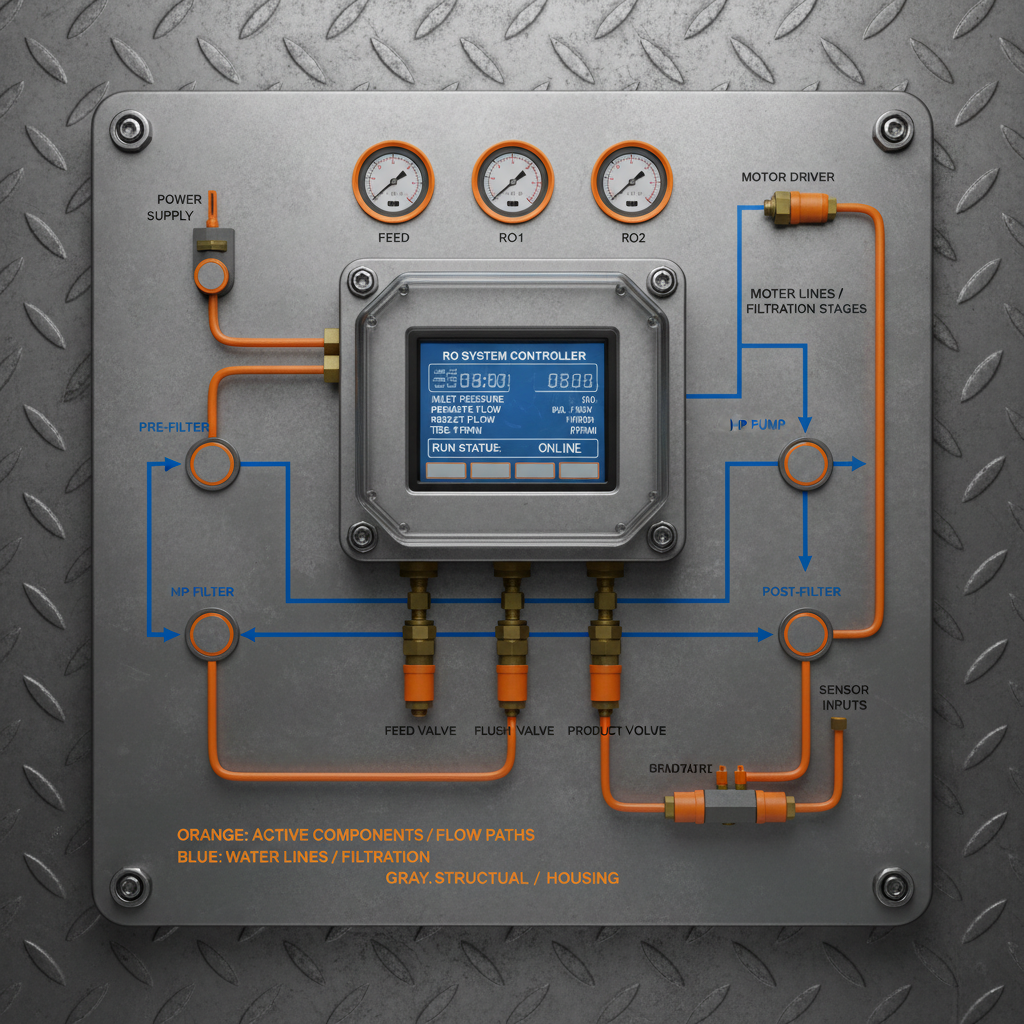
Understanding the Vital Role of an RO System Controller for Optimal PerformanceReverse Osmosis (RO) systems are critical for purifying water across various industries, from residential applications to large-scale industrial processes. At the heart of a well-functioning RO system lies the RO system controller. This intelligent device monitors and regulates all key parameters of the RO process, ensuring optimal performance, efficiency, and water quality. This article delves into the functionalities, benefits, and selection criteria for choosing the right RO system controller, particularly focusing on those offered by Watequipments. Understanding its role is crucial for maximizing the lifespan and effectiveness of your RO investment.
2026-03-24 17:18:24
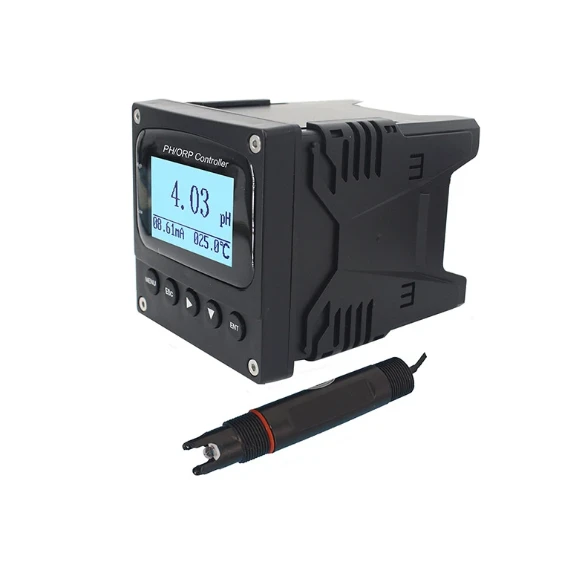
Smart Water Treatment Solutions Using PH ORP Controller SystemsIn modern water treatment and industrial fluid management, maintaining precise chemical balance is essential for safety, efficiency, and regulatory compliance.
2026-03-04 02:55:19
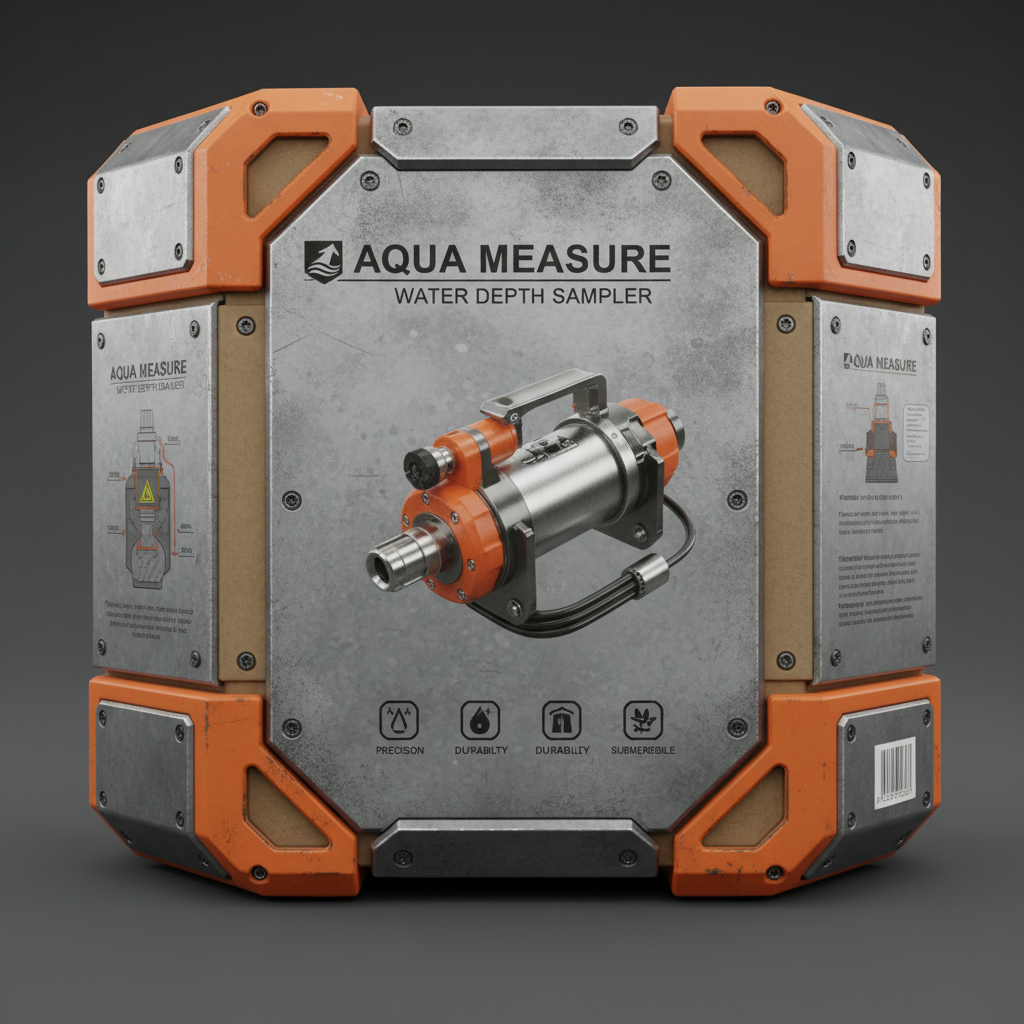
Comprehensive Guide to Water Depth Samplers and Their ApplicationsAccurate water quality monitoring is crucial in various fields, from environmental science and aquaculture to industrial wastewater management. A key tool for this is the water depth sampler. This article provides an in-depth look at water depth samplers, their applications, types, and essential considerations for choosing the right one for your needs. We'll explore the benefits of utilizing this equipment to collect reliable data for analysis and informed decision-making. Selecting the right sampler can significantly improve the precision and efficiency of your water monitoring program. A water depth sampler, also known as a depth-integrated sampler, is a device designed to collect water samples from specific depths within a body of water. Unlike simply dipping a container into the water, a depth sampler allows for collection of a representative sample across a defined depth range. This is critical because water properties (temperature, salinity, pollutants) often vary significantly with depth. The data gathered with a water depth sampler provides a more accurate assessment of water quality than surface samples alone.
2026-03-03 18:55:22
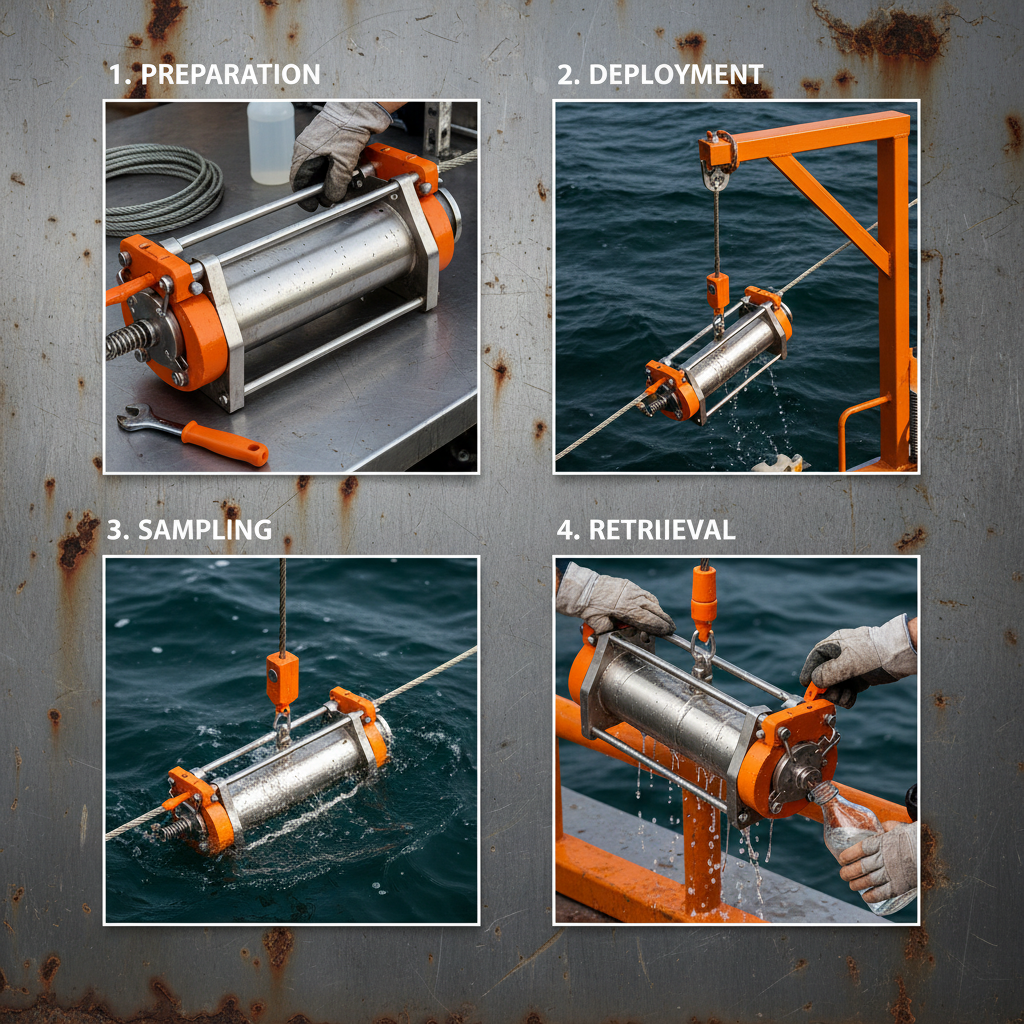
Comprehensive Guide to Horizontal Water Sampler Applications and SelectionCollecting water samples at varying depths is crucial for environmental monitoring, research, and quality control. The horizontal water sampler from Watequipment.com offers a precise and efficient solution for this task. This article provides an in-depth look at horizontal water samplers, their applications, benefits, and key considerations when choosing the right model. We will explore how these samplers contribute to accurate data collection and informed decision-making in various fields. A horizontal water sampler is a device designed to collect water samples from specific depths within a body of water – rivers, lakes, oceans, reservoirs, and even wastewater treatment plants. Unlike vertical samplers which primarily focus on depth, horizontal samplers prioritize collecting samples at a consistent depth while moving along a horizontal plane. This is essential for assessing water quality variations across a waterway or within a specific zone. They are used in applications ranging from environmental monitoring and scientific research to industrial process control and regulatory compliance.
2026-02-28 02:35:09
Comprehensive Guide to Selecting the Right Surface Water Sampler for Your NeedsMonitoring the quality of surface water is critical for environmental protection, public health, and various industrial applications. A surface water sampler is an essential tool for collecting representative samples from rivers, lakes, ponds, and other surface water sources. This article provides a detailed overview of surface water samplers, their types, applications, and key considerations for selecting the right equipment. Accurate water quality data relies on proper sample collection, and choosing the correct sampler is the first step toward achieving reliable results. Surface water samplers come in various designs, each suited to specific sampling needs. Common types include grab samplers, depth-integrating samplers, peristaltic pumps, and automatic samplers. Surface water samplers are used across a broad spectrum of applications, including environmental monitoring, wastewater discharge monitoring, drinking water source monitoring, agricultural runoff analysis, and research studies.

 English