


Comprehensive Guide to Chlorine Sensor Electrode – Measurement, Applications & Innovations

Comprehensive Guide to Chlorine Sensor Electrode – Measurement, Applications & Innovations
Dec . 02, 2025
Chlorine Sensor Electrode: An Essential Tool for Modern Water Quality Monitoring
In a world that increasingly depends on safe and clean water, understanding tools like the chlorine sensor electrode becomes more than just technical jargon—it’s a matter of health, safety, and sustainable progress. These sensors detect and measure chlorine levels in water, crucial to ensuring disinfection without harmful residues. With global demands for clean water rising sharply, especially in the face of industrial growth and climate change, knowing how chlorine sensor electrodes work and where they fit into the bigger picture makes all the difference.
Introduction: Global Importance of Chlorine Sensing in Water Treatment
Water treatment plants worldwide rely on precise chlorine monitoring to meet regulatory standards mandated by organizations like the World Health Organization (WHO) and the United Nations (UN). According to the UN’s Sustainable Development Goal 6, “Clean Water and Sanitation,” billions still lack access to safely managed water sources. Chlorine sensor electrodes are frontline devices in this effort, enabling operators to maintain safe disinfection levels while avoiding over-chlorination, which can produce harmful byproducts.
But here’s the catch — inconsistent chlorine levels in water can lead to microbial contamination or chemical exposure, which have direct health impacts globally. This challenge has pushed technological developments in chlorine sensing for industries ranging from municipal water treatment and food processing to swimming pools and hospitals.
What Exactly Is a Chlorine Sensor Electrode?
At its core, a chlorine sensor electrode is an electrochemical device that measures free chlorine concentration in liquids. Think of it as the “nose” of water quality analysis, detecting chlorine levels through a selective electrode that responds to chlorine’s oxidative properties, producing an electrical signal proportional to its concentration.
This sensor typically works alongside a reference electrode within an electrode assembly. It’s a classic example of modern instrumentation meeting everyday necessity. Without this, water treatment operators basically fly blind, risking either under-treatment (which risks pathogen survival) or over-treatment (which can cost money and health risks).
Key Components of Chlorine Sensor Electrodes
- Selective Membrane: This component selectively allows chlorine molecules to interact with the sensor, filtering out interfering substances. Material choice here impacts accuracy.
- Reference Electrode: Maintains a constant potential against which the chlorine response is measured, critical for stability.
- Electrode Housing: Durable materials, often corrosion-resistant plastics or stainless steel, allow long-term deployment—even in harsh chemical environments.
- Signal Transducer: Converts chemical interactions into electrical signals that can be interpreted by monitoring systems.
- Calibration Capability: Many sensors offer user-friendly calibration to match local water chemistry, improving reliability.
In real terms, combining these components results in a sensor that can reliably track chlorine with minimal drift over time—a must-have for continuous monitoring in water treatment plants.
Mini Takeaway:
The chlorine sensor electrode is a marvel of chemical and electrical engineering, designed to give operators trustworthy, real-time data on chlorine levels critical for safe water.
Chlorine Sensor Electrode Product Specifications
| Feature | Specification |
|---|---|
| Measurement Range | 0.01 – 10 mg/L (ppm) free chlorine |
| Response Time | Less than 30 seconds |
| Operating Temp. | 0°C to 60°C |
| Sensor Material | Silver/Silver Chloride (Ag/AgCl) electrode |
| Lifespan | 12–18 months continuous use |
| Calibration Type | Manual or automatic, using standard chlorine solutions |
Global Applications and Use Cases
Chlorine sensor electrodes find themselves deployed in quite a few diverse settings worldwide. Municipal water treatment plants in Europe and North America rely heavily on them to meet increasingly strict quality standards. In fact, ISO 7393 delineates guidelines for chlorine measurement methods, reflecting their regulatory importance.
In developing countries, especially in regions like Sub-Saharan Africa and parts of Asia, portable chlorine electrodes help NGOs ensure safe water during emergency humanitarian relief efforts. In post-disaster scenarios where infrastructure is compromised, sensors ensure chlorination levels remain effective to curb waterborne diseases.
Oddly enough, industries as varied as food and beverage processing, pharmaceutical manufacturing, and swimming pool maintenance all depend on reliable chlorine measurement for safety and compliance. Even aquaculture farms use chlorine electrodes to monitor water health daily.
Mini Takeaway:
The chlorine sensor electrode is versatile, crossing sectors and borders, playing a critical role wherever water safety is non-negotiable.
Vendor Comparison of Popular Chlorine Sensor Electrodes
| Vendor | Accuracy | Price Range | Durability | Calibration Type |
|---|---|---|---|---|
| Sensotech | ±0.02 mg/L | $$$ | High, IP68 rated | Automatic |
| AquaSense | ±0.05 mg/L | $$ | Medium, splash-proof | Manual |
| PureClor | ±0.03 mg/L | $$$ | High, corrosion-resistant | Automatic |
Advantages and Long-Term Value
The benefits of using a chlorine sensor electrode extend beyond just accuracy in measurement. For one, precise chlorine control improves public health outcomes by minimizing microbial contamination risks. It also contributes to cost savings: fewer chemicals wasted, less regulatory risk, and less equipment corrosion.
There’s also the often overlooked emotional aspect—trust. Water consumers need to have confidence their water is safe. Chlorine electrodes help water providers build that trust, supporting a sense of safety and dignity.
From a sustainability viewpoint, optimizing chlorine dosing reduces environmental impact by minimizing disinfection byproducts, some of which are considered hazardous pollutants under regulations like the U.S. EPA’s Safe Drinking Water Act.
Emerging Trends and Innovations
In the era of digital transformation, chlorine sensor electrodes are becoming smarter and more connected. Wireless sensors integrated into Internet of Things (IoT) frameworks enable real-time remote monitoring, allowing operators to react instantly to changes. Some devices now incorporate advanced materials—like nanostructured electrodes—to boost sensitivity and longevity.
There’s also a growing trend toward eco-friendly sensor materials and self-cleaning surfaces, reducing maintenance downtime and chemical use. Governments and industries are pushing for greener water treatment solutions, so expect chlorine sensing to evolve alongside these sustainability goals.
Challenges & Solutions in Chlorine Electrode Deployment
Despite their advantages, chlorine sensor electrodes can face difficulties such as electrode fouling, calibration drift, and interference from other chemicals (e.g., chloramines). Proper maintenance schedules, selecting the right sensor for specific water chemistry, and automated calibration routines help address these issues.
Innovatively, some companies are developing hybrid sensors combining chlorine measurement with pH or oxidation-reduction potential (ORP) to provide holistic water quality data, cutting down on equipment and complexity.
Frequently Asked Questions About Chlorine Sensor Electrodes
- How often should I calibrate a chlorine sensor electrode?
Calibration is typically recommended every 1-4 weeks, depending on sensor use intensity and water quality to maintain accuracy. - Can chlorine sensor electrodes measure total chlorine or just free chlorine?
Most common electrodes measure free chlorine; however, specialized variants exist to measure total chlorine including chloramines. - What’s the main difference between amperometric and potentiometric chlorine electrodes?
Amperometric sensors measure current generated by chlorine reaction (higher sensitivity), while potentiometric sensors measure voltage differences (simpler setup). - Are chlorine sensor electrodes compatible with remote monitoring systems?
Yes, many modern chlorine sensors support digital outputs (like 4-20 mA or Modbus) compatible with SCADA or IoT platforms.
Conclusion & Call to Action
Ultimately, mastering the use of chlorine sensor electrodes is vital for any stakeholder in water safety and quality management. They provide reliable, fast, and cost-effective chlorine monitoring solutions that support both human health and environmental stewardship over the long haul. If you want to dive deeper into how these sensors can enhance your water systems, I recommend visiting our website for comprehensive solutions and expert advice.
In the grand scheme, while chlorine sensors might sound technical and niche, their impact literally flows through every glass of water we drink.
Simple, smart, essential — the chlorine sensor electrode quietly keeps the water safe.
References:

Related Products
Related News
2026-04-16 03:20:19
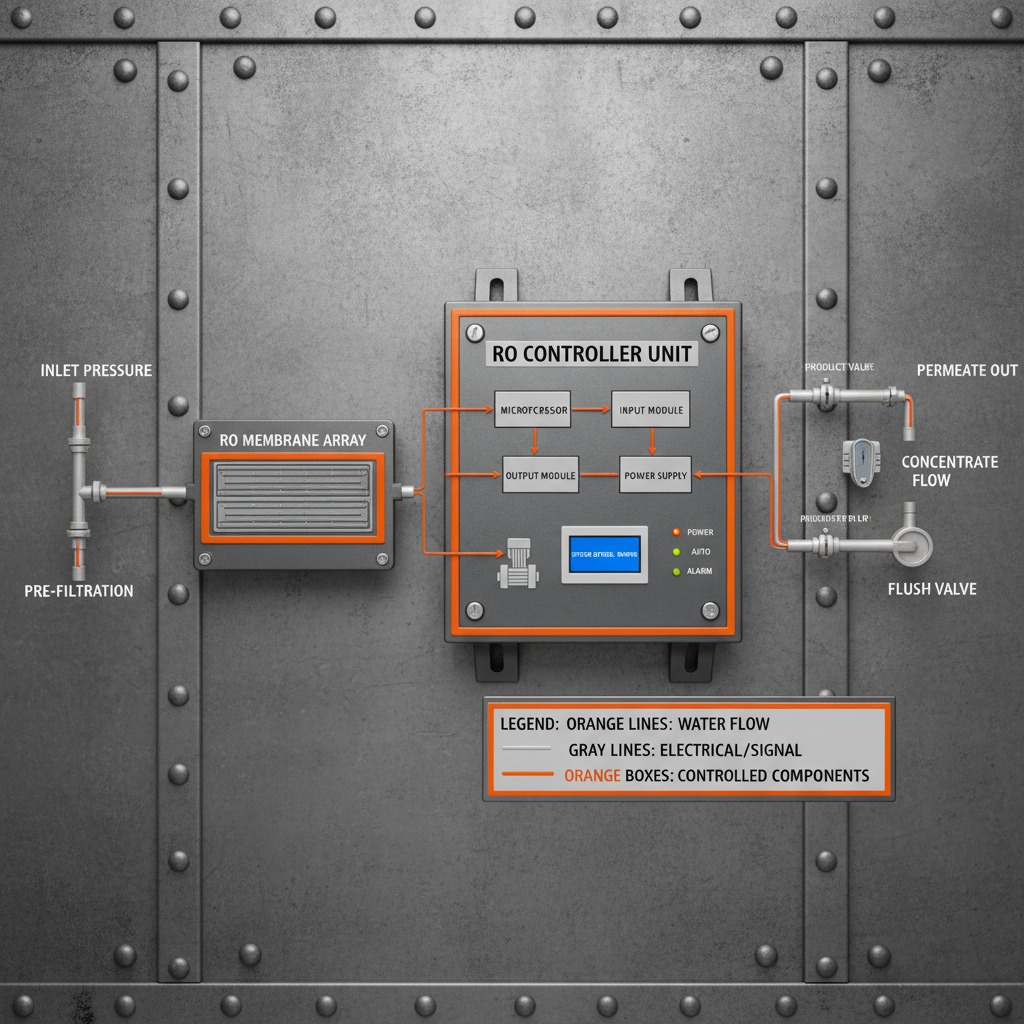
Guide to Choosing the Right RO Controller for Water PurificationMaintaining a high-performance reverse osmosis system requires more than just quality membranes; it demands precise regulation. An ro controller serves as the brain of the entire operation, monitoring critical parameters such as conductivity, temperature, and flow rates to ensure the output water meets stringent purity standards. Without an efficient controller, systems are prone to membrane fouling, inefficient energy use, and inconsistent water quality. In this comprehensive guide, we will explore how these devices optimize water treatment processes and how to select the best model for your specific industrial or commercial needs.
2026-04-09 03:25:47
Guide to Water Purity Using RO with TDS Controller SystemsAchieving the perfect balance of mineral content and purity in drinking water is a challenge for many households and industrial facilities. A ro with tds controller offers a sophisticated solution by combining the rigorous filtration of Reverse Osmosis (RO) with the precision of a Total Dissolved Solids (TDS) adjustment system. While standard RO systems remove almost everything, including beneficial minerals, a TDS controller allows users to re-mineralize the water to a desired level. This ensures that the water is not only safe and pure but also tastes better and provides essential nutrients.
2026-04-07 03:17:09
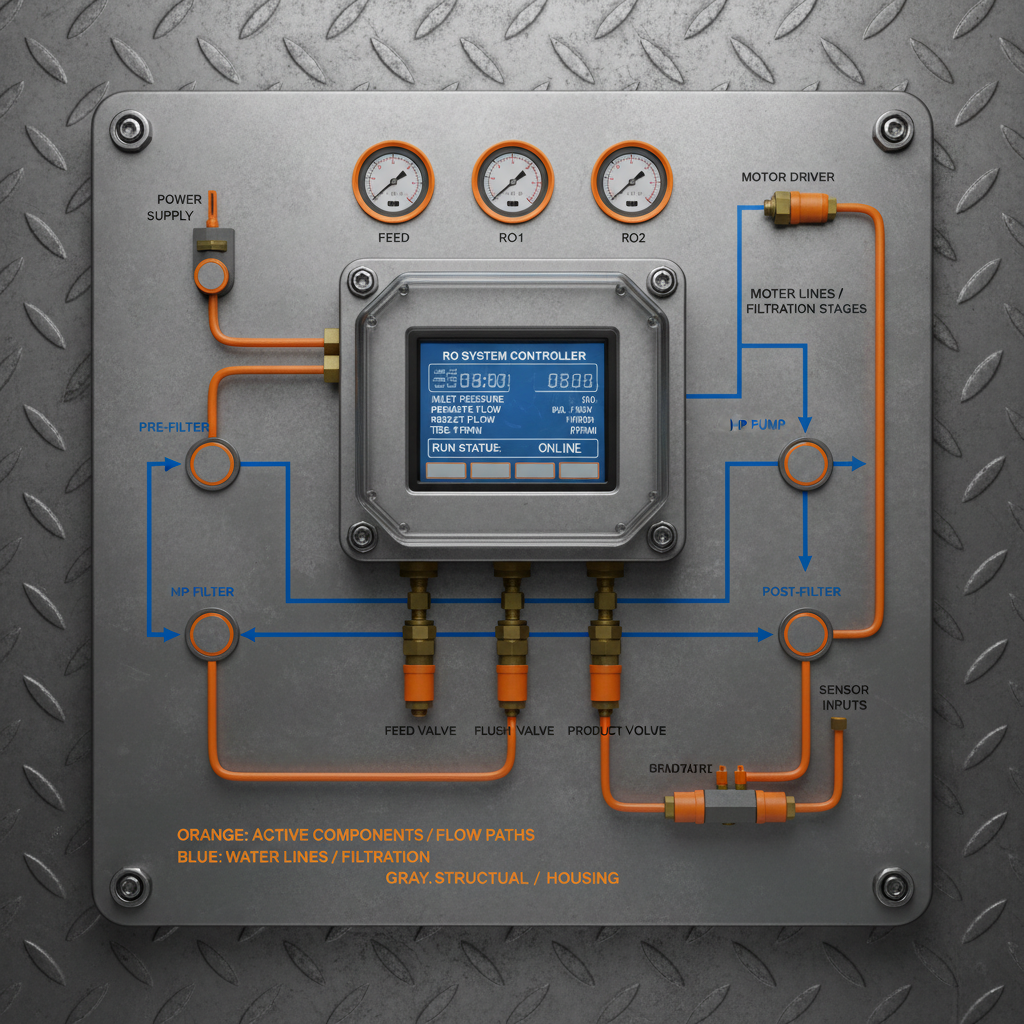
Understanding and Optimizing Reverse Osmosis Systems with a ControllerIn the world of water purification, reverse osmosis (RO) systems are a cornerstone for producing high-quality water for various applications, from drinking water to industrial processes. However, an RO system is only as effective as its control system. This is where the reverse osmosis controller comes into play. This critical component manages and optimizes the RO process, ensuring efficient operation, water quality, and system longevity.
2026-04-04 03:27:19
Understanding the Vital Role of an RO System Controller for Optimal PerformanceReverse Osmosis (RO) systems are critical for purifying water across various industries, from residential applications to large-scale industrial processes. At the heart of a well-functioning RO system lies the RO system controller. This intelligent device monitors and regulates all key parameters of the RO process, ensuring optimal performance, efficiency, and water quality. This article delves into the functionalities, benefits, and selection criteria for choosing the right RO system controller, particularly focusing on those offered by Watequipments. Understanding its role is crucial for maximizing the lifespan and effectiveness of your RO investment.
2026-03-24 17:18:24
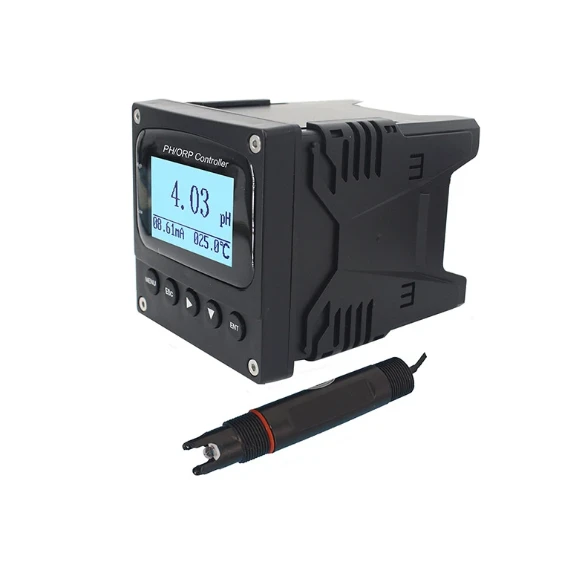
Smart Water Treatment Solutions Using PH ORP Controller SystemsIn modern water treatment and industrial fluid management, maintaining precise chemical balance is essential for safety, efficiency, and regulatory compliance.
2026-03-04 02:55:19
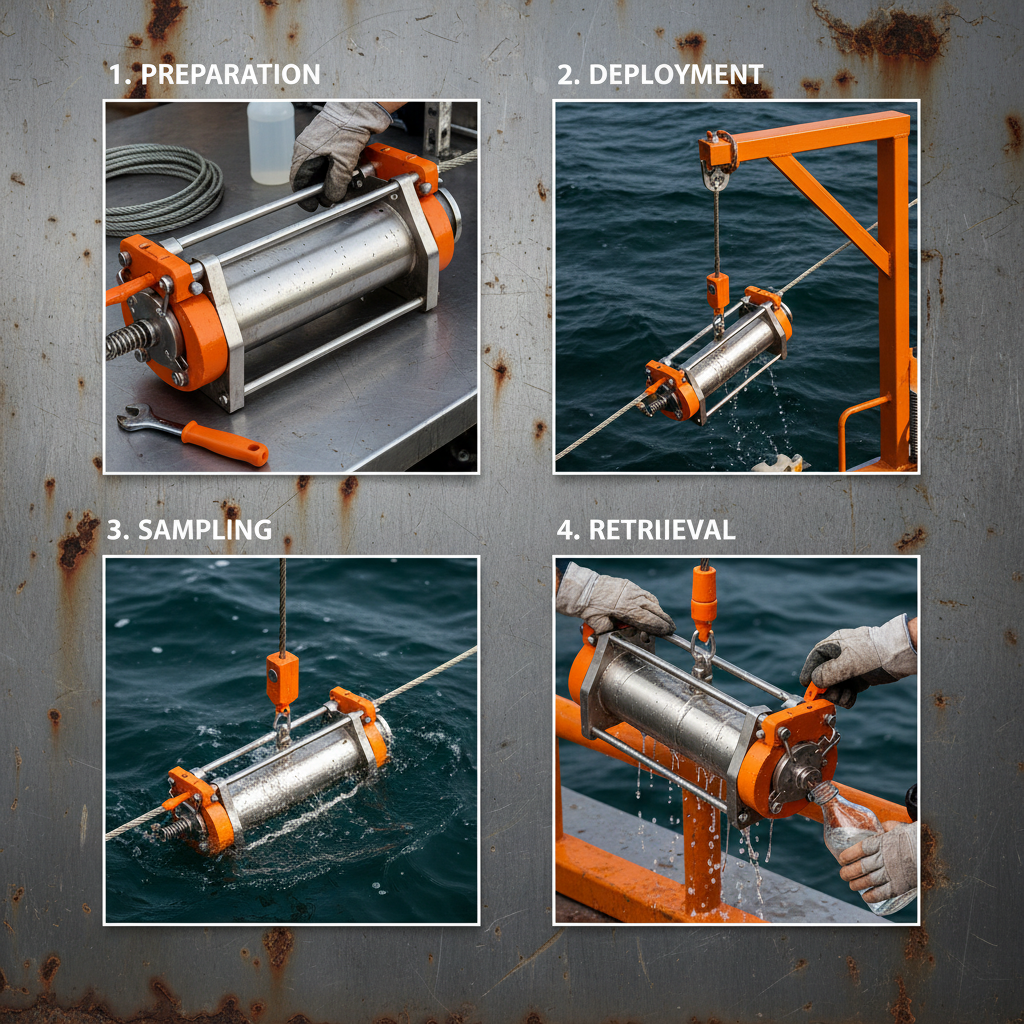
Comprehensive Guide to Water Depth Samplers and Their ApplicationsAccurate water quality monitoring is crucial in various fields, from environmental science and aquaculture to industrial wastewater management. A key tool for this is the water depth sampler. This article provides an in-depth look at water depth samplers, their applications, types, and essential considerations for choosing the right one for your needs. We'll explore the benefits of utilizing this equipment to collect reliable data for analysis and informed decision-making. Selecting the right sampler can significantly improve the precision and efficiency of your water monitoring program. A water depth sampler, also known as a depth-integrated sampler, is a device designed to collect water samples from specific depths within a body of water. Unlike simply dipping a container into the water, a depth sampler allows for collection of a representative sample across a defined depth range. This is critical because water properties (temperature, salinity, pollutants) often vary significantly with depth. The data gathered with a water depth sampler provides a more accurate assessment of water quality than surface samples alone.
2026-03-03 18:55:22
Comprehensive Guide to Horizontal Water Sampler Applications and SelectionCollecting water samples at varying depths is crucial for environmental monitoring, research, and quality control. The horizontal water sampler from Watequipment.com offers a precise and efficient solution for this task. This article provides an in-depth look at horizontal water samplers, their applications, benefits, and key considerations when choosing the right model. We will explore how these samplers contribute to accurate data collection and informed decision-making in various fields. A horizontal water sampler is a device designed to collect water samples from specific depths within a body of water – rivers, lakes, oceans, reservoirs, and even wastewater treatment plants. Unlike vertical samplers which primarily focus on depth, horizontal samplers prioritize collecting samples at a consistent depth while moving along a horizontal plane. This is essential for assessing water quality variations across a waterway or within a specific zone. They are used in applications ranging from environmental monitoring and scientific research to industrial process control and regulatory compliance.
2026-02-28 02:35:09
Comprehensive Guide to Selecting the Right Surface Water Sampler for Your NeedsMonitoring the quality of surface water is critical for environmental protection, public health, and various industrial applications. A surface water sampler is an essential tool for collecting representative samples from rivers, lakes, ponds, and other surface water sources. This article provides a detailed overview of surface water samplers, their types, applications, and key considerations for selecting the right equipment. Accurate water quality data relies on proper sample collection, and choosing the correct sampler is the first step toward achieving reliable results. Surface water samplers come in various designs, each suited to specific sampling needs. Common types include grab samplers, depth-integrating samplers, peristaltic pumps, and automatic samplers. Surface water samplers are used across a broad spectrum of applications, including environmental monitoring, wastewater discharge monitoring, drinking water source monitoring, agricultural runoff analysis, and research studies.

 English