


Comprehensive Guide to Free Chlorine Monitoring Systems: Global Applications & Innovations

Comprehensive Guide to Free Chlorine Monitoring Systems: Global Applications & Innovations
Dec . 02, 2025
Understanding the Free Chlorine Monitoring System: Why It Matters Today
In our interconnected world, clean water is not just a luxury—it's a necessity. A free chlorine monitoring system plays a vital role in ensuring the safety and quality of drinking water, swimming pools, water treatment plants, and even industrial processes. But what exactly is it, and why has it become a cornerstone in global water safety efforts? As you might expect, monitoring free chlorine isn't just about chemistry; it's about health, economics, and even social stability worldwide.
Globally, millions rely on treated water every day, and organizations like the World Health Organization (WHO) estimate that waterborne diseases still cause substantial health issues, especially in developing regions. Free chlorine monitoring systems help safeguard against these threats by ensuring disinfection levels are within safe, effective ranges. This technology is, quite frankly, a silent guardian of public health.
The Global Relevance of Monitoring Free Chlorine
Water sanitation is identified by the United Nations as one of the key targets within Sustainable Development Goal 6 (Clean Water and Sanitation). According to ISO standards, maintaining chlorine residuals in potable water is critical for controlling microbial hazards. The challenge? Balancing sufficient disinfection without creating harmful by-products.
Free chlorine monitoring systems respond to this problem by providing real-time, accurate data on chlorine levels. This capability is particularly crucial in water plants serving large populations or industrial zones using recycled water where contamination risks may spike unexpectedly.
Mini Takeaway: Free chlorine monitoring is a globally significant issue, underpinning efforts to provide safe, health-compliant water that meets ISO and WHO guidelines.
What Exactly Is a Free Chlorine Monitoring System?
Simply put, a free chlorine monitoring system is a setup—usually involving sensors, probes, and controllers—that continuously measures the amount of free chlorine in a water source. 'Free chlorine' refers to the chlorine available for disinfection: mainly hypochlorous acid and hypochlorite ions. Unlike combined chlorine, free chlorine actively kills pathogens.
In practical terms, these systems allow operators to adjust dosing precisely, avoiding the risks of under or overdosing. This is critical in municipal water treatment plants, swimming pool management, and even food processing industries that demand high hygiene standards.
Mini Takeaway: Free chlorine monitors help keep disinfection safe and effective across various industries by accurately measuring chlorine levels to support public health.
Key Components & Practical Considerations
Durability and Material Compatibility
These systems often operate 24/7 in harsh or variable environments. Components like sensors need corrosion-resistant materials such as titanium or specialized polymers to withstand chlorine’s oxidative nature. A sturdy device reduces maintenance and downtime—always a win.
Scalability and Integration
From small community water projects to large municipal plants, free chlorine monitoring systems must scale and integrate with existing SCADA or automation networks. Flexibility in communication protocols and modular design make this possible.
Cost-Efficiency and Maintenance
The ongoing cost of sensors and reagents, plus calibration needs, factor heavily into system choice. Newer technologies aim to reduce consumable usage and extend sensor life, which frankly improves ROI and environmental burden.
Accuracy and Sensitivity
Chlorine levels fluctuate rapidly. Precision in detecting even slight shifts means safer water and less chemical waste. Optical sensors have become popular alternatives due to their high specificity and lower drift.
User-Friendly Interfaces
Operators appreciate clear displays, alarms, and remote monitoring capabilities. It’s kinda like having eyes on the water 24/7 without being there physically.
| Specification | Typical Range/Feature |
|---|---|
| Measurement Range | 0.01 to 5.0 mg/L |
| Sensor Type | Amperometric or Optical |
| Response Time | < 60 seconds |
| Operating Temp. | 0 to 50 °C |
| Communication | Modbus, 4-20 mA, Ethernet |
Global Applications & Real-World Use Cases
It’s fascinating how these systems crop up all over the world in surprisingly diverse ways:
- Municipal water treatment: Cities like Singapore or Berlin employ them as part of continuous water quality assurance protocols.
- Post-disaster relief: Organizations use portable free chlorine monitoring devices to rapidly secure water safety after floods or hurricanes.
- Industrial applications: Food and beverage manufacturers rely on them for hygiene compliance and efficient sanitation.
- Swimming pools and spas: Automatic dosing controls use monitoring data to maintain optimum chlorine levels and user safety.
- Remote communities: Solar-powered monitoring stations paired with IoT tech enable off-grid water safety management in regions of Africa or South America.
Mini Takeaway: Free chlorine monitoring systems have proven their worth in diverse scenarios, from urban infrastructure to humanitarian emergencies.
Advantages and Long-Term Value of Monitoring Free Chlorine
On the surface, using a free chlorine monitoring system means safer water and less guesswork. But, honestly, the impact goes deeper:
- Cost Savings: Avoiding too much chlorine cuts chemical expenses and reduces the formation of harmful by-products, which can be costly to remediate.
- Sustainability: Accurate dosing means less environmental discharge of excess chlorine.
- Health & Safety: Prevents outbreaks of diseases like cholera or giardiasis—data from the WHO clearly links proper disinfection with reduced illness.
- Trust & Compliance: Real-time monitoring backs up regulatory reports, fostering trust between utilities and consumers.
So, you see, it’s not just about chlorine — it’s about dignity and innovation in how societies manage a resource that’s fundamental to life.
Future Trends & Innovations
In recent years, advances have pushed free chlorine monitoring beyond traditional amperometric sensors. A few directions worth noting:
- Digital Remote Monitoring: IoT-enabled systems provide analytics dashboards accessible anywhere, cutting staff time and empowering predictive maintenance.
- Green Energy Integration: Solar-powered units for off-grid setups are becoming more common, addressing energy sustainability concerns in rural deployment.
- Improved Sensor Materials: Research is ongoing into graphene-based sensors that might offer superior accuracy and longevity.
- Automated Chlorine Dosing: Coupling sensitive monitors with automated dosing valves creates self-regulating systems that optimize water safety autonomously.
Challenges and How Experts Are Tackling Them
Despite clear benefits, challenges persist.
- Sensor Fouling: Biofilm and particulate matter accumulation can skew readings. Innovations like self-cleaning sensors or easy-to-replace sensor heads help mitigate this.
- Calibration Needs: Regular calibration is a pain point. Remote calibration and better factory calibration methods lighten this burden.
- Cost Barriers: Small communities sometimes find upfront costs steep. Some vendors offer leasing or pay-as-you-go models, easing access.
Frankly, ongoing collaboration between manufacturers, public agencies, and researchers is the key to overcoming these.
Vendor Comparison: Popular Free Chlorine Monitoring Systems
| Vendor | Sensor Type | Features | Price Range | Best For |
|---|---|---|---|---|
| Hach CL17 | Amperometric | Robust, easy calibration, digital outputs | $$$ | Municipal & industrial |
| Endress+Hauser CLS50 | Optical | High sensitivity, minimal maintenance | $$$$ | High-precision industrial |
| YSI Free Chlorine Monitor | Amperometric | Portable, easy to use, battery-powered | $ | Field testing, emergencies |
FAQ: Your Top Questions on Free Chlorine Monitoring Systems
- Q1: How often should I calibrate my free chlorine monitor?
- Calibration frequency depends on sensor type and usage but generally ranges from weekly to monthly. Manufacturers provide guidelines; always follow those for best accuracy.
- Q2: Can free chlorine monitors detect combined chlorine?
- Most free chlorine monitors specifically measure only free chlorine. To assess total chlorine, separate tests or combined sensors are required.
- Q3: Are there portable free chlorine monitoring systems?
- Yes, several vendors offer handheld or portable units ideal for fieldwork, post-disaster situations, or remote monitoring.
- Q4: What maintenance tasks are typically required?
- Regular cleaning to avoid fouling, sensor calibration, and occasional replacement of consumable parts keep the system reliable.
In Conclusion: Why Free Chlorine Monitoring Systems Matter for the Future
To sum it up, free chlorine monitoring systems are more than just gadgets; they're a lifeline that bridges technology and public health protection. They empower water managers to deliver clean, safe water consistently while helping preserve environmental resources and reduce costs.
If you want to ensure your water system stays ahead of health risks and regulatory demands, consider implementing or upgrading your free chlorine monitoring system. The long-term benefits—both financial and humanitarian—are well worth it.
Stay curious, stay safe.
Quick reflection: It’s good to remember that while technology evolves, the core mission remains simple: protect people through reliable water quality. As systems improve, so does the quality of life worldwide.
- World Health Organization, Water Sanitation and Health: https://www.who.int/water_sanitation_health
- United Nations Sustainable Development Goals, Goal 6: https://sdgs.un.org/goals/goal6
- ISO 7393-2: Water quality — Determination of active chlorine — Part 2: Electrochemical method

Related Products
Related News

2026-04-16 03:20:19
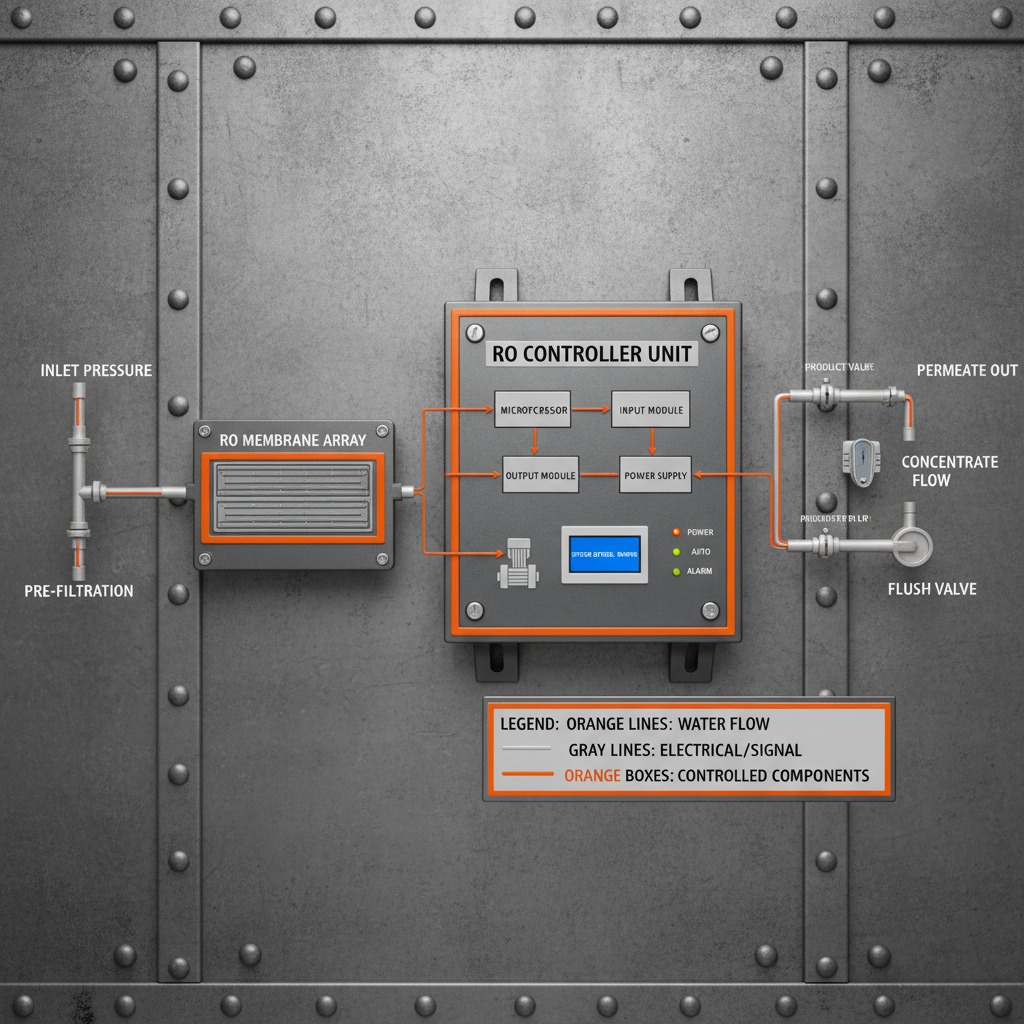
Guide to Choosing the Right RO Controller for Water PurificationMaintaining a high-performance reverse osmosis system requires more than just quality membranes; it demands precise regulation. An ro controller serves as the brain of the entire operation, monitoring critical parameters such as conductivity, temperature, and flow rates to ensure the output water meets stringent purity standards. Without an efficient controller, systems are prone to membrane fouling, inefficient energy use, and inconsistent water quality. In this comprehensive guide, we will explore how these devices optimize water treatment processes and how to select the best model for your specific industrial or commercial needs.
2026-04-09 03:25:47
Guide to Water Purity Using RO with TDS Controller SystemsAchieving the perfect balance of mineral content and purity in drinking water is a challenge for many households and industrial facilities. A ro with tds controller offers a sophisticated solution by combining the rigorous filtration of Reverse Osmosis (RO) with the precision of a Total Dissolved Solids (TDS) adjustment system. While standard RO systems remove almost everything, including beneficial minerals, a TDS controller allows users to re-mineralize the water to a desired level. This ensures that the water is not only safe and pure but also tastes better and provides essential nutrients.
2026-04-07 03:17:09
Understanding and Optimizing Reverse Osmosis Systems with a ControllerIn the world of water purification, reverse osmosis (RO) systems are a cornerstone for producing high-quality water for various applications, from drinking water to industrial processes. However, an RO system is only as effective as its control system. This is where the reverse osmosis controller comes into play. This critical component manages and optimizes the RO process, ensuring efficient operation, water quality, and system longevity.
2026-04-04 03:27:19
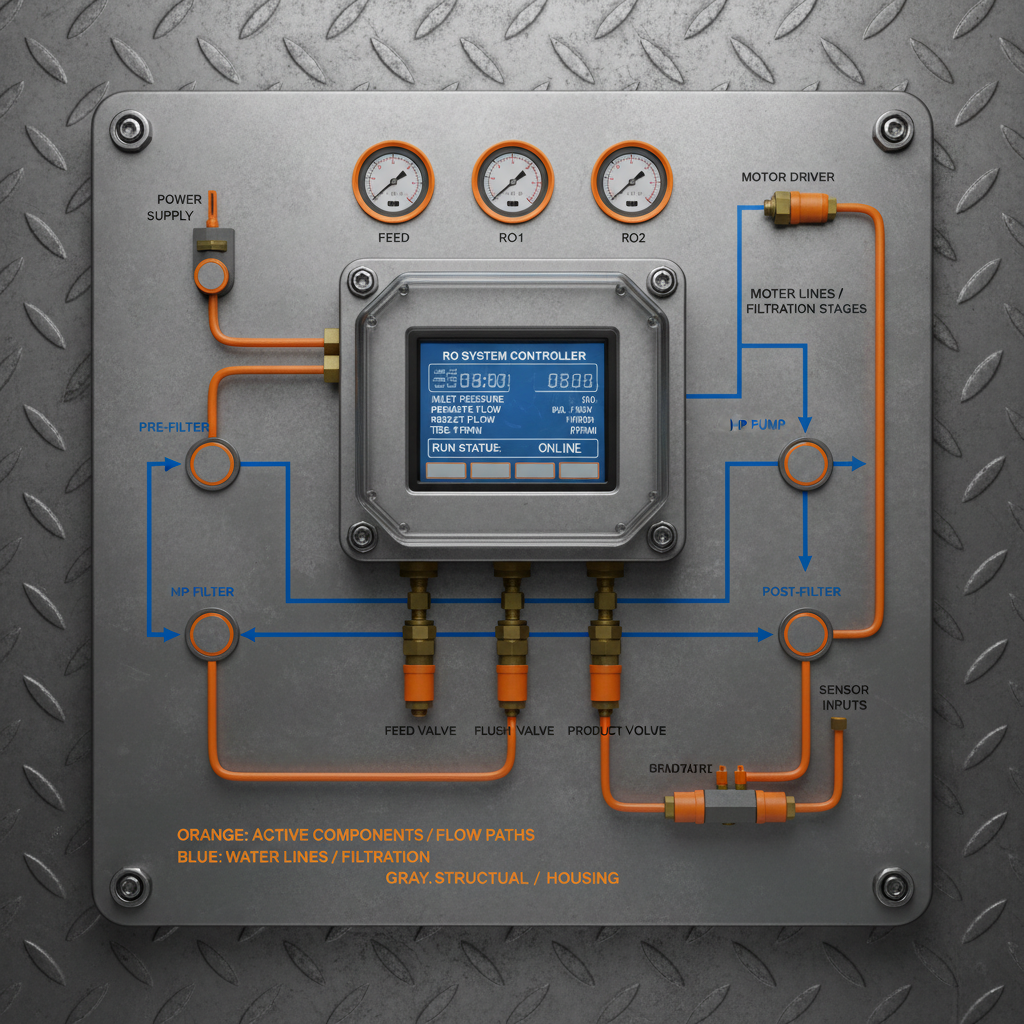
Understanding the Vital Role of an RO System Controller for Optimal PerformanceReverse Osmosis (RO) systems are critical for purifying water across various industries, from residential applications to large-scale industrial processes. At the heart of a well-functioning RO system lies the RO system controller. This intelligent device monitors and regulates all key parameters of the RO process, ensuring optimal performance, efficiency, and water quality. This article delves into the functionalities, benefits, and selection criteria for choosing the right RO system controller, particularly focusing on those offered by Watequipments. Understanding its role is crucial for maximizing the lifespan and effectiveness of your RO investment.
2026-03-24 17:18:24
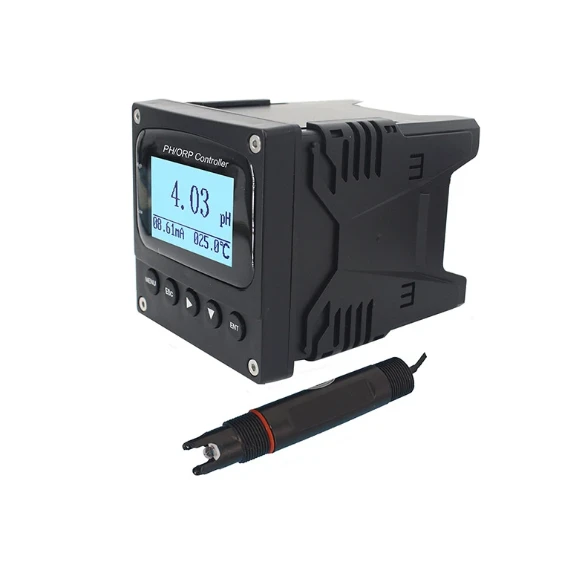
Smart Water Treatment Solutions Using PH ORP Controller SystemsIn modern water treatment and industrial fluid management, maintaining precise chemical balance is essential for safety, efficiency, and regulatory compliance.
2026-03-04 02:55:19
Comprehensive Guide to Water Depth Samplers and Their ApplicationsAccurate water quality monitoring is crucial in various fields, from environmental science and aquaculture to industrial wastewater management. A key tool for this is the water depth sampler. This article provides an in-depth look at water depth samplers, their applications, types, and essential considerations for choosing the right one for your needs. We'll explore the benefits of utilizing this equipment to collect reliable data for analysis and informed decision-making. Selecting the right sampler can significantly improve the precision and efficiency of your water monitoring program. A water depth sampler, also known as a depth-integrated sampler, is a device designed to collect water samples from specific depths within a body of water. Unlike simply dipping a container into the water, a depth sampler allows for collection of a representative sample across a defined depth range. This is critical because water properties (temperature, salinity, pollutants) often vary significantly with depth. The data gathered with a water depth sampler provides a more accurate assessment of water quality than surface samples alone.
2026-03-03 18:55:22
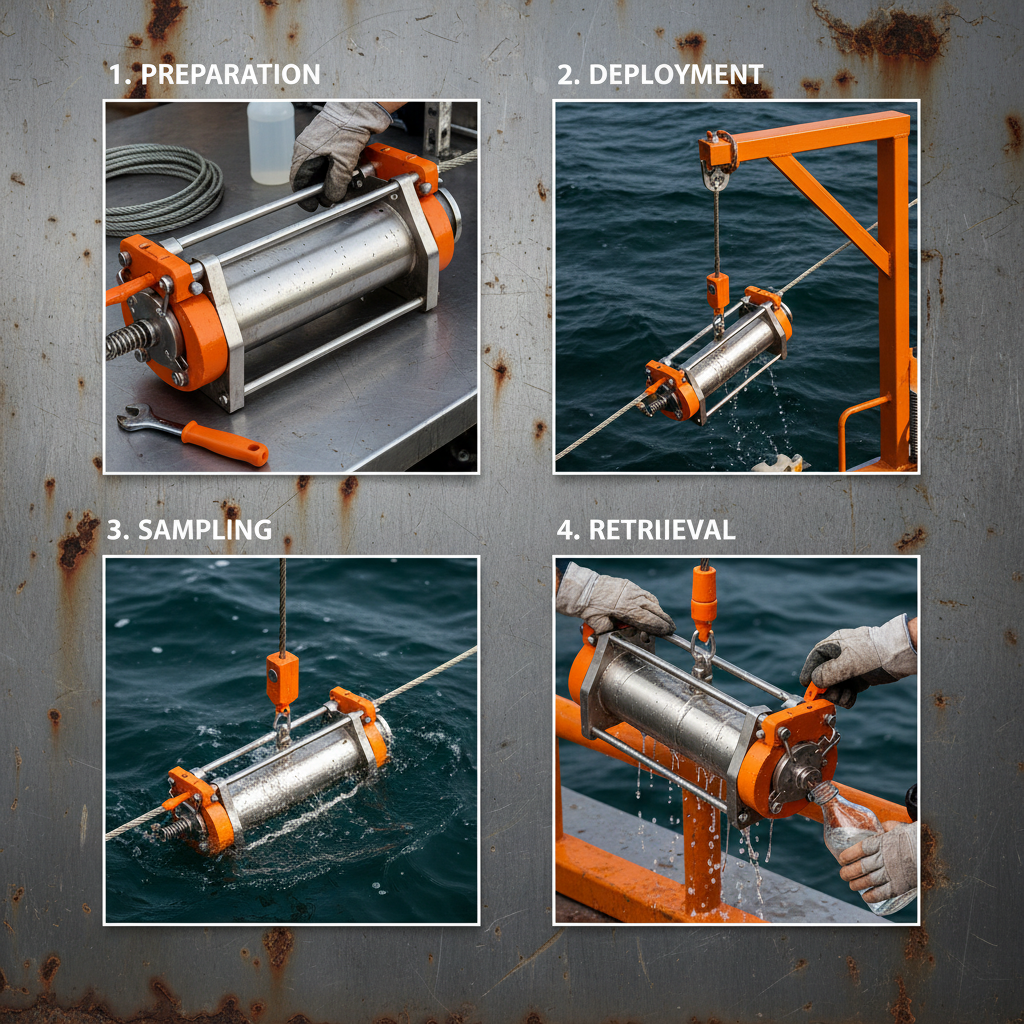
Comprehensive Guide to Horizontal Water Sampler Applications and SelectionCollecting water samples at varying depths is crucial for environmental monitoring, research, and quality control. The horizontal water sampler from Watequipment.com offers a precise and efficient solution for this task. This article provides an in-depth look at horizontal water samplers, their applications, benefits, and key considerations when choosing the right model. We will explore how these samplers contribute to accurate data collection and informed decision-making in various fields. A horizontal water sampler is a device designed to collect water samples from specific depths within a body of water – rivers, lakes, oceans, reservoirs, and even wastewater treatment plants. Unlike vertical samplers which primarily focus on depth, horizontal samplers prioritize collecting samples at a consistent depth while moving along a horizontal plane. This is essential for assessing water quality variations across a waterway or within a specific zone. They are used in applications ranging from environmental monitoring and scientific research to industrial process control and regulatory compliance.
2026-02-28 02:35:09
Comprehensive Guide to Selecting the Right Surface Water Sampler for Your NeedsMonitoring the quality of surface water is critical for environmental protection, public health, and various industrial applications. A surface water sampler is an essential tool for collecting representative samples from rivers, lakes, ponds, and other surface water sources. This article provides a detailed overview of surface water samplers, their types, applications, and key considerations for selecting the right equipment. Accurate water quality data relies on proper sample collection, and choosing the correct sampler is the first step toward achieving reliable results. Surface water samplers come in various designs, each suited to specific sampling needs. Common types include grab samplers, depth-integrating samplers, peristaltic pumps, and automatic samplers. Surface water samplers are used across a broad spectrum of applications, including environmental monitoring, wastewater discharge monitoring, drinking water source monitoring, agricultural runoff analysis, and research studies.

 English