


Comprehensive Guide to Digital Chlorine Tester for Drinking Water: Benefits & Applications

Comprehensive Guide to Digital Chlorine Tester for Drinking Water: Benefits & Applications
Dec . 02, 2025
Understanding the Digital Chlorine Tester for Drinking Water: Why It Matters
Water—clean, safe drinking water—is something we often take for granted, but globally, billions still face uncertain water quality daily. One of the key threats to safe drinking water is the precise control of chlorine levels, widely used to disinfect. Enter the digital chlorine tester for drinking water. This seemingly simple tool is a game changer for ensuring safety, compliance, and operational efficiency worldwide.
Why does this matter so much? Chlorine must be balanced—not too low to fail disinfecting, but not so high as to create harmful by-products or an unpleasant taste. In many parts of the world, including developing regions and disaster-stricken areas, rapid, reliable chlorine testing can literally save lives by preventing waterborne illness outbreaks. Even in industrialized countries, municipal water facilities rely on these devices to meet stringent regulations (think ISO 7393-2, for instance).
Understanding and adopting digital chlorine testers can enhance public health, reduce maintenance costs, and boost confidence in water safety. So, let’s dive into what these devices really are, how they tick, and why they're critical in today's water treatment landscape.
Introduction: Global Context of Digital Chlorine Testers
The United Nations reports that nearly 2 billion people lack access to safely managed drinking water services (UN-Water, 2023). Chlorine disinfection remains one of the most cost-effective treatments globally, yet measuring free chlorine residual accurately has long been a challenge.
This is where digital chlorine testers shine. Unlike traditional colorimetric (visual) methods, these devices provide rapid, precise, and often automated readings, reducing human error and ensuring compliance with standards such as EPA methods and ISO norms.
For water utilities, NGOs, disaster relief agencies, and even private well owners, the challenge is consistent: how to verify chlorine levels onsite, efficiently, reliably, and affordably. Digital testers directly address this need, accelerating response time and preventing health risks associated with poor water treatment.
What Is a Digital Chlorine Tester for Drinking Water?
In simple terms, a digital chlorine tester is an electronic device that measures the concentration of chlorine in water, providing a numeric digital readout rather than a subjective color comparison. These testers often use electrochemical sensors or photometric methods to quantify free chlorine, total chlorine, or combined chlorine levels.
The direct digital readout eliminates guesswork and provides instant feedback—critical in real-time decision-making. They are portable, sometimes waterproof, and user-friendly, making them suitable for on-site testing in challenging environments.
From municipal water plants and swimming pools to humanitarian water points and industrial cooling towers, these tools have become indispensable in modern water quality monitoring.
Core Components & Key Factors in Digital Chlorine Testers
1. Sensor Technology
Most testers rely on electrochemical sensors, such as amperometric probes, or optical methods using LED light and photodiodes. Sensor sensitivity and lifespan determine accuracy and maintenance frequency.
2. Durability & Portability
Devices vary from handheld units weighing a few hundred grams to benchtop models. Rugged casings and waterproof ratings (IP67 or higher) ensure usability in field conditions, like remote villages or disaster zones.
3. Measurement Range & Accuracy
Typical digital chlorine testers cover 0–5 mg/L free chlorine with ±0.01 mg/L accuracy—crucial for regulatory compliance and safe drinking water thresholds.
4. User Interface & Data Handling
Modern models feature backlit digital displays, data logging, USB or Bluetooth connectivity, and integration with water quality management software, enhancing traceability.
5. Calibration and Maintenance
Easy calibration with standard solutions and replaceable sensors prolong usability. Some devices include automatic calibration alerts—helpful to avoid inaccurate readings.
6. Cost Efficiency
While initial investment varies, many find that digital testers reduce labor and reagent costs over time compared to traditional methods.
Mini takeaway: The best digital chlorine testers balance precision, ease of use, and durability—designed for the realities of field or plant environments.
Product Specification Example
| Feature | Model: AquaCheck 3000 |
|---|---|
| Measurement Method | Electrochemical sensor (amperometric) |
| Measurement Range | 0–5.00 mg/L free chlorine |
| Accuracy | ±0.01 mg/L |
| Display | Backlit LCD |
| Connectivity | USB / Bluetooth |
| Durability | IP67 waterproof, drop resistant |
| Power Source | Rechargeable battery (12h continuous use) |
Major Vendors Compared
| Vendor | Price (USD) | Accuracy | Portability | Connectivity | Field Durability |
|---|---|---|---|---|---|
| AquaCheck | $850 | ±0.01 mg/L | Handheld, IP67 | USB, Bluetooth | Excellent |
| PureSense | $780 | ±0.02 mg/L | Portable, splash-proof | USB only | Good |
| HydroPro | $920 | ±0.015 mg/L | Handheld, waterproof | Bluetooth only | Very good |
Real-World Applications of Digital Chlorine Testers
Where do digital chlorine testers come into play most? Practically everywhere safe water is critical.
- Municipal Water Treatment: Water treatment plants everywhere rely on continuous chlorine monitoring to meet regulatory limits and ensure safety.
- Disaster Relief and Humanitarian Missions: In post-flood or earthquake zones, NGOs use these testers to quickly verify water safety and avert outbreaks of cholera or dysentery.
- Industrial Cooling and Process Water: Factories monitor chlorine to protect equipment and comply with environmental discharge standards.
- Swimming Pools and Recreational Facilities: Maintaining balanced chlorine keeps facilities safe and pleasant.
- Remote or Rural Communities: Portable testers enable small labs or community health workers to ensure well or spring water remains treated.
Oddly enough, the ease and reliability of digital chlorine testers let operators, even non-experts, quickly assess water quality, raising general community confidence.
Advantages & Long-Term Value of Digital Chlorine Testers
First off, the obvious—speed and accuracy. This saves time, human resources, and reduces errors common in older methods using reagents and subjective color charts. But the benefits aren’t just practical:
- Cost Savings: Fewer reagent purchases, less lab time, and prevention of costly health incidents add up.
- Sustainability: Less waste generated from chemical reagents and safer disinfection practices.
- Trust and Safety: Confidence in water safety supports public health and dignity.
- Regulatory Compliance: Easy documentation and audit trails help utilities meet laws without hassle.
It feels like these devices aren’t just about numbers—they are about community health, and that, frankly, is priceless.
Emerging Trends & Innovations
The future looks promising. Innovations include integration with IoT (Internet of Things) networks allowing real-time remote monitoring and alerts, reducing the need for manual checks.
Moreover, green energy-powered testers come with solar-charging capabilities, perfect for off-grid regions. Advances in sensor materials promise longer lifespan and reduced interference from other chemicals.
Some companies are also developing multi-parameter probes that measure chlorine alongside pH, turbidity, and temperature, supporting comprehensive water quality analysis in one device.
Addressing Challenges & Possible Solutions
As helpful as they are, digital chlorine testers face hurdles: sensor fouling in dirty samples, calibration needs, and initial equipment costs can be barriers, especially for low-income regions.
To overcome this, manufacturers are focusing on robust sensor coatings, easy user calibration kits, and modular designs allowing repair rather than full replacement. Additionally, programs supplying subsidized equipment and training help bridge technology gaps.
FAQ: Common Questions About Digital Chlorine Testers for Drinking Water
-
Q: How often should I calibrate a digital chlorine tester?
A: Calibration frequency depends on usage and water quality but generally every 1-2 weeks. Follow manufacturer guidelines to maintain accuracy. -
Q: Can digital chlorine testers measure total and free chlorine?
A: Many testers can measure free chlorine directly; some models use reagents or sensor modifications to measure total chlorine too. -
Q: Are these testers suitable for remote locations without electricity?
A: Yes, most handheld testers run on rechargeable batteries or standard AA, and some solar-powered models exist. -
Q: How do digital testers compare to traditional colorimetric tests?
A: Digital tests provide faster, more objective measurements, reducing user errors compared to subjective color chart matching.
Conclusion & Call to Action
Ultimately, the digital chlorine tester for drinking water is more than just a device—it's a cornerstone in ensuring safe drinking water worldwide. These tools enhance accuracy, empower operators, reduce errors, and support sustainable water management practices.
For anyone managing water quality, from municipal utilities to field NGOs, adopting digital testing technology isn’t just smart—it’s essential for public health.
Interested in exploring reliable digital chlorine testers? Visit our website: digital chlorine tester for drinking water to see solutions tailored to your needs.
It's fascinating how a small device can have such a big global impact on health and sustainability...

Related Products
Related News

2026-04-16 03:20:19
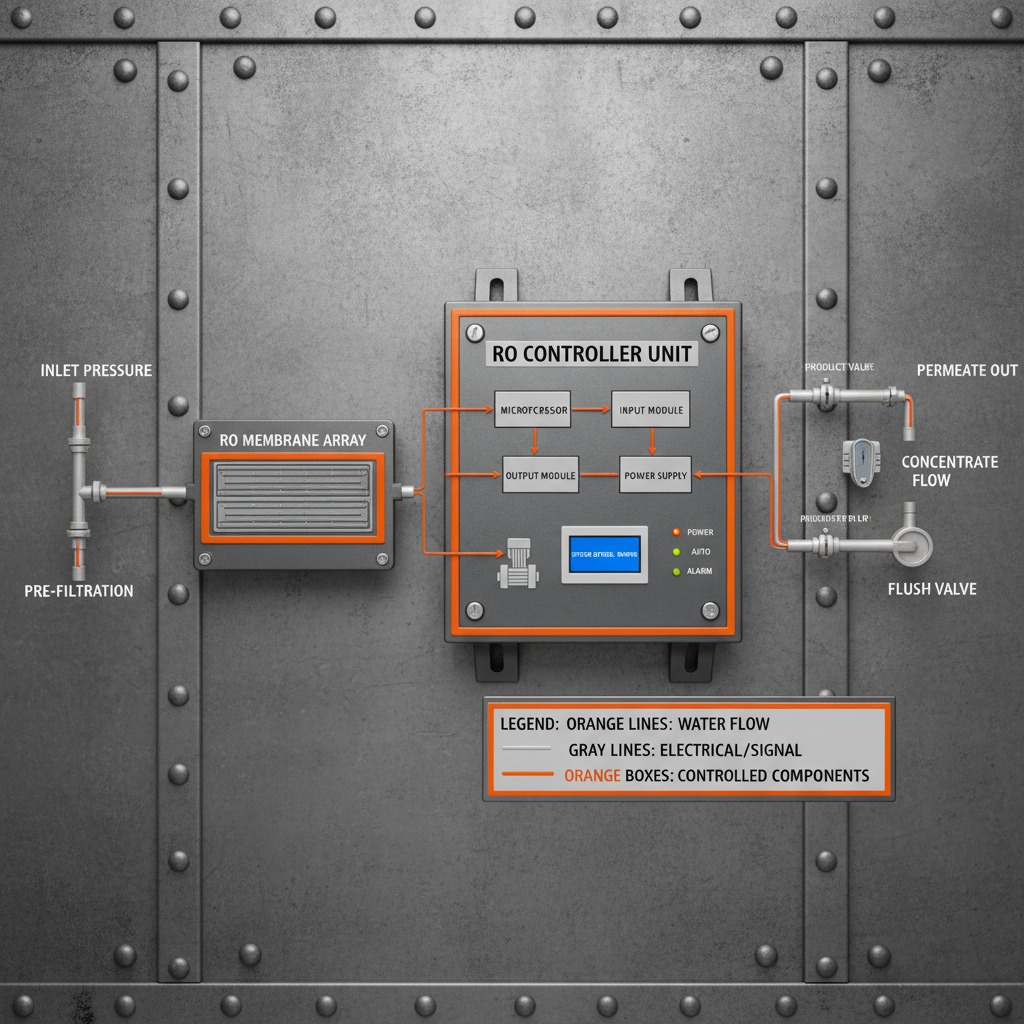
Guide to Choosing the Right RO Controller for Water PurificationMaintaining a high-performance reverse osmosis system requires more than just quality membranes; it demands precise regulation. An ro controller serves as the brain of the entire operation, monitoring critical parameters such as conductivity, temperature, and flow rates to ensure the output water meets stringent purity standards. Without an efficient controller, systems are prone to membrane fouling, inefficient energy use, and inconsistent water quality. In this comprehensive guide, we will explore how these devices optimize water treatment processes and how to select the best model for your specific industrial or commercial needs.
2026-04-09 03:25:47
Guide to Water Purity Using RO with TDS Controller SystemsAchieving the perfect balance of mineral content and purity in drinking water is a challenge for many households and industrial facilities. A ro with tds controller offers a sophisticated solution by combining the rigorous filtration of Reverse Osmosis (RO) with the precision of a Total Dissolved Solids (TDS) adjustment system. While standard RO systems remove almost everything, including beneficial minerals, a TDS controller allows users to re-mineralize the water to a desired level. This ensures that the water is not only safe and pure but also tastes better and provides essential nutrients.
2026-04-07 03:17:09
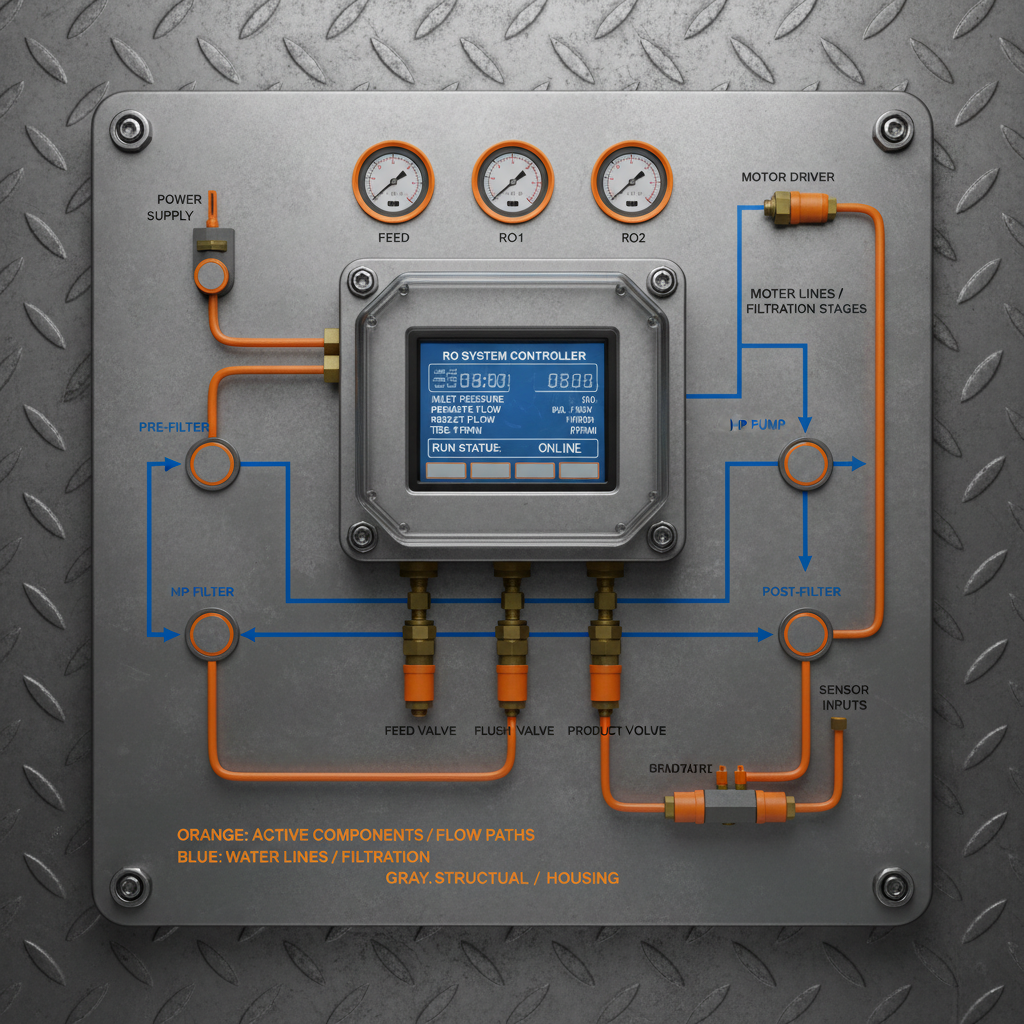
Understanding and Optimizing Reverse Osmosis Systems with a ControllerIn the world of water purification, reverse osmosis (RO) systems are a cornerstone for producing high-quality water for various applications, from drinking water to industrial processes. However, an RO system is only as effective as its control system. This is where the reverse osmosis controller comes into play. This critical component manages and optimizes the RO process, ensuring efficient operation, water quality, and system longevity.
2026-04-04 03:27:19
Understanding the Vital Role of an RO System Controller for Optimal PerformanceReverse Osmosis (RO) systems are critical for purifying water across various industries, from residential applications to large-scale industrial processes. At the heart of a well-functioning RO system lies the RO system controller. This intelligent device monitors and regulates all key parameters of the RO process, ensuring optimal performance, efficiency, and water quality. This article delves into the functionalities, benefits, and selection criteria for choosing the right RO system controller, particularly focusing on those offered by Watequipments. Understanding its role is crucial for maximizing the lifespan and effectiveness of your RO investment.
2026-03-24 17:18:24
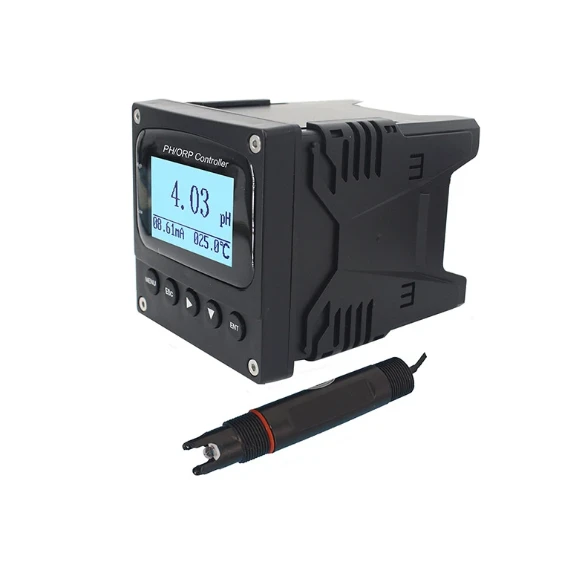
Smart Water Treatment Solutions Using PH ORP Controller SystemsIn modern water treatment and industrial fluid management, maintaining precise chemical balance is essential for safety, efficiency, and regulatory compliance.
2026-03-04 02:55:19
Comprehensive Guide to Water Depth Samplers and Their ApplicationsAccurate water quality monitoring is crucial in various fields, from environmental science and aquaculture to industrial wastewater management. A key tool for this is the water depth sampler. This article provides an in-depth look at water depth samplers, their applications, types, and essential considerations for choosing the right one for your needs. We'll explore the benefits of utilizing this equipment to collect reliable data for analysis and informed decision-making. Selecting the right sampler can significantly improve the precision and efficiency of your water monitoring program. A water depth sampler, also known as a depth-integrated sampler, is a device designed to collect water samples from specific depths within a body of water. Unlike simply dipping a container into the water, a depth sampler allows for collection of a representative sample across a defined depth range. This is critical because water properties (temperature, salinity, pollutants) often vary significantly with depth. The data gathered with a water depth sampler provides a more accurate assessment of water quality than surface samples alone.
2026-03-03 18:55:22
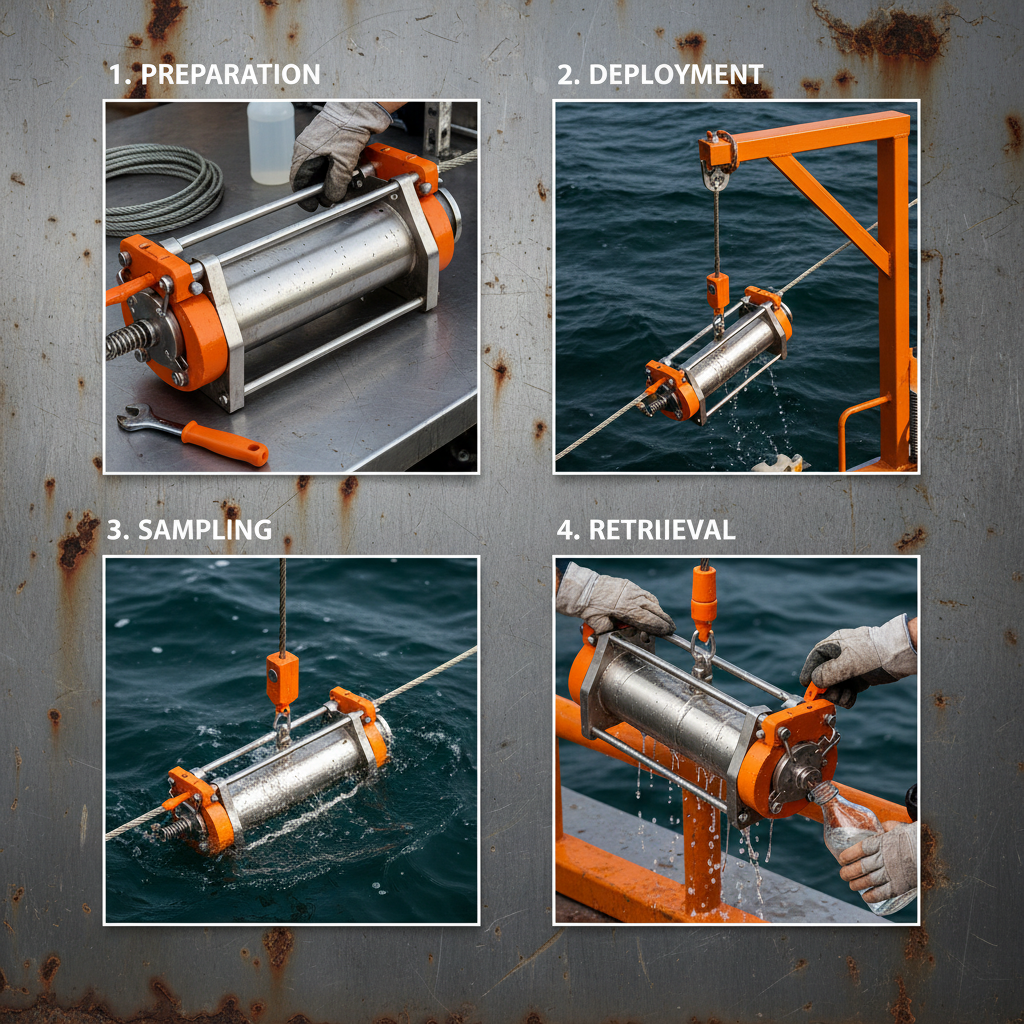
Comprehensive Guide to Horizontal Water Sampler Applications and SelectionCollecting water samples at varying depths is crucial for environmental monitoring, research, and quality control. The horizontal water sampler from Watequipment.com offers a precise and efficient solution for this task. This article provides an in-depth look at horizontal water samplers, their applications, benefits, and key considerations when choosing the right model. We will explore how these samplers contribute to accurate data collection and informed decision-making in various fields. A horizontal water sampler is a device designed to collect water samples from specific depths within a body of water – rivers, lakes, oceans, reservoirs, and even wastewater treatment plants. Unlike vertical samplers which primarily focus on depth, horizontal samplers prioritize collecting samples at a consistent depth while moving along a horizontal plane. This is essential for assessing water quality variations across a waterway or within a specific zone. They are used in applications ranging from environmental monitoring and scientific research to industrial process control and regulatory compliance.
2026-02-28 02:35:09
Comprehensive Guide to Selecting the Right Surface Water Sampler for Your NeedsMonitoring the quality of surface water is critical for environmental protection, public health, and various industrial applications. A surface water sampler is an essential tool for collecting representative samples from rivers, lakes, ponds, and other surface water sources. This article provides a detailed overview of surface water samplers, their types, applications, and key considerations for selecting the right equipment. Accurate water quality data relies on proper sample collection, and choosing the correct sampler is the first step toward achieving reliable results. Surface water samplers come in various designs, each suited to specific sampling needs. Common types include grab samplers, depth-integrating samplers, peristaltic pumps, and automatic samplers. Surface water samplers are used across a broad spectrum of applications, including environmental monitoring, wastewater discharge monitoring, drinking water source monitoring, agricultural runoff analysis, and research studies.

 English