


Digital Free Chlorine Tester: Essential Guide to Accurate Water Disinfection Measurement

Digital Free Chlorine Tester: Essential Guide to Accurate Water Disinfection Measurement
Dec . 02, 2025
Understanding the Digital Free Chlorine Tester: Key to Safer Water Quality Monitoring
Water safety is a universal concern. Whether you’re managing municipal water supplies, running a swimming pool, or responding to humanitarian crises, one question is always on your mind: Is this water safe? The digital free chlorine tester helps answer that crucial question with precision and ease. These devices measure free chlorine levels—an essential indicator of disinfectant effectiveness in water. Across the world, safe chlorine levels reduce waterborne diseases and support public health, making this tool important on a global scale.
In this article, you'll understand what a digital free chlorine tester really is, why it's relevant worldwide, and how it plays a crucial role in industries ranging from municipal water treatment to disaster relief. Plus, we'll explore key features, real use cases, and future innovations shaping this essential technology.
Introduction: Why Digital Free Chlorine Testing Matters Globally
The World Health Organization estimates that contaminated drinking water causes over 485,000 diarrheal deaths every year. Chlorination is one of the cheapest and most effective disinfection methods worldwide. Yet, correctly monitoring chlorine levels remains challenging, especially in low-resource settings or remote regions.
Advances in technology have made the digital free chlorine tester an accessible, reliable solution to ensure water safety. Digital devices eliminate guesswork common to traditional colorimetric testing, providing faster, more accurate results. This translates into better disease prevention globally, particularly in vulnerable communities without lab access. Oddly enough, it feels like a small piece of equipment, but the impact is huge.
What is a Digital Free Chlorine Tester?
At its core, a digital free chlorine tester is an electronic device that measures the concentration of free chlorine (the active disinfectant) in a water sample. Instead of relying on manual color matching—often subjective and error-prone—the tester uses sensors and digital readouts to give precise measurements in milligrams per liter (mg/L) or parts per million (ppm).
For anyone working in water treatment—be it municipal plants, swimming pools, or emergency teams purifying water after disasters—this device is indispensable. It bridges the gap between complex laboratory instruments and basic, often unreliable, field testing kits. And in context of Sustainable Development Goal 6 (clean water and sanitation), technology like this supports universal access to safe water.
Key Components and Features of Digital Free Chlorine Testers
1. Sensor Technology
Most testers use electrochemical sensors or optical sensing methods. Electrochemical sensors detect chlorine levels by measuring electrical current changes, while optical sensors analyze light absorption. Both approaches aim for accuracy, but electrochemical sensors have become popular for their durability and ease of calibration.
2. Portability and Durability
Field professionals need rugged devices that withstand harsh conditions. Many models come with waterproof housings, shockproof designs, and long battery life. You can often operate these testers comfortably in remote locations without power sources, which is a huge plus.
3. User Interface and Data Handling
A clear digital display simplifies reading results. Some advanced models allow data logging and connectivity (USB, Bluetooth), enabling seamless integration with monitoring systems and easier record keeping.
4. Calibration and Maintenance
Regular calibration ensures accuracy but also adds complexity. Top-tier devices offer automatic or guided calibration processes. Selecting a tester with straightforward maintenance reduces downtime and operator errors.
Product Specifications at a Glance
| Feature | Specification |
|---|---|
| Measurement Range | 0.00 to 5.00 mg/L (ppm) |
| Accuracy | ±0.01 mg/L |
| Sensor Type | Electrochemical |
| Display | Digital LCD with backlight |
| Battery Life | Up to 200 hours |
Comparing Leading Vendors for Digital Free Chlorine Testers
| Vendor | Price Range | Calibration Ease | Advanced Features | Portability |
|---|---|---|---|---|
| Hach | $$$ | Automatic | Data logging, Bluetooth | Handheld |
| LaMotte | $$ | Manual guided | Basic data storage | Compact handheld |
| Extech | $ | Manual | Limited | Portable |
Global Applications & Use Cases
The applications for digital free chlorine testers are quite varied, but their purpose remains constant: ensuring safe, disinfected water. Here are a few contexts where they prove indispensable:
- Municipal Water Plants: Constant monitoring of water to meet safe drinking standards as per ISO 24463 guidelines.
- Swimming Pools & Recreation Centers: Ensuring chlorine remains effective without being over-applied, protecting skin and eyes.
- Emergency Response & Humanitarian Aid: In disaster zones, such as after earthquakes or floods, ensuring water supplies are safe to drink quickly is vital. Portable testers speed up this process.
- Industrial Cooling Systems: Preventing microbial growth without oversaturating chemicals, which can cause corrosion.
- Remote and Rural Regions: Where laboratory access is limited, these testers bring vital on-site water safety verification.
In real terms, these devices support millions worldwide by backing water safety protocols. For instance, after the 2010 Haiti earthquake, NGOs heavily relied on portable water testers to restore clean water access quickly.
Advantages & Long-Term Value of Digital Free Chlorine Testers
Choosing a digital free chlorine tester brings clear advantages:
- Precision & Confidence: Precise measurements mean operators can dose chemicals better, avoiding health risks.
- Time Efficiency: Instant digital readings save time compared to manual methods.
- Data Management: Digital models with data logging help maintain compliance and improve traceability.
- Durability: Rugged designs ensure devices last in harsh environments, reducing replacement costs.
- Social Impact: By enabling safe water, these testers protect communities, preserving dignity and health.
Frankly, investing in quality testing tools reflects a commitment to innovation and trustworthiness in water management.
Future Trends & Innovations in Free Chlorine Testing
Technology is advancing, promising smarter water testing solutions:
- IoT Connectivity: Integration with cloud systems for real-time remote monitoring.
- Improved Sensor Materials: Nanomaterials and graphene sensors may increase sensitivity and lifespan.
- Automation: Fully automated inline chlorine monitoring systems for continuous treatment plants.
- Eco-friendly Designs: Power-efficient testers using green energy sources like solar batteries.
- Regulatory Standards: Evolving ISO and WHO standards pushing for more precise, user-friendly devices.
Common Challenges & Expert Solutions
Despite advances, some hurdles remain:
- Calibration Complexity: Frequent calibrations can be a burden. Solutions include automatic calibration kits and more stable sensor designs.
- Interference in Water Samples: Other chemicals sometimes affect results. Advanced sensors aim to isolate chlorine signals better.
- Cost Barriers: High-end devices can be expensive, limiting access. Increasing availability of affordable devices helps democratize monitoring.
Overall, expert consensus indicates ongoing innovation and training are key to overcoming these challenges.
FAQ: Frequently Asked Questions About Digital Free Chlorine Testers
- How accurate are digital free chlorine testers compared to traditional colorimetric kits?
- Digital testers generally provide more accurate and objective readings, reducing human error common in color matching. Accuracy can be ±0.01 mg/L with proper calibration.
- Can these testers be used in field conditions with limited resources?
- Yes, most models are portable, battery-powered, and ruggedized for remote use. They do not require extensive lab equipment, making them ideal for fieldwork.
- How often should I calibrate a digital free chlorine tester?
- Calibration frequency varies by device and usage but typically ranges from weekly to monthly. Some testers offer automatic calibration features to simplify this.
- Are there digital testers suitable for continuous water supply monitoring?
- While handheld devices are common, automated inline digital chlorine analyzers exist for 24/7 monitoring in treatment plants and industrial applications.
- Where can I buy reliable digital free chlorine testers?
- Reputable suppliers include Hach, LaMotte, and Extech. You can also browse options at digital free chlorine tester vendors online to compare features and pricing.
Conclusion: Embrace Precision to Protect Water Health
Understanding and using a digital free chlorine tester is more than a technical task—it’s about protecting lives, improving public health, and advancing water safety worldwide. From urban centers to disaster zones, this tool empowers professionals to maintain water quality with confidence and clarity.
Wondering where to begin? Visit our website to explore the latest testers designed for your specific needs. After all, safe water means safe communities.
Mini takeaway: In a world increasingly reliant on clean water, digital free chlorine testers bring reliable, accessible technology directly to where it matters most.
References:

Related Products
Related News

2026-04-16 03:20:19
Guide to Choosing the Right RO Controller for Water PurificationMaintaining a high-performance reverse osmosis system requires more than just quality membranes; it demands precise regulation. An ro controller serves as the brain of the entire operation, monitoring critical parameters such as conductivity, temperature, and flow rates to ensure the output water meets stringent purity standards. Without an efficient controller, systems are prone to membrane fouling, inefficient energy use, and inconsistent water quality. In this comprehensive guide, we will explore how these devices optimize water treatment processes and how to select the best model for your specific industrial or commercial needs.
2026-04-09 03:25:47
Guide to Water Purity Using RO with TDS Controller SystemsAchieving the perfect balance of mineral content and purity in drinking water is a challenge for many households and industrial facilities. A ro with tds controller offers a sophisticated solution by combining the rigorous filtration of Reverse Osmosis (RO) with the precision of a Total Dissolved Solids (TDS) adjustment system. While standard RO systems remove almost everything, including beneficial minerals, a TDS controller allows users to re-mineralize the water to a desired level. This ensures that the water is not only safe and pure but also tastes better and provides essential nutrients.
2026-04-07 03:17:09
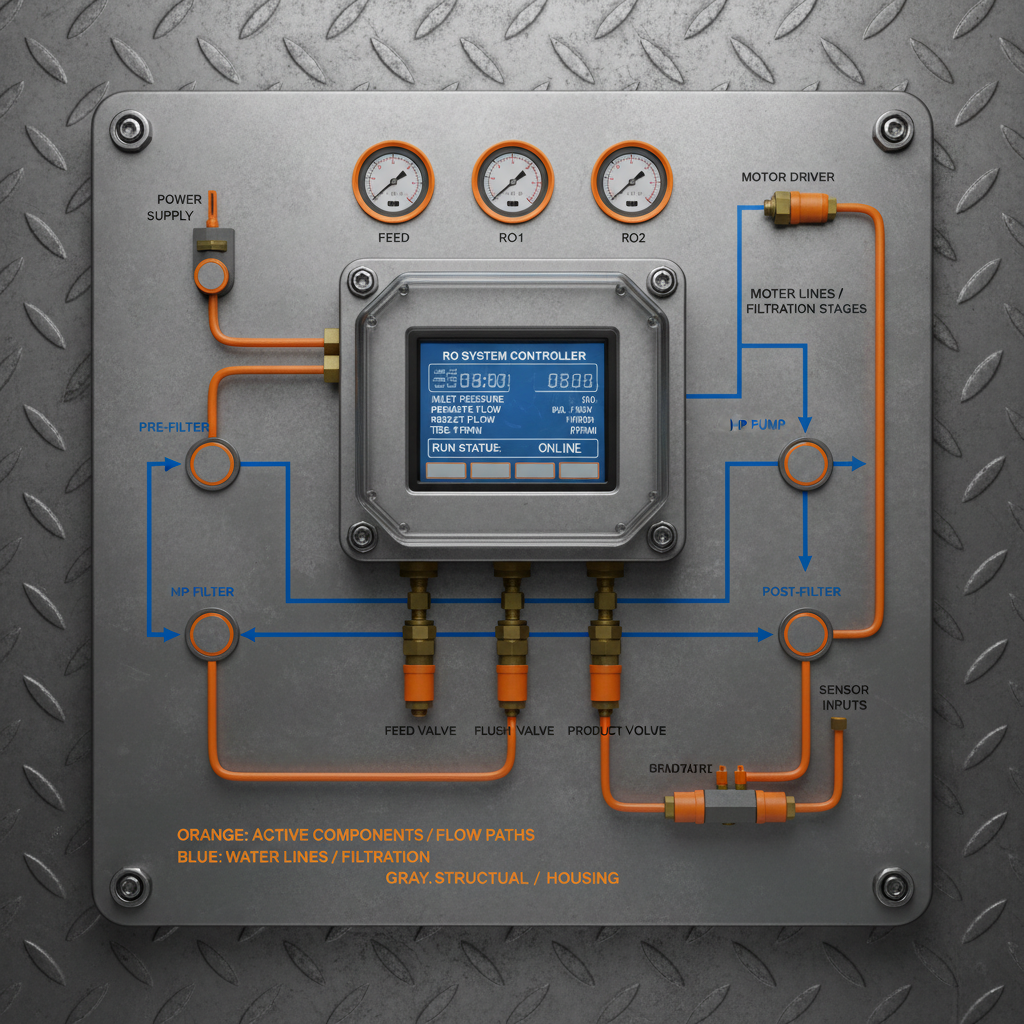
Understanding and Optimizing Reverse Osmosis Systems with a ControllerIn the world of water purification, reverse osmosis (RO) systems are a cornerstone for producing high-quality water for various applications, from drinking water to industrial processes. However, an RO system is only as effective as its control system. This is where the reverse osmosis controller comes into play. This critical component manages and optimizes the RO process, ensuring efficient operation, water quality, and system longevity.
2026-04-04 03:27:19
Understanding the Vital Role of an RO System Controller for Optimal PerformanceReverse Osmosis (RO) systems are critical for purifying water across various industries, from residential applications to large-scale industrial processes. At the heart of a well-functioning RO system lies the RO system controller. This intelligent device monitors and regulates all key parameters of the RO process, ensuring optimal performance, efficiency, and water quality. This article delves into the functionalities, benefits, and selection criteria for choosing the right RO system controller, particularly focusing on those offered by Watequipments. Understanding its role is crucial for maximizing the lifespan and effectiveness of your RO investment.
2026-03-24 17:18:24
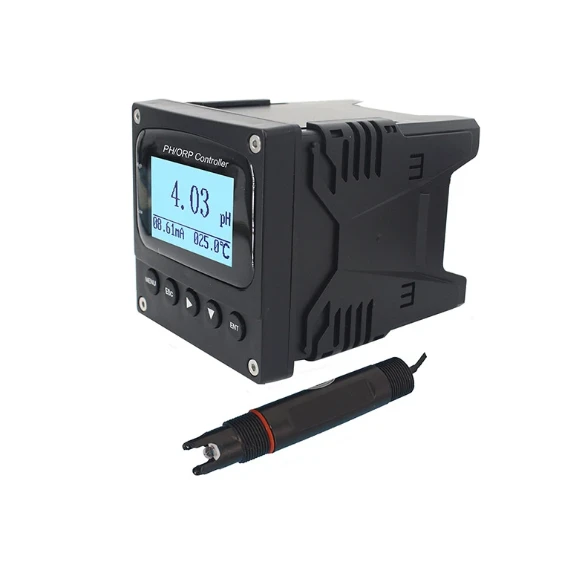
Smart Water Treatment Solutions Using PH ORP Controller SystemsIn modern water treatment and industrial fluid management, maintaining precise chemical balance is essential for safety, efficiency, and regulatory compliance.
2026-03-04 02:55:19
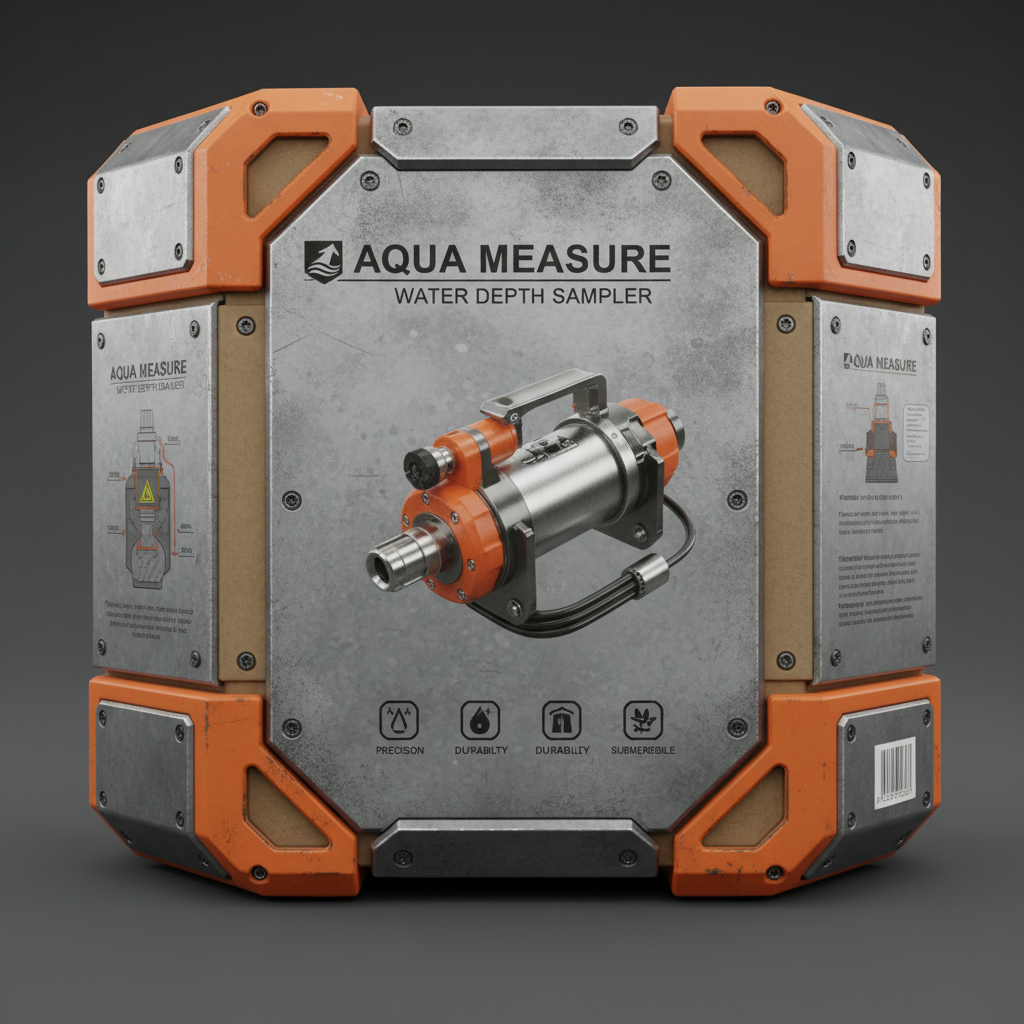
Comprehensive Guide to Water Depth Samplers and Their ApplicationsAccurate water quality monitoring is crucial in various fields, from environmental science and aquaculture to industrial wastewater management. A key tool for this is the water depth sampler. This article provides an in-depth look at water depth samplers, their applications, types, and essential considerations for choosing the right one for your needs. We'll explore the benefits of utilizing this equipment to collect reliable data for analysis and informed decision-making. Selecting the right sampler can significantly improve the precision and efficiency of your water monitoring program. A water depth sampler, also known as a depth-integrated sampler, is a device designed to collect water samples from specific depths within a body of water. Unlike simply dipping a container into the water, a depth sampler allows for collection of a representative sample across a defined depth range. This is critical because water properties (temperature, salinity, pollutants) often vary significantly with depth. The data gathered with a water depth sampler provides a more accurate assessment of water quality than surface samples alone.
2026-03-03 18:55:22
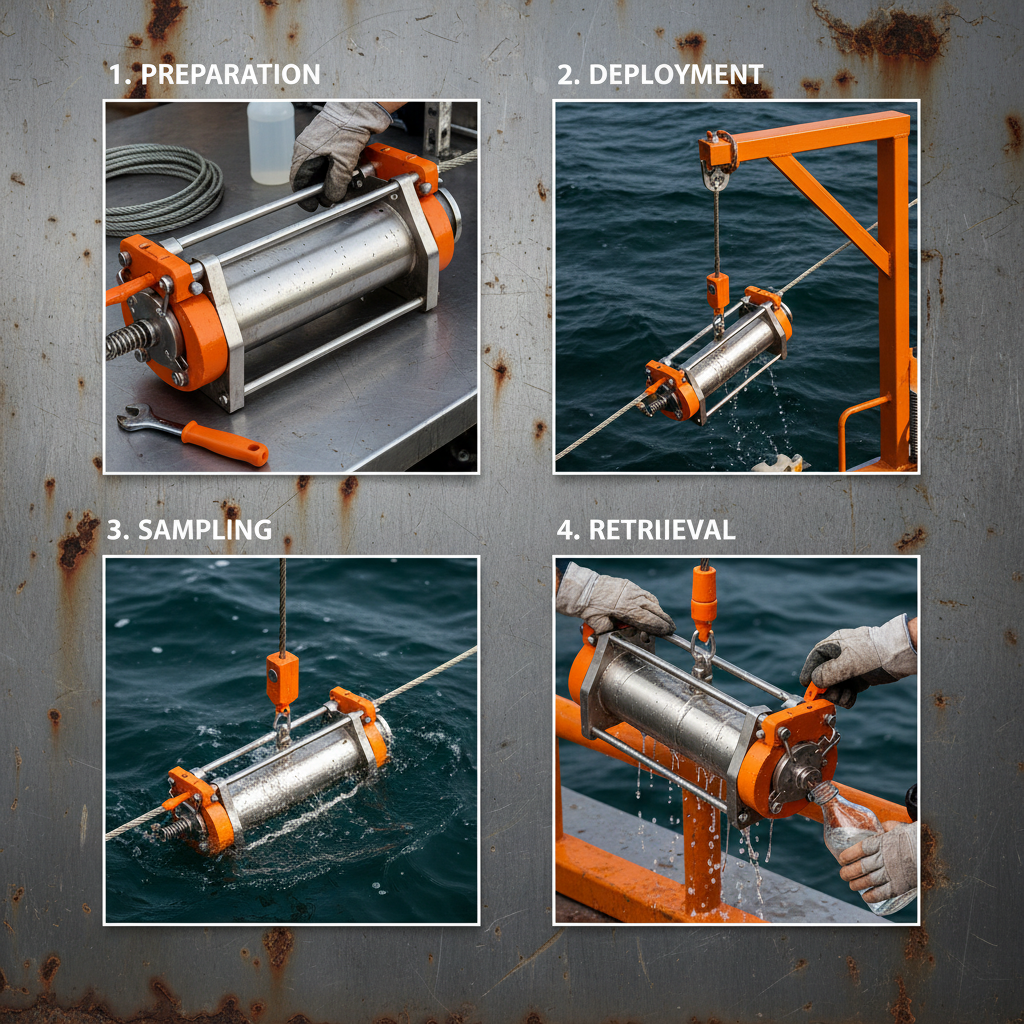
Comprehensive Guide to Horizontal Water Sampler Applications and SelectionCollecting water samples at varying depths is crucial for environmental monitoring, research, and quality control. The horizontal water sampler from Watequipment.com offers a precise and efficient solution for this task. This article provides an in-depth look at horizontal water samplers, their applications, benefits, and key considerations when choosing the right model. We will explore how these samplers contribute to accurate data collection and informed decision-making in various fields. A horizontal water sampler is a device designed to collect water samples from specific depths within a body of water – rivers, lakes, oceans, reservoirs, and even wastewater treatment plants. Unlike vertical samplers which primarily focus on depth, horizontal samplers prioritize collecting samples at a consistent depth while moving along a horizontal plane. This is essential for assessing water quality variations across a waterway or within a specific zone. They are used in applications ranging from environmental monitoring and scientific research to industrial process control and regulatory compliance.
2026-02-28 02:35:09
Comprehensive Guide to Selecting the Right Surface Water Sampler for Your NeedsMonitoring the quality of surface water is critical for environmental protection, public health, and various industrial applications. A surface water sampler is an essential tool for collecting representative samples from rivers, lakes, ponds, and other surface water sources. This article provides a detailed overview of surface water samplers, their types, applications, and key considerations for selecting the right equipment. Accurate water quality data relies on proper sample collection, and choosing the correct sampler is the first step toward achieving reliable results. Surface water samplers come in various designs, each suited to specific sampling needs. Common types include grab samplers, depth-integrating samplers, peristaltic pumps, and automatic samplers. Surface water samplers are used across a broad spectrum of applications, including environmental monitoring, wastewater discharge monitoring, drinking water source monitoring, agricultural runoff analysis, and research studies.

 English