


Comprehensive Guide to Dissolved Oxygen Kits - Reliable Water Quality Testing

Comprehensive Guide to Dissolved Oxygen Kits - Reliable Water Quality Testing
Nov . 26, 2025
Understanding the Dissolved Oxygen Kit: Why It Truly Matters
If you've ever taken a dip in a lake or watched a fish tank thrive, you’ve unwittingly experienced the magic of dissolved oxygen. Simply put, dissolved oxygen (DO) is the amount of oxygen present in water, a crucial factor for aquatic life and a marker of water quality. Measuring this accurately? That’s where the dissolved oxygen kit steps in.
Globally, maintaining healthy oxygen levels in water bodies protects ecosystems, ensures safe drinking water, and supports industrial processes like aquaculture and wastewater treatment. Understanding dissolved oxygen isn’t just academic—it affects food security, environmental regulation, and public health.
Global Perspective: The Role of Dissolved Oxygen Kits in Water Quality Management
According to the United Nations, over 2 billion people lack access to safely managed drinking water services, while water pollution contributes significantly to disease worldwide (1). Dissolved oxygen monitoring often flies under the radar but is pivotal in gauging the health of aquatic environments. Low oxygen levels (hypoxia) can lead to dead zones in oceans, impacting fisheries and biodiversity.
Industries from fisheries in Southeast Asia to wastewater plants in Europe regularly use dissolved oxygen kits to track oxygen levels. The problem? Conventional lab testing is costly, slow, and often unavailable in remote settings. Portable dissolved oxygen kits have stepped in to fill that gap, providing near-instant, reliable readings in the field.
Mini Summary
- Dissolved oxygen is vital for aquatic and human health.
- Global water systems depend on regular oxygen monitoring.
- Portable kits solve accessibility challenges.
What Exactly Is a Dissolved Oxygen Kit?
At its simplest, a dissolved oxygen kit is a set of tools or instruments designed to measure how much oxygen is dissolved in water. Usually, it includes sensors, reagents, or electronic meters that quantify oxygen concentration. You can think of it as a small water quality lab, squeezed into a box, making field testing practical and fast.
In industry terms, these kits vary from classic chemical titrations (Winkler method) to modern electronic probes. They find themselves at the intersection of environmental science, public health, and industrial process control — serving aquaculture farmers, environmental agencies, municipalities, and research scientists alike.
Mini Summary
- Dissolved oxygen kit = tools to measure oxygen in water.
- Ranges from chemical tests to electronic sensors.
- Applicable in diverse environments from labs to remote sites.
Core Components and Features to Watch For
1. Accuracy and Precision
Oxygen readings must be spot on. A slight miscalculation can skew data, leading to poor decisions in treating water or managing fish stocks. Many modern kits use optical sensors with fewer moving parts, reducing calibration needs and boosting reliability.
2. Durability and Portability
Fieldwork is messy and unpredictable. That’s why rugged casing, waterproof components, and compact designs are prized. Whether you’re on a riverbank or running an aquaculture pond, lightweight and tough kits matter.
3. User-Friendliness
Not everyone in the field is a lab technician. Intuitive interfaces, clear instructions, and quick test protocols help broaden the user base beyond specialists.
4. Calibration and Maintenance
Regular calibration is essential for consistent data. Kits with auto-calibration features or easy reagent replacements score higher, especially where expert support isn’t available.
5. Data Logging and Connectivity
Newer kits often include Bluetooth or USB ports to sync readings to mobile devices or computers. Real-time monitoring and historical data trends are valuable for long-term projects.
| Specification | Typical Range/Value |
|---|---|
| Measurement Range | 0 to 20 mg/L (ppm) |
| Accuracy | ±0.1 mg/L |
| Sensor Type | Optical / Electrochemical |
| Battery Life | 10-15 hours continuous use |
| Weight | |
| Connectivity | Bluetooth, USB port |
Mini Summary
- Precision and ease of use matter most.
- Durability and connectivity are growing trends.
- Choosing the right sensor type depends on environment and budget.
Where Are Dissolved Oxygen Kits Making a Real Impact?
Environmental agencies in North America routinely deploy DO kits to monitor lakes and rivers, ensuring compliance with standards from the US EPA or Canada’s Environment ministry. Meanwhile, in Southeast Asia’s booming aquaculture sectors — shrimp farms, tilapia ponds — maintaining correct oxygen levels means healthier stock and better yields.
Even disaster relief operations, which sometimes need to quickly assess water safety post-flood or earthquake, find portable dissolved oxygen kits invaluable. Oddly enough, NGOs operating in sub-Saharan Africa are using these kits to improve community water projects — answering basic questions about freshness, contamination risk, and aerobic capacity.
Mini Summary
- Used worldwide in environmental, industrial, and humanitarian applications.
- Vital for aquaculture health and disaster recovery water checks.
- Bridging technological gaps in remote or resource-limited areas.
Advantages & Long-Term Value of Using a Dissolved Oxygen Kit
From saving fish farms millions to protecting drinking water, these kits pay dividends that are easy to appreciate. There’s a logical side — more accurate data means smarter, cheaper treatment and fewer health risks. But the emotional angle shouldn’t be ignored either: maintaining clean water restores dignity, supports livelihoods, and promotes trust in communities.
They also fit nicely into sustainable development goals. Lower energy use through on-site monitoring, less chemical waste by avoiding over-treatment, and the ability to spot pollution before it escalates — these are all solid wins for long-term planetary health.
Comparing Popular Dissolved Oxygen Kits & Vendors
| Brand | Sensor Type | Price Range | Ideal Use |
|---|---|---|---|
| AquaCheck Pro | Optical | $800–$1,200 | Aquaculture, field research |
| EcoSense Classic | Electrochemical (Clark Type) | $400–$700 | Municipal water quality testing |
| HydroMate Mini | Optical | $1,000–$1,500 | Remote fieldwork, research expeditions |
What’s Next? Innovations on the Horizon
Integration with IoT (Internet of Things) systems promises to revolutionize dissolved oxygen testing. Imagine networks of tiny DO sensors feeding continuous data streams to cloud platforms with AI-powered analysis — automatically alerting authorities about pollution spikes in real-time.
Material science is also advancing sensor longevity and reducing maintenance drudgery. Biofouling-resistant coatings, solar-powered units, and self-cleaning probes are no longer just concepts but emerging realities.
Facing Challenges: Practical Issues and Smart Solutions
Despite improvements, no device is perfect. Chemical reagent methods require storage care, while electronic probes may drift and need frequent calibration. Temperature, salinity, and turbidity also complicate readings.
Solutions include advanced built-in compensation algorithms, user-friendly calibration kits, and modular components designed to be swapped out on-site. Education is vital too—training users to understand limitations and good practices is half the battle.
FAQ: Your Top Questions About Dissolved Oxygen Kits
Q1: How often should I calibrate my dissolved oxygen sensor?
A1: It depends on usage and sensor type, but typically every 1-2 weeks is recommended for frequent field use. Optical sensors generally need less frequent calibration than electrochemical ones. Always follow manufacturer guidelines and observe any drift signs.
Q2: Can dissolved oxygen kits be used in saltwater and freshwater?
A2: Yes, most modern kits include temperature and salinity compensation to provide accurate readings in both saltwater and freshwater environments. Double-check specs when buying to ensure suitability for your use case.
Q3: What’s the difference between chemical and electronic dissolved oxygen kits?
A3: Chemical kits rely on titration reactions (e.g., Winkler method), are cost-effective but slower and less field-friendly. Electronic kits use sensors (optical or electrochemical) that provide immediate digital readouts, making them more convenient for ongoing monitoring.
Q4: Are there any environmentally friendly dissolved oxygen kits?
A4: Yes, optical sensor-based kits reduce the need for chemical reagents and generate less waste. Additionally, newer models incorporate recyclable components and longer-lasting batteries, aligning with sustainability goals.
Conclusion: Embracing Dissolved Oxygen Kits for a Cleaner Future
In the end, dissolved oxygen kits are more than just scientific instruments — they are guardians of water health, sustainability enablers, and allies for industries and communities alike. Their portability, accuracy, and evolving features make them indispensable as we navigate global water challenges.
Ready to invest in reliable dissolved oxygen testing solutions? Visit our website: https://www.watequipments.com for top-tier kits and expert advice.
References
- United Nations Water Statistics: https://www.unwater.org/water-facts/scarcity/
- EPA Water Quality Standards: https://www.epa.gov/wqs-tech
- ISO 20236: Water Quality — Determination of dissolved oxygen — Optical sensors

Related Products
Related News

2026-04-16 03:20:19
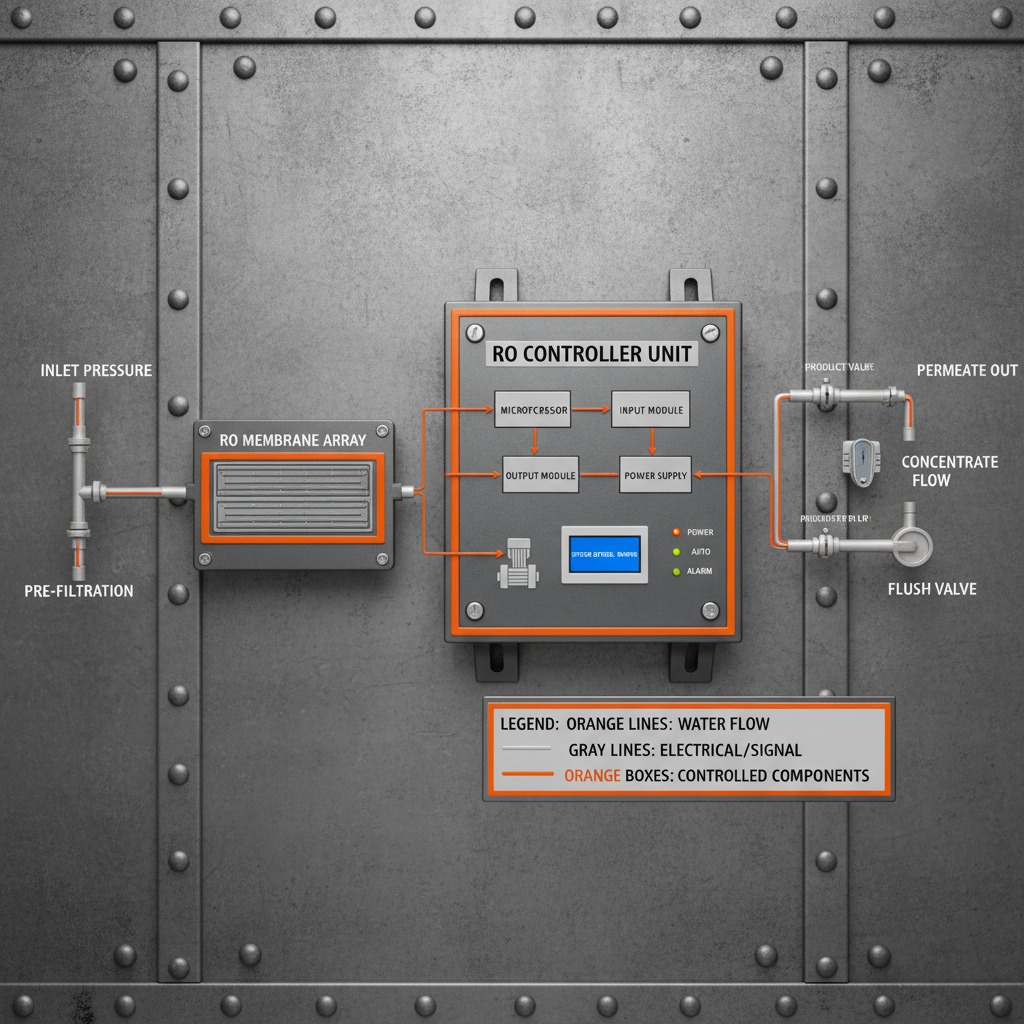
Guide to Choosing the Right RO Controller for Water PurificationMaintaining a high-performance reverse osmosis system requires more than just quality membranes; it demands precise regulation. An ro controller serves as the brain of the entire operation, monitoring critical parameters such as conductivity, temperature, and flow rates to ensure the output water meets stringent purity standards. Without an efficient controller, systems are prone to membrane fouling, inefficient energy use, and inconsistent water quality. In this comprehensive guide, we will explore how these devices optimize water treatment processes and how to select the best model for your specific industrial or commercial needs.
2026-04-09 03:25:47
Guide to Water Purity Using RO with TDS Controller SystemsAchieving the perfect balance of mineral content and purity in drinking water is a challenge for many households and industrial facilities. A ro with tds controller offers a sophisticated solution by combining the rigorous filtration of Reverse Osmosis (RO) with the precision of a Total Dissolved Solids (TDS) adjustment system. While standard RO systems remove almost everything, including beneficial minerals, a TDS controller allows users to re-mineralize the water to a desired level. This ensures that the water is not only safe and pure but also tastes better and provides essential nutrients.
2026-04-07 03:17:09
Understanding and Optimizing Reverse Osmosis Systems with a ControllerIn the world of water purification, reverse osmosis (RO) systems are a cornerstone for producing high-quality water for various applications, from drinking water to industrial processes. However, an RO system is only as effective as its control system. This is where the reverse osmosis controller comes into play. This critical component manages and optimizes the RO process, ensuring efficient operation, water quality, and system longevity.
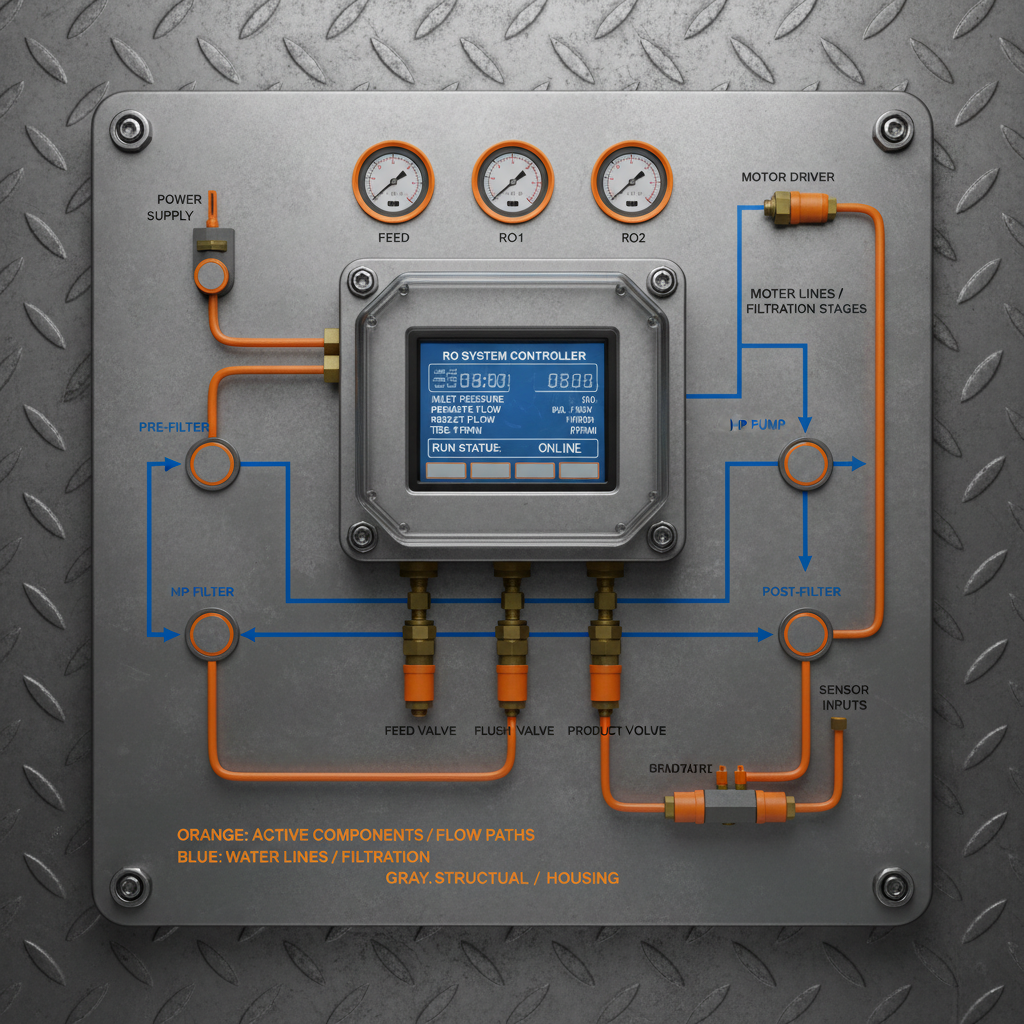
2026-04-04 03:27:19
Understanding the Vital Role of an RO System Controller for Optimal PerformanceReverse Osmosis (RO) systems are critical for purifying water across various industries, from residential applications to large-scale industrial processes. At the heart of a well-functioning RO system lies the RO system controller. This intelligent device monitors and regulates all key parameters of the RO process, ensuring optimal performance, efficiency, and water quality. This article delves into the functionalities, benefits, and selection criteria for choosing the right RO system controller, particularly focusing on those offered by Watequipments. Understanding its role is crucial for maximizing the lifespan and effectiveness of your RO investment.
2026-03-24 17:18:24
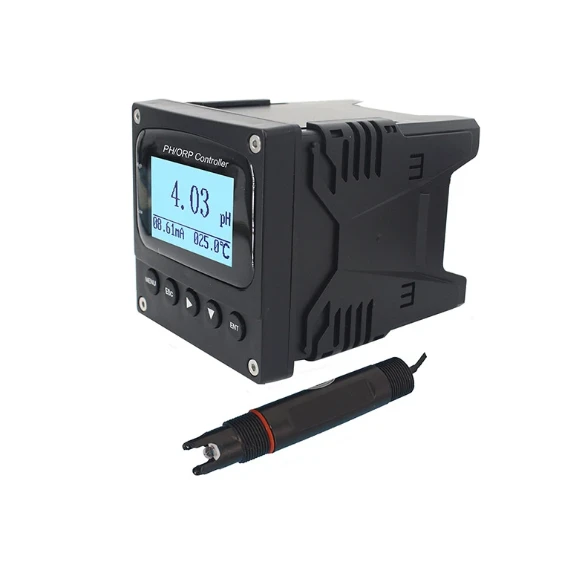
Smart Water Treatment Solutions Using PH ORP Controller SystemsIn modern water treatment and industrial fluid management, maintaining precise chemical balance is essential for safety, efficiency, and regulatory compliance.
2026-03-04 02:55:19
Comprehensive Guide to Water Depth Samplers and Their ApplicationsAccurate water quality monitoring is crucial in various fields, from environmental science and aquaculture to industrial wastewater management. A key tool for this is the water depth sampler. This article provides an in-depth look at water depth samplers, their applications, types, and essential considerations for choosing the right one for your needs. We'll explore the benefits of utilizing this equipment to collect reliable data for analysis and informed decision-making. Selecting the right sampler can significantly improve the precision and efficiency of your water monitoring program. A water depth sampler, also known as a depth-integrated sampler, is a device designed to collect water samples from specific depths within a body of water. Unlike simply dipping a container into the water, a depth sampler allows for collection of a representative sample across a defined depth range. This is critical because water properties (temperature, salinity, pollutants) often vary significantly with depth. The data gathered with a water depth sampler provides a more accurate assessment of water quality than surface samples alone.
2026-03-03 18:55:22
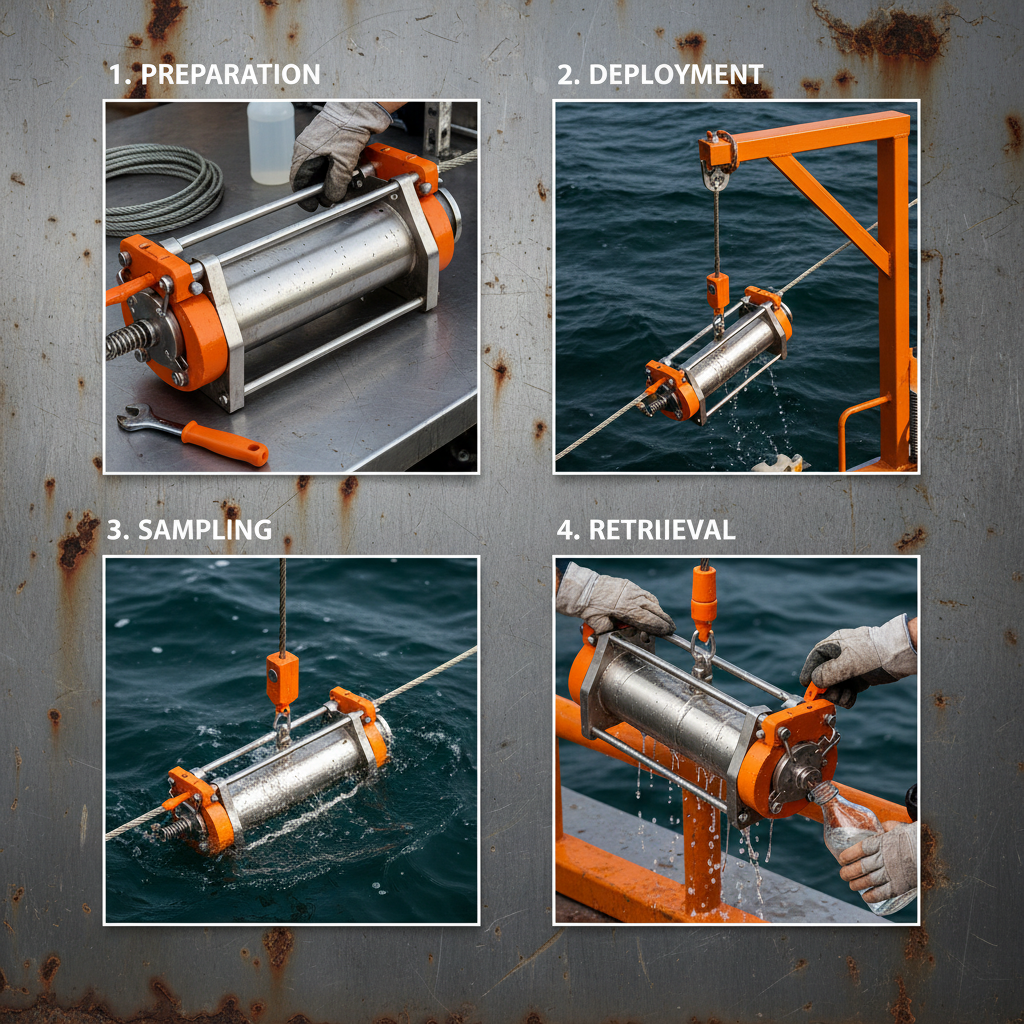
Comprehensive Guide to Horizontal Water Sampler Applications and SelectionCollecting water samples at varying depths is crucial for environmental monitoring, research, and quality control. The horizontal water sampler from Watequipment.com offers a precise and efficient solution for this task. This article provides an in-depth look at horizontal water samplers, their applications, benefits, and key considerations when choosing the right model. We will explore how these samplers contribute to accurate data collection and informed decision-making in various fields. A horizontal water sampler is a device designed to collect water samples from specific depths within a body of water – rivers, lakes, oceans, reservoirs, and even wastewater treatment plants. Unlike vertical samplers which primarily focus on depth, horizontal samplers prioritize collecting samples at a consistent depth while moving along a horizontal plane. This is essential for assessing water quality variations across a waterway or within a specific zone. They are used in applications ranging from environmental monitoring and scientific research to industrial process control and regulatory compliance.
2026-02-28 02:35:09
Comprehensive Guide to Selecting the Right Surface Water Sampler for Your NeedsMonitoring the quality of surface water is critical for environmental protection, public health, and various industrial applications. A surface water sampler is an essential tool for collecting representative samples from rivers, lakes, ponds, and other surface water sources. This article provides a detailed overview of surface water samplers, their types, applications, and key considerations for selecting the right equipment. Accurate water quality data relies on proper sample collection, and choosing the correct sampler is the first step toward achieving reliable results. Surface water samplers come in various designs, each suited to specific sampling needs. Common types include grab samplers, depth-integrating samplers, peristaltic pumps, and automatic samplers. Surface water samplers are used across a broad spectrum of applications, including environmental monitoring, wastewater discharge monitoring, drinking water source monitoring, agricultural runoff analysis, and research studies.

 English