


Best Dissolved Oxygen Meters for Beer Brewing – Quality & Precision Tools

Best Dissolved Oxygen Meters for Beer Brewing – Quality & Precision Tools
Nov . 26, 2025
Why a Dissolved Oxygen Meter for Beer Matters Worldwide
If you've ever wondered why beer tastes just right at your favorite pub or why craft brewers obsess over their brew’s quality, dissolved oxygen (DO) plays a starring role. Measuring dissolved oxygen is critical in the brewing process to avoid off-flavors and spoilage. The dissolved oxygen meter for beer is simply the tool that brewers rely on to keep their product fresh and consistent.
Globally, beer is a multi-billion-dollar industry. According to the World Bank, beer production accounts for a substantial slice of agricultural and manufacturing economies, especially in Europe, North America, and increasingly, Asia. The challenge? Oxygen exposure during brewing can ruin batches, raise costs, and frustrate customers. Correctly measuring and managing dissolved oxygen isn't just a tedious lab task—it’s a linchpin for sustainable production and product excellence.
Mini takeaway: Understanding and controlling dissolved oxygen levels in beer is both an art and science, crucial for quality brewers worldwide to maintain taste, safety, and reduce waste.
Setting the Scene: The Global Importance of Dissolved Oxygen Meters in Brewing
Brewing is a blend of tradition and precision. With the rise of craft beer and small-scale breweries, the need for affordable, accurate oxygen measurement devices has grown. The ISO standards for brewing quality emphasize oxygen control as a key parameter. According to the Brewers Association, beer spoilage due to oxygen can cause losses up to 5-10% of the batch volume—significant when you consider global production volumes in the billions.
But it’s not just about money. As consumers push for cleaner labels and longer shelf life, brewers face the challenge of balancing oxygen-sensitive yeast activity and oxidation risks. The dissolved oxygen meter helps them strike that balance with data, not guesswork.
dissolved oxygen meter for beer is the actual tool that’s quietly revolutionizing this age-old craft, helping breweries large and small deliver a better product every time.
Mini takeaway: The demand for precise DO monitoring transcends borders, blending tradition with modern technology to adapt to evolving brewing and consumption trends.
What Exactly Is a Dissolved Oxygen Meter for Beer?
Simply put, a dissolved oxygen meter is an instrument that measures the amount of oxygen dissolved in liquid—in this case, beer or its components. Since oxygen easily interacts with the chemical compounds in beer, influencing taste and freshness, understanding its levels is key.
Dissolved oxygen meters typically use electrochemical sensors or optical sensors to gauge oxygen levels, delivering readings in parts per million (ppm). The beer industry thrives on these readings because oxygen content directly impacts the shelf life and flavor profile of the final product.
Modern meters are compact, accurate, and designed specifically for the needs of the brewing environment, often including temperature compensation and easy cleaning features, to meet hygiene standards. They are a testament to how precision instruments have become indispensable even in artisanal production.
Mini takeaway: Think of the dissolved oxygen meter not just as a gadget but as a guardian of quality, preserving the beer’s intended taste and freshness from tank to tap.
Core Components & Key Factors to Consider in Dissolved Oxygen Meters for Beer
1. Accuracy and Sensitivity
This is the bread and butter for brewers. Most dissolved oxygen meters offer sensitivity down to 0.01 ppm — a necessity given how even slight oxygen variations can impact taste. Optical sensors have largely overshadowed older polarographic sensors because they maintain baseline stability and require less frequent calibration.
2. Durability and Hygiene
In a brewery environment, equipment must withstand regular cleaning, exposure to heat, and sometimes harsh chemicals. The meters need to be constructed from corrosion-resistant materials like stainless steel and have waterproof seals to maintain reliability.
3. Usability and Data Integration
Brewing staff aren’t always scientists—they want tools that are easy to handle, interpret, and integrate with their existing data systems. Many newer meters come with Bluetooth, USB outputs, and even app support to log and analyze oxygen levels over time.
4. Calibration & Maintenance Effort
Frequent calibration can slow down production or introduce errors. Devices with auto-calibration and minimal maintenance are preferred, particularly for smaller breweries balancing resource constraints.
5. Cost-effectiveness
While initial investment varies—from a few hundred to a few thousand dollars—the long-term savings through reduced spoilage and increased product consistency make them worthwhile.
Mini takeaway: The best dissolved oxygen meters for beer balance precision with practicality, built tough for the brewery floor yet smart enough to fit the digital age.
Worldwide Brewing Applications & Real-World Use Cases
In Germany’s Bavarian breweries, where beer purity laws have been revered for centuries, dissolved oxygen meters are integrated into automated systems to ensure legacy recipes aren’t compromised. Meanwhile, craft breweries in California leverage portable meters to test oxygen levels batch by batch, offering unique flavors with tight quality control.
Developing countries are catching up too. Small brewpubs across Asia and Africa use these meters to improve shelf life, helping fledgling businesses compete globally. The global beer market’s shift toward premium and craft variants depends heavily on these measurement innovations.
Even large-scale industrial brewers, such as those in Mexico and Brazil, integrate advanced dissolved oxygen monitoring to optimize fermentation and packaging, reducing oxygen pickup during bottling.
Mini takeaway: From artisanal microbreweries to industrial giants, dissolved oxygen meters are essential tools that transcend scales and geography.
Advantages and Long-Term Value of Using a Dissolved Oxygen Meter for Beer
- Reduced Spoilage: By catching oxygen spikes early, brewers avoid costly batch failures.
- Consistent Flavor Profiles: Accurate readings ensure customers get the same great taste every pour.
- Cost Efficiency: Less waste means better resource management and higher profit margins.
- Sustainability: Decreasing discarded beer reduces environmental impact.
- Increased Trust: Transparency and quality assurance build customer loyalty.
Emotionally, it’s about preserving the integrity of one of humanity’s oldest social beverages, respecting both drinkers and brewers alike. From the logistics manager who sighs with relief at a perfect batch, to the lover raising their glass — this tool quietly supports moments of shared joy.
Mini takeaway: Beyond numbers, dissolved oxygen meters protect not just beer quality but relationships and reputations in the brewing world.
Looking Ahead: Emerging Trends and Innovations
The landscape of dissolved oxygen measurement is evolving with digital transformation. Smart sensors now link directly to brewing software, enabling real-time dashboards and AI-based predictive analytics to prevent spoilage before it even starts.
Green technologies are also making a splash—solar-powered meters, recyclable sensor parts, and low-energy devices help breweries shrink their environmental footprint. Automation means smaller teams can produce higher volumes of consistent beer, leveling the playing field.
Interestingly, research into nanotechnology could soon lead to ultra-sensitive sensors that detect even trace oxygen molecules faster, streamlining quality control even further.
Mini takeaway: The future is smart, sustainable, and proactive—ensuring brewers everywhere brew with confidence and conscience.
Overcoming Challenges: What Stands in the Way Today?
Despite all the benefits, a few hurdles remain. Calibration, especially in field conditions, is often cited as tedious. Sensor fouling from sticky organic residues can cause inaccurate readings, frustrating operators. And for small breweries, upfront costs can be a barrier.
However, solutions are emerging. Self-cleaning sensor tech, easy-to-use calibration kits, and sliding-scale pricing models make these meters more accessible. Training programs and user-friendly manuals bring confidence to new users. Industry organizations also push for standards to minimize guesswork.
Mini takeaway: While not foolproof, intelligent design and community efforts continually improve dissolved oxygen measurement usability and accessibility.
Frequently Asked Questions About Dissolved Oxygen Meters for Beer
- How often should I calibrate my dissolved oxygen meter?
- For best accuracy, calibration is recommended before every major brewing session or at least weekly if in continuous use. Some modern meters feature auto-calibration, reducing this need.
- Can dissolved oxygen meters be used during fermentation?
- Yes, meters designed for in-tank measurements help monitor oxygen uptake during fermentation, helping brewers optimize yeast performance without spoilage risks.
- What’s the difference between polarographic and optical sensors?
- Polarographic sensors rely on an electrochemical reaction and need regular maintenance, whereas optical sensors use luminescence quenching, offering longer stability and lower upkeep.
- Is it possible to integrate the meter readings into my brewery management software?
- Many modern meters have data export options like USB or Bluetooth, facilitating integration with brewery software for consolidated quality monitoring.
- Are dissolved oxygen meters suitable for small-scale craft breweries?
- Definitely. Portable, affordable models cater specifically to smaller breweries, providing precise oxygen monitoring without breaking the bank.
Quick Product Specification Table for a Typical Dissolved Oxygen Meter for Beer
| Specification | Details |
|---|---|
| Measurement Range | 0.01 – 20 ppm |
| Accuracy | ±0.01 ppm |
| Sensor Type | Optical Luminescence |
| Temperature Range | 0–60°C |
| Data Output | Bluetooth, USB |
| Battery Life | 12 hours continuous use |
Vendor Comparison: Leading Dissolved Oxygen Meters for Brewing Industry
| Brand | Sensor Type | Price Range | Key Features | Best For |
|---|---|---|---|---|
| OxySense Pro | Optical Luminescence | $1200-$1500 | Auto-calibration, Bluetooth, waterproof | Mid-to-large breweries |
| BrewCheck Basic | Polarographic | $400-$600 | Portable, affordable, basic features | Craft microbreweries, startups |
| FermentoSense | Optical Luminescence | $1800-$2100 | Real-time data analytics, in-tank probes | Industrial-scale brewers |
Final Thoughts & Next Steps
So, what’s the takeaway? If you're in brewing, whether hobbyist or professional, using a dissolved oxygen meter for beer isn’t just a technical nicety—it’s fundamental to crafting a consistent, high-quality product. The meters help safeguard the brewing process from unwanted oxidation while enabling breweries across the world to thrive in an increasingly competitive market.
Technology continues to evolve, with smarter, greener, and easier-to-use meters on the horizon. Meanwhile, breweries that invest in reliable dissolved oxygen measurement tools enjoy fewer wastage problems and happier customers, making it a very smart move indeed.
Interested in learning more or picking out the right meter for your brewery? Visit our website for detailed guides and product options tailor-made for brewers like you.
Cheers to better beer, every batch!
References

Related Products
Related News

2026-04-16 03:20:19
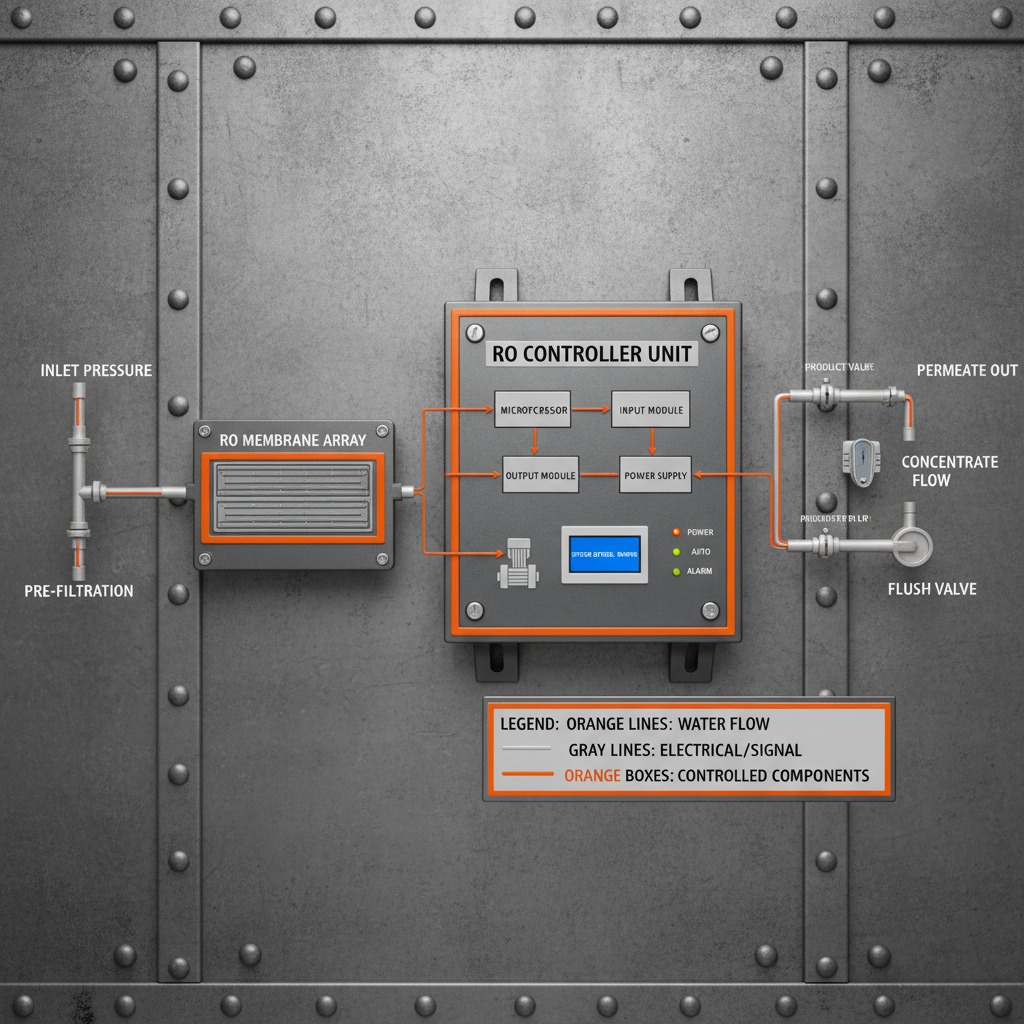
Guide to Choosing the Right RO Controller for Water PurificationMaintaining a high-performance reverse osmosis system requires more than just quality membranes; it demands precise regulation. An ro controller serves as the brain of the entire operation, monitoring critical parameters such as conductivity, temperature, and flow rates to ensure the output water meets stringent purity standards. Without an efficient controller, systems are prone to membrane fouling, inefficient energy use, and inconsistent water quality. In this comprehensive guide, we will explore how these devices optimize water treatment processes and how to select the best model for your specific industrial or commercial needs.
2026-04-09 03:25:47
Guide to Water Purity Using RO with TDS Controller SystemsAchieving the perfect balance of mineral content and purity in drinking water is a challenge for many households and industrial facilities. A ro with tds controller offers a sophisticated solution by combining the rigorous filtration of Reverse Osmosis (RO) with the precision of a Total Dissolved Solids (TDS) adjustment system. While standard RO systems remove almost everything, including beneficial minerals, a TDS controller allows users to re-mineralize the water to a desired level. This ensures that the water is not only safe and pure but also tastes better and provides essential nutrients.
2026-04-07 03:17:09
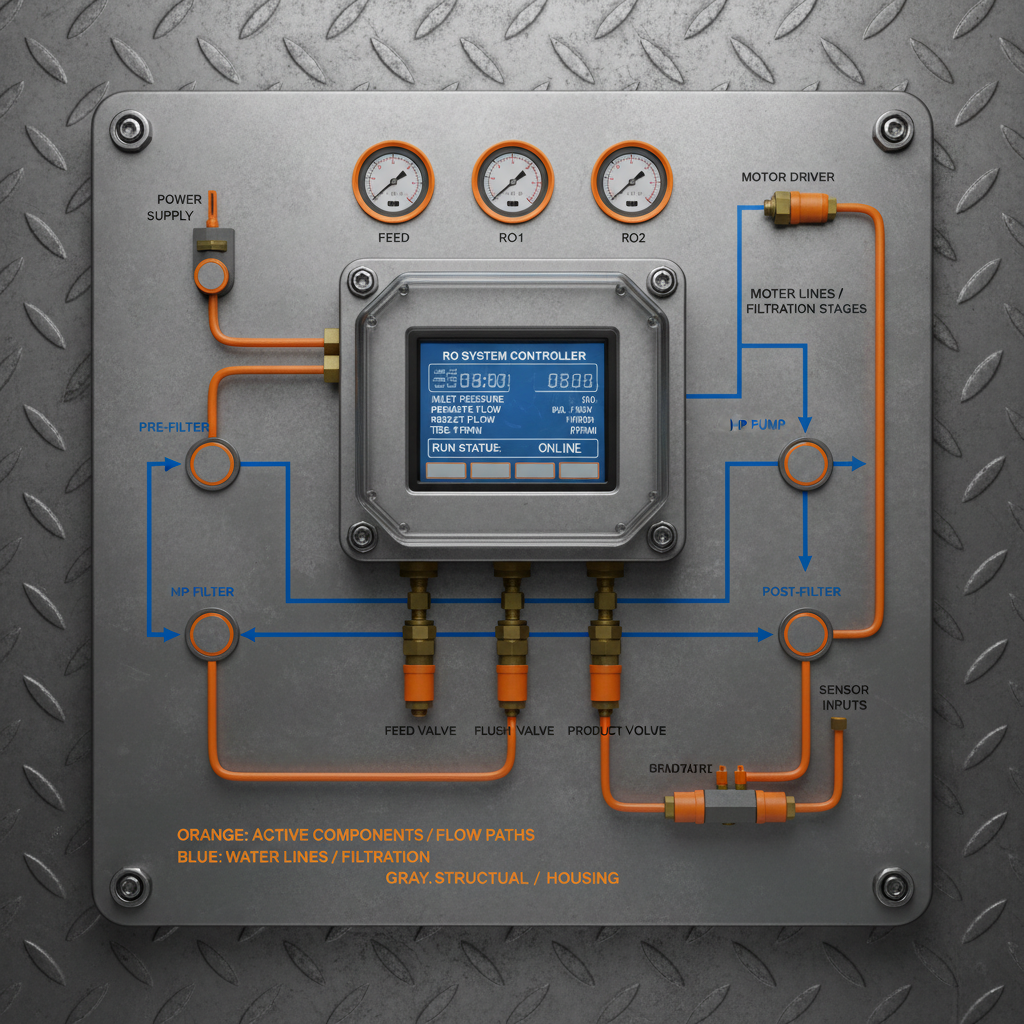
Understanding and Optimizing Reverse Osmosis Systems with a ControllerIn the world of water purification, reverse osmosis (RO) systems are a cornerstone for producing high-quality water for various applications, from drinking water to industrial processes. However, an RO system is only as effective as its control system. This is where the reverse osmosis controller comes into play. This critical component manages and optimizes the RO process, ensuring efficient operation, water quality, and system longevity.
2026-04-04 03:27:19
Understanding the Vital Role of an RO System Controller for Optimal PerformanceReverse Osmosis (RO) systems are critical for purifying water across various industries, from residential applications to large-scale industrial processes. At the heart of a well-functioning RO system lies the RO system controller. This intelligent device monitors and regulates all key parameters of the RO process, ensuring optimal performance, efficiency, and water quality. This article delves into the functionalities, benefits, and selection criteria for choosing the right RO system controller, particularly focusing on those offered by Watequipments. Understanding its role is crucial for maximizing the lifespan and effectiveness of your RO investment.
2026-03-24 17:18:24
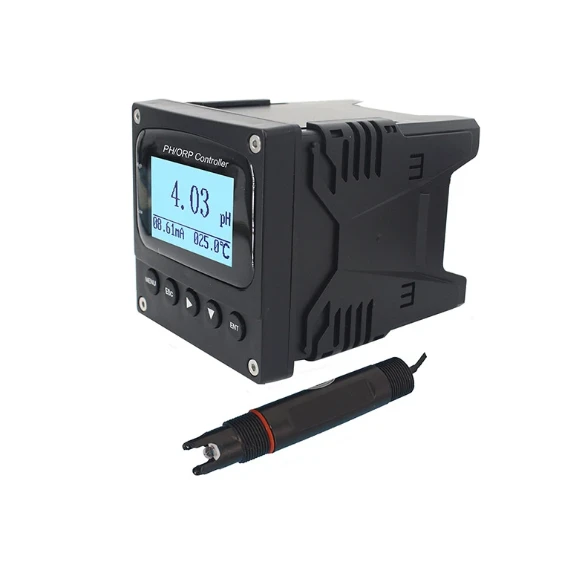
Smart Water Treatment Solutions Using PH ORP Controller SystemsIn modern water treatment and industrial fluid management, maintaining precise chemical balance is essential for safety, efficiency, and regulatory compliance.
2026-03-04 02:55:19
Comprehensive Guide to Water Depth Samplers and Their ApplicationsAccurate water quality monitoring is crucial in various fields, from environmental science and aquaculture to industrial wastewater management. A key tool for this is the water depth sampler. This article provides an in-depth look at water depth samplers, their applications, types, and essential considerations for choosing the right one for your needs. We'll explore the benefits of utilizing this equipment to collect reliable data for analysis and informed decision-making. Selecting the right sampler can significantly improve the precision and efficiency of your water monitoring program. A water depth sampler, also known as a depth-integrated sampler, is a device designed to collect water samples from specific depths within a body of water. Unlike simply dipping a container into the water, a depth sampler allows for collection of a representative sample across a defined depth range. This is critical because water properties (temperature, salinity, pollutants) often vary significantly with depth. The data gathered with a water depth sampler provides a more accurate assessment of water quality than surface samples alone.
2026-03-03 18:55:22
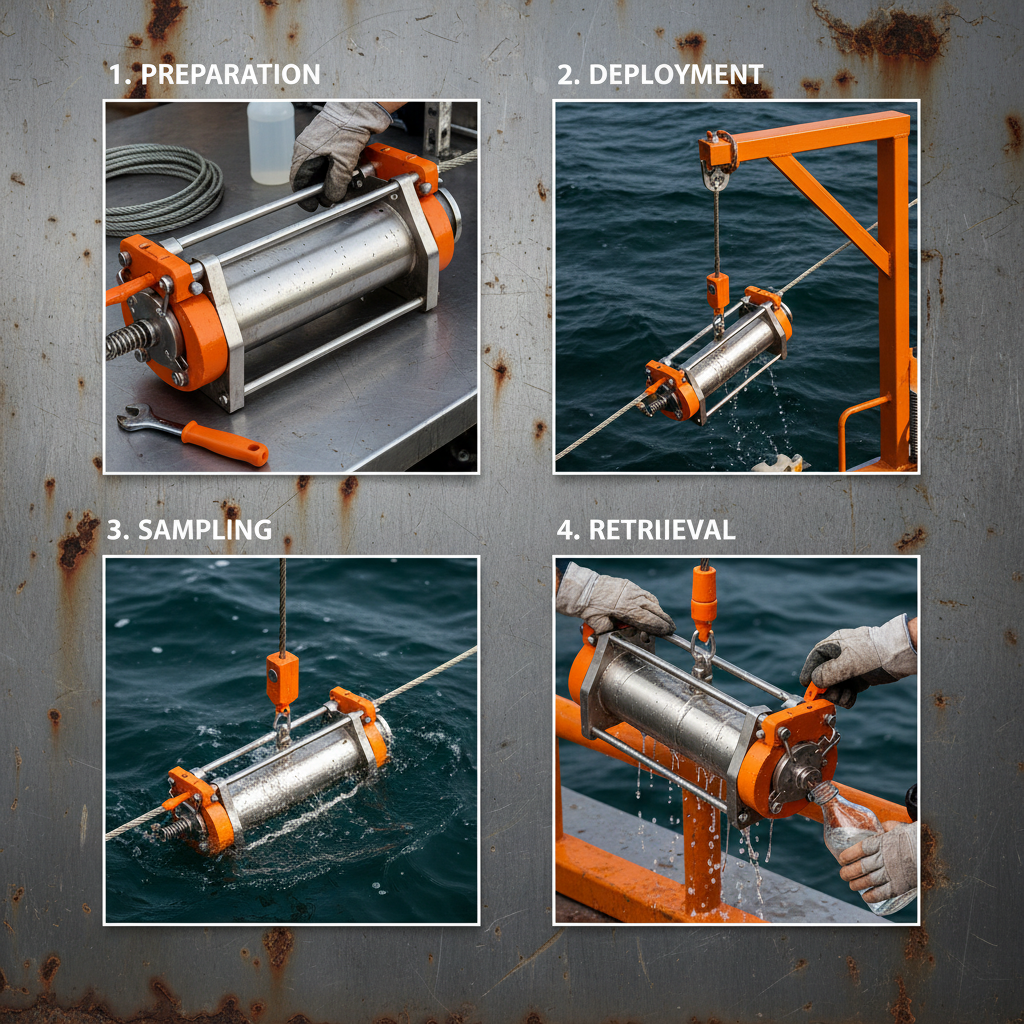
Comprehensive Guide to Horizontal Water Sampler Applications and SelectionCollecting water samples at varying depths is crucial for environmental monitoring, research, and quality control. The horizontal water sampler from Watequipment.com offers a precise and efficient solution for this task. This article provides an in-depth look at horizontal water samplers, their applications, benefits, and key considerations when choosing the right model. We will explore how these samplers contribute to accurate data collection and informed decision-making in various fields. A horizontal water sampler is a device designed to collect water samples from specific depths within a body of water – rivers, lakes, oceans, reservoirs, and even wastewater treatment plants. Unlike vertical samplers which primarily focus on depth, horizontal samplers prioritize collecting samples at a consistent depth while moving along a horizontal plane. This is essential for assessing water quality variations across a waterway or within a specific zone. They are used in applications ranging from environmental monitoring and scientific research to industrial process control and regulatory compliance.
2026-02-28 02:35:09
Comprehensive Guide to Selecting the Right Surface Water Sampler for Your NeedsMonitoring the quality of surface water is critical for environmental protection, public health, and various industrial applications. A surface water sampler is an essential tool for collecting representative samples from rivers, lakes, ponds, and other surface water sources. This article provides a detailed overview of surface water samplers, their types, applications, and key considerations for selecting the right equipment. Accurate water quality data relies on proper sample collection, and choosing the correct sampler is the first step toward achieving reliable results. Surface water samplers come in various designs, each suited to specific sampling needs. Common types include grab samplers, depth-integrating samplers, peristaltic pumps, and automatic samplers. Surface water samplers are used across a broad spectrum of applications, including environmental monitoring, wastewater discharge monitoring, drinking water source monitoring, agricultural runoff analysis, and research studies.

 English