


Comprehensive Guide to ORP Sensor Pool Technology: Applications & Benefits

Comprehensive Guide to ORP Sensor Pool Technology: Applications & Benefits
Nov . 18, 2025
Understanding ORP Sensor Pool Technology: Why It Matters Worldwide
In a world where water quality monitoring is more critical than ever, the orp sensor pool plays a silent but essential role. From local swimming pools to vast industrial water systems, these sensors help measure oxidation-reduction potential (ORP), providing a quick pulse-check on water safety and cleanliness. Understanding these sensors isn't just for technicians—in global health, environmental preservation, and industrial safety, their impact goes far beyond the surface.
ORP sensors help communities maintain safe water, reduce harmful chemical use, and meet strict quality standards. As water scarcity and pollution symptoms worsen globally, having reliable, real-time water monitoring tools is foundational. After all, the purity of water affects people’s health, ecosystems, and even livelihoods everywhere.
The Global Relevance of ORP Sensor Pool Systems
Why does the orp sensor pool suddenly appear in conversations from backyard pool owners to UN clean water initiatives? Here’s a stat to think about: The World Health Organization estimates over 2 billion people use drinking water sources contaminated with feces. ORP sensors are part of the toolkit to fight that.
Globally, industries and municipal water treatment facilities use ORP sensors to ensure compliance with ISO water quality standards. Health agencies rely on it to manage disinfection processes efficiently, cutting down on chemical waste. But it’s not just urban centers—remote villages and disaster relief water systems increasingly deploy these sensors to keep water safe under tough conditions. The challenge — producing affordable, durable sensors that give real-time, accurate readings in varied environments.
What Exactly Is an ORP Sensor Pool?
Simply put, an ORP sensor measures the oxidizing or reducing capacity of water by sensing the voltage difference; it’s like the water’s own “redox” heartbeat. This provides a numeric value indicating the chemical cleanliness and disinfectant potential of water.
In a pool setting, ORP sensors ensure disinfectant levels (usually chlorine) are optimal — not too weak to let pathogens survive, and not too strong to irritate swimmers. Beyond pools, these sensors monitor wastewater treatment, industrial effluents, and drinking water safety. This connection to both human health and industry makes them quietly indispensable.
Core Components That Define ORP Sensor Pool Technology
1. Sensor Durability
In an environment where sensors are submerged, exposed to chemicals, and temperature fluctuations, durability is non-negotiable. Many ORP sensors feature robust glass electrodes with chemical-resistant coatings to prevent corrosion and prolong lifespan.
2. Accuracy and Calibration
ORP sensors must deliver precise readings because water treatment decisions depend on those numbers. Calibration against standard solutions ensures they stay accurate, but the process often requires expertise. The latest models offer self-calibrating or low-maintenance innovations to ease this burden.
3. Connectivity and Integration
Modern ORP sensors increasingly come with digital outputs compatible with SCADA or IoT systems, enabling remote monitoring and data logging. This connectivity is transforming how pool operators and water managers react — faster responses mean safer water.
4. Cost-Effectiveness
From municipal budgets to private pool operators, affordability matters. The sensor cost must balance initial investment, maintenance, and replacement frequency. Advancements are driving costs down, making quality ORP sensors accessible for a wider range of users.
5. Scalability
The technology needs to fit tiny pools and huge industrial plants alike. Scalability also means solutions can be tailored—whether it’s a handheld tester or a permanent installed device with multi-sensor functionality.
Mini takeaway: Durability, precision, connectivity, affordability, and scale — these are the pillars that shape the usefulness of any orp sensor pool in real-world settings.
Real-World Applications: Where ORP Sensor Pools Make a Splash
Let’s talk about use cases. In developed nations, municipal water treatment plants use ORP sensors alongside chlorine dosing systems to optimize disinfection, minimizing chemical overuse and maximizing efficacy.
In commercial pool management, sensors prevent outbreaks of waterborne illnesses, protecting thousands of swimmers every day. Remote industrial zones—like mining operations in Australia or paper mills in Scandinavia—implement ORP sensors within their wastewater treatment stages to meet environmental regulations.
Post-disaster relief organizations often deploy mobile ORP sensor kits. Imagine after floods or hurricanes, when waterborne diseases spike; quick water quality checks using these sensors become lifesaving interventions. Emerging markets increasingly adopt this technology, sometimes facilitated by NGOs or governmental clean water programs promoting sustainable health.
Advantages & Long-Term Value of Using ORP Sensor Pool Technology
- Cost savings: Precise sensor data reduces chemical wastage and operational costs.
- Sustainability: Optimized treatment lowers environmental footprint.
- Public health: Enhanced water safety protects communities and builds trust.
- Innovative integration: Digital data enables predictive maintenance and better system design.
- Emotional impact: Knowing water is safe provides peace of mind — especially for families and facility managers.
For pool operators and water treatment professionals alike, these benefits compound, turning an ORP sensor from a technical gizmo into a significant part of the health and safety puzzle.
Product Specification Table for Typical ORP Sensor Pool Units
| Feature | Specification |
|---|---|
| Measurement Range | -1000 mV to +1000 mV |
| Operating Temperature | 0°C to 60°C |
| Response Time | |
| Connector Type | BNC or digital output |
| Calibration | Manual or automatic |
| Lifespan | 12-18 months typical |
Vendor Comparison: Picking the Right ORP Sensor Pool Provider
| Feature | Vendor A | Vendor B | Vendor C |
|---|---|---|---|
| Cost | $$$ | $$ | $ |
| Durability | High (corrosion-resistant) | Medium | Basic |
| Calibration Ease | Automatic | Manual | Manual |
| Connectivity | IoT-enabled | Analog output | Digital output |
| Warranty | 2 years | 1 year | 6 months |
Looking Ahead: Innovations in ORP Sensor Pool Technology
The future is brighter than ever for ORP sensor pools. Digital transformation is at its core — sensors that self-calibrate using AI, wireless modules that sync seamlessly with cloud platforms, and greener manufacturing methods are all becoming reality.
Materials science is improving too. New glass types and electrode coatings promise longer life spans and better accuracy in extreme conditions. Automation trends are enabling fully automated water treatment plants where ORP sensors communicate directly with dosing pumps.
On the sustainability front, less chemical use and more energy-efficient sensor designs support global climate goals, bridging technology with environmental stewardship — a tidy win for everyone.
Common Challenges & How Experts Tackle Them
ORP sensors aren’t without their headaches. Interference from water constituents can skew readings, calibration can be tedious, and sensor fouling requires regular cleaning. But engineers are increasingly using robust algorithmic filters, low-maintenance sensor designs, and improved maintenance protocols. Training operators is also key; many sensors come with handy manuals and digital support to ease these burdens.
Cost barriers remain in some regions, but rising competition and modular design options are making sensors accessible to NGOs and smaller communities.
FAQs About ORP Sensor Pool Technology
- What does ORP value indicate in pool water?
ORP value reflects the water’s ability to oxidize contaminants; higher ORP means better disinfection potential usually from chlorine presence, ensuring the pool stays hygienic. - How often should an ORP sensor in a pool be calibrated?
Most experts recommend calibration every 1-3 months depending on usage and water conditions to maintain accuracy. - Can an ORP sensor detect specific contaminants?
No, ORP sensors provide an overall oxidation-reduction measurement, not specific toxins. Additional tests are needed for precise contaminant identification. - Is installing an ORP sensor complicated for a standard pool?
Not really; many modern sensors come with simple installation kits and clear instructions, making integration feasible even for small pools. - Are ORP sensors affected by water temperature?
Yes, temperature affects ORP readings, so most sensors include compensation features for more reliable data.
Wrapping Up: Why ORP Sensor Pool Solutions Are So Vital
ORP sensor pool technology blends precision, reliability, and growing innovation to keep water cleaner, safer, and better managed globally. From public health to environmental goals, these sensors quietly punch well above their weight.
If you’re interested in learning more or sourcing quality ORP sensors, do visit orp sensor pool supplier sites for detailed specs, vendor reviews, and expert support.
Hope this piece helped demystify what sometimes seems like complex tech — at its core, it’s about safer water for everyone, everywhere.
References:
1. World Health Organization - Drinking Water
2. Wikipedia - Oxidation–reduction potential
3. ISO Water Quality Standards

Related Products
Related News

2026-04-16 03:20:19
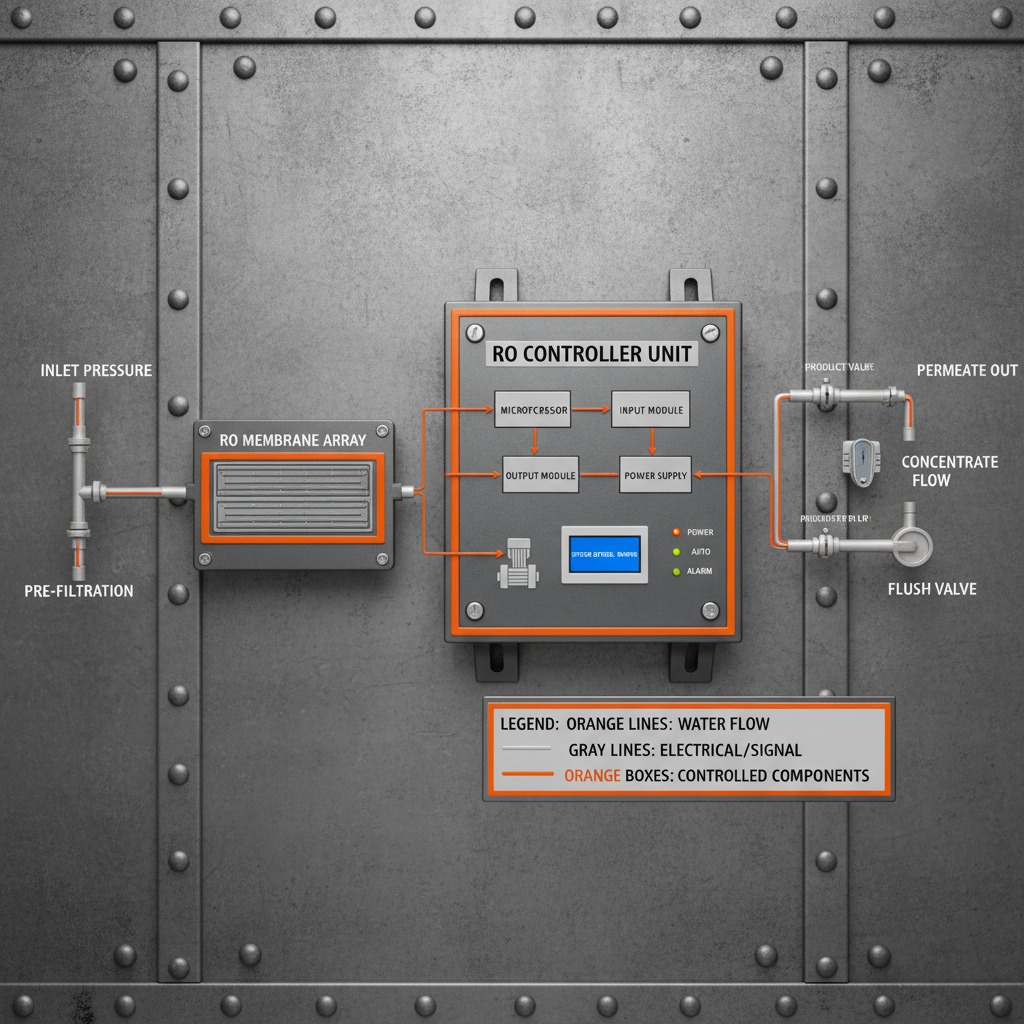
Guide to Choosing the Right RO Controller for Water PurificationMaintaining a high-performance reverse osmosis system requires more than just quality membranes; it demands precise regulation. An ro controller serves as the brain of the entire operation, monitoring critical parameters such as conductivity, temperature, and flow rates to ensure the output water meets stringent purity standards. Without an efficient controller, systems are prone to membrane fouling, inefficient energy use, and inconsistent water quality. In this comprehensive guide, we will explore how these devices optimize water treatment processes and how to select the best model for your specific industrial or commercial needs.
2026-04-09 03:25:47
Guide to Water Purity Using RO with TDS Controller SystemsAchieving the perfect balance of mineral content and purity in drinking water is a challenge for many households and industrial facilities. A ro with tds controller offers a sophisticated solution by combining the rigorous filtration of Reverse Osmosis (RO) with the precision of a Total Dissolved Solids (TDS) adjustment system. While standard RO systems remove almost everything, including beneficial minerals, a TDS controller allows users to re-mineralize the water to a desired level. This ensures that the water is not only safe and pure but also tastes better and provides essential nutrients.
2026-04-07 03:17:09
Understanding and Optimizing Reverse Osmosis Systems with a ControllerIn the world of water purification, reverse osmosis (RO) systems are a cornerstone for producing high-quality water for various applications, from drinking water to industrial processes. However, an RO system is only as effective as its control system. This is where the reverse osmosis controller comes into play. This critical component manages and optimizes the RO process, ensuring efficient operation, water quality, and system longevity.
2026-04-04 03:27:19
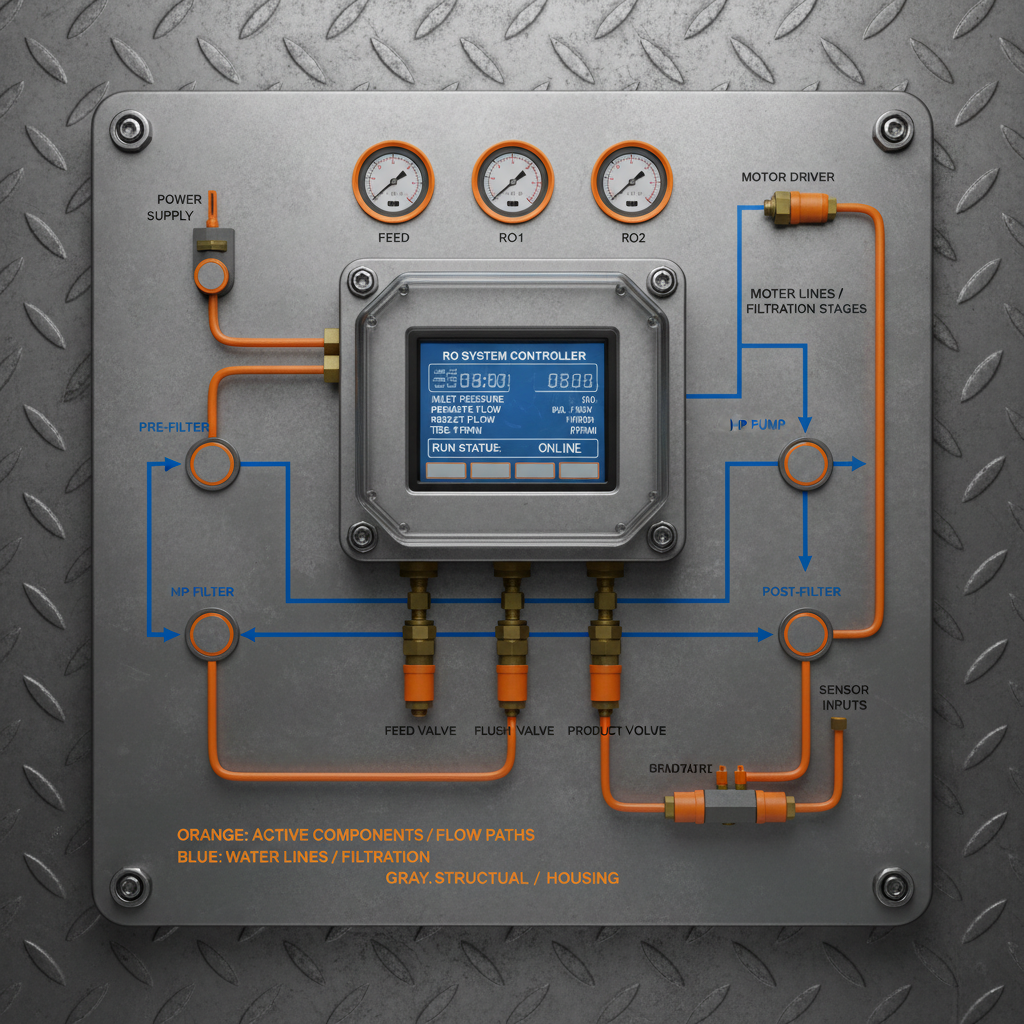
Understanding the Vital Role of an RO System Controller for Optimal PerformanceReverse Osmosis (RO) systems are critical for purifying water across various industries, from residential applications to large-scale industrial processes. At the heart of a well-functioning RO system lies the RO system controller. This intelligent device monitors and regulates all key parameters of the RO process, ensuring optimal performance, efficiency, and water quality. This article delves into the functionalities, benefits, and selection criteria for choosing the right RO system controller, particularly focusing on those offered by Watequipments. Understanding its role is crucial for maximizing the lifespan and effectiveness of your RO investment.
2026-03-24 17:18:24
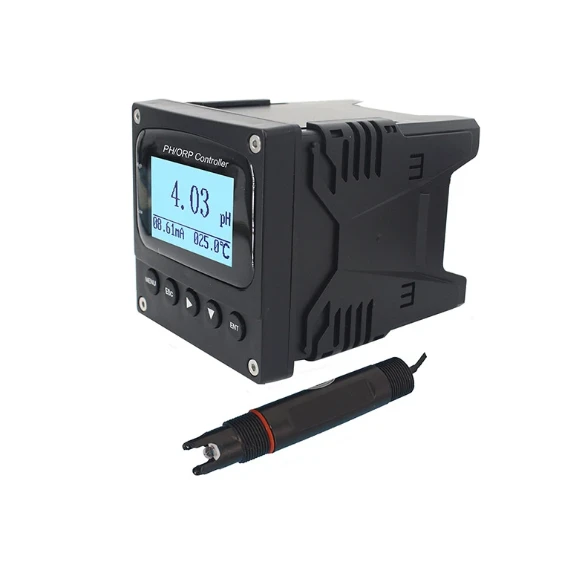
Smart Water Treatment Solutions Using PH ORP Controller SystemsIn modern water treatment and industrial fluid management, maintaining precise chemical balance is essential for safety, efficiency, and regulatory compliance.
2026-03-04 02:55:19
Comprehensive Guide to Water Depth Samplers and Their ApplicationsAccurate water quality monitoring is crucial in various fields, from environmental science and aquaculture to industrial wastewater management. A key tool for this is the water depth sampler. This article provides an in-depth look at water depth samplers, their applications, types, and essential considerations for choosing the right one for your needs. We'll explore the benefits of utilizing this equipment to collect reliable data for analysis and informed decision-making. Selecting the right sampler can significantly improve the precision and efficiency of your water monitoring program. A water depth sampler, also known as a depth-integrated sampler, is a device designed to collect water samples from specific depths within a body of water. Unlike simply dipping a container into the water, a depth sampler allows for collection of a representative sample across a defined depth range. This is critical because water properties (temperature, salinity, pollutants) often vary significantly with depth. The data gathered with a water depth sampler provides a more accurate assessment of water quality than surface samples alone.
2026-03-03 18:55:22
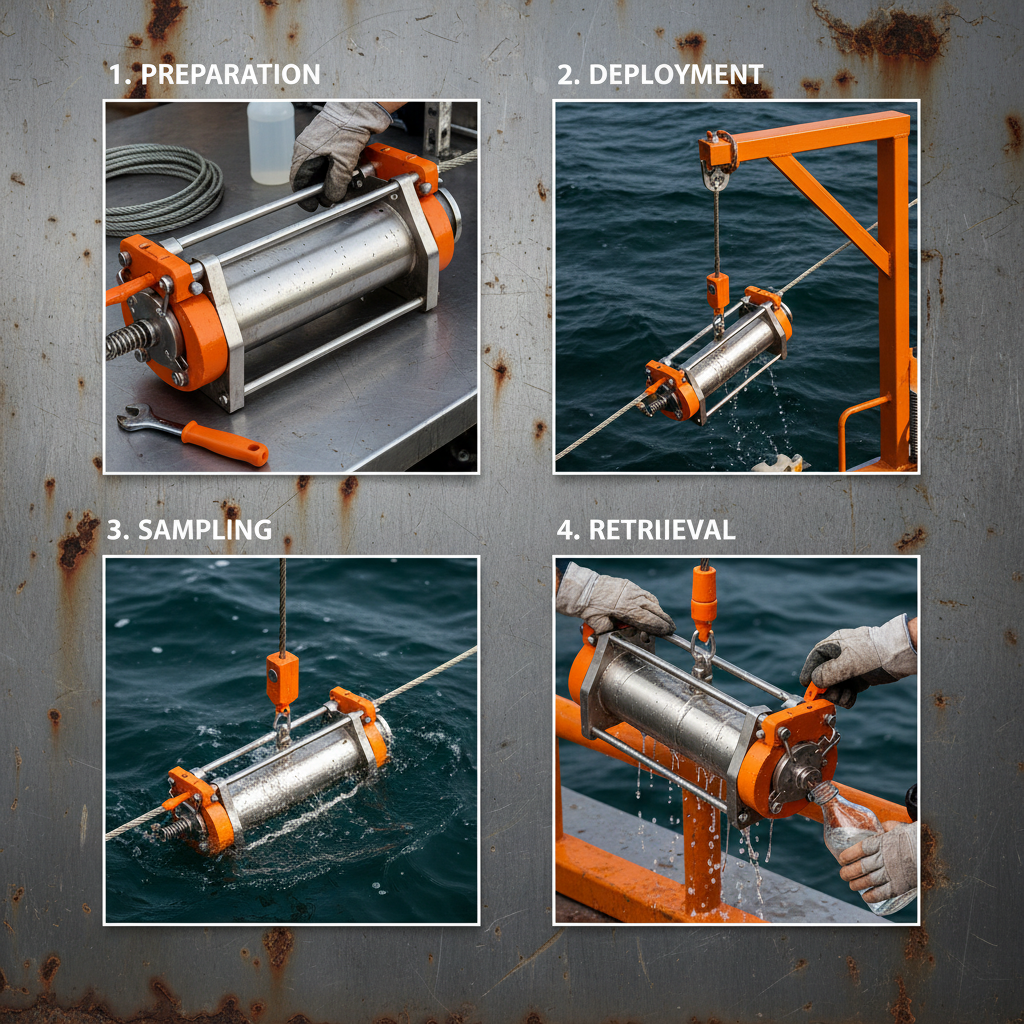
Comprehensive Guide to Horizontal Water Sampler Applications and SelectionCollecting water samples at varying depths is crucial for environmental monitoring, research, and quality control. The horizontal water sampler from Watequipment.com offers a precise and efficient solution for this task. This article provides an in-depth look at horizontal water samplers, their applications, benefits, and key considerations when choosing the right model. We will explore how these samplers contribute to accurate data collection and informed decision-making in various fields. A horizontal water sampler is a device designed to collect water samples from specific depths within a body of water – rivers, lakes, oceans, reservoirs, and even wastewater treatment plants. Unlike vertical samplers which primarily focus on depth, horizontal samplers prioritize collecting samples at a consistent depth while moving along a horizontal plane. This is essential for assessing water quality variations across a waterway or within a specific zone. They are used in applications ranging from environmental monitoring and scientific research to industrial process control and regulatory compliance.
2026-02-28 02:35:09
Comprehensive Guide to Selecting the Right Surface Water Sampler for Your NeedsMonitoring the quality of surface water is critical for environmental protection, public health, and various industrial applications. A surface water sampler is an essential tool for collecting representative samples from rivers, lakes, ponds, and other surface water sources. This article provides a detailed overview of surface water samplers, their types, applications, and key considerations for selecting the right equipment. Accurate water quality data relies on proper sample collection, and choosing the correct sampler is the first step toward achieving reliable results. Surface water samplers come in various designs, each suited to specific sampling needs. Common types include grab samplers, depth-integrating samplers, peristaltic pumps, and automatic samplers. Surface water samplers are used across a broad spectrum of applications, including environmental monitoring, wastewater discharge monitoring, drinking water source monitoring, agricultural runoff analysis, and research studies.

 English